
Podcast
BirdNote Daily
Hosted by BirdNote · EN
Escape the daily grind and immerse yourself in the natural world. Rich in imagery, sound, and information, BirdNote inspires you to notice the world around you.
157episodes
Episodes
Newest firstAll episodes
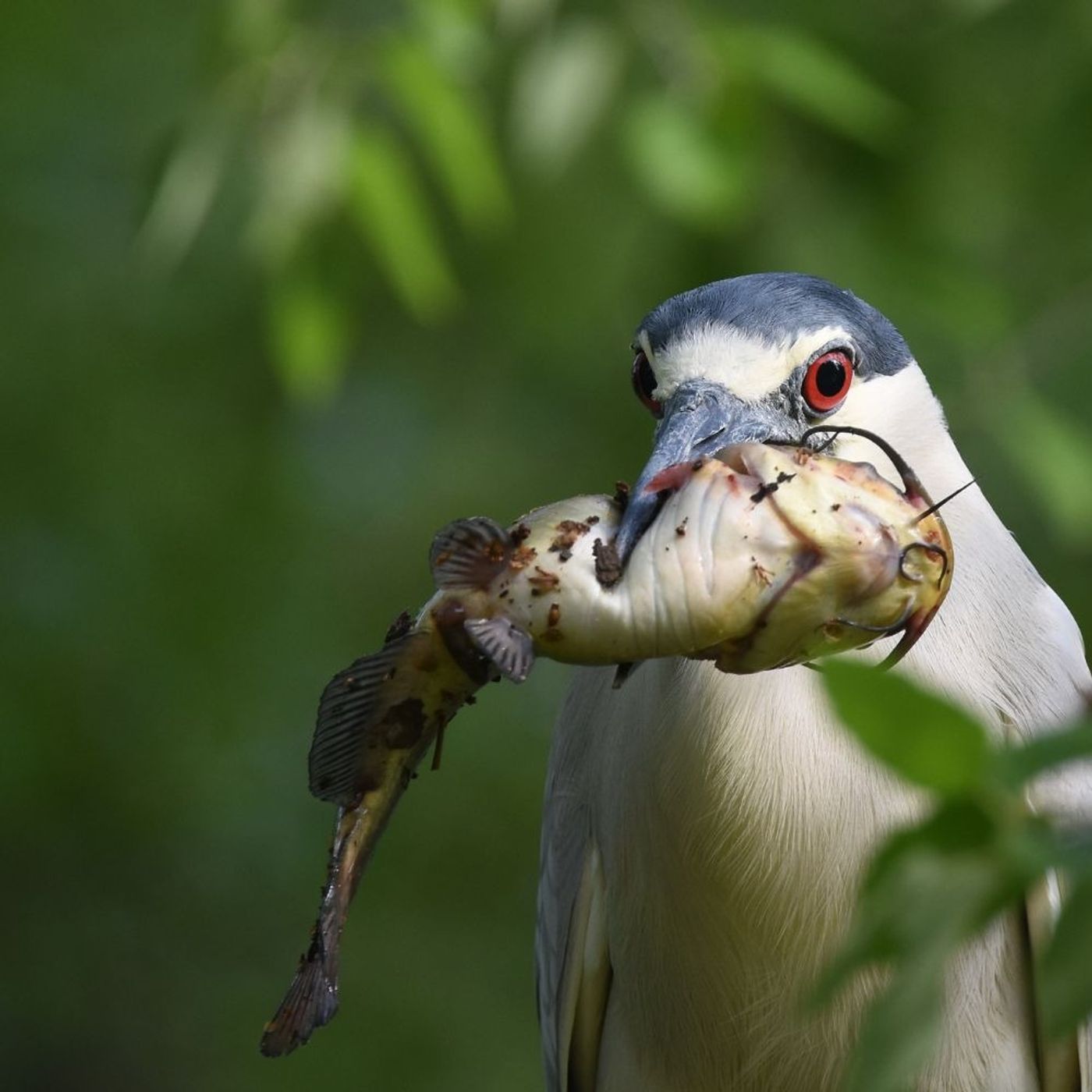
Zoos as Night Heron Habitats
3w ago00:01:45Tap to summarizeZoos can be great places to see birds, and not just in an aviary – wild birds sometimes feel right at home in these urban green spaces. For example, Black-crowned Night Herons love nesting near bodies of water where they can catch fish, frogs, and other prey. They may find that the pond within a crocodile exhibit is also the perfect spot for a rookery! Next time you visit a zoo near you, keep an eye out for local species, too. More info and transcript at BirdNote.org. Want more BirdNote? Subscribe to our weekly newsletter. Sign up for BirdNote+ to get ad-free listening and other perks. BirdNote is a nonprofit. Your tax-deductible gift makes these shows possible. Hosted by Simplecast, an AdsWizz company. See pcm.adswizz.com for information about our collection and use of personal data for advertising.
Transcribe →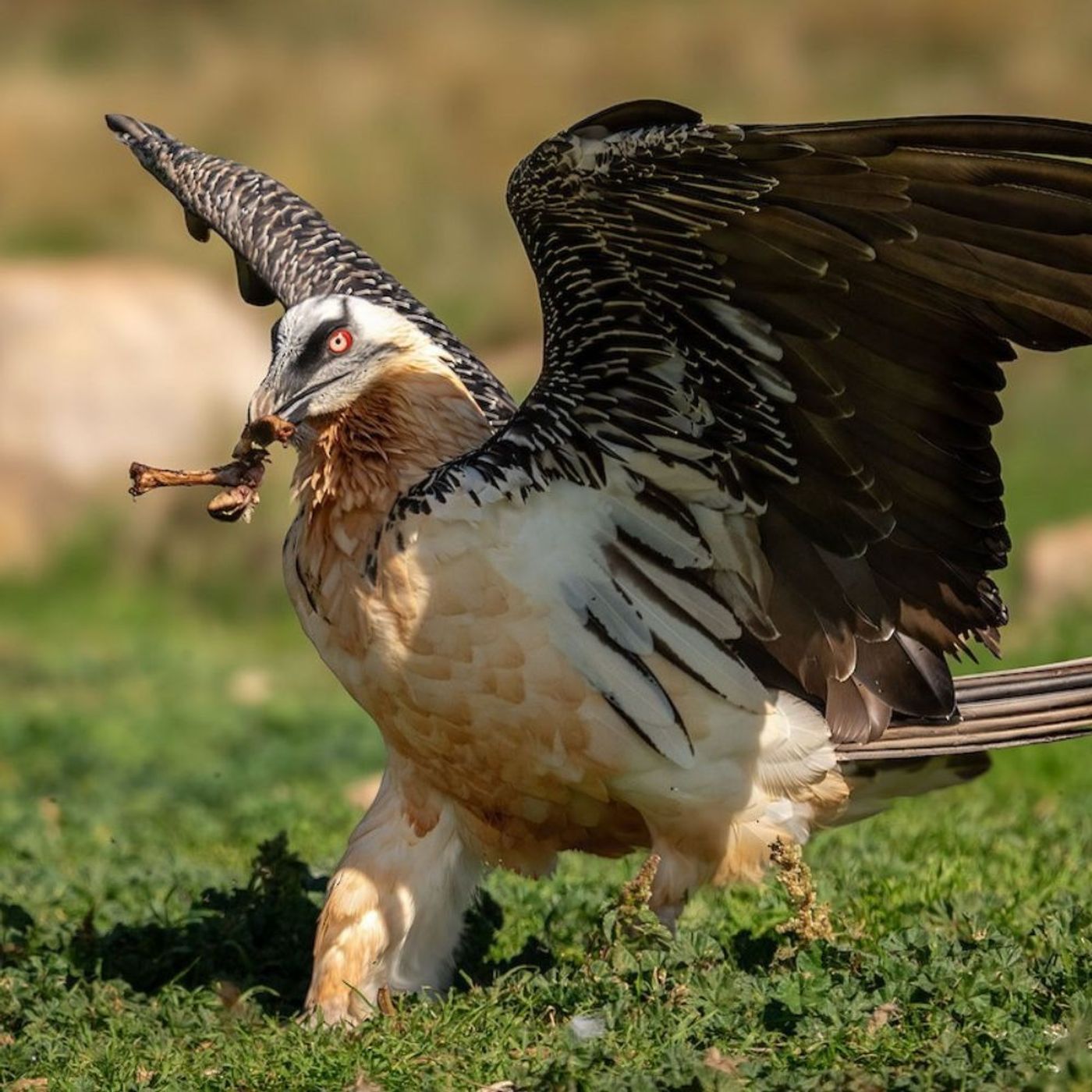
Bearded Vulture Nests Are Natural Museums
3w ago00:01:36Tap to summarizeBearded Vultures have lived alongside humans for thousands of years. Though these majestic raptors are mostly found in Asia and Africa today, they were once abundant in Europe, too. While Bearded Vultures have vanished across much of their original range, their nests remain like time capsules of a bygone era. Researchers analyzed historical nests in southern Spain where the birds haven’t been seen in nearly a century. They found thousands of bone fragments, dozens of egg shells — as well as hundreds of human artifacts that were likely added as nesting material. These hoarded items offer an unexpected glimpse of what life was once like for the people and wildlife that thrived in this region. More info and transcript at BirdNote.org. Want more BirdNote? Subscribe to our weekly newsletter. Sign up for BirdNote+ to get ad-free listening and other perks. BirdNote is a nonprofit. Your tax-deductible gift makes these shows possible. Hosted by Simplecast, an AdsWizz company. See pcm.adswizz.com for information about our collection and use of personal data for advertising.
Transcribe →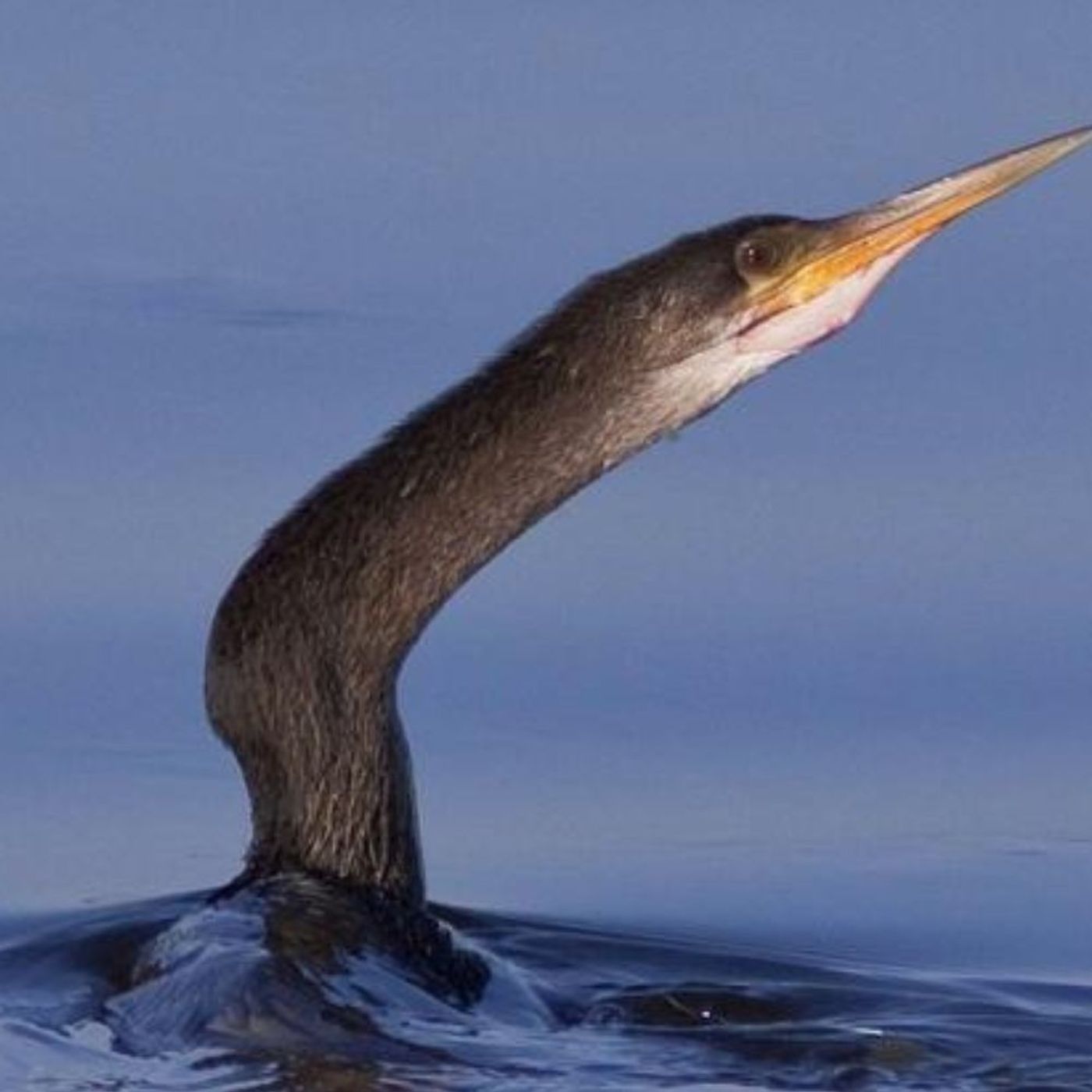
Anhingas — Snakebirds
3w ago00:01:45Tap to summarizeIn the black water of a Louisiana bayou, the water ripples where a slender form glides just beneath the surface. It appears to be a snake, but look closer at the long, narrow spike of a beak. It’s a snakebird, a colloquial name for the Anhinga, swimming with just its head and neck above the water. An Anhinga hangs motionless in the water or swims slowly just below the surface, its neck crooked, like that of a cobra. When an unwary fish swims close, the bird’s head darts forward, impaling its prey. Then it flings it in the air and downs it headfirst! More info and transcript at BirdNote.org. Want more BirdNote? Subscribe to our weekly newsletter. Sign up for BirdNote+ to get ad-free listening and other perks. BirdNote is a nonprofit. Your tax-deductible gift makes these shows possible. Hosted by Simplecast, an AdsWizz company. See pcm.adswizz.com for information about our collection and use of personal data for advertising.
Transcribe →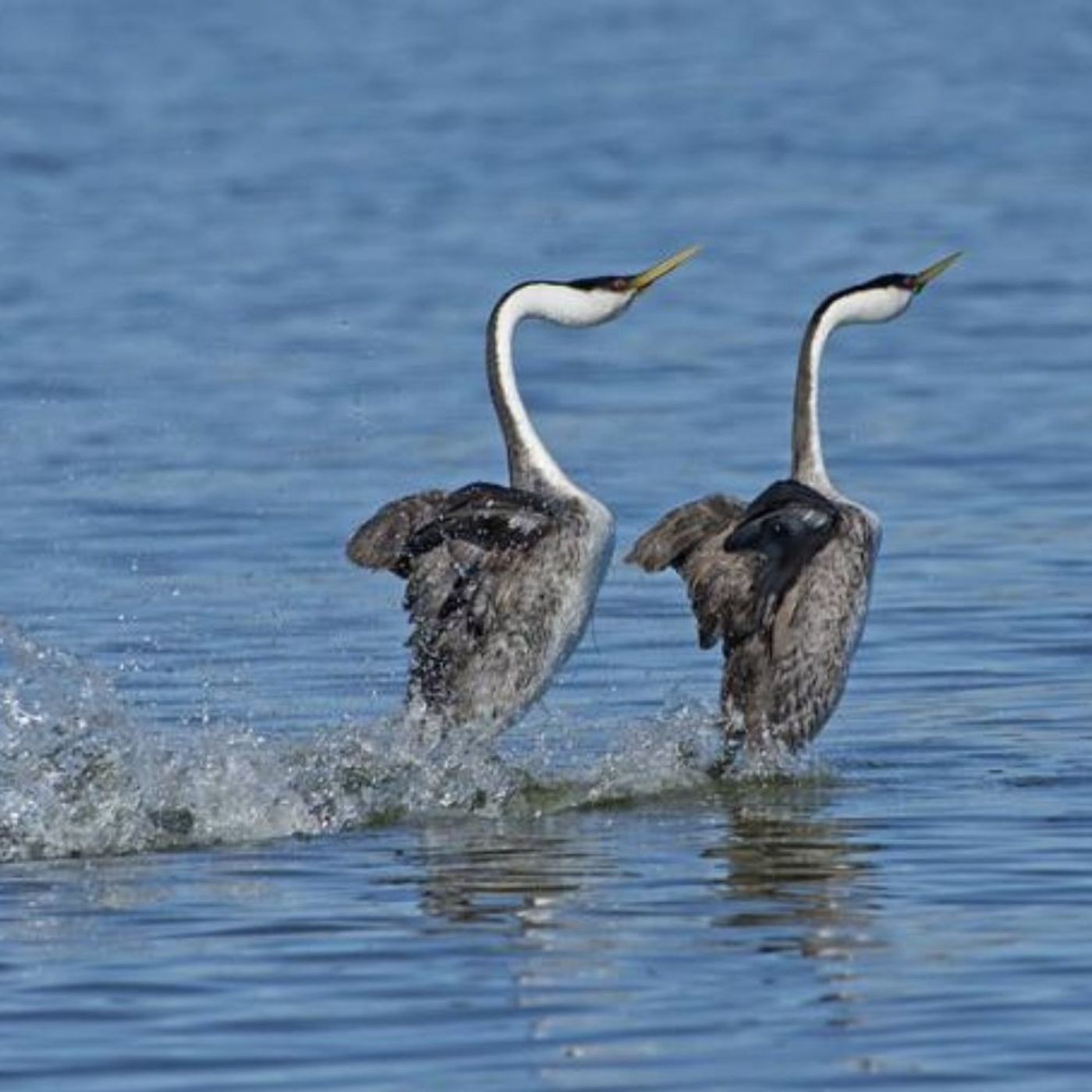
The Ballet of the Grebes
3w ago00:01:45Tap to summarizeWhen a pair of Western Grebes decides it’s time to mate, they call loudly and approach one another. Each bird curves, then straightens, its long neck gracefully. They then face each other, necks on the water’s surface, their bills flipping up drops of water. If attraction prevails, they rush together and off they go across the water, running on the surface side by side. Standing straight up with necks held high and feet churning like propellers, they no longer look much like grebes - more like participants in Tchaikovsky’s ballet, Swan Lake. More info and transcript at BirdNote.org. Want more BirdNote? Subscribe to our weekly newsletter. Sign up for BirdNote+ to get ad-free listening and other perks. BirdNote is a nonprofit. Your tax-deductible gift makes these shows possible. Hosted by Simplecast, an AdsWizz company. See pcm.adswizz.com for information about our collection and use of personal data for advertising.
Transcribe →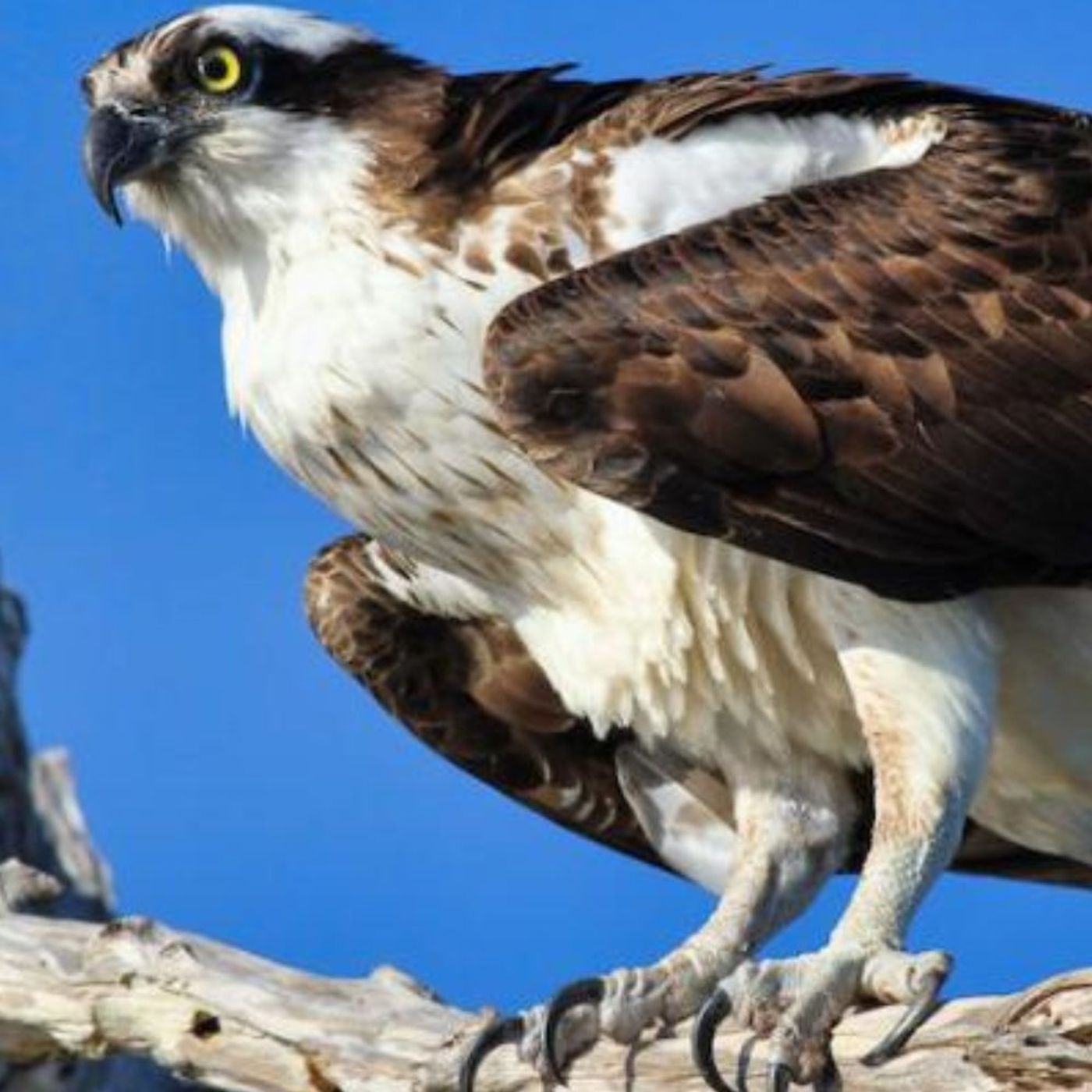
The Superbly Adapted Osprey
3w ago00:01:42Tap to summarizeThis Osprey looks similar to other birds of prey. But the species is truly unique among raptors. For example, the Osprey is the only raptor with oily feathers. And the Osprey’s long, slender, arched wings help it clear the water as it takes flight after catching a fish. The Osprey we see today — just one species worldwide — has changed little since tens of millions of years ago, suggesting that over this period, it has remained particularly well suited to its environment. More info and transcript at BirdNote.org. Want more BirdNote? Subscribe to our weekly newsletter. Sign up for BirdNote+ to get ad-free listening and other perks. BirdNote is a nonprofit. Your tax-deductible gift makes these shows possible. Hosted by Simplecast, an AdsWizz company. See pcm.adswizz.com for information about our collection and use of personal data for advertising.
Transcribe →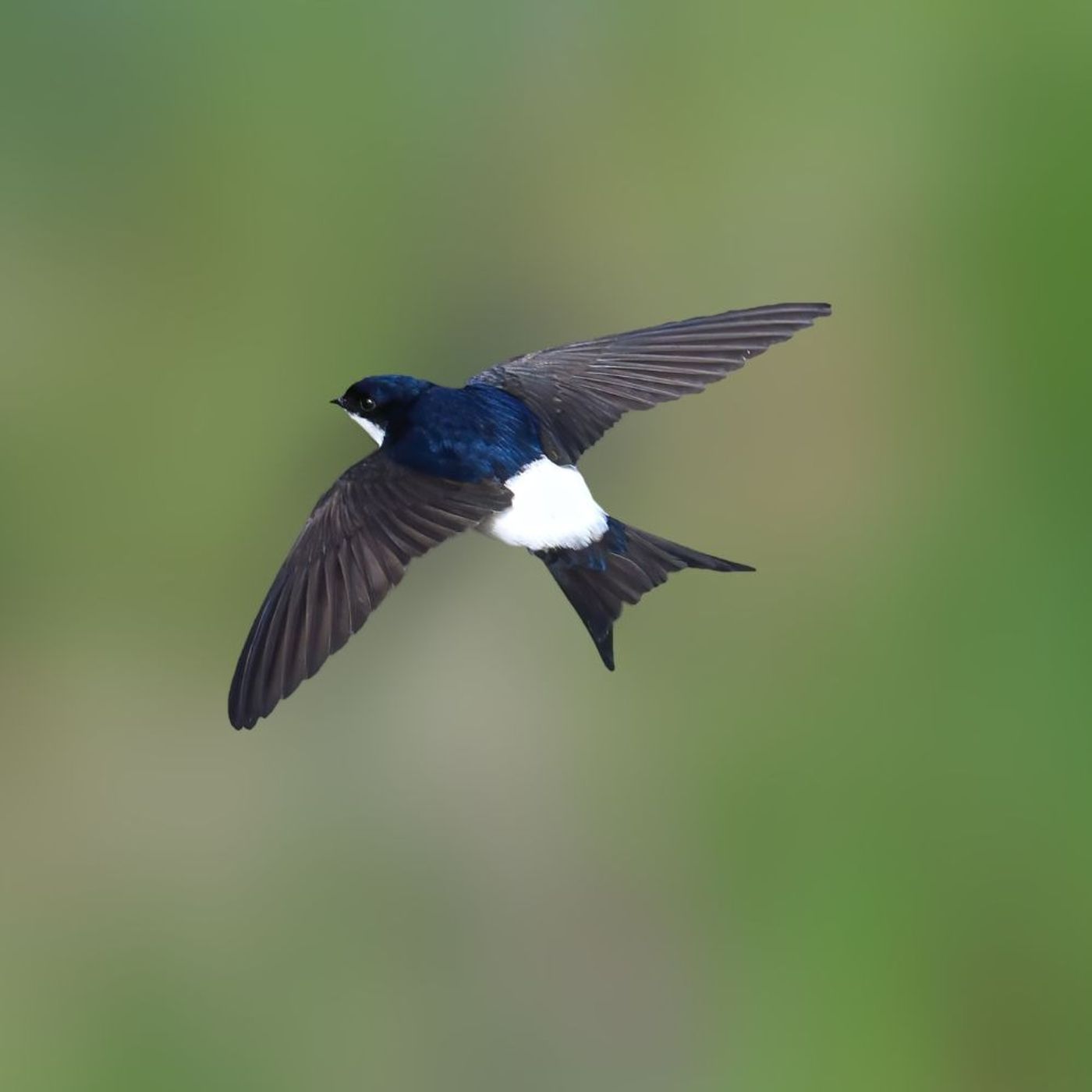
Spark Bird: Olya Weekley And The House-Martins
4w ago00:01:45Tap to summarizeWhen wildlife conservationist Olya Weekley was a little kid, she noticed something incredible from her grandmother’s kitchen window: a pair of House Martins had built a mud nest in the eaves of their third floor apartment. That experience sparked Olya’s life-long love of birds. Now she leads the nestbox program at Tucson Bird Alliance, which designs nestboxes for desert birds and helps people create nesting opportunities at home. More info and transcript at BirdNote.org. Want more BirdNote? Subscribe to our weekly newsletter. Sign up for BirdNote+ to get ad-free listening and other perks. BirdNote is a nonprofit. Your tax-deductible gift makes these shows possible. Hosted by Simplecast, an AdsWizz company. See pcm.adswizz.com for information about our collection and use of personal data for advertising.
Transcribe →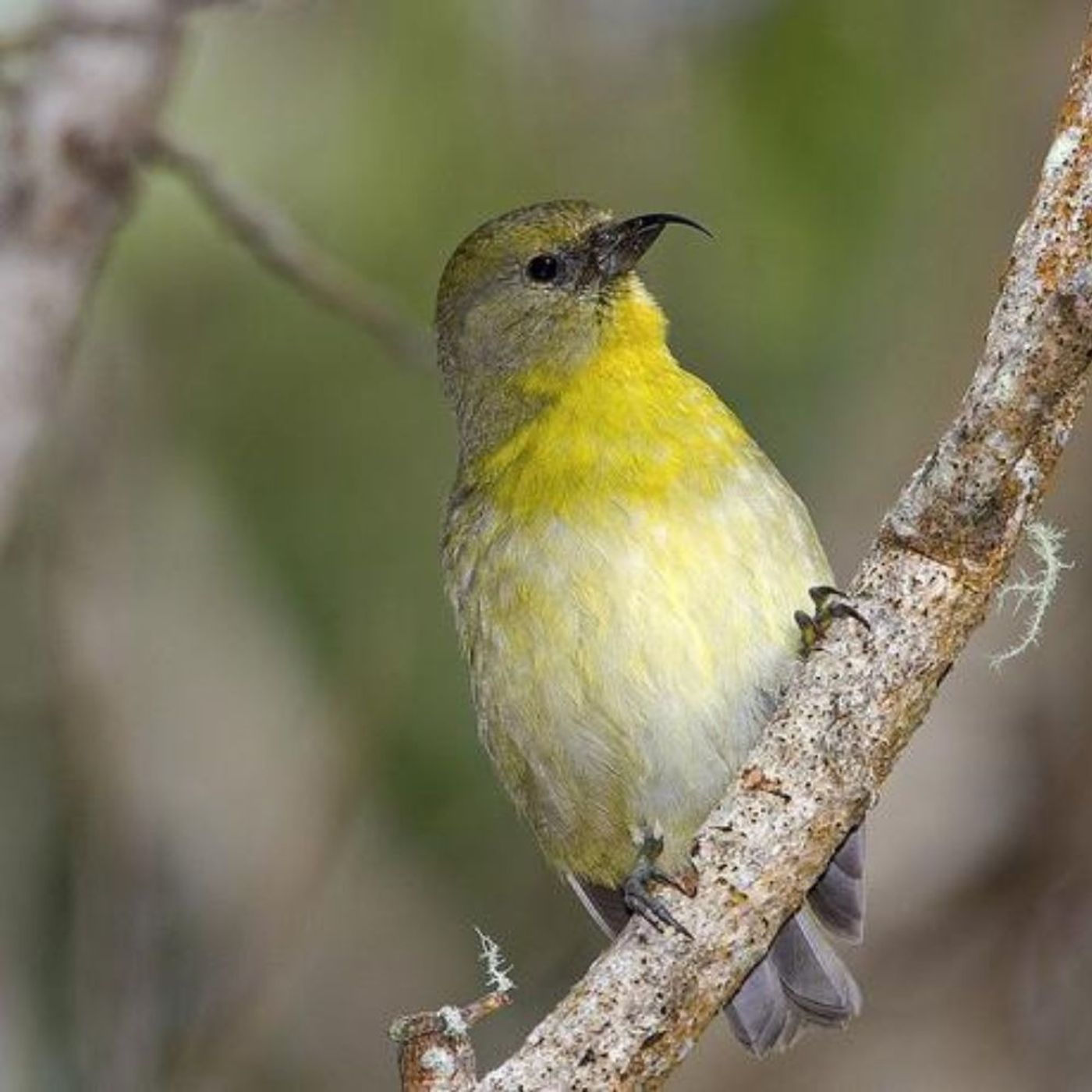
Kipukas and Akis
4w ago00:01:45Tap to summarizeOne of Hawaii’s rarest forest birds is this ‘akiapola’au. Some of the roughly 1,000 'akis left on earth live and breed in kipukas on the lower slopes of Mauna Loa, Hawaii’s largest active volcano. A kipuka is an island of native forest surrounded not by water but by recent lava flows - a green oasis in a sea of black lava. Kipukas are critical areas of native habitat. And the ‘akiapola’au is especially adapted to this habitat and its flora. As the bird forages up and down tree trunks and across the branches, the short half of its bill hammers like that of a woodpecker, and the upper probes for insects under the bark and lichen. In living with a volcano, 'aki and kipuka perform one of nature’s most remarkable balancing acts. More info and transcript at BirdNote.org. Want more BirdNote? Subscribe to our weekly newsletter. Sign up for BirdNote+ to get ad-free listening and other perks. BirdNote is a nonprofit. Your tax-deductible gift makes these shows possible. Hosted by Simplecast, an AdsWizz company. See pcm.adswizz.com for information about our collection and use of personal data for advertising.
Transcribe →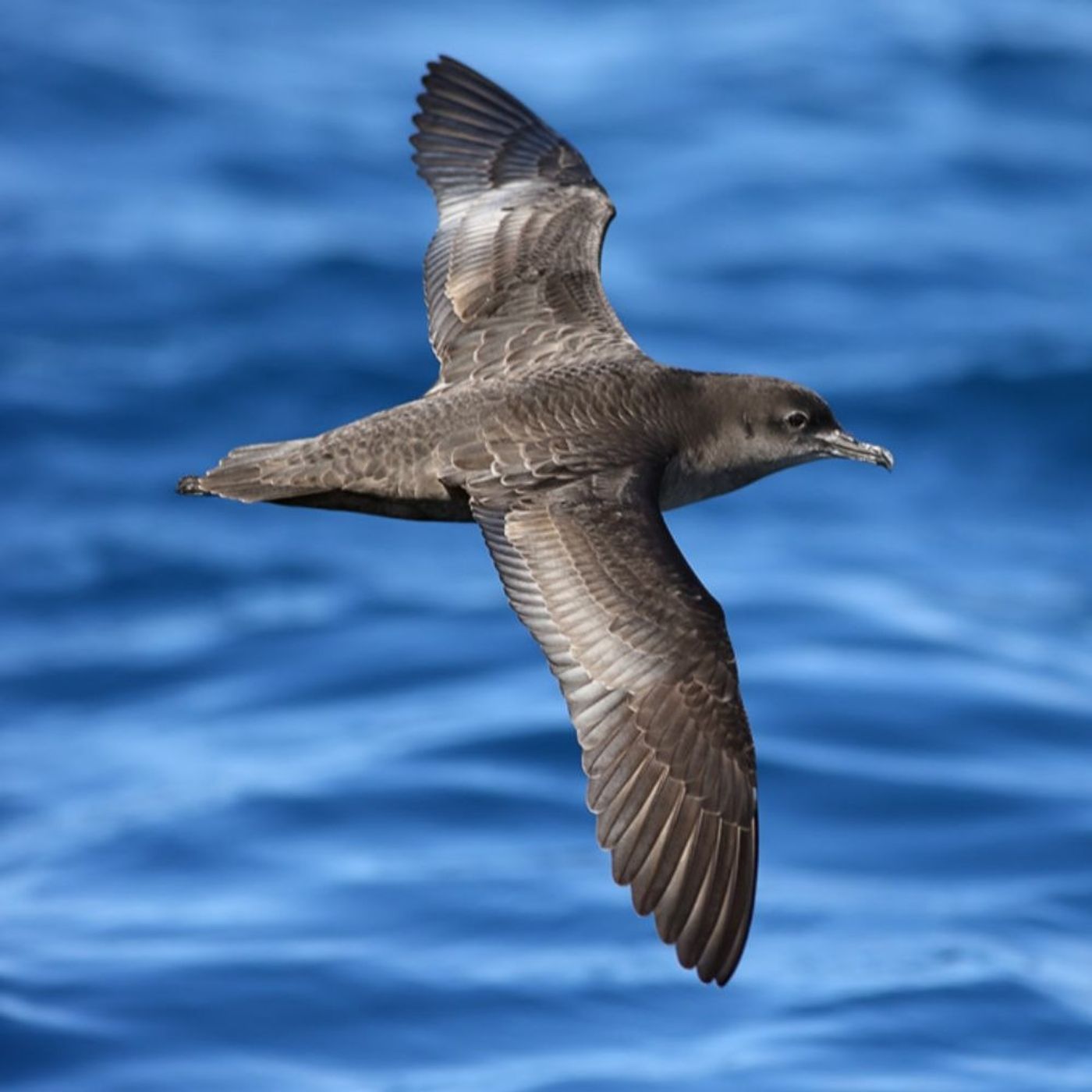
Pick Up Plastic for Seabirds
4w ago00:01:45Tap to summarizeBillions of pounds of plastic end up in our global oceans every year. Birds – like this Short-tailed Shearwater – that mistake this pollution for food often die from malnutrition, poisoning, or damage to their digestive systems. We can all make the world a safer place for birds and people by keeping plastic out of our waterways. You can replace single-use plastics with reusable items, join a community clean up day in your area, or maybe skip party balloons at your next event. More info and transcript at BirdNote.org. Want more BirdNote? Subscribe to our weekly newsletter. Sign up for BirdNote+ to get ad-free listening and other perks. BirdNote is a nonprofit. Your tax-deductible gift makes these shows possible. Hosted by Simplecast, an AdsWizz company. See pcm.adswizz.com for information about our collection and use of personal data for advertising.
Transcribe →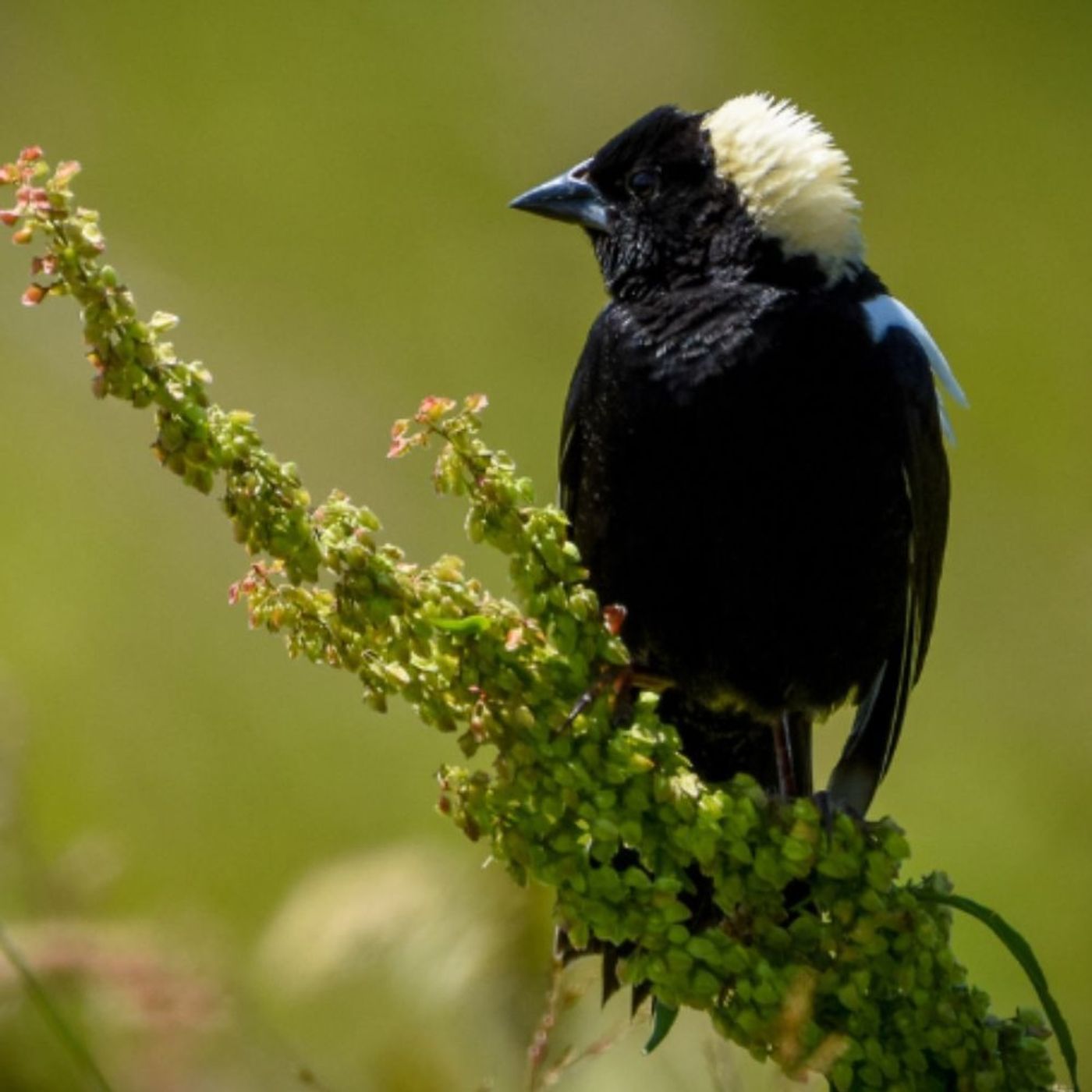
J. Drew Lanham’s Taxonomy of Bird Obsessions
4w ago00:01:42Tap to summarizeOrnithologist J. Drew Lanham's favorite bird is “the one with feathers.” But here, he shares a few species that have been especially on his mind lately — “selected birds of the moment annotated by why.” More info and transcript at BirdNote.org. Want more BirdNote? Subscribe to our weekly newsletter. Sign up for BirdNote+ to get ad-free listening and other perks. BirdNote is a nonprofit. Your tax-deductible gift makes these shows possible. Hosted by Simplecast, an AdsWizz company. See pcm.adswizz.com for information about our collection and use of personal data for advertising.
Transcribe →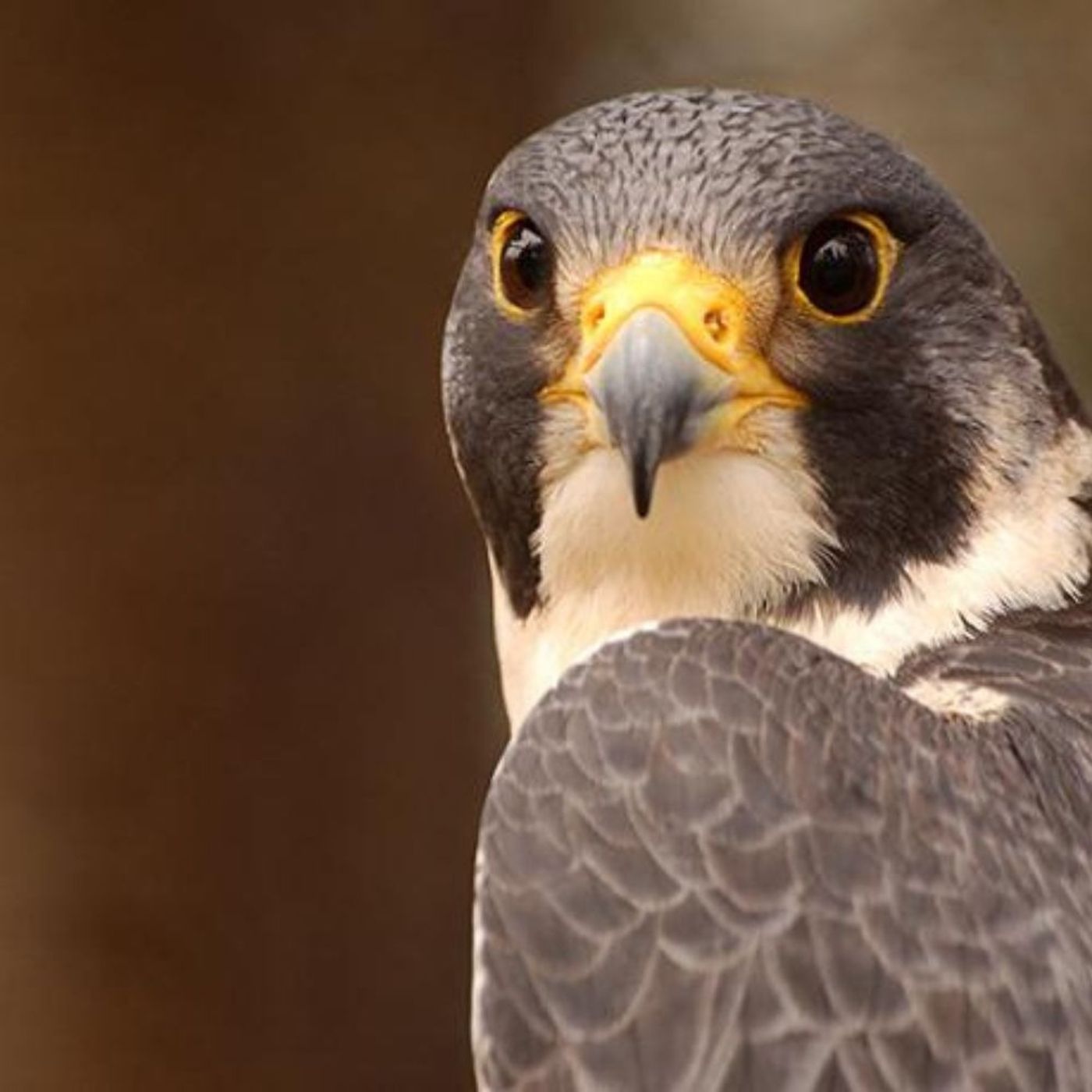
Rock Climbing Among the Peregrines
4w ago00:01:42Tap to summarizeEagle Cliff in New Hampshire’s Franconia Notch State Park is an important nesting site for Peregrine Falcons. Each year, popular climbing routes in the area close temporarily to give nesting falcons their space. After peregrines disappeared from the northeast due to the pesticide DDT, Eagle Cliff was the first natural rock face to host a successful peregrine nest. Now, state agencies and New Hampshire Audubon work with rock climbing groups to decide when to close cliffs in the summer. More info and transcript at BirdNote.org. Want more BirdNote? Subscribe to our weekly newsletter. Sign up for BirdNote+ to get ad-free listening and other perks. BirdNote is a nonprofit. Your tax-deductible gift makes these shows possible. Hosted by Simplecast, an AdsWizz company. See pcm.adswizz.com for information about our collection and use of personal data for advertising.
Transcribe →