
Podcast
Bitcoin.com News Interviews
Hosted by Bitcoin.com · EN
Interviews with the most interesting leaders, founders and investors in Bitcoin and cryptoverse.
49episodes
Episodes
Newest firstAll episodes

Can Bitcoin Mining Save Renewable Energy in the AI Era?
3d ago00:50:35Tap to summarizeBitcoin mining may be one of the most unexpected solutions to a major renewable energy problem: what happens when electricity has nowhere to go?In this episode, David Sencil sits down with Spencer Marr, President of Sangha Renewables, to explore how Bitcoin mining can turn stranded, curtailed, and distressed renewable energy into an economic opportunity.Marr explains why Sangha co-locates Bitcoin mining operations with solar and wind assets, how negative power prices and grid congestion impact renewable energy producers, and why miners can act as flexible buyers for electricity that might otherwise go unused.The conversation also dives into the rapidly growing competition between Bitcoin mining and AI data centers. Are they really competing for the same power? And can existing Bitcoin mining facilities simply be converted into AI or high-performance computing infrastructure?Topics include: How Bitcoin mining monetizes stranded renewable energy Why solar and wind projects face curtailment and negative power prices Bitcoin mining economics and hash price Why miners can act as flexible energy buyers Bitcoin mining vs. AI data centers Why AI and Bitcoin have very different infrastructure needs The challenges of converting mining sites into AI or HPC facilities Why power infrastructure is becoming increasingly valuable From Texas energy markets to the AI boom, this conversation explores how Bitcoin, renewable energy, and data centers are reshaping the economics of electricity.🎧 Be sure to subscribe on your favorite podcast platform to catch more conversations with industry leaders, economists, and builders shaping the future of crypto and finance.Then join our community and follow us for the latest updates ⬇️► YouTube: https://www.youtube.com/@BitcoincomNews► X (Bitcoin.com): https://x.com/Bitcoincom► X (Bitcoin.com News): https://x.com/bitcoinnews► Telegram: https://t.me/www_Bitcoin_com► Discord: https://discord.gg/9NGNJEnwmW► LinkedIn (Bitcoin.com): https://www.linkedin.com/company/bitcoin.com/► LinkedIn (Bitcoin.com News): https://www.linkedin.com/company/bitcoin-com-news/
Transcribe →
Bitcoin to $16K? Henrik Zeberg’s Warning Before the Next Market Crash
6d ago00:52:37Tap to summarizeCould Bitcoin be heading for one final rally before a historic market downturn?In this episode, Swissblock Head Macro Strategist Henrik Zeberg joins Bitcoin.com to explain why weakening employment, unaffordable housing, declining consumer strength, and excessive speculation may signal that the current risk-asset bull market is entering its final stage.Zeberg challenges the popular belief that rising liquidity will automatically keep Bitcoin and stocks moving higher. He argues that if consumers pull back, credit conditions tighten, and the economy enters a genuine recession, monetary stimulus may not be enough to prevent a deeper and more prolonged market decline.Topics include: Why Bitcoin could rally toward $110,000–$115,000 first The case for a short but powerful altcoin season Why Bitcoin could eventually fall toward $16,000—or lower The disconnect between financial markets and the real economy Why a recession could strengthen the US dollar How weaker consumers could pressure stocks and crypto Where capital may flow after a major market downturn Why commodities, gold, silver, and physical assets could lead the next cycle Zeberg’s central argument is that Bitcoin has never experienced a prolonged recession and may behave very differently once consumers, businesses, and credit markets come under sustained pressure.Do you think Bitcoin could survive a deep recession without a major crash, or is a return to $16,000 still possible?This episode is for informational and educational purposes only and does not constitute financial advice. Always conduct your own research before making financial decisions.🎧 Be sure to subscribe on your favorite podcast platform to catch more conversations with industry leaders, economists, and builders shaping the future of crypto and finance.Then join our community and follow us for the latest updates ⬇️► YouTube: https://www.youtube.com/@BitcoincomNews► X (Bitcoin.com): https://x.com/Bitcoincom► X (Bitcoin.com News): https://x.com/bitcoinnews► Telegram: https://t.me/www_Bitcoin_com► Discord: https://discord.gg/9NGNJEnwmW► LinkedIn (Bitcoin.com): https://www.linkedin.com/company/bitcoin.com/► LinkedIn (Bitcoin.com News): https://www.linkedin.com/company/bitcoin-com-news/
Transcribe →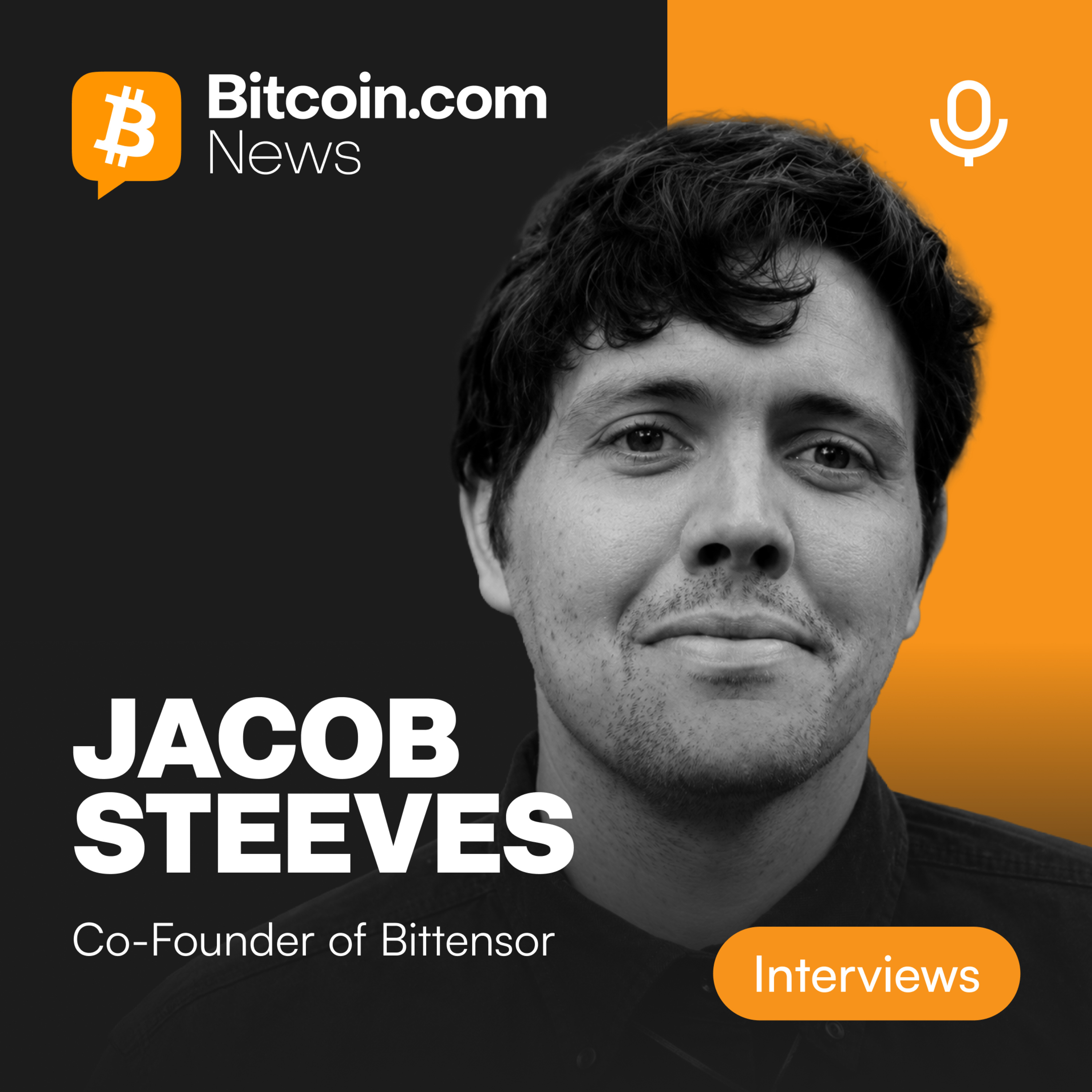
Inside Bittensor: The Race to Decentralize AI
1w ago00:53:12Tap to summarizeIn this episode, Alex Richardson sits down with Jacob Steeves, co-founder of Bittensor, to explore how the network is creating an open marketplace for intelligence—where anyone can contribute computing power, train AI models, and earn rewards through decentralized incentives.The conversation dives into how TAO, subnets, miners, and validators work together, why Bitcoin-inspired economics could reshape AI development, and whether decentralized networks can compete with industry giants like OpenAI and Anthropic.Topics include: How Bittensor works Bitcoin's influence on decentralized AI TAO, subnets, miners, and validators explained Building AI businesses on Bittensor How TAO captures value across the ecosystem The challenges of combining tokens with equity Lessons from a major subnet rug pull The Conviction upgrade and investor protection The risks of centralized AI Can decentralized AI outperform Big Tech?If you're interested in Bitcoin, artificial intelligence, crypto, or the future of open technology, this conversation offers an inside look at one of the most ambitious decentralized AI projects in the industry.🎧 Be sure to subscribe on your favorite podcast platform to catch more conversations with industry leaders, entrepreneurs, and builders shaping the future of crypto, AI, and finance.Then join our community and follow us for the latest updates ⬇️► YouTube: https://www.youtube.com/@BitcoincomNews► X (Bitcoin.com): https://x.com/Bitcoincom► X (Bitcoin.com News): https://x.com/bitcoinnews► Telegram: https://t.me/www_Bitcoin_com► Discord: https://discord.gg/9NGNJEnwmW► LinkedIn (Bitcoin.com): https://www.linkedin.com/company/bitcoin.com/► LinkedIn (Bitcoin.com News): https://www.linkedin.com/company/bitcoin-com-news/
Transcribe →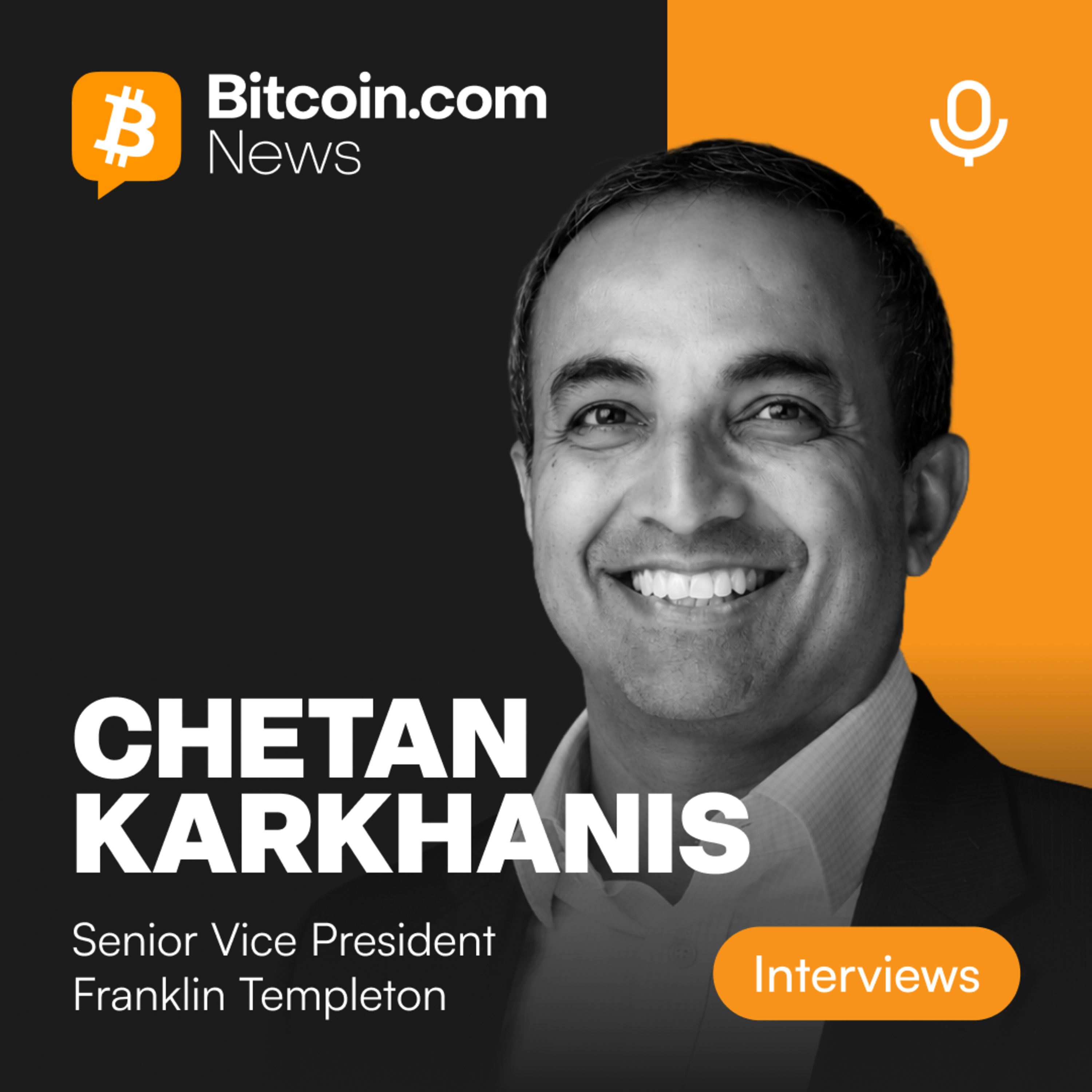
Franklin Templeton: The $Trillion Tokenization Opportunity Explained
2w ago00:32:16Tap to summarizeFranklin Templeton believes tokenization is more than a crypto trend—it’s the next evolution of financial markets.In this episode, David Sencil sits down with Chetan Karkhanis, Senior Vice President at Franklin Templeton, to explore how one of the world’s largest asset managers is approaching digital assets, tokenized funds, and blockchain infrastructure.You’ll hear why the firm is investing in tokenization through Benji, how it views crypto as an institutional asset class, and why tokenized money market funds and Treasuries could become major tools for corporate treasuries and collateral management.Topics include: Franklin Templeton’s digital asset strategy Benji and tokenized money market funds Why tokenized Treasuries matter The future of RWAs and tokenization Japan and APAC’s institutional crypto landscape Stablecoins and blockchain infrastructure Corporate treasury use cases The multi-trillion-dollar collateral opportunityWhether you’re interested in institutional crypto, tokenization, or the future of capital markets, this conversation offers an inside look at where one of the world’s largest asset managers sees finance heading.🎧 Be sure to subscribe on your favorite podcast platform to catch more conversations with industry leaders, economists, and builders shaping the future of crypto and finance.Then join our community and follow us for the latest updates ⬇️► YouTube: https://www.youtube.com/@BitcoincomNews► X (Bitcoin.com): https://x.com/Bitcoincom► X (Bitcoin.com News): https://x.com/bitcoinnews► Telegram: https://t.me/www_Bitcoin_com► Discord: https://discord.gg/9NGNJEnwmW► LinkedIn (Bitcoin.com): https://www.linkedin.com/company/bitcoin.com/► LinkedIn (Bitcoin.com News): https://www.linkedin.com/company/bitcoin-com-news/
Transcribe →
Why Fidelity Says Institutions Are Finally Buying Bitcoin
2w ago00:35:29Tap to summarizeInstitutional investors are no longer asking whether crypto matters—they're asking how to use it.In this episode, Fidelity International digital asset strategist Giselle Lai joins David Sencil to discuss why Bitcoin is becoming the first step for institutional portfolios, how spot Bitcoin ETFs are changing adoption, and why tokenization could reshape traditional finance.The conversation explores Bitcoin allocations, stablecoins, tokenized funds, real-world assets, and why Japan could become one of the next major institutional crypto markets.In this episode:Why institutions are finally getting into BitcoinThe role of Bitcoin ETFs in adoptionWhy “getting off zero” mattersTokenized funds and real-world assetsStablecoins and on-chain financeJapan's growing crypto opportunity🎧 Enjoyed this episode? Follow the Bitcoin.com News Podcast on Spotify and share it with someone interested in where institutional crypto adoption is headed.Then join our community and follow us for the latest updates ⬇️► YouTube► X — Bitcoin.com► X — Bitcoin.com News► Telegram► Discord► Rumble► LinkedIn — Bitcoin.com► LinkedIn — Bitcoin.com News
Transcribe →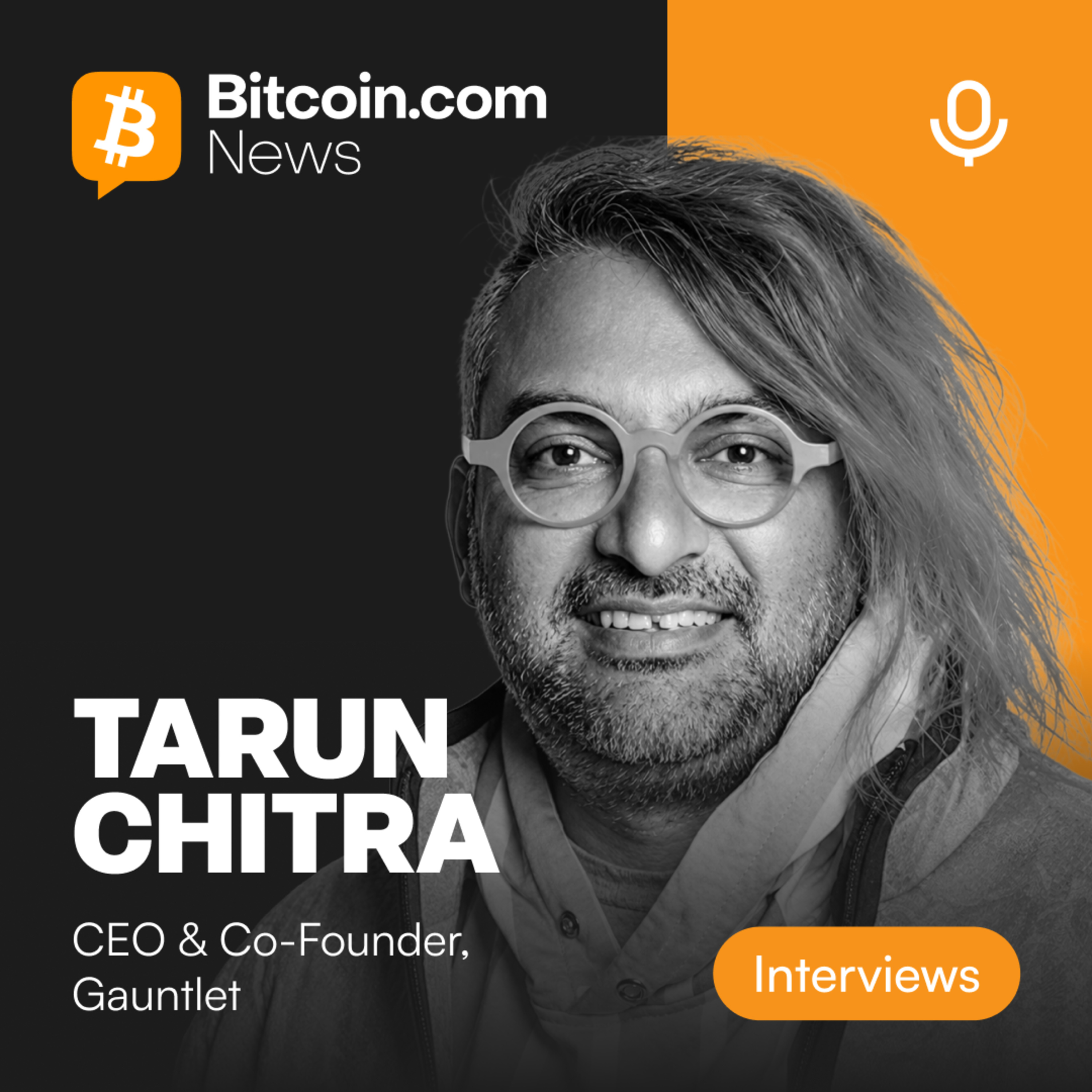
Gauntlet CEO Tarun Chitra on DeFi Risk, RWAs, Japan & Crypto’s AI Moment
3w ago00:46:01Tap to summarizeHow is DeFi evolving as crypto matures? What role will AI play in blockchain security? And why is Japan becoming an important market for digital assets?In this episode, Gauntlet CEO and co-founder Tarun Chitra joins David Sencil at WebX Tokyo to discuss: The evolution of DeFi and on-chain risk management Why DeFi's adversarial environment could strengthen security How AI is changing crypto security assumptions Gauntlet's $125 million Series C led by SBI Holdings Japanese stablecoins and credit assets The growing role of RWAs in DeFi Why New York remains a leading hub for crypto builders 🎧 Be sure to subscribe on your favorite podcast app for more conversations with industry leaders, economists, and builders shaping the future of crypto and finance.Join our community and follow us for the latest updates ⬇️► YouTube► X — Bitcoin.com► X — Bitcoin.com News► Telegram► Discord► LinkedIn — Bitcoin.com► LinkedIn — Bitcoin.com News
Transcribe →
Real Finance CEO on RWAs, Tokenization & the Future of Onchain Finance
3w ago00:25:17Tap to summarizeReal-world asset (RWA) tokenization is still in its early stages—and according to Real Finance CEO and co-founder Ivo Grigorov, tokenized Treasuries are only the beginning.In this conversation, Alex Richardson speaks with Ivo about building an EVM-compatible Layer 1 purpose-built for RWAs, the infrastructure needed for institutional adoption, and why custody, insurance, validator design, and standardized frameworks will be key to bringing traditional finance on-chain.They discuss:- Why tokenized Treasuries may become just one part of the long-term RWA market- Bringing revenue-generating assets on-chain- The role of the ASSET token within the Real Finance ecosystem- Institutional partnerships and adoption strategies- Euro stablecoins and the Real Finance mainnet roadmap- Why Ethereum compatibility matters for institutional financeIf you're interested in tokenization, RWAs, stablecoins, institutional crypto adoption, and the future of onchain finance, this episode is for you.🎧 Listen now and follow Bitcoin.com News on Spotify for more interviews with the founders, builders, and industry leaders shaping the future of crypto and digital finance.Chapters:(00:00) Introduction to Real Finance and Its Vision(02:51) Tokenization of Real-World Assets(06:11) Partnerships and Collaborations(08:58) The Role of the Asset Token(12:12) Exploring the EuroPeg Stablecoin(15:12) Technological Foundations and EVM Compatibility(18:07) Future of Tokenization and Market Opportunities(20:56) Building a Strong Ecosystem through Partnerships(23:50) Looking Ahead: What's Next for Real Finance
Transcribe →
Taiwan's First Bitcoin-Holding Lawmaker Wants a National BTC Reserve
3w ago00:40:23Tap to summarize🎙️ Should Bitcoin become part of a nation's strategic reserves?Taiwan legislator Ju-Chun "JC" Ko joins David Sencil to discuss Taiwan's evolving approach to Bitcoin, stablecoins, and digital asset regulation.As the first member of Taiwan's parliament to publicly disclose owning Bitcoin, Ko explains why Taiwan's new Virtual Asset Service Provider Act could bring much-needed regulatory clarity to the industry. He also shares why he believes Bitcoin deserves consideration as part of Taiwan's national reserves and how a Taiwan dollar-denominated stablecoin could shape the country's financial future.The conversation also explores the convergence of AI and blockchain, with Ko arguing that AI agents will require digitally native money, identity, and payment infrastructure to power the next generation of the internet.Topics include: Taiwan's Virtual Asset Service Provider Act Why Bitcoin belongs in national reserves The case for a Taiwan dollar stablecoin Taiwan's reliance on U.S. dollar assets AI agents and blockchain infrastructure The future of digital assets and financial innovationA wide-ranging discussion on Bitcoin, crypto regulation, stablecoins, AI, and Taiwan's digital asset strategy.🎧 Be sure to subscribe on your favorite podcast app for more conversations with industry leaders, economists, and builders shaping the future of crypto and finance.Join our community and follow us for the latest updates ⬇️► YouTube► X — Bitcoin.com► X — Bitcoin.com News► Telegram► Discord► LinkedIn — Bitcoin.com► LinkedIn — Bitcoin.com NewsChapters(00:00) The Impact of Currency Fluctuations on Bitcoin Holdings(01:43) Introduction to the Speaker and Their Role in Tech Policy(02:11) Speaker's Journey: From Academia to Public Service(04:51) Misunderstandings Between Politicians and Blockchain Developers(10:45) The Evolution of Cryptocurrency Regulation in Taiwan(15:09) Understanding the Virtual Asset Service Act(19:31) The Future of Stablecoins in Taiwan(32:21) The Strategic Importance of a Bitcoin Reserve(35:41) The Intersection of AI and Cryptocurrency
Transcribe →
Charles Guillemet, Ledger CTO — AI Agents, Self-Custody & Wallet Security
4w ago00:23:34Tap to summarize🎙️ As AI agents become more capable, who should control your crypto wallet—you or the AI?Charles Guillemet, CTO of Ledger, joins Alex Richardson at Proof of Talk 2026 to discuss the future of crypto security and why self-custody will become even more important in the age of AI.Guillemet shares how he got started in hardware security, why Ledger built its underground Dungeon security lab, and how the company stress-tests wallets, chips, and software before attackers can exploit them.The conversation also explores why AI agents should never have direct access to private keys, how Ledger is approaching AI-powered wallets, and the security challenges posed by quantum computing, side-channel attacks, and the next generation of digital assets.Topics include: Ledger's Dungeon security lab Hardware wallet security AI agents and wallet safety Self-custody and private key protection Clear signing Quantum and side-channel attacks The future of secure wallet design🎧 Be sure to subscribe on your favorite podcatcher for more conversations with the leaders, builders, and innovators shaping the future of Bitcoin, crypto, and digital finance.Join our community and follow us for the latest updates ⬇️► YouTube: https://www.youtube.com/@BitcoincomNews► X (Bitcoin.com): https://x.com/Bitcoincom► X (Bitcoin.com News): https://x.com/bitcoinnews► OrangeRock on X: https://x.com/orangerockxyz► Telegram: https://t.me/www_Bitcoin_com► Discord: https://discord.gg/9NGNJEnwmW► LinkedIn (Bitcoin.com): https://www.linkedin.com/company/bitcoin.com/► LinkedIn (Bitcoin.com News): https://www.linkedin.com/company/bitcoin-com-news/
Transcribe →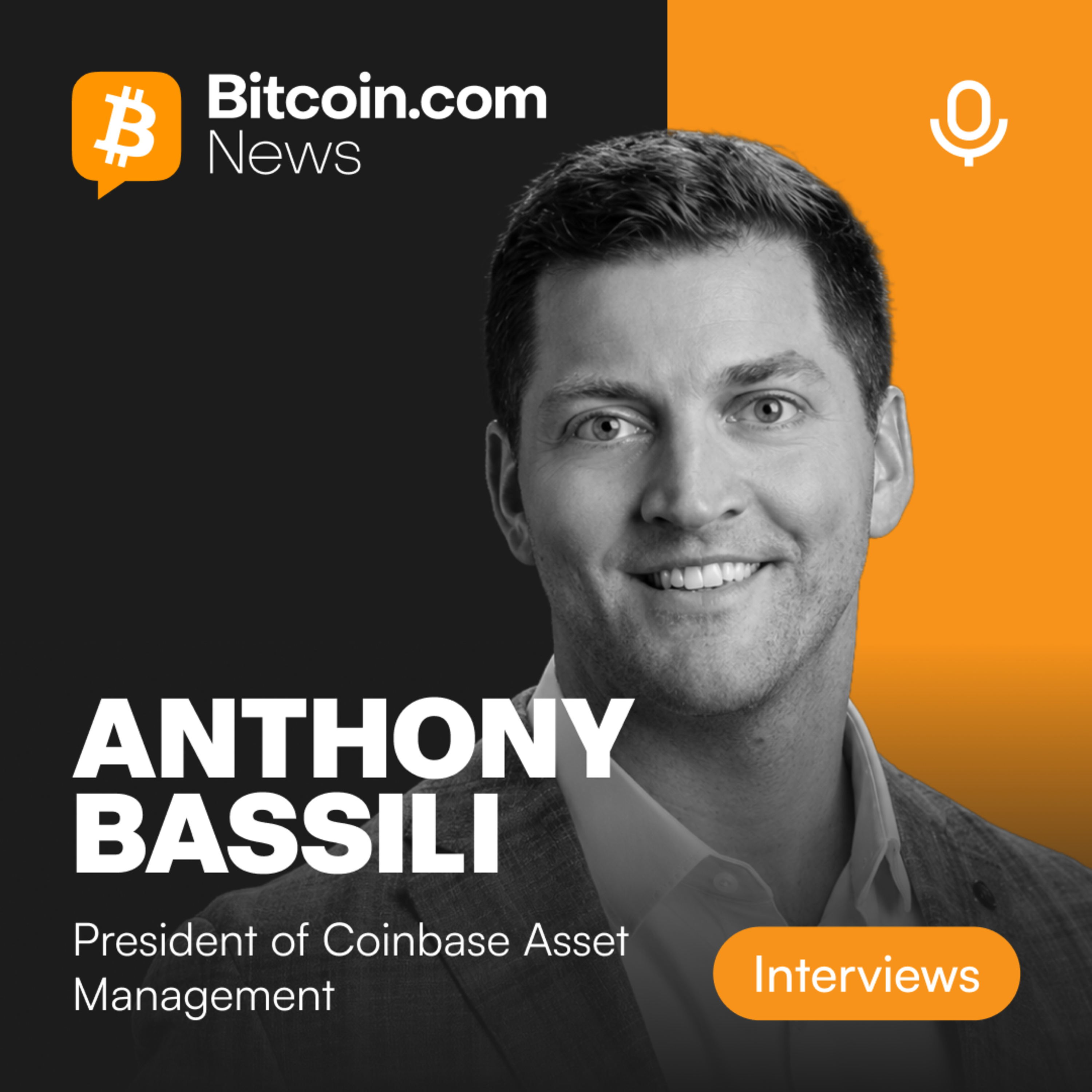
Anthony Bassili: Bitcoin, Digital Gold, and the Future of Institutional Crypto
Jul 1500:24:13Tap to summarize🎙️ How are institutional investors really approaching Bitcoin?Anthony Bassili, President of Coinbase Asset Management, joins Bitcoin.com News with Alex Richardson to discuss how institutions are evaluating Bitcoin, tokenization, and the evolving role of digital assets in modern portfolios.Anthony explains why Bitcoin can be viewed as pristine collateral, how BTC yield strategies work, why tokenization alone doesn't guarantee liquidity, and how Bitcoin and gold can complement each other as long-term stores of value.Topics include:- Institutional Bitcoin adoption- Bitcoin as pristine collateral- BTC yield strategies- Tokenization and market liquidity- Bitcoin vs. gold in portfolio construction- Crypto regulation and wallet-based KYC- Permissionless vs. private blockchains- Why institutions are still early in cryptoChapters:(00:55) - Introduction and portfolio construction mindset(02:33) - What crypto natives get wrong(04:05) - Bitcoin as “immaculate collateral”(06:49) - How Bitcoin yield works(08:12) - Expected long-term Bitcoin returns(09:41) - The Bitcoin + gold store of value index(12:15) - Why Bitcoin is a store of value(13:21) - Institutional adoption and open vs closed chains(15:43) - KYC moving to the wallet(17:53) - Which region leads crypto regulation?(20:12) - What regulation would be constructive?(21:56) - The Bitcoin pitch for institutions🎧 Be sure to subscribe on your favorite podcatcher to catch more conversations with industry leaders, economists, and builders shaping the future of crypto and finance.Then join our community and follow us for the latest updates ⬇️► YouTube: https://www.youtube.com/@BitcoincomNews► X (Bitcoin.com): https://x.com/Bitcoincom► X (Bitcoin.com News): https://x.com/bitcoinnews► OrangeRock on X: https://x.com/orangerockxyz► Telegram: https://t.me/www_Bitcoin_com► Discord: https://discord.gg/9NGNJEnwmW► LinkedIn (Bitcoin.com): https://www.linkedin.com/company/bitcoin.com/► LinkedIn (Bitcoin.com News): https://www.linkedin.com/company/bitcoin-com-news/
Transcribe →