Podcast
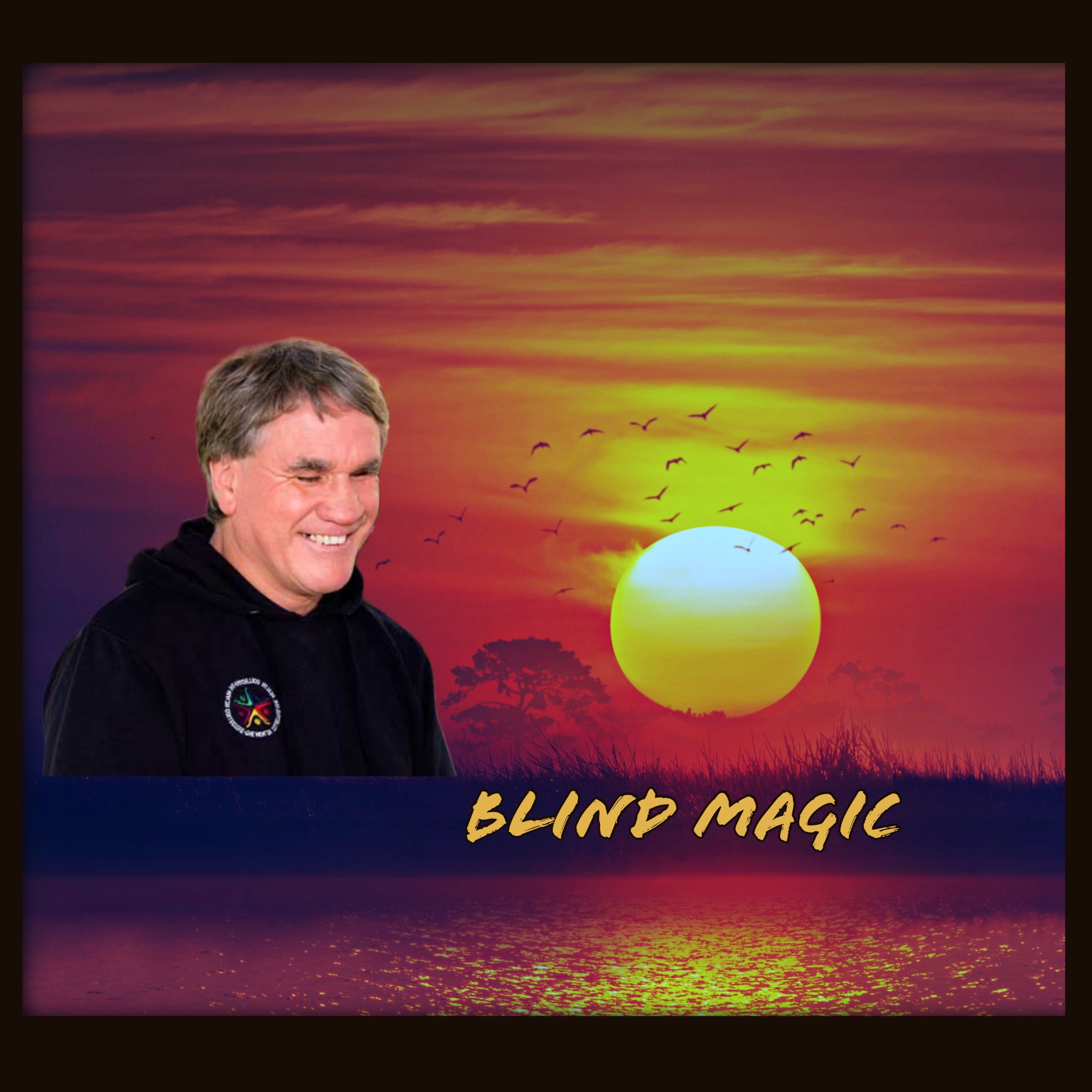
Blind Magic in Alice Springs
Hosted by bridgeovermurray · EN
Blind Magic, experience the power of the things you cannot see!
98episodes
Episodes
Newest firstAll episodes
Episode 1595 : Murray’s Hearing Battle and a Furious Stand Against the ABC
1w ago00:07:55Tap to summarizeEpisode 1595 of Blind Magic in Alice Springs finds presenter Murray Stewart candidly sharing his ongoing struggle with hearing loss. Murray explains that his current hearing aids work but are too large and irritate his eardrums, and he has an upcoming appointment with Hearing Australia. He reflects on the encouragement he’s received from friends facing similar issues and says he’s sharing his journey to inspire others who may be dealing with the same challenges. The episode then pivots to a heated critique of a recent ABC broadcast: Murray condemns a four-minute piece he believes crossed the line by promoting the rape and murder of a successful Australian woman. He reports that Gina Reinhart is preparing to take the ABC to court and applauds her decision, arguing the segment went far beyond freedom of speech into criminal territory. Murray uses the controversy to criticize the political left for silence, naming figures such as Penny Wong and describing what he sees as the abandonment of longstanding values around protecting women. He challenges the ABC’s credibility, calls its current news and current affairs coverage disgraceful, and says he now watches the broadcaster only for sports coverage like cricket and the AFL. Throughout the episode Murray blends personal vulnerability with outspoken commentary, urging accountability for media outlets and offering a personal account of coping with disability. The episode closes as always under the Blind Magic Communications banner.
Transcribe →Running Like a Blind Man: Launching the Running Academy of Central Australia
2w ago00:10:08Tap to summarizeIn Episode 1594 of Blind Magic in Alice Springs, host Murray Stewart shares a candid update about his degenerative hearing loss, his decision to seek help from Hearing Australia, and how personal challenges can be met with action. Murray explains how achievement becomes his best distraction and motivator when life presents difficulties. The episode spotlights the foundation of the Running Academy of Central Australia, a new not-for-profit incorporated association Murray has established to develop elite runners. He outlines the academy’s goals, the region’s natural advantages—altitude (575m), heat, abundant running tracks and training terrain—and the local talent pool, including Indigenous athletes. Murray highlights his credentials as a fully qualified Athletics Australia coach and the world’s only blind epileptic coach, and reflects on his past success coaching two Australian age 400m champions, Katara Wallace (“Supercat”) and James Swayo. He explains why those accomplishments give him confidence to build the academy and attract runners from across Australia and overseas. The episode also dives into Murray’s coaching philosophy—what he calls “running like a blind man.” He describes practical performance tips: listening to competitors’ footsteps and breathing to time pushes, feeling pace and rhythm, and using wind and body positioning to gain advantage on the track. Listeners can expect a mix of personal storytelling, practical coaching insight, and an invitation to join or support a new athletic initiative aimed at producing future champions from Central Australia. This episode closes with Murray’s energizing call to get involved and his excitement about the academy’s future.
Transcribe →Declaring War on Hearing Loss — Blind Magic in Alice Springs (Ep. 1593)
2w ago00:05:35Tap to summarizeEpisode 1593 of Blind Magic in Alice Springs features host Murray Stewart reflecting candidly on sensory degeneration, personal acceptance, and the practical steps he’s taking after discovering progressive hearing loss while being totally blind. Murray shares his emotional journey — admitting to feeling a little grumpy at times — and emphasizes that these challenges are common as we age. Topics covered include coping with hearing and visual decline, the importance of acceptance, embracing assistive technologies, trying hearing aids, and the irritation he experienced with initial fittings. Murray outlines his plan to consult with Hearing Australia and encourages listeners to seek professional help, explore technological solutions, and learn from others who have navigated similar conditions. Key points highlighted are: the value of community and shared wisdom, practical advice to consult specialists, optimism about modern advancements in hearing and visual aids, and an empowering call to "declare war" on degeneration with a positive attitude. This episode offers encouragement, realistic expectations, and actionable next steps for anyone facing sensory loss. Produced by Blind Magic Communications, this episode is a personal and hopeful message about resilience, practical support, and seizing the day despite physical setbacks.
Transcribe →Episode 1592 When the Left Turns on Success: Gina Reinhart and the Politics of Misgrace
2w ago00:12:17Tap to summarizeHost Murray Stewart presents episode 1592 of Blind Magic in Alice Springs, a one‑person commentary that examines recent public reactions to wealthy Australian businesswoman Gina Reinhart and broader questions of media bias, political hypocrisy and the inconsistent application of moral outrage. The episode opens with a content warning for listeners and then critiques an ABC satirical segment that the host describes as vile and advocating violence against Reinhart for her political donations and public stance. Stewart argues the piece crossed ethical lines, calls for accountability at the national broadcaster, and condemns defenses of the segment as mere "artistic license." Stewart expands the critique to accuse the political left of selective outrage: championing certain women and causes while abandoning or attacking successful women who support conservative or non‑left perspectives. He cites Reinhart’s philanthropic work—support for children’s cancer causes and athletes—as reasons she should be celebrated rather than vilified. The episode also addresses alleged systemic neglect in a recent case involving the death of an Aboriginal child, asserting that race and politics can shape which victims receive attention and support. Stewart argues misogyny and racism should be condemned consistently across the political spectrum and calls for greater protection and public support for all women and girls, regardless of their politics, race or religion. There are no external guests on this episode; it is a solo editorial by Murray Stewart. Key takeaways include a demand for media responsibility and consequences for dehumanizing commentary, a call to end partisan double standards when confronting misogyny and racism, and an appeal for universal recognition of and support for women who do good work in their communities.
Transcribe →Episode 1584 Sustaining Desire at 63: Murray’s Take on Sex, Memory, and Intimacy
4w ago00:06:18Tap to summarizeGood morning, good afternoon, good evening, depending wherever you are. This is Blind Magic in Alice Springs, and it's episode 1584, and I am your presenter and host, Murray Stewart. This one may not be for children. So if you do have little ones with you, probably time that they went for a walk, got a little bit of the real thing, the natural light, just for a little while. Because today, I want to talk to you about sex. Yes, I do. I want to talk to you about sex. Now, I am a 63-year-old male. Well, have I contemplated the idea that maybe it's it for me? No, I haven't. I have not. And why is this so? Well, for a couple of reasons. The main one being that I am still open to the idea of an intimate relationship. Yeah, there's not a closed book on that. Definitely not a closed book. As I keep saying to you, it's not open either, but it's certainly not closed. So if it's not closed, why would I consider that my sex life is finished? Why would I do that? And why would you do that? No matter who you are and where you are in the world, why would you do that, if you are open to having an intimate relationship, even if you are an older person. But I'll tell you another thing. If you have had a good enough sex life, yeah, maybe you have some children and you've had relationships in the past, then I do believe you can afford at some stage in your life to rest on your laurels. Yeah, to rest on your laurels, the beautiful memories that you have. And I've had wonderful memories, folks. Yeah, I've had wonderful memories. And as I've said dear constantly. The ladies that I've had in my life, I still cherish them, I still love them, and I cherish the memories of being with them. So even if I was to make that decision, to put an end to the idea of a sex life, I would be a very happy man, very comfortable. With the memories I have and that I can rely upon to be sustaining for me for the rest of my life. I'll keep myself fit and healthy and open to more plentiful relationships of that nature. We shall see. We shall see. But yeah, for you, I would most definitely turn your attentions to cherishing the memories. And as I say, if you're going to keep yourself healthy, fit, and open to an intimate relationship, then you don't need to make any decision. No, you don't. That part of your life is still a goer. If the relationship blossoms to that point, And I have to tell you, you don't need to worry about sex when it comes to the when, the whys and the wherefores, because an intimate relationship looks after all of that all by itself, because your brain is very powerful. I keep telling you that. And your brain will prepare your body for any sort of physical affection that may or may not arise between the two of you. But as I say, don't do it. No, don't do it. Don't pull the rug over your head. Don't call it a day. I know that there are medical conditions that may curtail the possibility of sexual relations within your life, but there are so many ways, of feeling satisfied and fulfilled. So many things you can do. To manage that area of your life for you and with you. Oh, yes, there's so many. You know, I get so much satisfaction just by being alive. I do. And I love my companion, my beautiful sainter here. And, yeah, I just love life. So we shall see what happens into the future. And if that means that a physical relationship comes up again, that I'm ready. I'm more than ready. Okay, folks, this has been, and it always will be, episode 1584, a Blind Magic Communications production.
Transcribe →Episode 1583 — Chris Lambert: Crafting Confidence in Alice Springs
4w ago00:12:20Tap to summarizeEpisode 1583 of Blind Magic with host Murray Stewart features Chris Lambert, a skilled and resilient local of Alice Springs living with Asperger’s Syndrome. In this conversation Murray and Chris discuss Chris’s early diagnosis and how Asperger’s showed up in childhood, the challenges he faced with confidence and crowds, and how hands-on work helped him find calm and purpose. Chris explains why he moved to Alice Springs in 2017, how the town’s diverse and transient population contributed to a welcoming environment, and how employment opportunities at the cinema and elsewhere allowed him to develop practical skills and confidence. The episode highlights how a neurodiverse condition can also bring strengths — attention to detail, creativity, steady focus, and an aptitude for fixing and creating things. Key points include the ongoing small challenges Chris still manages (such as discomfort in large groups), the importance of family and foster-family support, and the practical advice he offers to others facing difficulties: take small steps, believe in yourself, build confidence, and pursue opportunities. Murray frames Chris’s story as an example of resilience and ability-focused thinking, celebrating how people with disabilities can contribute powerfully to their communities. Listeners can expect an uplifting, down-to-earth interview about neurodiversity, work, belonging in a remote town, and personal growth — a conversation that combines candid personal history with practical encouragement for anyone facing their own challenges.
Transcribe →Episode 1582 Turning Disability into Strength (Episode 1582)
4w ago00:08:57Tap to summarizeJoin host Murray Stewart in episode 1582 of Blind Magic as he returns to headquarters in Alice Springs with warmth, optimism, and a loyal puppy at his side. In this solo episode Murray reflects on living with disability, shares personal stories and observations, and offers a hopeful, empowering message to listeners facing physical, sensory, or intellectual challenges. Murray explores how disability can become an opportunity for self-improvement — developing new skills, resilience, and perspectives that make people invaluable to family, friends and community. He references the Special Olympics and the Paralympics, cites Stephen Hawking as an example of extraordinary achievement, and emphasizes that everyone living with a disability has unique "magic" to share. Listeners will hear candid personal moments — Murray’s dependence on others for transport, his love of punctuality, and a brief anecdote about a flight attendant he wished he could have helped with communication. As an athletics coach and communicator, Murray explains how those lived experiences inform his desire to teach and uplift others. The episode closes with practical encouragement: embrace your gifts, share the wisdom gained from overcoming challenges, and recognize that disability can reveal extraordinary strengths. No guest is featured; this is a heartfelt solo reflection aimed at motivating and celebrating the disabled community.
Transcribe →Episode 1581— A Call to Protect the Vulnerable (Ep. 1581)
4w ago00:06:52Tap to summarizeEpisode 1581: "Blind Magic in Alice Springs" hosted by Murray Stewart. In this solo episode Murray speaks from Alice Springs about a pressing moral and social issue: how society treats its most vulnerable members — children, the elderly, the disabled, and animals. He frames treatment of the vulnerable as a test of a good society and expresses deep concern about rising criminality and attacks on those least able to defend themselves. Murray outlines a clear policy position and call to action: strengthen legislation and introduce additional mandatory sentences for anyone who attacks the vulnerable. He suggests fixed additional penalties (for example, an extra five to ten years) and offers practical definitions — identifying the elderly as those aged about 70 and over — to guide lawmakers. He condemns perpetrators as cowards, decries the erosion of prior social codes, and urges state and national governments to prioritize law and order and protection of at-risk people. The episode is impassioned and direct, covering the ethical rationale for tougher sentencing, the lived fear experienced by vulnerable people even in their homes, and a political appeal for immediate reform. There are no outside guests — this is a personal, issue-driven commentary from Murray Stewart, who signs off promising further episodes after returning to Alice Springs.
Transcribe →Episode 1580— Murray Stewart Returns Recharged
Jul 1200:06:20Tap to summarizeEpisode 1580 of Blind Magic with host Murray Stewart — "Blind Magic in Alice Springs" — is a reflective, upbeat solo episode recorded as Murray’s Cairns trip draws to a close. Murray walks listeners through the final moments of the journey, sharing sensory snapshots from beaches, restaurants and the Esplanade, and the small everyday differences that have made this trip so stimulating. The episode explores Murray’s recurring metaphor of the brain as a supercomputer: how new experiences and changes in routine light up neurons (he often refers to the brain's "86 billion neurons") and re-energize creativity, positivity and motivation. Murray uses a youthful memory of school swimming carnivals — jumping off the blocks and lunging into the water — to illustrate how a refreshed mind can propel you forward. Listeners can expect candid storytelling, encouraging reflections on travel, practical optimism about returning home to Alice Springs, and an invitation to try new things and embrace life's challenges. There are no external guests — this is a personal, high-energy solo reflection from Murray that mixes travel anecdotes with motivational insight. Key points covered: the energizing effects of travel and sensory change, the "supercomputer" brain analogy, the swimming-carnival metaphor for momentum and action, and a promise of renewed enthusiasm upon returning to Alice Springs. Produced by Blind Magic Communications.
Transcribe →Episode 1579: Rekindling Romance on the Road
Jul 1200:07:58Tap to summarizeEpisode 1579 of Blind Magic finds Murray Stewart on tour in Tropical Queensland (with a nod to Alice Springs), reflecting on love, relationships and how to reawaken passion. In this solo episode Murray draws on his own colourful romantic history — including three marriages and many relationships — to offer practical, experience-based advice for couples feeling a little stale. Topics covered include the power of touch and conversation, rediscovering early-stage chemistry by holding hands and talking as if you’re newly in love, and showing genuine interest in your partner’s hobbies and projects. Murray emphasizes simple actions: compliments, curiosity, presence, and small public displays of affection as ways to strengthen connection. He also discusses intimacy tips rooted in the idea that “what is good for vision-impaired people is good for the world,” recommending sensory-focused lovemaking (try turning the lights off) to heighten touch, taste and smell. Murray’s tone is frank, warm and inclusive — he explicitly welcomes all relationship types — and his key message is that consistent touching, talking and admiration can reignite romance and deepen partnerships. Listeners can expect a short, candid and encouraging episode that blends personal anecdote with concrete suggestions to rebuild closeness, intimacy and everyday romance.
Transcribe →