Podcast
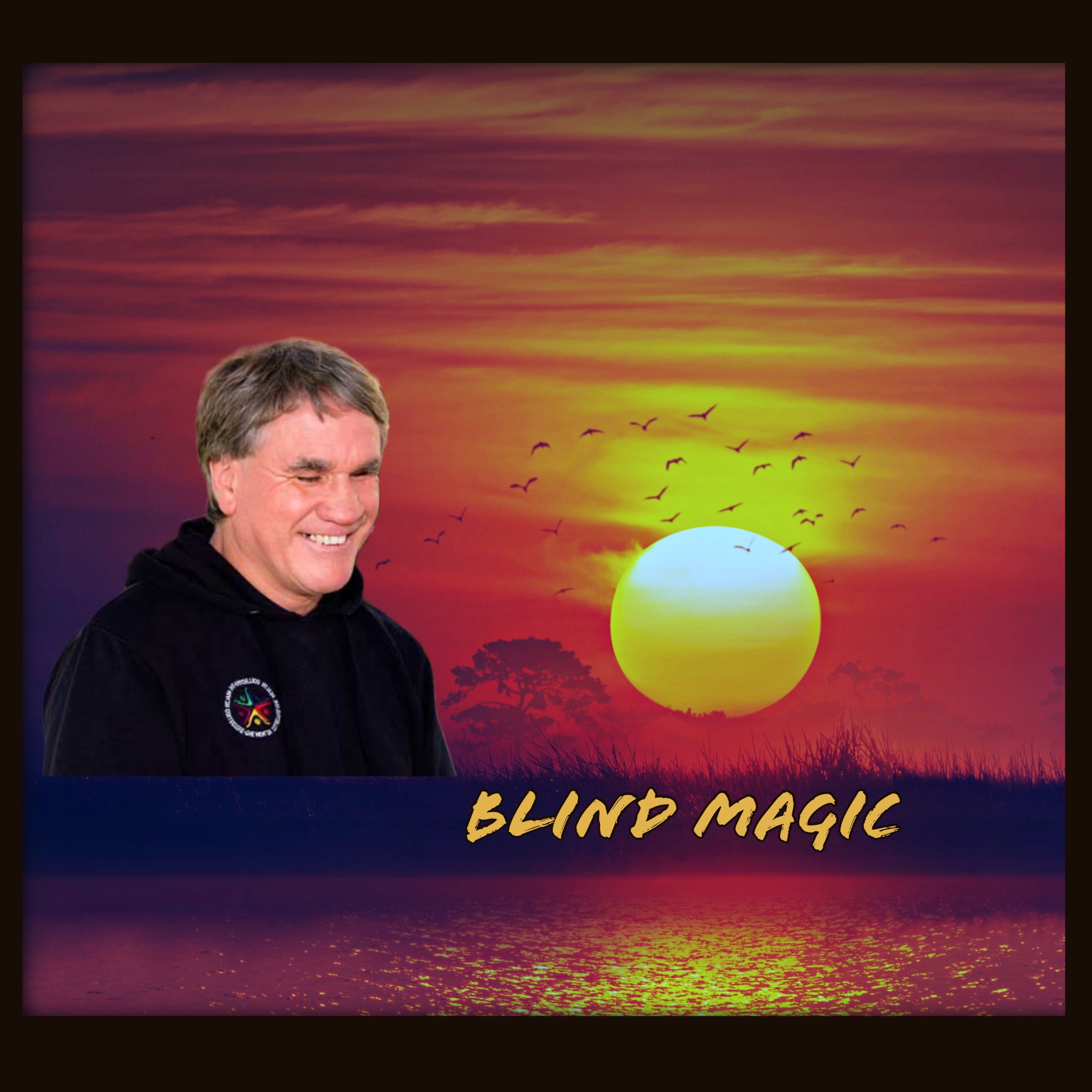
Blind Magic in Alice Springs
Hosted by bridgeovermurray · EN
Blind Magic, experience the power of the things you cannot see!
104episodes
Episodes
Newest firstAll episodes
Episode1530 Why Resilience Beats Looks
Jun 100:12:05Tap to summarizeEpisode 1530 — Blind Magic in Alice Springs. Host Murray Stewart delivers a solo, candid monologue about everyday discrimination, dating preferences, and what truly matters in a partner. Speaking from personal experience and reflection, Murray explores how we all discriminate in small ways, why those choices can be protective, and how assumptions about ability and strength shape relationships. Topics covered include examples of daily discrimination (from choosing a car to picking a radio), the speaker's controversial preference against able-bodied women, the argument that people with disabilities often develop greater resilience, and the importance of emotional strength, loyalty, and reliability over physical attributes. Murray also references his own vision impairment and the limits it imposes while arguing for equal opportunity so different qualities can flourish. Key points: discrimination is a common human behavior but must be balanced with equal opportunity; resilience and emotional strength are critical qualities in a life partner; physical capability does not determine worth or reliability; owning one's opinions and encouraging listeners to reflect on their own biases. This is a reflective, thought-provoking episode intended to spark conversation rather than provide easy answers. Format and guests: solo episode with Murray Stewart (no external guests). Produced by Blind Magic Communications. Expect a frank, personal, and occasionally provocative take on relationships, disability, and what it means to be dependable when life gets difficult.
Transcribe →Episode 1529 Say Hello: Finding Friendship in Unexpected Places
May 3100:11:15Tap to summarizeEpisode 1529 of Blind Magic in Alice Springs: host Murray Stewart speaks with his daughter, who lives with Down syndrome, about the beauty, strengths and humanity of people with disabilities. Murray reflects on a disturbing statistic — people with autism are three times more likely to be homeless — and uses it as a springboard to ask why society accepts such outcomes and what each of us can do to change them. The conversation covers the unique qualities many people with disabilities bring to relationships: resilience, lived wisdom, heightened awareness and deep loyalty. Murray shares personal examples from his life as a vision-impaired person — how he listens to voice inflection and footsteps to read people — and explains how those qualities can enrich friendships and community life. Practical encouragement and calls to action run through the episode: the power of a simple hello, respecting personal boundaries while reaching out, staying connected with old friends, and using modern technology to care for those we can. Murray also recounts how friends supported him during a medical crisis in 2022, illustrating the mutual importance of connection and compassion. Listeners can expect an intimate, heartfelt episode blending personal stories, social commentary and gentle tips for building a kinder, more inclusive world — one hello at a time.
Transcribe →Episode 1528 — Championing Athletes, Crowds & Courtesy
May 2700:08:36Tap to summarizeEpisode 1528 of Blind Magic in Alice Springs is hosted by Murray Stewart, the world’s only blind and epileptic athletics coach. Drawing on three decades as an athlete and his coaching experience, Murray opens the episode with a candid account of a recent night at the track where thoughtless behaviour — people running across the track and poor team coordination — disrupted an athlete’s attempt to perform at championship level. He shares his frustration, his preparation routine, and the importance of a smooth support program for athletes. The conversation then pivots to a news item about Russell Crowe being mobbed outside his Paris hotel by autograph seekers, including professional autograph hunters who trade signed memorabilia online. Murray reflects on Crowe’s measured response, the pressures celebrities face (including the reported disruptions around the Highlander remake in Scotland), and why understanding what someone else is experiencing matters before you judge them. Murray also pays tribute to great voices he admires — naming Russell Crowe alongside the late John Laws and Leonard Teale — and reflects on the legacy of those who came before. Throughout, the episode’s central theme is empathy: putting yourself in another person’s position, whether an athlete, a celebrity, or a neighbour affected by a film shoot. There are no external guests on this episode; it’s a personal, reflective solo show from Murray Stewart that mixes sports coaching insights, real-life frustrations, pop-culture commentary, and a clear takeaway about respect and perspective. This episode is produced by Blind Magic Communications.
Transcribe →Episode 1527 Time for Solutions (Ep. 1527)
May 2700:16:56Tap to summarizeEpisode 1527: Blind Magic in Alice Springs — Murray Stewart hosts a passionate call-to-action about ideas, solutions and the future of his town. Murray opens with a broad theme: there are no bad ideas and small, daring solutions can grow into world-changing movements. He urges listeners not to keep their ideas hidden but to share them boldly. The episode focuses on local civic engagement through the Alice Springs Ratepayers Association. Murray explains why holding the mayor and council accountable matters, but stresses he prefers collaboration over constant conflict. He revisits past town initiatives — including a community conference that originally sparked an idea for an Aboriginal art gallery — to illustrate how positive intent and less politics could revive projects that benefit the town. Through vivid anecdotes and metaphors — from the surprising invention stories behind tea and cigarettes to the Apple garage origin — Murray underscores creativity and persistence. He shares personal examples of how direct action led to real change: a public incident that contributed to Northern Territory self-defence law changes, reforms to Victoria’s Hospital and Charities Act, and pioneering steps to integrate blind students into mainstream education. This episode is both motivational and practical. Murray invites listeners of all ages, especially those 60-plus with deep experience and wisdom, to step forward with ideas and solutions. He outlines concrete ways to get involved — talkback radio, meetings with politicians, letters — and urges unity, positivity and active contribution so Alice Springs can regain its reputation as a great, thriving town. No external guests are featured; the episode centers on Murray’s reflections, local history and a rallying challenge to the community to think creatively and act together. This has been a Blind Magic Communications production.
Transcribe →Episode 1526 When the Mic Fails and Voices Rise
May 2700:11:42Tap to summarizeMorning from Central Australia, Alice Springs — Episode 1526 of Blind Magic in Alice Springs with your host Murray Stewart. In this instalment Murray reflects on a chaotic Alice Springs Town Council meeting that descended into a farce after microphone problems exposed a wider decline in peoples verbal projection and preparedness. Murray unpacks why strong verbal communication still matters in a world dominated by screens, sharing a string of personal anecdotes — from his own time on council to a recent McDonalds run where a young athlete missed out because he couldnt be heard. Murray speaks from experience and stresses the practical consequences of weak vocal delivery in everyday life. The episode also offers heartfelt personal insight on relationships. Drawing on his own experience of three marriages, Murray presents his signature advice: "water the garden." He explains the metaphor in detail — showing tactile affection, staying interested in your partner's hobbies, and not taking one another for granted — and argues that these small gestures keep a marriage growing and resilient. Practical next steps are proposed: Murray will offer Blind Magic Communications voice-projection training to local councillors (and anyone else interested) and describes how a half-hour of coaching can save time, money and misunderstandings. The episode blends wry local observation, life lessons, and a clear call to improve spoken communication skills. Guests and contributors: host Murray Stewart with appearances by his support worker Heather. Key points to expect: a comic yet pointed town-council anecdote, why vocal projection matters, marriage advice framed as "watering the garden," a McDonalds anecdote illustrating the problem, and an offer of voice-training through Blind Magic Communications. Produced by Blind Magic Communications. Tune in for practical advice, frank personal stories, and a reminder to let your voice reign supreme.
Transcribe →Episode 1525 Love Yourself First — Murray Stewart’s Guide to Happiness (Episode 1525)
May 2600:06:41Tap to summarizeEpisode 1525 of Blind Magic Communications features host Murray Stewart broadcasting from Alice Springs with a short, powerful solo episode about two life-changing forms of advice: emotional self-love and financial freedom. Murray opens the show by urging listeners to make themselves their first priority — to love and be comfortable in their own skin — and explains how that inner strength creates healthier, more enduring relationships. The episode then shifts to practical financial counsel: prioritise paying off your home loan as quickly as possible. Murray explains why eliminating mortgage debt provides real freedom, reduces stress, and delivers a deep sense of achievement. He shares a personal anecdote from 2023 about the euphoria of paying out his loan, collecting the title at the registry office, and the relief of no longer being tied to the bank. No guest interviews — this is a solo-host episode focused on straightforward, actionable advice. Key takeaways include: put yourself first emotionally to build stronger relationships; make mortgage repayment a financial priority to gain independence; and combine emotional and financial health as a pathway to a happier life. Listeners can expect warm, candid commentary, practical tips, and a brief, uplifting close from Murray Stewart.
Transcribe →Episode 1521 Fly-In, Fly-Out PM: Albanese's Alice Springs Photo-Op Exposed
May 2100:14:26Tap to summarizeEpisode 1521 of Blind Magic in Alice Springs, presented by Murray Stewart, takes listeners straight into the controversy and frustration felt in the Territory after a high-profile visit from Prime Minister Anthony Albanese. Murray reflects on what he calls a “fly-in, fly-out” approach to leadership, detailing short photo opportunities, temporary clean-ups and local cynicism about the true purpose of the trip. The show covers the Prime Minister’s visit to the Kumijai (little baby) family and the symbolic wreath-laying, while also noting how streets were cleared and public problems hidden during his time in town. Murray questions whether such gestures will translate into meaningful action, especially given recent federal criticism and a strained budget backdrop. Murray highlights the Northern Territory Government’s recent amendments to the Child Protection Act — championed by Chief Minister Leah Fanucchiaro and summed up by the motto “Every child matters.” The episode argues these changes put child safety ahead of cultural considerations, and calls for the removal of ideological influences inside the Department of Children and Families so practical protection replaces damaging theory. Jacinta Price’s experiences and public support are discussed as part of this push for reform. The conversation turns to local failures in Indigenous service delivery, pointing to big budgets that rarely reach the ground and specific criticism of the Tunganjia council and the management of surrounding camps. Murray stresses repeated tragedies — neglect, abuse and deaths — and urges federal and territory authorities to back up legislative change with real, on-the-ground action to protect vulnerable children. Finally, Murray looks ahead to an upcoming visit on June 12 by Paul Enhance (stopping at the Gillen Club), promising on-the-ground reporting and a candid, sometimes wry take on local politics — including a light-hearted offer to help with a visiting politician’s speaking style. Blind Magic Communications produces the episode and Murray closes with his usual local commentary and commitments to follow up.
Transcribe →Episode 1520 Liar in the Lodge: Albanese, GST and the 47% Outrage
May 2000:05:37Tap to summarizeEpisode 1520 of Blind Magic in Alice Springs is hosted by Murray Stewart, who opens the show with a fiery critique of Prime Minister Anthony Albanese and his government. Murray accuses Albanese of lying to the public and deceiving journalists—particularly over proposed tax and GST changes—and lays out why listeners should be concerned about the potential economic impact. The episode covers the alleged policy attacks on seniors, the next generation and small business owners, with Murray highlighting a controversial claim that would see successful businesses hit with a 47% bite. He connects these policy choices to broader themes of fairness, aspiration and the right to create wealth, using a personal anecdote about his daughter and grandson to illustrate the real-world consequences for families trying to get ahead. While passionate and critical, Murray also offers listeners practical advice on coping with political anger and anxiety: get outside, exercise, stay hydrated, listen to music and, importantly, find opportunities to laugh. He recommends comedy—mentioning Dave Hughes and the Melbourne Comedy Festival coming to town—as a balm against doom and gloom. The episode concludes with a call to celebrate the best of Australia despite political frustration. Murray signs off with his trademark encouragement to "live, love and laugh," urging listeners to stay resilient, protect their families and keep a sense of humor amid turbulent political times.
Transcribe →Episode 1519 : A Hospital Lesson in Humility
May 1900:10:55Tap to summarizeEpisode 1519 of Blind Magic in Alice Springs finds host Murray Stewart recounting a personal morning at Alice Springs Hospital where he underwent an endoscopy related to a hiatus hernia. Murray describes the procedure, the professionalism of the medical team — notably a female general surgeon and supportive nurses — and his relief at a successful outcome. The episode moves beyond the medical story into a candid reflection on long-held gender assumptions. Murray admits to having traditional views shaped by his upbringing but shares how the competence and care he experienced from female medical professionals helped shift his perspective. He also mentions conversations with a support worker and her young son, who is already fascinated by the stars, and name-checks astronaut Christina Koch as an example of a childhood passion becoming a remarkable achievement. Murray draws broader lessons about recognizing and nurturing early talents — using anecdotes like Michael Jackson’s childhood rhythm — and urges parents and grandparents to encourage children’s natural gifts. The episode closes on an optimistic note about learning, growth, and being open to change, framed by Murray’s gratitude for the care he received and the new understanding it brought him. Produced by Blind Magic Communications.
Transcribe →A New Dawn in Alice Springs (Episode 1518)
May 1700:06:48Tap to summarizeIn episode 1518 of the Blind Magic in Alice Springs series, host Murray Stewart shares a personal, uplifting episode about resilience, recovery, and the hidden strengths that arise from disadvantage. Murray opens with a vivid dream set in Sydney—an encounter by an escalator with a woman using a white cane—which becomes the springboard for the episode’s central message: blindness or disability can reveal new abilities and a powerful purpose. Murray reflects on his own four-year journey through hardship and rehabilitation, describing how improving fitness and renewed mental clarity have rekindled his energy and creativity. He emphasizes that the qualities developed through struggle—wisdom, empathy, determination, and unique skills—are gifts to be shared with family, community, and the wider world. The episode covers themes of self-belief, practical encouragement for people who are vision impaired or living with other disabilities, and the importance of turning personal battles into strengths. Murray invites listeners to embrace their lived experiences, to trust and believe in themselves, and to share their knowledge and talents broadly. Listeners can expect a warm, conversational show driven by personal anecdote and motivational insight, with Murray’s characteristic optimism and humor. This episode concludes with a reminder that new beginnings are possible at any stage of life and a production credit to Blind Magic Communications (and a nod to Heather for episode details).
Transcribe →