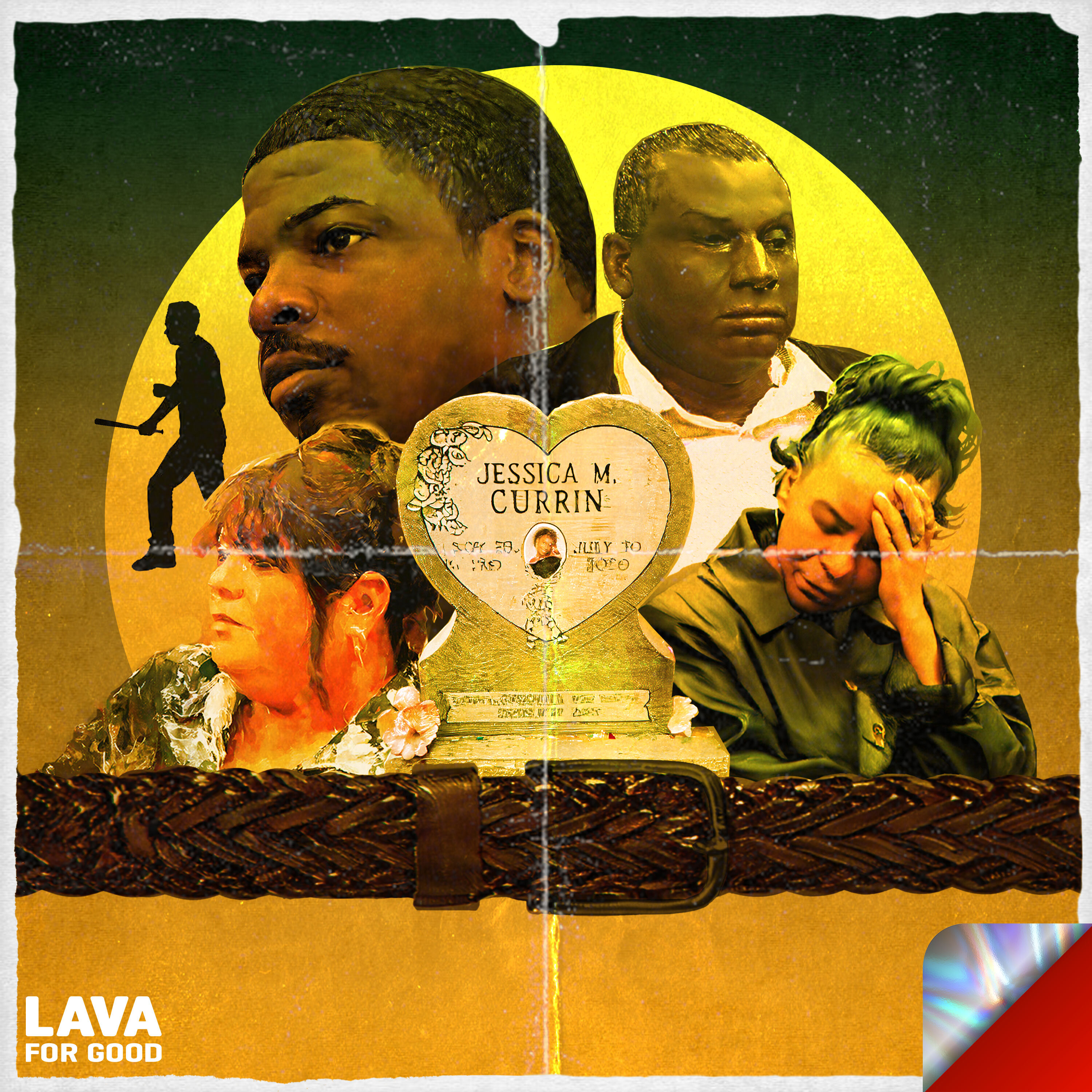
Loading summary
Transcript236 lines
- [00:00]
Maggie Freeling
How to have fun anytime anywhere.
- [00:02]
Narrator/Interviewer
STEP 1 Go to chumbacasino.com chumbacasino.com Got it.
- [00:06]
Maggie Freeling
STEP 2 Collect your welcome bonus.
- [00:08]
Narrator/Interviewer
Come to papa. Welcome bonus.
- [00:10]
Maggie Freeling
Step 3 Play hundreds of casino style games for free.
- [00:13]
Narrator/Interviewer
That's a lot of games all for free.
- [00:14]
Maggie Freeling
Step 4 Unleash your excitement.
- [00:16]
Narrator/Interviewer
Woo hoo.
- [00:18]
Maggie Freeling
Chumba Chumba Casino has been delivering thrills for over a decade. So claim your free welcome bonus now and live the chumba life. Visit chumbacasino.com no purchase necessary vgw group.
- [00:27]
Narrator/Interviewer
Void where prohibited by law 21 + terms and conditions apply so do you want to look and feel your best this summer? Well, don't just think skin deep, think cell deep with Prolon. Prolon is a plant based nutrition program featuring soups, snacks and beverages that nourish the body while keeping it in a fasting state which triggers cellular rejuvenation and renewal, target fat loss, support lean muscle and reset your metabolism so you look and feel your best all summer long. Prolon is science backed nutrition that can help change your relationship with food in just five days. Get 15 off plus a 40 bonus gift when you subscribe now@prolonlife.com iheart that's prolonlife.com iheart this is Gemma Spake from the psychology of your twenties so you can't get the trip out of the group chat. We have all been there, but did you know there may be an easy solution. EF Ultimate Break is a group travel company for 18 to 35 year olds with over 140 itineraries all over the world. Just sign up and recruit six or more friends for a trip. You will save hundreds or even thousands of dollars. You could even travel for free. Learn more@ef ultimatebreak.com that's EF ultimatebreak.com and turn the group chat into a group trip.
- [01:47]
Maggie Freeling
Heads up. This series contains graphic descriptions of violence. On the morning of August 1, 2000, a teacher preparing for the first day of classes noticed something on the ground near the flower beds behind the Mayfield Middle School.
- [02:04]
Narrator/Interviewer
I saw this sandal laying right by the door. There's a little concrete pad there and I saw the sandal laying there and I just thought, you know, I wonder what that sandal's doing there.
- [02:18]
Maggie Freeling
As her sight shifted away from the sandalwood, scanning the school grounds, the teacher saw something else.
- [02:25]
Narrator/Interviewer
And when I looked over to the left is when I saw the body.
- [02:33]
Maggie Freeling
There's not a lot of bodies found in Mayfield, Kentucky.
- [02:37]
Narrator/Interviewer
No.
- [02:40]
Maggie Freeling
When you heard there was one, what were you?
- [02:42]
Narrator/Interviewer
What were you thinking, oh, our man was racing. But you know, when you've never had nothing like this happen before, it kind of gives you a little, you know, a little thought that, no, it's not happening to me.
- [03:00]
Maggie Freeling
This is Joe Curran. For two days before Jessica's body was found, he and his wife Jean had been searching for their 18 year old daughter. The next day, police identified the body. The with the help of dental records. And Joe and Jean. It was Jessyca. They recognized the jewelry on their daughter's hands.
- [03:25]
Narrator/Interviewer
It's the loneliest crime scene I've ever seen, and I've seen a lot.
- [03:29]
Maggie Freeling
You met Dara Wolman on the last episode. Like me, Dara has pored over pictures and video of the crime scene.
- [03:38]
Narrator/Interviewer
She just looked as if she had been tossed out the back. The way her shoe was, you know, all the jewelry still on her. And it was like everything that she had that she felt that was a value she had on her still. But she was all by herself. It was just lonely.
- [04:01]
Maggie Freeling
According to police, Jessica's murder was the first in Mayfield in over a year and a half. They told the press that the school grounds appeared to be the scene of the crime. That there were signs of a struggle and then a homicide.
- [04:16]
Narrator/Interviewer
We're getting the information that she was beaten, strangled, stabbed and burned. I don't know how it could get much worse. And then her body was dumped behind the middle school.
- [04:35]
Maggie Freeling
I first met Joe Curran in 2023. He was born in Graves county in 1957, just a year after Mayfield started to desegreg its public schools.
- [04:47]
Narrator/Interviewer
I'm kind of a country boy and I went to some few schools out in the county and they didn't have any, you know, black students at all.
- [04:54]
Maggie Freeling
You were the only black kid?
- [04:55]
Narrator/Interviewer
Yes.
- [04:56]
Maggie Freeling
What was that like?
- [04:58]
Narrator/Interviewer
Well, I mean, it's kind of like most of my life.
- [05:01]
Maggie Freeling
Joe was among that first generation of black children to study in what had been white only schools in a county that has always been majority white, 90% as of the last census. This is the world Joe grew up in.
- [05:16]
Narrator/Interviewer
You know, I ride horses and go to rodeos and stuff. And a lot of places that I go to basketball games and football games, and it's a whole stadium full of people. And a lot of times I'm the only black person there. I go to a lot of farmers meetings, 300 people. I may be the only black person in the room. So I mean, it don't mean anything to me.
- [05:34]
Maggie Freeling
And Joe learned to thrive in this world. He played defense for the high school football team, the beloved Mayfield Cardinals, worked as a bailiff and ran his own business.
- [05:44]
Narrator/Interviewer
I'm a fish farmer, so I ate fish ponds there.
- [05:47]
Maggie Freeling
What kind of fish?
- [05:48]
Narrator/Interviewer
Catfish. Catfish.
- [05:52]
Maggie Freeling
He became a lieutenant in the fire department and went to church every Sunday. Joe Curran did right by Mayfield. So when his daughter was brutally killed, Joe thought Mayfield would do right by him. Instead, local police bungled the case and it went unsolved for years. This is Graves County Chapter 2. Jessica depending on who you ask, there are dozens of versions of what happened to Jessica between the time she was reportedly last seen and the time her body was found. You already heard one version last episode, but that's different from the story about the final days of Jessica Curran's life that were first put on the record. This is according to my team's own reporting, court testimony, police interviews, and private investigator interviews, which you'll be hearing throughout this episode, all of which have been edited for length and clarity. In July of 2000, Jessica had a seven month old baby named Zion. She was close with her family, shared a room at home with Zion and her baby sister. But she wanted her independence. So Jessyca got her own apartment at an affordable housing complex in the southeast part of town. Though she was slow to fully move out.
- [08:06]
Narrator/Interviewer
Jo says the first whole week she stayed at home and the second week she moved out on Thursday. She went to her house on Thursday and she was there on Friday. And then Saturday.
- [08:17]
Maggie Freeling
That Saturday morning, Jessyca dropped off Zion with her parents and she went to hang out with some girlfriends, including her boyfriend's cousin, Venetia Stubblefield. You heard her name last episode. Venetia and Jessyca had become friends. Earlier that year, me and Jessica had.
- [08:34]
Narrator/Interviewer
Just started really actually hanging out. In 2000. She was going to adult learning center to get her GED from when she dropped out of high school. When she was pregnant, she went to the GED school.
- [08:47]
Maggie Freeling
They crossed paths after class, when she.
- [08:50]
Narrator/Interviewer
Was coming from GED school and I was coming from summer school.
- [08:53]
Maggie Freeling
Venetia, a wiry girl with giant eyes, was among the very first people interviewed by police. She was 16 at the time. According to Venetia, she, Jessica and a few other girls hung out at a friend's house, playing cards and having drinks. That night we all sit there, play.
- [09:19]
Narrator/Interviewer
Chorus, listen to music. We had a few drinks. We did.
- [09:29]
Maggie Freeling
Meanwhile, in another part of town, there was a party on a street called Chris Drive. It's about a 10 minute drive south from where Jessica was hanging and a little more rural, surrounded by fields Hanging out were a handful of locals and 24 year old Quincy Cross. Quincy lived in Tennessee, but a friend had convinced him to go to Mayfield and hang. He could even sell some drugs there.
- [09:53]
Narrator/Interviewer
He was like, come on man, if you go, we'll bring you back later on.
- [09:57]
Maggie Freeling
Some partygoers say Quincy stood out that night, not just because he was an out of towner, but because he was rowdy. He kept wanting to play drinking games and was fidgeting with his braided belt.
- [10:10]
Narrator/Interviewer
He had a black braided belt on and he was swinging it around the night because while he was talking to us in the living room, he was flick in the end of it, kind of flickering around while he was talking. It stuck out in my mind because.
- [10:24]
Maggie Freeling
He had taken the belt off and.
- [10:28]
Narrator/Interviewer
Was like swinging it around and wrapping it around his hands and making noise with it. And I think at some point Ashley and I both kind of looked at each other and thought, you know, that's annoying.
- [10:44]
Maggie Freeling
Meanwhile, back at the other gathering, the low key one with the girls playing cards, Jessica decided to call it a night. Around 1 or 2am her friends tried to get her a ride home, but no one was available. So Jessica had to go back to her apartment on foot. Venetia walked Jessyca outside to say goodbye.
- [11:05]
Narrator/Interviewer
We stood there, we talked for a brief minute. Then after that she left the shoe all by herself.
- [11:13]
Maggie Freeling
Venetia says she told Jessica to take care and watched her disappear into the night. So this was the night that we think everything happened. She leaves there and it starts walking.
- [11:32]
Narrator/Interviewer
Yeah, she's walking somewhere along here.
- [11:35]
Maggie Freeling
I charted that walk with Joe Curran and a private investigator. It would have been at least a 40 minute journey alone in the dark.
- [11:43]
Narrator/Interviewer
But that'd be a long walk for her at that time of day. Not that she wasn't capable of doing it, but I don't know how smart that would be.
- [11:54]
Maggie Freeling
The middle school is halfway to Jessica's place and it would have been desolate.
- [11:59]
Narrator/Interviewer
This town pretty much dies dark.
- [12:07]
Maggie Freeling
Back at the party on Chris Drive, Quincy asked to borrow someone's car around daybreak. He says he wanted to go find food.
- [12:15]
Narrator/Interviewer
I'm like, man, I'm hungry now. So I'm like, man, how do you get to town? So he pointed in his direction. I asked him let me use his car.
- [12:23]
Maggie Freeling
But some of the other partygoers remember it differently.
- [12:27]
Narrator/Interviewer
He was on the phone quite frequently that night and was calling back to unicity in different places saying that, you know, he found some women at a hotel or something or another he recalls.
- [12:36]
Maggie Freeling
Quincy saying he wanted to get some bitches.
- [12:39]
Narrator/Interviewer
I'm sorry, get some bitches.
- [12:41]
Maggie Freeling
So he borrowed the car and drove off. But remember, it's 2000. He'd been partying. We didn't have Google Maps or anything like that back then. So Quincy says he got lost on those rural roads.
- [12:55]
Narrator/Interviewer
I can end up making a big loop, a whole big old circle. So when I do that, the car runs out of gas.
- [13:03]
Maggie Freeling
It stalled about two miles from Chris Drive. That's when a local jailer saw Quincy, pulled over and asked if he needed help.
- [13:11]
Narrator/Interviewer
I popped his trunk in his gas can. You know what I'm saying? It's in this trunk.
- [13:15]
Maggie Freeling
So the jailer watched him put gas in the car and spill some on himself.
- [13:20]
Narrator/Interviewer
This guy, he's standing right beside me. So he see me drop a couple drops of gas on my pants leg. He see me do it.
- [13:31]
Maggie Freeling
There's no disputing that the jailer found Quincy putting gas in a car. But there doesn't seem to be a consensus as to where exactly the gas can came from. Here's the car's owner at trial.
- [13:45]
Narrator/Interviewer
Was that your gas can? No, sir. I didn't have a gas can. My car. Did Mr. Cross tell you where he got that gas? He said he stole it from a building or something somewhere around the road. He got put gas in my car to try to get the gas station. Supposedly.
- [14:02]
Maggie Freeling
Either way, around 7:50am A state trooper driving by noticed Quincy right away.
- [14:09]
Narrator/Interviewer
He had no shirt on, could see multiple tattoos. He had a pair of dark pants on with no belt.
- [14:19]
Maggie Freeling
Quincy quibbles with some of those details.
- [14:22]
Narrator/Interviewer
I had a T shirt on. He kept saying, I didn't have no T shirt on. I did have a T shirt on.
- [14:27]
Maggie Freeling
But the trooper says he specifically noticed Quincy didn't have a belt on.
- [14:33]
Narrator/Interviewer
The pants were drooping. I could see his boxer shorts. He kept having to pull them up. While we were having conversations, the state.
- [14:40]
Maggie Freeling
Trooper gave Quincy a ride back to Chris Drive. And when the trooper went to retrieve the stalled car, he says he found marijuana seeds on the front seat and a handgun in the glove box. That gave him enough to go back to Chris Drive and search all the partygoers for more drugs or weapons. And Quincy, along with a few others at the party, ended up getting arrested early Sunday for drug possession. One of the guys booked with Quincy remembers the smell.
- [15:14]
Narrator/Interviewer
And he stunk of gasoline. I mean, it was just ricking on him. He smelled like gas.
- [15:23]
Maggie Freeling
Later that Sunday morning, Jessica's parents, Joe and Jean, went to pick up Jessica so they could all go to church with Zion. But they didn't find her. At first Joe thought she's probably still out with friends. When did you realize something was really wrong?
- [15:41]
Narrator/Interviewer
Well, being working at the fire department and the sheriff's department, I knew that once a person is a grownup at 18, you have you can't really do nothing with a missing person until so many hours. So I mean, but we already feeling like, you know, something wasn't right because she hadn't been calling.
- [16:00]
Maggie Freeling
Sunday went by, then Monday and still no sign of their daughter until the teacher found the body on Tuesday. She'd been burned, part of her dress charred onto her body. Her sandals were strewn as if she'd been dragged or had run. Her underwear was found ripped in two next to her on the ground. According to the medical examiner, Jessica appeared to have been hit in the head. Her nose was broken, she had some cuts around her face and what appeared to be stab wounds in her back. He determined the cause of death was blunt force trauma plus strangulation based on another piece of evidence found near Jessyca's body, the fragment of a black braided belt laying near her neck. More after the break. How to have fun anytime, anywhere step.
- [17:08]
Narrator/Interviewer
One go to chumbacasino.com chumbacasino.com Got it.
- [17:12]
Maggie Freeling
Step two collect your welcome bonus.
- [17:14]
Narrator/Interviewer
Come to papa. Welcome bonus.
- [17:16]
Maggie Freeling
Step 3 Play hundreds of casino style games for free.
- [17:19]
Narrator/Interviewer
That's a lot of games all for free.
- [17:21]
Maggie Freeling
Step 4 Unleash your excitement. Chumba Casino has been delivering thrills for over a decade. So claim your free welcome bonus now and live the chumba life. Visit chumbacasino.com no purchase necessary.
- [17:33]
Narrator/Interviewer
VGW Group void we're prohibited by law 21/ terms and conditions apply. This is Gemma Spake from the psychology of your 20s. So you can't get the trip out of the group chat. We have all been there, but did you know there may be an easy solution? EF Ultimate Break is a group travel company for 18 to 35 year olds with over 14040 itineraries all over the world. Just sign up and recruit six or more friends for a trip. You will save hundreds or even thousands of dollars. You could even travel for free. Learn more@efultimatebreak.com that's efultimatebreak.com and turn the group chat into a group trip. A new NFL season means a fresh start and fresh styles. At NFLShop. Com you'll find the latest jerseys, hats and sideline gear to rep Your team all season long. From rookies making their debut to legends, NFLShop.com has it all. Score exclusive styles you won't find anywhere else. And show up ready for every kickoff and big play fan like a pro. And shop now@nflshop.com.
- [18:54]
Maggie Freeling
For a brief moment in time, Joe Curran had everything he wanted. He and his wife Jean got married young and their plan was to have two boys and two girls.
- [19:05]
Narrator/Interviewer
And I wanted boy first and girl second. And that's the way we had them. We had a boy and a girl and then another boy and a girl.
- [19:13]
Maggie Freeling
All their names start with J. Is Jessica the youngest?
- [19:16]
Narrator/Interviewer
No, she's the second oldest. Okay.
- [19:19]
Maggie Freeling
Joe Curran is the kind of man who looks like he carries the weight of the world. He stands tall and proud with the build of a football player. But his eyes are sunken and tired, revealing decades of pain.
- [19:38]
Narrator/Interviewer
And that's a picture I heard of her older brother.
- [19:41]
Maggie Freeling
I'm sitting with Joe, going through old family photographs.
- [19:45]
Narrator/Interviewer
This is a picture of my wife. And she's holding her there, a tiny.
- [19:49]
Maggie Freeling
Jessica in a frilly white dress and white bonnet, probably going to church. Jessyca was pretty, with big brown almond shaped eyes and a wide, perfectly white smile. She looks like Joe, a spitting image of her dad. She usually wore her hair in a cute short bob. And she was tall.
- [20:09]
Narrator/Interviewer
Yeah, she was about 5, 9, 5 10.
- [20:12]
Maggie Freeling
Yeah, she's like a little string bean here. Tall and skinny.
- [20:15]
Narrator/Interviewer
Yeah.
- [20:16]
Maggie Freeling
And athletic. She ran track and she was a solid 90s teen who liked Tupac and the X Files.
- [20:23]
Narrator/Interviewer
She was the only one that would watch the X Files with me. I mean, she could kind of keep up with it. My wife gets lost on it and she can't. She can't keep. She don't have the patience.
- [20:34]
Maggie Freeling
So Joe's wife Jean isn't sitting with us.
- [20:38]
Narrator/Interviewer
I have to apologize for my wife. She. She's still pretty shook up.
- [20:42]
Maggie Freeling
Yeah, I was going to ask you about that. So what?
- [20:44]
Narrator/Interviewer
You know why.
- [20:45]
Maggie Freeling
While she's talked to press in the past, Jean just isn't up for it today. I can't say I blame her. After years of telling strangers about your dead child, what else is there to say except I'm in pain and I miss her?
- [21:01]
Narrator/Interviewer
I mean, she still goes to the down to the grave site at least once or twice a week sometimes. I mean, they were close. They were close friends. I mean, about as close as you could be for a mother and a daughter, you know? Yeah. Yeah. Almost like, you know, two sisters. And it really, really hurt her and.
- [21:21]
Maggie Freeling
She told me, after two years of reporting on this case, I can say that from all I've gathered, Jessica was sweet and loving, but she was also feisty and brave.
- [21:33]
Narrator/Interviewer
Jessica cut a boy one time for calling her the N word. She pulled out a blade and cut him.
- [21:39]
Maggie Freeling
This is an old police interview of Jessica's best friend, saying Jessica once pulled a knife on a boy for calling her the N word.
- [21:48]
Narrator/Interviewer
If she had a problem, I mean, she would. I mean, hit you or whatever she felt necessary to defend herself.
- [21:56]
Maggie Freeling
Jessica Lindsey met Jessica Curran at Graves County High.
- [22:02]
Narrator/Interviewer
I consider her one of my best friends. She was a very outgoing person, very down to earth. What caught my attention about her in school was that she stood up for people, like when they would get picked on. And she didn't allow that. If she seen it going on, she would put a stop to it. So, I mean, she was just a very, you know, very kind girl. Very, very kind girl. She would pretty much do anything for anybody.
- [22:33]
Maggie Freeling
And she was also a teenager who, in the summer of 2000, was getting over heartache. She had her baby in December 1999, a little boy named Zion. And Jessica thought that baby's dad was a boy named Marcus.
- [22:48]
Narrator/Interviewer
She used to sneak out her bedroom window to go see him.
- [22:52]
Maggie Freeling
But after Zion was born, Jessica got the news.
- [22:56]
Narrator/Interviewer
She was trying to get child support ordered for Marcus or whatever.
- [23:00]
Maggie Freeling
And they done a DNA test and.
- [23:02]
Narrator/Interviewer
It came back negative. Or however they come back, it wasn't his.
- [23:09]
Maggie Freeling
It hit her hard, especially when she realized that if Marcus wasn't the dad, then it had to be a local drug dealer named Jeremy Adams, a guy she barely knew and didn't even like. According to her friend, they had just hung out once and smoked some weed.
- [23:27]
Narrator/Interviewer
We all went back to my house and we smoked a blunt and hung out marijuana, and we hung out or whatever. And that night, he kind of forcibly took her around the building and had said they had sex. It was like two seconds they were around there and came back and he walked off. And that was that.
- [23:57]
Maggie Freeling
That was that. A baby came nine months later.
- [24:01]
Narrator/Interviewer
She was very upset when she found out it wasn't Marcus. She was very upset. This was after Zion was born. She stopped messing with Marcus and she.
- [24:13]
Maggie Freeling
Started messing with Lolo Carlos, Lolo Saxton Venetia Stubblefield's cousin, and another local drug dealer, a dreamy one at that, a year older with sad, puppy eyes. They started seeing each other in the spring of 2000.
- [24:31]
Narrator/Interviewer
I mean, she liked him. She really liked him.
- [24:35]
Maggie Freeling
It was panning out to Be a good summer for young Jessica, meeting a boy she liked, moving out on her own. So much to look forward to. In the months that followed his daughter's killing, Joe walked around in a daze, in a nightmare. He remembers sitting at a restaurant.
- [24:56]
Narrator/Interviewer
I was sitting at the table by myself, and this waitress come over and said to me, you look like you lost the last person in the world. You look like you lost your best friend.
- [25:07]
Maggie Freeling
She didn't know.
- [25:08]
Narrator/Interviewer
She had no clue. She apologized later because she found out what happened, and she knew who I was, and she apologized later. She said, I had no clue that, you know, that was your daughter. Cause it just showed on my face, me sitting there by myself. It just showed.
- [25:27]
Maggie Freeling
One of the few comforts the Curran family had was believing that soon, eventually, they'd find whoever did this to Jessica, and they'd be able to ask how and why and hopefully get some sense of justice. The man put in charge of Jessica Kern's murder investigation was Tim Fortner, a patrolman who had just been promoted to detective. This was his very first murder investigation. And according to interviews, press reports and court filings, Fortner and his small town police department were out of their depths. The problem seemed to have started from the get go. Here's Dara again.
- [26:13]
Narrator/Interviewer
Okay, so it took forever for them to rope off the crime scene, right?
- [26:17]
Maggie Freeling
They didn't log who came and went or properly canvassed the neighborhood.
- [26:23]
Narrator/Interviewer
No statements were taken at the scene.
- [26:25]
Maggie Freeling
They also threw away the maggots they found on Jessica's body. Maggots could have helped determine how long her body had been decomposing. Without them, it was hard for the medical examiner to determine an exact time of death.
- [26:41]
Narrator/Interviewer
In supplemental reports that I've read by the police, they're like, do we keep her underwear? What about the 7Up bottle?
- [26:50]
Maggie Freeling
They threw away part of Jessica's dress. And a couple rape swabs from other crime scenes were mixed in with the evidence boxes for Jessica's case.
- [26:59]
Narrator/Interviewer
So no one is in charge. It's the blind leading the blind.
- [27:06]
Maggie Freeling
I found Fortner's number and called him to ask about the investigation.
- [27:10]
Narrator/Interviewer
Hello.
- [27:11]
Maggie Freeling
Hi. I'm looking for Mr. Tim Fortner. I interrupted his evening at home.
- [27:16]
Narrator/Interviewer
Hey, Stan.
- [27:17]
Maggie Freeling
Hi, Mr. Fortner, my name is Maggie Freeling. How are you?
- [27:21]
Narrator/Interviewer
I'm well. How are you?
- [27:23]
Maggie Freeling
He still lives in Kentucky. As far as I can tell, his last gig in law enforcement was as a school resource officer in another county, and he hosts a show on the side for wkms, the local public radio station. I am a journalist And I am reporting on the Jessica Curran case and going through the documents, you were the first responding officer, so I was hoping you'd want to talk.
- [27:49]
Narrator/Interviewer
Yeah, I was, but I'm in the middle of dinner, and I don't have any. You know, there's nothing to comment on. Okay. Appreciate it.
- [27:57]
Maggie Freeling
Yeah, I'm actually in town. Could I meet you tomorrow, perhaps?
- [28:02]
Narrator/Interviewer
Well, probably not.
- [28:04]
Maggie Freeling
Probably not as in no.
- [28:06]
Narrator/Interviewer
And so it's, you know, you could contact the state police. Okay. And I sure do appreciate you calling me.
- [28:16]
Maggie Freeling
A very polite no, thank you.
- [28:18]
Narrator/Interviewer
Have a great day.
- [28:18]
Maggie Freeling
All right, you too.
- [28:20]
Narrator/Interviewer
Bye.
- [28:24]
Maggie Freeling
But Fortner has spoken to the press before, and he's admitted that he wasn't the man for the job. In 2004, he told Tom Mangold, the BBC reporter, that, quote, I didn't have a clue what to do next. He said, I didn't know how to organize a crime scene or look for forensic evidence. Frankly, I was scared stiff. He even admitted this to the Currans.
- [28:53]
Narrator/Interviewer
Told us, me and my wife, that he had no clue what he was doing. He didn't know what he was doing.
- [28:57]
Maggie Freeling
He tells this to you. The lead detective on your daughter's homicide case says to you, I don't know what I'm doing.
- [29:03]
Narrator/Interviewer
He said, I don't know what I'm doing. That's his words.
- [29:10]
Maggie Freeling
On top of that, the Mayfield Police Department was dealing with a flurry of internal investigations and allegations of malfeasance. The chief and assistant chief were ousted and eventually pled guilty to felony charges for misusing public funds, including money that police had confiscated from drug arrests. Mayfield Police Department was a mess. Fortner and his team had chased some leads, interviewed many people, and pinpointed a few suspects. But it all fell apart. The rookie detectives. First big case, a failure. In 2003, Fortner quit, and the Kentucky State Police had to step in to take over the case.
- [29:58]
Narrator/Interviewer
Case.
- [29:59]
Maggie Freeling
The State Police pursued some lines of investigation, but didn't seem to get far either. And as the years went by, Joe had to fight to keep his daughter's case. Top of mind.
- [30:11]
Narrator/Interviewer
We've had protests at the courthouse several times. We've had one at Mitch McConnell's office, the leading senator from Kentucky in Paducah.
- [30:22]
Maggie Freeling
Even Reverend Al Sharpton's national Action Network got involved.
- [30:26]
Narrator/Interviewer
We went to Frankfurt, to the Attorney General's office. We went to the FBI office, the U.S. attorney's office. We didn't done all of that stuff.
- [30:40]
Maggie Freeling
But what Joe didn't know at first was that another person was also growing increasingly frustrated. By law enforcement failures and decided to stop watching from the sidelines. Susan Galbraith, the citizen sleuth who you met last episode, embarked on a whole investigation of her own. And as she started digging into the files, a name stood out.
- [31:05]
Narrator/Interviewer
Quincy. Quincy, Quincy, Quincy, Quincy. I don't know what's left. Yeah, I cross.
- [31:16]
Maggie Freeling
After the break.
- [31:27]
Narrator/Interviewer
Hey, it's Brian Christopher. Ready to chill this summer? You're in luck. I'm hanging out at Champa Casino and you're in for a treat. Chillax. With hundreds of games, daily bonuses, exciting spins and epic prizes. It's all here. Always free to play. Kick back, have fun and head to jumbacasino.com let's make this summer legendary. Sponsored by Chumba Casino. No purchase necessary vgw group void where prohibited by law. CTNCS21 plus this is Gemma Spake from the psychology of your 20s. So you can't get the trip out of the group chat. We have all been there, but did you know there may be an easy solution? EF Ultimate Break is a group travel company for 18 to 35 year olds with over 140 itineraries all over the world. Just sign up and recruit six or more friends for a trip. You will save hundreds or even thousands of dollars. You could even travel for free. Learn more@efultimatebreak.com that's efultimatebreak.com and turn the group chat into a group trip. A new NFL season means a fresh start and fresh styles. @nflshop.com you'll find the latest jerseys, hats and sideline gear to rep your team all season long. From rookies making their debut to legends, NFLShop.com has it all score exclusive styles you won't find anywhere else. And show up ready for every kickoff. And big play fan like a pro. And shop now@nflshop.com.
- [33:10]
Maggie Freeling
Susan said she'd felt a connection to Jessica Curran since the day her body was found and she went to look at the crime scene. That she was called by a divine power to help find her killer. But as far as I can tell, she didn't actually act on that calling until four years after the murder when Susan began talking to the Kentucky State Police and getting updates on the case.
- [33:37]
Narrator/Interviewer
Hello Susan. Yes, David. For saying.
- [33:41]
Maggie Freeling
And started both prying on and cooperating with the investigation.
- [33:45]
Narrator/Interviewer
Hi, how are you? I'm fine. I'm surprised I hadn't heard from you. Well, I've been off. I hadn't. Hadn't been working any this week.
- [33:55]
Maggie Freeling
I've been off, since in reviewing her correspondence, tape recordings and court testimony, I found that at times the detectives kept Susan at arm's length, but they often entertained her ideas and followed up on her tips.
- [34:09]
Narrator/Interviewer
But Lieutenant Ken called and said he spoke with you and said that you had some new information or something that you wanted to. No, it was the same information. I mean, as far as where Venetia was.
- [34:22]
Maggie Freeling
And this emboldened Susan to start conducting a parallel investigation, even though, as she testified in court, she had no experience other than that. Have you had any law enforcement training or education in the area of law enforcement?
- [34:36]
Narrator/Interviewer
No, just a lot of Court tv.
- [34:40]
Maggie Freeling
It was also around this time that Susan started working with British journalist Tom Mangold, who flew to Mayfield in the spring of 2004.
- [34:49]
Narrator/Interviewer
So he was in Mayfield for 10 days. When he left, I continued to dig.
- [34:55]
Maggie Freeling
Susan kept digging through police records that Tom helped get and interviewing people. She even started wearing a wire.
- [35:03]
Narrator/Interviewer
I kept a recorder pinned to my body or duct taped at all times.
- [35:08]
Maggie Freeling
All with a main suspect in mind.
- [35:10]
Narrator/Interviewer
Quincy became the top of the list.
- [35:14]
Maggie Freeling
Susan had seen Jessica's autopsy pictures from the scene of the crime and the police reports from the weekend she was last seen alive. And there she noticed that a man named Quincy Cross had come to town. Witnesses heard him asking about finding girls, and he had been arrested smelling of gas, with his belt missing. So she connected the dots.
- [35:37]
Narrator/Interviewer
I just know he killed her.
- [35:39]
Maggie Freeling
In an email to Tom, Susan wrote that from the beginning, she knew who the suspects were and her job was proving it. And Tom helped her publicize her main suspect's name, starting with his first article in the summer of 2004 and in subsequent reports through the years. Here's Tom and Susan in a BBC broadcast.
- [36:05]
Narrator/Interviewer
So here was a man shortly after the murder of Jessica Caran. His black braided belt is missing because it's round the throat of the dead girl. Correct. And he stinks of gas. Yes. Everything just started coming together. It was like a deck of cards just falling. I really, really got emotional because I finally started feeling that there's going to be an end to this.
- [36:29]
Maggie Freeling
Now, not only did Tom introduce Quincy Cross as his main suspect in his articles, but as far as I can tell, he was the first reporter to really hint at the idea that there was a sexual element to the crime against Jessica. Up until then, every time law enforcement talked about Jessica's case to the press, they did not mention rape or sexual assault. But Tom took those descriptions of Quincy at the party as wired and wanting girls and wrote the Quincy's demeanor, quote, suggested a sexual predator on cocaine. End quote. Years later, he would go even further, saying that early on in his reporting, he and Susan knew something more nefarious had occurred.
- [37:17]
Narrator/Interviewer
We were pretty certain by now that Quincy Cross, together with other accomplices, had murdered Jessica in a sex and drugs frenzy.
- [37:25]
Maggie Freeling
In his digging, Tom also found that a small souvenir bat had allegedly gone missing from the car Quincy had borrowed. A bat that, according to Tom, could have been used to bludgeon Jessica. Since no other weapon had been found. Tom and Susan shared all their findings and theories with the police. But they were both disappointed to learn it was not enough to make an arrest.
- [37:53]
Narrator/Interviewer
The Kentucky State Police were no closer to arresting the perpetrators than their hapless predecessors, the Mayfield police.
- [38:01]
Maggie Freeling
But Susan did not give up. Instead, she continued to pursue another one of the suspects on her list. Venetia Stubblefield, the last known person to see Jessica Curran alive. Susan already knew Venetia from around town. Remember, Mayfield is small.
- [38:23]
Narrator/Interviewer
I want to say, the first time I met her, she was 13 years old.
- [38:27]
Maggie Freeling
But her interactions with Venetia increased when she started investigating the case.
- [38:31]
Narrator/Interviewer
After 2004 is when I talked to her a whole lot more.
- [38:37]
Maggie Freeling
In their first investigation, Mayfield police suspected that Venetia knew something, but they never really got anywhere with her. Then came Susan. She became convinced that Venetia had to know who killed Jessyca. The police let her off too easily. In their recorded conversations, you mostly hear Susan talking, trying to convince Venetia to come clean.
- [39:01]
Narrator/Interviewer
The reason that no one has pushed you any further on this for these four years is because no one's really listened to you talk. Well, every time I've seen you, I listen to you talk. I listen. No one's done that to this point. That's what I'm saying. I listen to you. And when I listen to you and hear what you're saying to me, probably more than anyone has in these four years.
- [39:23]
Maggie Freeling
In Susan's mind, if Venetia knew the killer and the killer was Quincy, then she had to get Venetia to rat him out. Susan also tells Venetia that if she confesses, she'll help broker a deal with police.
- [39:39]
Narrator/Interviewer
And honestly, when we were in the car that day, I just felt that you were going to tell me then I really did. And I kept thinking, okay, I can go to Mills and I can say, look, she's willing to talk. You gotta guarantee her safety and guarantee her no jail time.
- [39:52]
Maggie Freeling
But still, Venetia doesn't deviate from the original story. She told police the one about the small party, playing cards and saying goodbye to Jessica around 1 or 2am.
- [40:05]
Narrator/Interviewer
And.
- [40:05]
Maggie Freeling
She doesn't even admit to knowing Quincy.
- [40:11]
Narrator/Interviewer
I'm telling you, we know Quincy killed her. We know, we know. But what I don't get is who is this Quincy guy? That's what I'm trying to figure, all right. I don't think that was the Quincy. Got you.
- [40:25]
Maggie Freeling
So Susan tried another angle. If Venetia wasn't gonna crack, then Susan would have to get the suspected killer to confess. She would have to talk to Quincy Cross herself. And it turns out Susan knew one of Quincy's cousins from around town.
- [40:43]
Narrator/Interviewer
I would go to her house and work on her computer. In the meantime, always talk to her about Quincy. Just try to, you know, get anything I could out of her.
- [40:52]
Maggie Freeling
And she used her to set up a meeting with Quincy under the pretense that she was a researcher for Tom.
- [40:58]
Narrator/Interviewer
Mangold, which I was. I did help to research for him. So after he went back to London, I just kept up the spiel, anybody.
- [41:07]
Maggie Freeling
She even told her she could help Quincy.
- [41:09]
Narrator/Interviewer
I told her that I was there to try to clear his name.
- [41:14]
Maggie Freeling
And Susan told the Kentucky State Police about her planned sting operation.
- [41:19]
Narrator/Interviewer
I called Kentucky State Police and invited them to help me on that.
- [41:25]
Maggie Freeling
The police did indeed help her. They gave her a cell phone to record and a few officers to wait outside of the house for protection.
- [41:32]
Narrator/Interviewer
It was all set up very professionally. You know, we had code words I had. If I needed any assistance from them, I had. My code words were, I wish my big brother was here. And they would be come right into the residence.
- [41:50]
Maggie Freeling
Quincy did not know he was being recorded. I don't have the recording. I asked law enforcement for it and they said they can't find it. But according to Susan's court testimony, a transcript and a police report. These are some of the things Quincy allegedly says that he was wearing a sweatsuit that night.
- [42:11]
Narrator/Interviewer
Yes. That he didn't have a belt and that he was wearing a jogging outfit.
- [42:15]
Maggie Freeling
But then he says they kept his belt at the jail when he was arrested. Then, according to Susan, Quincy says that as soon as they smelled gas on him, he knew police would blame him for what had happened. And Susan perked up at this. Was this a confession? A slip? How did he know that night that a girl had been burned unless he was there? Tom Mangold also thought she'd struck gold.
- [42:46]
Narrator/Interviewer
She didn't get a full confession, but she got an interview which contained self incriminating remarks she'd made. More progress in a day than the police agencies had made in five years.
- [42:58]
Maggie Freeling
But still no arrests. Another failed plan in Susan's citizen investigation. And another year with no major inroads by the Kentucky State Police until the Kentucky Attorney General stepped in a year later in 2006, with a new set of agents and brand new set of ears for Susan Galbraith. Around this time, Susan was pursuing what would be her final scheme. With a little help from the Internet, she set up a MySpace account.
- [43:31]
Narrator/Interviewer
It's titled Murdered Jessica Kern at MySpace.
- [43:36]
Maggie Freeling
This was pre Facebook being widely available, and Susan used the page to track down anyone from Mayfield and add them as a friend. That's how she first made contact with Victoria Caldwell, the state's main witness. You heard from last episode, the one who eventually confessed to being an accomplice to the crime. The first message between them that we have a record of is from January 2007. Here's Victoria reading that message for Tom's piece on the BBC.
- [44:11]
Narrator/Interviewer
January 24, 2007. I don't want anyone to find me. I am afraid for my life. I'm sorry about what happened. I will help the police as much as I can, but I really don't know who to trust. I am afraid someone might kill me if I testify to things about this.
- [44:31]
Maggie Freeling
Victoria was living in California at the time, far away from Mayfield, apparently in hiding. And Victoria turned out to be Susan's missing puzzle piece. She would not only point the finger at Quincy, but at many others, including her own family. And her story would find a captive audience in the investigators from the Attorney General's office. Sometime after Tom Mangold published his first piece on Jessica's killing, her father, Joe Curran, told a local TV news station that he thought maybe this was it. Finally, they were getting closer to solving his daughter's murder, thanks in part to a journalist from England.
- [45:15]
Narrator/Interviewer
This gentleman had come over here and investigated about a week or 10 days on this case. He had found several pieces of information that hadn't been discovered and hadn't been checked out. When the Mayfield police had the case.
- [45:28]
Maggie Freeling
All the information Tom and Susan uncovered was stuff the original investigators with the Mayfield Police Department had. But according to Susan, the police had missed it, either on purpose or because of ineptitude. Tom and Susan took a few threads, a belt, a gas can, a missing miniature bat, and they used them to weave together a story, one that was incomplete until Victoria showed up. And all I have right now is Quincy's account saying he was just at a party that day, took a drive, got Lost. And then the car ran out of gas, and he got arrested. But the problem with people's stories is they can be inconsistent. So I call my producer Rebecca to discuss a few things that are nagging at me.
- [46:22]
Narrator/Interviewer
Hello, Maggie.
- [46:23]
Maggie Freeling
Hello. So first, Quincy told me he left the party to go find something to eat, but none of the other partygoers seem to have ever supported that claim. And one of the also only consistent things is that the entire night, Quincy is saying, I'm gonna find girls. I'm gonna find girls. And he took the car to go find one of his girls. That has been consistent from the beginning, which is also kind of sketch because it's like he again told me he went to get food.
- [46:52]
Narrator/Interviewer
I think either Quincy is misremembering, or he was like, well, I was also hungry.
- [46:58]
Maggie Freeling
Or he's like, no, that makes me.
- [47:01]
Narrator/Interviewer
Sound creepy and bad.
- [47:03]
Maggie Freeling
Yeah, I think he thinks it makes him sound bad. And again, that's just really sketchy. The night that a girl goes missing, you're driving around like, I get it. I get why they're onto him. Second, the infamous belt. According to police records, Quincy wasn't arrested wearing a belt. But then he also says the police kept his belt. He also told Dara this, by the way. Dara's like, no, the police kept his belt once he was arrested. And I was like, okay, what belt? What are we even talking about right now? Lastly, the gas. We know Quincy smelled like gas, and the jailer saw Quincy spill gas on himself. But I haven't been able to corroborate where the gas came from or what exactly he was doing in the time he left the party and his car stalled. Like, this is where the breakdown all happens. So this is where I'm like, this is it. This is where Quincy gets pinned because of the belt and the gas. And, like, what is the truth?
- [48:10]
Narrator/Interviewer
Do you think Quincy Cross killed Jessica Curran?
- [48:19]
Maggie Freeling
No. I don't know. I don't know. I don't know. On the next episode.
- [48:32]
Narrator/Interviewer
And I told Joe Kern that day, I said, if I'm elected, I'll do my best to solve that case. We're here to conduct an interview with Tamra Caldwell. We're presently located in the conference room of the Drury Suites. It brought down the defenses of the people they were interviewing. Because you're in a hotel, you're not in a police station. Everyone felt like, what the fuck's happening? But just to sit there and to see the kangaroo court that they done, they would not even let us sit through picking the jury. They kicked us out of the courtroom.
- [49:18]
Maggie Freeling
Graves county is a production of Lava for Good in association with Signal Company Number One. This show is written and produced by me, Maggie Freeling and Senior Producer Rebecca Ibarra. Jason Flom, Jeff Kempler and Kevin Werdis are executive producers. Our editor is Martina Abrahams. Ilunga Dania Suleiman is our fact checker. Sound design and mixing by Joe Plord Music created by Wrench. Our theme song is the Gangsta grass version of the One who's Holding the Star by Leo Schofield and Kevin Herrick. Dara Warren Coleman is investigative producer. Our head of Marketing and Operations is Jeff Clyburn. Ismani Guadarrama is our Social Media director and our Social Media Manager is Sarah Gibbons. Andrew Nelson is Art Director with additional production help from Jackie Pauley, Kara Kornhaber and Kathleen Fink. Be sure to follow us on Instagram, TikTok, Facebook and Threads. Ava for good and follow me at Maggie Freeling and we know there's a lot of names for you to keep up with in this series, so for a detailed list of characters please go to Our Show Notes Every day has a to do list, but adding Enjoy Belvita to yours can help you knock out the rest of it. Belvita Breakfast Biscuits are a tasty and convenient breakfast option when paired with low fat yogurt and fruit that provide steady energy all morning while Belvita Energy Snack bites give you the perfect mid morning refuel. Best part? They both taste great, so make the most out of your morning with a bite of Velveeta. Pick up a pack of Belvita at your local store today.
- [51:11]
Narrator/Interviewer
Step into the world of power, loyalty and luck. I'm gonna make him an offer he can't refuse with family. Cannolis and spins mean everything. Now you want to get mixed up in the family business. Introducing the godfather@chapacasino.com test your luck in the shadowy world of the Godfather slots. Someday I will call upon you to do a service for me. Play the Godfather now@Champacasino.com Welcome to the family. No purchase necessary. VGW Group void. We're prohibited by law 21 + terms and conditions apply. Fox One is now live. It's the new way to stream all your Fox favorites all in one place. That means NFL Sundays and college football games. Breaking news with the Fox voices you trust and your favorite show streamed as they happen so nothing gets spoiled. With Fox one you get it all live. Edge of your seat plays, jaw dropping moments and that feeling like you're right there in the action. Start your seven day trial today. Offers are subject to change. Go to Fox 1 for complete terms and conditions. Fox 1, we live for life. Streaming now.