
Podcast
Bookey Summary
Hosted by Bookey · EN
Bookey: Unlock big ideas from bestsellers in 30 mins audio, text, and mind map
https://www.bookey.app/
Bookey summarizes the key ideas of world’s bestselling books in 30-minute audio clips and text transcripts. Each book is complemented with a mind map that highlights the essence of the book, allowing users to grasp the gist of the book at a glance.
1.Learning with no limits
2.Get more in less time
3.Download mode
4.Inspired with mind map
https://www.bookey.app/
Bookey summarizes the key ideas of world’s bestselling books in 30-minute audio clips and text transcripts. Each book is complemented with a mind map that highlights the essence of the book, allowing users to grasp the gist of the book at a glance.
1.Learning with no limits
2.Get more in less time
3.Download mode
4.Inspired with mind map
20episodes
Episodes
Newest firstAll episodes

Picking Cotton: A Journey of Forgiveness and Truth
Feb 28, 202500:02:52Tap to summarize1 What's Picking Cotton "Picking Cotton" by Jennifer Thompson-Cannino is a poignant memoir that explores themes of wrongful conviction, justice, and redemption. The narrative follows Thompson-Cannino’s harrowing experience as a victim of sexual assault, leading to the wrongful imprisonment of Ronald Cotton, who was mistakenly identified as her attacker. The book delves into their lives, the flaws in the legal system, and ultimately the power of forgiveness and reconciliation as both Jennifer and Ronald confront their shared past and advocate for reform in the criminal justice system. Through their intertwined stories, the book highlights the impact of trauma, the importance of truth, and the journey towards healing and understanding.2 Key Concepts of Picking Cotton In "Picking Cotton," the theme of wrongful conviction and the impact of racial bias is introduced in Chapter 1, where Jennifer Thompson-Cannino recounts her harrowing experience of being a victim of sexual assault and the subsequent identification of Ronald Cotton as her attacker.This theme is further explored in subsequent chapters, particularly in Chapter 4, where both Thompson-Cannino and Cotton reflect on the flaws in the criminal justice system and the profound consequences of misidentification.Additionally, Chapter 6 delves into their journey towards understanding and reconciliation, illustrating how their experiences with injustice shaped their lives and perspectives on race and the legal system.3 In-Depth Chapter Analysis of Picking Cotton by Jennifer Thompson-Cannino In "Picking Cotton," Jennifer Thompson-Cannino recounts her harrowing experience of being a victim of sexual assault and subsequently misidentifying her attacker, Ronald Cotton, who was wrongfully imprisoned for over a decade.Chapters such as the one detailing Thompson's assault and subsequent police identification process serve to highlight themes of trauma and justice. For example, Thompson describes the visceral fear and confusion she experienced during the assault, illustrating the deep impact of trauma on her psyche. This emotional turmoil is contrasted starkly with the flawed identification process, which underscores systemic issues within the criminal justice system, ultimately leading to the wrongful conviction of Ronald Cotton.As the narrative progresses, the chapters that depict Thompson and Cotton’s eventual meeting and their journey towards reconciliation emphasize themes of forgiveness and healing.For instance, when they first come face to face, the emotional intensity of their encounters reveals the profound effects of their shared tragedy, yet it also illuminates a path toward understanding and redemption. Both Thompson and Cotton demonstrate resilience, and their willingness to engage with each other highlights the potential for healing even amidst loss and injustice. This transformation ultimately reinforces the book's overarching theme of hope—illustrating how individuals can overcome trauma and work towards a better understanding of one another in the pursuit of true justice. Book https://www.bookey.app/book/picking-cottonQuotes https://www.bookey.app/quote-book/picking-cottonYouTuBe https://www.youtube.com/watch?v=VFckOIbkxmoAmazon https://www.amazon.com/Picking-Cotton-Memoir-Injustice-Redemption/dp/0312599536Goodreads https://www.goodreads.com/book/show/3955551-picking-cotton
Transcribe →
Braving the Wilderness: Embracing True Belonging and Authenticity
Feb 27, 202500:02:47Tap to summarize1 What's Braving the Wilderness In "Braving the Wilderness," Brené Brown explores the theme of belonging and the importance of embracing authenticity in a disconnected world. She emphasizes that true belonging requires individuals to be brave and vulnerable, standing alone with their true selves rather than conforming to societal expectations. Brown shares insights from her research on courage, connection, and community, encouraging readers to cultivate their inner strength, trust their intuition, and forge deeper relationships. The book ultimately advocates for the power of vulnerability and the necessity of navigating the wilderness of our emotions and experiences to foster genuine connections and a sense of belonging.2 Key Concepts of Braving the Wilderness In "Braving the Wilderness," Chapter 1 introduces the theme of belonging and the distinction between true belonging and fitting in. Subsequent chapters, particularly Chapter 2 ("The Quest for True Belonging") and Chapter 4 ("The Courage to Be Vulnerable"), further explore this theme by discussing the importance of vulnerability, authenticity, and the courage required to cultivate genuine connections with others. These chapters emphasize that true belonging stems from being your authentic self rather than conforming to external expectations.3 In-Depth Chapter Analysis of Braving the Wilderness by Brené Brown In "Braving the Wilderness," Brené Brown explores themes of belonging and authenticity across its four primary sections, each corresponding to a distinct phase in her framework of true belonging. In Chapter 1, “The Wilderness,” Brown introduces the idea that true belonging requires us to be brave and authentic in our relationships. She emphasizes that this kind of belonging is not about fitting in but about being your true self, even when it feels uncomfortable or lonely.For example, she recounts her personal experiences with vulnerability and the courage it takes to withstand the fear of disconnection in order to foster deeper connections with others.Subsequent chapters, such as Chapter 2, “The Quest for True Belonging,” further dissect the complexities of belonging by focusing on the importance of self-awareness and understanding our own values. Brown shares narratives about her research that highlight how people often seek approval from others, which can lead to a superficial sense of belonging. By weaving in stories of individuals who have bravely embraced their authenticity, she illustrates the delicate balance between fitting in and standing out.Ultimately, Brown’s exploration across the chapters emphasizes that belonging is a courageous journey of embracing vulnerability, where true connection can only emerge when we choose to be ourselves, rather than who others expect us to be. Book https://www.bookey.app/book/braving-the-wildernessArthor https://www.bookey.app/quote-author/bren%C3%A9-brownQuotes https://www.bookey.app/quote-book/braving-the-wildernessYouTuBe https://m.youtube.com/watch?v=A9FopgKyAfI&t=0sAmazon https://www.amazon.com/Braving-Wilderness-Quest-Belonging-Courage/dp/0812995848Goodreads https://www.goodreads.com/book/show/34565022-braving-the-wilderness
Transcribe →
A Gentle Reminder: Embracing Healing and Self-Love Journey
Feb 26, 202500:02:25Tap to summarize1 What's A Gentle Reminder "A Gentle Reminder" by Bianca Sparacino is a reflective and encouraging collection of prose and poetry that emphasizes self-acceptance, healing, and the importance of emotional resilience. The book explores themes of love, heartbreak, personal growth, and the journey toward inner strength, offering readers affirmations and insights designed to foster compassion towards oneself and others. Through heartfelt, relatable language, Sparacino provides gentle reminders of the beauty in vulnerability and the power of self-love, aiming to uplift and inspire those navigating their own struggles.2 Key Concepts of A Gentle Reminder In "A Gentle Reminder," the theme introduced in Chapter 1 often revolves around self-acceptance and the importance of nurturing one’s mental well-being. This theme resonates throughout the subsequent chapters, particularly in Chapters 2 and 5, where the author delves deeper into the concepts of forgiveness and embracing vulnerability. These chapters emphasize the necessity of understanding one’s emotions and cultivating a compassionate relationship with oneself, reinforcing the foundational idea of appreciating one's journey and growth.3 In-Depth Chapter Analysis of A Gentle Reminder by Bianca Sparacino "A Gentle Reminder" by Bianca Sparacino is a poignant exploration of self-love, healing, and the intricacies of human emotions. Each chapter serves as a reminder of the multifaceted nature of personal growth. For example, in Chapter 3, the author delves into the theme of accepting one’s imperfections. Sparacino emphasizes that our flaws are integral to our uniqueness, illustrated through evocative imagery that encourages readers to embrace vulnerability. This connection reinforces the notion that true strength lies not in perfection but in the authenticity of our experiences.In contrast, Chapter 7 focuses on the importance of letting go. Here, Sparacino highlights the emotional weight of clinging to past relationships or regrets, showcasing the liberation that comes with release. By using poignant metaphors, she draws parallels between physical and emotional freedom. The interconnection between these chapters emphasizes the overarching theme of self-discovery; they indicate that acceptance and letting go are critical stages on the journey toward healing and personal rebirth.Sparacino’s reflective prose invites readers to engage in introspection, deepening their understanding of both grief and renewal. Book https://www.bookey.app/book/a-gentle-reminder Quotes https://www.bookey.app/quote-book/a-gentle-reminderYouTuBe https://www.youtube.com/watch?v=Z44c5fUKe14Amazon https://www.amazon.com/Gentle-Reminder-Bianca-Sparacino/dp/1949759296Goodreads https://www.goodreads.com/book/show/57393737-a-gentle-reminder
Transcribe →
Living with a SEAL: A Journey of Transformation
Feb 25, 202500:02:31Tap to summarize1 What's Living with a SEAL "Living with a SEAL" by Jesse Itzler recounts the author's transformative experience living with a former Navy SEAL, David Goggins, for 31 days. The book explores themes of mental toughness, personal accountability, and pushing beyond one's limits. Itzler shares humorous and challenging anecdotes from his rigorous training regimen and life lessons learned from Goggins, emphasizing the importance of resilience and embracing discomfort to achieve personal growth and redefine boundaries. Through his journey, Itzler illustrates how confronting challenges head-on can lead to profound changes in mindset and motivation.2 Key Concepts of Living with a SEAL In "Living with a SEAL" by Jesse Itzler, the theme introduced in Chapter 1 revolves around discomfort and personal growth through embracing challenges. This theme is echoed throughout the book, particularly in Chapter 3, where Itzler discusses physical endurance and pushing limits, and in Chapter 7, where he reflects on the mental resilience required to tackle adversity. These chapters illustrate how stepping outside one’s comfort zone can lead to significant personal development, reinforcing the central message of the book.3 In-Depth Chapter Analysis of Living with a SEAL by Jesse Itzler In "Living with a SEAL," Jesse Itzler chronicles his experience of inviting a Navy SEAL, David Goggins, to live with him for a month, using each chapter to explore themes of discipline, resilience, and pushing beyond one's limits. For instance, in the early chapters, Itzler details the grueling physical challenges imposed by Goggins, such as early morning runs and intense workouts.This experience serves as a metaphor for confronting one’s fears and discomforts; Itzler realizes that embracing discomfort can lead to personal growth. His struggle with the rigorous training establishes a connection to the overarching theme of self-improvement through adversity, reflecting Goggins' mantra that the mind often gives in long before the body does.As the book progresses, Itzler delves into the psychological aspects of motivation and accountability. In chapters where he describes his moments of doubt and fatigue, Goggins' relentless drive forces Itzler to confront his limitations and redefine his personal boundaries. The culmination of their journey highlights a transformative experience, showcasing how the SEAL’s extreme mindset impacts Itzler's approach to both fitness and life. The final chapters exemplify this evolution, where Itzler not only gains physical strength but also a deeper understanding of perseverance and mental fortitude, encapsulating the theme that breaking through perceived limits can lead to extraordinary achievements. Book https://www.bookey.app/book/living-with-a-seal Author https://www.bookey.app/quote-author/jesse-itzlerQuotes https://www.bookey.app/quote-book/living-with-a-sealYouTuBe https://www.youtube.com/watch?v=0BjTe51-l-kAmazon https://www.amazon.com/Living-SEAL-Training-Toughest-Planet-ebook/dp/B00U6DNZB2Goodreads https://www.goodreads.com/book/show/25066990-living-with-a-seal
Transcribe →
Bad Mormon: A Captivating Journey Through Faith and Identity
Feb 24, 202500:02:50Tap to summarize1 What's Bad Mormon "Bad Mormon" by Heather Gay is a candid memoir that explores the author's complex relationship with her faith, family, and identity as a former member of the Church of Jesus Christ of Latter-day Saints. Through humorous and heartfelt anecdotes, Gay navigates her experiences of growing up in a strict Mormon environment, grappling with the expectations of the church, and ultimately redefining her own beliefs and values. The book explores themes of self-discovery, the challenges of leaving a community, and the pursuit of authenticity, all while shedding light on the often contradictory nature of her upbringing in a devout setting.2 Key Concepts of Bad Mormon In "Bad Mormon" by Angie H. O. Goddard, the themes introduced in Chapter 1 relate strongly to Chapter 3, where the author further explores the complexities of identity within the framework of her upbringing in the Church of Jesus Christ of Latter-day Saints. Additionally, Chapter 5 delves into the struggle between personal beliefs and institutional expectations, echoing the sentiments expressed in the opening chapter. Together, these chapters illuminate the tension between personal authenticity and conformity to religious ideals, reflecting the central themes of the memoir.3 In-Depth Chapter Analysis of Bad Mormon by Heather Gay In "Bad Mormon," Heather Gay's exploration of her experience within the Church of Jesus Christ of Latter-day Saints is articulated through a series of chapters that delve into her struggle with faith, identity, and the complexities of Mormon culture.For instance, in Chapter 2, Gay recounts her upbringing and the rigid expectations placed upon her, illustrating the theme of conformity versus individuality. She shares anecdotes of her childhood experiences at church and her eventual decision to deviate from the prescribed path, leading to her feelings of alienation. This chapter highlights the internal conflict between her desire to adhere to societal norms and her yearning for personal authenticity.In Chapter 7, Gay's reflections shift toward the theme of liberation in self-acceptance, as she confronts the repercussions of her choices. Here, the narrative poignantly captures her feelings of guilt and betrayal against a backdrop of her family's expectations. Specific anecdotes, such as her candid discussions about her life as a divorced, non-traditional Mormon woman, exemplify how she navigates the duality of her identity. The chapter underscores her journey toward embracing her ‘bad’ reputation not as a detriment but as a source of empowerment, ultimately connecting her struggles to a broader commentary on the complexities of faith and personal truth within a restrictive culture. Book https://www.bookey.app/book/bad-mormonYouTuBe https://www.youtube.com/watch?v=H-CDscz1HWYAmazon https://www.amazon.com/Bad-Mormon-Heather-Gay/dp/1982199539Goodreads https://www.goodreads.com/book/show/59345245-bad-mormon
Transcribe →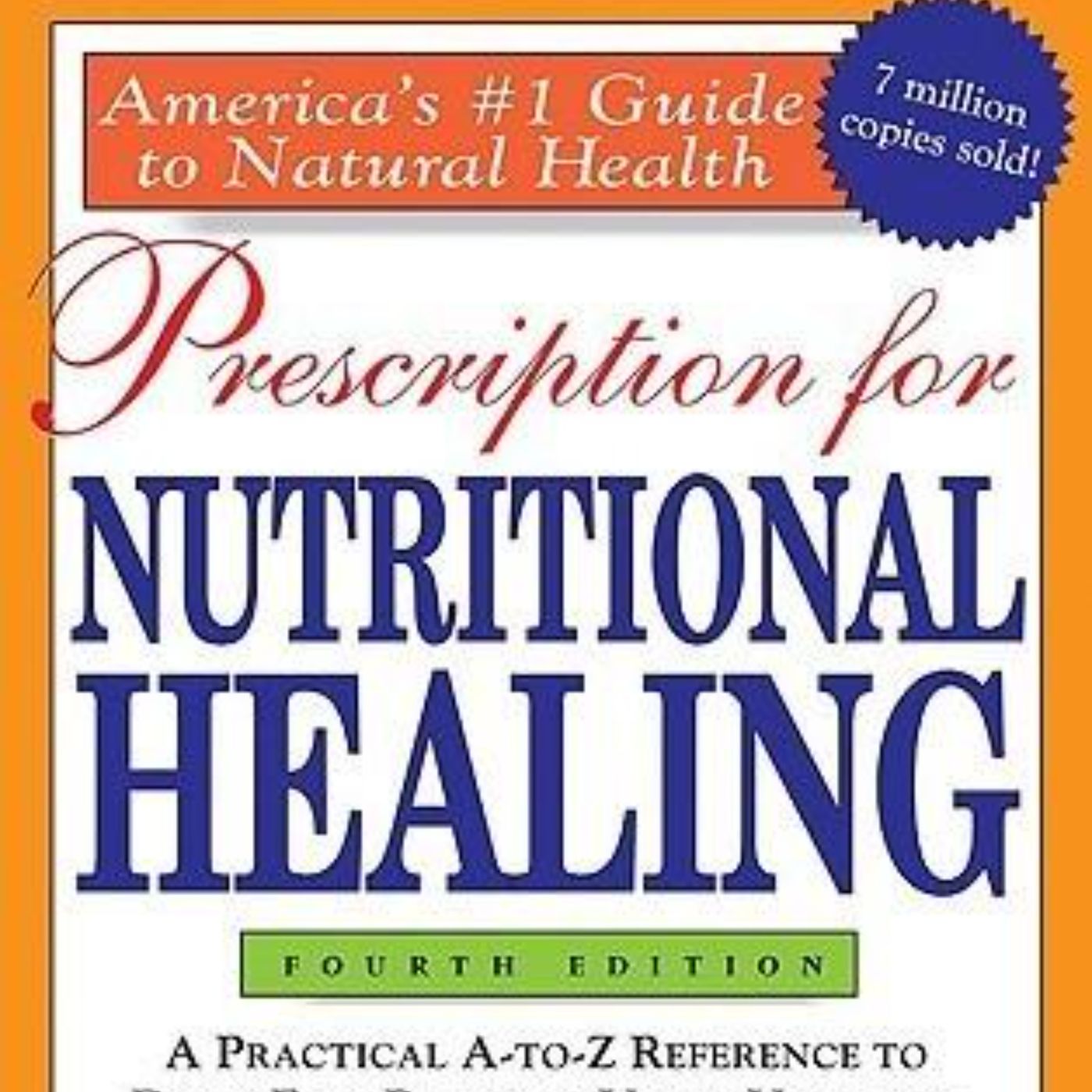
Prescription For Nutritional Healing: A Comprehensive Summary Guide
Feb 21, 202500:02:48Tap to summarize1 What's Prescription For Nutritional Healing "Prescription for Nutritional Healing" by Phyllis A. Balch focuses on the use of nutrition and dietary supplements as integral components of holistic health and healing. The book serves as a comprehensive guide to understanding how various vitamins, minerals, herbs, and dietary practices can support the body in preventing and treating various health conditions. Divided into sections that outline specific ailments and corresponding nutritional approaches, it emphasizes the importance of lifestyle choices, natural remedies, and preventive care, promoting a proactive stance toward health management. Overall, the theme underscores the potential of nutrition as a powerful tool for enhancing well-being and addressing health issues naturally.2 Key Concepts of Prescription For Nutritional HealingIn "Prescription For Nutritional Healing" by Phyllis A. Balch and James F. Balch, Chapter 1 lays the groundwork for the book’s focus on holistic health and the importance of nutrition in preventing and treating disease. Key chapters that relate to this theme include Chapter 2, which outlines the essential nutrients and their roles in maintaining health, and Chapter 3, which discusses the significance of dietary guidelines and food choices.Additionally, various chapters addressing specific health conditions and their nutritional approaches further reinforce the theme established in Chapter 1, emphasizing the connection between nutrition and overall wellness.3 In-Depth Chapter Analysis of Prescription For Nutritional Healing by Phyllis A. Balch "Prescription for Nutritional Healing" by Phyllis A. Balch is structured around key health topics that emphasize the connection between nutrition and wellness. Each chapter focuses on specific health conditions, providing detailed dietary strategies, supplements, and lifestyle changes that can aid in healing.For instance, the chapter on "Arthritis" outlines the anti-inflammatory benefits of omega-3 fatty acids and suggests dietary adjustments like increasing fruits and vegetables, which ties back to the book's overarching theme of using nutrition as a foundational approach to health. The emphasis on natural remedies and holistic practices reflects a philosophy that encourages individuals to take responsibility for their own health.Another significant chapter is dedicated to "Digestive Disorders," where Balch discusses the importance of probiotics and dietary fiber in maintaining gut health.This chapter connects to the theme by showcasing how a balanced diet can mitigate common digestive issues and enhance overall well-being. By addressing the correlation between specific nutrients and various health concerns, Balch reinforces the idea that optimal nutrition can lead to preventive health measures, empowering readers to make informed dietary choices that foster long-term wellness. Book https://www.bookey.app/book/prescription-for-nutritional-healing Quotes https://www.bookey.app/quote-book/prescription-for-nutritional-healingYouTuBe https://www.youtube.com/watch?v=VZbfGU9K1bwAmazon https://www.amazon.com/Prescription-Nutritional-Healing-Fifth-Practical/dp/1583334009Goodreads https://www.goodreads.com/book/show/170844.Prescription_for_Nutritional_Healing
Transcribe →
Chasing Lincoln's Killer: A Gripping Historical Narrative Explained
Feb 20, 202500:03:17Tap to summarize1 What's Chasing Lincoln's Killer "Chasing Lincoln's Killer" by James L. Swanson tells the gripping story of the assassination of President Abraham Lincoln and the subsequent manhunt for his killer, John Wilkes Booth. Swanson intricately weaves together historical facts, vivid details, and character-driven narratives to illustrate the chaotic aftermath of the assassination on April 14, 1865. The book captures the urgency and intensity of the pursuit by Union soldiers and detectives, highlighting the political and social contexts of the time. It emphasizes themes of justice, the impact of vengeance, and the lengths to which people will go to catch a fugitive, all while painting a poignant portrait of a nation grappling with loss and upheaval in the wake of Lincoln's death.2 Key Concepts of Chasing Lincoln's Killer In "Chasing Lincoln's Killer," the theme of justice and the pursuit of those responsible for the assassination is prevalent throughout the book. Key chapters that relate to this theme include Chapters 2 and 3, where the immediate aftermath of Lincoln's murder highlights the urgency to capture John Wilkes Booth and his co-conspirators. Additionally, Chapter 6 delves into the manhunt and the various methods employed by authorities to track down Booth, showcasing the relentless pursuit of justice that drives the narrative forward. These sections underscore the tension and determination of law enforcement to restore order following the chaos of the assassination.3 In-Depth Chapter Analysis of Chasing Lincoln's Killer by James L. Swanson In "Chasing Lincoln's Killer," James L. Swanson organizes the narrative into chapters that chronologically follow the events surrounding the assassination of President Abraham Lincoln and the subsequent manhunt for his killer, John Wilkes Booth. Each chapter not only details the dramatic events leading up to and following the assassination but also delves into the psychological turmoil experienced by both Booth and the officials pursuing him. For example, early chapters set the scene by depicting Booth’s growing resentment towards Lincoln and the South's plight, framing his decision to assassinate the president as both a personal vendetta and a misguided act of patriotism. Swanson emphasizes the chaos and confusion of the assassination night, particularly in the chapter where Booth makes his escape, illustrating the national shock and the personal tragedies that ensue, thereby highlighting themes of grief and the fragility of a nation in turmoil.As the manhunt unfolds, subsequent chapters showcase the diligence and determination of figures like Secretary of War Edwin Stanton and various Union soldiers. Swanson vividly details their tireless efforts to capture Booth, exemplifying themes of justice and accountability.The chapter that illustrates the pursuit through the Maryland countryside captures not only the geographic hurdles but also the emotional stakes involved for both Booth, who is increasingly cornered and panicked, and the searchers who are driven by their sense of duty to a nation mourning the loss of its leader. This duality of pursuit and desperation reverberates throughout the narrative, emphasizing how the fallout from Lincoln's assassination plunged the United States into a deep, lasting conflict over its values and future.Book https://www.bookey.app/book/chasing-lincoln%27s-killer Quotes https://www.bookey.app/quote-book/chasing-lincoln%27s-killerYouTuBe https://www.youtube.com/watch?v=-01SaFyIV0YAmazon https://www.amazon.com/Chasing-Lincolns-Killer-James-Swanson/dp/0439903548Goodreads https://www.goodreads.com/book/show/3790380-chasing-lincoln-s-killer
Transcribe →
Wreck This Journal: A Creative Guide to Destruction
Feb 19, 202500:02:31Tap to summarize1 What's Wreck This Journal "Wreck This Journal" by Keri Smith is an interactive and creative activity book that encourages readers to break free from conventional approaches to art and journaling. The overall theme revolves around embracing imperfection, spontaneity, and the joy of self-expression. Through a series of unconventional prompts and challenges—such as tearing pages, spilling substances, and doodling—Smith invites participants to engage in a tactile, playful exploration of their creativity. The book serves as both a cathartic release and a tool for self-discovery, prompting individuals to confront their fears of making mistakes and to find beauty in the process of creation.2 Key Concepts of Wreck This Journal In "Wreck This Journal," Chapter 1 introduces the theme of destruction and embracing imperfection. This theme resonates throughout various chapters, particularly in those tasks that encourage messiness and non-traditional approaches to creating art. For example, chapters that prompt readers to spill, tear, or decorate with food substances further emphasize this idea of allowing chaos and playfulness within the creative process, reflecting the message that making a mess can lead to personal expression and exploration.3 In-Depth Chapter Analysis of Wreck This Journal by Keri Smith "Wreck This Journal" by Keri Smith is a unique interactive art book that encourages readers to embrace creativity through destruction and spontaneity. Each chapter presents a different task that invites readers to engage with the journal in unconventional ways, reflecting the theme of self-expression and liberation from perfectionism.For instance, one chapter may instruct the reader to "drop the journal" in various locations, promoting the idea that art can emerge from everyday life and accidents, rather than traditional methods. This task not only highlights the beauty of imperfection but also challenges the notion of control over artistic outcomes.Another chapter might ask the reader to "create a mess," which further emphasizes the theme of acceptance of chaos as a form of creativity. By encouraging readers to let go of their inhibitions and embrace the unexpected, Smith illustrates how the process of making art can be just as significant as the final product. The journal thus becomes a vessel for experimentation, where each chapter acts as a stepping stone towards discovering one's own artistic voice and dismantling the fear of judgment. In doing so, "Wreck This Journal" serves as an empowering reminder that creativity is inherently messy and joyful. Book https://www.bookey.app/book/wreck-this-journal Author https://www.bookey.app/quote-author/keri-smithQuotes https://www.bookey.app/quote-book/wreck-this-journalYouTuBe https://www.youtube.com/watch?v=74yr5kHN71IAmazon https://www.amazon.com/Wreck-This-Journal-Keri-Smith/dp/039953346XGoodreads https://www.goodreads.com/book/show/428862.Wreck_This_Journal
Transcribe →
Chicken Soup for the Teenage Soul: A Heartfelt Summary
Feb 18, 202500:03:49Tap to summarize1 What's Chicken Soup for the Teenage Soul "Chicken Soup for the Teenage Soul," edited by Jack Canfield, is a collection of inspirational stories, essays, and poems that resonate with the emotional and social challenges faced by teenagers. The book addresses issues such as friendships, love, self-discovery, and overcoming adversity, offering relatable experiences and heartfelt messages aimed at encouraging young readers. Through a diverse range of authentic voices, it emphasizes themes of hope, resilience, and the importance of connection, inspiring teens to navigate their journeys with courage and positivity.2 Key Concepts of Chicken Soup for the Teenage Soul In "Chicken Soup for the Teenage Soul," Chapter 1 introduces the theme of self-discovery and the challenges of growing up. This theme resonates in several subsequent chapters, particularly in Chapter 2, which focuses on friendships and the importance of connections during adolescence. Additionally, Chapter 5, which discusses love and relationships, further explores the trials of discovering one's identity through interactions with others. The reflections and stories presented in these chapters collectively enrich the overarching theme by highlighting the various influences that shape a teenager's journey of self-discovery.3 In-Depth Chapter Analysis of Chicken Soup for the Teenage Soul by Jack Canfield "Chicken Soup for the Teenage Soul," edited by Jack Canfield, is a collection of inspirational stories that revolve around various themes relevant to adolescents. Each chapter focuses on a different aspect of teenage life, such as friendship, love, family, and self-discovery. For instance, the chapter on friendship underscores the importance of genuine connections and support among peers. It includes poignant anecdotes like that of a teenager who learns the value of loyalty when a friend stands by them during tough times, illustrating the theme that true friends help us navigate the complexities of adolescence.Another significant chapter discusses love and relationships, highlighting the emotional rollercoaster that teens often experience. One story features a young couple overcoming challenges in their relationship, demonstrating resilience and the importance of communication. This narrative ties into the broader theme of personal growth, showcasing how relationships can teach vital life lessons about trust and compromise. Overall, the collection weaves together these various chapters to portray the multifaceted experiences of teenage life, encouraging readers to reflect on their journeys and the lessons learned along the way.Book https://www.bookey.app/book/chicken-soup-for-the-teenage-soul-by-ed-canfield%2C-jackArthor https://www.bookey.app/quote-author/jack-canfieldQuotes https://www.bookey.app/quote-book/chicken-soup-for-the-teenage-soul YouTuBe https://www.youtube.com/watch?v=39-PLQ1mOSUAmazon https://www.amazon.com/Chicken-Soup-Teenage-Soul-Learning/dp/1558744630Goodreads https://www.goodreads.com/series/343308-chicken-soup-for-the-teenage-soul
Transcribe →
Women Who Love Too Much: A Summary of Insights
Feb 17, 202500:03:55Tap to summarize1 What's Women Who Love Too Much "Woman Who Love Too Much" by Robin Norwood explores the complex emotional struggles faced by women who become entangled in unhealthy, often obsessive love relationships. The book delves into the psychological patterns that lead women to prioritize their partners' needs over their own, resulting in a cycle of emotional pain and codependency. Norwood provides insights into the roots of these behaviors, often tracing them back to unresolved childhood issues and societal expectations. Through personal anecdotes, case studies, and advice, the author encourages women to recognize their worth, regain control of their lives, and develop healthier, more fulfilling relationships.2 Key Concepts of Women Who Love Too Much In Chapter 1 of "Women Who Love Too Much," the theme revolves around the destructive patterns of love and emotional dependency that many women experience. Subsequent chapters delve into this theme by exploring the psychological dynamics of love addiction, the characteristics of love-addicted relationships, and the societal influences that perpetuate these behaviors. Chapters that specifically relate to this theme include those discussing the traits of love addicts, the cycle of relationships that create emotional turmoil, and the steps towards recovery and self-empowerment. These chapters collectively illustrate how understanding and breaking these patterns is essential for fostering healthier, more fulfilling relationships.3 In-Depth Chapter Analysis of Women Who Love Too Much by Robin Norwood In "Women Who Love Too Much," Robin Norwood explores the theme of unhealthy relationships and the psychological patterns that lead women to remain in them.Chapter 3, titled "The Search for Love," delves into the motivations behind women's choices in partners, highlighting the tendency to seek love in emotionally unavailable men. Norwood discusses the inner drive for approval and the need to rescue, illustrating how these motivations keep women trapped in cycles of pain and disappointment. Through poignant anecdotes and psychological insights, she emphasizes that many women equate love with suffering, thus perpetuating their own emotional turmoil.Another crucial chapter is Chapter 7, "The Healing Process," which focuses on reclaiming personal power and self-worth. Norwood presents practical steps for women to break free from limiting patterns and foster healthier relationships. This chapter underscores the importance of self-awareness and self-compassion, encouraging readers to redefine their understanding of love. By sharing successful stories of women who have transformed their lives, she reinforces the theme that healing is possible and necessary for true fulfillment. Together, these chapters illuminate the cyclical nature of love addiction and the journey toward healthier emotional engagement. Book https://www.bookey.app/book/women-who-love-too-muchQuotes https://www.bookey.app/quote-book/women-who-love-too-muchYouTuBe https://www.youtube.com/watch?v=NXzs_cOpRjEAmazon https://www.amazon.com/Women-Who-Love-Too-Much/dp/1416550216Goodreads https://www.goodreads.com/book/show/239509.Women_Who_Love_Too_Much
Transcribe →