
Podcast
Books That Inspire
Hosted by Pau Artal · EN
Hosted by an economist and entrepreneur from Barcelona, this podcast explores books that inspire and shape the world of finance, entrepreneurship, and personal growth. Each episode dives into thought-provoking titles that offer valuable insights into investing, business strategies, and self-development. Whether you're an aspiring entrepreneur or looking to elevate your mindset, join us for engaging discussions that bridge the gap between knowledge and practical application in today’s fast-paced world.
10episodes
Episodes
Newest firstAll episodes
Saving Over Spending: The Power of Financial Flexibility and Wealth Building
Oct 22, 202400:08:25Tap to summarizeThis episode explores why saving money is often more important than simply earning more or investing in the stock market. We discuss how saving serves as a form of "financial conservation and efficiency," allowing us to manage expenses, build wealth gradually, and gain more control over our time. We also highlight how saving provides the flexibility to take advantage of opportunities when others might be forced into impulsive decisions due to a lack of resources. In today’s competitive world, we emphasize the value of flexibility as an invaluable asset, with savings offering the freedom to adapt to changing circumstances and seize new opportunities.
Transcribe →
True Wealth: Balancing Money, Happiness, and Time
Oct 21, 202400:12:04Tap to summarizeIn this episode, we delve into the complex relationship between wealth, happiness, and time management. We discuss how true wealth goes beyond material possessions, offering freedom and control over one’s time, which can lead to a deeper sense of happiness. We also explore the impact of modern culture, particularly in the U.S., where the pursuit of more goods and experiences often comes at the expense of time and genuine fulfillment. Finally, we share perspectives from older generations, who highlight the value of relationships, meaningful activities, and quality time with loved ones as the true keys to happiness, rather than accumulating material wealth.
Transcribe →
Understanding Wealth: The Psychology of Money and the Stories We Tell About Finance
Oct 18, 202400:09:27Tap to summarizeThe Psychology of Money" by Morgan Housel delves into the beliefs and decisions people make about money, viewed through the lens of psychology and history. The book examines the influence of personal experiences, the pitfalls of rationality, and the roles of risk and luck in investing. It also explores how the narratives we create about the economy can shape our financial choices. Additionally, Housel traces the evolution of the American consumer from the post-war era, including the rise of credit and the development of a consumer culture, to the economic and social changes leading up to the 2008 financial crisis.
Transcribe →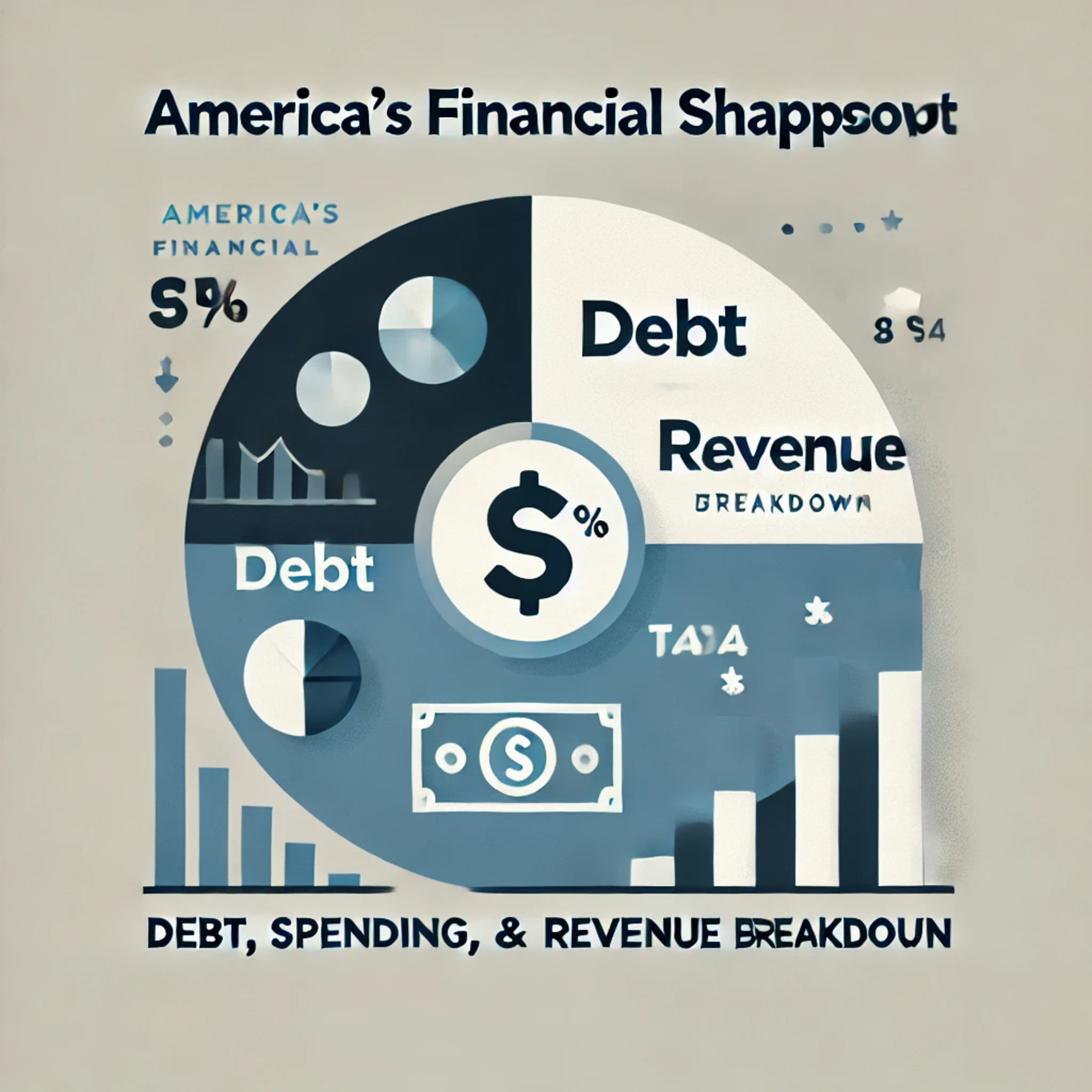
America's Financial Snapshot: Debt, Spending, and Revenue Breakdown
Oct 17, 202400:07:59Tap to summarizeIn this episode, we analyze key data on U.S. government debt and spending. The first figure highlights a significant rise in the national debt, which has surged from 1974 to a staggering $36 trillion in 2024. The second figure provides a breakdown of government expenditures for the fiscal year 2023, revealing a net cost of $7.9 trillion. Lastly, the third figure illustrates U.S. government revenue collection between fiscal years 2015 and 2023, showing that individual income taxes are the largest source of government income. Join us as we unpack these crucial financial insights and discuss their implications for the economy.
Transcribe →
From Motion to Action: The Science Behind Building Habits That Last
Oct 16, 202400:11:12Tap to summarizeIn this episode, we explore the difference between being in motion and taking action, arguing that repeated action is the key to habit formation. We share the example of a professor who divided his students into two groups: one focused on the quantity of photographs taken, and the other on quality. Interestingly, the "quantity" group produced the best photos because they learned through constant practice, while the "quality" group got stuck in theory. We also discuss habit formation in terms of neuroplasticity, emphasizing how repetition strengthens neural connections and leads to automated behavior. The episode concludes that habit formation is about the frequency of action, not the amount of time, and that making actions easier is essential for success. Join us for practical insights on how to build lasting habits through consistent, easy-to-replicate actions.
Transcribe →
Vision and Purpose: Mastering 'Begin with the End in Mind' from The 7 Habits
Oct 15, 202400:11:45Tap to summarizen this episode, we dive into the second habit from The 7 Habits of Highly Effective People—"Begin with the End in Mind." This habit emphasizes the importance of having a clear vision of the destination you want to reach and acting accordingly. We discuss the idea that everything is created twice: first mentally, and then physically, underscoring the need for thoughtful planning and goal-setting before taking action. The episode also explores the distinction between leadership and management, where leadership involves setting the right direction, and management focuses on executing actions. Lastly, we cover the concept of a personal mission statement, which defines the values and goals that guide one's life, serving as a reference for decision-making and aligning actions with core principles. Join us for a deep dive into how clarity of purpose leads to effective leadership and fulfillment.
Transcribe →
Mastering the 7 Habits: Lessons from Stephen Covey for Lasting Success
Oct 14, 202400:17:49Tap to summarizeIn this episode, we explore Stephen Covey's The 7 Habits of Highly Effective People, a powerful guide for personal and professional growth. Covey emphasizes the importance of building strong character, setting clear, purposeful goals, and mastering effective communication skills. He argues that these habits are crucial for achieving long-term success and fulfillment. We discuss his principle-centered approach to life, which stands in contrast to the more surface-level, personality-driven techniques often found in self-help books. Tune in for key insights on how to apply these timeless habits to create lasting change in your life.
Transcribe →
Mindset Matters: Unlocking Wealth with Secrets of the Millionaire Mind
Oct 11, 202400:15:20Tap to summarizeIn this episode, we delve into "Secrets of the Millionaire Mind," which highlights the key differences between the mindsets of the wealthy and the poor. The author emphasizes that accumulating wealth is not solely about hard work; instead, the wealthy work smart, using their money to generate more wealth through investments and passive income streams. We discuss the crucial role of real estate investing and the concept that money should work for you, rather than the other way around. Additionally, we explore how to shift your mindset toward wealth creation through financial education, seeking passive income opportunities, and engaging in strategic investments. Join us as we uncover actionable insights to help you cultivate a millionaire mindset and achieve financial success.
Transcribe →
Reconditioning Your Money Blueprint: Transforming Your Relationship with Wealth
Oct 10, 202400:15:42Tap to summarizeIn this episode, we explore the concept of the "money blueprint," which encompasses the thoughts, feelings, and actions that shape our relationship with money. This blueprint is formed through verbal programming, modeling, and lived experiences during childhood, heavily influenced by parents, peers, teachers, and culture. The author argues that our past programming can negatively impact our financial success, and introduces a reconditioning process to change our money blueprint in order to achieve abundance. Join us as we delve into how understanding and transforming our money mindset can lead to improved financial outcomes and a more fulfilling life.
Transcribe →
Roots of Change: Transforming Your Inner World to Alter Your Reality
Oct 9, 202400:08:27Tap to summarizeIn this episode, we discuss the argument that to change the visible results in our lives, we must first transform our mindset and inner world, which are often invisible. Using the analogy of a tree, we illustrate how the fruits (outcomes) are a direct product of the roots (internal thoughts and beliefs). We explore the idea that the physical world serves as a "printout" of our mental, emotional, and spiritual states, emphasizing that any meaningful change must occur within these three areas first. For instance, a lack of money is presented as a symptom rather than the root cause of deeper issues. Join us as we delve into the connection between our internal beliefs and external realities, offering insights on how to cultivate lasting change from the inside out.
Transcribe →