
Podcast
Bate Papo Academy (English)
Hosted by Bate Papo Academy · EN
20episodes
Episodes
Newest firstAll episodes
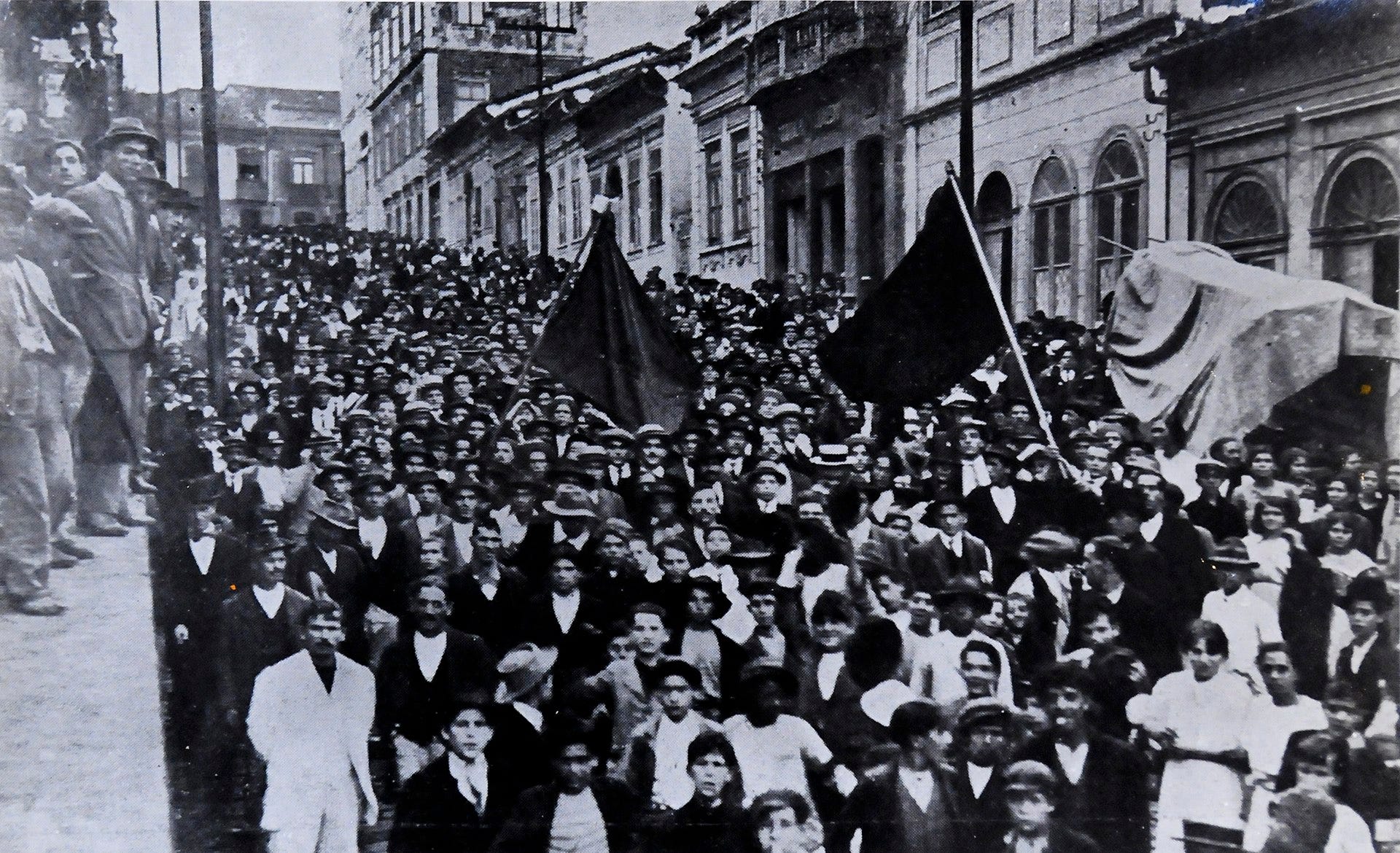
Reassessing Anarcho-Syndicalism in Brazil
Feb 22, 202500:14:45Tap to summarizeAnarcho-syndicalism emerged in Brazil as a potent force shaping the nation’s labor movement from the late 19th century into the 1920s. Rooted in immigrant radicalism and revolutionary syndicalist principles, it sought to dismantle capitalist hierarchies through direct action and worker self-organization. This essay examines its rise as a transformative labor ideology, its attempts to catalyze revolutionary change, and the structural limitations that precipitated its decline—while assessing its enduring influence on Brazilian social movements.Origins and Ideological FoundationsThe anarcho-syndicalist movement arrived via European immigrants—predominantly Italians, Spaniards, and Portuguese—who transplanted radical traditions forged in contexts of industrial exploitation. These militants established mutual aid societies that evolved into militant unions, rejecting electoral politics in favor of direct action and economic federalism. The 1906 First Brazilian Workers’ Congress formalized these principles, founding the Confederação Operária Brasileira (COB) and endorsing workplace autonomy, anti-statism, and internationalism25.Key to anarcho-syndicalism’s appeal was its alignment with immigrant workers’ realities. Unlike reformist socialism, it required no assimilation into Brazilian nationalism—a critical factor given that less than 2% of São Paulo’s immigrant workforce naturalized by 19203. The movement’s emphasis on union neutrality allowed ethnically diverse workers to unite around shared class interests, though this also masked unresolved racial tensions, particularly the exclusion of Afro-Brazilian laborers from leadership roles36.Strikes as Revolutionary LaboratoriesThe 1917 São Paulo General Strike marked anarcho-syndicalism’s zenith. Sparked by textile workers demanding an eight-hour day and abolition of child labor, it expanded into a citywide insurrection involving 70,000 workers510. Anarchists leveraged neighborhood councils (comitês de bairro) to coordinate food distribution and childcare—proto-syndicalist structures demonstrating dual power potential. However, the strike’s resolution through employer concessions revealed tensions between revolutionary rhetoric and pragmatic gains9.The 1918 Insurrection: Ambition and BetrayalRevolutionary ambitions culminated in the 1918 Rio de Janeiro uprising, a botched attempt to overthrow President Delfim Moreira. Led by anarchists like José Oiticica and Astrogildo Pereira, plans involved seizing military arsenals and declaring a soviet republic. Government infiltration—notably by spy Jorge Elias Ajuz—led to mass arrests and exposed strategic naivete: fewer than 400 armed workers faced 3,000 troops47. The failure underscored anarcho-syndicalism’s reliance on spontaneous worker militancy over disciplined insurrectionary planning.Repression and Co-optationState repression intensified post-1919, using deportation laws (e.g., the 1921 Adolfo Gordo Law) to target immigrant leaders. Police raids dismantled unions like the Federação Operária do Rio de Janeiro, while propaganda recast labor demands as “foreign subversion”311. Getúlio Vargas’ 1930s labor code (Consolidação das Leis do Trabalho) institutionalized this crackdown, replacing autonomous unions with state-controlled sindicatos28.Internal Contradictions* Ethnic Fragmentation: Despite rhetorical internationalism, Portuguese and Italian anarchists often sidelined Afro-Brazilian workers. During the 1917 strikes, authorities exploited this divide by recruiting Black strikebreakers—a tactic anarchists failed to counter systematically36.* Strategic Inflexibility: Anarcho-syndicalists dismissed electoral engagement even as populists like Vargas courted urban workers. Their purist rejection of “bourgeois politics” left a vacuum filled by the Brazilian Communist Party (PCB) after 192211.* Gender Blindness: While women constituted 40% of São Paulo’s textile workforce, anarchist publications like A Plebe rarely addressed gendered exploitation beyond opposing child labor—a limitation critiqued by later feminist scholars912.Legacy and Modern EchoesThough marginalized by the 1930s, anarcho-syndicalist tactics resurfaced in Brazil’s 1960s-1980s labor struggles. The Movimento dos Trabalhadores Rurais Sem Terra (MST) adopted direct action and horizontal organizing, while 2013 anti-World Cup protests revived syndicalist themes of anti-statism and communal autonomy812. Contemporary groups like the Coordenação Anarquista Brasileira (CAB) blend especifismo organizing with indigenous and quilombola solidarity, addressing historical racial blind spots512.ConclusionBrazilian anarcho-syndicalism exemplified both the revolutionary potential and pitfalls of class-centric organizing. Its emphasis on workplace democracy inspired generations of labor activists, yet its inability to reconcile immigrant leadership with Brazil’s racialized social order limited its longevity. The movement’s legacy lies not in sustained institutional power but in its demonstration of worker agency—a reminder that, as 1917 strike leader Edgard Leuenroth declared, “the emancipation of workers remains their own task”10.Citations correspond to numbered sources in the provided materials. 23456789101112Citations:* <a target="_blank" href="https://ppl-ai-file-upload.s3.amazonaws.com/web/direct-files/7408288/4067f5fa-584e...
Transcribe →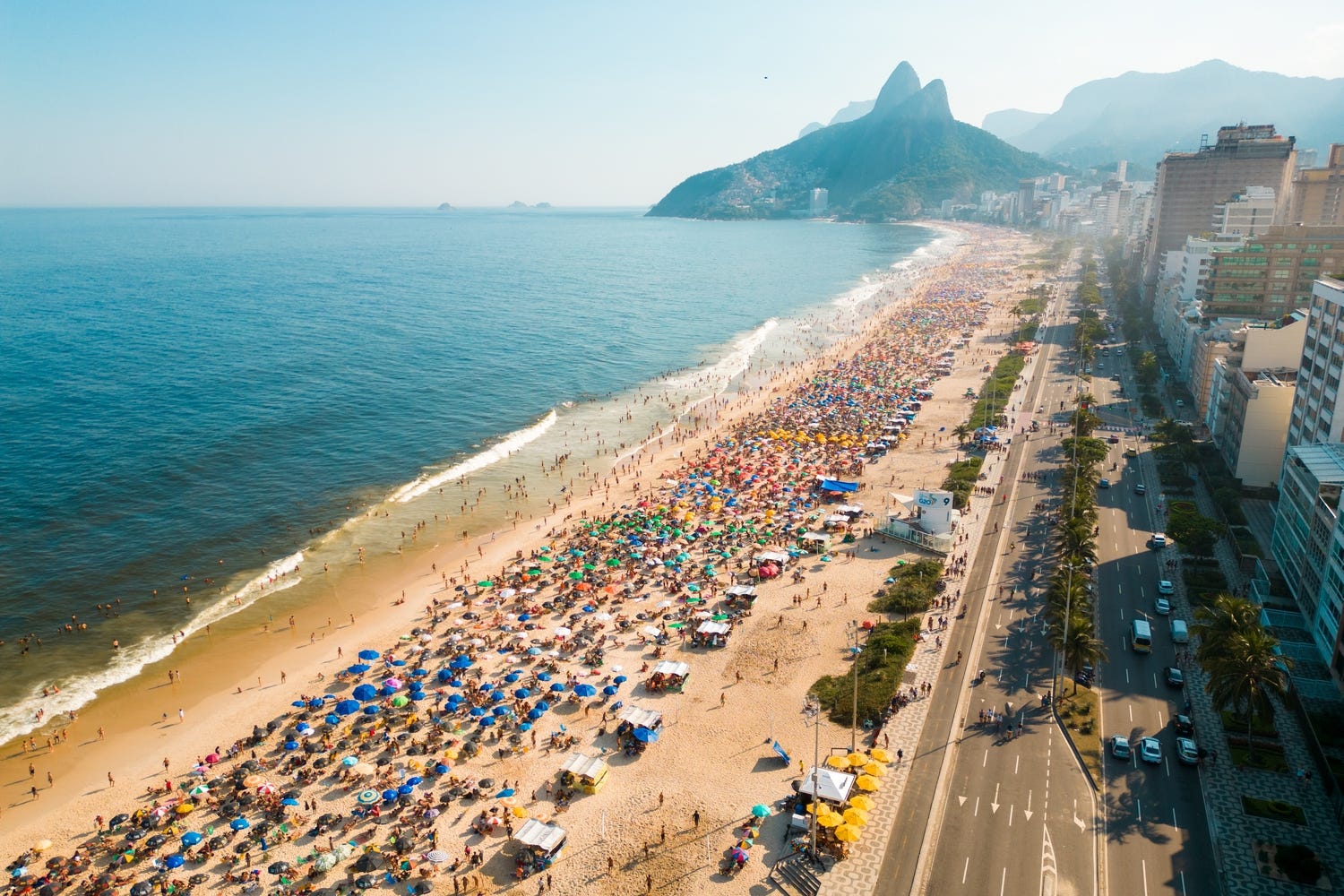
Use of architecture in the film "I'm Still Here"
Feb 20, 202500:07:03Tap to summarizeThanks to @michael for sending the Arch Dailey article on architecture and how it is used in the Brazilian film, “I’m Still Here” which got us thinking about the film in a quite different ways. Here’s our conversation about that topic. Spoiler alert! This is a public episode. If you would like to discuss this with other subscribers or get access to bonus episodes, visit bate.papo.academy
Transcribe →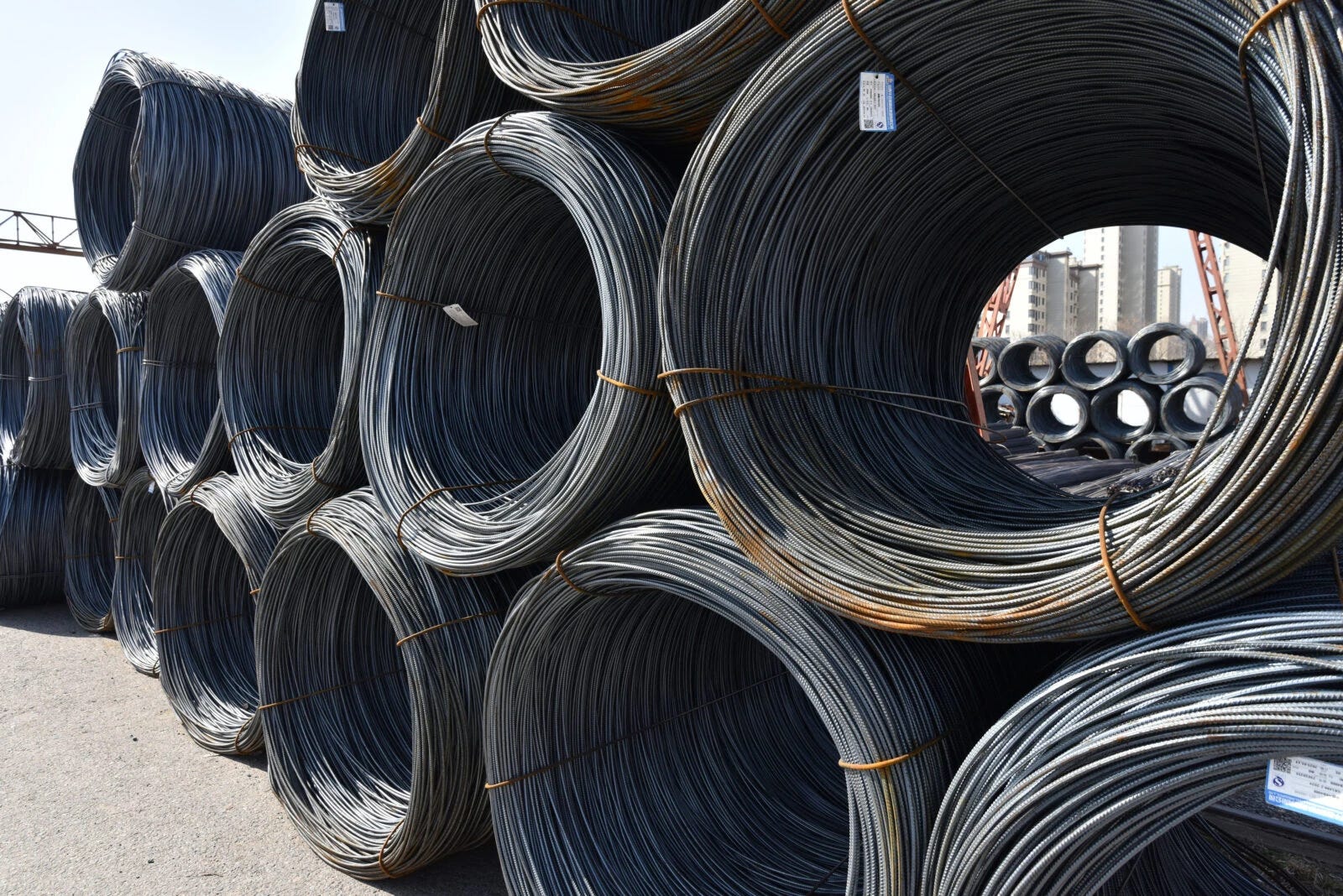
Trump's "Reciprocal Tariff" Tsunami Threatens to Undermine Brazilian Steel Industry
Feb 16, 202500:09:13Tap to summarizeDonald Trump’s return to the U.S. presidency has introduced significant uncertainty to global trade dynamics pushing Brazil’s relationship with the U.S. to the forefront. Trump's proposed "reciprocal tariffs" policy, targeting steel, aluminum, and ethanol, among other products, has raised concerns in Brazil and beyond. While initial market reactions were relatively subdued, Brazilian leaders are preparing for potential retaliation and exploring options such as appeals to the World Trade Organization (WTO). The situation is further complicated by potential ripple effects on global steel markets, particularly involving China, and broader concerns about the future of international trade and democracy under a more nationalistic U.S. foreign policy.Trump's "Reciprocal Tariffs" and Global ProtectionismTrump's administration is proposing a policy of "reciprocal tariffs," targeting countries perceived to impose unfair taxes on U.S. imports. This policy extends beyond import tariffs to include internal taxes, regulations, and currency policies. The approach aligns with a broader trend of rising protectionism globally, as seen in recent years with trade disputes between the U.S. and China, and increased scrutiny of trade agreements worldwide.Brazilian Vice President Geraldo Alckmin stated, "It's natural for the new American administration to want to evaluate its foreign trade, study and assess the issue of foreign trade. Brazil is not a commercial problem for the United States. Our trade balance in goods is balanced. We export $40 billion and import $40 billion". This highlights the balanced nature of Brazil-U.S. trade, potentially complicating Trump's justification for tariffs.Impact on Global Steel and Aluminum MarketsThe proposed tariffs pose a significant threat to global steel and aluminum exports, with Brazilian industries particularly vulnerable. Tariffs could range up to 28%, according to Capital Economics estimates. This move could trigger a reshuffling of global steel and aluminum trade flows, potentially benefiting some producers while harming others.The CEO of Usiminas, a major Brazilian steelmaker, warned, "These tariffs being imposed may generate a greater flow of steel, in many cases subsidized, to countries that have low defenses against imports.". This highlights concerns about potential market distortions and the flooding of subsidized Chinese steel into markets like Brazil.International Response and WTO InvolvementPresident Lula's emphasis on reciprocity in response to U.S. tariffs reflects a broader international sentiment. He stated, "If they tax Brazilian steel, we will react commercially: either we will file a complaint with the World Trade Organization, or we will tax products that we import from them.". This approach aligns with actions taken by other countries in response to previous U.S. tariffs, such as the EU's retaliatory measures in 2018.The potential involvement of the WTO underscores the global nature of this trade dispute. However, the effectiveness of WTO intervention remains uncertain, given the organization's challenges in recent years and the U.S.'s historical skepticism towards its rulings.Global Economic ConsequencesThe proposed tariffs could have far-reaching economic consequences beyond Brazil and the U.S. Paul Ashworth, chief economist at Capital Economics, warned that this new taxation approach could raise the effective average tariff on U.S. imports from 3% to approximately 20%, potentially resulting in a temporary increase in U.S. inflation of up to 4%. Such inflationary pressures could have knock-on effects on global financial markets and monetary policies.The Ethanol Dispute in a Global ContextThe ethanol dispute between Brazil and the U.S. reflects broader global debates about agricultural subsidies and trade barriers. Evandro Gussi, president of UNICA (Brazilian Sugarcane Industry Association), stated he, "regrets Trump's decision and said that the USA is not an 'open-market paradise' as the White House claims.” This highlights the complex nature of agricultural trade negotiations, which often involve sensitive political and economic considerations in many countries.Geopolitical Implications and Democratic ConcernsLula's expressed concerns about global democracy in light of shifts in U.S. foreign policy under Trump reflect wider international apprehensions. He noted, "I am concerned about this because what is at risk in the world is democracy, and they are now denying all of this. I find it precarious." This sentiment echoes concerns raised by various world leaders about the potential impact of isolationist and protectionist policies on global cooperation and democratic values.OutlookThe future of global trade relations, with Brazil-U.S. dynamics as a key component, remains uncertain. The coming months will be critical as governments worldwide navigate the potential resurgence of U.S. protectionist policies. The situation calls for a delicate balance between protecting national interests and maintaining a cooperative global trade environment. The potential for a broader trade war and its implications for international relations and democracy warrant close monitoring by policymakers and business leaders globally. This is a public episode. If you would like to discuss this with other subscribers or get access to bonus episodes, visit bate.papo.academy
Transcribe →
ENEM 2024: Brazil's National Exam Highlights Persistent Educational Disparities
Feb 16, 202500:11:19Tap to summarizeThe ENEM (National High School Exam) stands as Brazil's most crucial standardized entrance examination, playing a pivotal role in determining university admissions across the country. The exam has become increasingly competitive over the past decade.The current Minister of Education has confirmed there will be no changes to ENEM's structure in the immediate future, maintaining stability in the examination system through 2024. This decision comes amid ongoing debates about the exam's role in perpetuating or addressing educational inequalities.Significant disparities persist in ENEM outcomes across various demographic groups. These achievement gaps are particularly pronounced across race, gender, regional, and socioeconomic backgrounds[2]. The exam often functions as a "funnel," potentially amplifying existing educational inequalities and hindering opportunities for disadvantaged students.To address these disparities, Brazil implemented affirmative action policies, including the Law of Quotas in 2013, which reserves 50% of federal university admissions for public school students, with specific targets for low-income and non-white students[4]. This policy has shown promising results, with studies indicating that race-based affirmative action has been more effective at increasing diversity than race-neutral policies.Despite these interventions, critics argue that the ENEM continues to favor students from privileged backgrounds who have access to better educational resources and preparation. The exam's technical nature and content requirements often disadvantage students from Brazil's public schools, who frequently face teacher shortages and incomplete curriculum coverage. This is a public episode. If you would like to discuss this with other subscribers or get access to bonus episodes, visit bate.papo.academy
Transcribe →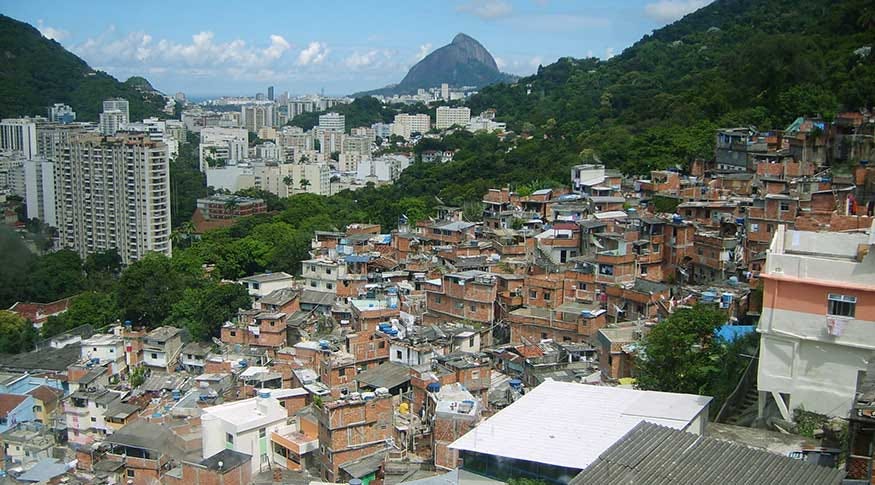
Brazilian Favelas: A 2022 Census Reflection on Growth, Diversity, and Urban Challenges
Feb 15, 202500:18:28Tap to summarizeThe discussion is focused on reports from various Brazilian news sources regarding the 2022 Census data focusing on "favelas," a term now officially adopted by the Brazilian Institute of Geography and Statistics (IBGE) to replace the previous "subnormal agglomerates." The data reveals a complex and evolving picture of these communities, highlighting their growth, challenges, and demographic characteristics.Significant Growth: The number of favelas in Brazil has nearly doubled since 2010, rising from 6,329 to 12,348, spread across 656 municipalities. The population residing in these areas has also increased, reaching 16.4 million, representing 8.1% of the national population. "De acordo com o Censo, há doze anos, havia 6.329 favelas distribuídas por 323 municípios no Brasil. Desde então, em meio à expansão desenfreada das áreas urbanas rumo às periferias, o número disparou para 12.348 comunidades em 656 cidades," reports Veja. While part of this increase can be attributed to improved data collection methods, it also reflects the ongoing expansion of urban areas and the challenges of housing affordability.Concentration and Distribution: Favelas are concentrated in the Southeast region, which accounts for 48.7% of the total, followed by the Northeast (26.8%) and North (11.6%). São Paulo leads with the highest number of favelas (3,123), followed by Rio de Janeiro (1,724) and Pernambuco (849). As Diario do Nordeste states, "a maioria (6.060) está no Sudeste, seguido pelo Nordeste (3.313) e pelo Norte (1.438)."Demographic Profile: The population in favelas is predominantly young and black. The average age is younger compared to the national average, and the proportion of black and mixed-race individuals is significantly higher. "Os dados mostram mais aspectos da desigualdade racial no país. De todas as pessoas que se declararam brancas, 4,9% moram em favelas, enquanto que o percentual é de 65% nessas condições," highlights GZH. This underscores the persistent racial inequalities in Brazilian society and their impact on housing access.Living Conditions: While almost all households in favelas have exclusive-use bathrooms, access to essential services remains a challenge. Only 76% of households have garbage collection at their homes compared to 83.1% nationally. This points to the need for targeted policies to improve infrastructure and living standards in these communities.Rocinha Reigns Supreme: Rocinha, located in Rio de Janeiro, maintains its position as the most populous favela in Brazil with 72,021 residents. Sol Nascente in Brasília follows closely with 70,908 residents. Paraisópolis in São Paulo, with 58,527 residents, surpasses Cidade de Deus in Manaus to claim the third spot.Terminology Shift: The adoption of the term "favelas" by the IBGE signifies a crucial shift in recognizing these communities as integral parts of the urban fabric rather than simply "subnormal" areas. This change is driven by the demand for recognition from residents and a need to move away from stigmatizing language.Challenges and Policy Implications:The Census data reveals a number of challenges facing favela residents:* Lack of access to basic services: Inadequate provision of sanitation, water, and electricity continues to be a major concern* Insecurity of land tenure: Many residents lack formal land titles, making them vulnerable to displacement.* Social and economic marginalization: Limited access to education, healthcare, and employment opportunities contributes to a cycle of poverty.Addressing these challenges requires a multi-faceted approach:* Investment in infrastructure and public services: Improving access to water, sanitation, electricity, and public transportation is critical.* Land regularization programs: Providing secure land tenure can empower residents and facilitate community development.* Social and economic inclusion programs: Expanding access to education, job training, and entrepreneurship opportunities can promote economic mobility.* Community engagement: Involving residents in planning and decision-making processes can ensure that policies are responsive to their needs.Conclusion: The 2022 Census data provides valuable insights into the realities of Brazilian favelas. By recognizing these communities and understanding their specific challenges, policymakers can develop more effective strategies to promote social inclusion, improve living conditions, and ensure that all Brazilians have the opportunity to thrive. This is a public episode. If you would like to discuss this with other subscribers or get access to bonus episodes, visit bate.papo.academy
Transcribe →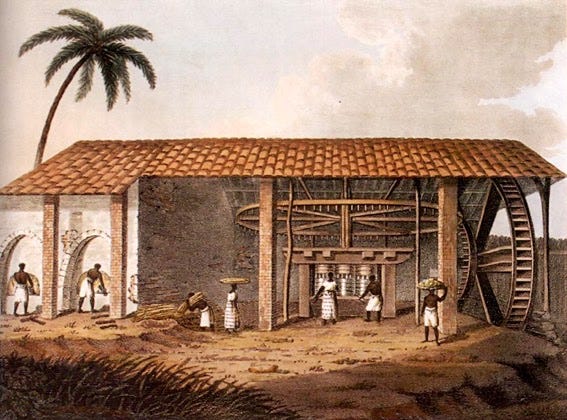
Sweet Profits, Bitter Legacies: The Historical Legacy of Brazil's Sugar Empire
Feb 15, 202500:11:21Tap to summarizeThe evolution of Brazil's sugar industry from the 16th through the 19th centuries represents a complex interplay of agricultural innovation, labor systems, and market forces. Portuguese colonists established sugar cultivation in Brazil during the early 16th century, transforming the northeastern regions of Pernambuco and Bahia into the world's primary sugar-producing centers by the 17th century[1][2]. This transformation fundamentally altered the region's demographic and economic structure, as the Portuguese sector expanded alongside a growing enslaved African population, replacing the indigenous workforce that had initially been forced into sugar production.The organization of sugar production centered around the engenho (mill), which operated through a sophisticated system of labor and land management. Mill owners typically relied on lavradores (cane growers) who, using their own enslaved workers, cultivated and transported cane to the mills under various leasing arrangements[2]. This system created a distinct social hierarchy within the sugar-producing regions, with Portuguese settlers maintaining both rural estates and urban residences, while enslaved Africans worked in relatively small units, each maintaining direct contact with Portuguese overseers.By the mid-17th century, Brazil's dominance in sugar production faced mounting challenges from Caribbean competitors[1]. The Dutch occupation of Recife in 1630 and their subsequent control of African slave ports significantly disrupted Brazil's sugar trade networks[2]. Despite these challenges, sugar remained crucial to Brazil's economy, accounting for half of its export value through the mid-18th century, even as Brazil became the world's third-largest producer after Jamaica and Saint Domingue.The industry underwent significant transformations during the 19th century, particularly in the northeastern zona da mata plantations. These estates varied considerably in size and labor composition, with some employing over 200 slaves while others operated with fewer than 10[4]. The Recôncavo region near Salvador and the areas south of Recife emerged as major production centers, benefiting from fertile soil and superior transportation connections to export ports[4]. These established plantations relied almost exclusively on enslaved labor, with free workers limited to overseer and specialized roles.The transition away from slavery occurred gradually and unevenly across Brazil's sugar-producing regions. While the southeast shifted toward coffee production by mid-century[3], northeastern sugar plantations maintained their dependence on enslaved labor until abolition[4]. This regional variation in labor systems and crop specialization reflected both local conditions and broader market forces, as Brazil adapted to changing global sugar markets and emerging competition from Caribbean producers and European beet sugar manufacturers[1].Citations:[1] https://oxfordre.com/latinamericanhistory/abstract/10.1093/acrefore/9780199366439.001.0001/acrefore-9780199366439-e-55?d=%2F10.1093%2Facrefore%2F9780199366439.001.0001%2Facrefore-9780199366439-e-55&p=emailAWA%2FpZUGZKsM.[2] https://www.britannica.com/place/Latin-America/The-sugar-age[3] https://www.aeaweb.org/conference/2019/preliminary/paper/tQQzfeYR[4] https://read.dukeupress.edu/hahr/article/51/4/586/145146/The-Last-Years-of-Slavery-on-the-Sugar-Plantations This is a public episode. If you would like to discuss this with other subscribers or get access to bonus episodes, visit bate.papo.academy
Transcribe →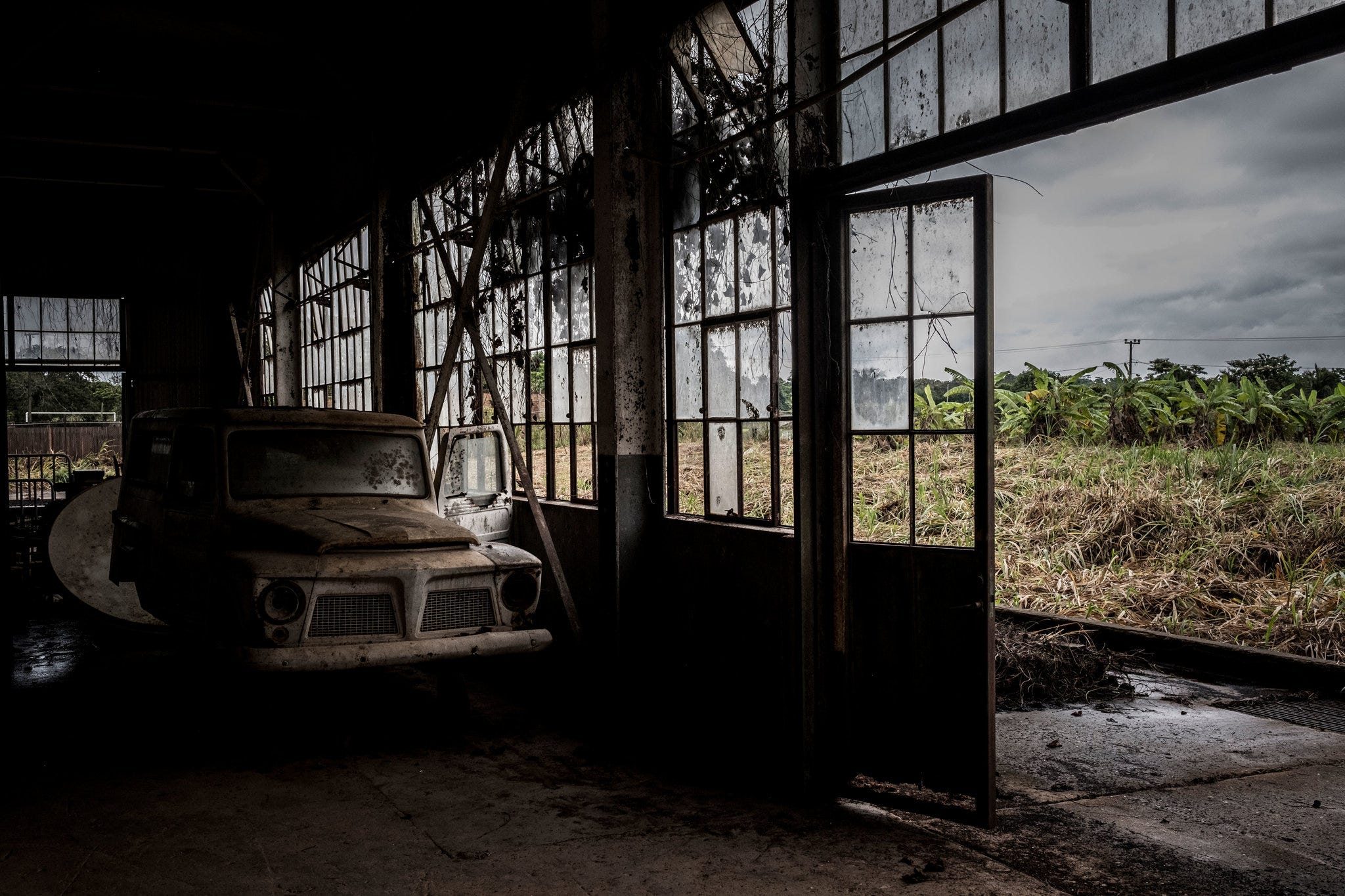
The Rise and Fall of Fordlandia
Feb 15, 202500:11:51Tap to summarizeIn the late 1920s, automotive pioneer Henry Ford launched an audacious venture deep in the Brazilian Amazon, driven by his desire to secure a stable rubber supply for his burgeoning automobile empire. This ambitious project, known as Fordlandia, represented both an economic endeavor and a bold social experiment to recreate an idealized American society in the heart of the jungle.The venture emerged from a perfect storm of circumstances. The explosive growth of the automobile industry had created an insatiable demand for rubber, while American industrialists chafed under the British monopoly of Southeast Asian rubber plantations. The Brazilian government, eager to revitalize its declining rubber economy, offered Ford generous concessions, including a vast tract of land along the Tapajós River.Construction began in 1928, with American engineers transforming the rainforest into a modern industrial town complete with state-of-the-art infrastructure, hospitals, schools, and recreational facilities. However, the attempt to impose American cultural norms on Brazilian workers, from dietary restrictions to mandatory square dancing, created significant tension within the community.The project faced numerous insurmountable challenges. Ford's engineers, lacking expertise in tropical agriculture, made critical errors in rubber cultivation. Their factory-inspired approach of planting trees in dense, orderly rows proved disastrous, making the plantation vulnerable to South American leaf blight. Labor unrest, cultural clashes, and harsh working conditions led to strikes and riots that frequently disrupted operations.In the mid-1930s, Ford established a second plantation at Belterra, hoping to correct Fordlandia's mistakes. Despite more favorable terrain and experienced leadership under rubber expert James Weir, Belterra ultimately succumbed to the same problems that plagued its predecessor.By the 1940s, both ventures had failed to achieve their primary objective of producing significant quantities of rubber. The plantations were eventually sold to the Brazilian government, marking the end of Ford's Amazonian experiment. Today, Fordlandia stands as a cautionary tale about the limits of industrial ambition and the importance of understanding local ecosystems and cultures. While the project failed commercially, it left an enduring legacy of infrastructure development in the region and serves as a powerful reminder of the delicate balance between industrial progress and environmental sustainability.Henry Ford's industrial philosophy was deeply embedded in Fordlandia's design, reflecting his unwavering belief in standardization, efficiency, and modern industrial practices. The physical layout of the plantation mirrored his factory floors, with rubber trees arranged in precise, orderly rows that echoed the assembly-line efficiency he had perfected in his automotive plants. This rigid organizational approach, characteristic of Ford's "act first and plan afterward" management style, prioritized immediate action over careful planning or consultation with agricultural experts.The infrastructure of Fordlandia represented a massive investment, equivalent to approximately $300 million in today's currency, demonstrating Ford's commitment to creating a fully modernized industrial community in the Amazon. The town boasted cutting-edge amenities including electric lighting, indoor plumbing, paved roads, rail lines, and modern factories. These facilities weren't merely functional; they represented Ford's vision of bringing American industrial progress to the jungle.Social engineering was another crucial aspect of Fordlandia's design. The town was conceived as a complete community, featuring schools, hospitals, and recreational facilities that aimed to foster a productive and disciplined workforce. Ford's vision extended beyond mere industrial efficiency to encompass lifestyle and culture, with amenities like golf courses, ice cream parlors, and movie theaters attempting to recreate the atmosphere of a typical American town in the heart of the Amazon.The project uniquely embodied Ford's concept of agricultural-industrial synthesis, reflecting his belief that workers should maintain connections to both industrial and agricultural work. This philosophy, influenced by his own background in farming and industry, aimed to create a harmonious balance between mechanized agriculture and industrial labor. However, this rigid application of industrial principles to agriculture ultimately proved problematic. The standardized approach to rubber cultivation failed to account for the complex Amazon ecosystem, while the dismissal of local knowledge and customs created insurmountable cultural tensions. Ford's insistence on imposing American industrial work patterns and social norms clashed dramatically with local practices and traditions, contributing significantly to the project's eventual failure. Fordlandia thus stands as a testament to the limitations of applying rigid industrial principles to agricultural and social systems that demand more flexible and culturally sensitive approaches.BibliographyGrandin, Greg. "Fordlandia: The Rise and Fall of Henry Ford's Forgotten Jungle City." New York: Metropolitan Books, 2009[1][2].Ross, Greg. "Fordlandia." American Scientist, Volume 98, Number 2, March-April 2010, pp. 174[3].Freeman, Lindsey. "Review of Fordlandia: The Rise and Fall of Henry Ford's Forgotten Jungle City." Hemispheric Institute, 2009[4].Education for Justice. "Fordlandia Book Discussion Guide." Catholic Social Teaching Connections, 2018[2].Bell, Tom W. "Fordlandia: Henry Ford's Amazon Dystopia." Foundation for Economic Education (FEE), February 19, 2013[5].The bibliography includes primary works documenting Ford's ambitious but ultimately failed attempt to establish a rubber plantation and American-style town in the Brazilian Amazon. Greg Grandin's definitive work serves as the cornerstone reference, supplemented by academic reviews and analyses from various perspectives including economic, social, and environmental considerations[1][3][4].Citations:[1] https://us.macmillan.com/books/9780312429621/fordlandia[2] https://educationforjustice.org/wp-content/uploads/2018/01/Fordlandia.pdf[3] https://www.americanscientist.org/article/fordlandia[4] https://hemisphericinstitute.org/en/emisferica-62/6-2-book-reviews/greg-grandins-fordlandia-the-rise-and-fall-of-henry-fords-forgotten-jungle-city.html[5] https://fee.org/articles/fordlandia-henry-fords-amazon-dystopia/ This is a public episode. If you would like to discuss this with other subscribers or get access to bonus episodes, visit bate.papo.academy
Transcribe →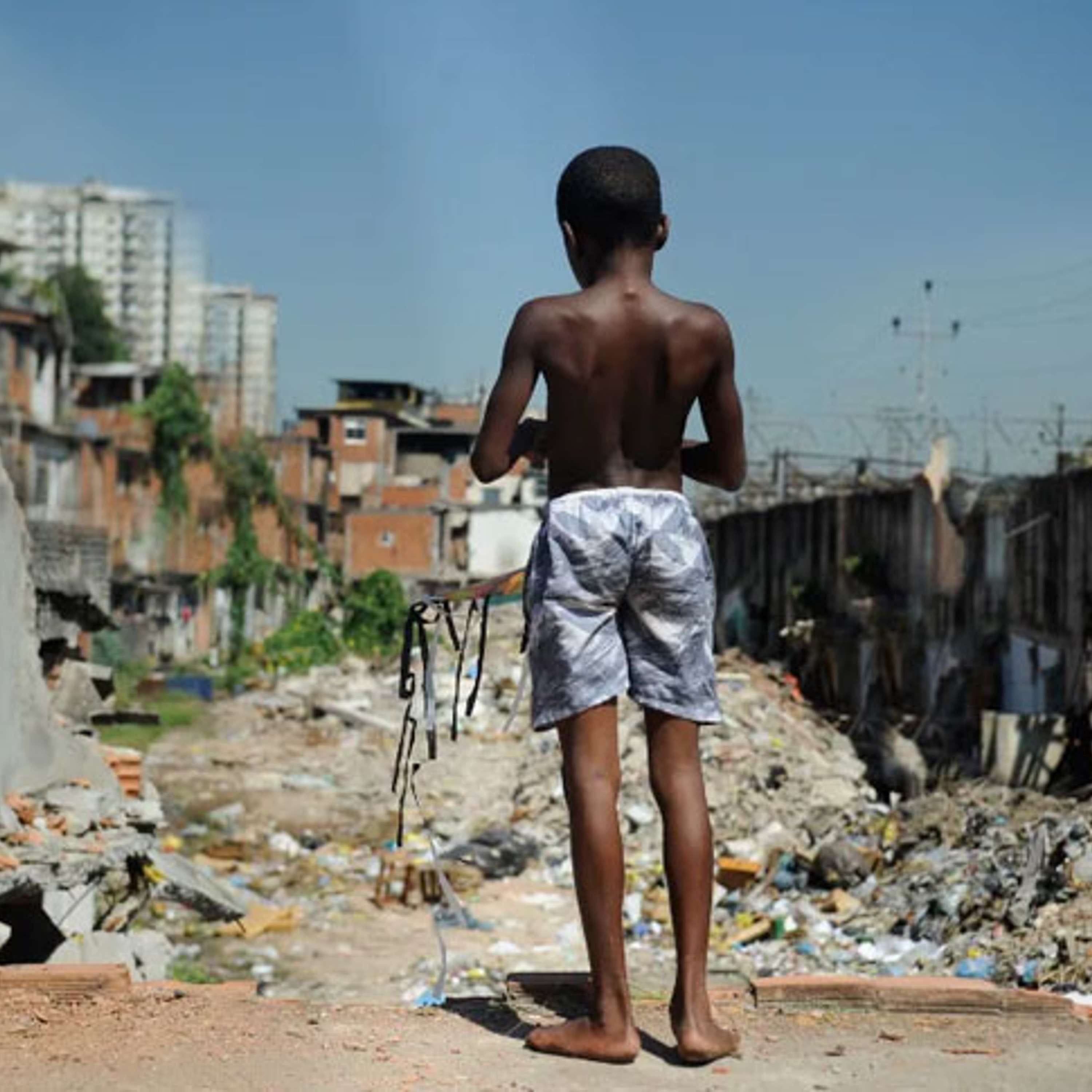
Brazil's Poverty Paradox: Less Poor, Still Extremely Unequal
Feb 14, 202500:09:54Tap to summarizeBrazil's recent poverty reduction achievements mark a significant milestone in the nation's social development trajectory. The latest data from IBGE reveals that poverty rates have reached their lowest levels since 2012, with 8.7 million people lifted out of poverty in just one year. The percentage of Brazilians living below the poverty line decreased from 31.6% to 27.4%, while extreme poverty dropped from 5.9% to 4.4%. This remarkable progress represents one of the most substantial improvements in living standards for millions of Brazilians in recent history.The success can be attributed to two main factors: the expansion of social welfare programs and improvements in the labor market. The revitalized Bolsa Família program has played a crucial role, providing direct assistance to families in need. The labor market showed significant growth, with employment increasing from 97 million people in 2022 to 100.7 million in 2023. These combined factors have created a more robust safety net for vulnerable populations while simultaneously promoting economic participation.Regional disparities remain a significant challenge in Brazil's fight against poverty. The North and Northeast regions continue to experience disproportionately higher poverty rates (47.2% and 38.5% respectively) compared to the South's 14.8%. These regional inequalities reflect deeper structural issues, including differences in economic development, educational opportunities, and access to public services. The data also reveals persistent racial disparities, with Black and mixed-race Brazilians experiencing higher poverty rates than their white counterparts.The Lula administration has made fighting poverty a cornerstone of its policy agenda, both domestically and internationally through Brazil's G20 presidency. The government allocated a record budget of BRL 168 billion for Bolsa Família in 2023, demonstrating its commitment to social welfare programs. This investment represents not just a financial commitment but a strategic approach to breaking intergenerational poverty cycles through conditional cash transfers that encourage education and healthcare participation.Despite these achievements, Brazil's poverty reduction programs face ongoing political pressures and implementation challenges. Critics question the sustainability and efficiency of large-scale cash transfer programs, while supporters point to their demonstrated effectiveness in reducing poverty and inequality. The program's success has influenced similar initiatives worldwide, with many countries adopting aspects of Brazil's conditional cash transfer model. Looking forward, the challenge will be maintaining and building upon these gains while addressing persistent regional and racial inequalities that continue to shape poverty patterns across the country.Wikipediahttps://en.wikipedia.org/wiki/Social_issues_in_Brazilhttps://en.wikipedia.org/wiki/List_of_Brazilian_states_by_poverty_ratehttps://en.wikipedia.org/wiki/Bolsa_Famíliahttps://en.wikipedia.org/wiki/Income_inequality_in_Brazilhttps://en.wikipedia.org/wiki/Social_apartheid_in_Brazilhttps://en.wikipedia.org/wiki/Fome_ZeroBibliograhpyInstituto Brasileiro de Geografia e Estatística (IBGE) - "Síntese de Indicadores Sociais 2023"World Bank - "Brazil Poverty and Equity Assessment"Fundação Getulio Vargas - "Social Policy Center Research Report 2023"Economic Commission for Latin America and the Caribbean (ECLAC) - "Social Panorama of Latin America 2023"Brazilian Ministry of Social Development - "Bolsa Família Program Report 2023"Citations:https://www.gov.br/secom/en/latest-news/2024/08/extreme-poverty-in-brazil-drops-by-40-in-2023https://www.brasildefato.com.br/2024/04/25/even-with-a-decrease-in-poverty-inequality-in-brazil-is-still-brutal-says-experthttps://agenciagov.ebc.com.br/noticias/202412/governo-federal-repassa-r-168-3-bilhoes-pelo-bolsa-familia-em-2024-1https://oglobo.globo.com/english/noticia/2024/12/04/misery-and-poverty-reach-the-lowest-level-in-brazils-history-ibge-reports.ghtmlhttps://www.brasildefato.com.br/2024/12/04/poverty-and-extreme-poverty-have-reached-the-lowest-level-since-2012-in-brazil This is a public episode. If you would like to discuss this with other subscribers or get access to bonus episodes, visit bate.papo.academy
Transcribe →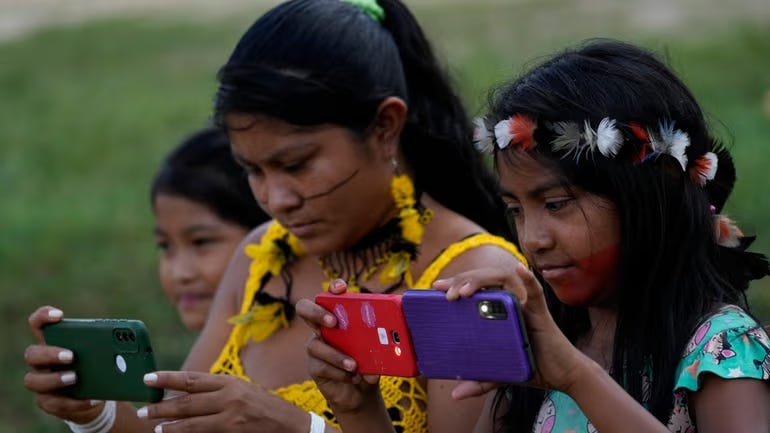
Cellphones in the Brazilian Schools: Between Prohibition and Pedagogical Integration
Feb 14, 202500:04:10Tap to summarizeIn January 2025, President Lula signed a historic law prohibiting the use of cellphones in Brazilian schools, both public and private. The measure, which will take effect in 30 days, restricts the use of portable electronic devices during classes, recess, and breaks at all stages of basic education.The new legislation emerges at a time of intense global debate about the impact of technology in education. PISA 2022 data reveals that 80% of Brazilian students are distracted by cellphones during math classes, negatively impacting their academic performance. A London School of Economics study showed that schools that banned smartphones saw up to 14% improvement in student grades.However, the law's implementation faces significant challenges. Experts point to structural problems, such as the lack of infrastructure to safely store devices and the need for adequate teacher training. Additionally, 86% of Brazilian families support some type of restriction on cellphone use in the classroom, according to Nexus research.The law provides important exceptions, allowing device use for pedagogical purposes under teacher guidance, as well as cases involving accessibility, inclusion, and health conditions. This flexibility seeks to balance the need for control with the educational possibilities that technology can offer.The debate remains active in the educational community, with some experts arguing that simple prohibition does not solve the fundamental problem of digital education. It is necessary to develop broader strategies that include teacher training, adequate infrastructure, and the development of methodologies that constructively integrate technology into the educational process. This is a public episode. If you would like to discuss this with other subscribers or get access to bonus episodes, visit bate.papo.academy
Transcribe →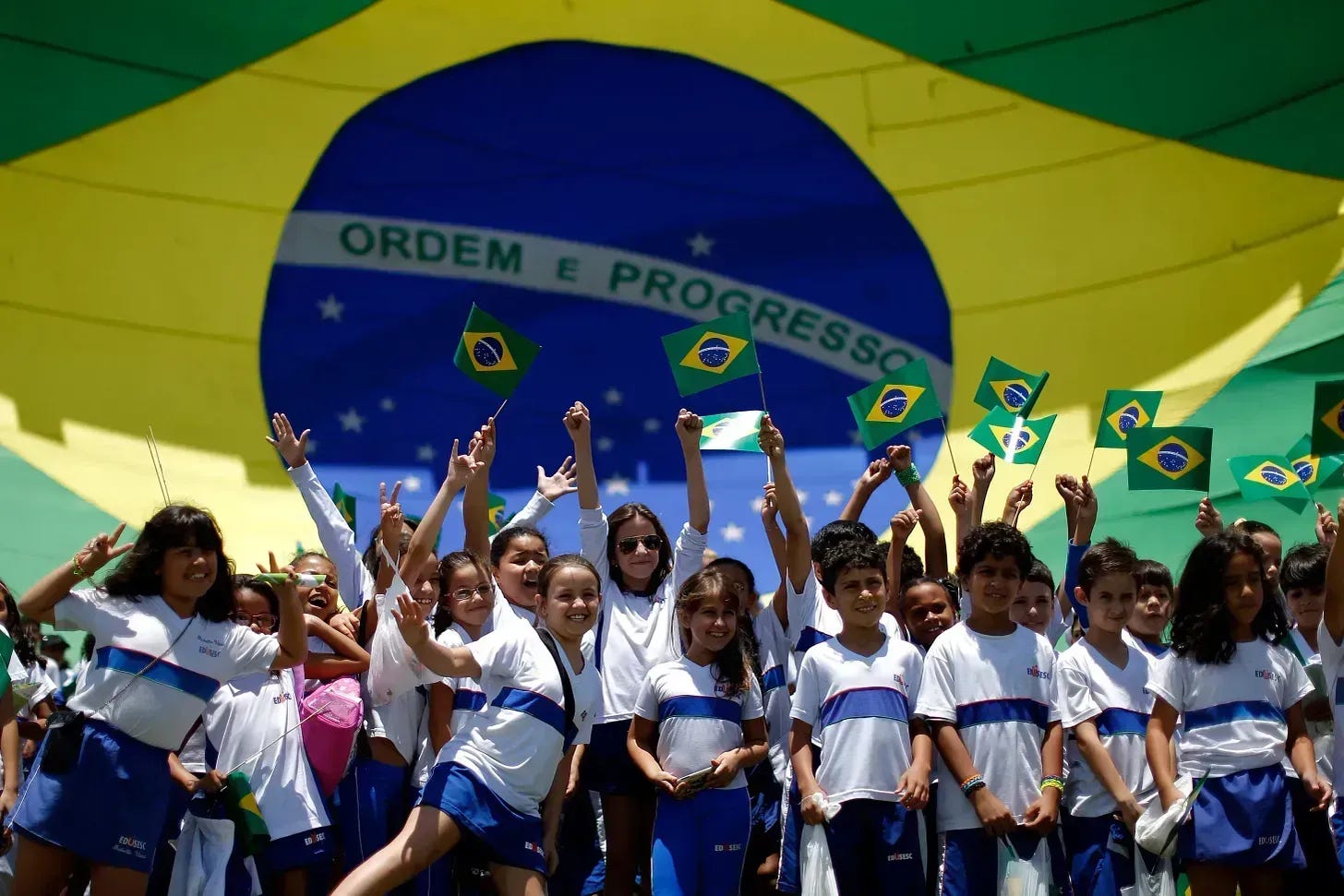
The Ceará Miracle: How Brazil's Poorest State Became an Education Powerhouse
Feb 14, 202500:04:00Tap to summarizeIn just over a decade, the Brazilian state of Ceará achieved what many considered impossible - transforming one of the country's poorest education systems into a national leader. Despite having one of the lowest GDP per capita among Brazilian states, Ceará experienced the largest increase in the national education quality index in both primary and lower secondary education since 2005.The transformation began in the municipality of Sobral, where in the early 2000s, two in every five third-grade students could not read a single word. Through systematic reforms and unwavering commitment, by 2019 Sobral ranked first among Brazil's more than 5,500 municipalities in both fifth and ninth-grade student performance, even surpassing private schools in Brazil's wealthiest state, São Paulo.Ceará's success rests on five interdependent pillars. The first is a revolutionary financing model that ties municipal funding to educational outcomes. Municipalities that achieve better results receive a larger share of state tax revenues, with the formula specifically rewarding improvements among lowest-performing students.The second pillar involves comprehensive technical support to struggling municipal school networks. This includes standardized learning assessments, literacy materials, teacher training workshops, and a unique mentorship system where high-performing schools help lower-performing ones improve. The state provides direct support to municipalities with critically low literacy levels while using a cascading approach for others, training municipal education secretariat staff who then train teachers.Political leadership forms the third pillar, with sustained commitment to treating education as a state priority. Many of Ceará's education reforms were led by former officials from Sobral who had successfully implemented similar changes at the municipal level. This created both expertise and credibility in the reform process.The fourth pillar is a robust monitoring and evaluation system that continuously tracks student learning and identifies municipalities needing additional support. Regular external assessments of all primary school students, conducted twice yearly, allow for rapid course corrections and targeted interventions.The final pillar is municipal autonomy, giving local governments significant freedom in implementing education policies while holding them accountable for results. This combination of autonomy and accountability has created a culture where feedback is seen as essential for improvement rather than merely as an enforcement tool.The results have been remarkable. Today, 84% of students achieve adequate literacy scores by the end of third grade, with the largest gains seen among poorer students and students of color. Ceará now has the lowest rates of learning poverty in Brazil, with ten of its municipalities ranking among the country's top 20 in educational performance.Most impressively, Ceará achieved these results while spending only about one-third per student compared to wealthier Brazilian states like São Paulo. This demonstrates that significant educational improvement is possible even with limited resources when supported by smart policies and strong political commitment.CITATIONS* https://docs.edtechhub.org/lib/GTYUQIGHhttps://theprogressplaybook.com/2023/07/03/how-this-poor-brazilian-state-became-an-education-powerhouse/* https://bsc.hks.harvard.edu/publications/a-problem-driven-approach-to-education-reform-the-story-of-sobral-in-brazil/* https://blogs.lse.ac.uk/latamcaribbean/2023/01/03/lessons-from-ceara-to-deliver-a-more-inclusive-equitable-education/* https://www.worldbank.org/en/news/feature/2020/08/28/brazil-ceara-fundeb-equitable-efficient-learning-system-education* https://www.gov.br/mec/pt-br/assuntos/noticias/ceara-e-referencia-em-educacao-basica-para-o-brasil* https://www.seduc.ce.gov.br/2022/09/15/ceara-e-destaque-em-educacao-basica-no-brasil/* https://www.ipece.ce.gov.br/wp-content/uploads/sites/45/2018/09/ipece_informe_61_10_abril_2013.pdf* https://www.unicef.org/brazil/comunicados-de-imprensa/unicef-e-governo-do-ceara-lancam-programa-para-fortalecer-aprendizagem-de-criancas-e-adolescentes* https://www.institutounibanco.org.br/conteudo/ceara-um-exemplo-de-sucesso-na-educacao-publica/ This is a public episode. If you would like to discuss this with other subscribers or get access to bonus episodes, visit bate.papo.academy
Transcribe →