← Building One with Tomer Cohen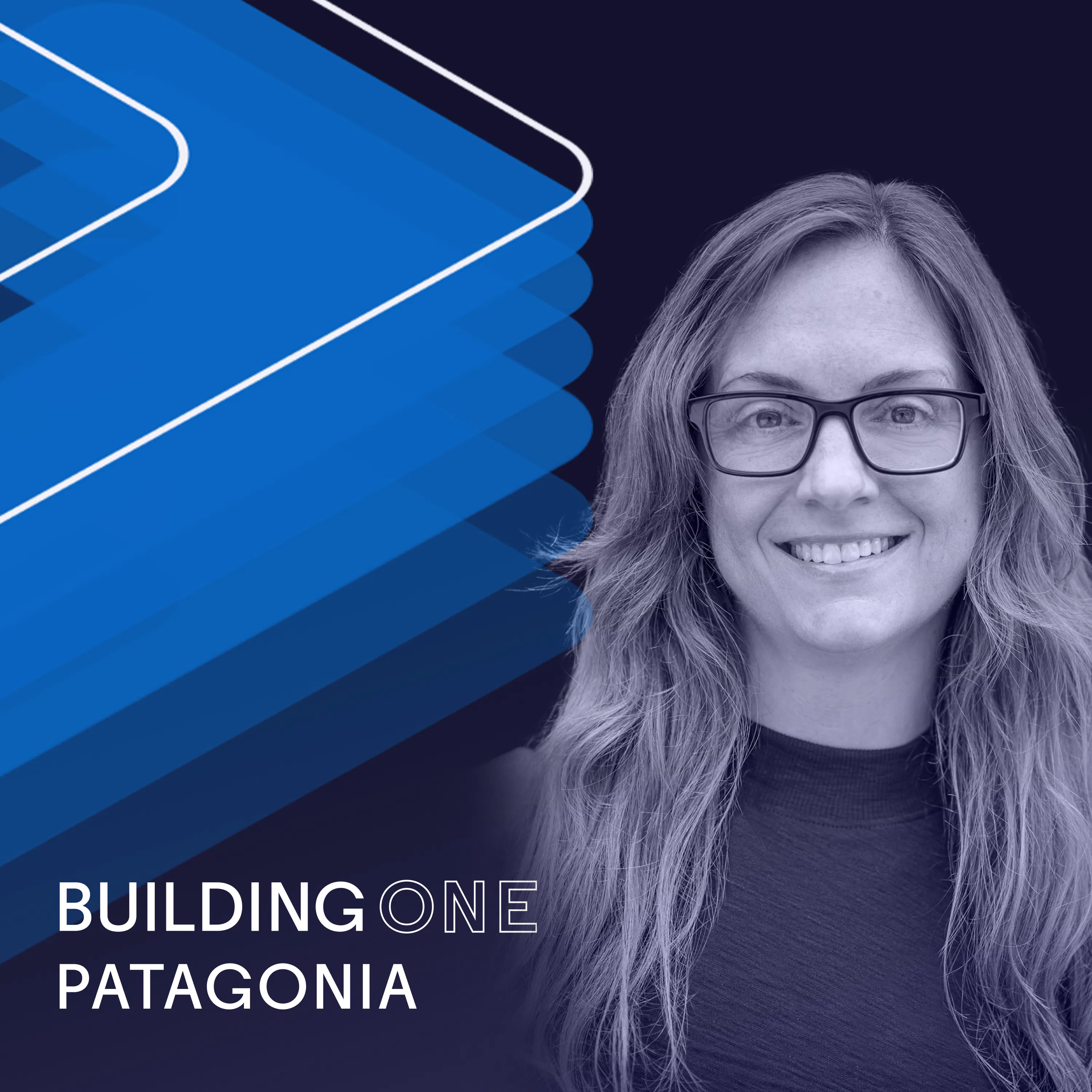
Building One with Tomer Cohen
Building Patagonia with Jenna Johnson: Redefining Product Development & Sustainability Practices
00:50:06
Loading summary
Transcript69 lines
- [00:01]
Jenna Johnson
LinkedIn news innovation ultimately is solving problems.
- [00:09]
Tomer Coyne
It came back to my own personal pain point. It just takes a while to build that trust.
- [00:13]
Jenna Johnson
The problem that I was trying to solve, it was all I was thinking about.
- [00:17]
Tomer Coyne
You have to be obsessed with the human condition. I'm Tomer Coyne, Chief product officer of LinkedIn, and this is building one.
- [00:27]
Jenna Johnson
If you're really innovating, you're actually a step ahead of what even most people in the community are thinking they need.
- [00:35]
Tomer Coyne
That's Jenna Johnson, the president of Patagonia. She's sharing with me about how Patagonia tries to anticipate its customer needs by expanding what is possible. We're going to get into that and so much more. So stick around.
- [00:53]
Jenna Johnson
From LinkedIn News, I'm Jessi Hempel, host of the hello Monday Podcast. Start your week with the hello Monday Podcast. We'll navigate career pivots. We'll learn more where happiness fits in. Listen to hello Monday with me, Jesse Hempel on the LinkedIn podcast network or wherever you get your podcasts.
- [01:16]
Tomer Coyne
One of my favorite pieces of gear is a decade old backpack. At first glance, you would not easily notice how heavily I've used it. It still looks good, and while it's no longer as trendy, it's not out of fashion. My son recently asked me if he can have it. I never thought about passing down a backpack to my son, but it's actually more than just equipment. We have gone through a lot together. It might not be surprising to hear that the company behind this backpack is Patagonia. While many brands talk to talk about developing quality, sustainable products, only a few actually walk the walk like Patagonia. Patagonia is one of the most famous brands in the world. It is known for durable products backed by a commitment to environmentally friendly practices. The company is well known for investigating its supply chains and working with partners to make meaningful improvements, ones that raise the bar for the outdoor industry as a whole. In 2018, Patagoni made its commitments more explicit, reframing the company mission statement to we're in business to save our home planet. End quote. But how does that work when creating new products conflicts with saving the planet? I deeply wanted to understand how it balances the health and growth and success of its business against its own mission to reduce its overall carbon footprint. That's why I'm excited to have Patagonia's president, Jenna Johnson here on the show. Jenna has deep experience in the outdoor community. She started off as a user, a self described dirtbag climber, but then she cut her teeth selling and building products before she scaled to the top of Patagonia. Jenna comes to us with so many insights about how Patagonia forges its own path, including her belief that innovation is really about staying a step ahead of what your customers think they need. How Patagonia is able to model new approaches to business growth with a strong climate pledge, how Patagonia works hard with partners to initiate big changes in its own supply chain, the advantages and disadvantages of being a first mover when making supply chain decisions, and why the company has built and maintained a robust resale market. Let's get into it. There's so many ways to start building products, and if I recall correctly, you actually started as a user of the product. You are yourself a rock climber, your family a rock climber, climbers. So before we get into that, I'm just curious, what led you into building products, especially for the outdoor industry? What led you there?
- [03:40]
Jenna Johnson
I've always loved the outdoors, but as I grew up and ended up at university, rock climbing became a really big passion of mine. But also trail running and I love going for big long hikes. That became a really important part of both who I was and just how I navigated the world and my life at the time. And so when I finished university, I was kind of like, where am I going to go? What am I going to do? And I had some really good intuition that I look back on and I'm really grateful for now. I knew really deeply that I did not want to go work for a place where I wasn't inspired and didn't just jump into the first thing that came my way. The other thing that I realized pretty quickly on was that who you surround yourself with is really, really important. And so I had a local climbing shop in my area, feathered friends that I loved really deeply. I got really close with the owners and helped in doing buying of the clothing on the floor. I helped to manage the retail store. And in that I was both a user myself, but I also started to really understand the customer of the outdoor industry who isn't all just like me. And so I was on the ground in the shop talking to people all day, every day as they were coming in looking for gear to be able to go out and do their own version of what I was doing, which is getting out and being in nature and wild places. And, you know, one thing led to another and I started to realize that the outdoor industry was a place I could potentially have a career over time. So with a degree in international Business and marketing. I kind of made my way through a sales stint at a sales agency that was repping some outdoor product and into brand management with some outdoor gear, hard goods, which was fascinating to really understand how hard good product was built and to be able to see that process and then think about the branding that wraps it up and brings that product to market to the right customer. So that was a fantastic experience. And then eventually got called from Patagonia and it was pretty serendipitous to come in here and really land 100% of my attention on building product for the first time. When I started actually working directly on a product line, I couldn't sleep at night. I was so excited. My brain was just firing and it was so fun. It was such a great group of people and the work that we were doing felt really important and meaningful. Been at Patagonia for 14 years now and love it. Every single day I get to come into work.
- [06:10]
Tomer Coyne
It sounds like you got the keys to the kingdom in a way. When you got to Patagonia, you've built all this deep empathy, which for me is the kind of the cornerstone of being a great product builder. Have a profound understanding of what the customer or the user needs. Now you're able to bring it all the way back to actually building it. And I'm curious because it's kind of unique that you actually live inside of the community. You yourself are an end user. Your whole family are end users of the product.
- [06:35]
Jenna Johnson
Yeah.
- [06:35]
Tomer Coyne
You almost have like a, an advantage a little bit with how embedded you are there. How do you leverage that?
- [06:42]
Jenna Johnson
There's multiple layers. Yes, I am deeply embedded in the community. My very best friends are constant users. Some of them are full time athletes and ambassadors. And I have two daughters, 12 and 10 years old. And so I get to see generationally what outdoor participation looks like. And then as a user myself. So that is really important. But the first thing that I'll say is when we talk about innovation, innovation ultimately is solving problems. Right. And if you don't understand what the problems are that you're trying to solve, you're just contriving shiny things. And so I do feel really grateful that I intimately understand some of these parts of the community. But I will say I don't understand all of them. I don't even lightly do all these different sports. But because I do some of them, I think I have really learned how important the power of questions are in understanding what really is the problem that people are wrestling with and how we might be able to solve Them and innovation in my mind is staying a step ahead. So this is where you can get a lot of data and insights that can kind of guide you. But if you're really innovating, you're actually a step ahead of what even most people in the community are thinking. They need the ability to really understand what the problem is and then jump ahead and create a solution that maybe people didn't even know that they needed quite yet, but is going to radically change safety or comfort or longevity in the wild. Stuff like that.
- [08:19]
Tomer Coyne
I'm curious if there's any examples that come to mind for you where you're out there with folks and I don't know, there were quietly complaining or you could see they're struggling. That came up with for you or for the team with some kind of an idea of that this could be done better.
- [08:33]
Jenna Johnson
Oh gosh, this happens all the time. I mean, we're all getting out and we're watching. Once you're out and you start paying attention to how other people are using their gear and what they're using, I definitely am that annoying person that like when I'm ski touring or climbing, I'm like, wait a minute, what, what do you have on underneath there? What's that layer underneath there? How's that working for you? Can I see how much you're sweating?
- [08:54]
Tomer Coyne
If only they knew who they were talking to, they would probably respond.
- [08:58]
Jenna Johnson
I know sometimes I tell them and sometimes I don't. But one of the things I would give as an example that I was really excited about and we've now played around with a lot is what we call active insulation. So it's a layer, a jacket normally of synthetic insulation, but it doesn't need a scrim. And so you're able to create high breathability in an insulated package that can also stretch and give you mobility. The long time solutions were either like a down sweater, a down jacket that does insulate really well but also traps heat. And so if you're doing stop and go movement, you find yourself taking off, putting on, taking off, putting on. And same with some of the synthetic insulations. So your movement in the backcountry is constantly being updated and interrupted as you have to change layers and change gears. And we launched our Nano Air active insulation shell. We launched it with a campaign that was put it on, leave it on, which was authentically what we were trying to solve. And that was a really, really exciting breakthrough and has led us to think about the power of active insulation.
- [10:14]
Tomer Coyne
It's such a great example Because I took for granted that you just need to, you know, bring more layers and then just take them off and put them on and take them off and put them on. And it was annoying to me, but I, I kind of assumed this is.
- [10:27]
Jenna Johnson
It, that's how it was, right?
- [10:28]
Tomer Coyne
This is it. And then it's having someone think about it differently and saying, nah, it doesn't have to be this way. There's a way around that. Now I can actually eliminate that pain. I can actually make that go away. So I love that example. I'm curious. When I was learning about the company, one thing I kind of stuck on was the idea of a product scorecard. I found it pretty unique and it sounds like it's a process that Patagonia uses to evaluate whether to build a new product or not. In fact, I think I saw somewhere that you actually discontinued some top selling products as a result of that. So I'm just curious about the product scorecard. And even the idea of taking a top selling product and discontinuing it sounds counter business in a way. So I'm curious about that thought process as well.
- [11:11]
Jenna Johnson
So we're constantly managing our product assortment. Do we have the best assortment? Do we have any duplication? Are there products that need to be weeded out of the product? Scorecard is looking at it from a, from a business lens. Product is the heart of our business. And so making sure that our product collection, which is quite large, is serving a global outdoor community in all the ways that we need. And so we do the rigor every season of looking first and foremost at what's working in our product line and what's not working in our product line and the places that are not. We then have to decide, is that product, product just able to drop away, we don't need it in the line anymore, or do we actually need to do some work to improve that product to make it better because we now know more, or we have better solutions that are in place. So it's a multifaceted approach. But the scorecard helps to keep us disciplined in asking the right questions. And some of the questions we ask are we bring in our repair team and we say, how hard is this product to repair? How many repairs are you getting back each year in our repair care facility? And is it all in the same spot? Is it all in the zipper? What can we do to fix that zipper so that the product overall can last a lot longer for our customer? Or are we getting this jacket back because people feel like they're getting wet? Why is that happening? How do we solve that for them better than the experience that they're having right now? And then the other piece of our scorecard is what we've been calling an environmental profit and loss, where we look at the product and we hold ourselves to account in the amount of water that's used, the amount of waste, the carbon footprint of the product, and we say, what do we know now that could reduce the footprint and get us as close as possible to having the very least impact we can possibly have in product manufacturing and product creation. So we look at everything from are we building the highest performance product out there? Are we bringing something unique to the market? Has somebody else done this better than us? Why are we offering this solution if somebody else has figured out better solution and can we reduce the footprint? And through that lens, we often discontinue product. We have made decisions to discontinue conventional cotton in our line. And for a period that meant that we didn't have any cotton products until we could begin to build a supply chain of organic cotton and be able to reintroduce products.
- [13:54]
Tomer Coyne
The cotton example is a great one on the scorecard. I'm assuming not everything can be an a or a 10.
- [14:01]
Jenna Johnson
Yeah.
- [14:01]
Tomer Coyne
So it's just like, is this very subjective? Like you're getting this like ranking across or there's like some non negotiables that you're not even willing to compromise on? Like, you know, it shines so much in this category, so it's okay to potentially be a B in a different category. How do you think of that?
- [14:19]
Jenna Johnson
I would say probably more so at Patagonia than anywhere else. We hold these tensions and these really difficult decisions. In everything that we do. We're constantly looking at how we run a business and how we don't have impact and how we build a really high performance product and we reduce the footprint as much as possible. So it is very rare to get a true 10 across all metrics. And in that there is some push and pull on deciding are we good enough? I will also say there are some baselines. Like the cotton example is a really good one. We said we are not going to use conventional chemical cotton any longer in our line. No. And so we no longer have that as even an option. When the material team comes with solutions, I will say that quality sits at the very, very top. If there's a quality concern or a performance concern that drives the decision first and foremost. And then we are doing everything we can to make it with the least amount of impact. Possible. But we never trump impact over performance. And that's really important. When we talk about product creation and product innovation, we hold really sacred this relationship and this trust that we have with our customers. The Patagonia customer is extremely loyal to us. And it's because they trust that when they buy a product, that product is going to last for a lifetime. And if it doesn't, we will take care of them in the process. That's why we've put in place repair facilities. We now have a resale business. It's because we've built in, believes so deeply in the power of quality and durability. And so that is an unwavering foundation in that scorecard that has to be hit first and foremost before we can go into the other metrics and decide if it hits a threshold that we feel we're ready to launch that product at or discontinue it. Either way, I think the part of the beauty at Patagonia is that in holding ourselves to a high standard, we're constantly, even when we've got something that's a nine, we're like, what can we do? What are the little things that we can do? And usually getting to a 10 is pretty out there. We're having a lot of conversations right now about end of life in our product. And while there's not mechanisms or supply chains that allow us to recycle and put back in at the same level, they are coming online, we are still thinking about how we design into our products that are out in the market today, so that in the future, future, when those opportunities are available to us, the product we have been building for years now will be able to easily be broken down and be recycled. So we're thinking about mono materials. We're thinking about how you take zippers off pretty quickly and easily. Like, those are things that can't happen right now for the most part, but we believe deeply it will soon. And so we're investing in innovation today for the future of our customers, so that they know that they can truly recycle their product.
- [17:31]
Tomer Coyne
So let's go back to the cotton one. I read about it, so I have an understanding of what you're saying. But I think maybe for our audience, they don't understand the difference between regenerated cotton and conventional cotton. This is not a recent change. This is like a change from many years back that Patagonia did to move actually the entire supply chain into cotton. And there was one story I heard to get the company to understand that you actually took the company employees to see conventional cotton and how it's made. And the moment they saw it, and I think they smelled it, they understood why you're not doing it anymore. So just if you could give us like a 90 second primer on why not conventional content and how you made that change in the company. Because I think that easily could be undervalued in terms of like what that change meant in terms of supply chain, how you make actually make it through.
- [18:20]
Jenna Johnson
You have the story, correct? There's been many over the years where the whole organization has rallied in a way that sometimes we look back and we' like, wow, I can't believe we got everybody on board with that. And so conventional cotton is a really great example of that. You go out into these like chemical cotton fields and your nose starts stinging and you can feel it in your throat and your skin kind of feels a little crawly and funky. And you just stand there and you look around and you think, one, I don't want to put this on the bodies of all these people who are out there sweating and breathing hard and moving and doing all of this, this. And I don't want to support this industry. So the ramifications are multiplied. Like us purchasing that product from this field is supporting putting workers at jeopardy also who may or may not ever buy a Patagonia product, but should not be working under those conditions. And we don't want to be a part of that. And once you see that and know that, then you're like, okay, I'm going to work really hard to figure out what the next step is. And at the time when we made the decision around conventional cotton, it was really damn hard because there wasn't organic cotton supply chain. So we had to go out to farmers and convince them in many ways to like move in this direction. And you know, we got the same thing as when we moved to recycled synthetic polyester. They were like, nobody else is asking me for this. Your quantity isn't that high. To be able to build a business case and justify this to my leadership and it's going to be really expensive for you and for everybody else because it's new and it's different.
- [20:03]
Tomer Coyne
You know, that sounds like for many people would be okay. I guess I'll wait for the industry to come along and I'll do it. But it sounds like for you, it's like, no, no, I'll figure this. How do you, how do you do it?
- [20:13]
Jenna Johnson
I'll figure this out. So it takes a lot of work. It usually takes patience and it Takes focus and commitment. So this was one of what we would call today. I don't know that they articulated it like this, but one of our top priorities as a company, right. And so you got everybody going out and saying, this is how much extra we can pay you, farmer, if you'll make this transition. We're going to help support you along the way. We're going to be really smart about how much we need. Let's start small and let's build. We're going to help you do a lot of the research in the background to understand what it's going to take to move from conventional cotton to organic cotton. What does that look like? We're going to help advocate on your behalf. Like, we look at all the different ways in which we can be support to those partners and then we really say to them, we're in this with you. We do not move partners very frequently when we build either a material partner or a finished good partner. They are in it with us because we need them to be committed to innovating in the same way that we're wanting to innovate, whether that's on performance solutions or on footprint reduction solutions. We find partners who believe in the value of what we are doing and then we agree to help each other. So in many cases, we have funded and helped to support people in an initial transition. And then we've also done a really good job as storytellers at marketing why this is so important. And in that we've been able to then build momentum across the industry with other brands coming in, purchasing organic cotton over time, purchasing recycled fibers over time. We can't do this on our own. We just simply aren't big enough. But we can be a catalyst or an energizer around these things. And then once we get more people on board, you get the scale that allows the farmer to be more profitable, the manufacturer of recycled chip to be more profitable, and then suddenly you've got the flywheel of the normal business mechanics that drive the incentive to continue to scale that across their line.
- [22:26]
Tomer Coyne
This is a remarkable story. A lot about endurance there in the process. But any, any gain for you to be the first one to do it. Like, is it the brand that people know that when I buy Patagonia, I'm buying a premium product that someone like Jenna is spending, like, nights and weekends thinking about, how could this be the best product possible for me? So I'm willing to pay a premium for it. But the fact that you're first from a supply chain standpoint, I'M assuming once that supply chain is ready, they can sell to others as well. Is there any advantage there?
- [22:57]
Jenna Johnson
I know it sounds really altruistic, but it truly is the way that we operate. We believe that when we do well, our business will thrive. We can spark this movement that can gain momentum. And we have to believe that the efforts and the investment that we're putting in here, when done at scale, will have true impact in our big mission to use our business to save the home planet. I do also believe, like you're saying, that us having a leadership role builds trust, it builds loyalty with our customers. And the first mover advantage, in my opinion on some of these things is really about making sure that it's done right and with authenticity. We know that we're setting up a pretty high bar and other brands as they come in may blend recycled content for a while or whatever way they feel is appropriate for their business model and where they're at. But we know even if they're using a little, it's adding to the demand and the momentum in order to be able to scale this in bigger, bigger ways. And recycled polyester is a great example. When we first got into that and I would sit across the table from my material supply partners, you know, the pricing was incredibly expensive. It was very limited. And now like at the same cost as virgin polyester, I have a hard time getting recycled content sometimes because all the bottles are being used up to make recycled content in lots of other places right now. And I actually like get this funny look sometimes across the table of like, I'm, I'm kind of constrained on how much I can give to you. And I love that. That's like, that's a beautiful place for us to be. Ten years, 15 years later, there's no.
- [24:48]
Tomer Coyne
Like, hey, we were first, we're supposed to get dibs on everything, you know. We're going to take a quick break, but don't go anywhere. When we come back, Jenna is going to share how Patagonia balances its mission with the realities of doing business.
- [25:01]
Jenna Johnson
We have these existential moments where we say, do we just stop, stop making product?
- [25:09]
Leah Smart
From LinkedIn News, I'm Leah Smart, host of Everyday Better, an award winning weekly podcast dedicated to personal development. Whether you're looking for ways to shift your mindset or seeking more fulfillment in your life, we've got you covered.
- [25:21]
Jenna Johnson
You can build internal resources.
- [25:23]
Tomer Coyne
That's what the study of psychology is about.
- [25:26]
Jenna Johnson
Building internal resources turning towards is one of the most important, important elements of successful relationships. No matter what kind of relationship it is. The thing that underpins all of this.
- [25:37]
Tomer Cohen
Productivity stuff is finding a way to make the journey itself enjoyable.
- [25:41]
Jenna Johnson
The journey is the destination.
- [25:42]
Tomer Coyne
The beauty of uncertainty is infinite possibility. When you don't know what's next, you don't know what's next. And thus anything can be next.
- [25:52]
Leah Smart
Join me as we dive into captivating stories and research backed ideas that have empowered me and others to lead lives with more clarity and intention. Everyday Better. Making growth an everyday practice. Listen to Everyday better on the LinkedIn podcast network, Apple Podcasts, or wherever you get your podcasts.
- [26:13]
Tomer Coyne
Okay, we're back and I'm speaking with Patagonia president Jenna Johnson. By the way, just because it's so hard, is there like cases where the company kind of of overshoot a little bit? Like there was like a desire to build technology which is not ready yet and there was so much money spent. But a certain point you realize, okay, the timing is not there. I need to get back to it in like 10, 15 years. Because when you're pushing an innovation, not everything is going to work because you're trying to push the boundary.
- [26:41]
Jenna Johnson
Yeah.
- [26:41]
Tomer Coyne
So I'm curious, like, how do you, what did you learn from those? Is there guardrails? We learned from like failed attempts to make sure like you're not, not in a way too much betting the company on this new technology.
- [26:54]
Jenna Johnson
You will have failures and not even you have to. It's just a necessary part of thinking big and trying new things. I think everyone would agree with me also that you are successful only if you have the discipline to know when to stop something. Even if you believe passionately in it, even if you still think it's a problem that you need to solve. But if you're not getting there fast enough, whatever it is that's holding it back from actually moving forward, you have to have the non emotional attachment to be able to say, putting this one down, maybe we'll learn something and we bring it back up again later. But we're putting this one down for now and we're going to focus our attention over here because we don't have unlimited R and D budgets. So you have to be really disciplined about where you're putting that money and what you're doing, while also fostering lots of ideas and creativity in the early incubation stages. So this doesn't exactly answer your question, but I think it's an important lens on how we think about innovation at Patagonia, which is that innovation doesn't come out of some like incubator team over here, we do have an advanced concepts team that is thinking longer term and really far ahead. But we think about innovation in the same way we think about sustainability, which is that it is a part of every single person's role inside the company. And so all that's to say, like, we have definitely even at times gone pretty far down a path. I think an example I would give is we launched Encapsule technology, which was a very performance driven solution, trying to tackle this idea of how do you make down have the properties of synthetic? So synthetic is really good. If you're deep in the backcountry and it gets wet, it can still stay warm when wet. But down is super lightweight and very packable. And so we went very far down a path and actually launched a product called the Encapsulable Parka. Great big alpine, super warm parka. And it had to be done in this specific machine. And there was only one machine that we were able to get working and doing it, we got it to a quality level that we felt like we could actually not launch a concept car, but actually launch a real true product that was solving problems for people. But we could never figure out how to scale it to bring it more into the line. And then we started to find that the durability and the washing that was needed on the customer side was too much for a lot of people as we watched them interact with like the maintenance of it. And so we eventually put that one down and walked from it. But it is still a problem that we talk about and are innovating on every single day at Patagonia right now, which is how do we find that holy grail of the mix of a down and a synthetic insulation in some of our most technical pieces? That one was sad because we got it really far and we actually launched a product that was really damn good. But we realized like, okay, we could either invest a whole lot more money in this and it's probably not going to get where we need it to get to, or we walk away and we start looking at different ways of solving this problem.
- [30:03]
Tomer Coyne
It's such a great example. There's so many cases in a company where you have the problem. Right, right. Probably have the idea, right?
- [30:11]
Jenna Johnson
Yeah.
- [30:12]
Tomer Coyne
But the, you know, the system around you, the environment around you, the other kind of coefficients or constraints are just not there yet. And you're not letting it go, you're just sitting on it. You're kind of looking back a little bit, waiting for that moment to arise. Like I look at startups and some of the successful startups right now actually not new ideas like they were ideas that were trying to be done. So true, like a long time ago, but the system was not there. So sometimes it was about waiting for the system to happen to take that leap forward. And it's a great example.
- [30:42]
Jenna Johnson
I think that's a really good point. I would also say in that way innovation doesn't happen in a vacuum. Which is why I believe so deeply that everybody inside Patagonia owns innovation. And then we put that on our partners. Like exactly to your point, if there's not a supply chain that can actually do this thing, then we can, we can make it once all day long. But if we can't actually bring it through and commercialize it, then that's where the project stops. And so we often look outside our own industry to understand how others in different industries are moving things forward. And is there anything we can learn from them or piggyback on with them in order to be able to fill in the gaps wherever it's kind of getting stuck in the commercialization process? I think that's really important to recognize. We all have to work together across industries sometimes with all of our knowledge and come together to solve some of these really big problems.
- [31:43]
Tomer Coyne
That's a great point. Jenna, you mentioned that some products just gets to an end of life, which just makes sense. But I think I saw you saying at one point that new product is absolutely one of the worst things you can do for the environment. And I think it's clear when we talk about Patagonia and when I heard it, you know, there was tension that came out right, because your company, like part of it is building new product, part of it is showing new developers, part of it is growing as a company. And that just striked me as really hard to manage on a day to day. So on one hand you want to innovate, you want to sell, you want to grow. The other hand you're like, you're thinking about the environmental implications here. So how do you manage that tension? How do you balance that with growth? Like I can look at Apple right now like in fact if Apple does not get people to replace their phones every two years or three years, they have a problem. And I think Patagonia is like inherently different. But how do you do it?
- [32:35]
Jenna Johnson
We have these existential moments where we say, do we just stop making product? Because we know that everything we make has a footprint and what would that mean? And where we always come back to is we have to hold the weight of what we're doing and the impact that we're having on the planet every single day when we come in. We therefore have to be a beacon for others in the apparel industry to be able to show them how to do it better. Like, for example, the apparel industry contributes about 10% of the carbon emissions that are causing climate change at the moment. That is a really big amount. If everybody in the apparel industry radically reduced their impact, we would see meaningful change. Change. Our little sliver is not going to do it. That's like super tiny. But if we can be a model that takes more risks than others are able to do, especially the publicly traded companies, and if we can gather together the best mad scientist brains, PhDs and material scientists and chemical wizards to figure out how we solve some of these problems and then be able to share it with others in the industry, that's. That's our goal. That's what success looks like to us. And so keeping that in mind is what brings us in every day to say, yes, the world doesn't need more product, but we're proving a better and better way of making product. And the reality is people aren't going to stop. So we could stop, but we're not changing the world. If we really want to change, we have to be a part of this and show what a better way looks like. And then that scales obviously into our entire business model. Model how we're running business, what capitalism can look like as a responsible form of working towards a healthy planet, a healthy society, thriving businesses in a way that's actually sustainable and can go on and on for generations and generations.
- [34:42]
Tomer Coyne
So really, what you're doing there, when I think about it, it's not that you are kind of rejecting the idea of new product. You're raising the bar on what it means to do new product, which basically is. Is lifting everybody's cultural responsibility to, hey, if you're building a new product, this comes with responsibility. It's not just an opportunity for us.
- [35:00]
Jenna Johnson
As a company, it's an obligation.
- [35:01]
Tomer Coyne
Exactly. I'm holding you responsible to build this really, really well, which is fantastic. And I love that it's coming so grounded in terms of how you think.
- [35:10]
Jenna Johnson
And then I'll say, to add on, what we have happily discovered is that our products do last for such a long time that we can build a resale market to bring those products back and to, like, have this beautiful idea that products are actually more like heirlooms than things to be consumed. They're products that we get to generously pass along that house, our adventures and our stories of cool shit we've done in nature and in these wild places. And then we get to gift that on to the next life that gets to build memories and kind of do the same. We actually now are building a profitable and growing revenue stream in another business because we've done the hard work upfront to build them with quality and durability and longevity and to be timeless in their design so that, you know, they're not, like, old and nobody wants to wear that trend anymore. Like, that's allowed us to be able to help build this resale market so that we truly can keep product out of the landfill, which is the worst place for it to end up.
- [36:15]
Tomer Coyne
So when I learned about this for Patagonia and I loved it, but the first thing that came to mind to me is this is there's some change in people's behavior here, right? The idea of buying somebody else's clothes is something I need to think about a little bit. I need to, like, spend the time on, you know, people like new. They like to feel like they're wearing something new. It's like it's theirs. I'm not judging it. There's no good or bad. It's just we. We were right raised to, like, this is yours and. And this belongs to you. And you're getting this new. It's like a gift. And what you're doing is incredible on one hand, but so hard. Like, how do you think about the behavior change?
- [36:51]
Jenna Johnson
Yeah, the behavior change is really hard. I can talk about that in just a minute. But I do wanna say that there also is a lot of momentum right now, especially around the younger generation, that actually feels like it's very cool to buy something that's worn in, that's used, that's been pre love. And especially when they start to get the stories from previous owners and they understand that they're a part of generations that are going to wear this thing and be a part of its. Its life. You build these relationships that are actually very important and powerful to be thinking about the products that we wear and to understand how important it is that we continue to pass these things along and that this isn't about disposability. This is about longevity and about doing great things. But on the other side, how do we break down the barriers for those who don't intuitively want to go buy used? And one of the things I'm really proud of right now is we actually just recently launched on our website, we've made it really Easy to shop new and shop used. And we are just rolling this out. So it's just beginning in a bunch of our categories. But on our mainline website, people when they see something and they want to shop it used, we're telling them if we've got that same color, if we've got that same style, or if we have a style that's maybe in the past, but very similar, what the pricing is. And then if they're interested, then it's a quick link over to our, what we call wornware, which is that resale business, where they can then shop that used collection. And if they decide not to, they close out of it and they get dropped back onto the Patagonia side. And they may buy new, but we're at least making it very accessible and easy for them to see what the options are in used and how good of quality they have the opportunity to buy in something that's already been used and worn and loved.
- [38:53]
Tomer Coyne
There's also the filling on the person that is kind of giving it back. Like, when I think about when I need to throw something out or donate it, I feel so great about when I can pass it. This could be furniture, this could be clothes. But there's just this feeling when, you know this is not going to the trash because they're usually good and I keep good care of my stuff. But when you put it in the trash, there's actually the opposite feeling around. Like, this is. It's not just what I'm doing for the environment, which by itself is super important, but it's also like, it feels like you're giving away something that is yours. And now you're. All these memories are going with this thing to the trash.
- [39:29]
Jenna Johnson
Exactly. I love that. Yeah. In all of our kids clothes, there's a label in the back where everyone who's owned that product writes their name.
- [39:38]
Tomer Coyne
That's brilliant.
- [39:39]
Jenna Johnson
So you can, like see that. Different names. And we redesigned one of our most iconic products, the down sweater, pretty recently and made some really beautiful improvements to it. And one of the things is putting a label on the inside for adults even to be able to start to track who all has had this product. The point is, have those really great memories and then when you're done with it, because we all want a new color at some point or a new style or we're just not using it very much anymore. Love it so much that you want to pass it down. That's that heirloom idea.
- [40:12]
Tomer Coyne
I love that. That's wonderful.
- [40:13]
Jenna Johnson
Yeah.
- [40:14]
Tomer Coyne
Okay. It's hard to have a conversation without AI today. And I'm sure this is kind of coming into whether it's coming into you or you're invoking it. But how do you think about AI in this industry?
- [40:25]
Jenna Johnson
We talk about AI a lot. I will admit that we are one of the least tech savvy companies out there. We are very much about being out experiencing it, human to human relationships. But we also see the benefit that AI can bring to us. We're talking about it less in product creation per se. But one of the ways though that AI has been really helpful and I'm super excited about is service in the future. If somebody's going fishing on this particular river and they say, what products do I need? If you're a retail store employee or if you're a customer service rep, like you're not going to know every single river and every single sport that somebody might be calling us about. And so I do think there's a lot of usefulness in being able to make sure that we're getting our customers the right product for their activity and what they're doing and that can be done really fast and efficiently for them.
- [41:25]
Tomer Coyne
You know, not AI specific, anything else. You think you could see this changing in the outdoor industry in the next kind of five years or not changing at all?
- [41:33]
Jenna Johnson
The outdoor industry is changing pretty quickly. Climate adaptation I do think is going to shift. What does it look like to ski and snowboard in winter times? With the volatility of snow even dropping from the sky in some particular winters, the world is getting hotter and hotter. What does that look like for the products that we're making and the way that we're putting it out? We're a very seasonal industry. We have a spring season and a fall season. And all of us in this industry have been trying to shift when we deliver product appropriate to when weather is so that the customer finds the right product that they want at the right time. That is getting harder and harder. And so I think we are all going to start to rethink. What does it look like to manufacture? Is it still twice a year? Is it four times a year? I think all of that will shift us a lot. And then there's a lot of chemical regulations. You know, PFAS regulations are very much upon us in the outdoor industry, which is fluorinated chemicals on our waterproof products. And as those regulations come in, brands are going to be quickly trying to figure out what the next evolution of performance solutions looks like. And so I just think where people are innovating is also going to shift in some pretty profound ways in order to solve these big environmental problems.
- [42:57]
Tomer Coyne
Also, we've got some pretty thought provoking takeaways I want to share with everybody. First, innovation starts with paying close attention to how people interact regularly. As Jenna shared once you see you can't unsee, you'll begin to challenge what you take for granted. You'll begin to reimagine the status quo. Grow. Just like Jenna's example of the active insulation jacket that you don't need to take off and on all the time. Open your mind to everyday friction, everyday frustration, and you might just create a solution that people don't even know they need yet. Second, I love how Jenna sets the bar high on any new product release. When she states that a new product is one of the worst things you can do to the environment, she's really asking her team to hold the weight weight of what it means to release a new physical product, one that for sure will have a carbon footprint. It better be really good because the cost is high. She doesn't mean corporate cost, she means the cost on climate. Given that Apparel accounts for 10% of global carbon emissions at the moment, responsible product development is critical. Third, part of Patagone's approach to product is looking within the context of a circular economy. For Jenna, selling a product does not define success. Sure, you can make a good product that would sell, but it's a whole other endeavor to make sure it doesn't end up in a landfill. Patagonia defines quality differently than others. That's why they score products on factors like how easy they are to repair or whether they're made of mono materials that can be efficiently recycled. That's also why they invested in creating a secondary market for used goods. Not only can these products find a second life, they can also teach Patagonia lessons about how well they've lasted. Fourth, saying your mission first is one thing. Actually doing it is another. Jenna talks about how in Patagonia, they understand that what they're trying to do is really hard. They are not naive. It's not just about bringing the market along, but it's also about bringing the employees along. When Patagonia decided to do the unthinkable and move from conventional content to organic cotton, they knew they needed to rally the company. And to do so, they asked the employees to experience for themselves how conventional cotton is made. Patagonia had to change internally before they could influence the supply chain and their industry itself. On that note, Patagonia's sustainable practices with supply chains are very unique. This honestly seems like one of the hardest, costliest things for a company to do, but Patagonia so far has done well. Part of that success though, has been in starting small, establishing long term relationships with producers and suppliers, and working hard to support them in the transition so that the risk is well shared. Patagonia deeply realizes it's part of a symbiotic ecosystem. Lastly, given Patagonia's stated purpose of saving the planet, one can cynically say that their mere existence actually means more carbon footprint. But that ignores the greater potential of being a change agent. Instead, Patagonia is modeling better business practices, more sustainable ways of building product, and taking responsibility for its ecological footprint by demonstrating smart ways of reducing it. That is also where their unique brand loyalty comes from. Think about your company or the company you'd like to build. What principles do you stand for? What will you be willing to sacrifice for them? I'm Tomer Cohen. Thank you for listening. I learned a lot from this conversation and I hope you did as well.
- [46:24]
Tomer Cohen
We'll be back in two weeks with Arvind Jain, the founder and CEO of Glean. If you liked this episode, don't forget to rate and review us on Apple podcasts. It'll help people discover the show. Building one is a production of LinkedIn News. Our host is Tomer Cohen, LinkedIn's chief product officer. This episode was produced by Max Miller. Our associate producer is Rachel Karp. We're engineered and mixed by Asaf Gadraun, and we get additional production support from Alicia Mann at LinkedIn News. Sarah Storm is senior producer and Enrique Montalvo is our executive producer. Dave Pond is head of productions and creative operations. Maya Pope Chappelle is director of content and audience development. Courtney Koop is head of original programming. Dan Roff is the editor in chief of LinkedIn. If you know a product leader we can all learn from, send us a line at pitches@LinkedIn.com.