Podcast
Building The Brand with James Burtt
Hosted by Phonic Content · EN
Building The Brand is a Top 50 business podcast for people who don’t just want success stories - they want to understand how success is actually built. Hosted by James Burtt, each episode features in-depth conversations with entrepreneurs, founders, and creators behind standout brands. This isn’t surface-level storytelling. This is a tactical break down of real decisions, trade-offs and lessons behind standout brands Past guests include world-renowned business and entrepreneurial figures Gary Brecka, Grant Cardone, Joe Foster, Mark Victor Hansen and John Lee Dumas. Not how to. This is how you.
27episodes
Episodes
Newest firstAll episodes

Bedroom Startup To $100M Exit In Under 10 Years… But What Is The Cost Of Success?
2w ago01:49:55Tap to summarizeCan a working-class entrepreneur build a £50 million revenue business from his spare bedroom, sell it for $100 million and still hold on to the things that matter most?Andrew Hulbert is the founder of Pareto Facilities Management, the bootstrapped business he grew from a laptop in his bedroom to £50 million in annual turnover, 550 employees and a $100 million business exit.Watch more episodes:https://www.youtube.com/@buildingthebrandofficialWant more from Building The Brand? Connect here:https://buildingthebrand.co.uk/newsletterAndrew explains how Pareto competed against multibillion-pound facilities management companies by being more agile, flexible and customer-focused. He reveals how that strategy helped the company grow organically from £18 million to £32 million in a single year.▪️How Andrew built Pareto Facilities Management from his bedroom to £50 million in turnover▪️The working-class upbringing that shaped his ambition and work ethic▪️Why his original financial freedom target was only £2 million▪️How customer-first flexibility helped Pareto grow during COVID▪️Growing organically from £18 million to £32 million in one year▪️How smaller businesses can compete against multi-billion pound corporations▪️Why hiring senior leaders helped scale beyond the founder▪️Building a powerful B2B brand in an unglamorous industry▪️Using networking, PR, awards and major client names to create authority▪️Winning brands including Twitter, Yahoo, Bulgari and London Zoo▪️How Pareto won a £2.3 million contract while turning over only £1.5 million▪️The brutal family sacrifice behind Andrew’s business success▪️Answering 835 due diligence questions and completing a $100 million exitKEY MOMENTS:0:00 — The real sacrifice behind Andrew’s $100 million exit2:10 — Going all-in on Pareto for 10 years3:24 — Working-class roots and the original £2 million exit target6:45 — Why the founder eventually becomes the bottleneck10:36 — How COVID became the catalyst for Pareto’s growth13:43 — Growing organically from £18 million to £32 million16:46 — Turning a business crisis into a competitive opportunity26:56 — PAUSE POINT: Building a B2B brand around mission29:29 — The £104 billion facilities management opportunity39:30 — Learning business inside a chaotic SME43:29 — The corporate takeover that triggered Pareto46:06 — Networking before you need something49:17 — Using awards to build authority and credibility54:31 — Risking his marriage, house, money and reputation1:11:47 — Winning a £2.3 million contract at £1.5 million turnover1:17:35 — PAUSE POINT: Choosing premium clients intentionally1:21:10 — Putting his daughter down to answer a customer1:33:41 — 835 due diligence questions in three and a half weeks1:36:54 — Decompressing after the exit and rebuilding family life1:45:17 — Andrew’s next 10-year chapter
Transcribe →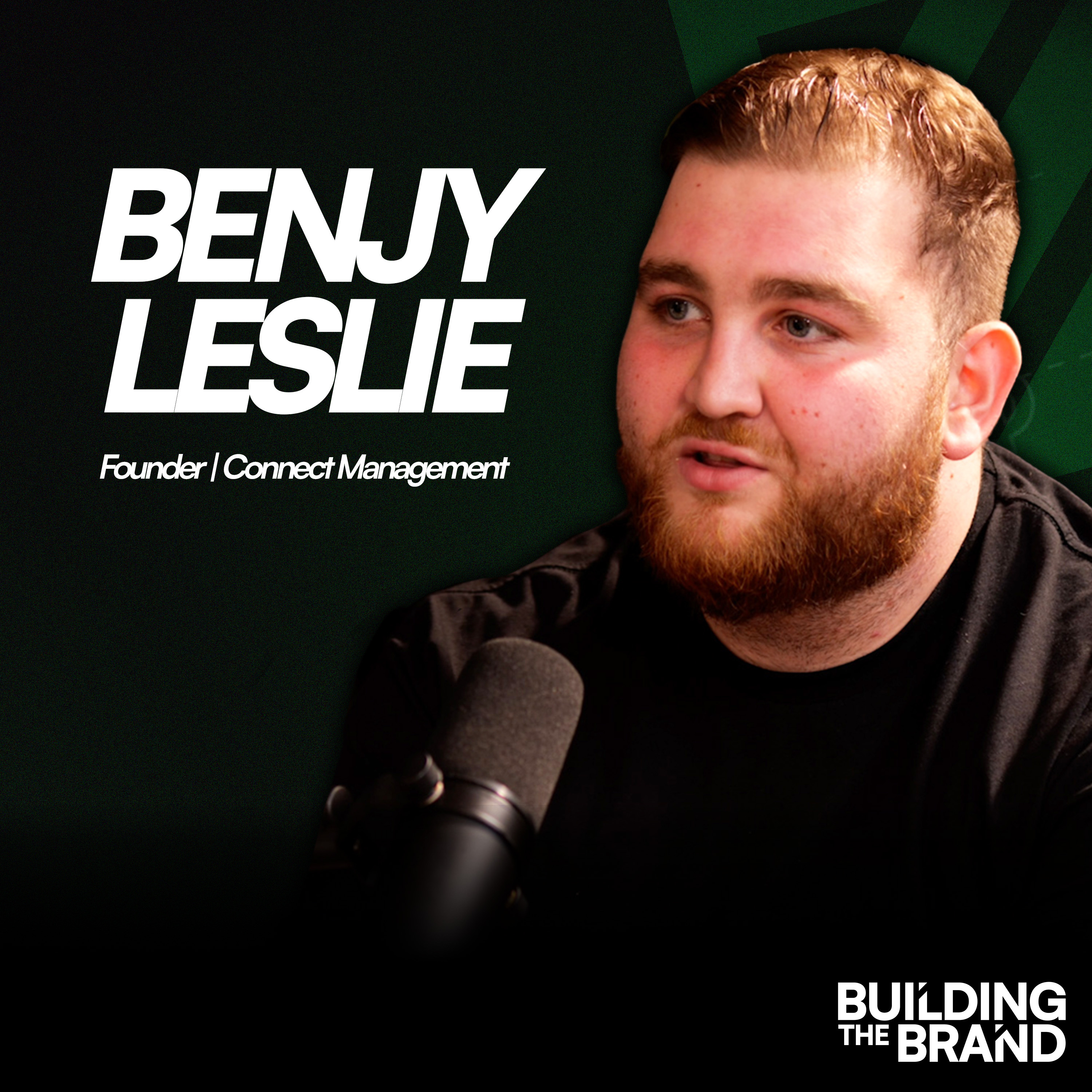
3.3B Views A Month... How Benjy Leslie Built The UK's No.1 Social First Talent Agency In Just 6 Years!
3w ago01:17:00Tap to summarizeCan a 20-year-old with no experience turn one TikTok creator into a £250,000 opportunity and build one of the UK’s most respected social-first talent agencies?Benjy Leslie is the founder and CEO of Connect Management, one of the UK’s leading creator talent management and influencer marketing agencies. In just six years, Connect has grown from a lockdown start-up into a major force in the creator economy, working with social-first talent, YouTubers, TikTok creators, brands, agencies and some of the biggest names in modern media.Want more from Building The Brand - connect here:https://buildingthebrand.co.uk/newsletterConnect with Benjy:https://www.linkedin.com/in/benjy-leslie-837b64144/In this episode, Benjy explains how he made £250,000 from one creator in three months, why social media is “the free lottery” for founders, how Connect Academy generated £1m for micro-creators in its first year, why brands need to move beyond one-off influencer campaigns, and why the future belongs to creators, entrepreneurs and businesses that can build attention, adapt quickly and turn content into long-term brand value.▪️How Benjy Leslie built Connect Management during lockdown▪️Turning one TikTok creator into £250,000 revenue▪️Why energy, belief and naivety can beat experience▪️How creators become salespeople, media brands and business owners▪️How Connect Academy generated £1m for micro-creators▪️Why brands need to move beyond one-off influencer campaigns▪️How YouTube shows are shaping the future of branded content▪️Why social-first creators are changing TV and media▪️Building culture through incentives, rewards and high standards▪️Why founder content drives clients, talent, trust and recruitment▪️Why social media is the free lottery for entrepreneurs▪️Launching Connect Management in America without losing cultureKEY MOMENTS:0:00 — Why social media is the free lottery1:33 — 3.3 billion views and the bedroom start-up story3:43 — Making £250,000 from one TikTok creator5:14 — Naivety, belief and early-stage founder energy6:05 — What Connect Management does for creators7:02 — Connect Academy and the creator pathway10:06 — What makes a creator commercially valuable13:21 — Using data and AI to track creator trends15:05 — Scaling to 60 staff while staying bootstrapped19:51 — PAUSE POINT: Culture as a business growth strategy24:53 — Best boss PR, incentives and sales motivation30:52 — Why brands get influencer marketing wrong31:05 — YouTube shows and the future of branded content33:08 — Why creators need patience and consistency37:57 — Targeted sales, attention and commercial logic40:24 — Why great salespeople listen and move on47:17 — Why TV is not dying, it is evolving49:39 — 360 talent management and creator brands51:30 — PAUSE POINT: Evolution, relevance and content strategy54:41 — Why founders should treat social media as the free lottery58:11 — Recruitment, founder brand and social proof1:00:14 — Launching Connect Management in America1:02:43 — Selling Fletcher Holman to Wolves through social media1:03:59 — PAUSE POINT: Finding million-pound ideas in unexpected places1:06:58 — Scaling without losing company culture1:10:30 — Ronaldo, Haaland and authentic content
Transcribe →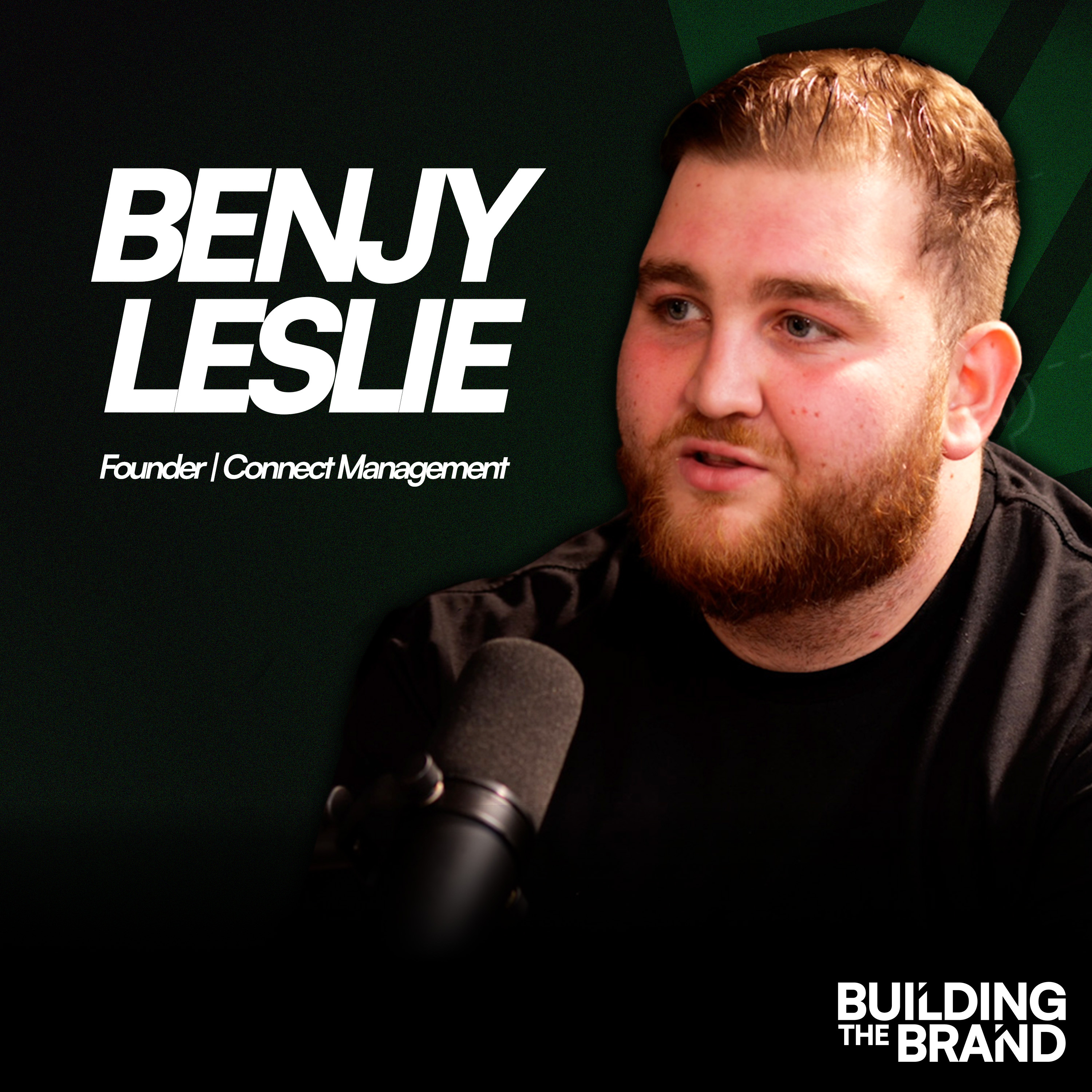
PREVIEW: Benjy Leslie On Building a 3.3B View Creator Agency
3w ago00:01:15Tap to summarizeBenjy Leslie is the founder and CEO of Connect Management which has grown from lockdown start-up into a social-first talent agency representing the biggest names in modern media.LISTEN TO THE FULL EPISODE NOW
Transcribe →YO! Sushi Founder Simon Woodroffe: Prison, Rock ’N’ Roll, Starting At 45 & Building One Of Britain’s Most Iconic Brands
Jul 101:21:17Tap to summarizeCan rebellion, enthusiasm and one strange idea change your entire life?Simon Woodroffe, founder of YO! Sushi, YOTEL and the wider YO! brand, shares the extraordinary journey from boarding school, rebellion, prison, rock and roll stage design and TV rights to launching YO! Sushi at 45 and building one of Britain’s most recognisable modern brands. Watch more episodes: https://www.youtube.com/@buildingthebrandofficialWant more from Building The Brand - connect here:https://buildingthebrand.co.uk/newsletterGet Simon’s book YO! Man:https://yo.co.uk/yoman/▪️Why Simon believes enthusiasm is the trait behind his success▪️Why rebellion can become entrepreneurial fuel▪️Going to prison and how it changed Simon’s life▪️How Simon became a rock and roll stage designer▪️Working around Rod Stewart, Queen, ABBA, Jethro Tull and major live shows▪️Spotting the opportunity in music TV rights before the market existed▪️Why the best founders can be early to a market without being reckless▪️How a lunch meeting sparked the idea for YO! Sushi▪️Why conveyor belt sushi, robots and Japanese culture felt like the future▪️Launching YO! Sushi at 45 with his own money on the line▪️How word of mouth turned YO! Sushi into an iconic British brand▪️The story behind YOTEL and building a brand across multiple verticals▪️Why Simon still believes in YO! Home, YO! Airships and future YO! conceptsKEY MOMENTS:0:00 — The trait behind Simon’s success2:06 — Boarding school, authority and rebellion7:17 — Getting arrested and going to detention12:43 — Working on yourself as a founder16:31 — PAUSE POINT: Work on yourself23:31 — Intensity, enthusiasm and leadership28:32 — Becoming a rock and roll roadie32:06 — Band, brand and live spectacle38:00 — Spotting the music TV rights opportunity43:06 — Being early to new markets45:04 — PAUSE POINT: Early or mistaken?49:24 — The lunch that sparked YO! Sushi52:04 — Researching and believing in the idea55:13 — Gut instinct vs market research56:35 — YO! Home and future living1:02:09 — Opening YO! Sushi to an empty room1:02:50 — The queue that lasted five years1:05:24 — Growing YO! Sushi and YOTEL1:08:26 — PAUSE POINT: Unrelenting enthusiasm1:13:57 — Simon’s advice for entrepreneurs
Transcribe →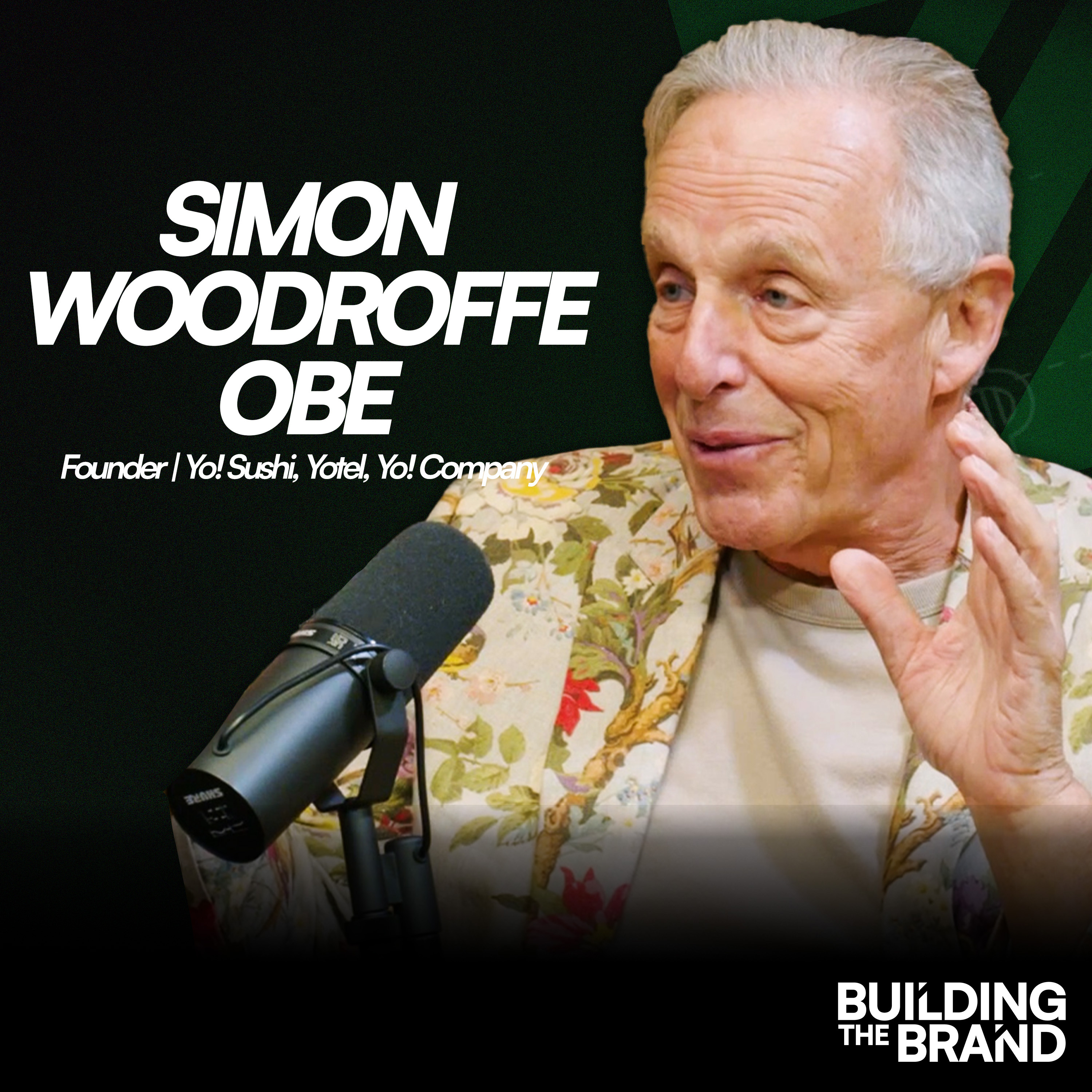
PREVIEW: Yo! Sushi Founder Simon Woodroofe: Prison, Rock N' Roll & Conveyor Belt Sushi
Jul 100:01:06Tap to summarizeSimon Woodroffe, founder of YO! Sushi, YOTEL and the wider YO! brand, shares the extraordinary journey from boarding school, rebellion, prison, rock and roll stage design and TV rights to launching YO! Sushi at 45 and building one of Britain’s most recognisable modern brands. Full episode out now on APPLE | SPOTIFY | AMAZON MUSIC
Transcribe →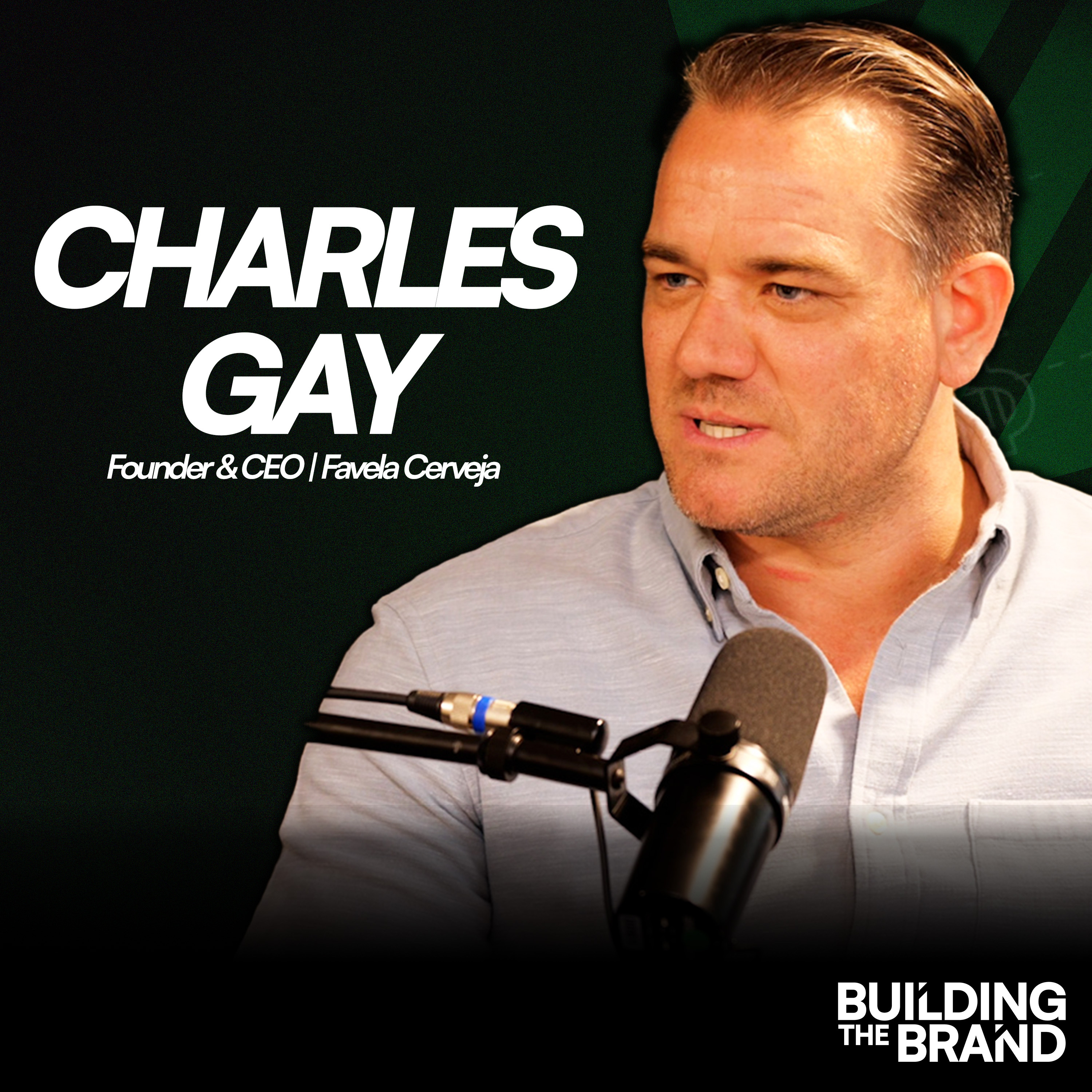
He Lost His Fashion Empire… Then Raised £4M To Build A Brazilian Beer Brand Taking On The Drinks Industry Giants
Jun 2401:06:51Tap to summarizeCan you lose a multi-million-pound fashion business almost overnight… and still come back to build a brand in a completely different industry?Charles Gay is the founder of Favela, the Brazilian-inspired beer brand bringing sunshine, culture, gluten-free lager, hospitality partnerships and premium party energy into the UK and European drinks market.Watch more episodes: https://www.youtube.com/@buildingthebrandofficialWant more from Building The Brand - connect here:https://buildingthebrand.co.uk/newsletterIn this episode of Building The Brand, Charles shares the incredible story of going from fashion entrepreneur and brand creator to launching Favela Cerveja, a Brazilian beer brand built around culture, community, purpose and one very clear gap in the market.But this conversation is not just about beer, hospitality or building an alcohol brand.It is about losing everything, having to shut down a successful fashion business almost overnight, dealing with the pressure of staff, suppliers and cancelled orders, rebuilding from scratch, raising investment, learning a new industry, cold-calling bars, driving beer across Europe himself, and proving that brand-building principles can transfer across completely different markets.He also breaks down the realities of the drinks industry, from brewery partnerships, wholesalers, distributors and hospitality groups through to premium venues, football sponsorship, Ibiza activations, Amazonico, Dubai, Marbella, O Beach Ibiza and the strategic move into aluminium bottles.Connect with Favela:https://www.favelacerveja.com/IN THIS EPISODE:▪️How Charles Gay went from fashion entrepreneur to beer brand founder▪️Why Brazil inspired the creation of Favela Cerveja▪️Spotting the gap for a Brazilian beer brand in the UK drinks market▪️Creating a gluten-free, vegan and purpose-led beer brand▪️The role of brand design, packaging, IP and trademarks▪️How Charles raised his first £1M to launch Favela▪️Why investors backed the founder, the story and the purpose▪️How to build a drinks brand through bars, restaurants and wholesalers▪️Why cold-calling and hand-delivering product still matters▪️How Favela partnered with O Beach Ibiza and Amazonico▪️The strategic importance of aluminium bottles in beer▪️The difference between on-trade, off-trade and supermarket distribution▪️Why the right venue partnerships matter more than being everywhereKEY MOMENTS:0:00 — Charles Gay on raising £1M, Ibiza and building Favela1:05 — From fashion entrepreneur to Brazilian beer brand founder3:15 — Creating a gluten-free, organic, vegan beer concept5:22 — Spotting the gluten-free trend before the market caught up9:25 — PAUSE POINT: Market gaps are easier to see from outside the industry11:37 — Losing the fashion business and saving Favela19:18 — Relaunching Favela and raising the first £1M22:06 — The Favela Foundation and building a purpose-led beer brand23:45 — PAUSE POINT: What survives when a business collapses?26:37 — Rebuilding the brewery, team, marketing and distribution30:05 — Cold-calling bars and hand-delivering beer in Glasgow33:33 — Starting again, swallowing your ego and leaving fashion behind39:15 — Why aluminium bottles are a major opportunity for Favela42:15 — Getting Favela into O Beach Ibiza47:01 — Driving beer through Europe to Ibiza with his dad48:44 — PAUSE POINT: Founder mode means doing whatever it takes52:25 — Amazonico, Dubai, Monaco, Miami and premium global venues56:29 — Why on-trade comes before supermarket retail distribution1:00:15 — The biggest lessons from losing a multi-million-pound business1:03:40 — World Cup activations, Dubai, Spain and Favela’s next stage
Transcribe →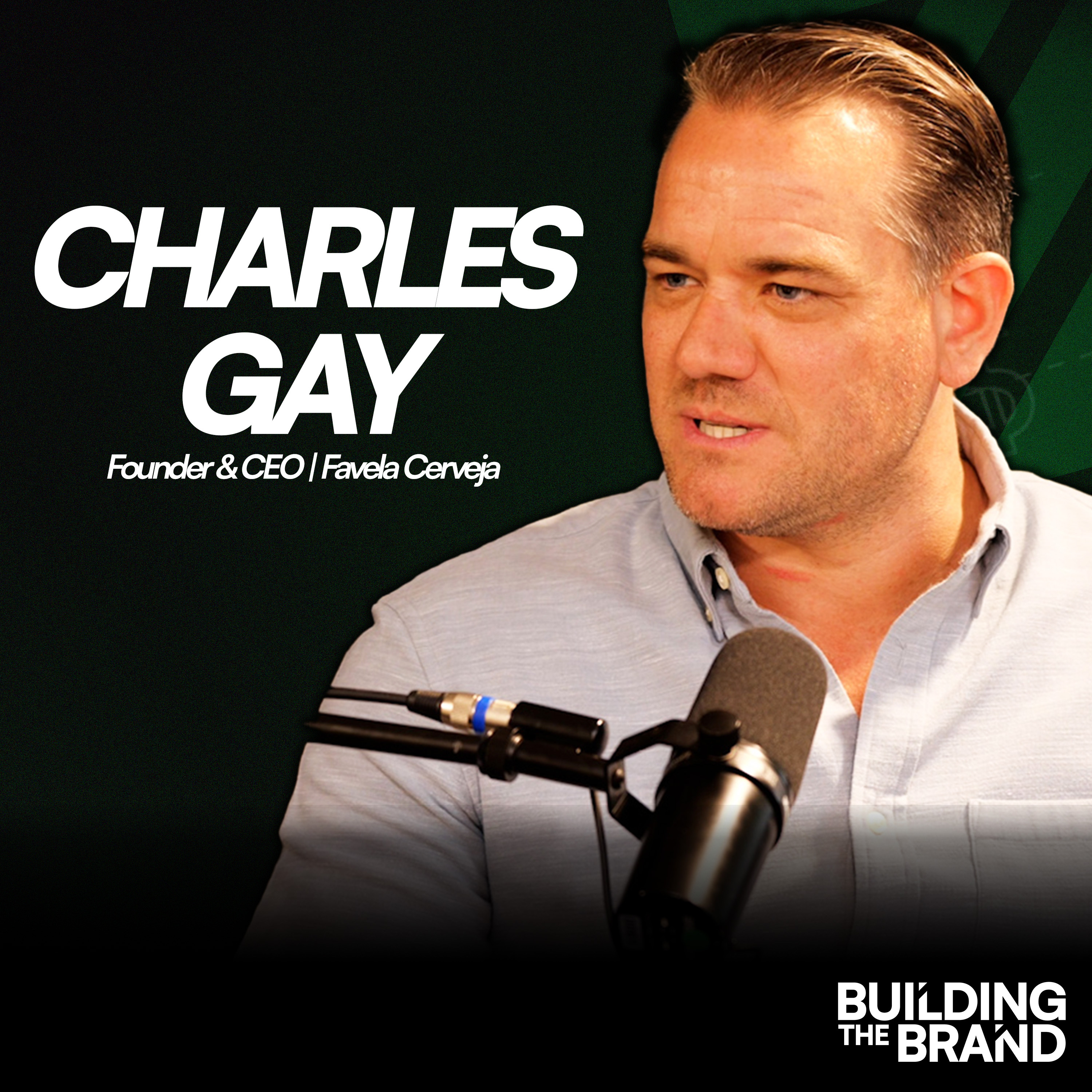
PREVIEW: Can you lose a multi-million-pound fashion business almost overnight… and still come back to build a brand in a completely different industry?
Jun 2400:01:19Tap to summarizeMeet Charles Gay, the entrepreneur who has raised £4M to create Favela Cerveja, the Brazilian beer brand set to take on the drinks industry giants! His journey from multi-million pound fashion mogul to FMCG challenger brand is a wild ride - you'll love this!Get the FULL EPISODE now, on your favourite podcast player
Transcribe →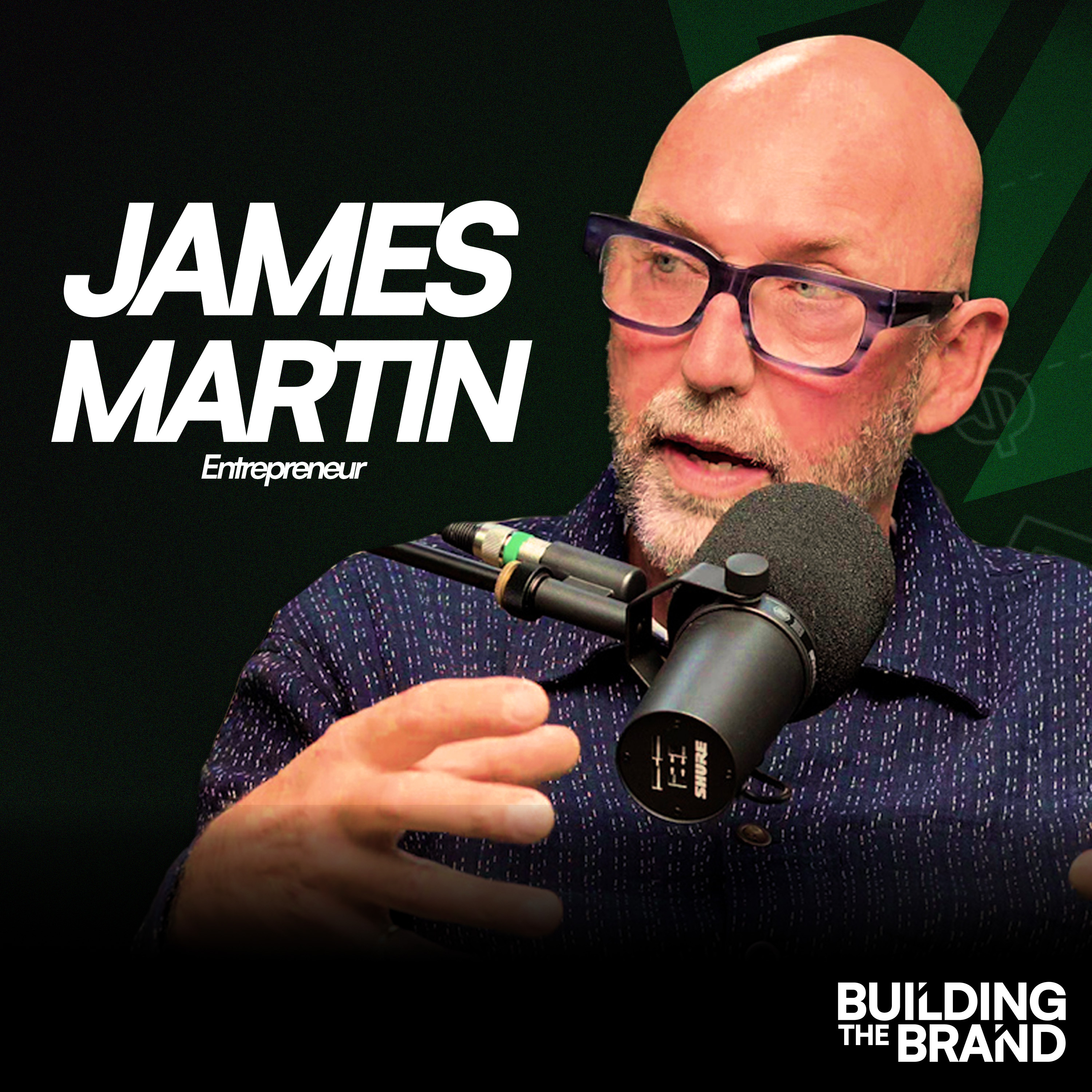
He Got Ripped Off For Millions But Still Built a £50M+ Property & Business Empire - James Martin On Dyslexia, Shame and Making A Fortune
Jun 1701:15:06Tap to summarizeCan you build serious wealth without academic success, qualifications or even being able to properly read a contract?James Martin who is an entrepreneur, investor, mentor and commercial landlord who has amassed a huge net worth through business and property certainly thinks so! Watch more episodes: https://www.youtube.com/@buildingthebrandofficialWant more from Building The Brand - connect here: https://buildingthebrand.co.uk/newsletterIn this episode of Building The Brand, James shares the brutally honest story of growing up with severe dyslexia, leaving school at 14 with no qualifications, turning rejection into opportunity, building his first business before the age of 18, selling and buying back that company, moving into land, planning and commercial property, and eventually building a multi-million-pound property portfolio.James explains how dyslexia shaped the way he thinks, why he built teams around him from a young age, how a trusted business partner ripped him off for millions, what that taught him about contracts, partnerships and control, and why founders need to understand the rooms they are operating in before the stakes get too high.He also shares how he built Ruskins from cutting grass and hanging baskets into a serious commercial business, how he sold it, bought it back for a fraction of the price, then sold it again, before moving into planning, land acquisition, wedding venues, commercial estates, container storage and business mentoring.Connect with the brilliant James Martin on Instagram https://www.instagram.com/jamesmartinentrepreneur/IN THIS EPISODE: ▪️Growing up with severe dyslexia and the shame of not being able to read properly▪️Leaving school at 14 with no qualifications ▪️Why James hired a PA at 18 and built his business around his weaknesses ▪️Turning rejection from drama school into his first real client▪️Building a landscaping and tree surgery company before the age of 20▪️Winning pub, brewery, council, MOD and commercial contracts▪️Selling Ruskins, buying it back, then selling it again ▪️Why being good at a business does not mean you should stay in it ▪️How James moved from trading businesses into land, planning and property ▪️Getting ripped off for millions by a trusted partner▪️The importance of shareholder agreements, contracts and exit clauses ▪️Why commercial property became James’s favourite business model ▪️How he uses delegation, management and expert operators across multiple businesses ▪️The mindset shift required to go from £2M turnover to the next levelKEY MOMENTS:0:00 — James on shame, scars, trust and being ripped off for millions1:00 — Why the positive should be primary2:14 — Growing up severely dyslexic3:34 — School, shame and becoming the “cheeky chappie”8:38 — Trusting solicitors, PAs and people around him9:30 — PAUSE POINT: Build around your weaknesses12:41 — The business partner who ripped him off for millions15:10 — Leaving school at 14 with no qualifications18:32 — How drama school became his first client20:01 — PAUSE POINT: Rejection can become market research21:36 — Winning 35 pubs before the age of 1823:20 — Building Ruskins and growing into tree surgery31:07 — Breaking into council and commercial contracts34:39 — Brokering international rights and licensing deals36:39 — Selling Ruskins for the first time42:00 — Buying the business back from receivers46:39 — PAUSE POINT: Does the business still fit the life you want?49:39 — Moving into land, planning and development51:39 — Why contracts and partnership agreements matters when millions are involved59:28 — Why James loves commercial property1:01:00 — Delegation, management and expert operators1:04:54 — Baby steps, risk and learning before diving in1:08:02 — Why James created the Baddow Park Mastermind1:10:34 — Helping entrepreneurs think bigger1:11:57 — James’s ambition: buying property until the day he dies
Transcribe →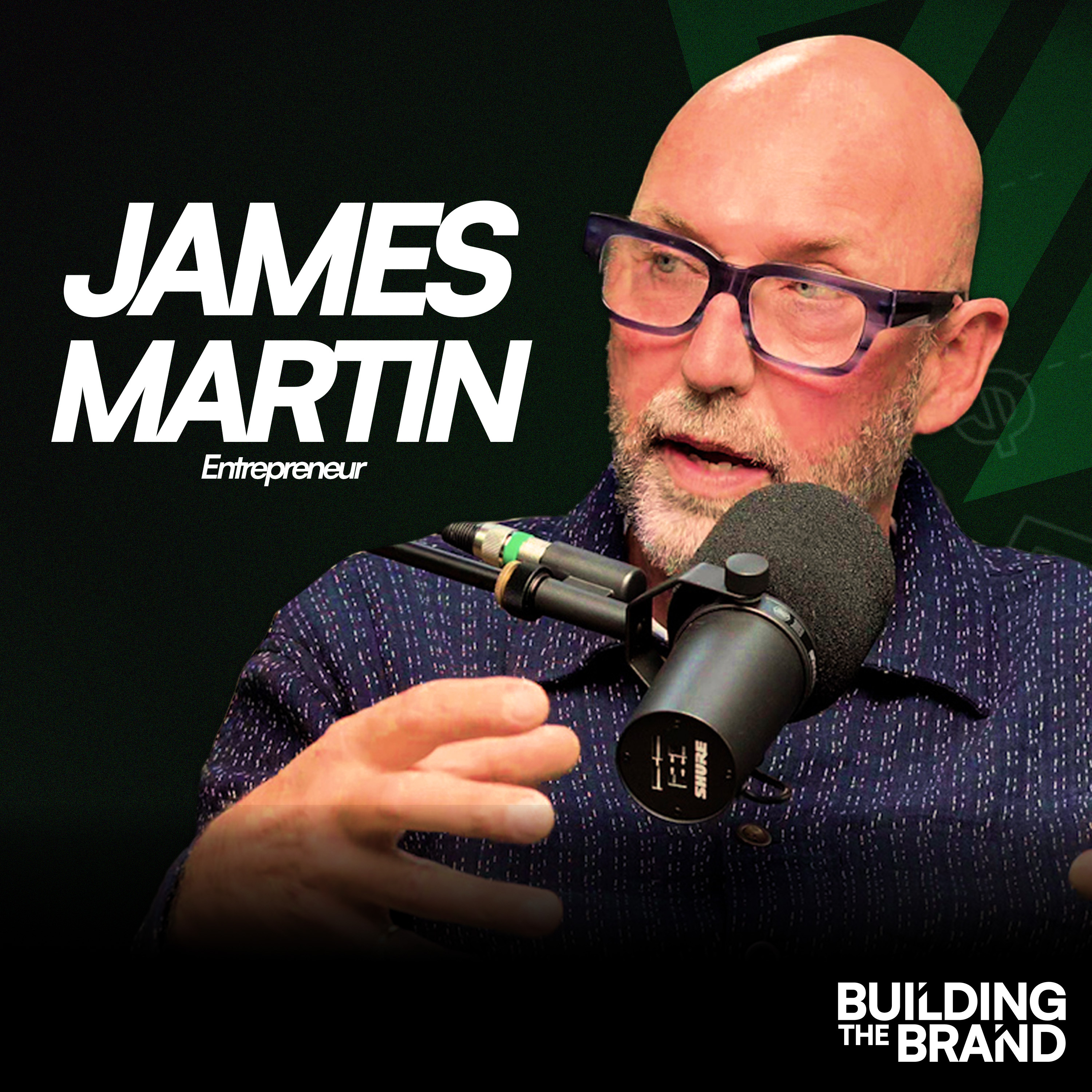
PREVIEW: How Do You Build a £50M Business & Property Empire... James Martin Reveals All
Jun 1700:01:12Tap to summarizeIf you love this short clip, you will LOVE the full episode where James Martin shares how he went from leaving school at 14 and being unable to read contracts, got ripped off for millions, bought back the business he sold, and built a £50M+ property empire from lessons that nearly broke him.FULL EPISODE OUT NOW ON YOUR FAVOURITE PODCAST PLAYER
Transcribe →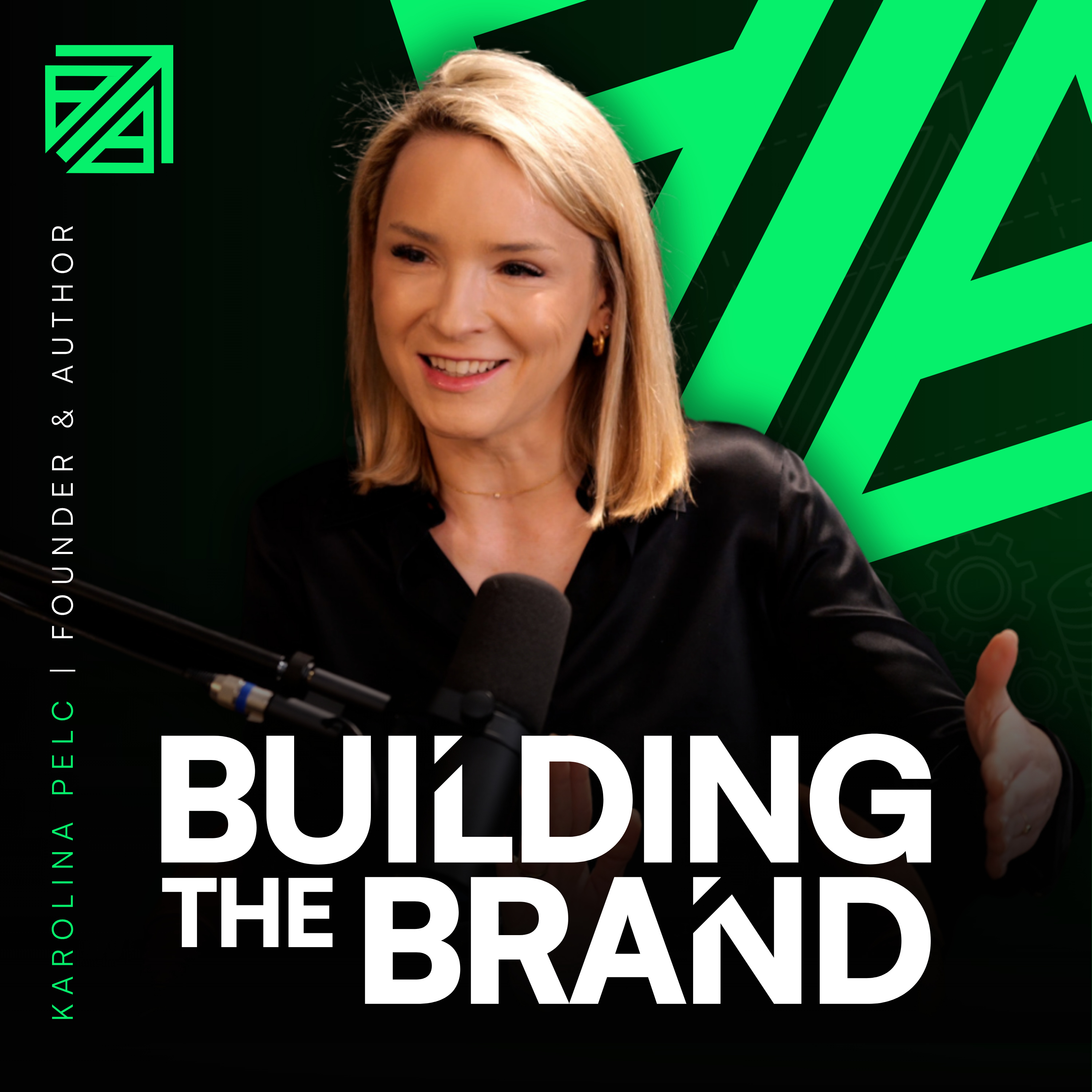
Built & Sold A Multi-Million Tech Startup In Just 3 Years: Karolina Pelc Made A Fortune Without Luck!
Jun 1001:26:57Tap to summarizeCan you start at the bottom of an industry, back yourself before anyone else does, raise millions, build a fast-growth startup and sell it within three years?FOR THE FULL STORY GET KAROLINA’S NO.1 BEST SELLING BOOK ‘HER PLAY’ Karolina Pelc is an entrepreneur, investor, advisor, author and the founder of BeyondPlay, the iGaming startup she launched in 2021, raised £6.1 million for, and sold to FanDuel within just three years.Want more BTB goodness!? Connect Here: https://buildingthebrand.co.uk/newsletterKarolina’s journey started far from the world of startup exits, venture capital and acquisition deals. At 19, she trained as a casino dealer in Poland, worked in tough casino environments, moved to London, lived in difficult conditions, worked on cruise ships, and eventually fought her way into the online gaming industry from the very bottom of the career ladder.In this episode of Building The Brand, Karolina breaks down how she turned lived experience in real-world casinos into a powerful insight about the future of online gaming. She explains how she raised £1.2 million from a pitch deck, built BeyondPlay through the pandemic, scaled the team to 50 people, navigated product pivots, licensing complexity, investor pressure, founder burnout and eventually sold the company to FanDuel.She also shares why she does not believe in luck, why starting again can be a strategic move, why founders cannot make everyone like them, and why hustle only works when it is intentional.Karolina shares:▪️ Why she does not believe luck created her success▪️ Why she was willing to start again in a junior role▪️ How real-world casino experience shaped the idea for BeyondPlay▪️ Raising £1.2 million from a deck during the pandemic▪️ Why approval cannot be the operating system for founders▪️ Selling BeyondPlay to FanDuel within three years▪️ What really happens during a fast acquisition processFind out more about Karolina Pelc here:https://karolinapelc.com/Key Moments:0:00 — Karolina Pelc on quitting, growth, pressure and selling BeyondPlay1:07 — Why Karolina does not believe in luck3:16 — Starting, funding and selling BeyondPlay within three years6:57 — The brutal training process to become a dealer8:00 — Her first major casino customer and early resilience12:19 — Arriving in London and the reality of starting again17:35 — Homelessness and learning the hard way21:20 — Reality distortion filter, belief and ambitious goals24:05 — Understanding the different levels of the casino world30:47 — Moving from casinos and cruise ships into online gaming34:35 — The idea that eventually became BeyondPlay37:21 — Raising £1.2 million during the pandemic44:18 — What BeyondPlay actually built50:33 — Regulation, licensing and startup complexity52:21 — The risky second product that changed the company57:00 — Founder mode and transparent leadership59:00 — Why CEOs cannot have everyone agree with them1:00:12 — Work-life balance, values and startup reality1:06:40 — People pleasing, burnout and founder pressure1:09:30 — Building BeyondPlay with an exit in mind1:11:13 — Selling the company in two months1:14:54 — What the day of signing the deal actually felt like1:17:13 — Leaving the company after acquisition1:19:49 — Achievement addiction, writing the book and what comes next1:24:14 — Who Karolina wrote the book for
Transcribe →