← Bulwark Takes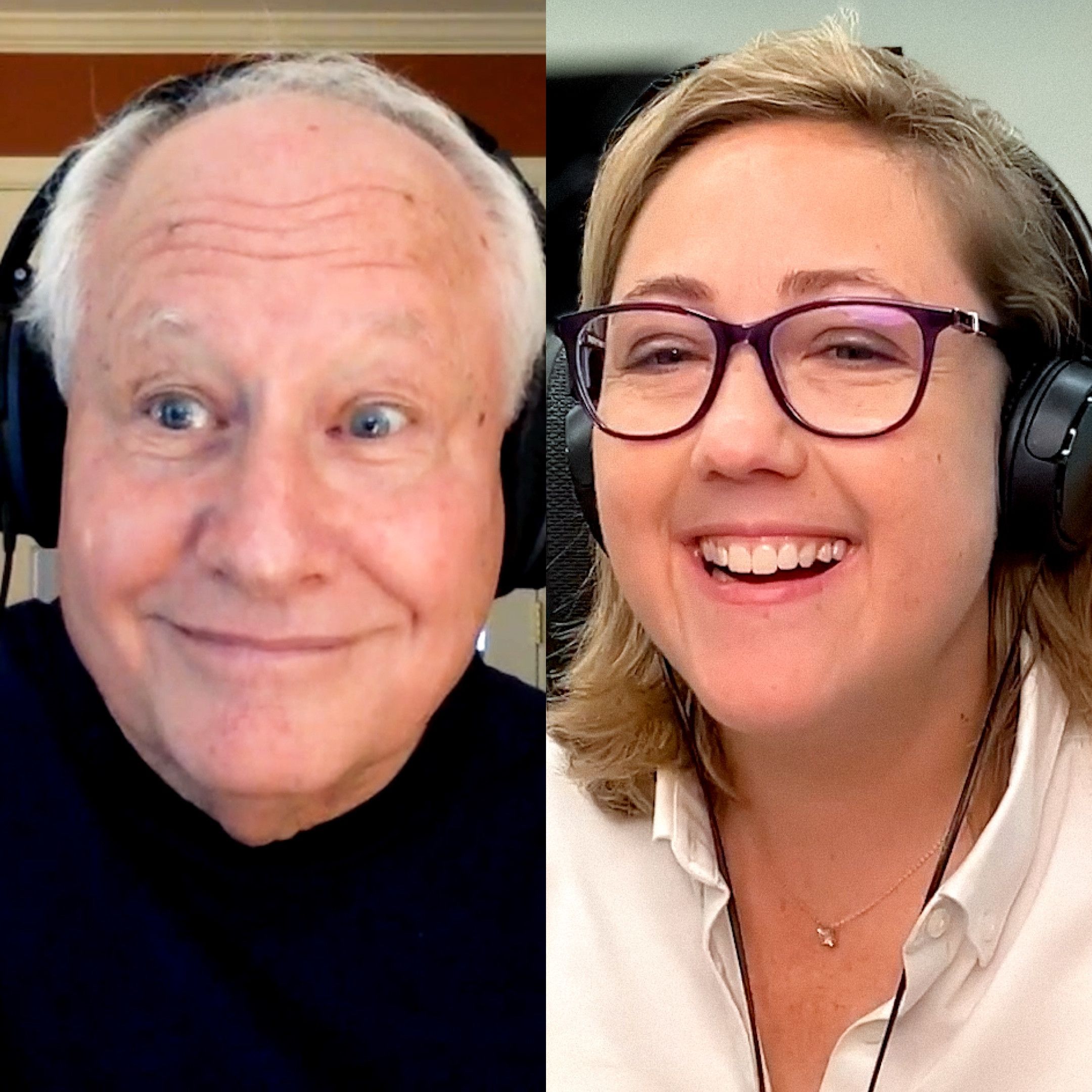
Loading summary
Transcript32 lines
- [00:00]
A
When you think about businesses that are selling through the roof, Allbirds or skims, sure you think about a great product, a cool brand and brilliant marketing. But an often overlooked secret is actually the businesses behind the business making selling and for the shoppers buying simple. For millions of businesses, that business is Shopify. Nobody does selling better than Shopify. Home of the number one checkout on the planet. And the not so secret secret with shop pay that boosts conversions up to 50%, meaning way less carts going abandoned and way more sales going. So if you're into growing your business, your commerce platform better be ready to sell wherever your customers are scrolling or strolling on the web, in your store, in their feed and everywhere in between. Businesses that sell more sell on Shopify. Upgrade your business and get the same checkout skims uses. Sign up for your $1 per month trial period at shopify.com audioboom all lowercase go to shopify.com audioboom to upgrade your selling today. Shopify.com audioboom Time is precious and so are our pets. So time with our pets is extra precious.
- [01:15]
B
That's why we started Dutch.
- [01:17]
A
Dutch provides 24,7 access to licensed vets with unlimited virtual visits and follow ups for up to five pets.
- [01:23]
B
You can message a vet at any.
- [01:26]
A
Schedule, a video visit the same day. Our vets can even prescribe medication for many ailments and shipping is always free. With Dutch, you'll get more time with your pets and year round peace of mind when it comes to their vet care.
- [01:40]
B
Thanks for joining us on Bull Work on Sunday. I'm Bill Kristol. I'm here with Sarah Longwell and we're going to discuss the no Kings attempts we attended yesterday and the broader net, what happened nationally and what it might signify for the future. So, Sarah, you went to no Kings.
- [01:57]
C
I did. Although I did not go. I'm just putting my do not disturb on. I didn't go to the one downtown where it was huge because I wanted the kids to be able to go. And so we were part of, I think the, the sort of older cohort that lined Connecticut Avenue. And it was so great. You know, it was a lot of the, this was really about honking. This was like you hold the signs and the, the cars that are coming in and out of D.C. are honking at you. But you know, it's funny to do it and then to sort of read all the discourse about it because one of the things is that, you know, prior to the event, this was going to be Hamas, this, these were terrorists. And of course it was just 7 million concerned citizens. And so the critiques in the wake of it are sort of like, oh, look at all these white boomers. And, and, and so to me it is funny how they tried to amp it up like it was going to be this, you know, all these radical left. And now they're trying to make fun of it because it is as it was always going to be, a bunch of peaceful Americans who just wanted to come out and like where I was, it definitely was an older crowd. I doubt that's true of absolutely everywhere. Although even if it is, I don't know. These are the people who vote, guys. These are your reliable, consistent voters. And it was so funny. I saw tons of American flags. I had. There were the. There was a group of people next to me singing the Battle Hymn of the Republic. And I just, it. I tweeted about it because it was so in such stark contrast to the way that Mike Johnson and the Republican leaders had been trying to portray this for weeks as a hate America rally. There was nothing hateful about it. And in fact, I haven't even seen for 7 million people to turn out in cities all over the country, unless I'm missing it, I haven't seen evidence of big confrontations, of anything violent, of anything on fire. Like this was about as peaceful as it gets to the point where they've got this, they've sort of got nothing but lame. Oh, it was old white people. Like, that's it, that's what they got. I don't know. What was your experience like?
- [04:23]
B
No, it was fun. I mean it was very uplift, honestly, kind of inspiring. I've got to say. It was fun, it was joyous. There were a lot of two and three generation families there, so it was a little old as you'd expect. Other people, people with kids who are. There were a lot of like people your age who were about to take the kids to a baseball game but stopped for 20 minutes. One thing I really liked about so a couple of things, the attack on it all by Mike Johnson, the insane, you know, they're terrorists, they're antifa thing. The local organizer here said that signups, you didn't have to sign up obviously to go, but they asked you to get a sense of it. Signups doubled in the last week. And I said, well, what's the normal thing? He says, normally we get an additional maybe 20% in the last week, but I do think there was a reaction against this and people who might not have bothered to Come just wanted to show. No, goddammit, we're exercising our First Amendment right and we're defending the constit and we're not going to be deterred or we don't want to. We don't want to knock. Are not coming to be interpreted as somehow signing on to the kind of Mike Johnson, you know, smear. So I think it really helped actually. That's the one thing I liked about ours, the big ones. If you. For people who watched on TV or in big cities, you know, there were stages and speeches. Ours, they went out of their way. They could have been little. There's a little kind of, what would you call it, gazebo, I guess, in this little park in the center of McLean, which is near the local library. About 750,000 people there, I'd say, which was about three or four times more than in June. But anyway, so it was a. It was a big crowd for us and mostly holding the signs and honking at the intersection of two pretty big roads out here in Northern Virginia. But they could have arranged for speeches. I mean, it's sort of set up for that a little bit and other events I've been to have had that they didn't. It was entirely, you know, party atmosphere and not a speech atmosphere, which I thought was smart. And I asked someone, one of the organizers, and she said that, you know, apart from the big cities where you sort of have some member of Congress or governor, you sort of have to do the speeches, that the almost 99% of the. Of the others were more like this. And so I do think there was a real sense of participation, equality, if you want to say, among everyone, you know, I mean, it was Barbara Comstock, the former Republican congresswoman for our district who's never. Trumper was there and she didn't, you know, she mixed and mingled. We all just talked with each other and, and I, I, we. We've lived here a long time, so we knew. We know between Susan and me, we knew a fair number of people, you know, casually former, you know, someone we hadn't seen in 20 years who was in the PGA with our kids, you know, we're in school and so forth. So it had that nice effect. The only other thing I'll say, and I'm curious whether you found this too, is in talking to people. A lot of people do have the bull work and watched us and read us and so forth. And they were pretty and so that. So we had brief discussions often they were pretty sober. I mean, there wasn't. I'D say it was both a joyous atmosphere, but not a happy talk kind of everything's. Everything's great. We've done this, and now it's just the whole threat goes away. I mean, there's a real sense of what happens next. Do you think, Bill? And how worried are you about ice? How worried are you about the National Guard? What do you think about what's happening with the resignation of the ad? Well, I mean, I was struck by. Now, this is a pretty political area in Northern Virginia, and I'm not saying it would be this way everywhere, but I was struck by the sense of urgency, really, and sobriety as well as good naturedness of the people.
- [07:35]
C
Yeah, I mean, I gotta say, it was. It wasn't. You're right. That there's something to tease apart from joyous, but that also not light. Like everybody is out there understands the seriousness of it. And I think that the. The part of it that is. That feels good to people. Right. Is being in community with other people who say, I see the threat as seriously as you do. And to me, the reason that I think it resonates as a bulwark type feeling is that community piece. Right. I always tell people when they talk about the bulwark and they say, wow, your audience has gotten so big. And I say, yeah, we've got an audience, but more importantly, we've got a community. And it's stickier and it's people who, they talk to us, they also talk to each other. They. They follow the way that we interact. And I think that that was a big piece of this. Like, these were a lot of people who were neighbors. I saw a lot of our neighbors there, but it felt like the kind of thing where I could bring our kids and our kids could sort of see civic participation. And people like my kids were really into the fact that people were honking and, you know, but at the same time, it, it. I don't know that anybody was mistaken about the severity of it. Like, what was driving people out there is a sense of, I just want to show up to show that I'm not okay with this and be around a lot of other people who also feel like they're not okay with this. And I wanted to ask you, Bill, because I. I gotta say, you know, when I'm out there, it's not. It's not uncomfortable exactly. It's just. It is new. I would say, like, especially one of the reasons that you get a lot of people who are in their 60s and set or 70s, really is that they'll tell you, like, we, we've, we protested during Vietnam. Like, we know how to protest. And I was like, I have not grown up protesting. It was not a thing you do on the right. It's not culturally, I mean, because David French used to say this, like, when do we want it? In due course. Like, you know, like, there's something about conservatism that never lent itself to sort of being in the streets. And also, we just didn't live, I think I had not lived through a time like this. I maybe gone to like one pride type thing back in the day, but so I hadn't, I haven't been in this experience a lot of protesting. But did, did it feel, what did it feel like? I mean, have you protested before?
- [10:11]
B
No.
- [10:11]
C
I mean, how many protests is this for you?
- [10:14]
B
Not many. And I also have the feeling, yeah, being on the right was sort of slightly. Well, most the right controlled a lot of things in the key years, Reagan and Bush and then, you know, second Bush. Several people there yesterday said to me, God, I haven't been in a big protest like this since the Iraq war. When I was protesting you, you know.
- [10:32]
C
They said to me, I think they.
- [10:34]
B
Were mostly laughing about that. But, you know, and so, but I would say if you think back to those, I remember those anti Reagan nuclear protests, which were huge and in the, in the 80s, and of course they go back to real civil rights and Vietnam. Those were, I don't say this critically at all. People were angry. I mean, those were more angry. I mean, more, more sense of, I mean, Vietnam people were dying obviously in big numbers. Civil rights, the unbelievable injustice and then the assault on those people. This combined, and this is maybe because it was less about a particular issue that you're asking stop the war or pass the civil rights legislation, but more of a general statement of protest against Trump and what he's doing and showing that he doesn't have the whole country with him. In an odd way, it, both, it was, it was energized and it was. People were serious, as we were saying, and intense at times about it, but also they felt they could be good humored and stuff. I don't remember the good humored side of it in most protests, and I do think that was very smart. And I give the organizers a huge amount of credit both for insisting on peaceful behavior on training, I think 250,000 people to be these local marshals. So we had a couple of people, ours was very peaceful. There were a couple of Fairfax county policemen who Were kind of hanging around chatting with people. People were seeing neighbors. Neighbors that was really in the mood. But there were a couple of marshals, I guess you'd say, whatever the term would be. The people with vests, you know, who had been through these training sessions and were there just in case. And I really give them a lot of credit for not just organizing both protests. 2700, I think that attracted 7 million people. But keeping them insisting on the message being peacefulness and pro American and really some wonderful signs. And then embracing when the inflatables show up and the. In Portland and people are, you know, the ice is shooting, you know, pepper bullets at them or something saying let's all go dressed as. I know a woman who lives near here. Wasn't the same. Wasn't here in Northern Virginia, but wasn't at my. In McLean. Who I. Someone you're a little. Well, between our ages, I guess. Serious person, served in diplomacy. I mean she ordered. I didn't know this until today. I saw her online. She had ordered like a frog suit or maybe one of those things, you know, unicorn or something. Like two weeks ago that would have been the last. Not the first person I would have thought to have done this and had a good time going with that. A kid. And was going to double. Was going to reuse it for Halloween. That was a justification for spending, you know, spending the money on it, I think.
- [13:03]
A
But.
- [13:03]
B
So it wasn't unusual. I think this was really unusual. It doesn't. It didn't remind me actually I would say of Vietnam or civil rights or Iraq. And that in that respect the willingness to embrace the humor while being very serious at the same time.
- [13:17]
C
Yeah. And this is where I got to say, just having kids, I always have a little bit of a weird feeling about kids in these contexts. Both. Both sort of projecting one's own politics on to children and also just safety. Right. Like what are our kids gonna see here? Is it gonna be safe? But because this felt as close to a neighborhood block party as I could imagine. Like our biggest thing was like keeping the kids from. Because the cars are coming up and down, you know, is sort of keeping the kids off the street and. But I did feel totally safe. I didn't feel. And safe. Not just from people who might. Because this is the other piece for all of Mike Johnson's and the Republicans efforts to brand it as terrorists and. And far left radicals. I guess I thought maybe that was a call to Republicans to come out there and be in the streets. But there really was almost a Like, we're gonna let. These guys are gonna have their day and, you know, we're gonna mock them for not watching football. But also there. There wasn't a lot of confrontations or. And it didn't have that overhang of this could be a little dangerous. This could be kind of fraught. I felt totally fine, you know, being out there, like with families or a lot of families where we were.
- [14:48]
B
Same. Yeah, same here. I did see one thing online this morning was kind of some. I don't remember her name. Some. She's a maggot influencer type. I think her last name. Maybe Savage or maybe that's her, you know, her stage name, so to speak. But she showed up at the protest and I think it was at the Doe Kings. I don't know calling it a protest, but the rally, let's say, which I think really felt more like a rally than a protest in a funny way, right? Yeah, a little both, I guess. At the rally in. I think it was Atlanta, maybe wearing a MAGA Make America Great Again hat. And I think maybe even. I don't know if she had a sign. But anyway, making clear that she was on. On that side. And she was clearly very disappointed from her post that everyone just basically ignored her. Yes, there was no. No one went up to her and said, how can you do this? No one was. Was, you know, upset or annoyed. Get out of here. This is our protest. It was like, okay, you're an American. You can sit there with that hat. And. And she. I can't remember exactly what she posted, but it was clear that she was. She had hoped to provoke something and had her, you know, her phone ready for the. To become famous on the Internet as the persecuted Trump supporter at a. At a no Kings rally. And it didn't. And the rally goers did not rise to that bait.
- [15:54]
C
Yeah, just a few other points just randomly on some of this one is I said at the top, you know, on the discourse today, it's a very like, wow, they're all old and white. But that is also not true. Like they are selecting. I mean, I'm sure, I think that is true that those people were there and that that was. There was a good showing. But where. Even where I was, which I think lent itself to that demographic was also very diverse and filled with families. And I think that the attempt to dismiss what this was. Is. Has always betrayed. And the fact that they tried to frame it up front as something really negative. Hate America shows that they are afraid that people have figured something out. And I would say it is the fact that a. Take no bait from the MAGA types, give them no excuses, do not buy into any of the pretexts. You use humor. Which is why I think people put a lot of effort into making signs that were, I mean I've seen a couple people try to make a big deal out of a mean sign or two, but most of them were funny and, and light, not light hearted but like they were cheeky and, and so. And then the other piece of criticism I see that is an interesting one that I wanted to ask you about is this idea that the framing of no king. Right that, that idea that it. We call it the no Kings rally or it's called the no Kings rally. That, that that's absurd because Donald Trump was elected. There's nothing about him that's a king. What do you think about the framing of calling it no kings? Sort of as a communications matter, when.
- [17:44]
A
You think about businesses that are selling through the roof Allbirds or Skims, sure you think about a great product, a cool brand and brilliant marketing. But an often overlooked secret is actually the businesses behind the business making selling and for the shoppers, buying simple. For millions of businesses, that business is Shopify. Nobody does selling better than Shopify, home of the number one checkout on the planet. And the not so secret secret with shop pay that boosts conversions up to 50% meaning way less carts going abandoned and way more sales going. So if you're into growing your business, your commerce platform better be ready to sell wherever your custom customers are scrolling or strolling on the web, in your store, in their feed and everywhere in between. Businesses that sell more sell on Shopify, upgrade your business and get the same checkout Skims uses. Sign up for your $1 per month trial period at shopify.com audioboom all lowercase. Go to shopify.com audioboom to upgrade your selling today. Shopify.com audio audioboom.
- [18:55]
B
You know, I wasn't sure I didn't think that much about it, honestly. You have to give it a nice shorthand slogan and that is one. But I think it relates to the 250th anniversary of the declaration and there's been a lot of it allowed people to repeat some of the grievances in the declaration which do apply uncannily well to Trump and to kind of, you know, vague vaguely. I know what's the word is, you know, associate themselves with the spirit of the revolution and the Boston Tea Party and all that Paul Revere's Right. So I think that's fine. And I mean, yeah, it's a little literal, mind you. Oh yeah, he's not a king. Well, but then of course, Trump embraced it, didn't he, yesterday with those photos of him wearing the crown and then that really ghastly kind of AI thing with him in the plane. I mean, so, no, I think it was fine, actually. And look, in a funny way, you know this, you're a real communications professional. Something that's a little, what am I going to say? Off center, non obvious, a little eccentric as a slogan is often better. Right? It gets people to ask a question. Well, wait, he's not a king. Oh, is he not a king? Look at how he's behaving. Isn't the essence of America that as Thomas Paine said, the law is king and everyone's below follows the law and is his behavior not. Isn't it more like a king? And so provoking that discussion. Of course he's not literally a king. But provoking that discussion in a way I think is. I'm not sure they intended this, but I think ended up being good, actually. Then the more standard, I don't know, you know, preserving democracy or defending the rule of law or even no tyrants, I mean, I think which would have been felt maybe a little. No king's a little funny almost. Don't you think? Think a little, as you said, cheeky kind of, you know, it's, I don't know, a little historical in its resonance. I do think that was important. I think very. Lots of people had pictures of the Constitution, the Declaration, there was that giant Constitution, I guess they paraded down Pennsylvania avenue in, in D.C. lots of quotations from them and from Thomas Paine and Jefferson and Madison. I think that helped very much convey the true spirit, which was, we are the patriotic Americans here. This is not like some, you know, we decide, you know, we decided in 2021 that this is what we believe. I mean, this is what we are, the ones in the American mainstream. And Trump is not. And I think no kings is pretty good at conveying that.
- [21:01]
C
I agree with that. There, there's this, there's this little part of me, the communicator inside me that's like, well, you know, what people are really mad about is high prices. And so shouldn't we call it a We can't afford this rally? You know, there is a part of me that's that, oh is like there are more people who are mad about how much everything costs. And the fact that he's not focused on that, and that's how you bring in other people. On the other hand, I was struck by how many. Like, so the sign my. One of my kids made was, since when did we have kings? And then he was like, 1776. And then it said something like, well, apparently now or something. But like, he. It was his sign. He made it up himself. And it led us to talk about. So, like, he knew the date 1776. Like, it. And it does provoke a conversation around what it is that America does. And I think that that has the drawbacks, in some ways, of it getting a little heady and above the concerns of maybe like a big part of the coalition that's mad at Trump because he's not doing anything to make anything cheaper and whatever. On the other hand, it provokes, as people are explaining it, a sense of like, this is. Let me talk about what America's about. And so I think that there's room for other things. I think it wouldn't be crazy to have sort of like a sub thing where people are really focused on some of the economic concerns. Like, the thing about the Tea Party, in part that worked is it hit directly into people's economic anxiety about being taxed, about the national debt. I obviously, years later, know that it was about. I think it was about quite different things. But I think people should take the opportunity, I think, to just maybe. I think. Here's what I liked about it, because, look, I want to be clear about this. I think that what they are doing is building an ongoing infrastructure. Like, the people who are like, what's the point of this? What did you guys accomplish? Well, they are starting a mass mobilization effort, and each time they are building a bigger group of people who are willing to be mass mobilized in the face of what Donald Trump is doing. That is an enormously impactful thing to do and has a real opportunity going forward to be meaningful. And I do think that if each iteration of no Kings can think about how you widen that aperture even further to bring in people whose concerns might not be how the Supreme Court is or how Donald Trump is impacting the Constitution, but the fact that he's not lowering prices, that he's not lowering the debt, that he is working with the dictators across the world. Like, I just. I think we can, but I just think that it was such a good. These have been such good first steps. They do emphasize peace. They get people out, they give people something to do, which is the number one thing we get asked. It's just Sort of like, what can I do? And I think people are desperate to do something and it feels like that going out there and being with people is something.
- [24:20]
B
And I felt like, you know, the government shutdown is basically about health care and politicians do talk a lot about kitchen table issues, as they probably should. So I feel like sort of division of labor, you know, let the mass mobilization, you know, kings and let them do the, do that stuff. I mean, the Tea Party you mentioned, I really thought about it until you said it. But of course the Tea Party did very cleverly take a slogan like no kings. Right. I mean, it didn't call itself the anti Obama, you know, or we hate the, we hate the bailouts. They call themselves the Tea Party to try to evoke the 1775 kind of feeling. I, I, let's, let me ask you about going forward because I think it's so I, I said yesterday on our, on the live stream, we did that. I'm not sure this is right. So I want you to tell me, I mean, that I thought the scale of it was big enough that it might break through the, Someone said maybe JVL is sort of being, of course, a little bit, a little bit of a downer, you know, so he had to say that. Well, but isn't it, you know, we correctly said, isn't it mostly our people talking to each other or how worried should we be about that, so to speak, anti Trump people? And obviously to come there, you were probably already anti Trump. So yes, in some ways it's a mobilization of 7 million people, most of 90% of whom already agreed with each other. And we're just not just, we're reassuring each other. We're showing strength, which is, believe me, not nothing obviously in politics. Actually, weirdly, Trump understands that, right? With his rallies and with, you know, maga, MAGA actually understands this in a way better than a lot of our friendly liberal establishment types. We're like, what are they doing? That's kind of we need to focus on making, writing another amicus brief or something for a court case, you know, but I also think the scale of it is so great that people are going to know people who went to one of these rallies. That is, I mean, I, you know, it's one thing to have 200,000 people in Washington or 300,000 in New York. 95% of America isn't going to know. Maybe the Women's March, with the exception even there, how many people really knew someone who would come to Washington for that? Here I've got To think, you know, I certainly be true here. People may not. We know many people will ask, people will tell other people about it. People have the sense that it was, as you say, a little bit like a, you know, potluck thing or a community gathering or I don't know, whatever high school graduation felt like a little bit. And, and I just feel like it might break through the social media bubbles a little more than a typical event. Someone said afterwards, well, next time we have to do it, you know, everyone has to come to Washington and New York and really have a million people there. And I actually would have said that maybe a week ago. I now think this divert, the dispersion of it might be the best thing possible. And they did a lot. They really went out of their way to organize these in rural areas and in Trump friendly areas. I talked to someone from culpepper. We're about 40% Trump and McLean. Culpepper is like 65%, I think further south in Virginia and they had a pretty big rally. And this person I was talking to said this to me that, you know, one thing he felt good about is that he'll go home and talk to his neighbors who, you know, we're not MAGA wild men, but I mean, voted for Trump and sort of say, hey, we were there. And so, and so down the street was there and this person, you know, from the little league team, you know, coaching is there and I don't know, am I wrong that that could have a little more of an effect.
- [27:28]
C
Not only do I think you're correct and I hate disagreeing with JBL when he's not here because I like to do it when he is here.
- [27:34]
B
Yeah, exactly.
- [27:35]
C
But that's like classic JVL to be like Disney, does this even matter? Let me tell you something. Anytime you get 7 million people to do anything, it matters. And it matters when that 7 million people can next time turn into 10 million people. And I think that one of the reasons this is so important is it's one of the few things that seems to reflect an understanding of the new world that we live in, which is very vibey, very who's got narrative dominance? Who's the one controlling the conversation, who's, who's sort of up and down. You know, if you look at it one way, you can say 70 or 7 million people turned out across the country to protest Donald Trump at the same time that he got his lowest approval rating that he's ever had. He is at 37% approval, 60% disapprove and so this is a mass mobilization effort that you are trying to just level up each time, which is why I talk about things that. Introducing sort of sub genres of things that people are upset about to sort of continue to widen the tent of people who are coming in to register their displeasure, because that is actually how you do communications now. It's not actually about just what it's called. It's about the ability to create an umbrella where people are localizing the conversation here. Anger at Trump. We are angry, like, and more and more people attached to it. That is better than any speech somebody could give. Like. And honestly, I think over time, it also sends a message to a lot of the elites who have decided that Trump has a mandate or that the public is with him to realize that not only are, like, people not necessarily with him, like, they are growing increasingly angry or increasingly willing to put their bodies on the streets because they are upset about it. And I. I don't think there's actually anything more powerful than putting your body on the street, than showing up, especially it at a time when everything's virtual. I just. And. And I. And I also think this is something Trump did really well. Trump did build community. His. His rallies are like red solo cup. They have red solo cup energy, right? We're all here hanging out together. There's merch and whatever. People crave community. And that is what I think Trump was giving them. And I think this is one of the first elements of people understanding. This is what you have to do to sort of turn the vibes around.
- [30:16]
B
I want to come back to the elites thing was that you and I both, I noticed at some point this week posted almost identical, you know, kind of. I think it's just tweets or whatever. The things of Blue sky that. About the public being better than the elites, which. We hadn't really talked about it recently, so it was like it was great minds working alike. But, you know, one point on the. On this. This other point of community and. And people coming together. I. I'd be. I don't know if you can do this in a focus group thing, but it'd be great. I'd be firstly interested in this to get, I don't know, maybe, you know, soft Trump supporters or Trump supporters who are now doubters in a focus group, and ask them, do you know anyone who went to one of these things? I think it would be interesting if. I mean, maybe no one. It's not. They might not move into. They might move in different circles. They're in wherever they are in Missouri and there wasn't a big one in their town. Who knows, right? They don't, they don't, their neighbors don't go to this kind of stuff. But I wonder if it would be interesting if a few people maybe you shouldn't do the whole focus group on this. But as a, as a side question, next time you have the, you know, not obviously hard MAGA people and not honestly our people because I mean they will all know people who went, I suspect. But I am curious whether I kind of have the feeling it might get beyond the normal, the normal bubbles and silos. And that's sort of what you were, what you were saying there, you know, on the elites. If I could just, I'm so, I got sort of annoyed and slightly uncharacteristically I would say annoyed maybe on one of these zoom calls this week with the people were going on, you know, how do we get the public to understand X? And what about with the public? They just don't get this. We need to really have a better messaging to the public, which is entirely false obviously. But you know, it's all these people who were in this case big shot lawyers, but also nice people incidentally and fighting the good fight and on this zoom because they are doing things to fight. So I don't want to be critical but, but you know, and sort of I said the elites are worse than the public is actually, you know, the public's always a bit complicated. But you know, Trump's been losing support. I, this is before the yesterday. So I said they're going to turn out in big numbers. I suspect at no Kings the polls are, you know, hurting Trump. Republican members of Congress who are up next year are kind of running a little bit scared. So the public is doing okay. Not great. Nicer if we were 32%, not 42 or whatever. But, but the elites is where the massive capitulation is. And, and we've gone from, I kind of feel like from capitulation in some cases to collaboration and it's. And, and these people have no. And the elites have less of an excuse because you know what I mean, they're especially the real elite. Elites presumably don't have to do this and are choosing to do this because even though they have plenty of money and plenty of status and they wouldn't lose it all if they didn't go along, I don't think anyway, I just, I guess I feel like maybe this is a bit of a wake up call for some of our friends. And colleagues. And I say people who are, I don't mean to be critical, who are, you know, doing their best, fighting the good fight, but to worry a little less about persuading the public. If only I could get to the, these people mostly not going to get to the public anyway right there, you know, but do a better job of getting to their peers. I said this on this call. You know, why don't you get your law firm to behave better? Don't worry. You're not, you know, with all due respect, this guy's extremely intelligent lawyers. They don't know how to speak to, you know, you know, middle America out there. Let other people worry about that. Get your law firms to stand up a little more. I don't know, you, you was annoyed by the elites.
- [33:29]
C
And I mean, annoyed doesn't begin to describe it. And I'll tell you, it is this, it's never okay to, you know, trash the Constitution for your own benefit. But like the extent to which so many of these people were anti Trump the first time around and then decided, well, I guess this is where the country's going and so I'm going to jump on board. And it's like, like the Mark Benioffs of it. And, and also because they realize how transactional Trump, they also think they have this self reference for how slick they are by manipulating Trump and they're getting what they can out of him. And I think that they are disgraceful. And here's what I, one of the things I like the most about the protests, it does remind people when you talk about hope, it reminds people that there is life after Trump. There is going to be more elections, there is going to be a future in this country. And as I watch, you know, one of the things you talk about, things I'm, I'm enraged about right now, Donald Trump pardoning George Santos at a time after he has pardoned the January 6, the people who attacked the Capitol where he has put Ghislaine Maxwell in some minimum security Club Med for prisoners after she was, you know, procuring minors for him to molest. This is, this is a guy who is, is doing an enormous amount of damage. That because he's doing so much so fast, it's very difficult for us to grapple with. But the fact that people turn out in these numbers, I just, you have to have hope to get people to keep coming out and voting. Right? This is when I, why I really dislike it when people are like, it's over, country's over. We're never going back, how do we come back from this? Like, you come back like this. This is what it looks like to figure it out. And one of the things it does is it signals to people you might not be in charge forever. And the things that you're doing right now, you don't know that there won't be a reckoning. You think that there won't be a reckoning, but you're like, you want people to be unsure that the side they've chosen is going to be in charge forever.
- [35:47]
B
No. That's such an interesting point. And I do think that points the way forward in one of the several ways forward from this. And I guess I do think unlike some other protests which happened, this is more like civil rights of Vietnam in the sense that those were part of an ongoing movement that ended up in big victories and real changes in power in America. And that would also be true of some of the social movements of the last 50 years, obviously. And I think that that is, I have the feeling too that that could be the case here. This is some of the others. The anti Reagan nuclear protest, they had massive protests. Then Reagan went ahead with his policies. They seem to be working out fine. He didn't blow the world up. We ended up winning the Cold War. And it was like, okay, well that was an interesting little, you know, footnote to history. I, yeah, I think there's a real chance this won't just be a footnote to history. So Sarah, thank you for taking time out on Sunday to join me on this. And, and yeah, this was very interesting though I think thinking more about the forward looking implications of this would be interesting for all of us to do over the next few days and weeks.
- [36:48]
C
And look forward guys. It will make you feel better.
- [36:52]
B
Well said Sarah. Thanks for joining me today and thank you all for joining us on Bull Work on Sunday.
- [36:57]
A
When you think about businesses that are selling through the roof, allbirds or skims, sure you think about a great product, a cool brand and brilliant marketing. But an often overlooked secret is actually the businesses behind the business making selling and for the shoppers, buying simple. For millions of businesses, that business is Shopify. Nobody does selling better than Shopify. Home of the number one checkout on the planet. And the not so secret secret with shop pay that boosts conversions up to 50% meaning way less carts going abandoned and way more sales going. So if you're into growing your business, your commerce platform better be ready to sell wherever customers are scrolling or strolling on the web, in your store, in their feed and everywhere in between. Businesses that sell more sell on Shopify. Upgrade your business and get the same checkout skims uses. Sign up for your $1 per month trial period at shopify.com audioboom all lowercase go to shopify.com audioboom to upgrade your selling today. Shopify.com audioboom.