
Podcast
Business Book Summaries for CEOs and Founders, ApolloSkills
Hosted by Apollo Skills · EN
Your time is valuable as a CEO or founder, but staying ahead in business requires continuous learning. The ApolloSkills Podcast is your trusted guide, offering concise, actionable summaries of the world’s most impactful business books. In 15 minutes or less, gain insights that will help you sharpen your strategic thinking, confidently lead, and grow your business.
But we go even further. ApolloSkills is more than just a podcast—it’s a full learning experience. Each episode is accompanied by free courses, quizzes, and practical homework activities that allow you to dive deeper into the material. These resources are designed to help you understand the insights and apply them directly to your business for immediate impact.
Whether you’re listening on your commute or during a quick coffee break, you can transform those moments into powerful opportunities for learning and growth. And when you have the time, explore the accompanying activities to turn those ideas into action plans.
Join the thousands of business leaders turning their downtime into breakthrough moments. Subscribe today and unlock a full suite of tools to fuel your leadership. Don’t let a lack of time hold you back—fuel your knowledge with the ApolloSkills Podcast, and then go deeper with our free learning resources.
This enhanced description now emphasizes that listeners can engage with free courses, quizzes, and homework to deepen their understanding and apply the lessons directly to their business. It creates a holistic learning experience beyond just listening.
21episodes
Episodes
Newest firstAll episodes

Think Straight by Darius Foroux. Change your thoughts change your life.
Apr 21, 202500:06:37Tap to summarizeLearn how to cultivate mental clarity, overcome distractions, and embrace simplicity with insights from Darius Foroux’s Think Straight. Discover practical strategies to stop overthinking and take action today.👉 Enrol in free course: https://www.apolloskills.com/courses/thinkstraightSummary: Think Straight by Darius ForouxThinking has become a rare skill in today’s fast-paced, overly complicated world. Many of us struggle with constant distractions, overthinking, and mental clutter, hindering our ability to make sound decisions and take meaningful action. In his book Think Straight, productivity expert Darius Foroux offers a practical roadmap to regaining clarity and reclaiming control over your thoughts and life.Through simple, actionable strategies, Foroux explains how anyone can break free from overthinking, eliminate distractions, and focus on what truly matters. Mastering these principles can cultivate a sense of purpose, productivity, and inner peace.Let’s break down the core lessons from Think Straight and explore how you can apply them to your daily life.1. The Importance of Mental ClarityMental clarity is the foundation of good decision-making and a productive life. However, Foroux argues that most of us are bogged down by mental clutter—unnecessary worries, fears, and negative thought patterns that cloud our judgment.Foroux explains that mental clarity doesn’t come naturally; it must be developed. He suggests simple practices like journaling, mindfulness, and daily reflection to help organize and prioritize your thoughts. Doing this creates a mental “clean slate” that allows you to focus on the most essential things in your life.Practical Takeaway: Start your day with a “clarity session.” Spend 5-10 minutes journaling, identifying what’s on your mind, and sorting through any worries. This practice will help you start the day with focus and direction.“A cluttered mind is like a messy desk—it’s difficult to find what you need.”2. Battling Distractions in a Digital WorldDistractions—social media, emails, notifications, and even our thoughts are everywhere. Foroux highlights that these distractions are the biggest obstacles to thinking clearly. When our attention is constantly pulled in different directions, it’s impossible to concentrate or make meaningful progress on our goals.To combat distractions, Foroux recommends creating a structured environment where focus is prioritized. This includes setting boundaries with technology, like turning off notifications, creating tech-free zones, and scheduling uninterrupted work time.Practical Takeaway: Dedicate specific times during your day to focus on deep work. Please turn off your phone or put it on airplane mode, and let others know you are unavailable during these hours.“Distraction isn’t just about your phone; it’s about what you let control your time.”3. Overcoming OverthinkingOne of the biggest roadblocks to clarity is overthinking. Many of us get stuck in a loop of analyzing every possible outcome, fearing failure, or waiting for the perfect time to act. According to Foroux, this “paralysis by analysis” often leads to inaction and wasted time.Instead, he emphasizes the importance of taking immediate action, no matter how small. Doing anything creates momentum, builds confidence, and learns through experience. Foroux also stresses that perfection is unattainable, and waiting for it will only keep you stuck.Practical Takeaway: When faced with a decision, commit to taking one small action within the next 24 hours. For example, if you’ve been overthinking starting a project, begin by writing a rough outline or making a phone call.“Progress doesn’t come from waiting; it comes from doing.”4. Embracing SimplicityForoux believes that simplicity is the antidote to modern complexity. By simplifying your life, you can eliminate unnecessary stress, free up mental energy, and focus on what truly matters. This principle applies to everything from your goals and routines to your physical environment.Foroux explains that simplicity is about prioritization. Instead of trying to do everything, focus on key areas aligning with your values and long-term vision. This will not only help you stay focused but also make decision-making easier.Practical Takeaway: Each morning, identify your top three priorities. Focus on completing these tasks first before moving on to less critical items.“Complexity kills execution. Simplicity breeds focus.”5. Building Effective HabitsAt the heart of Foroux’s philosophy is that success is built on habits. Significant achievements don’t happen overnight—they result from consistent, daily effort over time. By developing productive habits, you can automate good decisions and free up mental energy for more creative or challenging tasks.Foroux recommends starting small and focusing on habits that most impact your life. For example, developing a morning routine, exercising regularly, or scheduling time for deep work can dramatically improve your productivity and mental clarity.Practical Takeaway: Choose one habit you want to build and start with a small, manageable step. For example, if you're going to start exercising, begin with 5-10 minutes daily. Once this becomes a routine, you can gradually increase the time and intensity.Align Your Leadership, Execute Your VisionJoin our free newsletter for expert insights, courses, and tools to help you scale your business.No spam. Unsubscribe anytime.How to Apply These Principles: A Daily Checklist for Thinking StraightTo help you put Foroux’s ideas into action, here’s a simple daily checklist:Morning Routine for ClaritySpend 5 minutes journaling to organize your thoughts.Meditate or sit in silence for 10 minutes to clear your mind.Eliminate DistractionsTurn off notifications during work hours.Create a dedicated workspace that is free from distractions.Focus on SimplicityWrite down your top three priorities for the day.Say “no” to tasks or commitments that don’t align with your goals.Take Immediate ActionCommit to taking one small action toward your goal, even if it is imperfect.Avoid waiting for the “perfect time” to start.Evening ReflectionReflect on your progress: What worked today? What didn’t?Write down 1-2 things you can improve tomorrow.Why Think Straight Is So Relevant TodayDarius Foroux’s Think Straight resonates with readers because it offers a clear and practical solution to our challenges in a complex, distraction-filled world. His advice is grounded in timeless principles but adapted for the modern age, making it accessible to anyone looking to improve their mindset and productivity.Focusing on clarity, simplicity, and action, Foroux empowers readers to take control of their lives and achieve meaningful progress without feeling overwhelmed.About the Author: Darius ForouxDarius Foroux is a productivity expert, entrepreneur, and author who has built a global following through his books, blog, and courses. With a no-nonsense approach to personal development, Foroux provides actionable strategies for overcoming procrastination, building habits, and leading a purposeful life. His work has inspired millions to simplify their lives and focus on what truly matters. ★ Support this podcast on Patreon ★
Transcribe →
Win Your Inner Battles by Darius Foroux
Apr 14, 202500:07:28Tap to summarizeDiscover how to overcome fear, procrastination, and self-doubt with insights from Darius Foroux’s Win Your Inner Battles. Learn actionable strategies for self-awareness, building discipline, and taking meaningful action.👉 Enrol for free https://www.apolloskills.com/courses/innerbattlesSummary: Win Your Inner Battles by Darius ForouxWe all face internal struggles—moments of self-doubt, fear, procrastination, and mental paralysis that keep us from reaching our true potential. In Win Your Inner Battles, Darius Foroux provides a concise yet powerful guide to defeating these challenges and regaining control over your life. Drawing from his personal experiences and practical strategies, Foroux delivers a roadmap to overcoming fear, mastering discipline, and taking action to achieve personal growth.This summary explores the book's key concepts and provides actionable insights you can use today to win your inner battles.The Role of Inner Battles in Personal DevelopmentForoux defines inner battles as the daily mental and emotional struggles—fear of failure, overthinking, negative self-talk, and procrastination. These inner conflicts are the root cause of stagnation, preventing us from making progress or living fulfilling lives. According to Foroux, recognizing these struggles is the first step toward conquering them."You can't win the external battles of life until you win the internal ones," he writes. To defeat these invisible opponents, you must first understand their existence and how they impact your decisions and behavior.Developing Self-Awareness: The Key to GrowthSelf-awareness is the foundation of personal growth. Foroux emphasizes the importance of understanding one's emotions, thoughts, and habits. When one becomes aware of one's patterns—such as avoiding challenges due to fear or procrastinating because of perfectionism—one can change them.How to Cultivate Self-Awareness:Journaling: Write your thoughts and feelings daily to uncover recurring patterns or triggers.Mindfulness: Practice observing your thoughts without judgment, which helps you detach from negativity.Ask Questions: Regularly ask yourself reflective questions, like, “Why am I feeling this way?” or “What’s stopping me from acting?”"When you know yourself, you know how to win," Foroux reminds readers. Self-awareness is a superpower—it allows you to make better decisions and align your actions with your goals.Building Habits Through Focus and DisciplineForoux argues that a lack of focus and discipline is one of the most significant barriers to success. In a world filled with distractions, it’s easy to get sidetracked and lose sight of what matters most. To win your inner battles, you must build productive habits and routines that keep you moving forward.Practical Strategies for Staying Focused:Set Clear Priorities: Decide what truly matters and eliminate tasks or activities that don’t align with your goals.Create a Daily Routine: Structure your day with time blocks for deep work, exercise, and rest.Reduce Distractions: Turn off notifications, declutter your workspace, and set boundaries to protect your time.Foroux notes that discipline isn’t about depriving yourself but about staying consistent. "Discipline is choosing what you want most over what you want now." Over time, these small, disciplined actions compound into significant achievements.Overcoming Fear: Shifting Your MindsetFear is one of the most common inner battles people face. Whether it’s the fear of failure, rejection, or uncertainty, it holds many individuals back from pursuing their dreams. Foroux teaches readers to see fear not as a barrier but as a guide."Fear is not your enemy—it’s your guide to what matters most," he writes. When you feel afraid, it often signals that you’re about to do something meaningful.Strategies for Managing Fear:Reframe Failure: Instead of fearing failure, see it as a learning opportunity. Failure is feedback, not a reflection of your worth.Take Small Risks: Build confidence by stepping outside your comfort zone in small ways. For example, start a conversation with someone new or pitch an idea at work.Focus on What You Can Control: Don’t waste energy on outcomes that are beyond your control. Instead, concentrate on your actions and effort.You gain the courage to act despite uncertainty by learning to face and embrace fear.Taking Action to Overcome ProcrastinationOne of the book’s most powerful messages is that action is the antidote to many inner struggles, including fear, overthinking, and procrastination. Foroux explains that people often wait for the “perfect moment” to start, but this mindset only leads to stagnation."Action cures fear, overthinking, and inaction—every time," he writes. The simple act of starting—even if it’s imperfect—builds momentum and confidence.Tips for Breaking Free from Procrastination:The 2-Minute Rule: If a task takes less than 2 minutes, do it immediately. This helps build momentum and reduces the mental burden of unfinished tasks.Set Deadlines: Even for personal goals, create a sense of urgency by setting specific deadlines.Break Tasks into Smaller Steps: Large projects can feel overwhelming, so divide them into more minor, manageable actions.By taking consistent action, you create a positive feedback loop that keeps you motivated and moving forward.Actionable Step-by-Step Guide to Winning Inner BattlesHere’s a step-by-step guide inspired by Win Your Inner Battles to help you take charge of your life:Step 1: Identify Your Inner BattlesWrite down the specific challenges or negative thoughts holding you back.Example: “I procrastinate because I’m afraid my work won’t be good enough.”Step 2: Practice Self-AwarenessSpend 5-10 minutes daily reflecting on your thoughts, emotions, and triggers.Example: You tend to procrastinate when faced with a challenging task and ask, “Why am I avoiding this?”Step 3: Build a Focused RoutineDesign a daily routine that prioritizes your most important tasks.Example: Schedule one hour of deep, focused work in the morning before checking emails or social media.Step 4: Challenge Your FearsIdentify one small risk you can take each day to confront your fears.Example: If you’re afraid of public speaking, volunteer to share your opinion in a small meeting.Step 5: Take Immediate ActionAdopt the 2-minute rule to tackle small tasks and build momentum.Example: If you dread writing a report, draft the first sentence.You’ll develop the tools to win your inner...
Transcribe →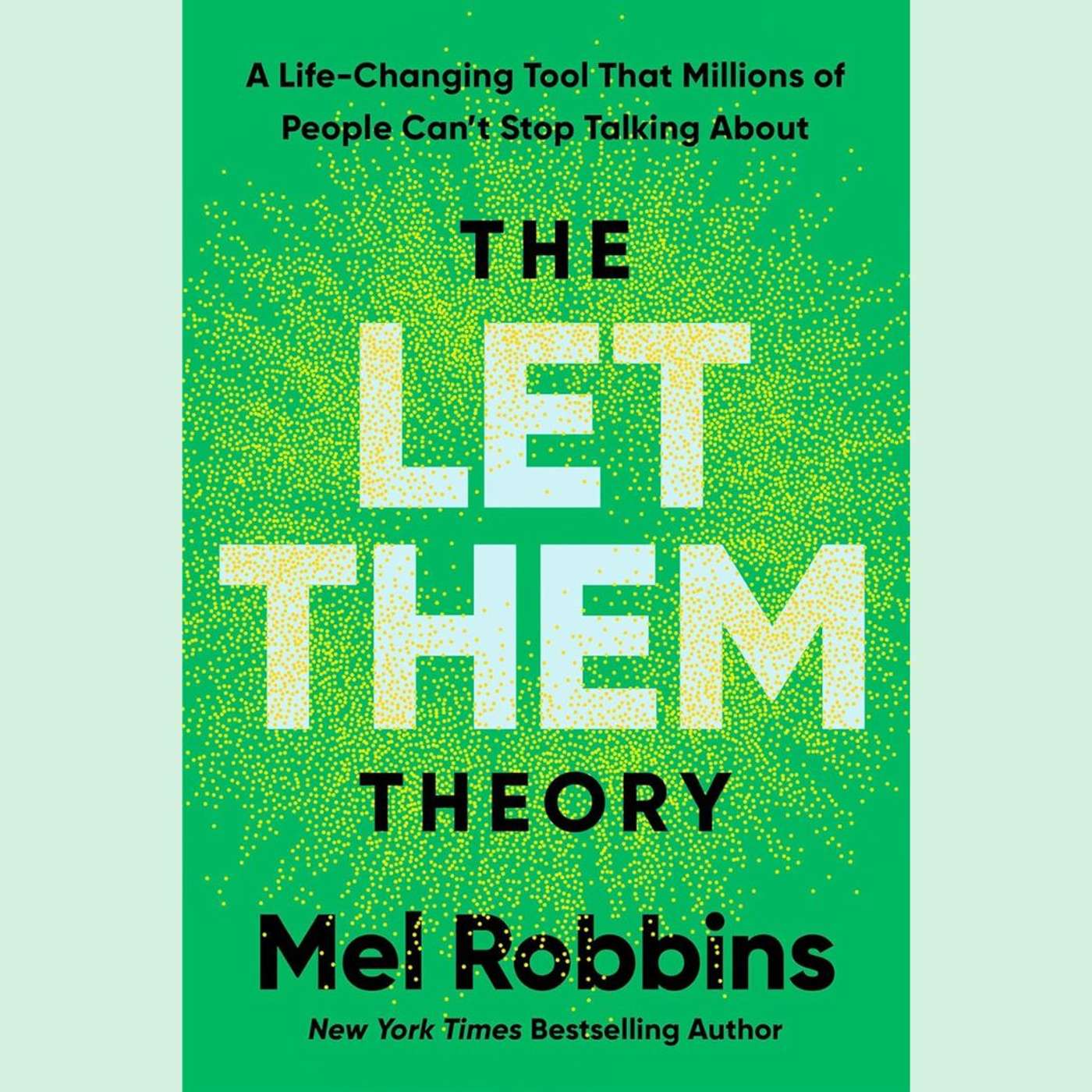
Let Them by Mel Robbins. A life-changing book about letting go of control.
Apr 7, 202500:06:34Tap to summarizeDiscover The Let Them Theory by Mel Robbins, a life-changing book about letting go of control, setting boundaries, and finding emotional freedom. Learn how this mindset can reduce stress, boost confidence, and improve relationships.👉 Enrol in Free Course: https://www.apolloskills.com/courses/letthemIn Let Them, Mel Robbins introduces a powerful and liberating mindset shift: instead of trying to control, fix, or change others, we should let them be who they are. Many people waste energy trying to influence the behavior of friends, family, coworkers, or partners, leading to frustration and stress. Robbins argues that true emotional freedom comes from accepting others as they are and focusing on your happiness instead of external validation.By embracing this mindset, you can improve your confidence, set healthier boundaries, and cultivate stronger relationships. The book offers practical strategies for stopping trying to control situations beyond your power and directing your energy toward personal peace and growth.Key Concepts of The Let Them TheoryThe "Let Them" MindsetAccept that you cannot control others.Let people be who they are without resistance or frustration.Emotional FreedomLetting go of expectations reduces stress.Shifting the focus to your happiness creates inner peace.Self-Worth & ConfidenceConfidence grows when you detach self-worth from how others behave.Seeking external validation makes happiness conditional on others.Healthy Boundaries"Let them" does not mean tolerating mistreatment.Setting limits protects your well-being while respecting others’ choices.Stronger RelationshipsTrying to change people creates resentment.Accepting them as they are leads to more authentic connections.Conclusion: A Life-Changing PerspectiveThe Let Them Theory is more than just a mindset shift—it’s a path to emotional liberation. Robbins provides a simple yet powerful way to stop seeking control and focus on personal peace. When you let go of the need to change others, you regain control over your happiness.If you are frequently frustrated by others' actions, this book offers a simple yet profound solution: Just let them.👉 Enrol in Free Course: https://www.apolloskills.com/courses/letthem ★ Support this podcast on Patreon ★
Transcribe →
After The Game by Jay Dixon. Bridging the Gap from Winning Athlete to Thriving Entrepreneur
Mar 31, 202500:06:49Tap to summarizeDiscover a powerful guide for athletes transitioning from sports to entrepreneurship. It provides a playbook for reinventing identity, building businesses, and creating a lasting legacy.👉 Enrol for Free Course: https://www.apolloskills.com/courses/afterthegameSummaryJay Dixon’s After The Game is a practical and heartfelt manual for navigating the emotional and strategic challenges of starting over. It focuses on athletes who are retiring from the sports world, but the insights are widely applicable to anyone experiencing a career pivot or identity shift.The book begins with emotional acknowledgment. Dixon coined the term “Athlete Identity Displacement” to describe the deep sense of loss many feel once the structure and validation of performance life disappear. Dixon does not minimize this grief. Instead, he encourages readers to honor it as a launching pad for transformation.As the book unfolds, Dixon urges readers to retrain their thinking through the “Mental Gym.” Like physical performance, mental resilience requires conditioning, discipline, and repetitions. From here, the book highlights transferable skills—leadership, focus, resilience, communication—that are second nature to athletes but essential in business and leadership roles.The business basics are explained without jargon: branding, marketing, financial literacy, and sales. Dixon teaches readers how to reframe experience into entrepreneurial action. He reinforces that former athletes (and, by extension, anyone with deep domain expertise) already possess many ingredients for success—they simply need a new lens and language.Later chapters explore the necessity of building a strong support system, including mentors and a “board of directors,” and advocate for sustainable success rooted in rest, rhythm, and long-term vision—not grind culture.The final message? Legacy. Dixon believes success is measured not by immediate wins but by long-term impact. He challenges readers to use their new ventures to lift others, shape communities, and build something that outlasts them.🌟 Expanded ReviewAfter the Game, I felt like a coach, therapist, and strategist rolled into one. Dixon's honesty about the struggles of life after sports is refreshing. He permits us to grieve the end of one identity while offering tools to build a new one. His use of sports metaphors makes abstract business concepts easy to grasp, and his tone is encouraging without being unrealistic.Where the book shines is its balance of emotional intelligence and practical frameworks. Dixon doesn’t just say “believe in yourself”—he explains how to realign your thinking, recognize your assets, and build a strategy rooted in who you are. His stance against hustle culture and in favor of flow and alignment is also a welcome deviation from typical business rhetoric.The only limitation may be for readers unfamiliar with sports—but the lessons are universally human.✅ RecommendationThis book is highly recommended for:Retired athletes or those preparing for retirementProfessionals in transition (e.g., layoffs, career changes, identity shifts)Entrepreneurs starting their first businessCoaches, mentors, or therapists working with high performersAnyone looking to turn experience into future purposeAfter The Game isn’t about endings—it’s about evolution. It’s a must-read for anyone ready to move from success to significance. ★ Support this podcast on Patreon ★
Transcribe →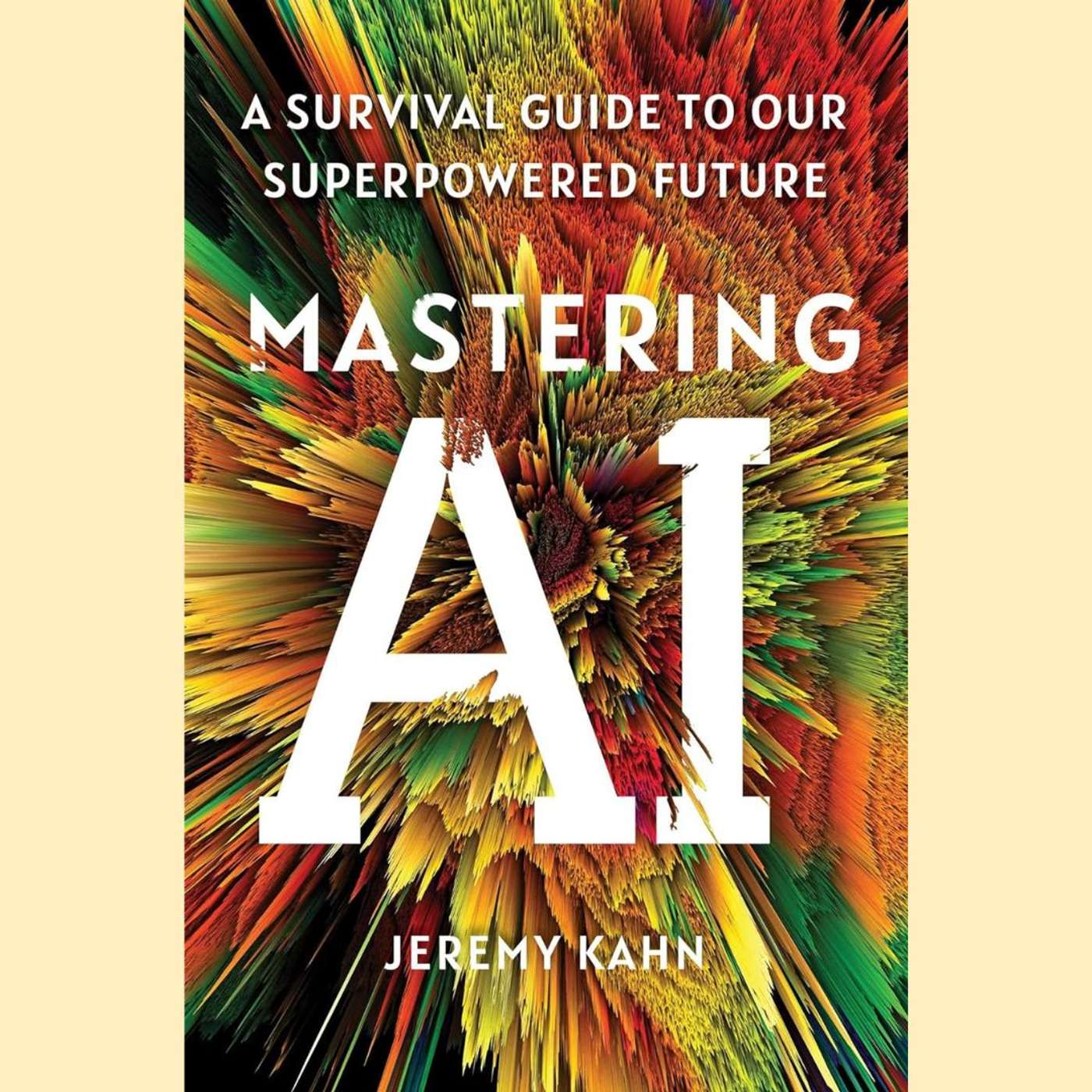
Mastering AI by Jeremy Kahn. A Survival Guide to Our Superpowered Future.
Mar 24, 202500:06:49Tap to summarizeDiscover how AI is reshaping industries, jobs, and ethics in Mastering AI: A Survival Guide to Our Superpowered Future by Jeremy Kahn. Learn how to adapt and thrive in an AI-driven world.👉 Enrol for Free Course: https://www.apolloskills.com/courses/masteraiArtificial Intelligence (AI) is no longer a futuristic concept—it is actively transforming industries, businesses, and daily life. In Mastering AI: A Survival Guide to Our Superpowered Future, journalist Jeremy Kahn explores the rapid advancements in AI, its far-reaching implications, and how individuals and organizations can navigate this transformation effectively.Kahn presents AI as both an opportunity and a challenge. While it enhances efficiency and innovation, it also disrupts industries, raises ethical concerns, and forces individuals to adapt. The book is a roadmap, equipping readers with the knowledge and strategies necessary to thrive in an AI-driven world.The Acceleration of AI TechnologyAI is evolving at an unprecedented pace, with significant advancements in generative AI (e.g., ChatGPT, Midjourney), autonomous systems (e.g., self-driving cars, robotic process automation), and AI-human collaboration. Businesses that fail to integrate AI risk becoming obsolete, while those that embrace it can gain a competitive edge.AI and the Future of WorkKahn categorizes jobs into three groups:Jobs AI will automate (e.g., data entry, customer support)Jobs AI will augment (e.g., healthcare, engineering, creative industries)Jobs AI will create (e.g., AI ethics, cybersecurity, prompt engineering)The key to job security is developing uniquely human skills such as creativity, leadership, and emotional intelligence.Ethical and Social Risks of AIAI is not just a technological evolution but also an ethical challenge. Concerns include:Bias in AI models leads to discrimination in hiring, law enforcement, and finance.Misinformation and deepfakes can spread false narratives.Privacy and surveillance risks as AI-powered data collection expands.Existential risks, with discussions about artificial general intelligence (AGI) potentially surpassing human control.Kahn argues that AI must be developed with transparency and strong ethical principles to prevent misuse.The Power of Human-AI CollaborationRather than replacing humans, AI should be seen as a co-pilot, assisting and enhancing human capabilities. The book explores industries already benefiting from AI, such as:Healthcare (AI-assisted diagnostics for early disease detection)Education (AI-powered personalized learning)Finance (AI-driven investment strategies and risk assessment)Businesses and professionals can integrate AI tools to drive innovation and efficiency.Regulating AI: Who Should Be in Control?AI’s rapid development raises regulatory challenges. Kahn outlines different regulatory approaches:Proactive government regulation (e.g., the European Union’s AI Act)Industry self-regulation, where tech companies voluntarily implement ethical AI policiesGlobal AI treaties, similar to nuclear non-proliferation agreements, to prevent misuseThe book stresses balancing innovation and responsible oversight to prevent economic and societal harm.Practical Strategies to Adapt to AIKahn provides actionable advice for individuals and businesses:Develop AI literacy: Learning the basics of AI will become as crucial as digital literacy was in the early 2000s.Focus on human-centric skills: AI can automate tasks without creativity, empathy, and ethical reasoning.Use AI tools to boost productivity: Writers, designers, and professionals should explore AI-powered tools rather than resist them.Stay informed and adaptable: AI evolves quickly, so continuous learning is essential.Ultimately, Mastering AI is both a wake-up call and a practical guide, urging readers to embrace AI as a tool for progress rather than a threat.🔍 Review & RecommendationReview: A Balanced, Insightful, and Practical AI GuideJeremy Kahn delivers a well-researched, engaging, and accessible analysis of AI’s role in shaping the future. The book is neither overly alarmist nor unthinkingly optimistic. Instead, it presents a balanced perspective, acknowledging both the immense opportunities AI offers and the ethical dilemmas it raises.One of the book’s strengths is its practical approach. Rather than just discussing AI theoretically, Kahn provides concrete strategies for individuals and businesses to stay ahead. The book is filled with actionable insights, whether it’s upskilling, integrating AI tools, or advocating for responsible AI policies.Another highlight is Kahn’s discussion on human-AI collaboration. Unlike some narratives focusing on AI replacing human workers, Kahn argues that AI is most powerful when it amplifies human intelligence. His case studies on AI’s role in healthcare, education, and finance illustrate the potential for AI to enhance, rather than eliminate, human roles.However, the book could have explored some emerging AI topics in greater depth, such as quantum AI, the role of decentralized AI models, or deeper technical insights for those wanting a more technical analysis. Despite this, this book is an excellent starting point for most readers—especially business leaders, policymakers, and professionals looking to navigate the AI revolution.Who Should Read This Book?✅ Business professionals seeking to understand AI’s impact on their industry✅ Employees looking to future-proof their careers✅ Entrepreneurs and tech innovators interested in AI’s potential✅ Policymakers and regulators dealing with AI governance✅ General readers curious about how AI will shape the futureFinal Verdict: ★★★★★ (5/5)Mastering AI is a must-read for anyone looking to understand and leverage AI in their personal and professional life. Kahn’s insights, real-world examples, and practical strategies make it an essential guide to thriving in an AI-driven world. ★ Support this podcast on Patreon ★
Transcribe →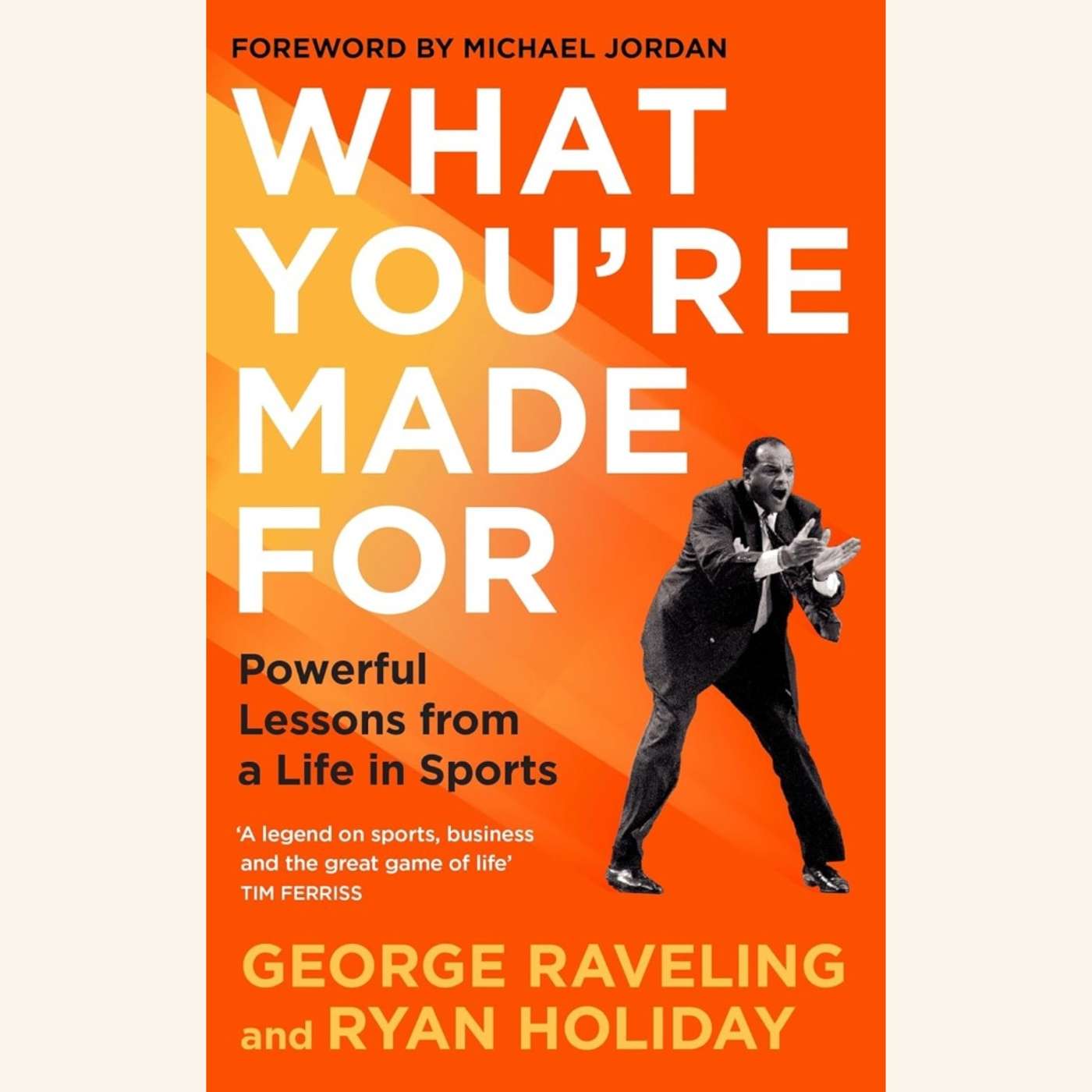
What You Are Made For by Ryan Holiday & George Raveling
Mar 17, 202500:06:38Tap to summarizeDiscover the key lessons from What You Are Made For by Ryan Holiday and George Raveling. Learn how to find your purpose, develop discipline, overcome obstacles, and lead with integrity and service.Enrol for free!👉 https://www.apolloskills.com/courses/madeforWhat You Are Made For by Ryan Holiday and George Raveling is more than just a self-improvement book—it is a call to action for those seeking a purposeful and impactful life. The book intertwines timeless wisdom, personal anecdotes, and practical leadership lessons to help readers navigate their careers, relationships, and personal growth with intention.The book argues that purpose is not discovered by waiting or introspection alone—it is built through action, experience, and resilience. Raveling’s life exemplifies this philosophy. His journey, which took him from a college basketball coach to a Nike executive and mentor, highlights how purpose evolves with time and experience. He didn’t always know his ultimate path but found his way by embracing challenges, staying curious, and seeking meaningful work.Another central theme is the importance of discipline. Holiday and Raveling emphasize that success is not the result of natural talent alone but is built through consistent effort and habits. Hard work beats talent when talent doesn’t work hard. Whether in sports, business, or life, those who stick to their routines, develop self-discipline and commit to continuous learning are the ones who ultimately succeed. The book encourages readers to establish habits that align with their long-term goals and prioritize consistency over fleeting motivation.The book also challenges readers to reframe obstacles as opportunities. Drawing inspiration from Stoic philosophy—a recurring theme in Ryan Holiday’s work—it argues that setbacks and failures are not barriers but essential parts of growth. Raveling’s experiences navigating racism and systemic challenges in the coaching world illustrate this principle. Instead of seeing obstacles as reasons to quit, he used them as stepping stones to develop resilience and strength. The book teaches that we cannot control what happens to us, but we can control how we respond to adversity.Beyond personal success, the book underscores the importance of integrity and service. Raveling’s leadership was about winning games, mentoring, and uplifting others. His values guided his career decisions, proving that long-term success is built on strong character. The book urges readers to define their core values, make ethical choices, and commit to something bigger than themselves. True fulfillment, it argues, comes not from self-centered ambition but from positively impacting others.Finally, the book highlights the intersection of sports, business, and social change. Raveling was not just a coach—he was a mentor, a business strategist, and a witness to history. He was present at Martin Luther King Jr.’s I Have a Dream speech and preserved the original copy, a powerful symbol of his connection to historical change. His work at Nike, particularly in shaping global sports marketing, shows how leadership extends beyond a single field.In summary, What You Are Made For is a powerful guide to cultivating purpose, discipline, resilience, integrity, and service. By applying these principles, anyone can shape a meaningful and impactful life.ReviewStrengths:One of the book’s greatest strengths is its blend of personal storytelling and practical wisdom. Raveling’s journey is inspiring, and Holiday’s ability to distill profound philosophical lessons into clear, actionable steps makes the book highly accessible. Readers will appreciate the mix of motivational insights, historical examples, and practical exercises designed to help them apply these lessons in their own lives.Another standout feature is the book’s emphasis on resilience and adaptability. Unlike many self-help books focusing solely on goal-setting or positivity, this book embraces the reality that challenges are inevitable. It teaches readers how to navigate obstacles with a problem-solving mindset rather than a victim mentality.The book also excels in balancing timeless wisdom with modern relevance. It draws from stoicism, leadership theory, and real-world experiences to create a guide applicable across industries. Whether you are an athlete, entrepreneur, executive, or student, the lessons in this book provide valuable insights into personal and professional growth.Weaknesses:Some readers may find certain concepts—such as discipline, perseverance, and reframing challenges—familiar, mainly if they have read Ryan Holiday’s other books (The Obstacle Is the Way, Ego Is the Enemy, Stillness Is the Key). While this book presents fresh perspectives, it does share thematic similarities with his previous works.Additionally, readers looking for highly detailed step-by-step instructions may find the book leans more toward philosophy and mindset rather than strict action plans. It provides excellent guidance but requires the reader to take the initiative in applying the lessons.Overall Impression:Despite minor overlaps with Holiday’s previous work, What You Are Made For is an insightful and motivating book. The blend of Raveling’s firsthand experiences and Holiday’s philosophical analysis makes it compelling. The book provides a roadmap for anyone seeking purpose, resilience, and long-term success while maintaining integrity.RecommendationWho Should Read This Book?Aspiring and established leaders who want to build a career based on integrity, resilience, and service.Athletes, coaches, and business professionals seeking to develop a disciplined and purpose-driven mindset.Entrepreneurs and creatives who face obstacles and need strategies for overcoming challenges.Fans of Stoic philosophy and personal development books seek fresh perspectives on success and leadership.Why You Should Read It:This book goes beyond the typical self-help approach of goal-setting and productivity hacks. It challenges readers to redefine success—not as wealth or fame but as a life lived with discipline, purpose, and service to others. The book provides valuable insights for anyone looking to grow personally and professionally through inspiring real-life stories, timeless wisdom, and practical exercises.Final Verdict:What You Are Made For is a highly recommended read for those seeking a meaningful, disciplined, and service-oriented life. Suppose you enjoyed books like Atomic Habits by James Clear or The 7 Habits of Highly Effective People by Stephen Covey. In that case, this book will provide another layer of wisdom to incorporate into your life. ★ Support this podcast on Patreon ★
Transcribe →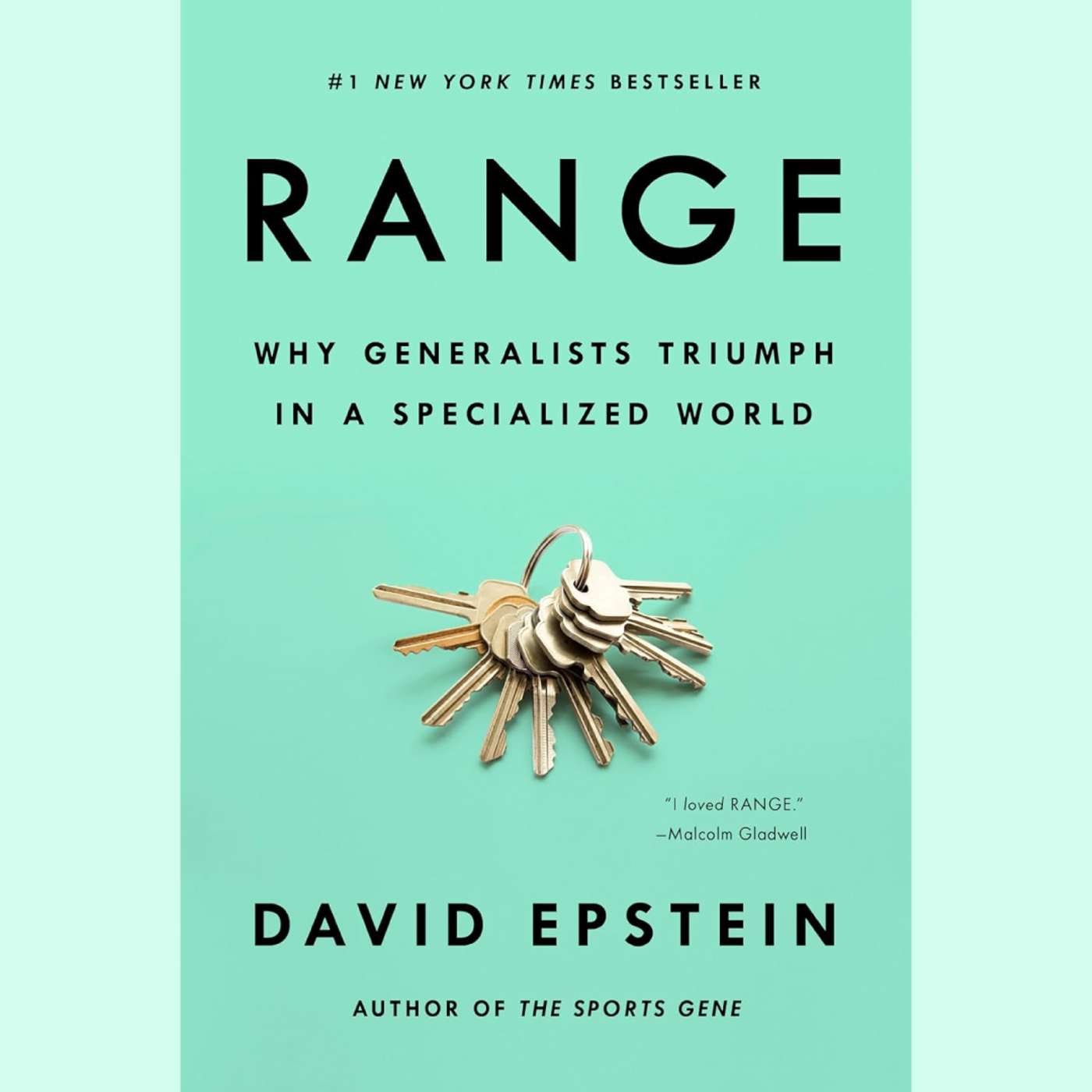
Range by David Epstein
Mar 10, 202500:06:38Tap to summarizeDiscover the transformative insights from David Epstein’s “Range: Why Generalists Triumph in a Specialized World.” Explore the advantages of broad exploration, interdisciplinary thinking, and adaptability in achieving long-term success and innovation.👉 https://www.apolloskills.com/courses/rangeIn the contemporary landscape, characterized by rapid change and complexity, the debate between early specialization and broad exploration is more relevant than ever. David Epstein’s book Range: Why Generalists Triumph in a Specialized World offers a thought-provoking perspective that challenges the conventional wisdom favoring specialization. This analysis will delve into Epstein’s key concepts, highlighting their implications for both personal and professional development.The Myth of Early SpecializationThe narrative of early specialization suggests that starting young and focusing narrowly is the pathway to success. Prominent examples include Tiger Woods, who began golfing very young, and child prodigies in various fields. However, Epstein juxtaposes these stories with that of Roger Federer, who engaged in multiple sports before concentrating on tennis. Federer’s diverse athletic background contributed to a more enjoyable and sustainable career. Epstein argues that while early specialization can yield immediate success, a broad exploration period can lead to greater long-term fulfillment and adaptability.Insight: While early specialization might offer immediate success, a period of broad exploration can cultivate adaptability and long-term satisfaction.“In fact, broad early experience is the way to find out where your true talents lie, and it’s also the best path to long-term success.” – David EpsteinKind vs. Wicked Learning EnvironmentsEpstein introduces the distinction between “kind” and “wicked” learning environments. Kind environments are characterized by repetitive patterns and immediate, clear feedback—examples include chess and golf—and are conducive to early specialization. Conversely, wicked environments are unpredictable and complex, with ambiguous and delayed feedback—examples include business and emergency response. With their diverse experiences, generalists are better equipped to navigate and excel in such environments due to their adaptability and broad skill sets.Insight: Generalists thrive in complex and unpredictable fields because they can adapt and apply a wide range of skills.“In wicked domains, where the rules of the game are unclear or incomplete, the patterns do not repeat often, and feedback is often delayed or inaccurate.” – David EpsteinSign up for Apollo Advisors: Workshops, Mentorship and Masterclasses for EntrepreneursHelping leaders discover, develop and drive their venturesNo spam. Unsubscribe anytime.The Importance of a Sampling PeriodA pivotal concept in “Range” is the “sampling period,” during which individuals explore various activities and interests before committing to a specific path. Epstein asserts that this period is crucial for uncovering true passions and strengths. Those who engage in a sampling period often perform better in the long run, developing a broader skill set and understanding of their interests.Insight: A period of exploration is essential for discovering personal strengths and interests, leading to more effective and fulfilling specialization.“We learn who we are in practice, not in theory.” – David EpsteinInterdisciplinary Thinking and InnovationEpstein highlights the role of interdisciplinary thinking in driving innovation. He presents numerous examples where breakthroughs resulted from integrating knowledge from different fields. For instance, the development of MRI technology required insights from physics, engineering, and medicine. With their broad knowledge base, generalists are particularly adept at making connections across disciplines, fostering innovation and problem-solving.Insight: Interdisciplinary thinking, facilitated by a broad knowledge base, is critical to innovation and problem-solving.“The most impactful inventors…tend to be those who have broad interests and cross-pollinate between different disciplines.” – David EpsteinRethinking Grit and PerseveranceWhile perseverance is often celebrated, Epstein cautions against the potential drawbacks of excessive grit. He argues that the willingness to pivot and explore new paths can be more beneficial than doggedly pursuing a single goal. With their propensity to explore diverse interests, generalists are more likely to adapt and thrive in changing environments.Insight: Flexibility and the willingness to pivot are often more advantageous than rigid perseverance.“Sometimes, quitting is strategic, and sometimes, not being able to quit is a great failure.” – David EpsteinThe Role of Coaches and MentorsEpstein underscores the importance of mentors encouraging exploration and providing guidance across various domains. Such mentors are critical in helping generalists navigate their diverse interests and integrate their skills effectively.Insight: Supportive mentors encouraging exploration and interdisciplinary learning are vital for personal and professional development.“The most effective mentors are those who help mentees develop a ‘sampling period,’ allowing them to explore and discover their strengths.” – David EpsteinEmbracing the Generalist ApproachIn conclusion, Epstein’s “Range” advocates a paradigm shift in how we approach education and career development. Rather than prioritizing early specialization, there is a compelling case for fostering exploration, flexibility, and interdisciplinary learning. In an increasingly complex and dynamic world, thinking broadly and adapting is invaluable.Recommendations:1. Embrace Broad Exploration: Engage in various activities and fields to discover true interests and develop a versatile skill set.2. Cultivate Versatile Skills: Develop skills that can be applied across different contexts to enhance adaptability and innovation.3. Pursue Interdisciplinary Insights: Seek knowledge across various fields to foster innovation and solve complex problems.4. Prioritize Flexibility: Be open to changing directions and exploring new paths. Flexibility is crucial in a rapidly changing world.5. Seek Supportive Mentors: Find mentors who support exploration and interdisciplinary learning to guide your personal and professional journey.By adopting the principles outlined in “Range,” individuals can better navigate the complexities of the modern world. With their broad experiences and adaptability, generalists are well-positioned to succeed in an increasingly specialized society.Author Bio:David Epstein is an investigative reporter and bestselling author known for deep-diving into the science of performance and human potential. With a background in environmental science and journalism, Epstein has written for prestigious publications such as ProPublica, Sports Illustrated, and The New York Times. His first book, “The Sports Gene,” explored the interplay between genetics and athletic performance, earning critical acclaim for its thorough research and engaging storytelling.In “Range ★ Support this podcast on Patreon ★
Transcribe →
Blue Ocean Strategy by W. Chan Kim and Renée Mauborgne
Mar 6, 202500:06:40Tap to summarizeDiscover the transformative insights of ‘Blue Ocean Strategy’ by W. Chan Kim and Renée Mauborgne. Learn how to escape cutthroat competition, create untapped market spaces, and achieve value innovation with strategic tools like the Strategy Canvas.👉 https://www.apolloskills.com/courses/blue_oceanIn the hyper-competitive landscape of today’s business world, companies often find themselves locked in fierce battles for market share, vying to outperform rivals. Yet, as W. Chan Kim and Renée Mauborgne eloquently argue in their seminal work, “Blue Ocean Strategy,” this relentless competition leads to what they term “red oceans”—saturated markets where growth is hard-fought and incremental. Their revolutionary approach, however, charts a course towards “blue oceans”—untapped markets teeming with potential. Here’s a deep dive into the key concepts and insights that make “Blue Ocean Strategy” a must-read for forward-thinking entrepreneurs and business leaders.Red Oceans vs. Blue Oceans: A Paradigm ShiftRed Oceans symbolize the existing industries where competition is fierce, boundaries are well-defined, and companies strive to outperform each other for a slice of the existing market. This zero-sum game results in overcrowded industries with shrinking profit margins.In stark contrast, Blue Oceans represents all the industries that do not exist today. These are unknown market spaces, ripe for innovation and free from competition. Here, demand is created rather than fought over, allowing rapid and profitable growth. The central premise of the Blue Ocean Strategy is to make the competition irrelevant by breaking away from the conventional competitive framework and seeking out new avenues of value creation. As Kim and Mauborgne state, “The only way to beat the competition is to stop trying to beat the competition.”Value Innovation: The Core of Blue Ocean StrategyAt the heart of Blue Ocean Strategy lies the concept of Value Innovation. This is the simultaneous pursuit of differentiation and low cost, creating a leap in value for the company and its customers. Instead of competing within the existing industry boundaries, companies are encouraged to redefine the parameters of their industry and set themselves apart in ways that reduce costs while increasing customer value. Kim and Mauborgne highlight, “Value innovation is not about technology innovation. It is about a strategic move creating new value for the company and its customers.”Value innovation is not just about technological innovation; it’s about reimagining what the industry can offer and finding ways to deliver unprecedented value to customers. This strategic move can lead to the creation of entirely new markets.Sign up for Apollo Advisors: Workshops, Mentorship and Masterclasses for EntrepreneursHelping leaders discover, develop and drive their venturesNo spam. Unsubscribe anytime.Tools and Frameworks: Building a Blue Ocean StrategyStrategy Canvas:The strategy canvas is a diagnostic and action framework that visualizes a company’s relative performance across vital competitive factors. It helps organizations understand where their strategy stands compared to competitors and identifies opportunities for creating new value curves. By plotting the current state of play, companies can see where the industry is investing and how they can diverge to unlock new demand.Four Actions Framework:To reshape industry boundaries, the Four Actions Framework asks four critical questions:Eliminate: Which factors the industry has long competed on should be eliminated?Reduce: Which factors should be reduced well below the industry’s standardRaise: Which factors should be raised well above the industry’s standardCreate: Which factors should be created that the industry has never offered?ERRC Grid:The ERRC (Eliminate-Reduce-Raise-Create) Grid is a practical tool for applying the Four Actions Framework. It forces companies to scrutinize each competitive factor and decide which to eliminate, reduce, raise, and create, thereby encouraging them to break away from the competition.Implementation and Execution: From Strategy to RealityCreating a blue ocean strategy is just the beginning. Effective execution is critical to bringing the strategy to life. Here are two crucial concepts for successful implementation:Tipping Point Leadership:This leadership approach focuses on overcoming organizational hurdles that block the execution of blue ocean strategies. Tipping point leadership emphasizes leveraging the influence of key individuals who can mobilize the entire organization, creating rapid and dramatic change. As the authors put it, “Tipping point leadership focuses on identifying and leveraging the factors that have a disproportionate impact on breaking the status quo.”Fair Process:The fair process builds trust and cooperation within the organization by ensuring transparency and clarity in decision-making. This involves engaging all stakeholders, explaining the rationale behind strategic decisions, and setting clear expectations. When employees feel their voices are heard and understand the strategic direction, they are more likely to be committed to the strategy’s success. Kim and Mauborgne emphasize, “Fair process inspires voluntary cooperation and builds execution into strategy.”Real-World Applications: Lessons from PioneersThe book has real-world examples of companies that successfully navigated to blue oceans. Take, for instance, Cirque du Soleil. By blending traditional circus elements with theatrical storytelling, Cirque du Soleil created a unique entertainment experience that appealed to a broad audience, significantly reducing costs associated with animal acts and elaborate circus setups.Another example is the Nintendo Wii, which redefined the gaming industry by focusing on an intuitive user experience rather than competing on graphics and processing power. This innovation opened the gaming market to new demographics, including families and older adults, and created a blue ocean of uncontested market space.Conclusion: Embracing the Blue Ocean Mindset“Blue Ocean Strategy” offers a transformative approach to business strategy, emphasizing innovation and the creation of new market spaces. For entrepreneurs and business leaders, it provides a clear roadmap to escape the cutthroat competition of red oceans and ventures into blue oceans of untapped potential. By focusing on value innovation, utilizing strategic frameworks, and ensuring effective execution, businesses can chart a course toward sustained growth and profitability.As we navigate the ever-changing business landscape, the insights and tools from the “Blue Ocean Strategy” remain invaluable, guiding us to think beyond conventional boundaries and seek out new horizons of opportunity. Kim and Mauborgne remind us, “Instead of focusing on beating the competition, focus on making the competition irrelevant by creating a leap in value for your buyers and your company, thereby opening up new and uncontested market space.”About the AuthorsW. Chan Kim is a strategy and international management professor at INSEAD, one of the world’s leading and largest graduate business schools. He is also the co-director of the INSEAD Blue Ocean Strategy Institute. Kim has been recognized as one of the world’s top management thinkers, and his groundbreaking work has fundamentally shifted the way businesses think about strategy and innovation. His research focuses on strategic management and creating high performance in the business environment.Renée Mauborgne is also a professor of strategy at INSEAD and the co-director of the INSEAD Blue Ocean Strateg...
Transcribe →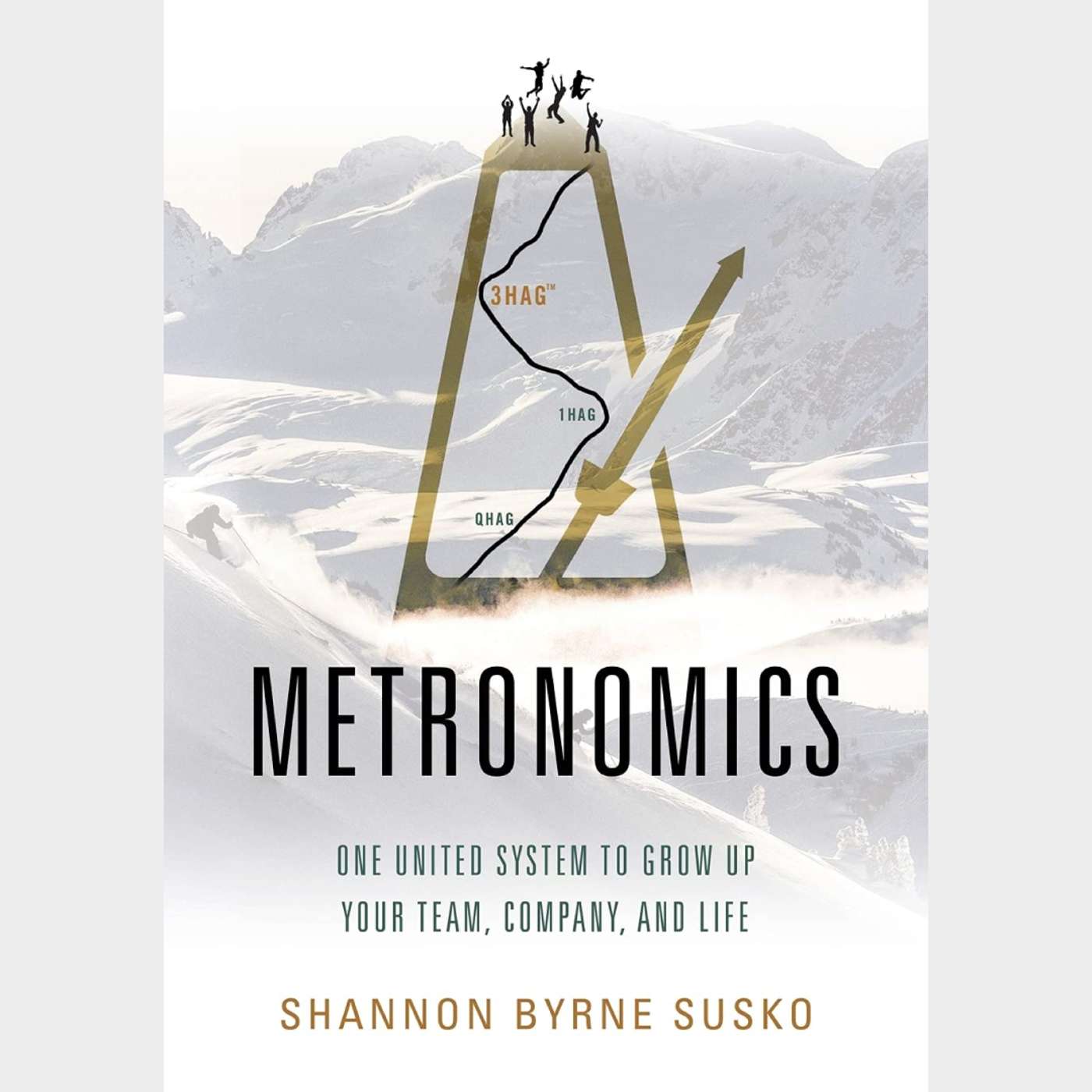
Metronomics by Shannon Susko
Mar 3, 202500:05:58Tap to summarizeDiscover how Shannon Susko's "Metronomics" can transform your business with a comprehensive, step-by-step guide to implementing its principles. Learn how to align your organization, cultivate a positive culture, develop a strategic plan, and ensure sustainable growth and success.👉 https://www.apolloskills.com/courses/MetronomicsLeaders constantly seek strategies to propel their organizations to new heights in today's dynamic business environment. Shannon Susko's "Metronomics" book presents a comprehensive system designed to unify various business growth tools into a cohesive framework. This approach enhances individual areas of a business and ensures the entire organization moves forward with harmony and purpose. Let’s delve into the fundamental concepts of Metronomics and understand how they contribute to sustained business growth.Cohesiveness: Aligning the OrganizationCohesiveness in Metronomics refers to the alignment of all aspects of the business. It ensures that every team member works towards shared goals and is aligned with the company’s strategic vision. This alignment is crucial for streamlining operations and enhancing efficiency. Shannon Susko states, "When your team is fiercely connected to your strategic execution system, you can achieve superior results with ease, speed, and confidence."Example: A mid-sized tech company implemented Metronomics and created a unified strategic plan that all departments could follow. This alignment allowed the marketing, sales, and product development teams to synchronize their efforts, leading to a 20% increase in product launch speed and a 15% boost in market share within a year.Cultivating a Positive CultureA strong, positive company culture is foundational for any successful business. In Metronomics, culture is about creating an environment where employees feel valued and motivated. This involves fostering trust, encouraging collaboration, and aligning the company’s values with its day-to-day operations. A robust culture boosts morale and enhances employee retention and productivity, which are vital for long-term success.Example: A financial services firm struggling with high turnover rates and low employee engagement adopted the Metronomics approach to culture. By emphasizing team-building activities, transparent communication, and recognition programs, they reduced turnover by 30% and saw a 25% increase in employee satisfaction scores within six months.Strategic Planning: The Roadmap to SuccessHaving a clear and actionable strategy is critical. Metronomics emphasizes the need for a well-defined strategic plan communicated effectively throughout the organization. This plan serves as a roadmap, outlining the company’s goals and the steps required to achieve them. Shannon Susko notes, "A well-designed strategy is not about complexity; it’s about clarity and direction that everyone can understand and commit to."Example: A manufacturing company used Metronomics to refine its strategic plan, focusing on three core objectives: improving operational efficiency, expanding into new markets, and enhancing product quality. By breaking these objectives down into specific, measurable actions, the company achieved a 10% reduction in production costs and successfully entered two new international markets within a year.Effective ExecutionExecution is about bringing the strategic plan to life. It involves translating the strategy into specific, actionable tasks and ensuring they are completed efficiently. Metronomics provides frameworks to monitor progress, identify bottlenecks, and make necessary adjustments. Effective execution ensures that strategic plans do not remain documents but drive tangible outcomes. Susko emphasizes, "The key to execution is not just in doing things right but doing the right things consistently."Example: An e-commerce startup struggled to scale its operations despite having a solid strategy. Adopting the Metronomics execution framework, they implemented regular check-ins, progress tracking, and accountability systems. This disciplined approach led to a 40% increase in order fulfillment rates and a 50% reduction in customer complaints within three months.Cash Flow ManagementCash is the lifeblood of any business. Metronomics highlights the importance of managing cash flow effectively to ensure the company has the necessary resources to operate and grow. This includes forecasting cash needs, controlling expenses, and optimizing revenue streams. Proper cash flow management provides the financial stability to support other business activities and investments. Susko says, "Understanding and managing cash flow is crucial to maintaining the health and growth of your business."Example: A retail chain facing cash flow issues used Metronomics principles to create detailed cash flow forecasts and optimize its inventory management. By identifying slow-moving products and adjusting their purchasing strategy, they improved their cash flow by 25% and avoided potential liquidity crises.Focusing on Human CapitalPeople are at the core of any business. Metronomics stresses the importance of building and nurturing a high-performing team. This involves recruiting talent, providing continuous training and development, and fostering a supportive work environment. Businesses can enhance operational efficiency and drive innovation by investing in human capital. Susko states, "Your team is your greatest asset; investing in their growth and development is investing in the future of your business."Example: A healthcare provider struggling with employee burnout and low morale implemented Metronomics to focus on employee well-being and professional development. They introduced mentorship programs, regular training sessions, and wellness initiatives, resulting in a 30% decrease in staff turnover and a 20% improvement in patient satisfaction scores.The Coach CascadeThe coach cascade concept involves utilizing external coaches to provide guidance and support. Coaches help leaders develop their skills, offer objective perspectives, and assist in overcoming challenges. The cascade effect ensures that coaching insights permeate the organization, enhancing overall performance. This systematic coaching approach helps build leadership capabilities and drive organizational growth. Susko advises, "Coaches provide the outside perspective and expertise that can catalyze significant growth and transformation."Example: A logistics company facing leadership challenges and stagnant growth engaged Metronomics coaches to work with their executive team. The coaching program helped leaders refine their strategic thinking and decision-making skills, leading to a 15% increase in operational efficiency and a 10% growth in annual revenue.The 3HAG (3-Year Highly Achievable Goal)The 3HAG is a strategic framework that breaks down long-term goals into manageable steps. It helps businesses create a clear and achievable three-year plan, providing direction and purpose. The 3HAG framework ensures that strategic objectives are aspirational and grounded in reality, guiding daily operations and decision-making. "The 3HAG turns your big dreams into practical, actionable plans that your team can rally around," says Susko.Example: A software development firm set a 3HAG to become a market leader in its niche within three years. By breaking this goal into quarterly milestones and regularly reviewing progress, it increased its market share by 50% and achieved industry recognition for its innovative solutions.Sign up for Apollo Advisors: Workshops, Mentorship and Masterclasses for EntrepreneursHelping leaders discover, develop and drive their venturesNo spam. Un...
Transcribe →
How Will You Measure Your Life By Clay Christensen
Feb 27, 202500:06:41Tap to summarizeDiscover profound insights from Clayton M. Christensen’s How Will You Measure Your Life? Learn how to live purposefully with integrity, long-term thinking, and strong relationships. This expanded blog post features quotes and practical tools to apply these lessons to your life.👉 https://www.apolloskills.com/courses/measure_lifeClayton M. Christensen’s How Will You Measure Your Life? offers a profoundly reflective guide to living a meaningful and fulfilling life. This book goes beyond traditional success metrics and encourages readers to examine their lives through the lenses of purpose, relationships, and values. Below, we dive deeper into the book's key concepts, with examples and quotes from Christensen himself to illustrate the profound lessons he imparts.Living a Purpose-Driven Life: Finding Meaning Beyond SuccessAt the heart of Christensen’s philosophy is the idea that living with purpose provides a sense of direction and fulfillment that transcends external success. Purpose is not just about achieving personal goals; it’s about making a meaningful contribution to the world.“Don’t worry about the level of individual prominence you have achieved; worry about the individuals you have helped become better people.” This perspective shifts the focus from personal achievements to the positive impact we can have on others, suggesting that true purpose lies in service and contribution.Consider a corporate executive who has achieved significant success by conventional standards—earning a high salary and holding a powerful position. However, he finds himself increasingly disconnected from his family and unfulfilled by his work. After reassessing his life purpose, he realizes his true passion lies in education and mentoring. By transitioning into a role that allows him to share his knowledge with younger generations, he realigns his career with his sense of purpose. This shift brings him deeper fulfillment and strengthens his connections with others.Values: The Cornerstone of Life’s DecisionsChristensen emphasizes that values should guide our decisions, even when difficult or inconvenient. By living in alignment with our values, we build lives of integrity and avoid the pitfalls of regret.“It’s easier to hold to your principles 100 percent of the time than to hold to them 98 percent of the time.” Christensen’s insight underscores the importance of consistency in values. Even small compromises can set a dangerous precedent, leading us away from who we want to be.A startup founder is faced with an ethical dilemma when an investor offers a substantial sum of money in exchange for compromising on the company’s sustainability practices. Though accepting the offer would provide immediate financial relief, the founder’s core value is environmental responsibility. By turning down the offer, she stays true to her values, earns the respect of her team, and ultimately attracts investors who share her vision. Her commitment to values solidifies the company’s long-term reputation and growth.Building a Career Aligned with Your Purpose: The Long-Term PerspectiveChristensen advises readers to adopt a long-term perspective in their career decisions, focusing on how their work aligns with their life purpose. He warns against the trap of short-term career moves driven by immediate rewards.“The type of person you want to become—what you want to stand for and be remembered for—is profoundly shaped by the everyday decisions you’re constantly making.” Christensen highlights how everyday choices contribute to our long-term identity and fulfillment, especially in our careers.A marketing professional excels in her field and is offered a high-paying position at a large corporation. However, reflecting on her long-term goals, she realizes her true passion lies in working with non-profits to create social change. Despite the lucrative offer, she chooses to join a smaller organization where she can make a tangible impact on causes she cares about. She finds greater satisfaction and motivation by aligning her career with her purpose, even though the financial rewards are less immediate.Relationships: The Foundation of a Fulfilled LifeChristensen underscores the importance of relationships, reminding readers that strong personal connections are essential to a meaningful life. Career success, while necessary, should never come at the expense of the people who matter most.“The relationships you have with other people are, in the end, the most important thing in life.” This powerful statement serves as a reminder that, no matter how successful we are in our careers, our connections with others provide lasting joy and fulfillment.A busy entrepreneur often misses family dinners to work late at the office. After reading Christensen’s advice, he consciously invests more time in his relationships. He schedules regular family activities, knowing that his success won’t mean much if he sacrifices those he loves most. This investment in his personal life brings him more balance and happiness in the long run.Integrity and Ethics: The Power of Small DecisionsThroughout the book, Christensen emphasizes that maintaining integrity in all decisions, even the small ones, is essential for living a life of which one can be proud. He warns that ethical compromises, no matter how minor, can gradually erode one's moral foundation.“The marginal cost of doing something wrong ‘just this once’ always seems to be negligible, but in reality, it can lead you down a slippery slope.” This quote highlights the cumulative impact of small ethical compromises, which can eventually lead to significant moral failures.Her company asks an accountant to overlook a slight financial discrepancy in the annual report. Although the issue seems minor and readily justifiable, she reports it honestly, even at the risk of backlash. Her decision to act with integrity strengthens her reputation as a reliable and ethical professional, ultimately leading to career growth and the respect of her colleagues.Avoiding the Trap of Short-Term Thinking: The Bigger PictureChristensen warns against short-term thinking, urging readers to prioritize long-term goals over immediate gratification. This approach can help prevent impulsive decisions that seem beneficial at the moment but lead to regret later.“If you defer investing your time and energy until you see that your efforts are needed, chances are it will already be too late.” Christensen’s advice encourages readers to take proactive steps in all areas of life, from personal growth to relationships, instead of waiting for crises to arise.A small business owner is tempted to cut costs by using lower-quality materials in her products. While this decision would boost short-term profits, she realizes it would compromise her brand’s reputation for quality. Instead, she maintains high standards, knowing this commitment will build customer loyalty and lead to sustainable growth. By avoiding the trap of short-term thinking, she ensures the long-term success of her business.Practical Tool: Expanded Assessment Quiz for Measuring Your Life1. Clarify Your Purpose• Do you have a clear sense of your life’s purpose?• How often do you reflect on your purpose when making decisions?• Are you willing to sacrifice to stay true to your purpose, even when inconvenient?2. Evaluate Your Values• Can you clearly define your top five values?• When faced with a tough decision, do you consider how it aligns with your values?• Have you recently compromised on a value? How did that decision impact you?3. Assess Your Career Alignment• Does your current job fulfill yo...
Transcribe →