Podcast
Business Superfans® Advantage: Predictable Growth for Service Entrepreneurs
Hosted by Frederick Dudek | Business Prosperity Advisor · EN
The most expensive revenue leaks are the ones you can’t see. After all, it’s hard to read the label from inside the jar.
You can generate leads, deliver excellent work, and stay incredibly busy—yet still lose growth through missed follow-up, inconsistent client experiences, disengaged employees, disconnected systems, and relationships that never reach their full potential.
Most business advice tells you to attract more customers and ask for more referrals. Frederick Dudek goes further.
He shows you how your clients, employees, suppliers, strategic partners—and everyone who touches your business—can become Business Superfans®: loyal advocates who don’t simply buy from you, work for you, or partner with you. They champion your business, strengthen your reputation, create new opportunities, and help your relationships compound into revenue.
Business Superfans® Advantage: Predictable Growth for Service Entrepreneurs is the weekly podcast for consultants, contractors, attorneys, med spa owners, tradespeople, and service-based business owners who want to:
* Attract better clients without constantly chasing leads
* Turn exceptional experiences into loyalty and repeat business
* Build an engaged team that strengthens the client experience
* Generate more recognition, reviews, referrals, and advocacy
* Create predictable, profitable growth that doesn’t depend entirely on the owner
Host Frederick Dudek—Business Prosperity Advisor, bestselling author of *Creating Business Superfans®*, and creator of Revenue Reactor™—isn’t sharing theories. He took the CAMWorks software platform from zero to more than $3 million in annual sales in three years by building a global distribution channel before the internet made it easy. He later added nearly $1 million in revenue to a 30-year-old service company, helping position it for acquisition in under 24 months.
Each week, Frederick draws out the proven, real-world playbooks of accomplished global founders and experts across sales, marketing, finance, leadership, SaaS, AI, HR, company culture, and business systems. You’ll also hear Freddy D’s Playbook episodes featuring focused strategies you can put to work immediately.
Every conversation helps you answer three critical questions:
- Where is revenue leaking from my business?
- Which relationships am I overlooking?
- What is the next action I can take to strengthen my business and accelerate growth?
Because your next level of growth may not come from finding more people. It may come from unlocking the value of the relationships already surrounding your business.
Stop leaking revenue. Make relationships compound. Build predictable, profitable growth—and the freedom and prosperity that come with it.
Follow Business Superfans® Advantage and discover the growth engine that has been hiding in plain sight.
This podcast uses the following third-party services for analysis:
OP3 - https://op3.dev/privacy
Podtrac - https://analytics.podtrac.com/privacy-policy-gdrp...
44episodes
Episodes
Newest firstAll episodes
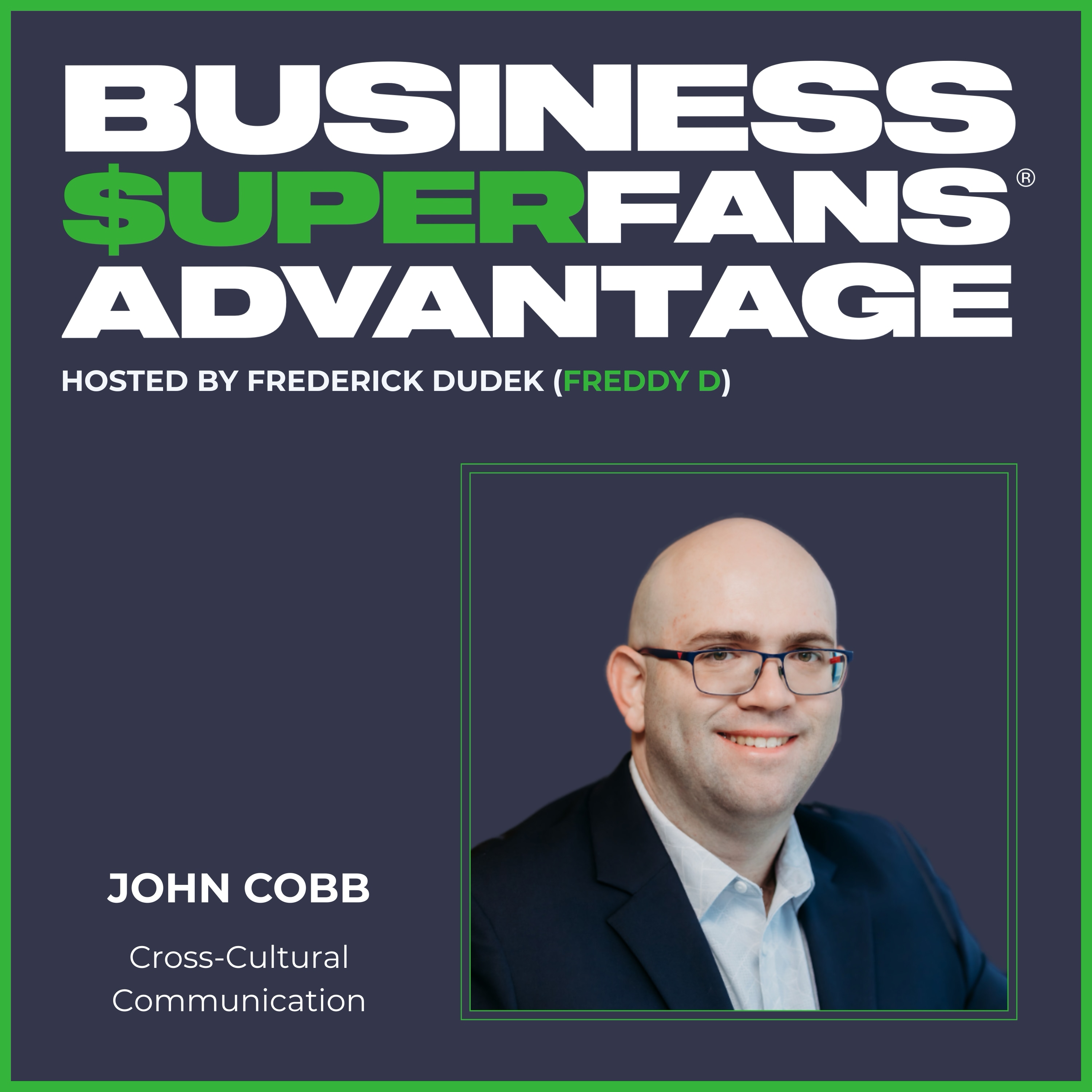
Cross-Cultural Communication: John Cobb Prevents Deal Breakdowns to Protect $8M Partnerships | Ep. 198
Mar 1800:35:53Tap to summarizeEpisode 198 Frederick Dudek (Freddy D)Cross-cultural communication is the competitive edge that helps service providers turn awkward global conversations into trusted relationships, stronger messaging, and revenue-saving wins.Episode SummaryCross-cultural communication takes center stage in this conversation with John Cobb, who breaks down how better messaging, cultural awareness, and relationship-first leadership can protect deals and unlock global growth. In Episode 199, John shares how he helps companies enter new markets, reframe communication in crisis moments, and avoid the costly mistakes that happen when teams rush business before building trust.From saving an $8 million business relationship to explaining why literal translation is never enough, John shows why international business, market entry strategy, and cultural intelligence all start with understanding people. This episode is a masterclass for service providers, founders, and growth-minded leaders who want to win more trust, strengthen vendor and client relationships, and operate like champions on the global stage. Based on the uploaded transcript.Discover more with our detailed show notes and exclusive content by visiting:AI Marketing AdvantageKey Takeaways• The Trust-Before-Transaction Framework: Leading with human connection before pitching the deal reduces friction and builds faster credibility in cross-border business conversations.• The $8M Vendor Rescue Playbook: Reframing sloppy or unclear communication can protect high-value partnerships and keep a business alive when one misunderstanding threatens everything.• The Personality Alignment Scoreboard: Matching communication style to expressive, analytical, driver, and amiable personalities improves internal collaboration and prevents avoidable conflict.• The Own-the-Mistake Method: Admitting the miss, correcting it fast, and making things right can turn disappointed customers into long-term superfans.• The Culture-First Market Entry System: Studying local habits, punctuality norms, language patterns, and relationship rituals gives companies a sharper edge when expanding internationally.• The Message Reframing Engine: Translating words is not enough; adjusting tone, phrasing, and context for each market increases resonance and campaign performance.• The Execution-over-Perfection Principle: Reaching 85% to 90% readiness and getting into the market beats polishing forever while competitors grab momentum and market share.Kindly Consider Supporting Our Show: Support Business Superfans® AdvantageGuest Bio:John Cobb is the founder of Pholus Advisory, where he helps companies navigate market entry, cross-cultural business strategy, and high-stakes communication challenges. With a background in international relations and hands-on experience advising companies across Latin America and beyond, John brings a practical, global perspective to messaging, partnerships, and operational decision-making. He is especially known for helping businesses bridge cultural gaps and create stronger outcomes through smarter communication.Create Mailbox Superfans Freddy D’s TakeThis episode plays like a championship film session for any business leader trying to win in unfamiliar territory. John Cobb brings the kind of calm, strategic presence every founder needs when the pressure is on—whether that means entering a new market, saving a shaky vendor relationship, or fixing messaging that is getting lost in translation.One of the biggest power plays here is John’s emphasis on meeting people where they are. That is not soft business advice. That is game-winning strategy. He shows how trust is built through language, tone, pacing, and cultural respect long before the contract gets signed. In sports terms, this is not about forcing a Hail Mary on every drive. It is about reading the defense, adjusting at the line, and making the right play for the field you are on.The conversation also lands a powerful reminder for service providers: mistakes do not destroy trust nearly as fast as defensiveness does. When businesses acknowledge the miss, reframe the message, and respond with humility, they create the kind of loyalty that fuels referrals and repeat business.This is exactly the type of strategy I help clients implement through my SUPERFANS Framework™ in Prosperity Pathway coaching within the Superfans Growth Hub—turning every stakeholder touchpoint into a trust-building, momentum-generating advantage.Growth Breakthrough CallThe Action:The Action: Run a cross-cultural messaging audit before your next important client, vendor, or market-entry conversation.Who: Founders, service providers, agency owners, sales leaders, and anyone doing business across regions, languages, or personality types.Why: The fastest way to lose momentum is to assume your message lands the same way everywhere. A short audit helps you spot tone gaps, trust gaps, and translation gaps before they become revenue leaks or relationship killers.How:Review your next email, pitch, or campaign and ask whether it sounds human, clear, and locally relevant.Identify the audience’s likely communication style: analytical, expressive, direct, or relationship-first.Replace literal translation with phrasing that matches the market’s cultural expectations and tone.Add one trust-building line that shows respect for the person, region, or business context before the ask.Test the message quickly, then ship it instead of waiting for perfection.Business Prosperity Pathway NewsletterGuest ContactConnect with John Cobb:Website: pholus.coLinkedIn: John CobbBlue Sky: John CobbLinkedIn Client PipelineResources & ToolsPholus Advisory — John Cobb’s firm focused on market entry, advisory support, and cross-cultural business strategy.pholus.co — John’s website for consulting and advisory inquiries.AI Marketing AdvantageLinks referenced in this episode:FullestPholusCoProsperityPathwayTipsThis podcast is hosted by Captivate, try it yourself for free.Copyright 2025 Prosperous Ventures, LLCMentioned in this episode:Ninja ProspectingWe help coaches, consultants, and service-based business owners start real conversations with their ideal prospects on LinkedIn… Without sounding like a sales robot. We focus on building relationships and adding value first. Our method leaves a positive impression – so even if the timing isn’t right now, the door stays open for future conversations. Think of it this way: You wouldn’t walk into a networking event and pitch someone before saying hello. So why would you do that online?LinkedIn Client PipelineThis podcast uses the following third-party services for analysis: OP3 - https://op3.dev/privacyPodtrac - https://analytics.podtrac.com/privacy-policy-gdrpPodcorn - https://podcorn.com/privacy
Transcribe →
Warm Marketing: Billy Sammons Replaces Cold Outreach With Smartphone Video for 4X Growth | Ep. 197
Mar 1400:38:06Tap to summarizeEpisode 197 Frederick Dudek (Freddy D)Forget cold calls—Billy Sammons shows how smartphone video turns warm marketing into trust, referrals, and 4X growth.Episode SummaryWarm marketing gets a major upgrade in this episode as Billy Sammons breaks down how smartphone video can replace cold outreach and help service-based business owners build trust, generate referrals, and create real momentum in their local market.A former teacher turned realtor turned marketer, Billy shares how simple, low-cost smartphone video interviews with local business owners can open doors, strengthen partnerships, and create a steady stream of warm referrals. Instead of chasing strangers through cold calls or spending heavily on ads, Billy reveals how entrepreneurs can use authentic community-based content to become the trusted connector in their ecosystem.This episode is a full-court lesson in using warm marketing, smartphone video, and relationship-driven visibility to turn everyday local connections into long-term business growth.Discover more with our detailed show notes and exclusive content by visiting:AI Marketing AdvantageKey Takeaways• The Warm Marketing Scoreboard: Replacing cold outreach with intentional local partnerships can create a stronger referral pipeline while reducing time wasted on low-conversion prospecting.• The Community Trust Engine: Featuring local business owners in simple video content builds borrowed trust with their audience and can accelerate relationship-based growth faster than cold traffic.• The $25 Visibility System: A smartphone, low-cost lapel mic, and basic tripod are enough to launch a practical local content strategy without expensive production overhead.• The Follow-Up Multiplier: Networking only produces ROI when you follow up consistently, because every new contact expands access to hundreds of second-degree relationship opportunities.• The Ecosystem Activation Method: When customers, partners, vendors, and contractors feel seen and supported, they become a volunteer sales force for your brand.• The Pain-Point Partnership Play: Connecting two businesses around a real operational problem creates mutual value and positions you as the strategic bridge, not just another marketer.• The Local Authority Loop: Repeated visibility inside your community compounds credibility until people begin introducing you as the go-to connector before you ever make a pitch.• The Give-with-Intention Framework: Generosity produces stronger business outcomes when it is tied to helping others grow in measurable, practical ways instead of random acts of promotion.Kindly Consider Supporting Our Show: Support Business Superfans® AdvantageGuest Bio:Billy Sammons is a former teacher, coach, and realtor who built his business through live local warm marketing instead of cold calls and paid lead chasing. After more than 15 years of using community-driven relationship strategies, Billy now teaches service-based business owners how to create visibility, build referral partnerships, and grow through authentic local connections using courses, a book, and a membership model.Create Mailbox Superfans Freddy D’s TakeThis episode plays like a championship film session on relationship-based growth. Billy Sammons brings the kind of practical, street-level wisdom that many entrepreneurs miss while chasing shiny-object marketing tactics. His message is simple but powerful: your next win may already be in your backyard.What stands out is how Billy turns community involvement into a repeatable business strategy. He is not talking theory. He is talking about meeting brewery owners, boutique operators, coffee shop teams, and local partners, then using visibility, generosity, and consistency to create a business ecosystem that promotes itself. That is where the real momentum shows up.Freddy D reinforces that same angle through the lens of Business Superfans®—the idea that customers, employees, contractors, suppliers, and partners can become loyal advocates who champion your brand like die-hard fans in the stands. This is exactly the type of strategy I help clients implement through my SUPERFANS Framework™ in Prosperity Pathway coaching.The big strategic takeaway: warm marketing is not just cheaper than cold outreach. It is often more trusted, more memorable, and more scalable because it turns relationships into recurring business momentum. That is how you stop grinding for every lead and start building a true fan-powered growth engine.Business Prosperity Pathway NewsletterThe Action:The Action: Record one short local business spotlight video this week.Who: A local business owner, referral partner, or community connector in your ecosystem.Why: This is the fastest way to stop playing defense with cold leads and start creating warm trust at scale. One simple video can open relationship equity with the featured business, introduce you to their audience, and position you as a community-first leader instead of another seller.How:Pick one local business whose audience overlaps with yours.Use your phone, a simple mic, and natural conversation to film a 3–5 minute spotlight.Ask questions about their story, their business, and how the community can support them.Post the video, tag the business, and follow up with the owner afterward.Turn that first feature into a repeatable monthly warm marketing rhythm.Growth Breakthrough CallGuest ContactConnect with Billy Sammons:Website: www.livelocalwarmmarketing.comLinkedIn Client PipelineResources & ToolsLinks referenced in this episode:Live Local Warm Marketing — Billy’s main platform for learning his community-based marketing system.Warm Marketing Course — A step-by-step training path from beginner to implementation.Warm Marketing Book — A low-cost entry point for entrepreneurs who want a self-paced strategy.Membership Program — Ongoing support, weekly action plans, guides, scripts, and community interaction.Smartphone Video Setup — Billy’s recommended low-cost stack: phone, $9 lapel mic, and $9 tripod.Direct Mail Touchpoints — A reminder that physical mail still breaks through digital clutter when used intentionally.Strategic Referral Partnerships — Cross-promotion with local businesses to build trust and shared visibility.AI Marketing AdvantageThis podcast is hosted by Captivate, try it yourself for free.Copyright 2025 Prosperous Ventures, LLCMentioned in this episode:Ninja ProspectingWe help coaches, consultants, and service-based business owners start real conversations with their ideal prospects on LinkedIn… Without sounding like a sales robot. We focus on building relationships and adding value first. Our method leaves a positive impression – so even if the timing isn’t right now, the door stays open for future conversations. Think of it this way: You wouldn’t walk into a networking event and pitch someone before saying hello. So why would you do that online?LinkedIn Client PipelineThis podcast uses the following third-party services for analysis: OP3 - https://op3.dev/privacyPodtrac - https://analytics.podtrac.com/privacy-policy-gdrpPodcorn - https://podcorn.com/privacy
Transcribe →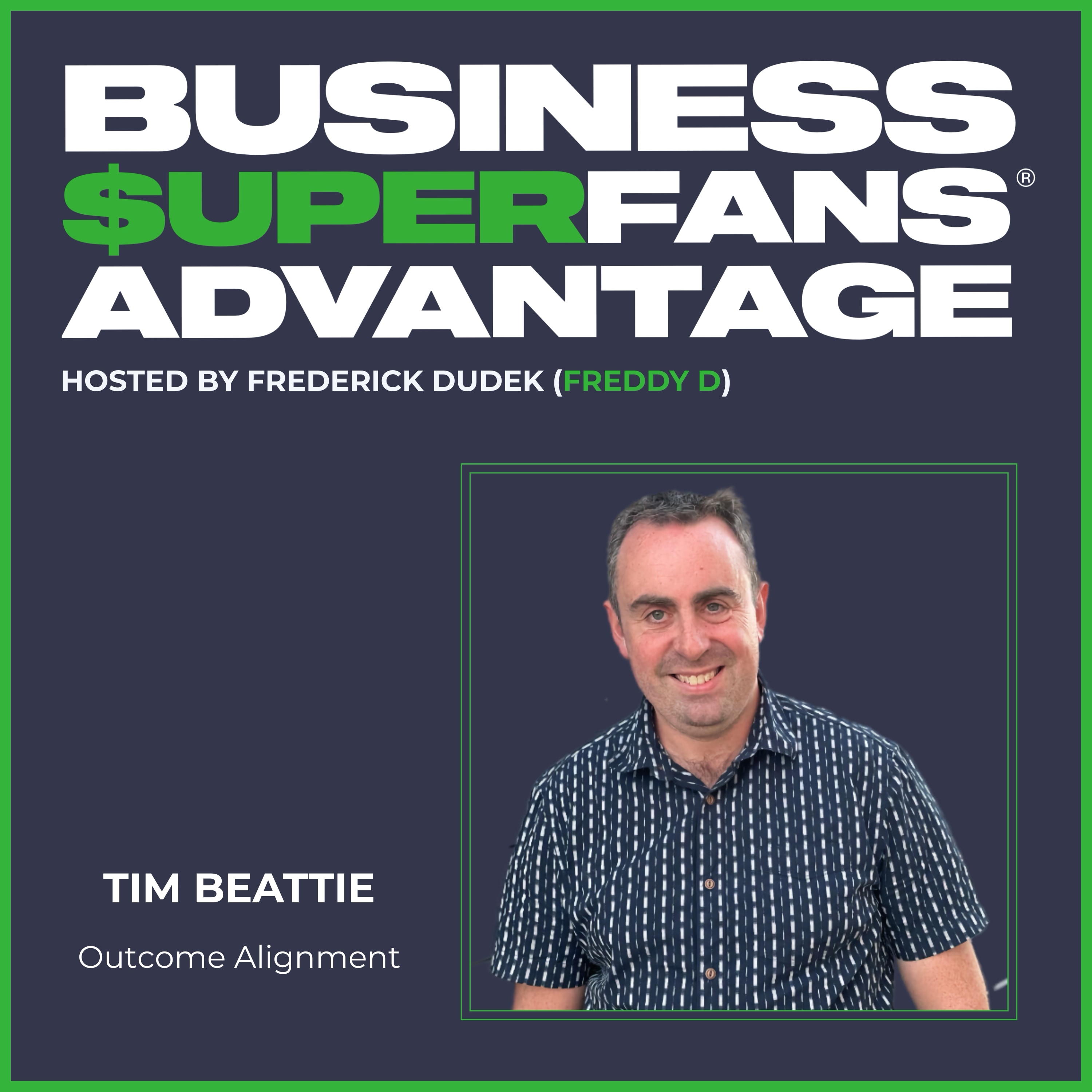
Outcome Alignment: Tim Beattie Breaks Silos for 19X Coaching Reach for Expodental Growth | Ep. 196
Mar 1100:37:35Tap to summarizeEpisode 196 Frederick Dudek (Freddy D)What happens when outcome alignment replaces siloed to-do lists? Tim Beattie shows how it can unlock 19X coaching reach and sharper team momentum.Episode SummaryOutcome alignment takes center stage as Tim Beattie explains how leaders can turn scattered teams, partners, and suppliers into one focused unit moving measurable needles together. In this episode, Tim breaks down why too many organizations confuse activity with progress, why siloed work creates drag, and why transparency, alignment, and common focus are the real championship fundamentals. He shares how Stellafai helps teams connect outcomes, measures, and coaching into one visible system, then reveals a standout case where a 10-minute coaching video was watched 19 times by 10 people, multiplying impact far beyond a single consulting session. For entrepreneurs, consultants, and service-business leaders, this episode is a playbook for turning outcome alignment into a repeatable growth engine.Discover more with our detailed show notes and exclusive content by visiting:Key Takeaways• The Transparency Trifecta: Transparency, alignment, and common focus are the three non-negotiables that keep internal teams and external partners rowing in the same direction.• The Star Chart System: Connecting one team’s measures to another team’s outcomes makes strategy visible and shows exactly how local wins drive enterprise-level momentum.• The 3-to-5 Measure Scoreboard: Teams move faster when they track a handful of shared progress signals instead of drowning in disconnected KPIs and task lists.• The Coaching Leverage Loop: A single 10-minute Loom video creating roughly 190–200 minutes of downstream value proves that consulting impact can be multiplied without multiplying calendar time.• The Continuous Coaching Model: Subscription-style access to coaching helps transformation efforts stick because teams can reorient quickly when they drift off track.• The Enablement Advantage: Organizations build stronger long-term capability when consultants leave behind skills, mental muscles, and visibility instead of slide decks and dependency.• The Needle-Moving Mindset: Performance jumps when people stop asking, “What’s on my to-do list?” and start asking, “What measure am I moving today?”Kindly Consider Supporting Our Show: Support Business Superfans® AdvantageGuest Bio:Tim Beattie is the co-founder of Stellafai and a consultant-turned-enablement leader with roughly 25 years of experience across PwC, IBM, Deloitte, boutique consultancies, and Red Hat. His work centers on helping organizations shift from output-heavy chaos to outcome-driven execution, while Stellafai positions itself as an operating system for outcome-based consulting and evidence-led client work.Create Mailbox Superfans Freddy D’s TakeThis conversation plays like a championship locker-room talk for leaders tired of seeing talented people hustle hard without moving the scoreboard. Tim Beattie makes the case that outcome alignment is not fluff, not culture-speak, and not another management buzzword. It is the difference between a team that wobbles and a team that wins. Freddy D keeps the sports energy high, and Tim matches it with a clear business truth: when every player in the ecosystem understands the mission, the measures, and their role in the bigger play, performance becomes visible, motivation rises, and waste drops. That lands especially hard in service businesses, where contractors, suppliers, and partners often shape the client experience just as much as employees do. This is exactly the type of strategy Freddy D helps clients implement through his SUPERFANS Framework™ and Prosperity Pathway™ coaching—turning scattered stakeholders into a coordinated, high-trust growth engine built for sustainable wins.The Action:The Action: Build a one-page outcome alignment scoreboard for your business this week.Who: Owners, department leaders, and key external partners who influence delivery, client experience, or growth.Why: This episode makes it clear that momentum accelerates when everyone can see the same mission, the same measures, and the same interdependencies. A simple shared scoreboard can cut confusion, expose waste, and create the first real wave of ecosystem-level buy-in.How:List 1 big strategic outcome for the next 90 days.Add 3–5 measurable signals that prove progress.Name the teams, contractors, or partners who affect each signal.Draw the connections between one group’s work and another group’s results.Review it weekly and ask only one question: Which needle moved?Guest ContactConnect with Tim Beattie:Website: Stellafai official site. LinkedIn: Tim Beattie profile.LinkedIn Client PipelineResources & ToolsStellafai Platform — A client workspace built around goals, measurable signals, star-chart dependencies, asynchronous coaching, and ROI dashboards for evidence-led engagements.Companies mentioned in this episode:StellafiBAE SystemsDeloitteIBMPwCRed HatRedhutchThis podcast is hosted by Captivate, try it yourself for free.Copyright 2025 Prosperous Ventures, LLCMentioned in this episode:Ninja ProspectingWe help coaches, consultants, and service-based business owners start real conversations with their ideal prospects on LinkedIn… Without sounding like a sales robot. We focus on building relationships and adding value first. Our method leaves a positive impression – so even if the timing isn’t right now, the door stays open for future conversations. Think of it this way: You wouldn’t walk into a networking event and pitch someone before saying hello. So why would you do that online?LinkedIn Client PipelineThis podcast uses the following third-party services for analysis: OP3 - https://op3.dev/privacyPodtrac - https://analytics.podtrac.com/privacy-policy-gdrpPodcorn - https://podcorn.com/privacy
Transcribe →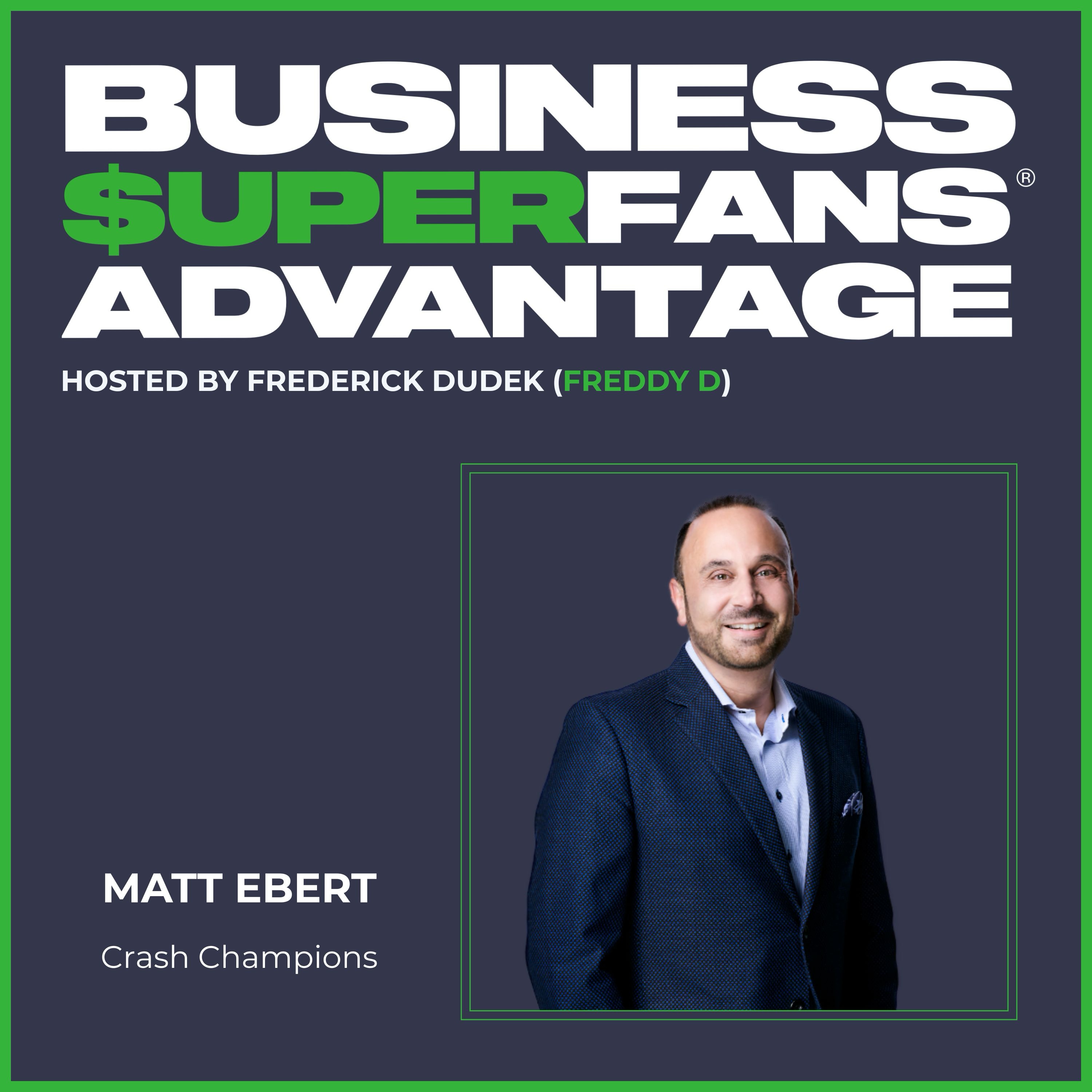
Collision Repair Growth: Matt Ebert Solves Scaling Culture to $2.8B, 650 Locations | Ep. 195
Mar 1000:36:27Tap to summarizeEpisode 195 Frederick Dudek (Freddy D)Collision repair growth gets a championship-level breakdown in this episode as Matt Ebert reveals how to scale culture, leadership, and operations from 1 shop to 650 locations without losing trust.Episode SummaryCollision repair growth takes center stage in Episode 195 as Matt Ebert, founder and CEO of Crash Champions, shares how he scaled a single Illinois body shop into a $2.8 billion business with 650 locations across 39 states. This conversation tackles a major pain point for service businesses and trade-based companies: how to grow fast, modernize an aging industry, and protect the culture that made the business win in the first place. Matt breaks down how leadership training, acquisition strategy, trust-building, and clear operational priorities became the playbook behind Crash Champions’ rapid rise. For entrepreneurs building multi-location brands, this episode delivers a practical roadmap for scaling people, process, and performance without letting the locker room lose its chemistry.Discover more with our detailed show notes and exclusive content by visiting:Key Takeaways• The SWAN Framework: Smart, willing, ambitious, and nice became Matt’s leadership filter for improving management quality before investing time and training into the wrong seat.• The 5 Priorities Scoreboard: Fix cars right, make customers happy, make insurance partners happy, make employees happy, and make money created a simple operating system everyone could rally behind.• The Leadership Bootcamp System: A three-part training model around culture, day-to-day management, and soft skills helped turn strong technicians into stronger leaders.• The Trust Equation: In a business where customers may only need help once every 10 years, every interaction either builds trust or tears it down.• The Expectation Management Method: Setting realistic timelines upfront prevents avoidable customer frustration and protects long-term brand loyalty.• The Champion Circle Recognition Model: Highlighting the top 5% quarterly gave teams a visible standard for excellence and created momentum through recognition, not just correction.• The Acquisition Integration Playbook: Rapid growth through acquisitions only works when leadership alignment and cultural clarity move as fast as the deal activity.• The Winning Momentum Principle: Teams perform better when leaders create a sense of progress, appreciation, and shared victories instead of constant criticism.Kindly Consider Supporting Our Show: Support Business Superfans® AdvantageGuest Bio:Matt Ebert is the founder and CEO of Crash Champions, one of the largest collision repair organizations in the United States. Starting with a single shop in New Lenox, Illinois in 1999, he helped build the company into a national powerhouse with 650 locations, operations in 39 states, and roughly $3 billion in revenue. Matt is known for combining blue-collar leadership, disciplined acquisitions, and people-first culture to scale in a highly fragmented industry.EpisodeCreate Mailbox Superfans Freddy D’s TakeThis episode plays like a playoff clinic on scaling a service business without fumbling the culture. Matt Ebert does not frame growth as luck or hype. He frames it as a leadership discipline. That is the big win here. He understood the collision repair industry was consolidating, saw the market shift early, and moved with conviction through acquisitions. But the real championship move was not just buying locations. It was building the internal muscle to unify them.What stands out is Matt’s obsession with trust, communication, and leadership development. He makes it clear that the direct manager is the face of the company for most employees. That insight is gold for any founder trying to scale beyond founder-led operations. When the locker room expands, culture no longer survives on inspiration alone. It survives on systems.This is exactly the type of strategy I help clients implement through my SUPERFANS Framework™ in Prosperity Pathway coaching within the Superfans Growth Hub. Matt’s approach proves that when you recognize people, clarify the mission, and train leaders to row in rhythm, your business ecosystem starts playing like a championship team instead of a group of disconnected free agents.The Action:The Action: Build your own 5 Priorities Scoreboard.Who: Founders, operators, and multi-location service business leaders.Why: When teams do not know the scoreboard, they cannot win consistently. A simple, visible operating framework aligns leadership, reduces mixed messaging, and helps every department row in the same direction.How:Define the five non-negotiable outcomes your business must win every quarter.Translate each priority into 1 measurable KPI.Review the scoreboard with managers weekly.Tie recognition to the priorities your top performers are advancing.Use every new initiative to answer one question: Which priority does this improve?Guest ContactConnect with Matt Ebert:Website: MattEbert.comCompany: CrashChampions.comSocial: @MattEbertCCLinkedIn Client PipelineResources & ToolsMattEbert.com: Matt’s personal website for leadership insights and connection.CrashChampions.com: Learn more about the company’s services, footprint, and brand.The Service Provider Playbook: Freddy D’s free resource for businesses looking to escape turnover, margin squeeze, revenue chaos, and burnout. https://skool.com/eprosperityhub/aboutProsperity Pathway™ Discovery Call: Strategic coaching for leaders who want to turn their ecosystem into loyal business superfans. https://propesperitypathway.chatThis podcast is hosted by Captivate, try it yourself for free.Copyright 2025 Prosperous Ventures, LLCMentioned in this episode:Ninja ProspectingWe help coaches, consultants, and service-based business owners start real conversations with their ideal prospects on LinkedIn… Without sounding like a sales robot. We focus on building relationships and adding value first. Our method leaves a positive impression – so even if the timing isn’t right now, the door stays open for future conversations. Think of it this way: You wouldn’t walk into a networking event and pitch someone before saying hello. So why would you do that online?LinkedIn Client PipelineThis podcast uses the following third-party services for analysis: OP3 - https://op3.dev/privacyPodtrac - https://analytics.podtrac.com/privacy-policy-gdrpPodcorn - https://podcorn.com/privacy
Transcribe →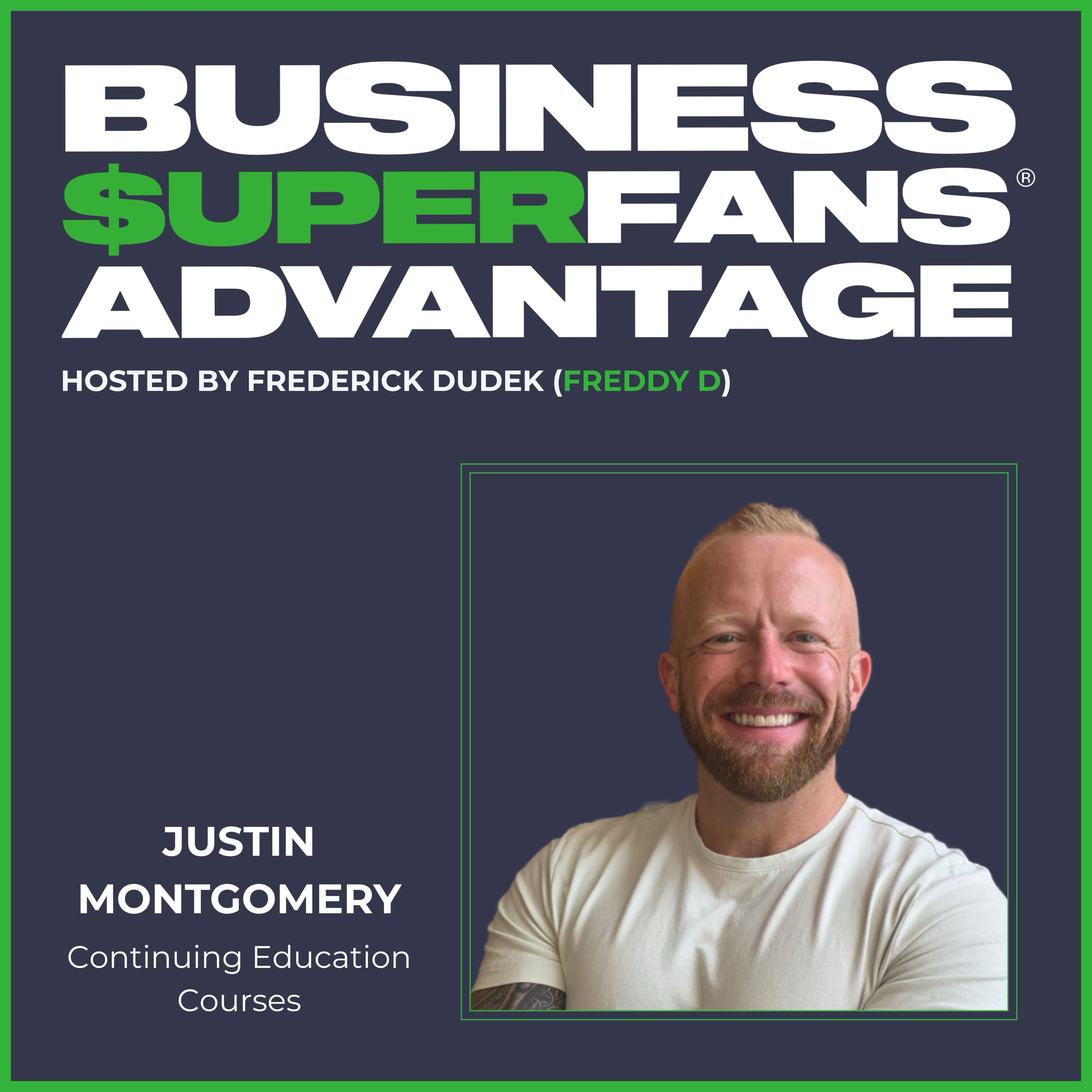
Continuing Education Courses: Justin Montgomery Solves Time-for-Money Burnout for 8 Figures in 3 Years | Ep. 194
Mar 600:43:06Tap to summarizeEpisode 194 Frederick Dudek (Freddy D)Continuing education courses can turn expert burnout into a scoreboard-winning business model—where your knowledge works for you and not just through you.Episode SummaryContinuing education courses take center stage in this episode as Justin Montgomery, founder of ProCourseStart, breaks down how credentialed professionals can escape the time-for-money trap and build a high-margin education business. Justin shares how he went from burned-out nurse practitioner to scaling Elite Nurse Practitioner into an eight-figure continuing education platform after launching his first course and generating $50,000 in one week.This conversation hits the business playoffs level of strategy for service-based professionals, consultants, and credentialed experts who want to create passive income, reduce burnout, and build an offer with built-in demand. Freddy D and Justin unpack why CE businesses are recession-resistant, how tiny niche market share can still produce seven-figure revenue, and why the real growth engine is building loyal superfans through transformational results, follow-up, and personalized customer experiences.Discover more with our detailed show notes and exclusive content by visiting:Key Takeaways• The Knowledge Leverage Framework: Experts create scale when they stop letting knowledge only work through them and start packaging it to work for them through products, systems, and automation.• The Built-In Demand Scoreboard: Continuing education courses win because licensed professionals already need CE credits to maintain compliance, creating immediate market demand.• The 1% Market Share Model: Capturing just 0.5% to 1% of a niche professional market can create a million-dollar business when the offer and targeting are dialed in.• The Transformational Offer Method: The highest-value CE products do not teach information people can Google; they teach strategic outcomes that change careers, income, or business models.• The Two-Week Rule: If your business cannot run for two weeks without your direct input, you do not own a scalable business—you own a glorified job.• The Superfan Retention Engine: Reviews, follow-up, personalized recognition, and consistent value-driven content turn customers into repeat buyers and referral partners.• The Lean Margin Playbook: A well-built CE business can run with contractors, automation, and modest overhead, producing 80% to 90% margins when executed correctly.• The Whisper Marketing System: Consistent content, thoughtful touchpoints, and small personalized gestures keep you top of mind and compound long-term customer lifetime value.Kindly Consider Supporting Our Show: Support Business Superfans® AdvantageGuest Bio:Justin Montgomery is the founder of ProCourseStart and a former nurse practitioner who transformed his clinical expertise into an eight-figure continuing education business. After building Elite Nurse Practitioner into a major education platform, Justin now helps doctors, therapists, attorneys, chiropractors, and other credentialed experts launch trust-based, high-margin CE businesses designed to create scalable income and more freedom.Create Mailbox Superfans Freddy D’s TakeJustin Montgomery steps onto this episode like a seasoned champion with a playbook built from real reps, real results, and real scars. His story is not theory—it is the business version of coming off the bench, reading the defense, and taking over the game. He saw the ceiling in the traditional professional model: even at strong income levels, he was still tied to shifts, schedules, and constant output. Then he made the strategic pivot—he turned his expertise into continuing education courses with built-in demand.That is where this episode becomes a must-listen for entrepreneurs and service-based leaders. Justin is not simply talking about “making a course.” He is talking about building a business ecosystem where expertise, automation, niche positioning, and audience trust work together like a championship roster. Freddy D smartly connects this to the bigger Business Superfans philosophy: the little things, the follow-up, the personalized recognition, the testimonials, and the consistent whisper in the marketplace all turn customers into advocates.This is exactly the type of strategy I help clients implement through my SUPERFANS Framework™ in Prosperity Pathway coaching within the Superfans Growth Hub. When you combine transformational offers with a fan-building experience, you do more than sell—you create momentum that keeps scoring long after the first transaction.The Action:The Action: Identify one area of expertise you can package into a transformational continuing education offer.Who: Service-based professionals, credentialed experts, and advisors.Why: Most experts are still playing offense one possession at a time—trading hours for income. Packaging your knowledge into a repeatable offer creates leverage, expands margin, and opens the door to a business that can grow without your constant presence.How:Audit the knowledge clients or peers ask you for repeatedly.Identify a problem tied to a career, compliance, revenue, or skill outcome.Turn that problem into a specific transformation, not generic information.Validate demand by defining the exact niche audience and the stakes they face.Design a simple follow-up experience that builds reviews, referrals, and repeat buyers.Guest ContactConnect with Justin Montgomery:Website: ProCourseStart.comPodcast Offer Page: ProCourseStart.com/podcast/superfanEmail: justin@procoursestart.comSocial: Justin Allen Montgomery / ProCourseStart on Facebook and InstagramLinkedIn Client PipelineResources & ToolsLinks referenced in this episode:procourse.comprocourse.com/podcast/superfanprocourse.com/masterclassskool.com/eprosperityhub/This podcast is hosted by Captivate, try it yourself for free.Links referenced in this episode:Companies mentioned in this episode:Pro Course StartElite Nurse PractitionerCopyright 2025 Prosperous Ventures, LLCMentioned in this episode:Ninja ProspectingWe help coaches, consultants, and service-based business owners start real conversations with their ideal prospects on LinkedIn… Without sounding like a sales robot. We focus on building relationships and adding value first. Our method leaves a positive impression – so even if the timing isn’t right now, the door stays open for future conversations. Think of it this way: You wouldn’t walk into a networking event and pitch someone before saying hello. So why would you do that online?LinkedIn Client PipelineThis podcast uses the following third-party services for analysis: OP3 - https://op3.dev/privacyPodtrac - https://analytics.podtrac.com/privacy-policy-gdrpPodcorn - https://podcorn.com/privacy
Transcribe →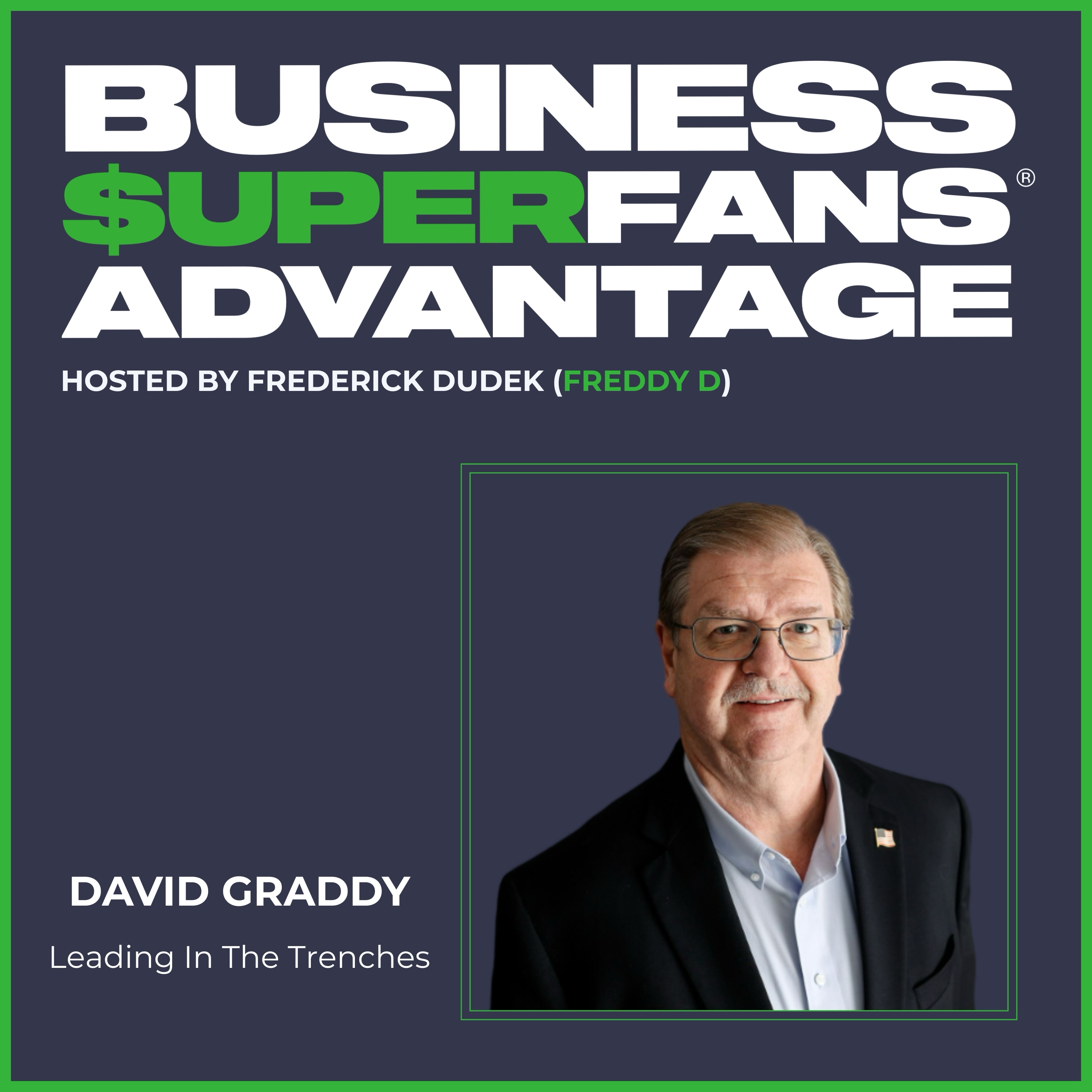
Leadership Development: David Graddy Fixes Bad Bosses for 30% Higher Team Output in 90 Days | Ep. 193
Mar 300:45:23Tap to summarizeEpisode 193 Frederick Dudek (Freddy D)Leadership development isn’t won in the corner office—it’s won in the trenches, where trust, communication, and delegation turn everyday teams into championship squads.Episode SummaryLeadership development gets real in this episode as David Graddy breaks down how to lead before you have the title—and how to build trust that turns your team into true believers. David shares his climb from retail floors to Boeing leadership, where he learned that the fastest way to lose a team is simple: no integrity, no growth, no communication. You’ll hear how intentional delegation develops future leaders, why many companies accidentally promote “top performers” into failure, and how camaraderie creates the kind of loyalty that lasts for decades. If you want leadership development that actually moves the scoreboard—better performance, stronger retention, and tighter culture—this episode delivers the playbook.Discover more with our detailed show notes and exclusive content by visiting:Key Takeaways• The Trust Foundation Framework: If your team doesn’t trust you, you’re only a positional leader—and your ceiling is instantly capped.• The Integrity Scoreboard: Consistent integrity is the baseline metric that determines whether people follow you voluntarily or only comply.• The Growth-Through-the-Job System: Leaders who create stretch opportunities (special teams, problem-solving, mentoring) multiply capability across the roster.• The Communication Championship Rule: Want to lose the locker room fast? Go silent—communication is the fuel for alignment and momentum.• The Promotion Trap Method: Promoting a “top doer” without leadership training produces micromanagement, control, and team disengagement.• The Delegate-With-Intent Play: Delegation isn’t dumping tasks—it’s a deliberate development strategy designed to grow someone into their next role.• The Strengths Deployment Strategy: When you assign responsibilities based on strengths, you unlock better ideas, faster execution, and higher buy-in.• The Pipeline Leader Principle: Great leaders are always scouting and developing the next leader—because succession is a competitive advantage.Kindly Consider Supporting Our Show: Support Business Superfans® AdvantageGuest Bio:David Graddy is a leadership coach, author, and veteran operations leader with decades of experience across retail, Boeing, and Spirit AeroSystems. He wrote Leading in the Trenches, a strategic guide for developing leaders who build trust, communicate clearly, and grow their teams. David is also developing a new book focused on first-level leadership, working with John Maxwell’s publishing organization to bring the next level of leadership development to life.Create Mailbox Superfans Freddy D’s TakeThis episode is a full-contact leadership development masterclass—no theory-only fluff, just trench-tested execution. David’s core message is a championship truth: trust and integrity are your team’s home-field advantage. Without them, you’re wearing the title but losing the game.Freddy D reinforces the “superfan effect” inside companies: when leaders build real camaraderie and empower people, teams don’t just perform—they rally. David’s examples from Boeing prove that leadership isn’t a moment; it’s a journey: teaching the tool is one thing, but teaching the thinking behind it is what creates confidence, autonomy, and future leaders.This is exactly the type of strategy I help clients implement through my SUPERFANS Framework™ in Prosperity Pathway coaching within the Superfans Growth Hub—turning employees, teams, and partners into engaged advocates who execute like champions.The Action:The Action: Run a “Trust + Growth Huddle” with your team this week.Who: Your employees / direct reports (and one rising leader you want to develop).Why: Leadership development accelerates when people feel seen, supported, and stretched—this builds trust, increases ownership, and reduces micromanagement.How:Ask: “Where do you feel blocked right now?” (remove friction)Ask: “What’s one skill you want to build in the next 30 days?” (growth target)Delegate one responsibility with an intent tied to that growth targetSet a simple scoreboard: success metrics + check-in datePublicly reinforce trust: “I’ve got your back—bring me risks early.”Guest ContactConnect with David Graddy:Website: DavidGraddy.comEmail: lead@davidgraddy.comLinkedIn: David Graddy (search on LinkedIn)LinkedIn Client PipelineResources & ToolsLeading in the Trenches (David Graddy): A strategic guide to becoming the leader your team needs.DavidGraddy.com: David’s leadership site + “seven practical actions” guide.John Maxwell Publishing Organization: David’s next-book path and leadership publishing support.Dale Carnegie Leadership Training: Referenced as a powerful perspective shift for leadership.Unreasonable Hospitality: Example of empowerment and strengths-based role design.YouTube Micro-Lessons / Book Club Training: Simple, low-cost leadership development for teams.This podcast is hosted by Captivate, try it yourself for free.Companies mentioned in this episode:BoeingSpirit AerosystemsJohn MaxwellDale CarnegieEaton CorporationCopyright 2025 Prosperous Ventures, LLCMentioned in this episode:Ninja ProspectingWe help coaches, consultants, and service-based business owners start real conversations with their ideal prospects on LinkedIn… Without sounding like a sales robot. We focus on building relationships and adding value first. Our method leaves a positive impression – so even if the timing isn’t right now, the door stays open for future conversations. Think of it this way: You wouldn’t walk into a networking event and pitch someone before saying hello. So why would you do that online?LinkedIn Client PipelineThis podcast uses the following third-party services for analysis: OP3 - https://op3.dev/privacyPodtrac - https://analytics.podtrac.com/privacy-policy-gdrpPodcorn - https://podcorn.com/privacy
Transcribe →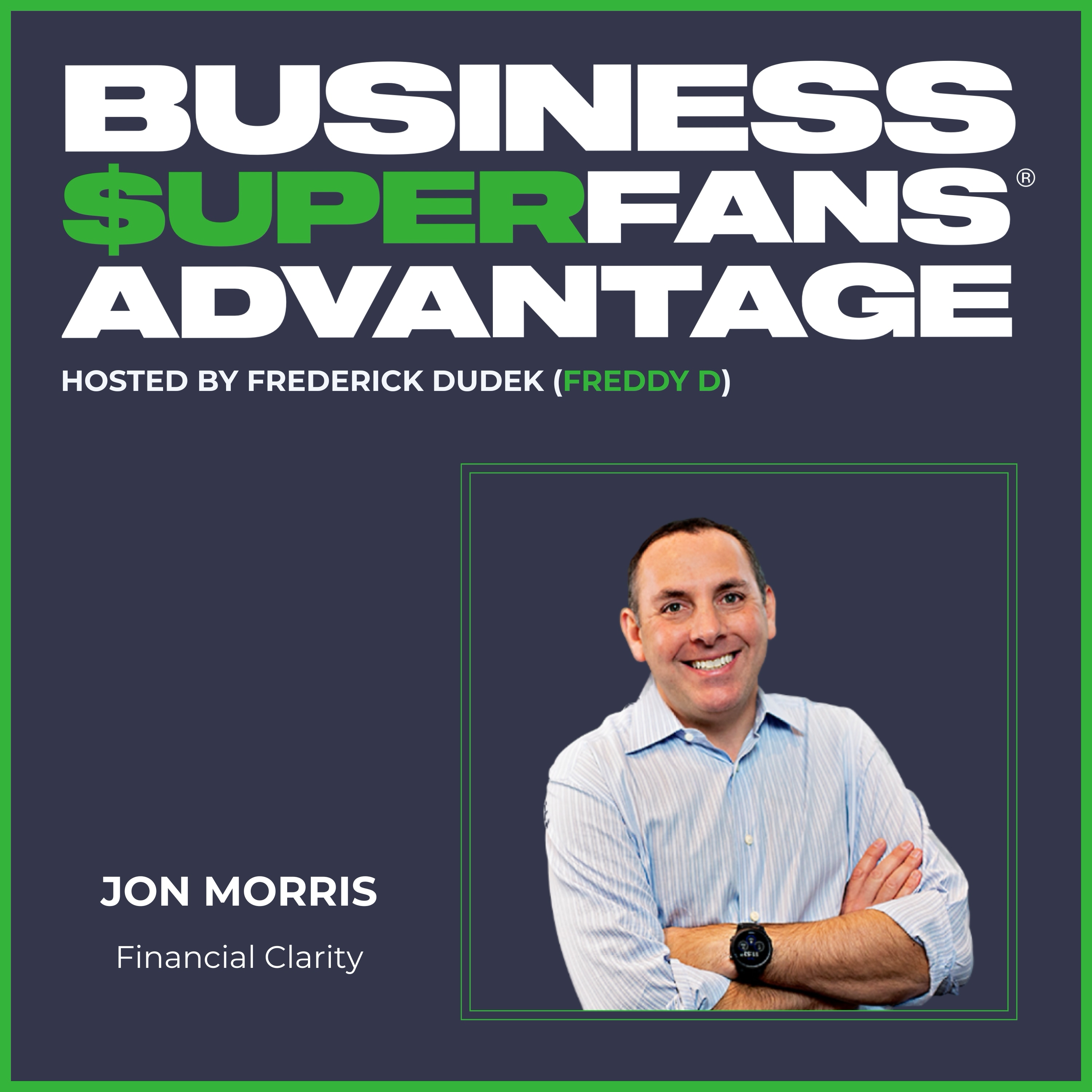
Financial Clarity: Jon Morris Solves Profit Blind Spots for a $3M Turnaround | Ep. 192
Feb 2700:39:49Tap to summarizeEpisode 192 Frederick Dudek (Freddy D)Financial Clarity for Service Businesses can unlock hidden profit, eliminate cash stress, and turn your numbers into a strategic scoreboard for predictable growth.Financial clarity is the difference between scaling profit and scaling stress—and in Episode 192, Jon Morris, Founder & CEO of Fiscal Advocate, reveals how service-based businesses can engineer a $3M financial turnaround in 6 months.Too many founders grow revenue while flying blind on profit margin, cash flow, and real KPIs. The result? Burnout, cash distress, and stalled growth.Jon shares how he scaled Rise Interactive to nearly $40M before exiting—and how that experience led him to build Engine BI and an AI CFO co-pilot to help leaders make smarter financial decisions.From fixing broken chart of accounts to identifying bloated finance teams and leaking margins, this episode shows how financial clarity transforms stress into strategy—and chaos into confidence.Discover more with our detailed show notes and exclusive content by visiting: https://linkly.link/2byDKKey Takeaways• The 3 KPI Scoreboard: Cash-to-overhead ratio, profit margin, and year-over-year revenue growth determine whether you’re building wealth or bleeding cash.• Income Statement as a Storyteller: When organized correctly, your P&L reveals exactly where growth is stalling—and why.• Benchmarking Creates Competitive Edge: If the industry average is 8% sales & marketing spend, playing at 16% can create growth acceleration.• First 100 Days Matter Most: Product-led onboarding builds a “goodwill bucket” that protects long-term retention and referrals.• Accountability Drives Revenue: Sales teams without quotas and pipeline visibility kill growth momentum.• Small Pricing Tweaks, Massive Impact: A simple $5 increase flipped one business from negative net income to profitability.• Urgency Wins: Waiting four months after losing a major client is fatal. Financial clarity demands decisive action.Kindly Consider Supporting Our Show: Support Business Superfans® AdvantageGuest Bio:Jon Morris is the Founder & CEO of Fiscal Advocate and former Founder of Rise Interactive, a digital agency he scaled from $10K in prize money to nearly $40M in revenue before a successful exit. Today, Jon helps service-based CEOs eliminate financial blind spots through Engine BI and AI-powered CFO tools—driving profitability, clarity, and scalable growth.Create Mailbox Superfans Freddy D’s TakeJon Morris doesn’t just talk theory—he delivers championship-level financial execution. He took one service firm from losing $1.5M to generating $1.5M profit in a year. That’s a $3M swing. That’s not luck—that’s financial clarity.Here’s the game-changing insight: Most service businesses don’t fail from lack of effort. They fail from lack of financial organization and accountability.Jon breaks it down like a coach reviewing film:Sales & marketing spend misalignedBloated finance teamsFreelancers killing margin mid-monthNo quota accountabilityDisorganized chart of accountsThis is exactly the type of strategic shift I help clients implement through my SUPERFANS Framework™ inside Prosperity Pathway coaching within the Entrepreneur Prosperity Hub.When your numbers align, your team aligns. When your team aligns, your ecosystem becomes advocates. And when your ecosystem becomes advocates—you build momentum that compounds like a championship dynasty.The Action:The Action: Audit your Sales & Marketing spend percentage.Who: CEO or FounderWhy: If you don’t intentionally fund growth, you’re relying on hope instead of strategy. Financial clarity demands intentional allocation.How:Calculate S&M as % of revenueBenchmark against industry averagesEvaluate ROI by channelSet a 90-day measurable growth targetAdjust budget to match desired outcomeGuest ContactConnect with Jon Morris:Website: FiscalAdvocate.comLinkedIn: Jon MorrisLinkedIn Client PipelineResources & Tools• Engine BI – Budgeting, forecasting, benchmarking platform for service firms• Luco (AI CFO Co-Pilot) – AI-powered financial decision assistant• Fiscal Advocate eBook – Budgeting & forecasting guideThis podcast is hosted by Captivate, try it yourself for free.Companies mentioned in this episode:Fiscal Advocate Inc.Rise InteractiveCopyright 2025 Prosperous Ventures, LLCMentioned in this episode:Ninja ProspectingWe help coaches, consultants, and service-based business owners start real conversations with their ideal prospects on LinkedIn… Without sounding like a sales robot. We focus on building relationships and adding value first. Our method leaves a positive impression – so even if the timing isn’t right now, the door stays open for future conversations. Think of it this way: You wouldn’t walk into a networking event and pitch someone before saying hello. So why would you do that online?LinkedIn Client PipelineThis podcast uses the following third-party services for analysis: OP3 - https://op3.dev/privacyPodtrac - https://analytics.podtrac.com/privacy-policy-gdrpPodcorn - https://podcorn.com/privacy
Transcribe →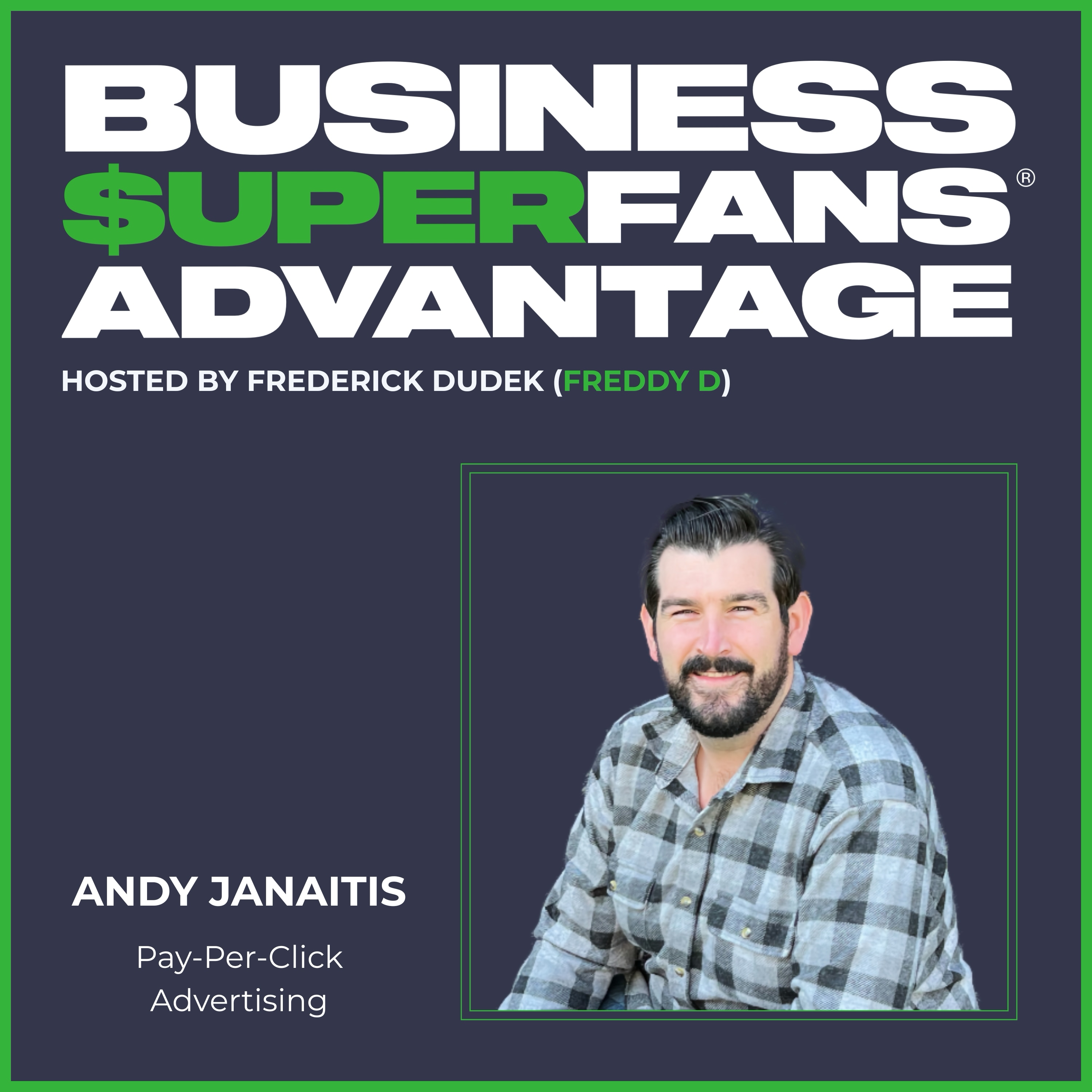
Pay-Per-Click Advertising: Andy Janaitis Turns Wasted Budget into Predictable Growth | Ep. 191
Feb 2500:36:31Tap to summarizeEpisode 191 Frederick Dudek (Freddy D)Pay-Per-Click Advertising shouldn’t feel like gambling—Andy Janaitis reveals how to turn wasted ad spend into predictable, scalable growth.Pay-Per-Click Advertising doesn’t fail because of the platform—it fails because of poor alignment, weak data, and reactive strategy. In Episode 191, Andy Janaitis shows how to transform wasted ad spend into predictable growth.Many small businesses treat Google Ads and Meta campaigns like experiments instead of engineered systems. They chase clicks, obsess over surface-level ROAS, and end up frustrated by inconsistent results. The real breakthrough comes when paid ads are aligned with business expansion goals, accurate conversion tracking, and disciplined forecasting.Andy breaks down how automated bidding models, clean data inputs, and authentic customer-focused content create sustainable momentum. From scaling a local chocolate brand nationwide to driving consistent 20–30% year-over-year revenue growth, he reveals how to build a PPC strategy that compounds instead of fluctuates.If you want to reduce wasted budget, improve ROAS, and turn Pay-Per-Click Advertising into a predictable revenue engine, this episode delivers the playbook.Discover more with our detailed show notes and exclusive content by visiting:Key TakeawaysAuthentic Content Fuels PPC Performance - The best way to win in paid ads today is answering real customer questions before they buy.Data Is the New Playbook - Automated bidding models in Google and Meta only work when clean, accurate conversion data is fed back into the system.Business Goals > Vanity Metrics - ROAS alone doesn’t build empires—align ad spend with expansion strategy and long-term revenue growth.Collaborative Budget Forecasting Wins - Quarterly forecasting and transparent reporting eliminate wasted spend and build trust.Internal Champions Accelerate Sales Cycles - Help your marketing contact look like a rockstar internally—and watch momentum multiply.Old School Still Scores Points - Direct mail, thank-you cards, and personal follow-up dramatically increase retention and referrals.Holistic Paid Ads Strategy - Google Ads, Meta Ads, landing pages, and email flows must operate as one integrated growth engine.Kindly Consider Supporting Our Show: Support Business Superfans® AdvantageGuest Bio:Andy Janaitis is the founder of PPC Pitbull, a performance-driven digital marketing agency specializing in Google Ads and Meta Ads for small and mid-sized businesses. With a background in engineering, data science, and product management, Andy blends technical precision with strategic creativity. Over the past five years, he’s helped brands scale nationally, improve ROAS, and achieve consistent 20–30% annual growth through smarter paid advertising systems.Freddy D’s TakeAndy doesn’t just “run ads”—he builds performance ecosystems.What stood out most is how he merges technical precision with authentic curiosity. Like a championship coach studying game film, he analyzes data, conversion tracking, and bidding algorithms—but never forgets the human behind the screen.When a Seattle-based chocolate brand wanted national expansion, Andy didn’t chase the cheapest conversions. He aligned Pay-Per-Click Advertising with geographic expansion strategy, helping them penetrate key markets—even at higher short-term acquisition costs—because long-term growth demanded it.That’s ecosystem thinking.This is exactly the type of strategy I help clients implement through my SUPERFANS Framework™ in Prosperity Pathway coaching within the Superfans Growth Hub.You don’t build superfans by chasing clicks.You build them by aligning marketing, operations, and leadership around shared goals—then amplifying the right plays.Like sports dynasties, sustained success isn’t flashy.It’s disciplined fundamentals executed consistently.The Action:The Action: Align Your PPC Budget With Business Expansion GoalsWho: Marketing Director or FounderWhy: If your ad strategy isn’t tied to expansion markets or revenue objectives, you’re playing defense instead of offense. Championship growth requires strategic spend—not random clicks.How:Review your top 3 business growth goals for the next 12 monthsIdentify geographic or demographic expansion targetsCompare current ad spend allocation against those prioritiesEliminate campaigns not aligned with growth strategyReallocate budget toward strategic market penetrationGuest ContactConnect with Andy Janaitis:Website: https://ppcpitbulls.comLinkedIn: Search “Andy Janaitis”LinkedIn Client PipelineResources & ToolsPPC Pitbull – Performance-focused Google & Meta Ads managementGoogle Ads – Paid search advertising platformMeta Ads Manager – Facebook & Instagram ad platformSUPERFANS Framework™ – Ecosystem transformation methodologyThis podcast is hosted by Captivate, try it yourself for free.Companies mentioned in this episode:PPC Pit BullsGoogleMetaChatGPTBingPerplexityCopyright 2025 Prosperous Ventures, LLCMentioned in this episode:Ninja ProspectingWe help coaches, consultants, and service-based business owners start real conversations with their ideal prospects on LinkedIn… Without sounding like a sales robot. We focus on building relationships and adding value first. Our method leaves a positive impression – so even if the timing isn’t right now, the door stays open for future conversations. Think of it this way: You wouldn’t walk into a networking event and pitch someone before saying hello. So why would you do that online?LinkedIn Client PipelineThis podcast uses the following third-party services for analysis: OP3 - https://op3.dev/privacyPodtrac - https://analytics.podtrac.com/privacy-policy-gdrpPodcorn - https://podcorn.com/privacy
Transcribe →
Healthcare Cost Optimization: How Donovan Pyle Turns Benefits Into Competitive Advantage | Ep. 190
Feb 1600:35:39Tap to summarizeEpisode 190 Frederick Dudek (Freddy D)Healthcare cost optimization becomes a true competitive advantage when leaders stop accepting rising premiums and start redesigning employee benefits with strategy, transparency, and executive control.Healthcare cost optimization takes center stage in Episode 190 as Donovan Pyle reveals how executives can transform their employee benefits strategy into a powerful competitive advantage.Most business owners accept healthcare increases as inevitable. Year after year, premiums rise, HR absorbs the stress, and leadership feels stuck playing defense. But Donovan breaks down why up to 25% of employer healthcare spend is wasted—and how misaligned incentives in traditional broker models quietly fuel the problem.In this high-impact conversation, Donovan shares how transparent supply chain visibility, structured RFP processes, and unbiased advisory models allow companies to reduce costs while improving benefits.The result? Stronger employee retention, better recruiting leverage, healthier margins—and a business ecosystem that operates like a championship team instead of a scrambling defense.Discover more with our detailed show notes and exclusive content by visiting: https://linkly.link/2akCtKey TakeawaysHealthcare Cost Optimization Is Strategic, Not Tactical - This isn’t about trimming expenses—it’s about turning benefits into competitive advantage that strengthens retention and recruiting.25% Waste Opportunity - Many employers overspend by thousands per employee due to pricing variation and hidden inefficiencies.Broker Incentive Misalignment - Traditional compensation models can reward rising costs. Understanding this is the first step toward real optimization.Healthcare Supply Chain Transparency - Imaging, hospital, and pharmacy pricing can vary over 1,000%. Visibility unlocks savings.Strategic RFP Execution - Running competitive RFPs for pharmacy benefit managers can generate multi-million-dollar savings with minimal disruption.Executive Engagement Required - Healthcare transformation cannot be fully delegated. Leadership involvement creates momentum.Benefits as Talent Weapon - When benefits improve and stabilize, employees feel valued—and loyalty compounds.Kindly Consider Supporting Our Show: Support Business Superfans® AdvantageGuest Bio:Donovan Pyle is CEO of Health Compass Consulting and author of Fixing Healthcare: How Executives Can Save Their People, Their Business, and the Economy. Recognized as a 2025 Benefits Advisor of the Year by the Validation Institute, Donovan helps mid-sized employers implement healthcare cost optimization strategies that save an average of $1,856 per employee annually while improving employee experience.Freddy D’s TakeThis episode wasn’t about trimming budgets—it was about shifting from defense to offense.Healthcare cost optimization becomes powerful when executives stop outsourcing responsibility and start leading strategically. Donovan made it clear: when you see your healthcare supply chain, you see opportunity.Think of it like a championship franchise reviewing game film. Once you identify inefficiencies, you redesign the playbook.When benefits improve and costs stabilize, employees feel secure. And when employees feel secure, they become advocates. That internal loyalty turns into external momentum.This is exactly the type of transformation I help clients implement through my SUPERFANS Framework™ in Prosperity Pathway coaching within the Superfans Growth Hub. When leaders align benefits strategy with talent strategy, they don’t just save money—they build competitive advantage that compounds over time.That’s how you turn healthcare from a frustration into fuel.The Action:The Action: Elevate Benefits to the Executive LevelWho: CEO or CFOWhy: Healthcare is likely your second or third largest expense. Treating it strategically creates financial flexibility and strengthens employee loyalty.How:Review broker compensation structureDemand full claims transparencyConduct a pharmacy benefit RFPSurvey employees on benefit prioritiesExplore fiduciary advisory optionsGuest ContactConnect with Donovan Pyle:Website: https://fixinghealthcare.comLinkedIn Client PipelineResources & ToolsFixing Healthcare (Book) – Executive roadmap for healthcare cost optimizationhttps://fixinghealthcare.comHealth Compass Consulting – Fiduciary-based healthcare advisoryhttps://healthcompassconsulting.comEntrepreneur Prosperity Hub – Business growth tools & playbookshttps://www.skool.com/eprosperityhub/aboutThis podcast is hosted by Captivate, try it yourself for free.Companies mentioned in this episode:Health Compass ConsultingNinja ProspectingEmployee Benefits NewsBenefits ProSHRMMark CubanCopyright 2025 Prosperous Ventures, LLCMentioned in this episode:Ninja ProspectingWe help coaches, consultants, and service-based business owners start real conversations with their ideal prospects on LinkedIn… Without sounding like a sales robot. We focus on building relationships and adding value first. Our method leaves a positive impression – so even if the timing isn’t right now, the door stays open for future conversations. Think of it this way: You wouldn’t walk into a networking event and pitch someone before saying hello. So why would you do that online?LinkedIn Client PipelineThis podcast uses the following third-party services for analysis: OP3 - https://op3.dev/privacyPodtrac - https://analytics.podtrac.com/privacy-policy-gdrpPodcorn - https://podcorn.com/privacy
Transcribe →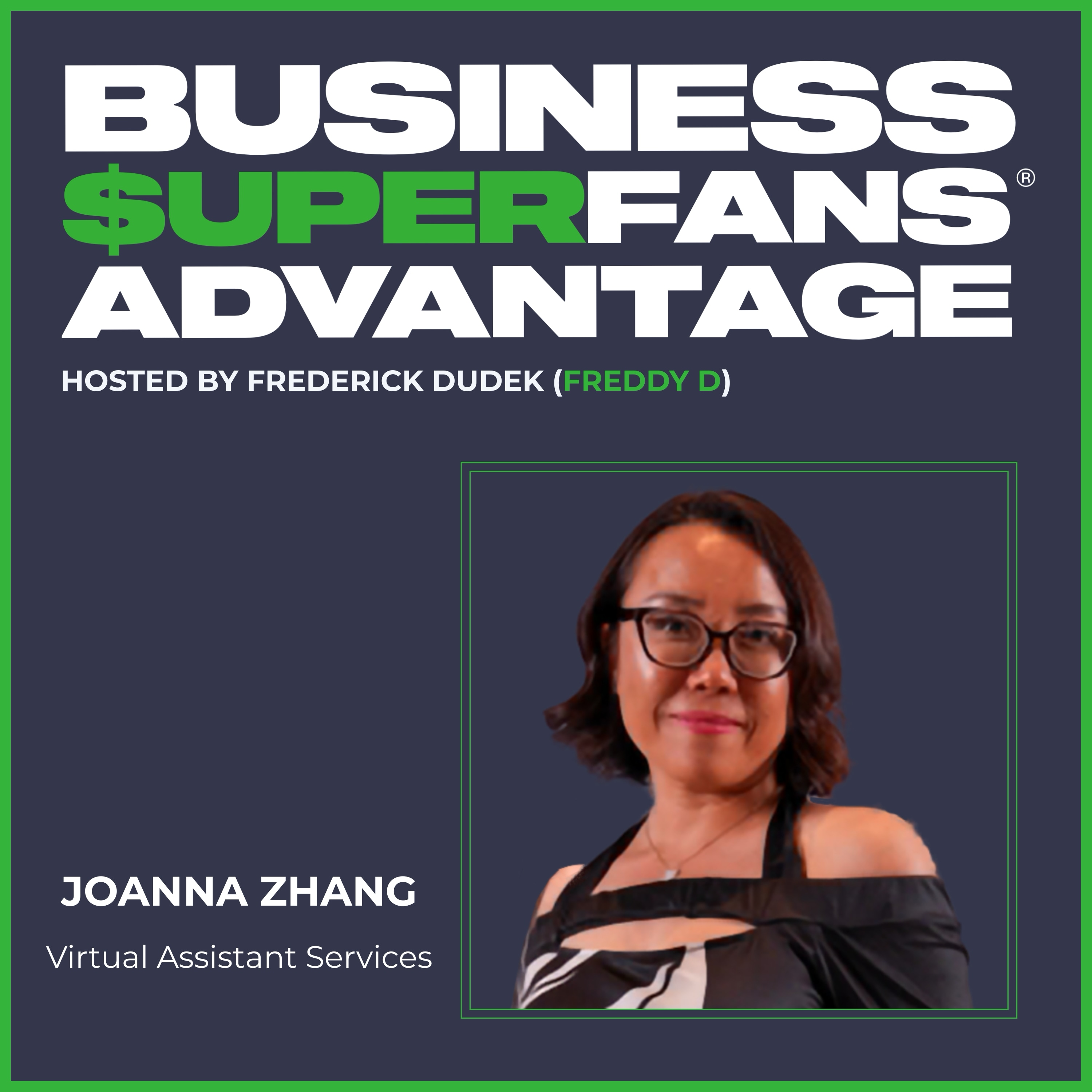
Virtual Assistant Services: Joanna Zhang’s Sustainable Scaling Blueprint | Ep. 189
Feb 1200:38:53Tap to summarizeEpisode 189 Frederick Dudek (Freddy D)Virtual assistant services aren’t just about delegation—they’re the championship strategy for scaling sustainably, building empowered teams, and turning operations into a growth engine.Virtual assistant services take center stage in Episode 189 as Joanna Zhang, Founder of The Operations Genius, reveals how to scale sustainably without burning out.Many entrepreneurs hit a growth ceiling because they try to do everything themselves. The bottleneck isn’t strategy—it’s execution overload. Leaders know they should delegate, but fear losing control, quality, or momentum.Joanna breaks down how fractional operations support, plug-and-play teams, and conscious leadership transform chaos into clarity. She shares how empowered VAs become trusted partners—not task-doers—and how networking and word-of-mouth fuel sustainable growth.The result? More freedom, aligned teams, predictable systems, and businesses that scale without sacrificing purpose.Discover more with our detailed show notes and exclusive content by visiting:Key TakeawaysSustainable Scaling Starts with Letting Go - True growth begins when leaders delegate beyond incompetence—and even beyond excellence.80% Done > 0% Done - Progress beats perfection. Empowered VAs create momentum while you focus on vision.Plug-and-Play Virtual Assistant Services - Pre-trained specialists integrate fast, reducing ramp-up time and protecting quality.Fractional Operations Model - Layered support—including project management and quality assurance—ensures accountability and peace of mind.Empowerment Over Control - Leadership isn’t management—it’s helping team members become the best version of themselves.Word-of-Mouth is the Ultimate Growth Engine -When clients become business superfans, your sales cycle collapses.Energy Management > Time Management - Leaders thrive when they operate in their genius zone—not buried in admin tasks.Kindly Consider Supporting Our Show: Support Business Superfans® AdvantageGuest Bio:Joanna Zhang is the Founder of The Operations Genius and a sustainable scaling strategist based in Sydney, Australia. She helps entrepreneurs implement virtual assistant services and fractional operations systems that create freedom and long-term growth. Recognized by the Stevie International Business Awards for innovation in fractional services, Joanna blends smart systems with conscious leadership to help teams grow from alignment—not burnout.Freddy D’s TakeJoanna didn’t build her business from theory—she built it from necessity. As a former financial planner turned founder, she experienced the classic entrepreneurial trap: becoming the bottleneck.Here’s the championship-level insight: virtual assistant services aren’t about outsourcing tasks—they’re about activating your ecosystem.Like a synchronized rowing team, every member must move in rhythm. Joanna’s plug-and-play fractional model ensures VAs integrate quickly, uphold quality, and align with the business mission. That’s where delegation transforms into leadership.Her layered system—specialists + project management + accountability—creates operational clarity. And when teams feel empowered? They don’t just execute. They elevate.This is exactly the type of strategy I help clients implement through my SUPERFANS Framework™ in Prosperity Pathway coaching within the Superfans Growth Hub. When your team becomes aligned advocates, your growth compounds.Scaling isn’t about adding chaos. It’s about orchestrating momentum.The Action:The Action: Delegate One Excellence Task This WeekWho: Business Owners & Service EntrepreneursWhy: Growth stalls when you cling to control. Sustainable scaling begins when you empower others.How:Identify one task you’re excellent at but drains energyDocument the process clearlyAssign it to a qualified VAAccept 80% perfection initiallyReinforce with feedback and recognitionGuest ContactLinkedIn: Search “Joanna Zhang Operations”LinkedIn Client PipelineResources & ToolsThe Operations Genius – Sustainable virtual assistant services & fractional operations supportEntrepreneur Prosperity Hub (Skool) – Community for scalable service providersService Provider Prosperity Playbook – 100+ page guide to scalable service growthThis podcast is hosted by Captivate, try it yourself for free.Copyright 2025 Prosperous Ventures, LLCThis podcast uses the following third-party services for analysis: OP3 - https://op3.dev/privacyPodtrac - https://analytics.podtrac.com/privacy-policy-gdrpPodcorn - https://podcorn.com/privacy
Transcribe →