Loading summary
Transcript1 lines
- [00:00]
A
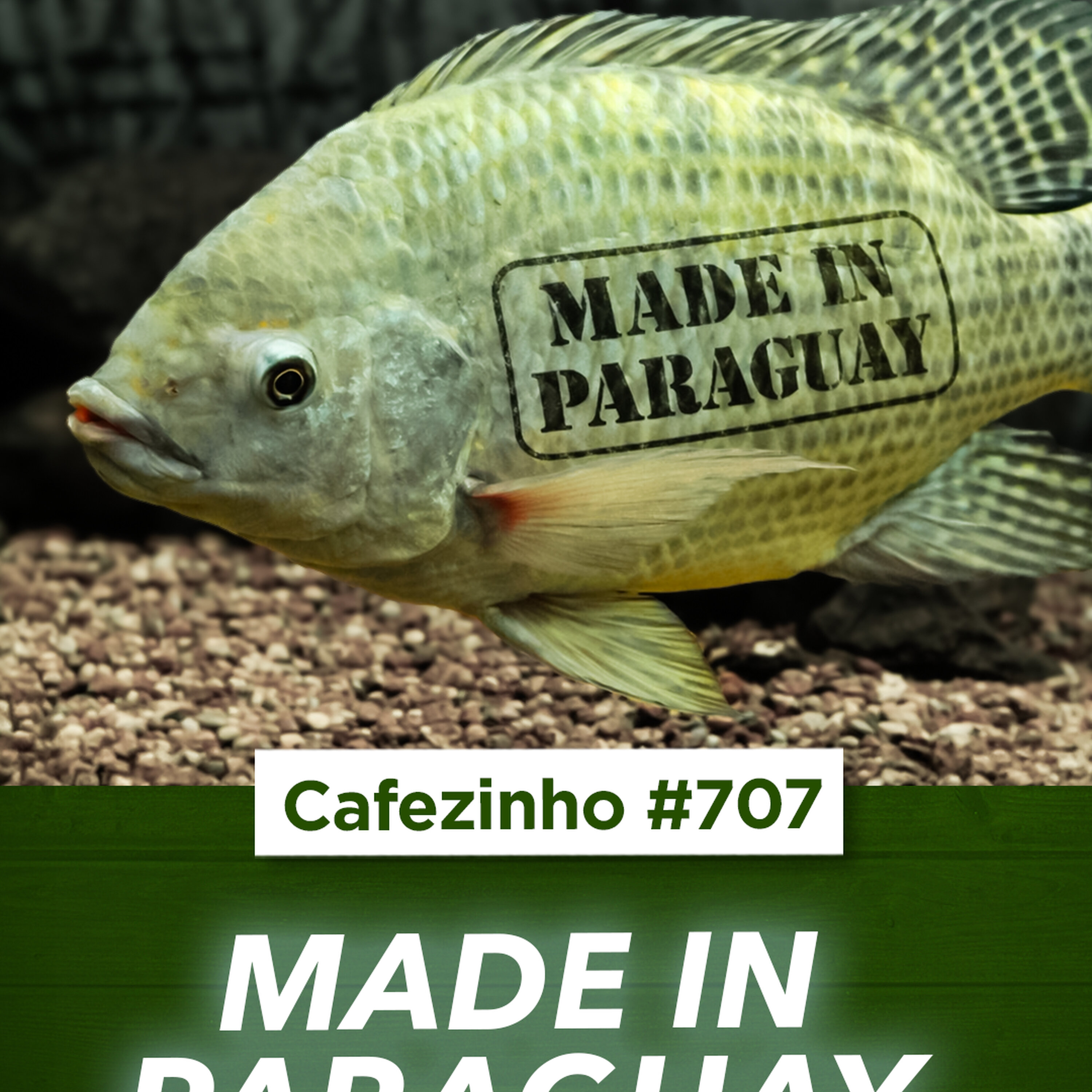
Governar é permitir que quem produz consiga continuar produzindo, cara. Vem cá, meu. Isso é tão difícil assim de entender, bicho, pô. Bom dia, boa tarde, boa noite. Meu nome é Luciano Pires e este é o seu Cafezinho. Muito bem, mais um cafezinho. Começa com o terço que eu vou ler aqui e publicar nas redes sociais, seguido de um comentário. Vamos a ele aqui, ó. Imagine só um produtor fazendo contas, sem ideologia nem militância, é só exclusivamente matemática. Quando os números não fecham, não adianta discurso, o capital levanta e vai embora. O Brasil decidiu tratar quem produz como um suspeito permanente. Regra nova toda hora, imposto criativo, exigência ambiental mal explicada, mudança no meio do investimento. Cara, é um jogo no qual o juiz troca as regras no intervalo. E ainda multa quem não adivinhou que ele trocou as regras. Enquanto isso, do outro lado da fronteira, ali o Paraguai faz algo revolucionário. Ele cumpre o básico. Regras claras, imposto previsível, burocracia suportável, sem slogan, sem narrativa épica. Só e única, exclusivamente, segurança para planejar. No mundo real, cara, isso vale mais do que qualquer discurso. E esse filme não é novo não, viu? Empresas seguem brasileiras no nome e na marca, mas estão começando a produzir lá fora. Não é pura ideologia não, mas pura sobrevivência. É só fazer uma conta, cara. O emprego e a arrecadação crescem onde o ambiente é menos hostil. Aqui fica o discurso, lá fora fica a fábrica. E agora o roteiro está avançando em cima do agro. A criação de tilápias em reservatórios, por exemplo. A tilápia é uma espécie não nativa e passou a ser tratada como alto risco ambiental. Isso trouxe Uma série de exigências muito mais duras de licenciamento federal, insegurança jurídica e multas até para produtores que já são licenciados. Sem transição, claro, o investimento travou. Os custos inflaram e o produtor foi empurrado para fora. E o paradoxo é didático. Produzir aqui virou castigo. Importar virou virtude. O peixe estrangeiro entra fácil, enquanto o produtor local enfrenta multa e desconfiança. E a mensagem é clara. Se você quiser trabalhar em paz, mude de CEP ou então de ZIP Code. O produtor entende isso rápido. Ele não faz manifesto, não. Ele só faz conta. Ele sabe que previsibilidade vale mais do que promessas e a estabilidade vale muito mais do que incentivos pontuais, cara. O risco não é perder só produção, não. É perder mercado, protagonismo e, principalmente, futuro. A gente vai continuar consumindo peixe, sim, só que paraguaio, cara. Continuaremos falando de sustentabilidade enquanto a gente importa aquilo que a gente proíbe de produzir aqui no Brasil. Olha, a tilápia ainda está por aqui sim, mas o investimento na produção já começou a nadar noutra direção, em rumo aos paraguaios. E quando o Brasil acordar, talvez ele descubra que governar não é dificultar. Governar é permitir que quem produz consiga continuar produzindo. Vem cá, meu, isso é tão difícil assim de entender? Bom, se tiver no YouTube, é hora de entrar aqui embaixo, deixar seu like, poste um comentário, curta, siga o canal, faça aquilo, tudo tem que ser feito pra tal da plaquinha de papel... Já, desisti, vai. Vou mandar emplacar, vou botar uma moldura nela pra ficar bonitinha, vou deixar ela definitiva ali, né? Bom, antes que venha aquele, o cara do comentário, o progressista de Cedilha, o progressista de Cedilha, o relativista, vê aqueles comentários idiotas aqui, É claro que tem que haver controle, tem que haver fiscalização, é claro que você não pode arrombar a porteira e deixar que cada um faça como tem que fazer, mas, cara, tem que haver regras, e regras têm que ser claras, e as regras têm que ser feitas pra incentivar quem produz, quem cria riqueza, quem cria emprego, cara, e não pra desestimular, cara. Não pra jogar no colo dos paraguaios, né? O futuro do Brasil. Cara, é tão difícil assim de entender. Olha, eu botei a camiseta da Ayn Rand aqui. Você pode negar a realidade, mas não pode negar as consequências da realidade. Ela tá aqui. Por uma razão, e não tem a ver só com Anne Rand, não. Tem com outros teóricos também, né? Mas o interessante é que o mundo gira, né? Teve um tempo em que Made in Paraguai era certeza de produtos falsificados e de baixa qualidade. Aqueles whiskies paraguaios, cara. Mas as coisas mudam. Eu tava aqui lendo um trechinho de Hayek, né? O Hayek, grande economista, ia enxergar esse episódio como mais uma prova dos limites que o tal do planejamento central e da arrogância regulatória tem. Para o Hayek, nenhuma autoridade é capaz de concentrar o conhecimento Esse conhecimento disperso, que está nas mãos de milhares de produtores, de técnicos, de investidores, de gente que conhece profundamente o mercado. É ali que está o conhecimento. Quando o Estado começa a impor regras genéricas e depois a reinterpretar essas regras sem previsibilidade, o cenário é muito triste. O Estado destrói os sinais de mercado que orientam a gente para tomar decisões racionais. E o resultado, como diria o próprio Hayek, não é proteção ambiental coisa nenhuma. É desorganização econômica. Investimento que não acontece. produção que migra e uma cadeia econômica inteira destruída, desestruturada, cara. Tudo porque alguns burocratas acreditaram saber mais do que o sistema que eles estão tentando controlar. É por isso que eu tô com essa camiseta aqui, né? Tô com a camiseta da frase da Ayn Rand. Aliás, Ayn Rand seria interessante. Como é que ela ia ver essa história? Ela ia ver essa história das tilápias como um manual de como sufocar a produção sem precisar proibir. Não tem que proibir formalmente, basta essas regras malucas. Quando o Estado muda a regra no meio do jogo, ele trata o produtor como culpado e substitui fatos por suspeitas morais. Ele não está protegendo a sociedade coisa nenhuma. Ele está punindo quem cria valor. Simples assim. A Ayn Rand diria que o capital não abandona o país. Ele simplesmente foge da injustiça. Quando produzir vira um ato de heroísmo, O problema não está no produtor não, está num sistema que hostiliza a razão, o mérito e a previsibilidade. Quando o produtor se converte em um ato de heroísmo, o problema não está no produtor, mas em um sistema hostil à razão, ao mérito e à previsibilidade. Pronto, eu falei em paraguaio. Quem sabe assim eles entendem, né? Olha aqui ó, entra aqui ó, mundocafébrasil.com, clique aqui, venha conhecer o que a gente tem pra oferecer aqui, que são essas discussões, né? Como apontar o país pra um caminho que vale a pena. Ali tem um primeiro item, se você clicar aqui, você vai abrir uma árvore de valor, uma árvore de... de um link tree, uma árvore de contatos ali. O primeiro contato é o MLA. Se você clicar ali, você vai cair numa página que explica o que é esse grupo que eu criei, que está juntando pessoas que estão interessadas em crescer pessoal e profissionalmente, se reunindo com outras pessoas com o mesmo tipo de preocupação, sem estar abraçado, em papo furado, em conversa. A gente quer ali entender pra que lado a gente pode ir. E ali eu tô levando visitantes, eu tô levando palestrantes de primeira linha, falando sobre o Brasil, pra onde ele tá indo, a questão política do Brasil, a judicialização do Brasil, dicas sobre vendas. A última reunião teve um baita papo maravilhoso, mostrando um case de remontagem de uma área de vendas que foi um negócio sensacional. Eu tô levando gente que quer construir, cara. Que quer fazer acontecer. Se tiver interessado, mundocafeabrasil.com. Aqui se discute o rumo que o Brasil tem que ter, cara. Pra voltar a ter no nosso prato as tilápias brasileiras e não paraguaias. Vem! Este cafezinho chega a você com o apoio do cafeabrasilpremium.com.br. Conteúdo extra forte para seu crescimento profissional.