Loading summary
Transcript1 lines
- [00:00]
A
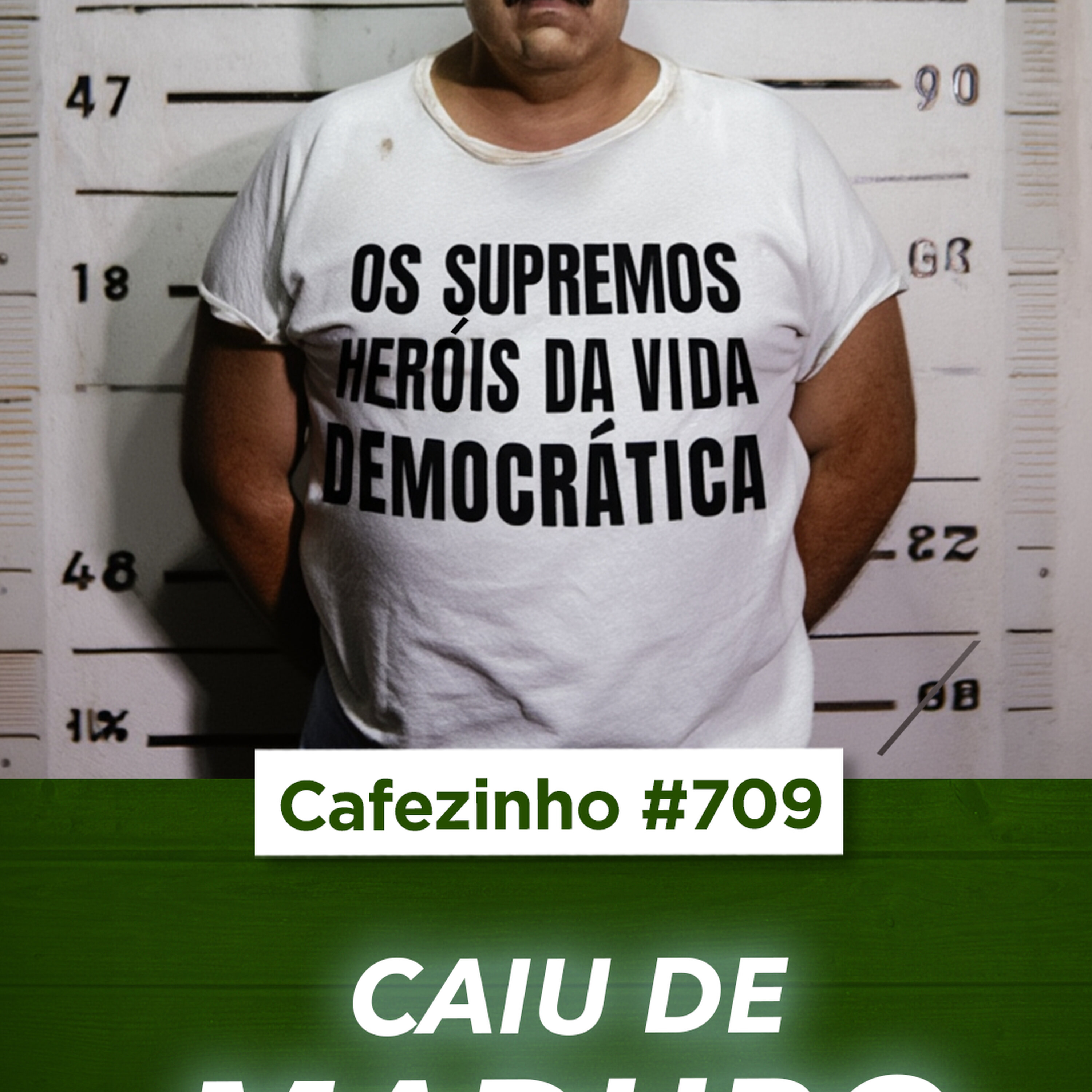
Se alguém precisa relativizar a prisão de um ditador, o problema não é jurídico, nem é diplomático. É ético. Bom dia, boa tarde, boa noite. Meu nome é Luciano Pires e este é o seu Cafezinho. Muito bem, mais um cafezinho. Começando com o texto que eu vou ler nas redes sociais, seguido de um comentário. Vamos ver o que vai dar hoje aqui. Muito bem, prender Nicolás Maduro não é um capricho geopolítico. É um teste moral. Existe uma confusão muito conveniente e muito bem explorada pelos suspeitos de sempre, que tenta esconder crimes atrás de palavras bonitas como soberania, autodeterminação. Esses conceitos não pertencem a quem sequestra o Estado. Pertencem ao povo. Quando um regime se sustenta pela repressão, pela corrupção e pela força, ele não representa a nação. Nada disso, cara. Sabe o que ele está fazendo? Ele ocupa a nação. Eu estive diversas vezes na Venezuela pré-Chaves e aprendi a admirar aquele país, aquele povo. E lamentei muito quando, durante décadas, o mundo assistiu a Venezuela apodrecendo em câmara lenta. Relatórios, Resoluções, discursos solenes, indignação de palanque pra todo lado. Tudo muito civilizado, tudo muito inútil. O sistema internacional simplesmente falhou, porque escolheu não agir enquanto ainda havia tempo. E agora os de sempre se escandalizam quando alguém resolve agir fora do roteiro. É que nem na medicina. Você não elimina um câncer com nota de repúdio. Você vai lá e corta ele. E não corta só o tumor que é visível. Porque o inimigo aprende rotas de fuga, cara. Ele se infiltra, se esconde, ele espera. Quem já viu sabe. Se você não eliminar as vias por onde a doença se espalha, ela volta. E volta mais agressiva. O Maduro não é um problema político, cara. O Maduro é um foco ativo de destruição institucional. E aqui, Entre a parte mais reveladora desse debate, aquele famoso mas. O regime ditatorial de Maduro é inadmissível, viola direitos humanos, sufoca liberdades e impõe sofrimento ao povo venezuelano. Mas... Para, para, para. Esse mas aí, ele não pondera, cara. Ele serve pra anestesiar. É um dispositivo mental que permite condenar sem assumir nenhuma consequência. Tudo que vier antes dele, antes do mas, é pose. Tudo que vier depois dele é conivência. Ditadura não aceita ressalva, cara. Tortura não pede contexto. Fome não melhora com explicação acadêmica. Quando esse mas aparece, Os direitos humanos já foram dispensados, atropelados. Se alguém precisa relativizar a prisão de um ditador, o problema não é jurídico, nem é diplomático. É ético. E a ética, diferente da retórica, não admite desculpa elegante. Essa intervenção dos Estados Unidos não surgiu do nada, nem do gosto por hegemonia, que tanta gente adora repetir como um mantra automático. Ela surgiu do vácuo. Quando instâncias multilaterais falham por décadas, quando tratados viram papel decorativo, quando organismos criados para proteger povos se especializam em proteger tiranos, alguém acaba ocupando espaço. E potências não agem porque são boas. Elas agem porque podem. E porque ninguém mais agiu quando deveria agir. O escândalo não é a intervenção, não. O escândalo é ela ter sido necessária. Você tá em dúvidas, né? Bom, cara, é só olhar pra quem é contra. Muito bem, cara! Agora é hora de, se você está no YouTube, entra aqui embaixo, deixa o seu like, venha pro canal, venha curtir, venha comentar. E hoje eu estou com uma camiseta muito especial aqui. Isso aqui é John Lennon, tá? Não odeie o que você não compreende, que é o que eu mais tenho visto aí, cara. Um falatório. Aquela coisa dos especialistas, né? Apareceram milhares de especialistas em geopolítica que estão aí discutindo como é que foi, como é que deixa de ser. E simplesmente ignoram. Ignoram a história, ignoram o passado. Só conseguem enxergar um mote, que é um mote criado por uma narrativa. Faz uma coisa, conversa com um venezuelano. Aliás, um só não. Para não ter margem de erro, converse com três venezuelanos. Procure alguém que é da Venezuela e que tenha vivido o que se passou ali. É uma tecla que eu bato há muito tempo. Quando venho o pessoal discutir comigo aqui, falar de socialismo, comunismo e tudo mais, eu falo que vem cá, cara, você já conversou com algum polonês? Você foi pra Polônia e perguntou lá o que significa o comunismo, o socialismo, esses web comunistas aí. Você já foi pra Cuba, cara? Conversar com o cubano ali, e não com aquele que tá com a mente... absolutamente capturada, mas alguém que consiga enxergar, que consiga ver a comparação entre os povos, né? Alguém que viveu na carne aquilo. Converse com alguém que viveu, cara. Dá uma olhada nos vídeos aí, os venezuelanos festejando pra toda hora. É claro que vai aparecer vídeo de meia dúzia de caras aí, soe contra, contra a invasão. Tem que soltar o Maduro, vai ver quem é, cara. Mas se mesmo assim você ainda continua em dúvidas, eu quero ler pra você Um pequeno texto aqui que fala sobre democracia e que é revelador. O título dele é o óbvio dos óbvios. Olha só. Uma democracia não pode ser instaurada por meios democráticos. Para isso, ela teria de existir antes de existir. E nem pode, quando estiver moribunda, ser salva por meios democráticos. Para isso, teria de continuar saudável enquanto vai morrendo. O assassino da democracia leva sempre uma tremenda vantagem sobre os defensores da democracia. Ele vai suprimindo os meios de ação democráticos, devagarinho, e quando alguém tenta salvar a democracia por outros meios, que na verdade são os únicos possíveis, ele é acusado de antidemocrático. É assim que os mais pérfidos inimigos da democracia posam de supremos heróis da vida democrática. Quem falou isso? O Lávalo de Carvalho, né? Que cantou a bola lá atrás. Você não consegue salvar a democracia usando a democracia. É que nem entrar num ringue, cara. Eu vou entrar num ringue de boxe pra lutar contra um adversário meu, uma luta de boxe, e ele luta usando toda... ele dá ajoelhada, ele dá mordida, ele chuta você no saco, ele dá cotovelada, ele te joga no chão. Cara, pera aí, mas isso não é regra de boxe. Se eu entrar pra lutar usando a regra do boxe, eu vou perder. Porque o inimigo não tá interessado em vencer pela regra, tá interessado em vencer a luta. É a mesma coisa, cara. Quando você se encontra diante de um regime tirânico, alguém tem que fazer alguma coisa. Se o povo tá preso, se o povo tá retido, se o povo tá suprimido, se não existe liberdade, alguém tem que fazer alguma coisa. E quando essa coisa é feita, você tem que olhar primeiro e pesar. O que aconteceu ali? Liberdade. Liberdade. Basta olhar para o que está acontecendo lá, basta conversar com mais de um venezuelano e você vai ouvir. a história, aí vai poder entender que, cara, se você não compreende o que tá acontecendo, não adianta odiar, cara. Tem que entender o todo e usar um pouquinho disso aqui, cara, que é o que tá em falta, né, Guilherme? Muita militância, muita conversinha, muita narrativa e muito seguidor de hashtag aí sem ter a menor ideia do que tá acontecendo, tá bom? Bem-vindo a 2026. Sabe como é que é? É que, ó, mundocafébrasil.com é o lugar onde a gente tá trazendo discussões de alto nível pra entender o que tá acontecendo com o mundo, pra juntar pessoas que estão interessadas em Algo além do que retórica vazia, do que militância imbecil. Gente interessada em ouvir os lados e entender o que está acontecendo e encaixar uma coisa depois da outra, sabe? Usando, acima de tudo, o bom senso. Vem pra cá. MundoCaféBrasil.com. Tamo junto.