Loading summary
Transcript1 lines
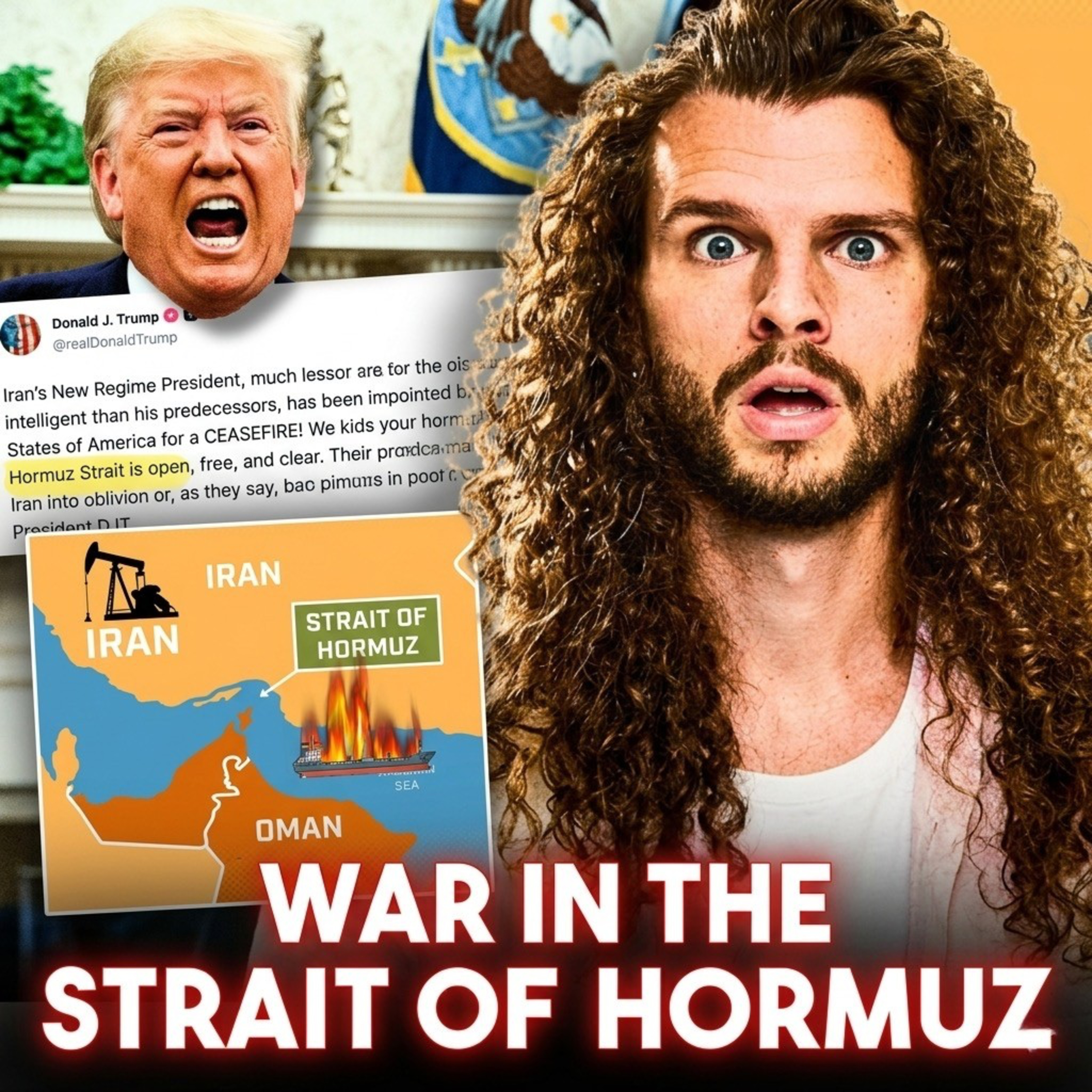
- [00:00]
A
I get so many headaches every month. It could be chronic migraine, 15 or more headache days a month, each lasting four hours or more. Botox Onobotulinum toxin a prevents headaches in adults with chronic migraine. It's not for Those who have 14 or fewer headache days a month. Prescription Botox is injected by your doctor. Effects of Botox may spread hours to weeks after injection causing serious symptoms. Alert your doctor right away as difficulty swallowing, speaking, breathing, eye problems or muscle weakness can be signs of a life threatening condition. Patients with these conditions before injection are at highest risk. Side effects may include include allergic reactions, neck and injection site pain, fatigue and headache. Allergic reactions can include rash, welts, asthma symptoms and dizziness. Don't receive Botox if there's a skin infection. Tell your doctor your medical history, muscle or nerve conditions including als, Lou Gehrig's disease, myasthenia gravis or Lambert Eaton syndrome, and medications including botulinum toxins as these may increase the risk of serious side effects. Why wait? Ask your doctor, visit botoxchronicmigraine.com or call 1-844botox to learn more. If you are wondering why your gas prices have skyrocketed in the past few weeks, look no further than the Strait of Hormuz. It's a narrow strip of water on the other side of the world, quietly controlling the fate of the global economy. It's smaller than the English Channel. This waterway is like 21 miles across at its narrowest point. And yet every single day, nearly one out of every five barrels of oil on Earth passes through it. 20% of the world's oil. Until now. This is the passage that Portugal sees in the 1500s to control the spice trade. The British Empire guarded for over a century to protect its route to India. It has brought the United States and Iran to the brink of war several times. And today, in 2026, we are there for real. This is the story of how the most strategically important waterway on Earth, a narrow corridor between Iran and the Arabian Peninsula, became the single biggest pressure point in the global energy system. It's why empires have fought over it for thousands of years. And today we are going through what happen when it's turned off. So if you want to know the full story behind this physically small yet super significant body of water and how it affects your everyday life, specifically in light of this ongoing conflict in Iran. Well, this is the episode for you. So sit back, relax and welcome to camp. What's up people? And welcome back to camp. My name is Mark Gagnon. And thank you for joining me in my tent, where every single week, we explore the most interesting, fascinating, and controversial stories around the world from all time forever. Yes. That's what we do here. I try to figure out everything that's going on, and today's no different. Oh, boy. Because if you guys have seen what's going on in the news, I think we're sending boots on the ground into Iran. What the. This is the dumbest thing in the world. But regardless, all right, this is not a place for me to spew my personal, you know, political ideas, all right? This is where we try to learn and become better people. It's your podcast. Whoa, whoa, whoa, whoa. Christos, dude, what you just said it was my podcast. Yeah, so then why are you yapping all the time on. How about that? How are you craz. Doing great. Glad to hear it. Give me more leeway. That. All right, see, now you're getting crazy. Okay? You are. You are. Like, I was going to make a political joke, but you know what? I was like, we should just. We should just err on the side of trying to be better people and growing in our faith in the Lord and just, you know what? Erring on the right side. So do you guys know what the Straight of Horror Moose is? Have you heard of it? Just recently. Just recently. You see it in the news. You're like, what's going on? I'd love to know more, though. I'm glad you do, because you were in the right place. It is a fascinating thing. Before we jump into this, I also just want to say thank you so much to you. Yeah, dude, you listen right now. This makes. That makes this show possible. I truly appreciate you listening, and every time you click on an episode or comment, it helps all of us here at the campsite. It keeps the lights on and it keeps the fire burning. Also, if you want to join the Inner sanctum, if you want to get new episodes every single month that never go out to the, you know, the public, to the. To the plebeians out there in the world, if you want to do. Do live zoom calls with me and other campers, well, great news. We got Patreon. That's patreon.com Campy Agnon. That is the. That is the inner Sanctum. That is the. That's the campfire, and that's where we all gather. So join us over there and start feeling more like yourself. That's the best way I could put it. You join the campsite, all of a sudden, you're like, man, you know what? These people are just like me. That's how I feel at least. Anyway, let's jump into the Strait of Hormuz. All right. But before we get into the history, we need to understand what. What's actually going on. Can you pull a picture of the straight of Hormuz, Christos? Because I think. I think getting a visual is actually a little bit helpful. This straight basically sits at the mouth of the Persian Gulf, which is that long, narrow body of water kind of between, like, Iran to the north and, like, the Arabian Peninsula to the south. Think of the Persian Gulf as, like, a big bathtub, all right? And the Strait of Hormuz is the drain. It's the only way in and the only way out. I guess you don't really go in through the drain. You get my point. All right, yeah. You see this? You see a little. That little straight right there? The little kink? That little kink right there is the cause of some of the biggest energy issues the world will ever face. And it's been that way for a long time. So every barrel of oil, every tanker, every warship that enters or exits the Persian Gulf has to pass through this one little narrow gap. And at its narrowest point, it's, like, 21 miles wide, about the distance from, like, Manhattan to, like, jfk. It's, like, not that far. Right. The shipping lanes that the tankers use are only about, like, two miles wide in each direction with a two mile, like, little buffer zone in between. So when we talk about the choke point that controls the global oil supply, we're literally talking about a quarter roughly, like, six miles across. Like, it's not that wide. Like, even though, like, the waterways that big. If you really look at the shipping lanes, it's tiny. I mean, you could drive the equivalent in, like, six minutes. It's also huge. Ships are going through it. So that makes it even smaller. Yeah, exactly. And, like, they need clearances for the shipping lanes. That whole deal. It's. It's. I mean, you could basically see it on a clear day. Like, the two shores, like, you just look across, you're like. Yeah. So on the northern shore is Iran, specifically the port city of Bandar Abbas. And it is home to the major Iranian naval base and the headquarters of the IRGC Navy, the Iranian Revolutionary Guard Corps. On the southern shore is the Musandam. This is the Musandan Peninsula, which belongs to Oman. And then just to the west, you have the uae. And scattered through the strait are several islands. You have Kim, the Largest that belongs to Iran, as does Hormuz Island. This is like the small rocky island that gives the strait its name. And then you have Lara. Iran's control of these islands means that it has military positions on both sides of the shipping lanes. That is massive. And that geographic reality has really shaped kind of the strategic elements for this region for a long time. Now, the Persian Gulf, broadly speaking, is home to roughly half of the world's proven oil reserves. So you got like, Saudi, Iraq, Kuwait, uae, Qatar. I don't say Qatar. I know that's technically supposed to say. You're supposed to say Qatar. It's Qatar. That's. I grew up playing cultural appropriation. Look, I played FIFA and it was Qatar. So that's just kind of what I put, like, a little sauce on it. Qatar. Qatar. I like it. It's pretty good. And basically, all of the oil produced in these countries that leaves by sea has to pass through Hormuz. There is no other exit by sea. I mean, you can fly it around, but it's so expensive. By sea is really the only way, and that's the only one. And while there are a few, like, overland pipelines and all that stuff that can bypass the strait, they can only handle, like, a tiny piece of the volume of oil it has to move. And we'll come back to that in a second. It's also worth noting, because it matters later in the story, but that the strait sits in international waters, and it's governed by what's called transit passage rights. So basically, under. This is kind of nerdy at this point, but basically, under international maritime law, all ships, including warships, have the right to pass through freely, regardless of whether the bordering states like it or not. So UAE can be in a big fight with someone, and if their ships want to go through, by international maritime law, they have to allow it. Now, in theory, no country owns the strait, but in practice, and, you know, geography and, you know, military power always has the final say. The Persian Empire, starting with the Achaemenid dynasty under Cyrus the great in the 6th century, extended its influence all the way to the shores of the Gulf. Now, the Persians weren't the strongest naval power in the way that, like the Greeks or the Phoenicians were, but their empire reached basically meant that the Gulf's coast fell within their sphere of influence. And let me just say, they were not the best naval power, because Christos, as you'll remember, the Battle of Salimus Xerxes sends his. His navy out there to go battle the Greeks. Some call It Salamis, but, yeah, salamis, and they lose. And what was the. The Greek triremes, those little, fast little boats, were able to, like, move around and they murked. All the Persians, we're the best. Anyway, the Persians weren't the strongest navy, but they did have, obviously, naval influence. And because of their geography, that straight basically fell within their jurisdiction. So for centuries, that straight was a vital link for ancient trade networks. Now, obviously, it wasn't oil at the time, but it was spices, textiles, precious metals, all that stuff that was basically the. The lifeblood of the, you know, known world's trade. Now, control of the strait was more a consequence of their regional dominance than, like, an active military priority. But that would change as the waterways, commercial importance would grow over time. So the trading settlement that would eventually give the strait its name started on the mainland near the town of Minab around the 10th century A.D. over time, likely due to raids and instability on the mainland, the kingdom migrated to Hormuz island, which was, as we said before, kind of like the small, barren island, but it was extremely mineral rich, and it was right in the middle of the strait. So by the medieval period, it had grown into one of the wealthiest ports in the region. The kingdom of Hormuz, as it was called, flourished from the 13th to the 16th century. And it was, you know, a small but extremely wealthy trading state that controlled commerce passing through the area and at various points, basically operated as a vassal of the Persian Empire at the time. And it paid tribute in exchange for autonomy over its, you know, trade routes. Marco Polo reportedly described it as a major trading hub when he passed through it in the late 1200s. Then by 1507, a Portuguese naval commander named Alfonso de Albuquerque. Yes, that is literally his name, Albuquerque. He basically arrived in, you know, Hormuz, or at Hormuz island, with a fleet of warships. And now Albuquerque had already seized Muscat and Socotra as a part of Portugal's aggressive campaign to lock down the Indian Ocean trade routes. And he basically recognized what every strategist before and after him to this day would recognize, is that whoever held Hormuz held the key to gulf trade. So by 1515, Portugal had said, this is ours, and they established a permanent fortress there, turning Hormuz into basically the choke point or like the linchpin of their eastern empire. So for over a century, the Portuguese controlled access to the Persian Gulf, and it extracted tolls and tariffs from every single ship that went through. And they did that for a long time until 1622, when they were driven out by the Shah Abbas I. And now this was the shah of the Safavid Persian Empire, and with the help of the English East India Company, basically recaptured the island. Now, this is just another one of those things where there's alignment. You know, you have the Persians, you have the English that are like, hey, let's get these Portuguese out of here. And they did. And it was one of the very first major collaborations between Persia and England. And it really foreshadowed a relationship that would define the region for the next 300 years. Because after the Portuguese came the British. Now, Britain's interest in the Persian Gulf was about the same thing, right? It was about money and trade and controlling their route to India, which was the crown jewel of the British Empire at the time. And starting in the early, like, 1800s, Britain signed a series of treaties with these small, basically Arab, you know, kingdoms or sheikdoms along the southern coast of the Gulf. And these are states that we now know as uae, Bahrain, Qatar, Kuwait. And these treaties, collectively known as the trucial system, effectively turned the southern Gulf into a British protectorate. You could say. I mean, Britain didn't formally colonize these territories in the way that it had with India, but it controlled their defense and their foreign policy and, critically, their access to the sea. I mean, like, I only know this just, like, as a side tangent, but like the uae, for example, they ousted the British and basically united all of these different emirates and literally formed these different states or kingdoms into one country by brokering a deal with the British. Because technically, the British had mandate over the UAE and so much of that region by the time they discovered all the oil. This is where BP comes from, literally, British Petroleum, from their influence in the region. So for over 150 years, the British Royal Navy was the dominant force in the Persian Gulf. Britain never formally governed the strait as a, you know, sovereign territory, but through treaties and deals and bribery and friendship and defense and naval supremacy and all these different levers of influence over these coastal kingdoms, it was, for practical purposes, the guarantor of security in the waters. So this trait mattered, and a vital link in the chain connecting London to Bombay. But at this point, it wasn't the most critical energy corridor in the world because oil had yet to be discovered. But once they find oil under the ground in the Middle east, everything changes. Specifically for the Strait of Hormuz. What's up, guys? We're gonna take a break really quick because privacy doesn't exist anymore. Nope. Everything you do on the Internet is tracked. People can know what you're doing. I mean, targeted ads, AI training on everything we type, your data, getting sold and passed around to all these different companies. And that's why I use ExpressVPN. And honestly, I use VPN all the time. I just have it on. It just makes me feel better. I don't like thinking that everything that I'm Googling or talking about on the Internet, every time I'm scrolling on Instagram, that is getting tracked and sent to some company in order to create a profile on me. All right? And ExpressVPN is given the best deal ever. Basically, ExpressVPN is used for protecting your Internet traffic. Also, just as like a little side note, it helps you access content in countries where it might not be available to you. So Netflix in America is different than Netflix in Europe. And with a vpn, you can access all the shows that they got over there. ExpressVPN also has some brand new features. They have Express AI. It's an encrypted AI chat, meaning what you say to the AI stays private. No storing, no training, no human reviewers. I can actually give AI the full picture without worrying that it's going to get sold to some company or it's in the hands of some private corporation. Also, Express Keys, this is a password manager, so you don't have to just rotate between the same three passwords you use for everything. Express Keys manages all of your passwords. And on top of that, MailGuard, this lets you sign up for stuff without handing over your real email. And then you're getting flooded with all sorts of, you know, random offers and stuff like that. You're gonna get all of that, plus the best VPN in the world for the price of one membership. And that's when you're gonna use ExpressVPN. Plus my link, that's Camp C A M P. So if you want all of this, go to expressvpn.com camp that is expressvpn.com use the promo code camp and lock down your digital life. Get complete privacy on the Internet. It's the last thing we have. Now let's get back to the show. So in 1908, a British prospector named William Knox Darcy struck oil in southwestern Persia, which is again modern day Iran. It was the first major oil discovery in the Middle east. And it would basically transform the entire region, the global economy and really the strategic importance of this waterway. And it changed it in ways that no one could have ever imagined. So the discovery led to the creation of the Anglo Persian Oil Company which would later become BP. And in 1913, the British government had taken a controlling stake in the company. And the Royal Navy had begun converting its fleet from coal to oil. That single decision made the Persian Gulf one of the most strategically important bodies of water on the planet. Just immediately like overnight. Because Britain's ability to project military power now depended directly on a steady supply of Gulf oil passing through the Strait of Hormuz. And then the discoveries kept on coming. Bahrain in 1932, Saudi Arabia and Kuwait in 38. Qatar in 1940, Abu Dhabi in 58. One by one, the states around the Persian Gulf turned out to be sitting on billions of dollars of crude oil and natural gas. And by the mid 20th century, the Persian Gulf region contained more proven oil reserves than anywhere else on the planet. Literally, the whole world's oil is found in these few countries. And if you wanted to move it around, you had to go through the Strait of Hormuz. So, sure, you could own the oil or you could own the passageway and take a little piece of all of it. Now, the numbers are almost hard to comprehend. By the early 2000s, roughly like 17 to 21 million barrels of oil were transiting the strait every day, approximately 20 to 21% of the world's total oil consumption. A significant share of all liquefied natural gas traded globally also passed through the same corridor. Some estimates put the annual value of cargo transiting through the Strait of Hormuz at 1.8 trillion. There's a T, you heard that? Crisos trillion with a T. That's almost what you get paid. Crazy. Now, the political landscape was shifting too. So in 1971, Britain formally withdraws from the Persian Gulf and basically ends its, you know, over 150 year role as the region's, you know, security and kind of like stability in the waterways and in the region, broadly speaking. And these small kingdoms along the southern coast banded together to form the uae. And the power vacuum left by Britain's departure was filled in large part by two regional heavyweights. So you have Iran under the Shah, and then of course, you have Saudi Arabia, with the United States increasingly hovering in the background. Now, Iran under Shah Mohammad Reza Pahlavi was America's closest ally in the Gulf, Washington's basically chosen policeman for the region. And the Shah invested heavily in his military, purchased enormous quantities of American weapons and really positioned Iran as the dominant power on the northern shore of the strait. The Iranian revolution toppled the Shah and it brought Ayatollah Rahulah Khomeini to power. And really just transformed Iran from America's best friend of the region to one of its most sworn adversaries basically overnight. And suddenly the fact that Iran sat on the northern shore of the world's most critical oil corridor went from being a massive boon and a strategic asset for the United States to a strategic nightmare. Now, the first real test of the Strait of Hormuz in the modern era really happens during the Iran Iraq War, which goes from 1980 to 1988. And it's one of the deadliest conflicts in the 20th century. But a lot of people in America don't really talk about it, largely because both sides were kind of seen as adversaries of the United States. And the conflict didn't really fit into what was going on with the Cold War. The war really begins when Saddam Hussein's Iraq invaded Iran in September of 1980, hoping to exploit the chaos of the revolution that happened the year before. And what Saddam expected to be a quick victory turned into a bloody, grinding eight year war that killed somewhere between like 500,000 and over a million people. And the borders never changed. And low key America kind of like helped out Saddam and they saw Iran as an existential threat. And they were like, all right, we can help Iraq as like a proxy go against Iran. And so by 1984, the war had spilled into the Persian Gulf itself and what became known as the Tanker War. Now Iraq, trying to strangle Iran's economy, began attacking Iranian oil tankers and oil facilities on Kharg Island. This is Iran's main oil export terminal. Now, Iran retaliated by attacking tankers carrying oil from Iraq's allies, specifically Kuwait and Saudi Arabia. Suddenly, the world's busiest oil shipping lane had become a war zone. And between 1984 and 88, over 400 ships were attacked in the Persian Gulf. And as a result, insurance rates were skyrocketing. Oil prices are swinging wildly. And the world got its first taste of what happens when the free flow of oil through Hormuz is threatened or turned off. The United States responded with Operation earnest will in 87. This is the largest naval convoy operation since World War II. And basically it just escorted reflagged Kuwaiti tankers through the Gulf. And it sent a very clear signal that Washington considered a free passage through Hormuz as a vital national security interest that they were going to fight for. America's like, look, we need this oil and we don't care what it takes to get these people through. We're going to put all of our boys on it. And that's how we're going to, to get, you know, our people in the world the oil that they need. The most dramatic moment came on April 18, 1988 with Operation Praying Mantis. This is the largest American naval battle since World War II. After the US ship the USS Samuel B. Roberts struck an Iranian mine, the United States launched a coordinated attack against Iranian naval and oil platform targets. Basically in a single day, the U.S. navy sank or damaged, sank or damaged six Iranian warships and destroyed two oil platforms. I mean, once again, billions of dollars of destruction for the Iranians. Iran's Navy was devastated. But Iran learned a lesson from this operation. And it wasn't the lesson that Washington hoped they would learn. Iran didn't conclude that threatening the Strait was, you know, useless or a bad move. Instead it concluded that it needed a different strategy. One that didn't involve trying to match the US Pound for pound in military power, but instead of leverage, the geography of the strait itself. A strategy based on asymmetric warfare mines, small fast attack boats, shore based anti ship missiles, and basically the ever present threat of simply making the Strait too dangerous for commercial shipping. If they know that America needs a strait to be open, just creating instability is a weapon in and of itself. And that strategic shift would basically define the next four decades. So after the Iran Iraq War ended in 1988, the Strait of Hormuz settled into a tense but mostly stable equilibrium. The US Navy's 5th Fleet, headquartered in Bahrain, maintained a permanent presence in the Gulf. Iran rebuilt its military not to match the United States, you know, conventionally, but to develop what strategists call the anti access area denial capability. Basically saying that hey, we are going to threaten shipping in the narrow confines of the Strait if you guys mess with us. It's worth understanding Iran's logic here. From Iran's perspective, this wasn't simply aggression for aggression's sake. It is deterrence. If Iran could credibly threaten or shut down the Strait, it has leverage. And this is a way to just impose costs onto any country that tries to strangle its economy, either through sanctions or military pressure or any other means. The Strait isn't just a weapon of last resort. It is one of Iran's most powerful bargaining chips. So the IRGC became the primary instrument of this strategy. The IRGC Navy is distinct from Iran's regular navy. It basically deploys hundreds of small fast attack boats armed with rockets or missiles throughout the island and along the coastline around Hormuz. Analysts estimate Iran stockpiled thousands of naval mines, basically cheap, devastatingly effective explosives that they just float into the water. And Iran developed an arsenal of anti ship cruise missiles and ballistic missiles capable of targeting any vessel in the strait from shore based launchers that could be hidden and rapidly relocated. And as a result, they were building up a cheap way to control the entire strait because they knew that in their shores was kind of the main corridor that controlled the global economy. The idea was elegant in its simplicity. Iran couldn't win a battle against the United States, but it didn't have to. All it has to do is make the strait dangerous enough that commercial insurers would refuse to cover tankers going through the waterway. If you're an insurance company, why would you tell a boat like, yeah, you guys can go through, but we might lose billions of dollars of oil because you guys hit a mine. No one's going to go for that. And if the boats don't have insurance, who's going to ship their products thinking that, oh, it could just get destroyed at any moment? So the people shipping it don't want to do it. The private companies, that is the insurers, don't want to insure it. So with just creating instability, the entire thing is useless. So in a world of maritime commerce, you don't have to close the waterway physically, just make it turbulent enough, put enough pressure and strain that you force them to come to your needs and make a deal or leave you alone. And this threat became explicit during the 2011-2012 tensions over Iran's nuclear program. As the United States and the EU tightened economic sanctions, Iranian officials, including Ayatollah Ali Khamenei and senior IRGC commanders, repeatedly threatened to close the strait. In retaliation, Iran conducted naval exercises near Hormuz, practicing mine laying and small boat swarming tactics. And the message is very clear. I mean, you affect us economically, you try to sanction us, you try to put pressure on us, and we will shut off the world's oil. Ultimately, Iran didn't follow through. The economic consequences would have devastated its own oil exports, which also transit through Hormuz. And it's kind of a mutually assured destruction situation. But then came 2019, and things escalated from threats to action. A series of tanker attacks occurred in the Gulf of Oman just outside the strait. Several commercial vessels were damaged by what US Intelligence would say were mines placed by the IRGC and their operatives. And Iran denied it. They said that they had no involvement. Iran shot down an American RQ4 Global Hawk surveillance drone. The United States came within minutes of launching a retaliatory strike before Trump Called off the operation. In July of 2019, Iran seized the British flagged tanker Stena Impero. A direct act of maritime interdiction, basically that sends shockwaves throughout the entirety of the shipping industry. Insurance rates go crazy. Some companies begin rerouting around Africa because it's just easier to do that and take more time than to risk going through the strait and getting all of your stuff seized. And through all of this, a basic pattern still holds. Iran would threaten or harass shipping. The United States and its allies would reinforce their naval presence. Tensions would kind of chill out and eventually the situation would go back to normal. And for decades, the conventional wisdom amongst defense analysts was that Iran would never actually shut down the Strait because doing so would be such a tremendous act of self harm. You know, Iran's own oil experts are depending on the same waterway that they would never do it. And the conventional wisdom was right. They threatened to shut it down numerous times and they didn't until now. March 2026. And just a note before we continue, the events that I'm going to be talking about now are still going on. So I mean, by the time this is posted, it might be completely different. So we're going to stick with what has been widely reported, but the situation is fluid and it's difficult to really understand what's going on. As they say, Christos, the first casualty of war is the truth. Come on. Oh, dude, you were. You almost had. I like your guess. I like the swing. It's pretty good. I like that. So what some analysts are beginning to describe as a regional conflict. It's not a war yet. You can't call it a war. Even though we're putting boots on the ground, it's a conflict, but it is escalating rapidly. And following a series of confrontations between Israel, the United States and Iran that had been really building up for years. The specifics of how the war began are complicated and will be the subject of their own episode at some point. But the key things really came in March of 2026, when Iran appears to have taken the steps that strategists have debated for decades, according to commercial shipping trackers and early intelligence reporting. And it moved to effectively shut down commercial transit through the Strait of Hormuz. Now, at this point in our episode, you should understand the implications of that. I mean, we're talking about a waterway that has been controlled in some way for 2000 years because of how important it is, and almost never did it have the ability to get shut down or was it this valuable but now look at us. This isn't one single dramatic act, right? Based on a lot of early reporting, what appears to have unfolded is a combination of mine laying operations, like literally putting down mines and explosives in the water, anti ship missile deployments, and small boat swarms patrolling the shipping lanes. And really explicit warnings from Tehran, the capital of Iran, that any vessel attempting to transit the strait did so at its own risk. Some tankers with military escort have reportedly continued with limited passage. But for most commercial operators, the strait has reportedly become just a no go zone, though a full closure has not been independently confirmed. But again, you don't have to close it. It's not like they have a gate or a Dr. Bridge or something. They just need to make it volatile and turbulent enough to that insurance companies and private shippers don't want to use it. Commercial shipping insurers responded immediately. According to early reports, Lloyds of London and other major maritime insurers either suspended coverage for Gulf transit vessels or put like a war risk premium so high that transit became just, you know, unviable. To put that into plain terms, basically, in past incidents in the Strait of Hormuz, these insurance companies will put on war risk premiums that have increased tenfold within 48 hours. So when your insurance costs more than the cargo is worth, you just can't sail. It makes no sense. If you have a billion dollars worth of cargo, but the insurance is 1.5 billion, you're going to lose half a billion dollars. So the reported effects, if sustained, would be staggering. Global oil prices reportedly spiked dramatically. I mean, I'd notice it with my car. I mean, gas is insanely expensive. Some early reports indicate levels not seen since the 1973 oil embargo. Stock markets around the world are plunging. Countries that depend heavily on Gulf oil imports, specifically Japan, South Korea, India, China, et cetera, face the prospect of severe energy shortages. Reports suggest Japanese refineries have begun curtailing operations and South Korean petrochemical plants are scrambling for alternative supplies. European natural gas prices surge as LNG liquefied natural gas shipments from Qatar, the world's largest LNG exporter, whose vast majority of shipments transit through the strait, were disrupted. Hey, we're going to take a break really quick because I need to talk to the fellows. All right, if you're a woman, you can skip forward. I don't really care. But, guys, I want to talk about one of the most probably demoralizing things that can ever happen to you. All right? You're in the bathroom, you're brushing your teeth, you look up in the mirror and suddenly you realize my forehead looks bigger than it did before. Well, the thing with that is that men don't go bald overnight. Right, Christos? Anyway, it's sneaky, okay? It's like, all right, well, the lighting in here is a little weird. And then you're like, I just. I just, you know, took a shower. So of course, you know what I mean? Or maybe my barber just actually pushed it back. And then one day someone tags you in a photo and you're like, what is going on? And the worst part is that most guys don't know what actually works. I mean, there's a million oils and, you know, all sorts of things like potions on the Internet basically that are going to claim to help you out. But the reality is there are doctor trusted ingredients that have been trusted for decades. I mean, truly, they've been studied for years. And that's why a lot of guys are using hymns. All right, HIMS makes it incredibly simple to get personalized hair loss treatment online. You don't have to go to the doctor, you don't have to take off work, you don't have to drive across town, you don't have to sit in a waiting room thinking like, oh, everyone knows why I'm here. You know what I mean? Through hims, you get access to prescription hair loss treatments with ingredients that actually work, like finasteride, minoxidil, the actual stuff that's going to actually help your hair loss. These are clinically studied ingredients that can stop further hair loss and even regrow hair and as little to three to six months. So it's amazing. And the best part is that's 100% online. You literally just go to the website, do like a little consultation, you explain your situation and a licensed medical provider reviews it. And then if you qualify, they send you treatments directly to your door. No hidden fees, no surprise cost. It's not going to cost you an arm and a leg. You get real treatment designed around your goals. So for simple online access to personalized and affordable care for hair loss, weight loss and more, visit hims.comcamp that's hims h I m s.com camp c a m p for your free online visit hims.com camp featured products include compound drug products which the FDA does not approve or verify for safety, effectiveness or quality. Prescription required. See website for full details, restrictions and important safety information. Individual results may vary based on studies of topical and oral minoxidil and finasteride. Let's get back to the show now, it's not just about oil prices and stock markets. The people who actually live on the shores of the strait, you know, Iranians, Omanis, Emiratis, and all these coastal communities, many of whom depend on fishing and trade for their livelihoods, are also caught in the middle. The militarization of these waters threatens the fisheries, and the mines are going to threaten the communities that live there. And it raises the risk of oil spills from tankers that are damaged. And it really just disrupts the daily lives of millions of people who have literally nothing to do with any of this. And the human cost basically never makes the headlines because, you know, no one really cares about the average person, the, you know, the middle to lower class person that's affected by these conflicts that has nothing to do with it or really has no say. They just get pushed to the side. Now, the United States and allied naval forces have reportedly been working to clear mines and establish protected shipping corridors. But the sheer volume of Iran's mine stockpile and the narrowness of the strait make this an enormous challenge. It's also worth noting that closing the strait hurts Iran itself. This is the reason why they haven't closed it for so long. Iran's own oil exports transit the same waterway, and a prolonged closure would devastate an already sanctioned battered economy. And that's part of why countries like Oman and Qatar, both of which have maintained diplomatic channels with Iran, have reportedly been working to mediate this conflict. Conflict? China, which brokered a surprise Saudi Iranian diplomatic restoration in 2023, also has enormous stakes here as the world's largest oil importer. One other wrinkle that makes the situation way more complicated. Iran doesn't have one navy, it has two. So there's the regular Artesian navy that operates like a normal navy, and then you have the IRGC navy, which operates with significant independence. It has its own doctrine, its own chain of command, its own institutional interests. That means even if Tehran's political leadership wants to de escalate, the Iranian government's like, you know what? We can figure out a way to make this work. The IRGC's Navy and its commanders might just say no. And this is a complicating factor that makes the situation even more difficult to predict and even harder to negotiate. Here's the strategic calculus that everyone's trying to figure out. The United States almost certainly has the military capability to force the strait open. But doing so would likely require striking targets deep inside Iran. Missile batteries, naval bases, command centers, top generals, things like that, which doing that would Risk dramatic escalation. Even if the strait were reopened by force, it would take weeks or months to clear out the mines and restore commercial insurance coverage and rebuild the confidence of the global shipping industry. The Western naval response isn't just the United States acting alone. This is a combined Maritime Force, a 34 nation coalition headquartered in Bahrain alongside the US Fifth Fleet. And it's been coordinating mine clearing and escort operations throughout the conflict. But the sheer volume of threats in this narrow strait make this a massive challenge. So here's a number that puts the stakes into perspective. If Hormuz remains commercially disrupted for 30 days, that's roughly 600 million barrels of oil withheld from global markets. And that is hundreds of billions of dollars in energy that simply just doesn't reach the people who need it. Meanwhile, China has been quietly hedging against exactly this scenario, investing in Pakistani and Omani ports, specifically the Gwadar and the Dukum, as part of its Belt and Road initiative, specifically to create alternate energy import routes that bypass the Strait of Hormuz. Because they see the potential volatility, those investments all of a sudden look a lot less theoretical. Every day the strait remains commercially disrupted, the economy bleeds out. So the Strait of Hormuz is not the only choke point in the global economy. The Suez Canal, the Strait of Malacca, the Panama Canal, and the Bab el Mandeb. The Bem, the Bem Strait at the entrance to the Red Sea. All of these narrow passages through which enormous volumes of global trade must flow. And in 2021, the world got a reminder of this vulnerability when the container ship Ever Given ran aground in the Suez Canal, and it blocked one of the world's busiest trade routes for six days. And it caused an estimated $9.6 billion per day in disrupted trade. You remember when that boat got stuck? Think about that. That is nine. That's basically $10 billion a day for six days. $60 billion in that one week. This isn't happening in a vacuum. In 2024 and 2025, Houthi militants in Yemen were attacking commercial ships at the Bab El Mandeb, the narrow passage on basically the other side, the southern end of the Red Sea that connects to the Suez Canal. And those attacks forced major shipping companies to reroute around Africa, which added weeks and, you know, just more time and more money in cost. And of course, it gets passed on to the consumer. The insurance industry was already on edge from the Red Sea crisis when the Hormuz situation escalated, basically meaning that the global shipping system was Dealing with two major choke point crises simultaneously. For the first time ever, you have this insurance issue coupled with a military issue that makes everyone unstable. And when things are unstable, markets are unstable, and of course, oil production, the whole energy system is going to be unstable, and you pay for it. But Hormuz is different from all of these and arguably more consequential for one reason, that there's no alternative. If the Suez Canal is blocked, ships can go around to the Cape of Good Hope. It's longer and it's more expensive, but it'll work. If the Panama Canal is congested, there are other options. But the Strait of Hormuz, if it's closed, roughly 20% of the world's oil supply is locked inside the Persian Gulf, with really no ways to get outshore. Again, there's those pipelines on land, but it's just, it's completely ineffective for the quantity of oil. Now, again, there are some alternatives. So Saudi Arabia has the east west pipeline, which can move about 5 million barrels per day to the Red Sea coast, bypassing Hormuz. The UAE completed a pipeline in 2012 which can carry around 1.5 million barrels of oil per day to the Gulf of Oman, which again bypasses the Strait. Iraq has pipelines running through Turkey, but combined, these alternatives can maybe handle like six or seven barrels per day. Don't laugh at that, cruise. That's a bad joke. They can only handle like 6 or 7 million barrels per day at max capacity. Again, that's a third of what the normal transit going through the Strait is. And they do nothing for the LNG tankers carrying Qatari and other liquefied natural gas exports, which have no pipeline alternative at all. And that's really the vulnerability. The modern global economy was built on the assumption that these choke points would just always remain open because everyone needs them. And decades of globalization and, you know, these supply chains and the concentration of energy resources and a handful of regions connected to the world by a small, narrow waterway created this extraordinarily efficient system. But also it's fragile. The Strait of Hormuz is the single point of failure that no one wants to talk about. And what makes it uniquely dangerous is the asymmetry. Iran isn't really a global superpower in the way that the United States or Russia or China is. Its economy has been battered by decades of sanctions. Its conventional military is no match for the United States or even some of the rivals in the region. But because of the geographical circumstances, because Iran happens to sit on the northern shore of a 21 mile strait through which a fifth the world's oil must pass. Just by coincidence, it has leverage that is wildly disproportionate to its actual power. And again, they don't need to turn it off or to fight the American Navy, they just need to disrupt it. And the ability to threaten Hormuz is the most powerful strategic asset that Iran has. It's more powerful than the missile programs, more consequential than any nuclear ambition. If they can just put pressure and strain, it will show the cracks. Because again, this is something that actually affects you. That's watching at home. Because if it takes, if it costs you like 1.5% or 1.5 times more money to fill up your car, you're going to be like, hey, what's this war? What's up? What are we doing with this war? What's the point? So it's one card that Iran can play that the entire world has to take seriously. And from Iran's perspective, that's the point. A country that can't match its adversaries conventionally is going to use geography to level the playing field. And if Iran is under such a massive threat and they feel like regime change is imminent, they're going to pull out all the stops. So what does it mean for the global economy to have a critical vulnerability that can never fully be eliminated? I mean, you can build pipelines and put aircraft carriers and develop alternative energy sources and all that stuff to help with the margins, but as long as the world depends on oil, specifically Persian Gulf oil, and as long as geography dictates that most of it has to pass through this tiny corridor in the middle of all these hostile states, the Strait of Hormuz will remain what it has been for thousands of years, a pressure point, a flash pan. I mean, just, it's a reminder that the modern world is not nearly as resilient as I would like to hope that it is. Now, this story about the Strait of Hormuz is in a way the story of humans relationship with, you know, geography in and of itself. I'm a big, like, I'm a big fan of geography. I would consider, like I people use this term, but like a geographical determinist that basically the way I look at geopolitics is that the government is the player and your geography are the cards that you're dealt. Now you can't control really the cards that you're dealt. You can sometimes go get new cards if you're brave enough, but really your ability to play is dependent on the cards you have, and you can make decisions, but you're kind of confined by how many ports you have, how many natural resources you have, what kind of leverage you have over other countries, trade routes, all that stuff. So for millennia, empires have risen and fallen along the shores of the Persian Gulf. And every single one of them has had to reckon with this narrow passage of water at its mouth. The Persians, Portuguese, the British, the Americans, they all recognize the same thing, that controlling the strait meant controlling the flow of wealth and power through one of the most resource rich regions on the planet. Now, what's changed? The scale. So when Alfonso de Albuquerque, which there's no way that's his name, that's like a fake name from a guy from like New Mexico, must have taken a wrong turn somewhere. 100 right. So this guy, he basically built his fortress on Hormuz island in 1515, and he was controlling the spice trade. And then the British come through and they police the straight through the 19th century and they're protecting their route to India. And today, what flows through Hormuz isn't spices or diamonds from India. It is the lifeblood of the entire global industrial economy. And the 2026 crisis is a massive real time demonstration of just how much the modern world depends on the uninterrupted flow of energy through a waterway that most people probably couldn't even find on a map. Now, there will probably come a day in the future where the world's dependence on oil or fossil fuels, as people call it, will diminish and the Strait of Hormuz is no more strategically vital than the Strait of Magellan. But that day is not today, and probably not for the next couple decades. And until it comes, this 21 mile gap between Iran and Oman will remain what it has always been, one of the most consequential pieces of geography on the planet. A place where the ancient logic of empires and chokepoints collides with the modern reality of global energy dependence. And where the fate of gas prices in Ohio or Florida or factory in Gwangju or Shenzhen or wherever you are on the planet is decided by currents and coastlines and the calculations of the empires that want a piece of this tiny piece of water. And that's, ladies and gentlemen, is a brief abridged history of the Strait of Hormuz and why it is so vital today. I really think one of the most impactful books I've read in my life is a book called Prisoners of Geography by this guy, Tim Marshall. It's just an excellent book that basically takes this kind of geographical determinist view of the world and says, hey, let's just look at the geography of each country and how that affects their foreign policy and how the citizens are and all of that stuff. I mean, there's so much where it's like, you know, like, like America being more Christian in the south is because of like fossil deposits a million years ago because it creates like more fertile ground. And then that predicates the slave trade and then that predicates Christianity and da da da, da da. It's like you can look at a butterfly effect from millions of years ago that's just like, hey, because of Pangea, all of a sudden this neighborhood is like this, like, it's just crazy. So I think that that book has been extremely formative for me because it helps me understand, like, oh, wow. If you're able to control the shipping lanes and the geography that you have, having a port, having a warm water port, having a deep port, having a river is going to massively affect how audacious you can be as a country militarily, geopolitically, what kind of pressure you can put on the neighboring countries. I mean, it's just fascinating. And the straight of horror news is no different. And you can see why everyone kind of wants a piece. And it's really interesting from Iran's perspective because again, they don't need the, you know, fight America. They just need to be crazy enough to. Willing to be willing to shut it down and to just make it so volatile and make the block so hot that they do just that. I don't know. Christos, is there anything you learned? So good, so good, so good. New spring arrivals are at Nordstrom rack stores now. Get ready to save big with up to 60% off rag and bone, Marc Jacobs, free people and more. How did I not know rack has Adidas? Because there's always something new. Join the NordicLub to unlock exclusive discounts. Shop new arrivals first and more. Plus buy online and pick up at your favorite rack store for free. Great brands, great prices. That's why you rack England. Losing all these territories and then them discovering that they have oil in them is the ultimate. Holy crap. What did I miss out on to my understanding again, I'm not an expert in this. My understanding is that England knew about it. So England basically has control. And like at this point, we're post 1900s, like post scramble for Africa, colonization is like a little bit less in vogue. There's a lot more of a push to kind of d colonize. You can't just like steal resources from all these countries. Slavery is abolished. Like, the general consensus of how these empires need to operate is going a little bit more like soft power diplomacy, backend deals. And so as a result, Britain's in there basically as mandates. They're not again colonizing these countries. They are just the guarantors or the conservators of these countries. And when they're discovering oil, they basically broker a deal with, you know, the British and say, hey, we're going to cut you a really, really low rate on this oil and you guys will help us with infrastructure and getting it and safety and all this stuff and we're going to hook you guys up with a crazy deal. And America basically, or Britain and America basically says, all right, so as a result, America's cool with the Shah and they're getting their kickbacks, you know, but BP like kind of voluntarily leaves and is like, we don't want the headache of having to govern you guys, we just want your oil. So just give us the oil. Makes sense, you know, so it is wild though. It is. It's also good diplomacy on the end of these, you know, Middle Eastern countries. The Saudis and the Bahrainis and the Marathis, like, they did a good job of brokering deals with the west to basically be like, hey, you guys can outpower us, but you want us. You don't want to destroy these oil fields, right? You can come and fight it, but let's just be cool and we'll hook you guys up on the back end. But it's just crazy. It's a, it's a wild thing. It's going to be interesting to see how this develops. I, yeah, I don't know, it's just wild seeing how the global economy is affected by these shocks. You know, like you shut down the straight or you make it unstable and all of a sudden everyone's money gets messed up and then everyone's like, hey, can we stop with this? And people are not happy. So it's also interesting from Iran's perspective that they don't have to be the best military. They can just be disruptive enough, which is kind of what they've been doing through their funding of these proxy groups and terror in the region, stuff like that, that they're able to create enough pressure and instability that people don't really want to be involved. Which is my understanding of why the UAE and Saudi are in alignment with America to get rid of Iran's current regime. Because they're like, hey, we want to develop Here we want to build here. We want American money. We want to develop, you know, Abu Dhabi and Riyadh to be big tourism centers. And the fact that, you know, Iran is against that and that the ayatollahs putting pressure on that and that they're funding these other groups and the IRGC is, like, causing problems. It's messing up our money. They got to go. So there's a lot of alignment with the United States in the region to make a regime change. Unfortunately, it's. American lives are going to be lost, and it's going to be your neighbors and my family members and people like that that are actually going have to, like, pay the consequence for this, which is unfair. Why do we always send the poor? Why do we always send the poor? You know a song that is. I don't. Byob. System of a Down. You've never heard that song? No. Dancing in the Desert. Is my singing that good? Yeah. Appreciate that. Anyway, what do you guys think? I'm sure there's people out there much smarter than me that actually understand geopolitics and know what's going on. So please drop a comment, inform me if there's anything I missed. Drop a link if there's something I could learn more about. I love to get to the bottom of it, and I want to know the truth. I don't really have a. A real ego at being right here, because I'm not that smart. If, you know, if you knew nothing about this, what'd you learn? Please drop a comment, let me know if this episode was productive or influential, if it helped inform you about what's going on in the world. Also, we have a religion camp. That's where I deep dive on what everyone believes in this planet. So Iran has a massive Shia population. Like a big chunk of the world's Shia Muslims are in Iran. If you don't know what that is, great news. We did an episode on it. What is the difference between Shia and Sunni? You can check that out at the Religion Camp channel. And then we also have History Camp. History Camp is where we deep dive on all the most interesting things that have ever happened in history. So the revolution in 1979, the overthrowing of Mohammad Mosaddegh in 1953 in Iran, if you're interested in this episode, you're probably going to like those episodes at History Camp. But if you just rock with us here at the main channel, Camp Gagnon, you're more than welcome. We drop these episodes every single week, twice a week, and you can check them out. Make sure you subscribe, comment, all that. Also, we have Camp R and D. That's where you can get the merch. You can also see me live@markagnonlive.com hitting a bunch of dates at the end of the year. And of course we have the campfire, the place where we all gather, that is patreon.com Camp Gagnon and I cannot wait to see y' all over there. Please say what's up. I respond to every message and Christos is in there yapping it up as usual. Anyway, God bless you all and I will see you next time. Peace be with you. Goodbye. This is worth knowing. TikTok Shop helps you discover good value products and surprise deals fast. No endless searching, just smart finds. Download TikTok now.