
Podcast
Cannabis Cultivation and Science Podcast
Hosted by Tad Hussey · EN
Welcome to the Cannabis Cultivation and Science podcast, I’m your host, Tad Hussey of KIS Organics. This is the podcast where we discuss the cutting edge of organic growing from a science based perspective and draw in top experts from around the industry to share their wisdom and knowledge. If you want to hear the latest in growing technology and methods, this is the place..
24episodes
Episodes
Newest firstAll episodes
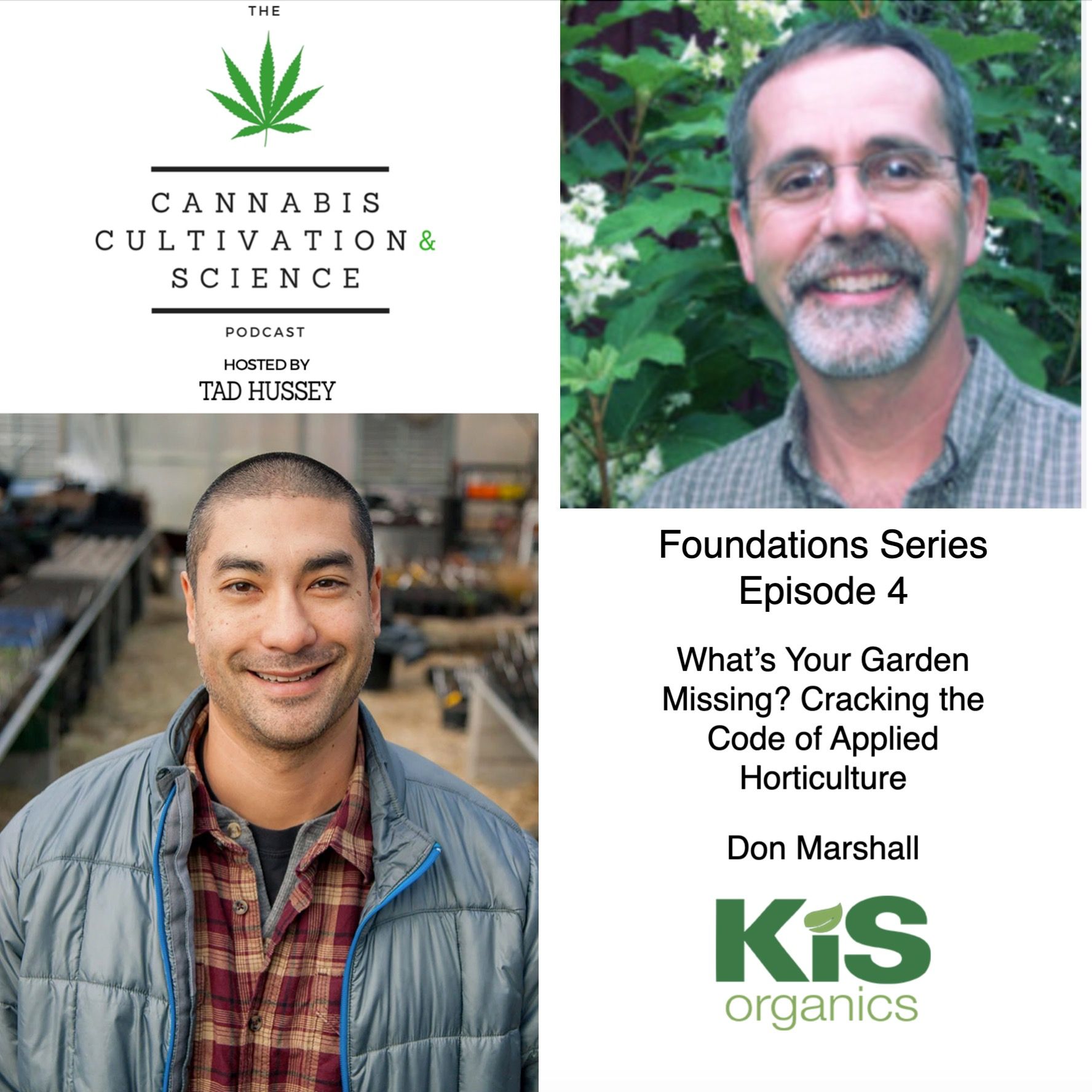
Foundations Series #4: What's Your Garden Missing? Cracking the Code of Applied Horticulture with Don Marshall
Mar 301:09:44Tap to summarizeKey Takeaways: Botany vs. Hacks: Moving past "quick fixes" to understand the biological lens of plant science. The Limiting Factor: Learning to identify the specific environmental or nutritional gaps holding your plants back. Timeless Principles: Why botanical fundamentals are the most reliable tools in a cultivator’s shed, regardless of changing trends. Applied Horticulture: Bridging the gap between academic theory and high-level landscape maintenance. About Don Marshall: Don is a Certified Professional Horticulturalist, Certified Arborist, and ecoPro. He founded the Environmental Horticulture program at Lake Washington College, where he taught for over 40 years. He is the owner of Plant Designs, a fine gardening firm, and the co-author of Home Landscaping, Northwest Region. The Botany Foundations Course: Don and I have spent the last few years collaborating on a comprehensive online botany course. We designed this specifically for industry professionals and serious growers who want a university-level understanding of plant science without the time constraints of traditional schooling. This course provides the professional lens needed to evaluate and improve your grow. Stay Updated: www.kisorganics.com Hosted by Simplecast, an AdsWizz company. See pcm.adswizz.com for information about our collection and use of personal data for advertising.
Transcribe →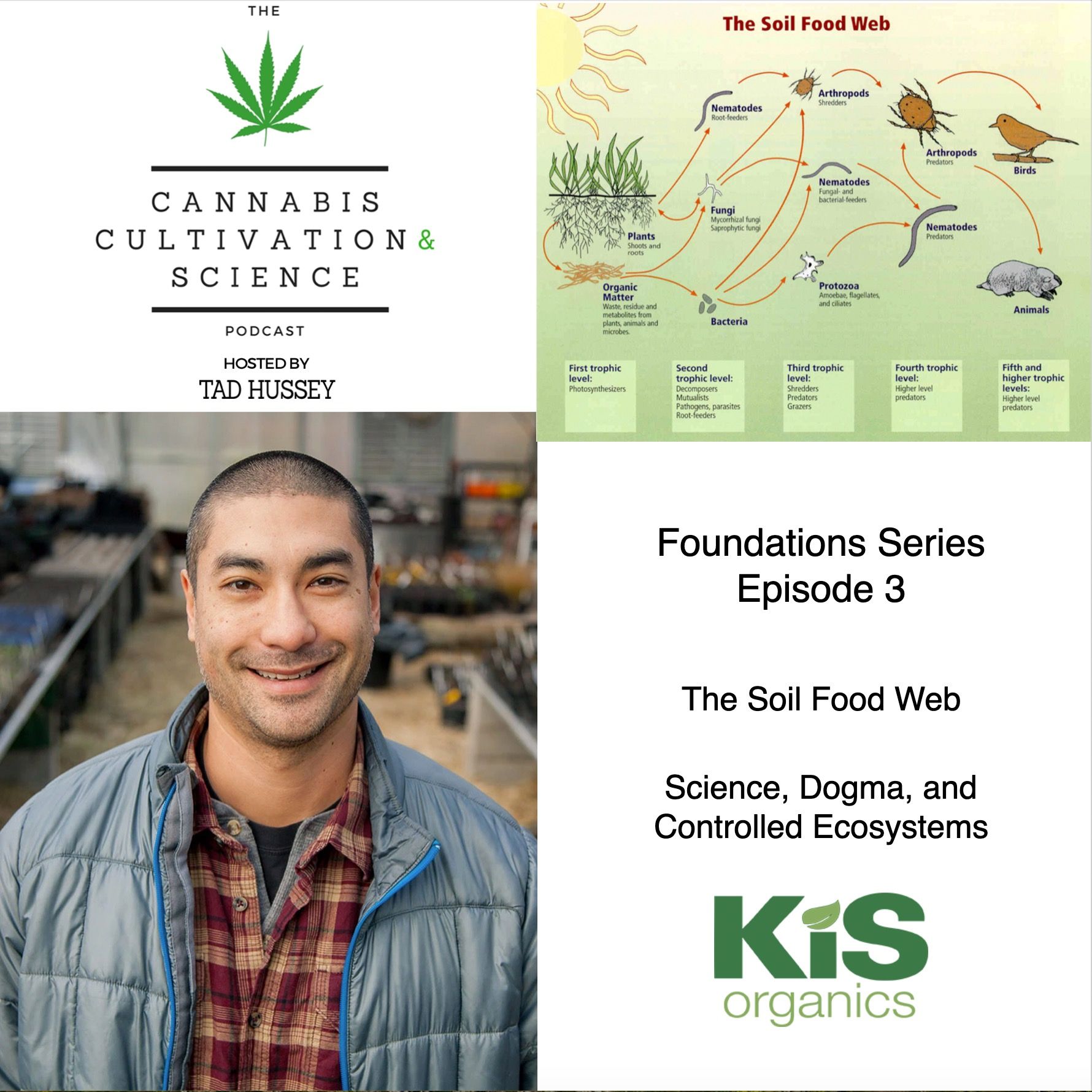
Foundations Series #3: The Soil Food Web: Science, Dogma, and Controlled Ecosystems with Tad Hussey
Feb 2400:19:40Tap to summarizeThe Underground Economy: Carbon as Currency Biological Gold: Why photosynthesis isn't just about plant growth—it’s about minting the "carbon currency" required to hire a microbial workforce. The Exudate Menu: A breakdown of Monosaccharides (fast cash), Polysaccharides (savings accounts), and Organic Acids (specialized mining tools). The Trading Post: How the plant uses targeted "buy orders" to trade energy for the specific minerals it needs. The Rhizophagy Revolution The "Commuter" Microbes: Understanding the research from Dr. James White’s lab at Rutgers. The Microbial Car Wash: A technical look at how plants lure, strip, "milk," and eject bacteria to scavenge for nutrients. Endophytes vs. Rhizophagy: Distinguishing between long-term "tenants" inside the plant and the transient "workers" in the root tip. The Biomimicry Reality Check Ecology vs. Agronomy: Why nature optimizes for survival, while growers optimize for yield, quality, and consistency. The Managed System: Why an indoor grow or greenhouse is not a wilderness, and why treating it as such often leads to inefficiencies and "natural" bottlenecks. The "Selfish" Microbe: Understanding Immobilization and Stoichiometry—why microbes sometimes "rob" your plants of nitrogen to build their own populations. Precision Biology & Biosecurity The Risk of Raw Inputs: Why compost can be the highest risk factor for heavy metals, PFAs, herbicide residues, and pathogens like Pythium. The Specialist Shop: Utilizing lab-grown consortiums for a cleaner, scalable facility. Mycorrhizal Fungi: The role of Rhizophagus irregularis in Phosphorus mining. Nutrient Unlockers: Using high-CFU strains like Microbial Mass or Mammoth P for data-backed biomass increases. Trichoderma: Beyond biocontrol—how it uses siderophores to "magnetize" insoluble iron and trigger Induced Systemic Resistance. Hosted by Simplecast, an AdsWizz company. See pcm.adswizz.com for information about our collection and use of personal data for advertising.
Transcribe →Foundations Series #2: Lean Farming & Efficient Cultivation Systems with Ben Hartman (Originally Episode 20)
Feb 1700:57:52Tap to summarizeThis episode is part of the Foundations of Soil & Plant Science series — a selection of conversations that continue to influence how I approach soil health, plant performance, and cultivation systems. I’ve added a short new intro to each re-release with updated perspective and context.Originally released as Episode 20My guest for this episode is Ben Hartman, farmer and author of The Lean Farm.Ben operates Clay Bottom Farm in Goshen, Indiana, and is known for applying lean manufacturing principles to agriculture. His work focuses on improving farm efficiency, reducing wasted time and materials, and designing production systems that prioritize value and profitability.In this conversation we discuss:What lean farming means and how it applies to cultivationIdentifying and eliminating wasted time, labor, and inputsDesigning efficient workflows and production systemsHow simplifying systems can improve consistency and profitabilityApplying lean principles to indoor and greenhouse cultivationWhile this conversation comes from outside traditional cannabis production, the principles discussed are directly applicable to any cultivation operation looking to improve efficiency and long-term sustainability.Part of the Foundations of Soil & Plant Science series. Hosted by Simplecast, an AdsWizz company. See pcm.adswizz.com for information about our collection and use of personal data for advertising.
Transcribe →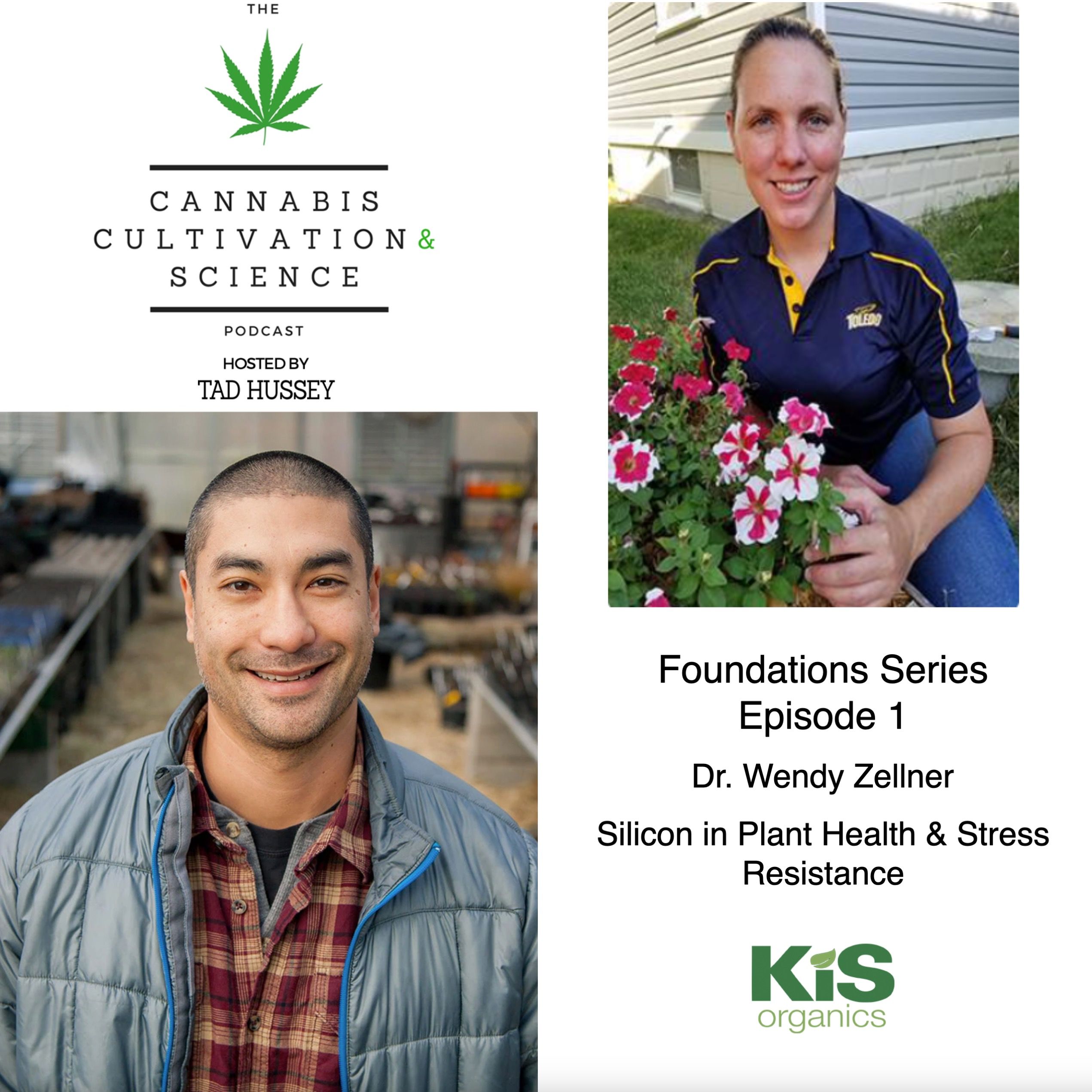
Foundations Series #1: Silicon in Plant Health & Stress Resistance with Dr. Wendy Zellner (Originally Episode 98)
Feb 1001:20:53Tap to summarizeMy guest for this episode is Dr. Wendy Zellner.Dr. Zellner received her doctorate from the University of Toledo in 2012, where she trained in molecular and cellular biology with a focus on the role of silicon in plant defense responses. She then completed a four-year postdoctoral position with the USDA-ARS, continuing her research on how silicon can alleviate both abiotic and biotic stress in crops such as tomato and tobacco.Her work has included developing standard methods for quantifying silicon uptake from fertilizer materials, identifying uptake mechanisms for silicon in model species, and evaluating how those pathways function across a range of crop systems.In this conversation we cover:The role of silicon in plant physiology and structureSilicon and plant defense against abiotic and biotic stressHow plants take up and utilize siliconMisconceptions around silicon fertilizers and supplementsPractical considerations for growers using silicon inputsThis remains one of the most comprehensive discussions we’ve had on silicon and plant health, and it continues to be highly relevant for growers looking to better understand how this element functions within a complete fertility program. Hosted by Simplecast, an AdsWizz company. See pcm.adswizz.com for information about our collection and use of personal data for advertising.
Transcribe →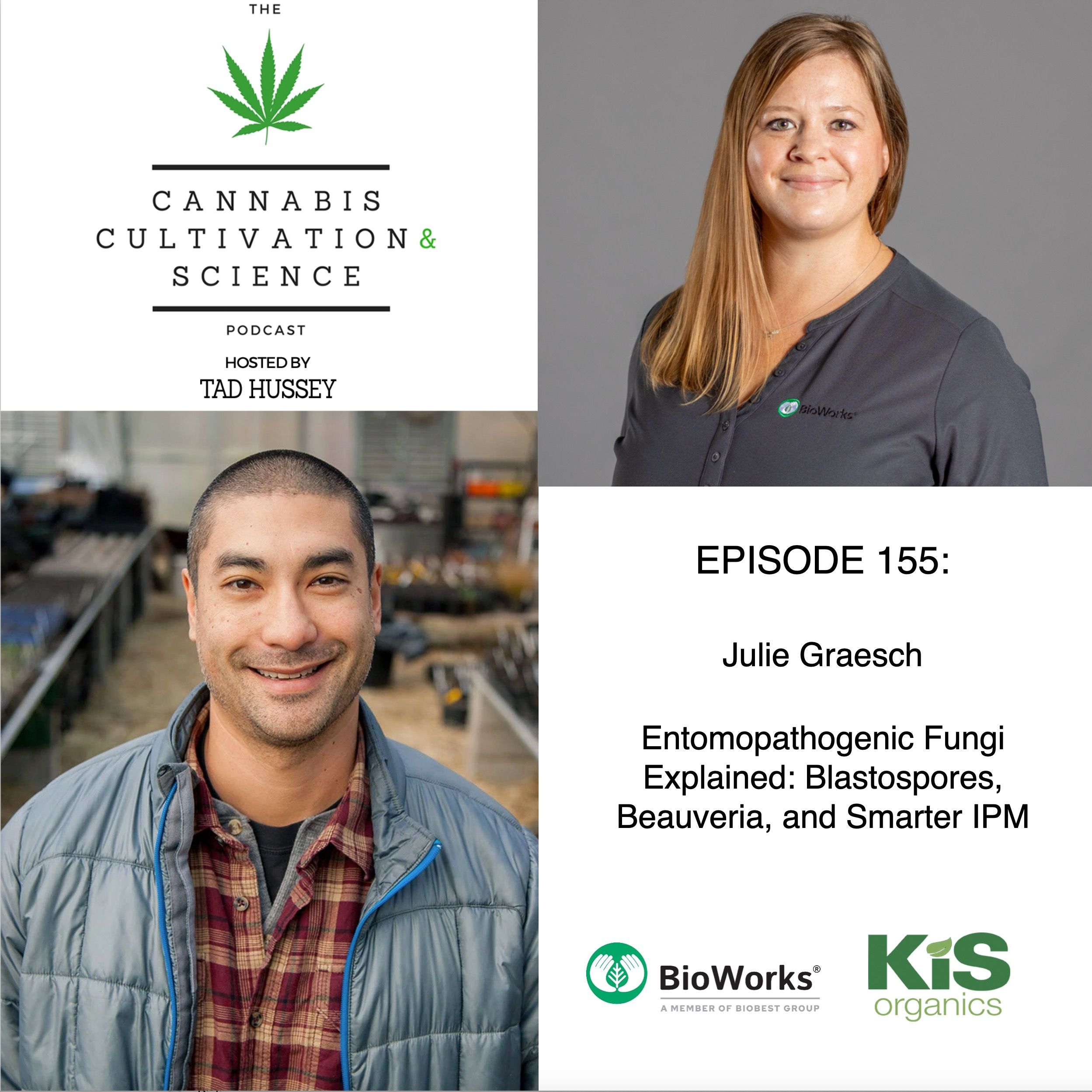
Episode 155: Entomopathogenic Fungi Explained: Blastospores, Beauveria, and Smarter IPM with Julie Graesch
Jan 701:15:37Tap to summarizeGuest: Julie GraeschBiological Scientist | IPM SpecialistCurrently with BioWorksFormerly: BASF, Becker Underwood, Iowa State UniversityTopics Covered:What “entomopathogenic fungi” actually meansHow fungi like Beauveria and Metarhizium infect insect pestsDifferences between blastospores and conidiaWhy formulation and environmental conditions matterCommon reasons fungal biocontrol applications failPreventative vs. reactive use of entomopathogenic fungiIntegrating fungal biologicals into a broader IPM strategyKey Takeaways:Entomopathogenic fungi are biological tools, not chemical knockdownsUnderstanding fungal life cycles improves consistency and outcomesBlastospores behave differently than traditional spore formulationsSuccessful IPM relies on timing, environment, and integration—not rescue sprays Hosted by Simplecast, an AdsWizz company. See pcm.adswizz.com for information about our collection and use of personal data for advertising.
Transcribe →
Episode 154: Is Seed Based Cultivation the Future of Cannabis? - with Dr. Matthew Indest
Dec 1001:25:51Tap to summarizen this conversation with plant scientist and commercial cultivation strategist Dr. Matthew Indest, we explore the emerging frontier of seed-based cannabis production and what it would take for the industry to move beyond clonal propagation.We cover:The agronomic upside of seed-grown plants (disease resistance, vigor, adaptability, cost savings)The scientific and operational barriers preventing widespread seed adoptionHow genetic stability, inbreeding depression, and trait selection differ between cannabis and traditional cropsData-driven cultivation strategies for evaluating new seed linesWhether seed-based production can truly rival clonal systems for consistency and top-tier flower qualityWhat the next decade of cannabis breeding and cultivation might look likeAbout Dr. Indest:Matthew holds a Ph.D. in plant science and has spent more than a decade bridging academic research with applied cannabis production. He has led breeding and cultivation programs across indoor, greenhouse, and outdoor operations and focuses on developing high-performing cultivars and integrated, data-backed production systems. Hosted by Simplecast, an AdsWizz company. See pcm.adswizz.com for information about our collection and use of personal data for advertising.
Transcribe →
Episode 153: Rethinking the Basics: pH, Water, Light & Nutrients with Bryant Mason
Nov 1801:10:33Tap to summarizeThis wide-ranging conversation with Bryant Mason covers a series of essential—but frequently misunderstood—topics in organic cultivation. We explore why simple, low-tech data collection strategies often outperform high-tech systems and how to interpret those readings in the real world. From there, we break down how pH truly behaves in biologically active soils, what your water test results do and don’t tell you, and how water chemistry shapes nutrient availability.We also discuss practical considerations for under-canopy lighting, when it helps and when it’s a distraction, and dig into the recurring challenges Bryant sees around phosphorus and nitrogen management in living soil. Throughout the episode we jump between concepts, case studies, and troubleshooting insights that growers can apply immediately.Topics Covered:Low-tech monitoring and data-collection approachespH dynamics in organic systemsWater testing and interpreting resultsUnder-canopy lighting: pros, cons, and real-world usePhosphorus and nitrogen management in living soilPractical troubleshooting and decision-making strategies Hosted by Simplecast, an AdsWizz company. See pcm.adswizz.com for information about our collection and use of personal data for advertising.
Transcribe →
Episode 152: Light, Spectrum, and Plant Signals — A Practical Guide with Dr. David Hawley part 2
Nov 401:00:47Tap to summarizeIn this conversation, Tad and Dr. David Hawley (Chief Science Officer at Fluence) unpack what really matters when dialing in your lighting strategy for cannabis and other high-value crops. They get deep into how plants perceive light, what “good spectrum” actually means, and how to think about intensity, uniformity, and plant response in a more scientific (and practical) way.Topics covered include:Understanding Daily Light Integral (DLI) and how it relates to plant metabolismWhen to use far-red and what to expect from itThe truth about UV lighting and secondary metabolite productionManaging leaf temperature and avoiding hidden stress from high PPFDHow fixture placement and uniformity impact yield and morphologyUsing dimming strategies through different growth stagesWhy overemphasizing spectrum specs can distract from the real gainsPractical steps for mapping your grow and verifying performanceDavid also shares insights on under-canopy lighting, canopy architecture, and the future of horticultural light design, offering takeaways for both commercial cultivators and serious home growers.Resources mentioned:Fluence by OSRAMKiS Organics Living Soil & Nutrients Hosted by Simplecast, an AdsWizz company. See pcm.adswizz.com for information about our collection and use of personal data for advertising.
Transcribe →
Episode 151: Light, Spectrum, and Plant Signals — A Practical Guide with Dr. David Hawley part 1
Oct 2100:58:00Tap to summarizeIn this conversation, Tad and Dr. David Hawley (Chief Science Officer at Fluence) unpack what really matters when dialing in your lighting strategy for cannabis and other high-value crops. They get deep into how plants perceive light, what “good spectrum” actually means, and how to think about intensity, uniformity, and plant response in a more scientific (and practical) way.Topics covered include:Understanding Daily Light Integral (DLI) and how it relates to plant metabolismWhen to use far-red and what to expect from itThe truth about UV lighting and secondary metabolite productionManaging leaf temperature and avoiding hidden stress from high PPFDHow fixture placement and uniformity impact yield and morphologyUsing dimming strategies through different growth stagesWhy overemphasizing spectrum specs can distract from the real gainsPractical steps for mapping your grow and verifying performanceDavid also shares insights on under-canopy lighting, canopy architecture, and the future of horticultural light design, offering takeaways for both commercial cultivators and serious home growers.Resources mentioned:Fluence by OSRAMKiS Organics Living Soil & Nutrients Hosted by Simplecast, an AdsWizz company. See pcm.adswizz.com for information about our collection and use of personal data for advertising.
Transcribe →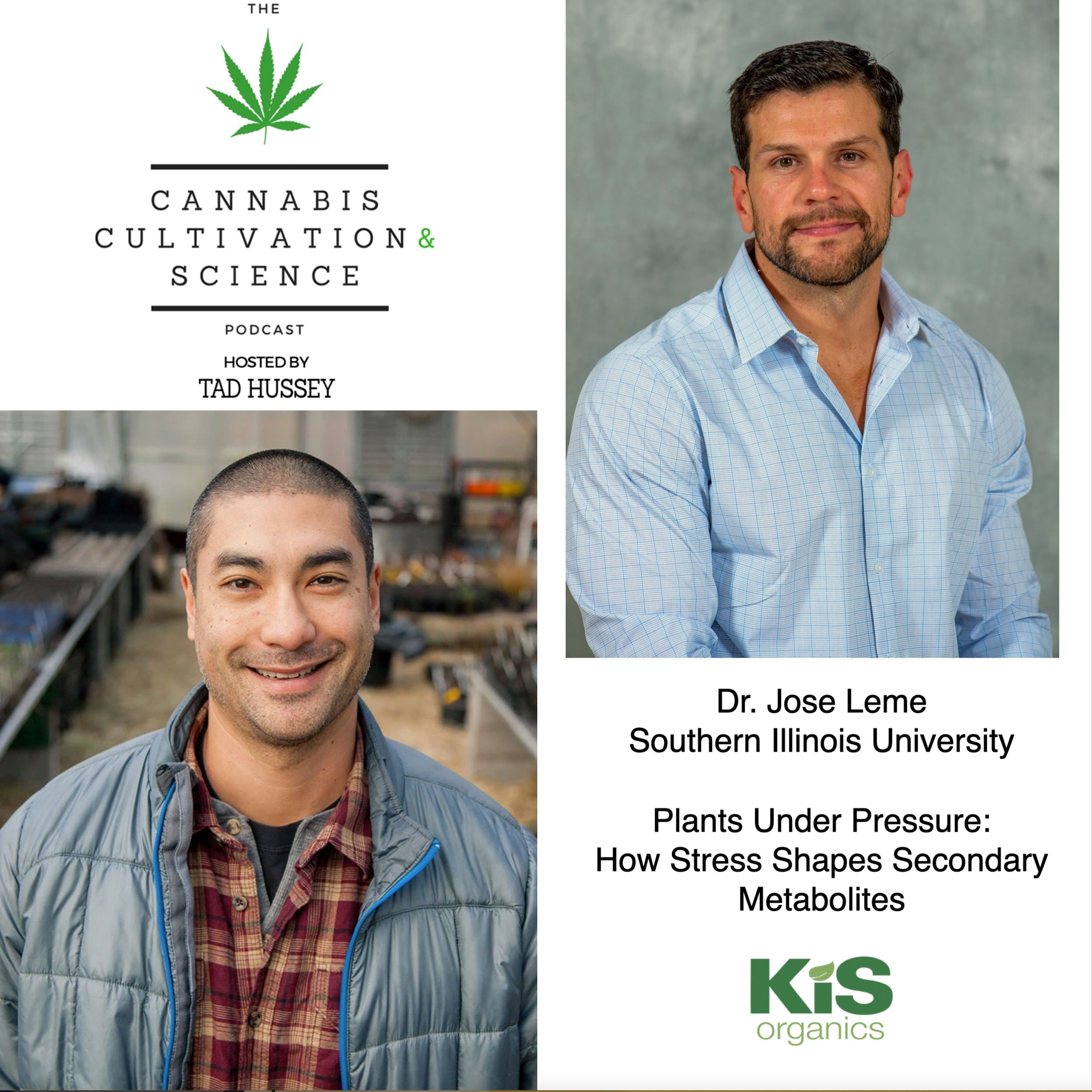
Episode 150: Plants Under Pressure: How Stress Shapes Secondary Metabolites (w/ Dr. José Leme)
Aug 2001:21:00Tap to summarizeCan stress actually improve flower quality? In this episode, I sit down with Dr. José Leme to dive into the science of plant stimuli and how growers can apply it in practice. We cover:🌿 Mechanical cues — how super cropping and vibration trigger plant defense pathways.💧 Water restriction — why moderate, timed drought can shift carbon toward secondary metabolites like terpenes and cannabinoids.🧪 Jasmonates (MeJA) — when they increase trichome density, and what trade-offs you need to consider.🔬 Trichome measurement pitfalls — why bracts are the gold standard for consistent data.🌱 Propagation & trial design — the importance of clonal fidelity and standardized protocols when testing stress strategies.Dr. Leme and I also highlight practical guardrails for growers: cultivar differences, timing, and the “sweet spot” between beneficial stress and damaging stress.📄 Referenced Studies:Water Deficit Stress and Secondary MetabolitesJasmonates in Growth, Trichomes, and CannabinoidsMetabolic Responses to Water DeficitTrichome Sampling & Quantification MethodsTrigonelline as a Biomarker for Drought Stress (Preprint)Propagation & Clonal Fidelity in Cannabis ResearchAdditional vibration study discussed in the episode.🎧 Whether you’re a grower, consultant, or researcher, this conversation will give you a framework for using stress not as a risk—but as a precision tool to enhance plant quality. Hosted by Simplecast, an AdsWizz company. See pcm.adswizz.com for information about our collection and use of personal data for advertising.
Transcribe →