← Carne Cruda - PROGRAMAS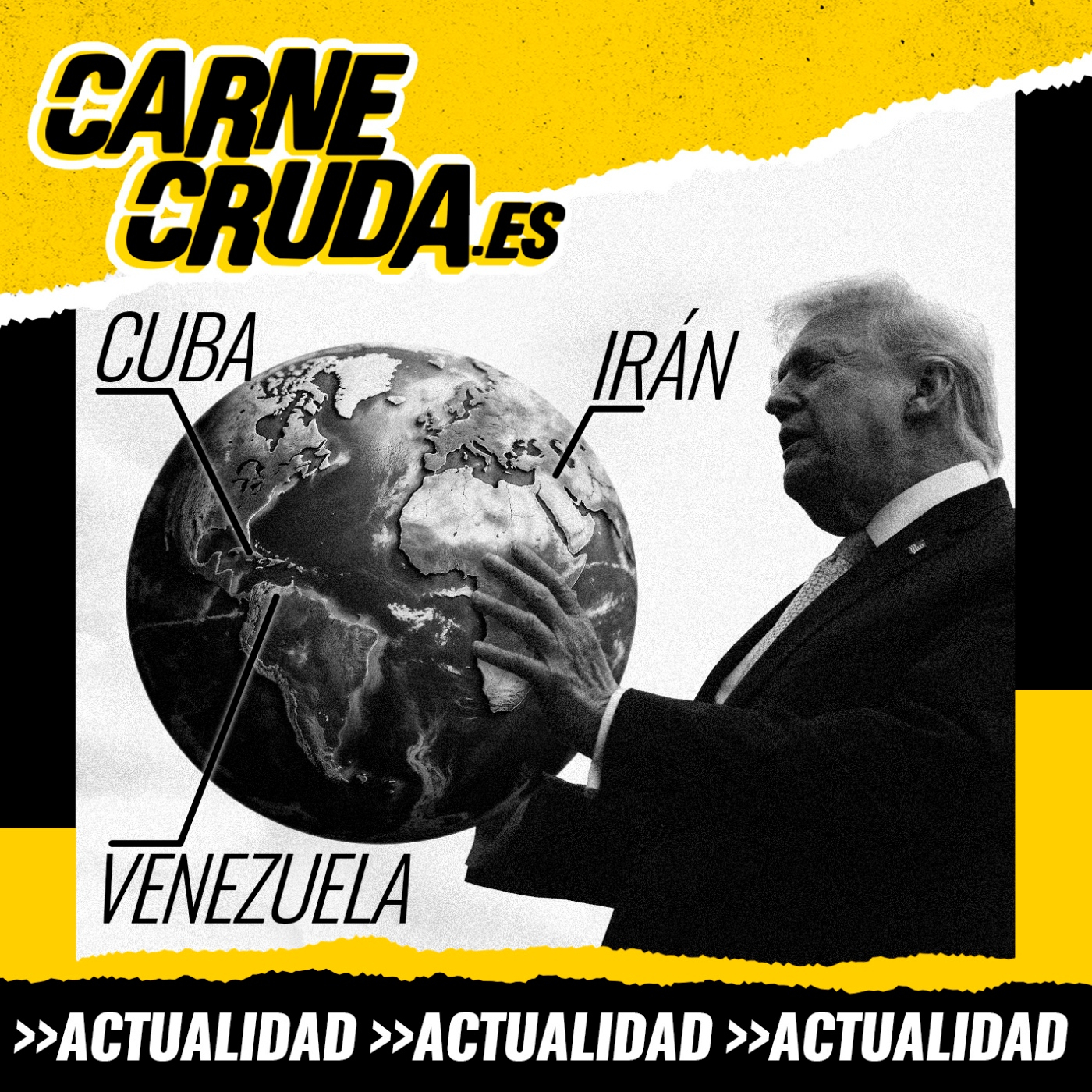
Carne Cruda - PROGRAMAS
Mapa del mundo que viene: brújula para orientarse (CARNE CRUDA #1641)
00:59:54
Loading summary
Transcript180 lines
- [00:00]
A
Ayer nos visitaron dos amigos de Chile que nos empezaron a escuchar hace años desde Punta Arenas, allá en la región de Magallanes, junto al Cabo de Hornos y la Tierra de Fuego, o como ellos dijeron, en el principio del mundo. Y hoy os queremos leer una carta de una viajera que nos ha escuchado también desde Chile y nos ha llevado por todo el mundo.
- [00:19]
B
Se llama Belén. Creemos que es de La Palma porque se refiere a la Isla Bonita, aunque ahora vive en otra isla, en la Británica. Y nos dice así crudos días. Perdonad la tardanza, Llego tarde, pero llego y. Y con ganas de seguir aportando y de que muchos más se unan a esta familia. Gracias por cada programa escuchado desde la calma de la Isla Bonita, pero sobre todo por aquellos que me sostuvieron en los largos días de tesis en esta maratón que es la carrera investigadora, llena de lesiones y días de banquillo. También en mis idas y venidas por el mundo, desde el desierto de Atacama hasta Reino Unido, donde hoy, con algo parecido a la estabilidad, siento la necesidad de aportar. Vivir lejos de lo que una siente como hogar no es fácil, menos aún si el mundo no te representa. Pero reconforta que al mirar hacia casa en busca de un cable a tierra, ahí estáis, con rigor, compromiso y una honestidad sin medias tintas, poniendo el foco donde importa y devolviendo esperanza a quienes estamos al borde de perderla. Que vuestras voces nos sigan acompañando. Gracias. Salud y República.
- [01:24]
A
Pues claro que sí. Salud y República independiente de la radio. Belén, gracias a ti por hacerla posible. Gracias también a los que nos escucháis. Ya sabéis que si no sois productores, estáis tardando en hacerlo. En carnecruda es No perdamos nunca la esperanza, porque desesperarnos es precisamente lo que pretende el Eje del Mal. Y hoy hemos querido empezar con tu carta, Belén, porque nos vamos a mover por ese eje recorriendo el mapa del mundo que viene.
- [01:50]
B
Este programa es una brújula para orientarse, para no perderse.
- [02:04]
A
Dos 1026 empezó enseñando los dientes.
- [02:07]
B
Apenas nos habíamos deseado un feliz año y enero ya nos mostraba un nuevo mundo.
- [02:11]
A
El año empezó con el secuestro del presidente de Venezuela a cargo de un comando especial de Estados Unidos con el objetivo de convertir ese país en un
- [02:18]
B
protectorado bajo mis órdenes. Las Fuerzas Armadas de Estados Unidos han llevado a cabo una operación militar ex extraordinaria. La capital de Venezuela, un protectorado que debería permitirle el control de la industria petrolera venezolana y reafirmar la autoridad del dólar en el mercado internacional de hidrocarburos.
- [02:37]
A
El año empezó también con el asesinato a sangre fría de dos ciudadanos en Minneapolis, Minnesota.
- [02:42]
B
Primero una mujer, después un hombre. Ambos blancos, ambos tiroteados a bocajarro en sendo incidentes con los agentes del Servicio de Inmigración y Control de Aduanas, Elais, comandados por un tipo que unos días después se paseaba por la ciudad con un abrigo de oficial nazi.
- [02:58]
A
El año comenzó con la amenaza norteamericana de invadir la isla de Groenlandia si Dinamarca se niega a venderla.
- [03:03]
B
La invasión significaría el final de la OTAN. Trump quiere Groenlandia como sea. Necesitamos Groenlandia. Desde el punto de vista de la
- [03:11]
A
seguridad nacional, el año comenzó con una ofensiva penal del trumpismo contra el presidente de la Reserva Federal de Estados Unidos, Jerome Powell.
- [03:17]
B
Quieren a un presidente de la Reserva Federal totalmente alineado con la Casa Blanca. El nuevo mundo quiere cesarismo sin contrapoderes. Estas nuevas amenazas no tienen que ver con mi testimonio del pasado junio ni con la reforma de la Reserva Federal.
- [03:30]
A
El año empezó con más de 2.000 muertos en Irán a consecuencia de la represión de las protestas contra el régimen de los ayatolás.
- [03:37]
B
Oriente Medio se está reconfigurando y en estos momentos los vencedores son Israel, Estados Unidos y Arabia Saudí.
- [03:43]
A
China empezó el año encajando tres golpes
- [03:45]
B
Pérdida de influencia en Venezuela, debilitamiento de Irán y fortalecimiento de Israel y Estados Unidos con la futura instalación de una base naval israelí en Somalilandia, al lado de Yibuti, país en el que China tiene su única base naval. Los ataques militares de Estados Unidos e Israel contra Irán violan el derecho internacional y el comercio no debe utilizarse como arma ni como instrumento.
- [04:06]
A
Y el año empezó como acabó, con la Unión Europea desorientada.
- [04:10]
B
En pocas palabras, el año comenzó con un el nuevo mundo va a ser un lugar más duro y despiadado.
- [04:18]
A
Así empieza Viaje a un nuevo mundo. Claves para entender el desorden mundial. Europa y España ante el cambio.
- [04:24]
B
Una conversación en forma de libro publicado por ARPA y firmado por los periodistas y ensayistas Enric Giuliana, adjunto al director de La Vanguardia, y Esteban Hernández, corresponsal político del Confidencial.
- [04:34]
A
Un libro que nos va a servir de carta de navegación para surcar las procelosas aguas de este nuevo mundo duro y despiadado que se ha desatado definitivamente con la guerra contra Irán. Enrique, Esteban, Crudos días. Bienvenidos.
- [04:46]
C
Buenos días.
- [04:46]
D
Buenos días.
- [04:47]
A
Este es el año que vamos a vivir. Nerviosamente, Enric seguro escuchaba ahora el El
- [04:53]
D
ruido del sonar, que a mí me gusta mucho. Me gusta mucho las películas submarinos. Y hay una película submarinos extraordinaria que se llama El canto del lobo. Es una película francesa en la cual todo gira alrededor de los esfuerzos del operador de sonar para interpretar esos sonidos. Entonces cuando detecta peligros, dice es el canto del lobo. Y me da la impresión de que Esteban y yo durante cuatro meses estuvimos con los cascos puestos detectando las distintas formas que tiene hoy El canto del lobo.
- [05:29]
A
Claro. ¿Cuáles son esas distintas formas, Esteban?
- [05:34]
C
Es que son tan amplias. Es verdad que hay para mí un factor definitivo y es en esa ruptura de la globalización, el intento de extraer nuevas áreas de influencia. La ruptura de la globalización no ha hecho el mundo más pequeño, pero sí lo ha dividido en áreas de influencia. De una manera más clara. Lo que vemos es un afán expansivo por parte de Estados Unidos, que se ha notado obviamente en Latinoamérica, Groenlandia y ahora en Oriente Medio. Un afán expansivo de Israel y una contracción fundamentalmente no tanto de China, sino de los socios estadounidenses. Lo ves en Europa, pero también lo ves en las dificultades que sufren los países del Golfo Pérsico, ahora con la guerra derivada de la acción conjunta sobre Irán.
- [06:24]
A
¿Y de dónde viene este impulso expansionista que sin embargo, fronteras adentro, Trump defendió lo contrario, que él se iba a preocupar de los problemas del americano de a pie?
- [06:36]
D
Sí, esta es la gran contradicción a la que en estos momentos se enfrenta la presidencia de Estados Unidos y aquel movimiento político que le apoya, que es haber prometido, haber creado un consenso electoral fuerte, fuerte, recordemos el mapa de las elecciones presidenciales americanas, el apoyo muy fuerte que recibieron de las áreas rurales, de las zonas periurbanas, es decir, todo Estados Unidos menos las grandes ciudades que votaron demócrata. Este consenso se construye sobre base de diversas ofertas, una de las cuales, importante, fácilmente comprensible para la sociedad, es con nosotros no van a haber guerras, y si las hay cortas, por lo tanto no vamos a distraer dinero en esto,
- [07:26]
A
ni recursos humanos, porque también le importa mucho al americano de esas zonas el soldado que tiene que ir al otro lado del mundo.
- [07:33]
D
Nosotros vamos a ocuparnos principalmente y prioritariamente de casa. Y además vamos a echar miles y miles de inmigrantes para que haya más espacio para los de casa. Bueno, este es el discurso perfectamente conocido, asimilado y apoyado en las urnas. Bien, la práctica del primer año largo de esta presidencia va en dirección contraria. ¿Por qué? Bueno, pues porque el proyecto de fondo es el fortalecimiento de la hegemonía norteamericana en un momento en que está en riesgo, pero no sólo en términos, podríamos decir, diplomáticos y políticos, sino en términos de fuerza. Y para que la fuerza se realice hay que recurrir a la fuerza militar. Y además en términos de ampliación física del país. Esto es importante porque ellos no solo están planteando una cuestión de mantener el dominio, de ganar la carrera tecnológica de China, sino lo que plantean es que Estados Unidos, además de potencia, sea emporio. Es decir, sus fronteras, su superficie física sea más grande, sus reservas naturales sean mucho superiores. De ahí la cuestión del Ártico, de ahí la cuestión de Groenlandia. Y eso genera unas dinámicas Y en un momento determinado, pues bueno, la operación de Venezuela fue fulgurante y la operación de Teherán es algo mucho más complicado. Vamos a ver cómo acaba.
- [09:08]
B
¿Llamáis a esto un nuevo mundo? ¿Es Trump el que está generando, creando este nuevo mundo? ¿En qué se diferencia ese nuevo mundo del anterior?
- [09:15]
C
No, Trump es un actor, pero no es el único protagonista de la serie. Hay un nuevo mundo. Y comentabas cuando hablabas de la alianza electoral estadounidense, las ciudades pequeñas y el interior votaron a favor de Trump. Pero si tú vas a las elecciones últimas francesas municipales, donde más presencia ha tenido Le Pen ha sido en las ciudades pequeñas. Y Si vas a Castilla León, en las ciudades de hasta 20.000 habitantes, Vox estuvo fuerte. Con lo cual hay una ruptura geográfica también. Y eso en términos internos es bastante importante en Occidente. En segundo lugar, es verdad que el nuevo mundo tiene características distintas porque ese afán expansionista implica muchísimas cosas. Es decir, como decía Enrique, los términos físicos, los términos geográficos, las fronteras ya no sirven. Estados Unidos necesita, por ejemplo, mantener el dólar como moneda de reserva y que los capitales sigan fluyendo hacia Estados Unidos. Pero además necesita recursos naturales como elemento también de afianzamiento de sus alianzas y muchas otras cosas. Por ejemplo, capacidad productiva. Y voy a poner un ejemplo con los barcos. Tanto en lo que se refiere a los barcos militares como a los barcos de mercancías. La capacidad productiva estadounidense es muy escasa. Y la única manera que tienes de recuperar ese músculo es que otros países de tu área también sean capaces de construir barcos. Con lo cual, entre otros muchos factores, pero al menos en esos necesitas ampliar tus fronteras. Y ese es el espacio expansionista que se demuestra. Por ejemplo, la tecnología. Tu tecnología, quieres que se expanda a lo largo de Europa y de Asia, y no quieres que le pongan ningún freno. Y por eso las tensiones con la UE a la hora de regular la acción de las tecnológicas.
- [11:17]
B
Ahora recorreremos ese mapa impulsado por esos intereses que mueven el mundo. Pero antes, estos días, veíamos como Trump se alegraba de que hubiese muerto Robert Mueller, el exdirector del FBI que investigó la trama rusa del presidente norteamericano en 2016. En este nuevo mundo se han roto las convenciones sociales. Es un mundo sin eufemismo, Enric.
- [11:37]
D
Esta es una buena cuestión, la cuestión de los diques. Es decir, es un mundo sin la
- [11:43]
A
hipocresía de la diplomacia.
- [11:44]
D
La cultura política que surge, que se va formando, que se va musculando después de la Segunda Guerra Mundial, está llena de contrapesos y de mecanismos de freno.
- [11:57]
A
¿Por qué?
- [11:57]
D
Porque sale de dos guerras en realidad. La Primera Guerra Mundial, la Segunda Guerra Mundial, en la que todo se descarnó y donde hubo dos guerras mundiales que fueron en realidad, en el fondo de todo, fueron una matanza. Una matanza. De ahí surgen unas convenciones, surge las organizaciones de las Naciones Unidas, surgen unos códigos, las luchas prosiguen ahí. Eso que le llamó la Guerra Fría, para dejar claro que no era otra guerra, que era una cosa de patada debajo de la mesa, y que si estallaban conflictos armados que estallaron sobre la guerra de Corea, por ejemplo, la guerra de Vietnam, ocurr en las periferias, pero no, por ejemplo, en Europa no hubo ningún Yugoslavia, no hay ninguna guerra en territorio europeo. Bien, lo que estamos asistiendo es al debilitamiento de este sistema de frenos, de diques de contención, que van desde el lenguaje hasta los mecanismos diplomáticos, hasta la disposición de las neuronas en el cerebro en estos momentos, como todos sabemos. Bien, Porque esto además, cuando se expande, va de abajo arriba rápidamente, pues hoy ser agresivo está de moda, ser cruel empieza a molar, etc.
- [13:25]
A
El malismo.
- [13:28]
D
Esto es un reflejo de una dinámica general. Si, la consigna general hay que abatir los diques para que las energías fluyan, se abaten los diques, incluso en la mesa del comedor. ¿Qué es lo que está pasando hoy?
- [13:42]
A
Pues vamos a recorrer el mapa de ese viejo mundo que colapsa y se sumerge y la emergencia de un nuevo mundo. Ponemos rumbo a la energía, los combustibles,
- [13:51]
B
el dólar, Estados Unidos, Venezuela, Irán y el deseo de Trump de parar a China. En 1974 Estados Unidos y Arabia Saudí llegan a un acuerdo para usar siempre el dólar en las transacciones de hidrocarburos. Acuerdo que se extiende a los demás países. La creación de nuevos circuitos internacionales de compra de materias primas ajenos a la divisa norteamericana es una amenaza directa a su estabilidad económica.
- [14:17]
A
ESTEBAN De un lado está el modelo de Estados Unidos, del otro el de China. ¿Qué caracteriza esos dos modelos?
- [14:22]
C
Hay una diferencia fundamental. Y parte de la reacción estadounidense tiene que ver precisamente con el hecho de que el mundo ha cambiado fuera de Occidente. Parte de ese cambio que viene instigado de distintas maneras. Pero el ejemplo más obvio es China. Es que en China el poder político está por encima del económico. Y sin embargo en Estados Unidos el poder económico es muy influyente sobre el poder político. Todos sabemos de ejemplos de magnates chinos que tuvieron problemas por enfrentarse al Partido Comunista. Son dos modos de gestión distintos. Pero si tú examinas además el hecho de cómo se ha transformado el mundo estos años, ves que en casi todas partes los países importantes tienen una presencia política significativa. Rusia, India, Turquía, Arabia Saudí. Son países donde de alguna manera las tensiones internas se han ido disolviendo a favor de un liderato autoritario. Los oligarcas y Putin, Mohammed bin Salman y los primos Modi, etc. Bueno, frente a ese entorno también hay diversas tentaciones en el ámbito occidental de pensar que si tenemos unos ejecutivos mucho más poderosos vamos a poder hacer frente de una manera más eficaz a los riesgos que vienen de fuera. Y ese es un factor relevante.
- [15:47]
A
¿Trump podría ser, junto a todos estos tecnoligarcas, esa plutocracia que hace frente a otras plutocracias?
- [15:53]
D
Enric Sí, Trump es el mascarón de proa, es el demiurgo, es el hombre traduce con un margen de autonomía personal notable. Y eso yo creo que es fuente de preocupación para quienes tiene detrás suyo. No quiero decir que sea una marioneta, una marioneta no lo es. Es el hombre oportuno. Es como un rompehielos. Hay que ir hacia allí. Y este será capaz. Tiene el suficiente empuje y la suficiente desfachatez, digámoslo todo, como para romp los hielos que hay que romper. Vamos a ver si rompiendo hielos no acaba provocando una desgracia para aquellos que lo han promovido. No hay que excluir que ocurra.
- [16:44]
A
Pues vamos a ver por dónde sigue rompiendo el hielo. La guerra en Irán es otro ejemplo de esa ruptura de hielos. Y para ayudarnos a entender ese mapa de la energía en Oriente Medio queremos sumar otra carta de navegación.
- [16:55]
B
Tres semanas desde el inicio de la guerra ha tardado Netanyahu en esgrimir el objetivo oculto de su campaña militar. Si hasta ahora había repetido que los principales propósitos eran destruir el programa nuclear iraní, eliminar los misiles balísticos y derrocar al régimen, ahora ha añadido uno redirigir las principales rutas energéticas y comerciales de la región para que Israel se convierta en un nodo logístico clave en el transporte de hidrocarburos y mercancías entre Asia y Europa. Esto escribía el catedrático de Estudios Árabes e Islámicos de la Universidad Complutense Ignacio Álvarez Osorio en un artículo en eldiario. Es titulado La agenda energética oculta de Israel en el Golfo. Un artículo que nos ha gustado tanto que le hemos llamado para que nos ayude en esta navegación con las claves de su escrito. Ignacio Crudos Díaz. ¿Qué papel está jugando la energía en estos últimos ataques israelíes a instalaciones energéticas iraníes?
- [17:50]
E
Pues yo creo que hay un gran juego por parte de Israel para atraer las principales rutas tanto energéticas como comerciales hacia su territorio. Y es cierto que tiene muchas dimensiones el conflicto actual, pero una de las más importantes es precisamente la idea de apoderarse de los recursos energéticos que hay en toda la costa levantina y que a partir de ahora los gaseoductos, los oleoductos pasen por el territorio israelí para convertirse en un nodo logístico clave en el transporte de la energía desde Asia hasta Europa.
- [18:29]
B
Y eso está relacionado con el objetivo de crear ese gran Israel en el territorio que abarca desde el río Jordán hasta el mar Mediterráneo, incluyendo toda Gaza y Cisjordania, el sur libanés y los Altos del Golán sirios. ¿Cómo se vincula ese plan de expansión geográfica con el proyecto de convertirse en el principal centro energético, hub energético de la región?
- [18:49]
E
Bueno, tiene mucho que ver porque precisamente las grandes rutas comerciales, sobre todo el corredor de Oriente Medio Europa atraviesa el territorio de Arabia Saudí, de Jordania y también de Israel. Y no olvidemos que tanto en la Franja Gaza y en el sur libanés, toda la zona que está por debajo del río Litani, está otro yacimiento importantísimo, como es el yacimiento de cana de gas, de los más importantes del mundo. Y por lo tanto, lo que pretende Israel, ya digo, es aprovechar esta coyuntura favorable, ese respaldo incondicional por parte de la administración Trump, para redibujar las fronteras y convertirse, ya digo, en un nodo logístico, pero también explotar todas las reservas gasísticas que serían indispensables para abastecer a la cuenca sur de la Unión Europea. Y todo esto también tiene mucho que ver con la necesidad, no lo olvidemos, de torpedear cualquier otro proyecto de exportación de gas desde el Golfo hasta el Mediterráneo que pudiera competir con el suyo propio. En este sentido tenemos que contemplar, por ejemplo, el ataque contra el yacimiento de gas de Irán, el South Park, que en algún momento también se ha hablado de posible construcción de gasoductos a través del deterioro iraquí hasta Turquía. Y esto obviamente sería un competidor con respecto a la propuesta del Ismet, del gasoducto Ismetro que propone Israel.
- [20:19]
A
¿Cómo es ese gasoducto, Ignacio? ¿Pasaría por ahí la energía? ¿De dónde y hacia dónde?
- [20:26]
E
Bueno, es decir, hay dos vectores. Por una parte, la explotación de los recursos gasísticos que tiene toda la costa levantina, no solo el territorio, las aguas territoriales israelíes, sino también las de Gaza y las de Líbano, de tal manera que Israel va a intentar anexarse esos territorios para dejarlos dentro de su territorio. Y por otra parte, las rutas de gas, las rutas también de oleoductos que van desde el Golfo y desde toda la zona de la península arábiga hacia el Mediterráneo. Es decir, que Israel se convertiría en un lugar indispensable, un paso indispensable de ese petróleo hacia el territorio europeo. Con lo cual, obviamente, es una carta, una baza negociadora muy importante por parte de Israel, porque a partir de entonces la Unión Europea no podría adoptar sanciones contra Israel a costa de quedarse sin esos recursos gasísticos. Efectivamente, están ocurriendo muchas cosas sobre el terreno, las que ocurren por la superficie y las que ocurren por debajo de la mesa, de las cuales se habla menos, y de ahí la idea de introducir también en la ecuación el elemento energético, que yo creo que es clave para entender lo que está ocurriendo en los últimos años, no sólo en las últimas semanas, sino en los últimos años en la región.
- [21:43]
A
Pues gracias por contar lo que ocurre por debajo de la mesa. Os recomendamos leer ese artículo La agenda energética oculta de Israel en el Golfo Eneldiario. Es de Ignacio Álvarez Osorio. Como siempre, un placer. Un abrazo muy fuerte, Ignacio.
- [21:55]
E
Muchas gracias por contar conmigo.
- [21:57]
A
Y seguimos este viaje a un nuevo mundo en el que Enric y Esteban hablan de Israel como garante de los intereses de Estados Unidos en la región,
- [22:03]
B
precisamente en Oriente Medio será Israel el que desempeñe ese papel de guardián de los intereses estadounidenses. Israel más Arabia Saudí. Sí, y con Turquía adquiriendo un nuevo papel.
- [22:14]
A
Pero al mismo tiempo, numerosos analistas destacan que más bien Estados Unidos es reen en este momento de los intereses israelíes. ¿Quién depende de quién hoy y quién está al mando, en vuestra opinión?
- [22:24]
C
Bueno, sí, es verdad que todo lo que se ha descrito tiene que ver con una voluntad que lleva tiempo ya encima de la mesa, al menos una década en Israel, de separarse o no depender tanto de Estados Unidos. Entonces, el hecho de cobrar influencia internacional a partir de su conversión en hub de conexión energético significa que la capacidad de presión internacional sería mucho mayor por
- [22:52]
A
parte de Israel, que ya tiene bastante, por cierto.
- [22:55]
C
Sí, porque decía que la Unión Europea no iba a adoptar sanciones si tuviera productos. Tampoco se adopta ahora. Pero en todo caso es verdad que es una fuerza que no le sirve tanto respecto a la Unión Europea como para poder marcar con Estados Unidos un margen de acción propio. Y esa es una idea que está en el gobierno de Netanyahu muy presente.
- [23:15]
A
¿Y tú crees que ha arrastrado a Trump en esta ofensiva en Irán?
- [23:20]
C
Yo creo que hay un doble juego desde hace tiempo entre Estados Unidos e Israel. Digo que es verdad que ahora coinciden objetivos. Es decir, si China pierde Oriente Medio, Estados Unidos sale muy reforzado. Entonces cambiar el equilibrio de fuerzas a favor de Israel es cambiarlo a favor de Estados Unidos, al menos en teoría. Pero es verdad que hay un reparto de papeles, y lo vimos desde que se inició la guerra Gaza, en el que Netanyahu presiona y Estados Unidos intenta frenar. Lo ocurrió con Biden, ¿No? Pero Netanyahu no se comporta bien, no ocurrió nada, siguió hacia adelante. Y ahora lo que estamos viendo es básicamente a Trump haciendo el mismo papel respecto a los mercados, ¿No? Pero la guerra va a terminar pronto. Pero la guerra sigue ahí y sigue avanzando. Veremos hacia dónde va. Pero ese reparto de papeles hasta ahora está presente.
- [24:17]
B
Claro. Pero realmente, ¿Qué gana Estados Unidos con esta nueva guerra en Oriente Medio, con la situación de caos que está provocando?
- [24:23]
D
Bueno, esta es la cuestión. Porque los primeros días, la impresión que existía es que se estaba intentando reproducir respecto a Irán lo que ocurrió en Venezuela a principios de enero. Es decir, una operación fulgurante. En este caso no se trataba de secuestrar al presidente de Irán, sino de matarlo. Lo mataron, pero para ir a su sustitución por algún personaje del propio régimen iraní, al estilo de lo que se ha hecho en Venezuela, que estableciese un nuevo contrato para entendernos con Estados Unidos. Incluso se daba un Ali Lahar,
- [25:08]
A
no
- [25:08]
D
os preocupéis, el pragmático, el jefe del Consejo de Seguridad Nacional de Irán. Un hombre que se había doctorado con una tesis sobre la filosofía de Kant, muy elegante, con estas barbas perfectamente recortadas que lucen como la tuya, un poco iraní. Pero a este lo matan. Al cabo de 20 días lo mata Israel. Para mí esto es uno de los interrogantes de esta guerra. ¿Por qué creo, al igual que lo que pasa en Venezuela, creo que aún no lo sabemos todo? Se movieron las piezas, ¿Quién apoyó a quién? ¿Quién abrió la puerta de la habitación?
- [25:55]
A
Tampoco sabemos aquí quién la está haciendo.
- [25:57]
D
Yo creo que hay muchas cosas que no sabemos y que tardemos en saberlas. El caso es que gente que conocía un poco el tramado te decían no, no, ahora lo que harán, lo que quieren es reproducir a otra escala lo que han hecho en Venezuela. Pactarán con este y. Porque siempre la idea se partía del mismo principio. No les interesa una guerra. Y va. Y al cabo de 20 días los israelíes matan a este hombre. Con lo cual, en estos momentos la posibilidad de pacto con los iraníes es imposible. Porque los que quedan están dispuestos a pegarle fuego a Teherán y a lo que haga falta antes de rendirse. Me parece que lo han dejado bastante claro.
- [26:39]
A
Eso se lo avisaron de hecho, quienes conocen la zona Trump. Lo que pasa es que dicen que Trump no escucha muchas veces a quien le habla con cierto rigor.
- [26:46]
D
Los jefes militares, esto está acreditado. Primero hubo militares que dijeron que eso no debía hacerse. Los han purgado, están fuera de los cargos de responsabilidad. Pero incluso los que hay ahora, al parecer habrían esto pensémoslo dos veces antes de hacerlo. Y en cambio decidieron hacerlo. Y aquí sí que surge la hipótesis de que los israelíes han conseguido una posición de influencia determinante. Casi podría decirse que han secuestrado estratégicamente a Trump.
- [27:16]
A
Sí, y lo tienen también maniatado precisamente en su país. Para no perdernos. Lo estábamos diciendo antes. Trump, recordemos que prometió a sus electores que con él no habría guerras.
- [27:25]
B
No vais a tener una guerra conmigo y no vais a tener una tercera Guerra mundial.
- [27:29]
A
Y en el libro analizáis otro interés que está acelerando los acontecimientos, las elecciones legislativas en Estados Unidos. Y yo añadiría también los papeles de Epstein. ¿Qué factor han jugado en la entrada en esta guerra, Esteban?
- [27:43]
C
Pues no lo sé.
- [27:45]
A
¿Pero qué puedes intuir?
- [27:46]
C
Ya me gustaría saberlo.
- [27:47]
A
Por lo menos las elecciones. Está claro que es un factor.
- [27:50]
C
Sí, bueno, las elecciones son un factor relativo en el sentido de que esto le perjudica sustancialmente a Trump, precisamente porque incumple aquello que le llevó a la Casa Blanca. Es cierto que si hubiera una victoria rápida, podría llegar a las elecciones de mitad de mandato presumiendo de esto, avalando
- [28:12]
A
esto y al mismo tiempo desviando el foco de Epstein.
- [28:15]
C
Incluso en el caso de victoria, la brecha ya está abierta. Es decir, hay una parte significativa de su electorado que se siente traicionado. Y eso se puede recomponer Sólo en cierta medida. Sólo en cierta medida. Bueno, lo que pasa es que sí creo que hay una voluntad expresa. Y yo creo también. Hay que entender un poco el espíritu de época. Hay una mentalidad expresa. Este es el momento definitivo que tanto tiempo hemos estado esperando. Y renunciar a Eso es complicado.
- [28:45]
A
¿En qué sentido es un momento definitivo y hacia dónde quieren llevarlo, tanto en
- [28:49]
C
la administración de Tanyahu como en la de Trump?
- [28:52]
A
Estáis hablando de golpes de efecto, de golpes de Estado. Estáis hablando de.
- [28:55]
C
Estoy hablando de la recomposición, la relación de fuerzas en el escenario internacional, en términos beneficiosos para Estados Unidos y en términos beneficiosos para Israel. De alguna manera, Y hablábamos antes con lo de los diques, existe una mentalidad muy marcada según la cual hemos estado conteniendo las fuerzas que Occidente podía emplear. Y eso se nota mucho en términos bélicos. Y ahora es el momento de desatar las fuerzas y de demostrar nuestra potencia y conseguir los objetivos que los diques nos han impedido conseguir hasta ahora. Y esa mentalidad, insisto, es complicada de erradicar.
- [29:40]
A
Claro. Y ese tram desatado puede también desatar un poder absoluto, omnímodo en Estados Unidos. Estamos viendo las redadas de ICE, de las que hablas en el principio del libro. Estamos viendo cómo se va saltando uno tras otro los controles democráticos que tiene el país y cómo va purgando a todo aquel que es un contrapoder. Y vienen esas elecciones midterms, esas elecciones de medio mandato.
- [30:04]
D
Sí, es claro que está habiendo una basculación con correcciones, porque también vamos a ver, Estados Unidos, la sociedad no ha sido allanada. Es decir, hay reacción. Es un pulso que se desarrolla ya en otro plano. Yo creo que lo que ha cambiado es esto. El plano es distinto. Vimos como Elais mataba a sangre fría a gente que simplemente expresaban su indignación por cómo estos agentes, esta milicia, en realidad es una milicia que pende directamente del presidente de los Estados Unidos. Trataba a los inmigrantes y mataron a la gente. Y esto tuvo una percusión en el mundo extraordinaria. Y ahora vemos cómo de alguna manera han aflojado un poco, sobre todo en las formas. Es decir, ya no vemos según qué escenas. Seguramente están pasando cosas, pero ya no se busca. Es que lo más fuerte de todo esto para mí es cómo en un momento determinado alguien decide que la exhibición pública de la crueldad es un activo político. La exhibición pública de la crueldad se convierte para algunos en un activo público.
- [31:24]
A
Por eso te preguntaba hasta dónde crees tú que puede.
- [31:26]
D
No basta con detener a esta gente. No, no. Los tenéis que detener ante las cámaras de televisión y que todo el mundo vea lo que estamos haciendo para que los. Que algunos de ellos cojan las maletas antes de que les detengamos. Y para que en general toda la sociedad sepa ahora quién está mandando aquí. Que esto es algo, hay que decirlo. Yo soy partidario de abusar de la palabra, del adjetivo del fascismo. Pero esto es el fascismo. Esto es el fascismo.
- [31:56]
A
Bueno, un repaso que se hacía sobre 20 puntos que definen al fascismo. Creo que Trump cumplía 18 por lo menos.
- [32:03]
D
La exhibición, la capacidad de intimidación exhibida. Ha habido una cierta reacción. Ves cómo en un momento dado modulan. Y ahora pienso que los expertos en la cuestión energética dicen que cada semana que el estrecho de Ormuz está cerrado a efectos del circuito económico, son tres semanas para la recuperación. Y que esto es acumulativo. Por lo tanto, esto dibujaría como un cronograma que habría a partir de un determinado momento, que podría ser entre mayo y junio, ya no hay tiempo de recuperación. Si tomamos como referencia el 3 de noviembre, que es el día de las elecciones de medio término, es decir, si se cruza el río en un momento determinado, aunque la guerra pare, pongamos por ejemplo a mitad de junio, ya no hay tiempo para llegar en condiciones de normalidad a las elecciones.
- [32:58]
A
Y eso podría querer decir que la cosa para antes. ¿Qué quiero decir, puede pasar? ¿Que puede pasar una persona que ha repetido hasta tres veces que a lo mejor podría haber un tercer mandato, algo que no permite la legislación estadounidense?
- [33:13]
C
Yo No lo creo.
- [33:14]
A
¿Tú no lo crees?
- [33:16]
C
Yo creo que está más bien pensando la sucesión porque finalmente hay otros actores dentro del gobierno estadounidense que pueden seguir su estela en caso determinado. El vicepresidente, uno de los dos vicepresidente. Y Marco Rubio, de momento.
- [33:32]
B
Pues hablando de Marco Rubio, otra de las obsesiones del gobierno de Trump es, por supuesto, Cuba. Ponemos rumbo a la isla. Se me va la luz y me quedó algo por hacer. Pues tenemos que poner Escapó.
- [33:46]
F
¿Y qué le parece que ahora tenga que cocinar con carbón?
- [33:49]
B
Pues imagínense, retrocedimos. No dejan entrar el petróleo con que se mueve el país. La isla sufre una crisis humanitaria de primer orden en un país que lleva décadas de precariedad, agravada ahora en los últimos años, y al que el bloqueo energético dictado por Trump tras el secuestro de Maduro ha terminado de hundir. Un país paralizado en el que todo el mundo está a la espera de que pase algo y del que acaba de regresar la periodista Patricia Simón. Patricia Cruz, dos días.
- [34:17]
F
Hola, buenos días.
- [34:18]
B
¿Qué has visto allí? ¿Cómo está afectando ese cerco comercial y energético al país?
- [34:23]
F
Bueno, los ya famosos apagones son la manifestación más evidente del colapso energético al que ha forzado este cerco dictado por Trump, pero que lleva muchos años dándose. La gente está muy acostumbrada a esos apagones, lo único que se han exacerbado. Pero los apagones tienen muchas consecuencias cruciales para la vida cotidiana. Significa que no solamente no pueden tener electricidad, sino que no pueden cargar las placas solares, que son cruciales ahora y que marca la diferencia de clase social. Si tienes un familiar en el extranjero vas a tener placa solar porque es lo primero que pide. Se caen las comunicaciones, Internet y la telefonía móvil deja de funcionar. Los pocos agricultores que quedan en el país porque uno de los problemas que se acabó con la agricultura, tienen que volver a arar con bueyes, la gente no puede acudir a su puesto de trabajo, las clases en la universidad se han suspendido, con lo cual, como bien dices, es un país paralizado y que bueno, como explicaba además Emma, pues han ten que volver a cocinar con carbón. Eso las familias más afortunadas, como ellos y ellas mismas dicen, y los que tienen menos recursos con madera, algo que no pasaba desde antes de la revolución de los años 50.
- [35:38]
B
Emma Navarro, que es una mujer de 89 años de un barrio de las afueras de La Habana, a la que su nieto ha comprado una especie de cesta metálica que están ahora fabricando en Cuba para cocinar con carbón. Y en ese contexto, ¿Hasta qué punto es vital la ayuda que puedan recibir de familiares desde el exterior?
- [35:52]
F
Es crucial. Hay que pensar que en un país de 11 millones de habitantes hay 4 millones de cubanos en el exterior. Solamente desde 2021, desde la pandemia de Covid, han huido del país una de cada cinco personas, no solamente por las condiciones económicas absolutamente desastrosas, sino también por la represión con la que se respondió a las protestas que se llamaron el estallido social que tuvieron lugar en 2021.
- [36:18]
B
Todo sobreprecio carisisimo. Bueno, gracias a que nos ayudan del
- [36:24]
F
norte tienen familia en Estados Unidos, Si
- [36:27]
B
no, nos moríamos de hambre, como hay muchas personas por ahí muriéndose de hambre.
- [36:31]
F
¿Y el periodo especial para usted fue
- [36:33]
B
peor o mejor que ahora? Bueno, yo no sé ni cómo compararlo, la verdad, porque antes tenías un poquito de dinero pero no habían las cosas. Ahora aún teniendo dinero hay veces no consigue las cosas.
- [36:46]
F
¿Y qué cree que va a pasar o qué le gustaría que pasara?
- [36:49]
B
Bueno, mija, yo quisiera que hubiera un cambio para mejorar como quiere todo el mundo. No me imagino yo que todo el mundo quiera eso, que estamos pisando fondo. Esto te contaba Emma sobre su deseo en el futuro inmediato. ¿Tú dirías que sea un sentir generalizado?
- [37:06]
F
Sí, pero no desde ahora. Yo viajé a Cuba tras las protestas de 2021 y ya era un reclamo mayoritario, incluso las personas mayores que se beneficiaron profundamente de las conquistas de la revolución y que reconocen lo que avanzó el país y que además distinguen mucho entre lo que significó Fidel Castro y luego cuando heredó el poder su hermano y luego el presidente Díaz Canel, esas mismas personas dicen que no se aguanta más, que es un Estado fallido en todos los sentidos. Reconocen absolutamente el papel crucial que ha tenido en esa deriva, ese desgaste económico, el bloqueo estadounidense. Pero siendo más conniventes o no, con el impacto que han tenido, sí que esperan que haya un cambio profundo, no solamente económico, sino también político en los próximos meses.
- [37:59]
B
Porque además Cuba es un sitio en el que es muy evidente la desigualdad. Tú lo has contado y bueno, has entrevistado a gente como Alcides García, periodista y educador social, que buena parte de su vida trabajó en el mítico periódico Granma, un revolucionario convencido que ahora se ocupa en proyectos de soberanía alimentaria con ONG.
- [38:17]
D
Pero yo haría un experimento social. Yo no le quito las casas en donde vivo, no, ni los lugares en donde vivo, no le quito ni siquiera los carros, pero yo le quitaría la protección de la corriente, yo le daría su salario, le quito todas las protecciones que ellos tienen de alimentación y de accesos, le quito todo eso, le dejo la libreta de racionamiento, le quito los choferes y todos los personales a cargo. Y le digo salas de Revolución, como mismo muchos revolucionarios que viven en el mundo, que entonces se dedican a decir porque el pueblo cubano no hace esto, no hace lo otro, yo los traería a vivir un año en Cuba, pero a la cubana, para que nos entendamos cómo es la historia. Entonces yo pondría a todos estos jefes a vivir a la Cuba, ellos no
- [39:00]
B
van a aguantar una semana, dicen que las élites no aguantarían una semana viviendo así. Esa percepción la tienen muchos cubanos y cubanas.
- [39:08]
F
Y además lo viven como una traición precisamente a la Revolución. Porque una de las cosas que decía Emma y otras personas a las que entrevisté sobre la diferencia con el Periodo Especial, es que entonces había una especie de proporción en la pobreza, es decir, que no había esta diferencia de clase social tan visible, que ahora la verdad es bastante dolorosa. Es decir, La Habana, donde vive uno de cada cinco cubanos, es una ciudad en la que hay tiendas llenas de alimento, además de alimentos de calidad, importados, con gran variedad, pero unos precios inasumibles para la mayoría de la población, y que además en muchas de estas tiendas solamente se puede pagar con dólares, porque es una de las reformas económicas del Gobierno de los últimos años. Está buscando que entre dólares en la isla para sostener la economía mínimamente, pero solamente una minoría puede acceder a esos dólares, con lo cual la desigualdad es muy evidente. Además es muy ostentosa. Te encuentras con coches importados de Estados Unidos mayoritariamente de 120.000, de 150.000 euros. Y todo eso hace que la desigualdad y la precariedad absoluta, porque la vida cotidiana en Cuba es una gincana. Y además les duele mucho, y eso lo dicen, que eso se llame la resistencia del pueblo cubano. Están cansados de que se romantice lo que simplemente es una búsqueda de la supervivencia con sueldos cuando son públicos, que no te dan siquiera para comprar un kilo de pollo.
- [40:37]
B
Por otro lado, hablamos, Patricia, de un país donde la educación es universal desde el triunfo de la revolución, con un alto nivel cultural. Y en tus crónicas leemos que mucha gente piensa que Trump no tiene ningún interés por llevar la democracia a Cuba ni por mejorar su situación Absolutamente.
- [40:53]
F
En Cuba son plenamente conscientes de que ahí no se está. Que la guerra ahora mismo la pugna con la administración Trump no tiene nada que ver ni con su bienestar, ni con que vayan a mejorar sus condiciones laborales, ni muchísimo menos con una cuestión sobre que vaya a traer la democracia a la isla. Hablaba con una historiadora que me decía nosotros recordamos muy bien que Donald Trump vino en 2010 para intentar llegar a acuerdos con el nieto de Fidel Castro, que es un empresario de campos de golf, porque quería abrir campos de golf en la isla. Así que sabemos perfectamente que no les importamos en absoluto. Lo más lamentable es que muchos, a pesar de eso, ven que la única salida para que haya un proceso de transición democrática y de una apertura económica es esa pugna. Ahora se mantiene con la Casa Blanca.
- [41:42]
B
Ella es Alina López, una ex profesora de historia de la universidad y editora que se ha convertido en la voz crítica más respetada y visible de la oposición cubana en el país.
- [41:50]
D
Las situaciones siguen sin cambiar.
- [41:52]
A
Yo lo que pienso que puede darse
- [41:53]
D
otro estallido social de carácter mucho más grande o más anárquico. En Cuba prácticamente lo que existe es un capitalismo de Estado. Ellos están locos por dar el cambio, diríamos con carácter más abierto hacia ese capitalismo. Pero no pueden hacerlo por sí solo porque al arruinar la nación necesitan capitales extranjeros. Si los Estados Unidos le ofrece esa
- [42:19]
B
oportunidad, ellos no van a hacer ninguna transformación democrática.
- [42:23]
D
Y si van a hacer apertura flexible, van a abrir Cuba como si se la tienen que vender a pedacitos al norteamericano, lo van a hacer.
- [42:34]
B
También ha hecho una interesantísima entrevista para La Marea a Fabio Fernández Batista, profesor de Historia de la Revolución Cubana, que recomendamos encarecidamente leer, de la que queremos escuchar un fragmento.
- [42:44]
A
Y los problemas de Cuba es una responsabilidad compartida entre cosas que no ha hecho bien este gobierno, cosas que no han hecho bien los gobiernos anteriores y cosas que tienen que ver con el acumulado de políticas hostiles que los Estados Unidos han dirigido hacia Cuba. Hay que tener siempre una dimensión amplia. Yo creo que muchos cubanos tienen una imagen del capitalismo que se mueve en códigos socialdemocratizos. Lo que pasa es que yo tengo muchas dudas de que el capitalismo cubano de un futuro posible sea un capitalismo de esas dinámicas socialdemócratas. Se parecería más a un capitalismo al uso, donde lo neoliberal suele prevalecer. Si tú me dices a mí el capitalismo de Cuba mañana va a ser el de España, de Noruega, de Suiza. Yo diría oh, casi me atrevo a decir que abjuro de mi vocación marxista y me lanzo en la piscina. Pero no creo que sea ese que nos toca. Porque además Cuba es periferia y esa idea de un capitalismo socialdemócrata en la periferia no tengo demasiados ejemplos históricos en los que se ha consumado.
- [43:53]
B
Claro, él te contaba que el capitalismo que tocará a Cuba es el capitalismo subdesarrollado, periférico, dependiente, como puede ser el de República Dominicana, el de Guatemala, el de Honduras. ¿Tú crees que ese es el objetivo de Trump? ¿Que ese es el futuro que espera Cuba?
- [44:04]
F
No creo que Trump haya ahondado en qué tipo de capitalismo le interesaría que se implantase en Cuba. De hecho, el capitalismo que describe Fabio Fernández se parece también mucho al estadounidense, donde recordemos, hay 11 millones de personas viviendo en la miseria y donde hay falta de regulación para garantizar sus derechos. Lo que pasa es que Cuba ya está atravesada por un capitalismo y con la peor cara. El 40 de los ingresos de ese país pertenecen a GAESA, que es una empresa que se creó en los años 90 por parte de Fidel para el ejército, para que se financiase el ejército. Y es el que controla un monopolio, el turismo, la hostelería, las agencias de viaje y algo fundamental que es el acceso a Internet. La empresa de Internet, con lo cual ya hay un capitalismo absolutamente desigual e injusto dominando las vidas cotidianas de Cuba, solamente que envuelto en un discurso comunista.
- [45:03]
B
Patricia Simón, gracias por esta crónica compleja, por representar el mejor reporterismo capaz de un relato poliédrico y de muchas capas que necesitan precisamente lugares como Cuba que muchos tienen la tentación de conservar en el Museo de los Iconos sin explicarlo en profundidad. Un abrazo. Muchas gracias.
- [45:19]
A
Os recuerdo que hay una delegación internacional que ha llevado a La Habana suministros médicos y productos básicos, un convoy con personalidades como Jeremy Corbyn, el grupo irlandés de rap Niqab o Pablo Iglesias que ha ido a reunirse con el régimen y su presidente Miguel Díaz Canel. Y por otro lado está previsto que lleguen otras iniciativas como por ejemplo la flotilla española Rumbo a Cuba, que como explica el activista Ix diputado de Podemos en el Europarlamento Miguel Urbán, es una
- [45:44]
D
iniciativa impulsada por más de 20 organizaciones sociales, sindicales y políticas procedentes de distintos
- [45:50]
C
espacios que tenemos como objetivo común denunciar el bloqueo económico, comercial y financiero a
- [45:56]
D
Cuba a la vez que exigir su
- [45:58]
C
levantamiento inmediato, total e incondicional.
- [46:01]
A
Pero no sólo pretenden denunciar ni romper ese bloqueo como intentó la flotilla Gaza, también quieren devolverle la solidaridad de décadas a la sanidad cubana, muy perjudicada por los cortes de electricidad.
- [46:10]
C
En este sentido, desde Rumbo a Cuba hemos comprometido a recaudar fondos para aportar equipamiento fotovoltaico para alimentar la unidad de cuidados del hospital pediátrico Juan Manuel Márquez de La Habana.
- [46:22]
A
Si queréis colaborar tenéis más información en rumboacuba org y hemos puesto Rumbo a la isla también lo hacemos con nuestros dos capitanes. ¿Qué papel creéis que va a jugar la isla en los planes de Trump?
- [46:37]
C
Bueno, antes de que conteste a Stick voy a hacer un apunte que me parece curioso porque salvando enormemente las distancias, el deseo de un cambio a mejor y el sentido de haber sido traicionado fue lo que llevó a Trump al poder. Ese tipo de voto, ese tipo de voto de una determinada América fue el que consiguió que Trump llegase al poder. Entonces aquí se ve reproducido a un nivel mucho más salvaje, si queréis, porque las condiciones son otras, pero el sentimiento está ahí.
- [47:06]
A
Sí, y un sentimiento también tiene muy profundo Trump de ser aquel personaje que pase a la historia por haber borrado el marxismo de la isla cubana.
- [47:17]
D
Según cómo acabe la historia de Irán. Cuba puede ser el triunfo que Trump quiera exhibir en las elecciones de noviembre. Por su valor simbólico, no tanto por el valor económico. Es decir, si ponemos Cuba al lado de lo que se está dirimiendo en Oriente Medio, evidentemente Cuba tiene, como se decía una de las personas que habéis entrevistado, es periferia. Ahora bien, fijémonos en una cosa. Es decir, la revolución cubana se consolida en el momento que Estados Unidos dicta bloqueo con la ayuda de una potencia exterior que es la Unión Soviética. Bien, ¿Esto cuánto cuesta? Compraremos la caña de azúcar, etc. ¿Pero garantizamos unos ingresos? Habrá petróleo. El problema al que se enfrenta Cuba en estos momentos es que este sponsor no existe. Y esto marca una diferencia sustantiva, y creo que es interesante verlo, entre el comportamiento de lo que era la Unión Soviética. Y el comportamiento de la República Popular China. Es decir, la Unión Soviética vio en Cuba un símbolo también y decidió apoyarlos. Era otro momento de la historia, eran otras coordenadas. Decidió apoyarlos al punto de que llegó a desplegar misiles nucleares en la isla, que estuvo en 62 pronto provocar una guerra mundial. Probablemente China tiene otra perspectiva. Pero hoy no se ha presentado nadie en representación del gobierno de Pekín. Es decir, vamos a intentar reforzar esto qué hacemos. No, el planteamiento chino es otro. Su planteamiento no es de expansión ideológica, es un planteamiento de expansión comercial.
- [49:09]
A
Silenciosa.
- [49:10]
D
Silenciosa. Es decir, ellos frente al ruido, estuvieron estudiando hace unos años, luego vieron que no era rentable la posibilidad de abrir un segundo canal de Panamá en Nicaragua. Hicieron los números, no salieron, lo dejaron. Por ejemplo, ese canal en Nicaragua hubiese sido muy provechoso en términos geopolíticos para Cuba, porque habría convertido Cuba en una zona muy próxima a una zona de gran tráfico marítimo.
- [49:36]
C
Europa está dejando de ser el centro. El centro. Ha pasado Asia. Y el tipo de capitalismo que podemos ver aquí de ahora en adelante va a ser un capitalismo periférico si no hacemos los deberes.
- [49:48]
A
Y China, Quiero decir, ¿No tendrá la tentación en algún momento de intervenir? Porque está perdiendo muchos territorios. Él quiere no una expansión ideológica, sino una expansión comercial. Pero claro, le están empezando a cerrar mercados y cerrar rutas. En algún momento China puede soy el imperio que viene. Esta es la cuestión.
- [50:07]
D
Pero fíjate que así como en Trump todo es expresionismo y acabamos saturados de gestos y no sabemos por qué. Sabemos demasiado. El rostro de Xi Jinping es un enigma en sí mismo.
- [50:22]
B
Contención absoluta.
- [50:24]
D
No sabes lo que está pensando. Mi madre siempre me decía murió a los 92 años. Me decí a mí los negros me gustan, No me. ¿Pero los chinos? Tengo un problema. No sé nunca lo que piensan.
- [50:39]
A
Bueno, pues a ver qué pensáis de la Unión Europea.
- [50:45]
B
Las derechas trumpistas europeas no abogan por una separación del imperio, sino por un vínculo más estrecho con ellos.
- [50:51]
A
Porque no podíamos terminar este viaje sin pasar por nuestro propio continente. Como bien decís, está perdiendo importancia. Ya no es el centro, pero todavía quiere seguir siendo protagonista. Estamos a tan solo 15 días de las elecciones presidenciales de Hungría, con Víktor Orbán, el líder de la extrema derecha europea, pendiente de renovar su mandato. Ayer veíamos a Abascal arropando al líder húngaro. Y en Francia, sin embargo, la ultraderecha ha estado cerca, pero no ha conseguido ganar las municipales ni, sobre todo, tomar las grandes ciudades. ¿Por qué son tan significativas estas elecciones en Hungría? Porque es verdad que Orban es un icono de la ultraderecha y del avance de la internacional reaccionaria. ¿Y en qué dirección creéis que va el barco europeo?
- [51:38]
C
Déjame que haga una salvedad, porque antes comentaba lo de China. Y si vemos los acontecimientos de los últimos años, lo que hemos visto ha sido la capacidad de resistencia de los aliados chinos. Es decir, Rusia iba a caer, no iba a poder seguir adelante la guerra porque iba a fracasar económicamente. Ha resistido, no ha ocurrido. Y vamos a ver hasta qué punto la capacidad de intervención estadounidense logra que Irán deje de resistir. Es decir, China no está perdiendo tanto. Lo que vemos es un empuje grande y una resistencia que se enfrenta. Y hasta ahora, en Ucrania, la resistencia del lado chino ha sido beneficiosa. Eso es un elemento importante. Claro, ahora en Europa, Hungría es el centro de todo esto. No solamente es el mandatario que más tiempo lleva dentro de la Unión Europea, sino que ha sido el más fiel aliado de Israel en su momento y después de Trump, desde que llegó al poder y se enfocó ideológico desde el que irradia y una posibilidad de unir a las distintas derechas europeas pasa por Orbán. Y ahí entiendo, Enric, que en Bruselas y en Berlín no está muy contento.
- [52:54]
D
¿No? Orbán es como un nudo logístico que conecta Moscú, con Washington, con Tel Aviv. Y atención, también con buenas relaciones con China. El mensaje que Orban ha transmitido a sus elecciones es decir, oye, en el gobierno nosotros tenemos buenas relaciones con los poderosos, menos con unos con los de Bruselas, con estos no, y con los de Berlín. Y esto en un país pequeño con sentimientos nacionales muy fuertes. Este dato de Hungría no lo hemos de soslayar. Hungría no es un país eslavo. Perdieron mucho territorio después de la Primera Guerra Mundial. Los sentimientos nacionales son muy fuertes y creo que Orban ha sabido capitalizar esto y a la vez crear una oligarquía interna que tiene el país en estos momentos muy controlado.
- [53:47]
A
¿Y lo que pase ahí crees que puede marcar el rumbo de Europa?
- [53:52]
D
Estas elecciones son importantes para comprobar una cosa. Es decir, él ha construido un tipo de régimen que ya ha difuminado los límites de la democracia. Y ahora hay que ver si una vez has dado estos pasos, tú eres capaz de renunciar al poder si pierdes unas elecciones.
- [54:11]
A
Muy buena pregunta.
- [54:12]
D
Porque esta cuestión sirve para aplicarla luego en noviembre a Estados Unidos. Yo lo que me pregunto es si alguien que tiene en estos momentos el apoyo del presidente de los Estados Unidos y del presidente de Rusia puede perder unas elecciones en el centro de Europa. Esta es la cuestión del 12 de abril.
- [54:31]
C
La respuesta sí, perder. El nacionalismo tal y como entendemos ahora viene exactamente de ahí. Es decir, un país encerrado que tiene conexiones con Rusia por la energía, con Alemania por el ámbito productivo y con China porque ejerce de hub. El nacionalismo de Orbán es contradictorio con los vínculos con Estados Unidos. Porque Estados Unidos tiene su propio interés.
- [54:54]
A
Bueno, como le ha pasado a Marine Le Pen precisamente con el ataque en Venezuela, que fue la única que salió a Perdón, pero es que esto viola la soberanía nacional, que es importante para los ultranacionalistas.
- [55:05]
C
Claro. Y este es el mayor punto de fricción que pueden vivir las derechas europeas en ese sentido. Porque tienes que elegir entre la adhesión a Washington y tu propio proyecto nacional.
- [55:15]
B
Pues precisamente contra esas fricciones frente a Orbán y la ultraderecha también contra Estados Unidos. El gobierno de España está jugando un papel particular dentro de Europa. Los españoles hoy no se sienten plenamente concernidos por las tensiones que se producen en el centro, norte y este de Europa. Y la dinámica económica española vuelve a presentar rasgos muy singulares. Esta vez de signo positivo. España encabeza de manera destacada el crecimiento estadístico del PIB en Europa y en todo Occidente. El debate entre los que quieren una Unión Europea más unida o quienes prefieren abrazar a Estados Unidos va a marcar las próximas elecciones en España.
- [55:48]
D
Enric Sí, sí, sí, sí. España está conectada plenamente a la esfera exterior y estamos viendo cómo la política exterior se ha convertido en un elemento capital de la dialéctica política en España y también estamos viendo como una de las asignaturas pendientes del jefe de la oposición es precisamente la política exterior.
- [56:12]
A
Una España que podría seguir la estela de esos otros países hacia la derecha y la ultraderecha, pero de la que dices, Esteban, aún hay partido.
- [56:21]
C
Bueno, en realidad aquí hay dos focos que se están enfrentando. Uno es, lo vemos muy expresamente, Sánchez y el otro es Vox, con un PP oscilando en el plano internacional entre uno y otro sin saber muy bien dónde situarse o situándose en varios lugares a la vez. Y eso el PP lo tiene que resolver. Pero es verdad que a nivel internacional, y si quieres con Proyecto Futuro, hay dos partidos aquí, el PSOE y Vox.
- [56:46]
A
¿Y de qué dependerá que se incline la balanza hacia una otra dirección?
- [56:50]
C
Bueno, de los votantes. Pero además de eso.
- [56:54]
A
Es verdad, pero quiero decir que tendrían que ofrecer a los votantes ambos polos para atraer su interés.
- [57:01]
C
Fíjate que para mí lo esencial es hacia dónde va a ir el PP, es decir, hacia dónde iría el gobierno próximo, si haría esa alianza con Vox que se está dando en Europa también entre la derecha y las derechas populistas y extremas o si permanecería, digamos, en un eje central.
- [57:18]
A
Enric Es difícil.
- [57:20]
D
Aquí el libro, lo que no hemos querido es hacer futurología, si no estaría ya la portada.
- [57:30]
A
Pero bueno, yo os pido que analicéis el presente.
- [57:32]
D
Pero van a. No, no, están pasando cosas semanales que van siempre. Es esto lo que decíamos al principio, el sonar va sonando y es difícil interpretarlo. Pero mira, fijémonos el referéndum en Italia. Pam. Va y el gobierno pierde. ¿Por qué la guerra? ¿Por qué? Porque Italia es un país muy dependiente de los hidrocarburos y en estos momentos, si aquí estamos preocupados, ellos están preocupados el doble porque saben que esto les va a costar dinero. Y en un momento determinado una gobernante que yo creo que ha desplegado una astucia política notable, Meloni, se encuentra que pierde un referéndum que hace dos meses que creían ganado, lo pierde por seis puntos Por lo tanto, se va moviendo. Por ejemplo, el referéndum italiano. ¿Quién ha decantado el referéndum italiano? Pues los jóvenes y las mujeres que han votado más el no que el sí. Esto ha movido los jóvenes no. Habíamos quedado que los jóvenes eran todos de extrema derecha, pero parece que los jóvenes italianos no. Que lo sepan nuestros jóvenes. De cara al verano, los jóvenes italianos no votan a extraderecho, digo para ir
- [58:46]
A
entrenando al verano, como nos pedía Belén al principio del programa. No perdamos la esperanza. Eso le decíamos nosotros, que desesperarnos es lo que quieren. Enric, Juliana, Esteban Hernández, gracias por ser la brújula para orientarnos en el viaje a un nuevo mundo.
- [59:02]
C
Gracias, gracias.
- [59:14]
A
Hoy hemos querido ser el hombre planeta, el que canta Alcalá Norte e interpretar la música de las esferas, como dicen en este adelanto de su próximo día, sino la música de las esferas, el canto del lobo.
- [59:27]
B
Dejamos aquí este viaje a un nuevo mundo, no sin antes recordaros que os necesitamos para seguir contándolo.
- [59:32]
A
Si te gusta Carne Cruda, compártelo en tus redes, coméntalo también en ella, suscríbete a nuestros contenidos, pero sobre todo, hazte productor o productora antes de que el planeta explote.
- [59:41]
B
Este es el momento, no lo dejé hasta mañana. Salud y República y que la radio os acompañe.
- [59:51]
A
Gracias por ese aplauso espontáneo que les he obligado a hacer.