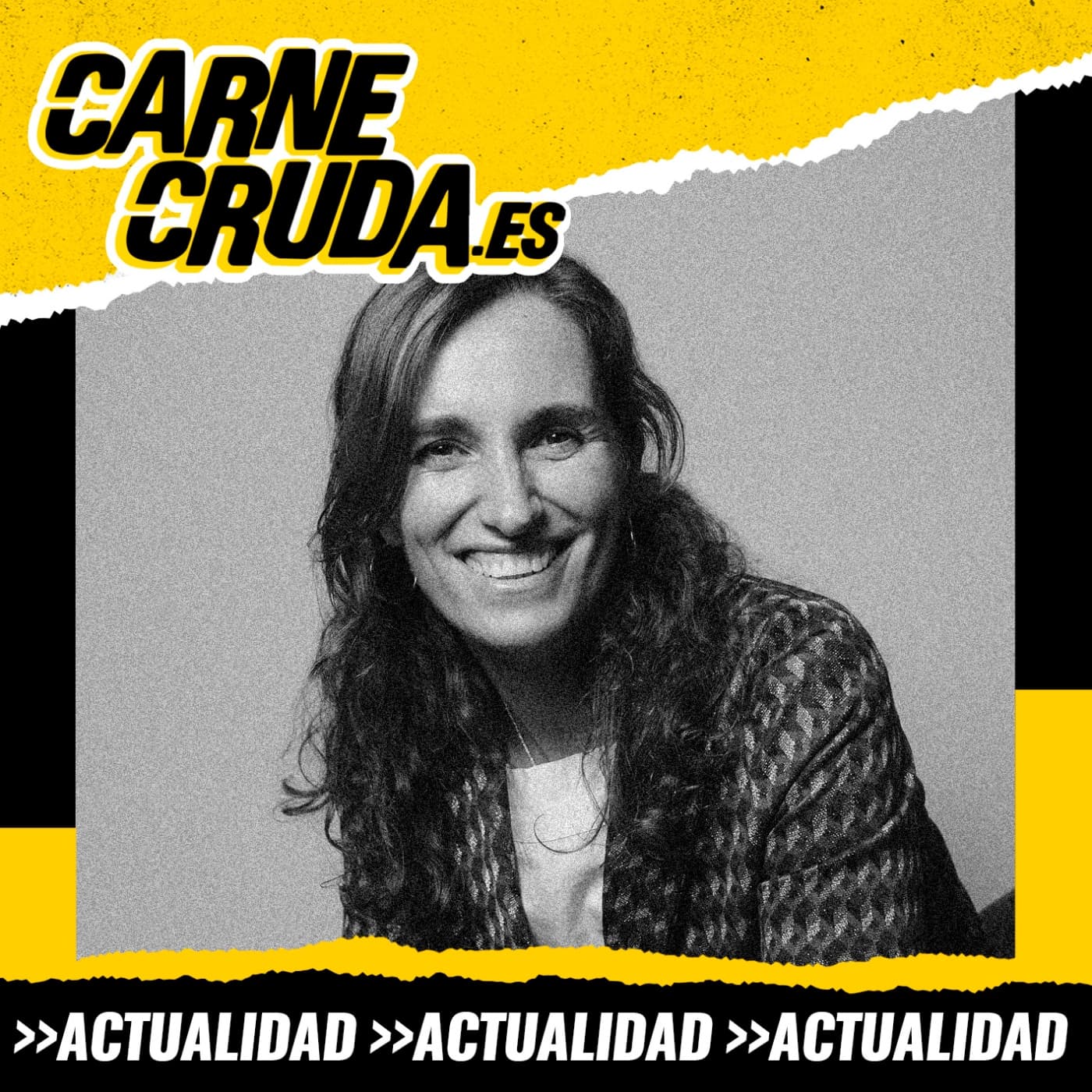
Carne Cruda #1624 — Mónica García, ministra de Sanidad (23 Feb 2026)
Overview: Main Theme and Purpose
This special episode centers on a high-stakes conversation with Mónica García, Spain’s Minister of Health, focusing on her controversial proposed reform to the "Estatuto Marco," the central statute regulating working conditions in the public health sector. García is at the epicenter of intense debate: while some political colleagues applaud her reforms, many healthcare professionals, particularly physicians, are fiercely critical, leading to a wave of strikes and a deep crisis of confidence. The episode navigates the complexities of labor negotiations, healthcare system sustainability, burnout among doctors, and how to retain talent in public health.
The episode also broadens its lens to the threat of healthcare privatization and looks at leftist unity against Spain’s political right, ending with perspectives from various stakeholders (syndicate reps, doctors, union officials). The tone remains critical yet constructive—direct, nuanced, and never shying away from the crisis at hand.
Key Discussion Points & Insights
1. The New "Estatuto Marco" and Medical Burnout
-
Background & Controversy:
Host Javier opens by addressing García’s difficult balancing act between political activism and practical governance, especially as political allies praise her while medical peers criticize her proposals.
(00:04–01:07)
-
García’s Response:
She acknowledges the emotional and social complexity:
“La política es un terreno complejo… intentamos hacer política calmada, tranquila, tanto en el Ministerio de Sanidad, con todo lo del Estatuto Marco…”
(00:19, Mónica García)
-
Doctors’ Testimonies:
The show weaves in first-hand accounts of extreme overwork, burnout, and emotional toll, highlighting the crisis of 24-hour guard duties and their impact on personal and professional lives.
(01:57–02:58)
“Yo a veces no puedo ni abrir los ojos, quiero llorar en una guardia…” (02:11, Anonymous Doctor 1)
“He solicitado dejarlas [guardias] por edad y me lo han denegado…” (02:31, Anonymous Doctor 2)
“A mí al menos me está planteando si abandonar en contra de mi comisión ideológica y ejercer exclusivamente la medicina privada.” (03:00, Eric Álvarez)
-
The Government Proposal:
Reduces mandatory guard shifts to 17 hours (from 24); introduces pre- and post-shift rest; caps monthly shifts; mandates a maximum 45-hour week (below the EU threshold); and grants certain exemptions (e.g., over 55s, pregnant women).
(04:46–05:14)
“Establece una jornada de descanso el día de antes y el día después de la guardia…” (04:54, Reporter)
Notably, key doctor demands (such as fully voluntary, 12-hour maximum guard shifts, and pay equality with regular hours) are not met.
(05:41–05:54)
“Que las guardias sean voluntarias, no obligatorias, de 12 horas máximo y no de 17…” (05:41, Interviewer Javier)
2. Physician Discontent & Minister's Justification
-
Doctors’ Widespread Dissatisfaction:
Listeners’ critical messages—nearly 200—reflect disappointment in García, especially among many left-wing professionals who expected her to champion better conditions.
(06:31–06:48)
-
Minister’s Arguments:
García maintains the reforms are a major step after 23 years and stresses that further improvements depend on regional governments (autonomous communities), who have budgetary and contractual control.
(08:48–13:12)
“Las noches hay que hacerlas y los fines de semana hay que hacerlos… no podemos perder de vista que estamos aquí para atender a nuestros pacientes 24/7...” (08:48, Mónica García)
“Eso depende de las comunidades autónomas...tener plantilla, invertir en sanidad y ser los que regulan esa organización por ley.” (08:48–09:13, Mónica García)
-
On Remuneration and Limits:
She claims most regions pay above the ordinary rate for guard shifts, but confesses the Ministry cannot set pay by law—autonomous regions have that competency.
(09:51–10:08)
“Pusimos ese párrafo y las comunidades nos dijeron ‘esto es invasión de competencias’...” (09:52, Mónica García)
She also admits the new statute is “the first stone,” not a cure-all, and change must come incrementally and collectively.
(11:22–12:32)
“Después de 23 años, esta es la primera vez que se pone la primera piedra para la mejora...” (10:36, Mónica García)
-
The Dilemma of Guard Duty Organization:
García and the hosts debate whether guards could be made fully voluntary. She warns that patient care must take priority, and organizing completely voluntary coverage is unrealistically complex given current staffing.
(13:12–15:14)
“No podemos dejar la asistencia de los pacientes al albur de las necesidades de los profesionales. Tenemos que estar al albur de las necesidades de los pacientes.” (13:51, Mónica García)
3. Key Tensions: Salaries, Workload, Exclusivity, and Professional Identity
-
Workload & Illegal Hours:
García notes that exceeding the EU 48-hour workweek is already illegal, criticizing regions for enforcing these conditions, but shifting responsibility to the syndicates and regions to enforce.
(17:33)
“Si un profesional está haciendo 60 horas semanales, ya está trabajando de manera ilegal... la directiva europea dice que el máximo son 48 horas.” (17:33, Mónica García)
-
On Dual Public-Private Employment:
The reform blocks health service managers from working both publicly and privately. García claims this is necessary for focus and to avoid conflicts of interest, even while acknowledging pay disparities.
(19:18–23:22)
“No existe ninguna otra profesión… en la que un director de un colegio luego por la tarde se vaya a dirigir otro colegio.” (22:05, Mónica García)
-
Doctors’ Unique Status:
Many doctors demand a separate statute, citing years of specialized training and exclusive responsibility, but García rebuffs this as fragmentary—doctors get a dedicated chapter within the statute (not an entirely separate one), and she commits to multi-disciplinary improvements.
(23:33–24:47)
“Tienen un capítulo propio en el que se tratan las especificidades… No estoy a favor de fragmentar el sistema.” (23:42, Mónica García)
4. Systemic Blocks & the Role of the Autonomous Communities
-
Implementation Challenges:
Hosts and guests repeatedly highlight skepticism that regional governments will allocate funding and hire enough staff to truly reduce guard time and workloads.
(13:49, 15:30, 64:28)
“Las comunidades autónomas no están a favor de esta reforma. ¿Por qué? Porque les va a suponer un esfuerzo en recursos y un esfuerzo presupuestario...” (13:51, Mónica García)
5. Privatization and Public Health Reform
-
New Law against Privatization:
García describes an anti-privatization bill aiming to block further outsourcing and profit-driven healthcare models, though it can't always undo existing contracts.
(26:27–29:18)
“Lo que está demostrado es que la evidencia científica dice que la privatización aumenta la mortalidad y disminuye la calidad…” (27:48, Mónica García)
-
Resisting Right-Wing Policies:
She condemns the escalation of privatization, especially in Madrid, and positions the proposed law—and by extension, leftist unity—as a bulwark against the right.
(29:31–30:26)
“El epicentro de esas políticas es la Comunidad de Madrid, que tenemos todo un parque temático de modelos de privatización...” (29:31, Mónica García)
6. Lists, Wait Times and Health System Transparency
-
Transparency on Waiting Lists:
García discusses plans to reform the decree regulating surgical and specialist waiting times, aiming for much greater transparency and data granularity, moving away from statistical obfuscation.
(30:54–32:33)
"No tenemos transparencia en nuestras listas de espera... por eso estamos reformando y vamos a reformar el Real Decreto de listas de espera para saber qué está pasando, para poder hacer un buen diagnóstico." (31:20, Mónica García)
7. Parliamentary Viability & Alliance Politics
-
Will the Reforms Pass?
Politically, García’s reforms lack a guaranteed parliamentary majority; the Minister remains optimistic that ‘common sense’ will prevail and that center and left parties can be convinced.
(32:44–34:01)
"La aritmética parlamentaria a veces ha entendido que este país avanza gracias a las mejoras..." (32:51, Mónica García)
-
Left Unity and Territorial Roots:
In the last segment, the conversation pivots to the broader leftist political project—recent moves for confluence among parties— exploring whether the left can present a unified front in upcoming elections.
(39:18–44:54)
“Ofrecemos la casa común del espacio progresista, del espacio de izquierdas...” (40:49, Mónica García)
Notable Quotes & Memorable Moments
-
On the exhaustion in healthcare:
"No puede ser que en pleno 2026 mi turno sea 24 horas, cuando un piloto ni de coña podría volar sin descansar tantas horas. Un conductor de autobús no podría."
(04:12, Anonymous Doctor 1)
-
On attempted reform and resistance:
“Es curioso que la primera vez que se pone sobre la mesa mejoras… haya este ruido alrededor.”
(01:07, Mónica García)
-
On voluntariness vs. system needs:
“No podemos dejar la asistencia de los pacientes al albur de las necesidades de los profesionales. Tenemos que estar al albur de las necesidades de los pacientes.”
(13:51, Mónica García)
-
On healthcare and business:
“El problema son quienes parasitan nuestros servicios públicos para hacer negocio con ellos, mientras recortan, privatizan y se quedan obscenamente para caja.”
(39:39, Mónica García)
-
Doctors on unmet expectations:
“Nosotros no necesitaríamos exactamente un estatuto propio, sino por lo menos una mesa de negociación propia… ese apartado se ha negociado sin la presencia de los médicos en esa mesa…”
(49:04, Daniel Abad, AMIDS)
Timestamps for Important Segments
| Time | Segment/Topic |
|---------------|------------------------------------------------------------------|
| 00:00–01:47 | Opening: Minister’s arrival, her week, summary of controversy |
| 01:57–03:35 | Doctors’ voices: Guardias, burnout, private medicine dilemma |
| 04:12–05:54 | Details of new statute: what changes, what remains contested |
| 06:02–06:48 | Listeners’ critical questions to García |
| 08:48–13:12 | García justifies reforms; debate on night/weekend work |
| 13:49–15:16 | Funding, implementation and “primer paso” philosophy |
| 17:33–19:18 | Illegal work hours, exclusivity, pay, international comparisons |
| 23:33–24:59 | Doctors’ demand for a separate statute; debate on “fragmentation”|
| 26:27–32:33 | New law against privatization; transparency in waiting lists |
| 32:44–34:01 | Political feasibility: passing the reforms |
| 34:11–39:54 | Leftist alliance politics, project of “casa común” |
| 48:16–68:26 | Roundtable: Doctor reps (AMIDS, Canaries), union view, debate |
| 73:33–75:24 | Coda: emotional and mental state of health workers, closing |
Stakeholder Perspectives
Physicians (Interviewed & Heard from)
- Feel reform is insufficient or even retrograde; demand stronger representation and negotiation power.
- Burnout and family hardship are widespread; many consider quitting or emigrating.
- Guard shifts remain too long, not truly voluntary, and dependent on adequate staffing—which they doubt will materialize.
Ministry (Mónica García)
- Stresses incremental improvement, legal bounds of ministry power, and “first stone” metaphor.
- Insists on system-wide, not piecemeal, reform: a chapter for doctors, not a statute just for doctors.
- Points to continued dialogue—insists their reclamations are “all attended,” at least within the current legal/political paradigm.
Unions (Comisiones Obreras)
- Argue for the statute as a much-needed advance after two decades.
- See it as a collective tool, with the possibility for stronger, tailored negotiation at the regional/sectoral level.
- Urge a pragmatic stepwise reform, citing room for improvement and mechanisms for further change.
Dissenting Medical Unions (AMIDS, Sindicato Médico Canario)
- Claim underrepresentation in negotiations and that the statute was agreed mainly with large generalist unions.
- Warn that ambiguity and deference to the regions will perpetuate current abuses and lack of real progress.
Concluding Insights
This episode captures a crossroads in Spanish public healthcare: can incremental, legally cautious reform foster real improvement, or does it merely rebrand the status quo? García and the government contend with inherited limitations (competencies, budgets, inertia) but face a workforce exhausted—and increasingly unwilling to accept—half-measures. The unified message from doctors: without greater respect for their profession and greater resources, talent and morale will continue to drain away.
Memorable Moment:
The discussion closes on the poignant reality that 1 in 4 medics show depression symptoms, underlining the human cost behind legislative debates.
"Es un baila con la muerte...es un velo en el presente, que solo se deshace si se le mira de frente." (Poetic close, 73:46, Narrator)
Summary prepared for listeners who want to understand Spain’s public health crossroads—its politics, its pains, and its possible ways forward—without having to parse a contentious, marathon debate.