Loading summary
Transcript179 lines
- [00:01]
Granger Announcer
If you're the purchasing manager at a manufacturing plan, you know, having a trusted partner makes all the difference. That's why hands down you count on granger for auto reordering with on time restocks your team will have the cut resistant gloves they need at the start of their shift and you can end your day knowing they've got safety. Well, in hand call one, eight hundred granger, clickgranger, dot com or just stop by granger for the ones who get it done.
- [00:40]
Alba
Despierta. Despierta. ¿Me oyes? Vamos, despierta.
- [00:47]
Lola
¿Sí? ¿Quién?
- [00:50]
Alba
Hola.
- [00:52]
Lola
Ah, eres tú.
- [00:54]
Alba
Sí, claro, yo soy yo.
- [00:56]
Lola
Estoy viva.
- [00:59]
Alba
Claro que estás viva.
- [01:00]
Lola
¿Y dónde?
- [01:01]
Alba
En Francia. ¿De verdad preguntas unas cosas? Anda, venga, levanta.
- [01:06]
Lola
Sí, sí. Es que no sé si te pasa. Me duele mucho aquí en el costado.
- [01:12]
Alba
A ver. Eso no es nada. Es como la herida que me hice yo cuando me caí de la bici.
- [01:18]
Lola
Creí que me habían disparado.
- [01:19]
Alba
A lo mejor te clavaste esta rama que está medio rota. Vamos.
- [01:27]
Lola
¿A dónde?
- [01:28]
Alba
Con tus amigos.
- [01:29]
Lola
Están con mi tío Rosa y Manel.
- [01:31]
Alba
No sé cómo se llaman. Yo me llamo Alba.
- [01:33]
Lola
Es un non precios. Yo me llamo Lola.
- [01:41]
Alba
¿Te gustan mis zapatos?
- [01:42]
Lola
¿Los zapatos de Paca? Me encantan. Pero ¿Cómo has hecho para que estén tan nuevos?
- [01:49]
Alba
Los guardé para cuando llegáramos. No quiero que los franceses piensen que los españoles somos unos pobretones.
- [01:54]
Lola
Nunca te avergüences de lo que eres, ¿Me escuchas?
- [01:57]
Doha
Vale.
- [02:02]
Alba
Oye, ¿Y dónde está la amiga que me los regaló?
- [02:05]
Lola
Ella se reunió con su familia.
- [02:07]
Alba
Anda, qué casualidad. Mi tía y yo vamos a reunirnos con la nuestra también. Mira, ahí están.
- [02:16]
Lola
Rosa, Manel. Qué bien. Esto es nacional. 2. La ruta del exilio.
- [02:38]
Doha
Capítulo 5. Un adiós que nunca acaba. Lola. Has vuelto. Pensé que.
- [02:45]
Lola
Yo también. Yo también lo pensé. Me perdí y perdí el sentido, pero la niña de los zapatos me encontró. Tu ángel de la guarda se llama Alba.
- [02:55]
Doha
¿En serio? Casi como yo. Doha significa luz de la mañana, La luz que viene después.
- [03:00]
Lola
Es curioso, porque me recuerdas tanto a ella que es como si la estuviera viendo de mayor. La luz después del alba.
- [03:07]
Doha
Nosotros también tuvimos un ángel en cada momento en que lo necesitamos. Alguien nos echó una mano. Alhamdulillah. Gracias a Dios.
- [03:15]
Lola
Para ti es Dios, para mí es la bondad humana que puede aparecer incluso donde menos te la esperas.
- [03:23]
Doha
¿Te acuerdas de que mi madre se.
- [03:25]
Lola
Puso malísima por dar mantas a todo el mundo y quedarse sin una para ella? Sí.
- [03:29]
Doha
Pues gracias a eso todo empezó a irnos bien.
- [03:32]
Lola
Así que ponerse mala fue una cosa buena. Todo lo bueno te vuelve, incluso aunque no lo parezca.
- [03:40]
Doha
No sabes dónde está lo bueno de lo malo. Así se dice en el Corán.
- [03:44]
Lola
Dun gran mal ansur. Un gran B, decimos en catalán y en castellano No hay mal que por bien no venga.
- [03:53]
Doha
Pues así fue. Cuando salimos de la oficina de Rafah había mucha gente esperando. Un coche, una furgoneta, un autobús. Pero venían pocos y era muy difícil encontrar sitio. Más para nosotros, que somos nueve. Entonces mi padre habló con el hombre que lo organiza todo. Le dijo que mi madre estaba muy mal, que no podría ni andar. Y el hombre nos metió a todos en el primer autobús que vino. Después llegamos a un control de carretera donde había una caravana enorme y teníamos que esperar durante horas, pero también nos dejaron seguir camino porque teníamos que llevar a mi madre a un médico. Y así atravesamos el desierto del Sinaí durante todo el día. Subimos con el autobús a un barco para cruzar el Nilo, pasamos por El Cairo y llegamos a Giza.
- [04:53]
Lola
Donde las pirámides.
- [04:54]
Doha
Eso es.
- [04:55]
Lola
Siempre quise verlas, pero nunca pude ir.
- [04:57]
Doha
Nosotros no las vimos porque era de noche. La ciudad estaba tan iluminada que incluso fue demasiado para mis ojos acostumbrados a Gaza, donde apenas hay luz. Tuve eso que se llama fatiga visual.
- [05:09]
Lola
Como la que sienten los presos cuando salen de la cárcel.
- [05:12]
Doha
Claro. Habíamos salido de una prisión.
- [05:14]
Lola
Nosotros creíamos que también, pero fuimos a caer en otra.
- [05:19]
Narrator
En esta fecha del 5 de febrero del año 39, el primer ministro francés, don Edouard Daladier, ha vencido sus temores haberse invadido por nuestro ejército republicano y ha cedido al clamor de los perseguidos, dando orden al fin de reabrir las fronteras. La multitud, asediada hasta el último minuto por las tropas franquistas, ha irrumpido al otro lado por la avenida Galán y Hernández, a la que los franceses llaman coloquialmente la Rue d'. Espagne. Un detalle desgarrador, si uno lo piensa, que por la arteria que lleva su nombre España se desangre.
- [05:51]
Doha
¿Pero escogieron?
- [05:52]
Lola
No exactamente, no inmediatamente. Habíamos decidido quedarnos en nuestro escondite hasta la noche y después perdernos entre la población para buscarnos la vida como pudiéramos. Pero entonces empezamos a oír un tiroteo al otro lado de la montaña y un bombardeo aún más lejos. Y entre el fragor de las bombas y las balas, un ruido creciente de gritos y voces, de carros y de motores, como el rumor que precede al temblor. Así que corrimos como furtivos por la ladera del monte, siguiendo la estela del alboro, y ocultos bajo una loma, descubrimos el motivo de toda esa agitación. Habían abierto la frontera y una riada interminable de hombres, mujeres y niños envueltos en mantas y cargados de bultos, cruzaba compacta como un glaciar, seguida por el penoso desfile de soldados, brigadistas y carabineros que, antes de entregar las armas, vaciaban sus cargadores, disparando al aire lo que parecían salvas de duelo. Y recuerdo que, escondida entre los árboles, como un fantasma que ve su propio entierro pasar, le dije a así se va un pueblo. Así dice adiós la España que fue y no podrá ser. Ese fue el momento más triste de todos. Hasta entonces solo me había preocupado de seguir viva. Pero ahí me di cuenta de que había salvado la vida, pero también la había perdido.
- [07:39]
Doha
Eso es lo que comparten todos los exilios. Te quitan tu vida y tienes que empezar de nuevo. Y lo mejor sería borrar el pasado para que no te duela. Pero no puedes.
- [07:48]
Lola
No puedes porque todos tus seres queridos van contigo cada día del resto de tus días. Por eso, como me dijo Paca la noche que me contó la tragedia de su marido y su hija, hay veces en las que desearías haberte ido con ellos.
- [08:05]
Doha
Entonces no lo sabía. Era muy pequeña para darme cuenta de todo lo que iba a perder. Cuando llegamos a Egipto pensé bueno, ya volveremos. Pero ahora estamos a salvo. Estamos bien.
- [08:15]
Lola
¿Os quedasteis mucho tiempo?
- [08:17]
Doha
Seis meses. Para mí fueron unas vacaciones, aunque mis padres lo pasaron mal.
- [08:22]
Lola
¿Por qué?
- [08:23]
Doha
Porque estaban buscando la manera de ir a Europa y no encontraban dinero. Para mi padre fue el peor momento. Una noche llegó y nos la única forma de llegar a Europa es en una patera. Pero si lo hacemos, puede que muera alguno de nosotros, o todos. Nos lo dijo llorando. Era la primera vez que le veía llorar.
- [08:50]
Lola
¿Lo hicisteis? ¿Cogisteis la patera?
- [08:53]
Doha
No. Les dio miedo. Así que pensaron en separarnos. Con lo que habían conseguido reunir, se podía ir mi padre en avión con algunos hijos mientras Eres se quedaba con mi madre hasta que pudiéramos reunirnos.
- [09:06]
Lola
Vi a tantas familias que se rompieron por el camino y no se volvieron a ver. Subían a los niños, ancianos y enfermos a un camión o a un tren confiando en reunirse al otro lado. Pero al llegar era muy difícil encontrarse. Y los que lo consiguieron fueron obligados a separarse otra vez.
- [09:23]
Doha
¿Por qué?
- [09:24]
Lola
Porque así lo decidieron los franceses.
- [09:26]
Doha
Pero vosotros estabais escondidos.
- [09:28]
Lola
Cuando vimos que abrían las puertas, nos unimos a la caravana. Ese fue nuestro error. Creímos que Francia nos abría los brazos y los estaba cerrando. Habían traído tropas del ejército colonial, marroquíes y sobre todo, senegaleses, para llevarnos a las mujeres y los niños por un lado y a los hombres por otro.
- [09:53]
Narrator
Alesi. Alesí. Alesi. Donna, Patule. Alessi.
- [09:56]
Soldier
Suéltame.
- [09:57]
Lola
Suéltame.
- [09:57]
Narrator
Puzla. Puzla. Suéltala. No la toques.
- [10:00]
Lola
Cuando íbamos en la comitiva, unos soldados nos rodearon y trataron de subirnos a un camión, separándonos a mí, a Rosa y a Alba de su tío Javier y de Manel.
- [10:09]
Doha
No quiero. No quiero.
- [10:10]
Lola
Es mi sobrina.
- [10:11]
Narrator
Suéltame.
- [10:11]
Lola
Es mi sobrina. Ni se te ocurra tocarla. Hijo de puta.
- [10:14]
Narrator
Todo el mundo. Camione. Il faut monter au chevet.
- [10:16]
Granger Announcer
Vous tirez dessus.
- [10:16]
Lola
Yo agarré a Alba de la mano y me negué a su.
- [10:25]
Narrator
Me monté yo, Fuchi, Monté.
- [10:26]
Lola
No, no, no, por favor. Por favor. Subieron a Rosa.
- [10:29]
Narrator
Suéltala. No la toques.
- [10:31]
Lola
Derribaron a Javier.
- [10:32]
Soldier
Sola.
- [10:33]
Lola
Sola. Pero cuando vi que cogían a la niña y la apartaban de mí, perdí la cabeza. Que la sueltes, te digo. Me lancé sobre el soldado, le agarré, luchamos, forcejeamos y el soldado me apartó de él dándome un culatazo. ¿En qué animal caí al suelo mientras el soldado.
- [10:58]
Narrator
Lona?
- [10:58]
Lola
¿Estás bien, Lola? Tan asustado o más que yo, no paraba de gritarme. Pero cuando el camión con Rosa y con Alba estaba a punto de arrancar, la niña gritó Es mi madre. Saltó del remolque, corrió hasta mí y se me tiró al cuello al mismo tiempo que Rosa se alejaba quién sabe hacia dónde. Y así perdí a mi segunda hermana, de la que no pude despedirme.
- [11:34]
Doha
Otro adiós que no se acaba. ¿A dónde las llevaron?
- [11:38]
Lola
No lo sé. Repartieron a las mujeres por todo el país, hacinadas en trenes y camiones como ganado. Acabaron en refugios, conventos, almacenes. Algunas consiguieron trabajo en granjas, fábricas y casas. Otras tuvieron más problemas porque tenían hijos de los que los empleadores no querían hacerse cargo. Y muchas acabaron repatriadas a España, condenándolas a la represión. Nadie las ayudó, sobre todo otras mujeres. Muchas de las que huimos estábamos muy politizadas. Así que pronto se pusieron en marcha redes de apoyo con la ayuda de sindicatos, organizaciones humanitarias, incluso sectores de la iglesia protestante y católica. Fue una red improvisada, pero que nos salvó de la muerte y de la miseria.
- [12:24]
Doha
Y la gente no echaba una mano.
- [12:27]
Lola
Había buena gente que sí que se la jugaba desobedeciendo las órdenes del gobierno. Pero muchos nos miraban con rechazo o recelo porque los políticos y los periódicos conservadores sembraron el miedo de que éramos unos rojos peligrosos. Veníamos a robarles el trabajo y traíamos enfermedades.
- [12:42]
Doha
A los palestinos nos llaman terroristas.
- [12:44]
Lola
A nosotros nos llamaron los indeseables.
- [12:49]
Narrator
En las últimas horas no llegan noticias dispares sobre el trato que los franceses dispensan a los refugiados españoles. Allí donde gobiernan los socialistas, los consistorios les abren sus puertas y los diarios del pueblo les saludan como defensores de la libertad. Pero la Francia que abandonó a nuestra democracia ante la hueste fascista hoy sucumbe ante ella. Los libelos patinerosos y los diputados reaccionarios llaman a los españoles turba extranjera, mierda de los bajos fondos o bestias carnívoras. Acusan a los hombres de pillaje y a las mujeres de mala vida y se refieren a nuestro ejército como brigada del crimen e indeseable invasión. Es escandaloso el abuso que hacen los españoles de la hospitalidad y la generosidad francesa.
- [13:31]
Soldier
¿Cuándo va a parar esto?
- [13:32]
Narrator
No va a parar. Esto es el comienzo de mucho más. Se entregan al saqueo y al crimen pagados por nuestros contribuyentes. Nosotros seguiremos insistiendo en la necesidad de las deportaciones masivas. Cuando la inmigración es masiva es necesario que regresen a España o que se marchen a cualquier otra parte del mundo. Y los inmigrantes han de cumplir la ley. Y si no la cumplen, se irán de nuestro país. Y que no dude de que estos españoles que se han instalado en nuestra casa están decididos a no marcharse jamás.
- [14:06]
Lola
Y vosotros Doha ¿Cómo salisteis de Egipto?
- [14:09]
Doha
Mi padre siguió buscando dinero por todas partes hasta que por fin reunió lo suficiente para sacarnos a todos en avión. Aún está pagando la deuda. Diez años más tarde.
- [14:24]
Lola
Hay deudas que merece la pena contra Erdoha.
- [14:26]
Doha
Lo sé. Y gracias a eso llegamos a Marruecos por fin, medio año después de salir de Gaza.
- [14:34]
Lola
Ya casi estáis.
- [14:35]
Doha
Aún teníamos que pasar esta frontera y no sabíamos si nos echarían para atrás. Pero lo importante es que seguíamos juntos.
- [14:43]
Lola
Eso mismo pensé yo cuando evitamos que se llevaran a Alba. Habíamos perdido a Rosa, con todo el dolor de mi corazón, pero el resto estábamos juntos, aunque por muy poco tiempo.
- [14:53]
Doha
¿Por qué?
- [14:54]
Lola
Porque yo iba con. Con unos dolores terribles. Creía que iba a perder el bebé cuando apareció mi salvación.
- [15:01]
Doha
Otro ángel.
- [15:02]
Lola
Al verme caminar encorvada, una furgoneta se paró a mi lado. La conductora bajó la ventanilla y en español con acento francés, me preguntó hola, ¿Estás bien? Le conté. Y ella me contestó que Elisabeth Eidenben, Soy enfermera suiza, que vengo de España.
- [15:23]
Doha
Donde ayudaba a mujeres como tú.
- [15:25]
Lola
Venga, sube, hay que llevar. Y ahí mismo tuvimos que decidir que yo me subiera con Alba en la furgoneta, dejando a Manel y a Javier con los que nos reuniríamos en cuanto pudiéramos.
- [15:39]
Doha
¿No podían ir con vosotros?
- [15:41]
Lola
No. Los soldados que vigilaban la carretera les obligaban a seguir hacia los campos de concentración.
- [15:46]
Doha
¿Campos de concentración?
- [15:48]
Lola
Para tenernos bajo control, encerraron a los hombres junto a las mujeres y los niños que se habían negado a separarse de ellos en unos campamentos en las playas del Rosellón, en la costa sureste, que acabaron convertidos en prisiones, en campos de trabajo y en campos de la muerte.
- [16:02]
Doha
¿Mataban a gente?
- [16:04]
Lola
No, pero les condenaban a unas condiciones que podían matarte, como le ocurrió a mi querido Manel.
- [16:10]
Doha
No me digas. Qué tristeza.
- [16:14]
Lola
Lo último que supe de él fue una carta que escribió al llegar al.
- [16:17]
Manel (via letter)
Campo de una playa inhóspita, rodeada de alambres de Espinosa y que me hizo.
- [16:22]
Lola
Llegar a escondidas a través de Elisabeth, que atendía allí a las mujeres.
- [16:26]
Manel (via letter)
En un páramo de arena y ventisca donde no hay ni un mísero barracón. La humedad se te mete en los huesos, la arena en los ojos y el viento en los oídos. La tramontana sopla sin descanso. Es enloquecedor. El agua potable escasea o está contaminada y hay quien bebe del mar. La comida es pan duro, sopa aguada y una cuchara de arroz. Las letrinas son fosas pestilentes que rebosan heces y orina. La limpieza es imposible. Mueren muchos por el hambre, el frío y las infecciones. Sobre todo ancianos, niños y recién nacidos que nosotros mismos tenemos que enterrar. Y si los días son insoportables, Lola, las noches aún más. Dormimos al raso. Si llueve, la arena se convierte en barro y hay que dormir en cuclillas o de pie. Y si no, hacemos un agujero para meternos dentro y cubrirnos de arena. No pocos amanecen muertos. Como si se hubieran enterrado sabiendo que iban a morir. Algunas noches oímos un disparo. Es alguien que no aguantaba más. Pero yo no, penso Frandi y Lola no van. Pudrán míos franquistas. No pudran aquellas gavachus.
- [17:58]
Lola
No pudieron con él. Ni los franquistas ni los franceses. Pero sí las bacterias. Las heridas de la metralla le provocaron una gangrena que no fue cogida a tiempo y le llevó a la muerte. Me dieron la noticia.
- [18:10]
Narrator
Cautivo y desarmado el Ejército Rojo, el.
- [18:13]
Lola
Mismo día que se anunciaba nuestra derrota en España.
- [18:16]
Narrator
La guerra ha terminado.
- [18:19]
Doha
Cuánto lo siento, Lola. Lo siento muchísimo.
- [18:25]
Lola
Lo que más rabia me da es que podría haberse salvado de haber habido medios para tratarle. Pero solo había algunos médicos españoles y organizaciones humanitarias internacionales que hacían lo que podían con lo poco que tenían.
- [18:38]
Doha
¿Por qué no le llevaron a un hospital?
- [18:40]
Lola
Sólo trasladaban a los casos más extremos. Y conociendo a Manel, que era terco y duro como yo, estoy segura de que no se quejó hasta que fue demasiado tarde.
- [18:50]
Doha
Es igual que en Gaza. Muchos heridos que los médicos salvan mueren después por la falta de medicamentos e higiene, como le pasó a mi abuela.
- [18:58]
Lola
Lo siento mucho.
- [18:59]
Doha
Es otra forma de matar.
- [19:05]
Lola
En Francia muchos no aguantaron y se volvieron. Franco envió infiltrados para convencerles. Les prometían que no les iba a pasar nada, pero la mayoría fueron encarcelados o ejecutados.
- [19:16]
Doha
El ejército israelí dirige a los palestinos hacia una zona supuestamente segura y los bombardea.
- [19:22]
Lola
Por suerte, vosotros escapasteis. Pero tienes que contarme qué pasó en Marruecos.
- [19:30]
Doha
Ahí es cuando yo he visto a mis padres pasar lo peor. Peor aún que en Rafa, porque en Gaza sabían que nuestros papeles estaban en regla, pero aquí no lo sabían. Y se habían gastado mucho dinero en traernos a los nueve. Pasaban las horas y no nos llamaban. Preguntábamos y nos decían que esperásemos otra vez en el limbo mientras dejaban pasar a todo el mundo. Y mis padres cada vez estaban más nerviosos. Empezaron a pensar que nos devolverían a Egipto e incluso que podrían deportarnos a Gaza. Y finalmente, al acabar el día, nos llamaron. La mujer del mostrador miró los papeles, nos miró a nosotros y nos pasan, pueden pasar. ¿Y te imaginas la alegría? Mi madre se volvió loca, abrazó a la señora y empezó a darle las gracias en todos los idiomas.
- [20:30]
Lola
Lo habéis conseguido. Doha.
- [20:32]
Doha
Sí, Lola. Nos vamos a España.
- [20:45]
Lola
Doha. Ahora soy yo la que necesito que me abraces.
- [20:49]
Doha
¿Qué pasa? ¿Por qué lloras?
- [20:51]
Lola
Es que has nos vamos a España. Y me ha dado un pellizco. Siempre quise volver y no pude porque Franco seguía vivo. Pero ahora he sentido que he cumplido ese sueño.
- [21:04]
Doha
¿Qué quieres decir?
- [21:05]
Lola
Tú y yo somos dos mujeres exiliadas que se cruzan en la carretera huyendo en direcciones opuestas. Yo, huyendo de mi tierra, tú de camino hacia ella. Ahora tienes la misma edad que tenía yo cuando me fui. Y por un momento he sentido que éramos la misma que contigo volví a mi país. Ojalá algún día tú también regreses, inshallah, Y el camino de la retirada se convierta en tu camino de vuelta.
- [21:34]
Doha
Ojalá. ¿Y cuál fue tu camino, Lola? ¿Qué pasó contigo y con la niña?
- [21:43]
Lola
Que perdí a una criatura y vino otra. El tío de Alba consiguió salir del campo gracias a que le reclamó la familia que tenían en Francia y vino a recogerla a la residencia en la que yo guardaba reposo. Te echaré de menos, Alba. Eres una niña muy particular.
- [22:03]
Alba
A lo mejor volvemos a vernos.
- [22:05]
Lola
Anda, venga, ponte los zapatos, que te están esperando. La vi calzarse y agacharse para atarse sola los cordones. Mientras lo hacía, levantó la vista y.
- [22:16]
Alba
Me preguntó lola, cuando tengas a tu bebé, ¿Le hablarás de mí?
- [22:20]
Lola
Por supuesto.
- [22:21]
Alba
¿Y qué le dirás?
- [22:22]
Lola
Que una vez conocí a una chica muy lista y muy valiente que me salvó la vida. Y que ojalá ella sea tan lista y tan valiente como tú.
- [22:30]
Alba
¿Cómo sabes que será una niña?
- [22:32]
Lola
No lo sé, pero lo espero. Es lo que Ramiro quería y lo que me gustaría.
- [22:36]
Alba
¿Por qué?
- [22:37]
Lola
Porque me recordaría a ti.
- [22:39]
Alba
Si es niña, cómprale unos zapatos tan bonitos como estos.
- [22:42]
Lola
Vale, lo haré. Y cuando terminó de atarse, se levantó de un salto, me dio un abrazo y echó a andar de repente, más segura, más erguida, como si hubiera crecido unos años en unos meses. Pero antes de desaparecer, se paró, se giró una última vez hacia mí y.
- [23:01]
Alba
Me y no la llames como yo. No puedes tener dos hijas con el mismo nombre.
- [23:06]
Lola
Y diciendo esto, se dio la vuelta y desapareció para siempre. Te quedaste sola Completamente. Te lo dije al principio, los perdí a todos. Perdí a Paca, a Rosa, a Manel, a Alba. Pero entonces llegó la niña y eso me salvó.
- [23:36]
Doha
Una niña como tú querías.
- [23:39]
Lola
Nació 7 Mesina, el 19 de julio de 1939, un día después de cumplirse tres años del golpe de su que me echó de mi país. Yo creo que la eché fuera por el disgusto del recuerdo.
- [24:04]
Doha
O quizá fue tu manera de responder a la muerte dando vida a Lola. Parir es resistir.
- [24:10]
Lola
Es posible, porque la niña salió guerrera. Luchó como una jabata para sobrevivir.
- [24:16]
Doha
¿Y cómo la llamaste? Porque Alba no podía ser.
- [24:19]
Lola
Y por no hacerle un feo a mis otros ángeles de la guarda, Paca, Rosa, Elisabeth, mi enfermera o mi abuela Julia, la llamé Elna.
- [24:28]
Doha
Suena bonito. Es catalán.
- [24:30]
Lola
Es un pueblito junto a Sansiphem en el que Elisabeth instaló una maternidad donde nacieron cientos de bebés de refugiadas españolas y después judías. Mi hija nació muy cerca, en la localidad de Brullat, donde había abierto una primera maternidad de batalla en una casa rural. Pero Elisabeth me hablaba cada día del proyecto de Elna, donde quería que yo trabajara con ella. Y mi hija fue la primera de muchas niñas que se llamaron como el lugar de esperanza que las vio nacer.
- [24:55]
Doha
Ah, y por fin un rayo de luz en la oscuridad.
- [24:59]
Lola
Si no hubiera sido por eso, yo me hubiera muerto de la pena.
- [25:12]
Doha
Lola, me da miedo preguntártelo. ¿Qué fue de Ramiro?
- [25:17]
Lola
Desapareció del todo. Nunca supimos qué le pasó. Fue uno de los miles de refugiados españoles que murieron en combate contra los nazis o en los campos de exterminio y fueron enterrados sin nombre en fosas.
- [25:38]
Doha
Comunes, como los cadáveres palestinos bajo los escombros en Gaza.
- [25:42]
Lola
También pudo ser uno de los que desaparecieron en la ruta del exilio sin.
- [25:46]
Doha
Dejar rastro ninguno, como los refugiados que se hunden en el Mediterráneo.
- [25:50]
Lola
Pero yo quiero pensar que siguen vivos en ese lugar, en ningún lugar, en un tiempo sin tiempo que es la memoria. Ahí Ramiro ha conocido a su hija y juega con ella.
- [26:01]
Doha
Ahí están también mis amigas Imean, Nagam, Asma y Asil, que estaba embarazada, mi tía Muna, que también lo estaba.
- [26:12]
Lola
Y está mi abuela jugando conmigo al cinquillo. Echa una carta, niña, que no tenemos.
- [26:17]
Doha
Toda la vida y la mía, con toda mi familia, con mis tíos y Abed Ali y Hamdi y su hijo Hamza y mi primo Maaz. En una de esas noches de verano quedaría lo que fuera por volver a vivir.
- [26:37]
Lola
Y por supuesto, están Alba, Paca, Rosa y Manel comiendo y bebiendo, cantando y contando historias, como diría Paquita, hasta las tantas de la madrugada.
- [27:14]
Soldier
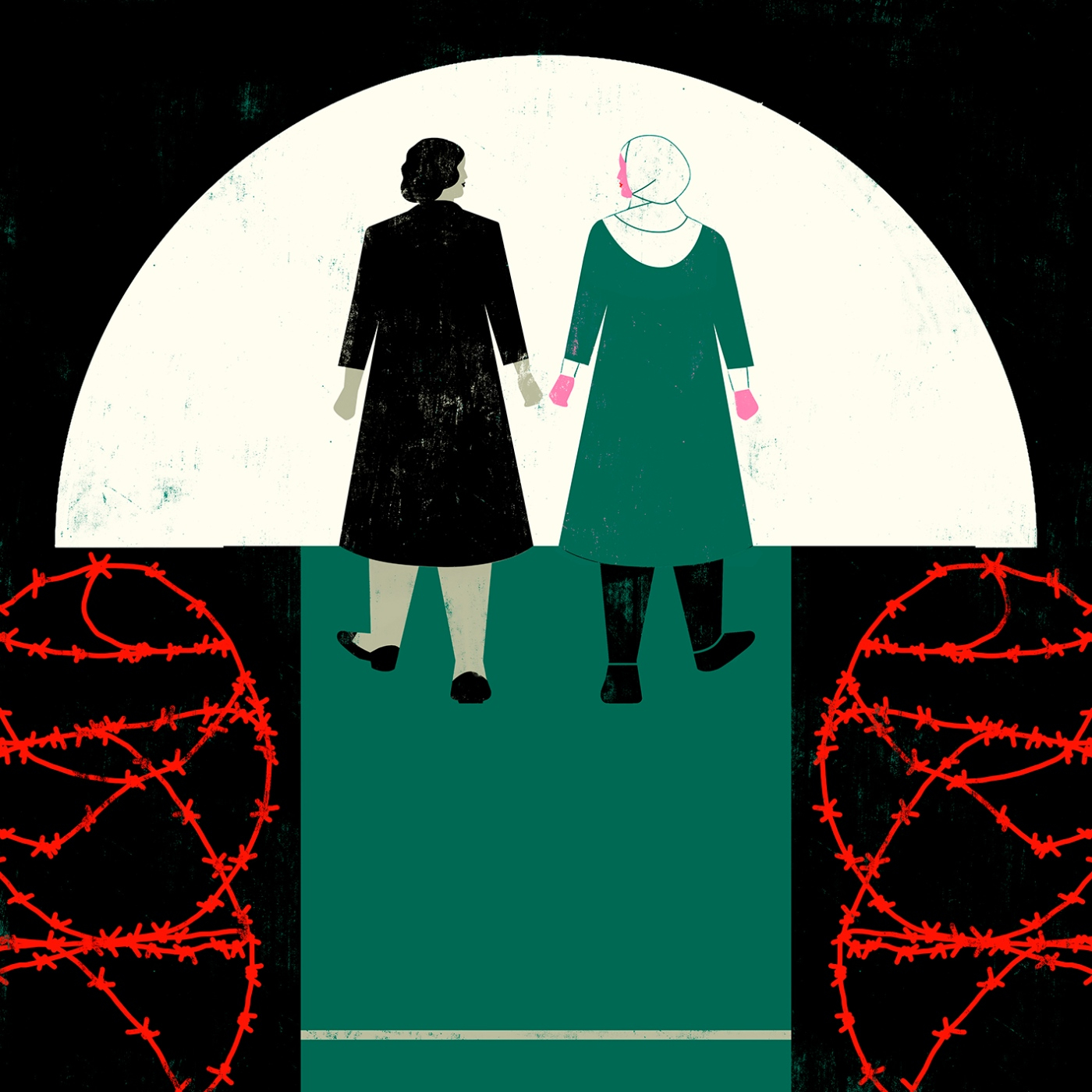
Nacional. 2 La Ruta del exilio es una producción de La República Independiente de la Radio, creada y dirigida por Javier Gallego, con las voces de Victoria Luengo como Lola y Duha Al Saiti como ella misma. Oriol Pla ha interpretado a Manel, Nana Medina a Paca, Elsa Veiga a la abuela de Lola, Iria Márquez a Rosa y Julia Gallego a Alba. El guión lo ha escrito Javier Gallego con la colaboración de David Pascual. De la redacción y documentación me he encargado yo, Ángela Sepúlveda. Pablo de Diego ha hecho la música, las mezclas y el diseño de sonido. Las grabaciones son de Kelu Robles y el montaje de Mateo Garri. La producción ejecutiva es de Celtia Tabeayo. Las ilustraciones son de Sonia Pulido, los audiovisuales de Álvaro Vega y la comunicación de Marta González y Prodigioso Volcán. Para la historia de Lola y el exilio español nos hemos inspirado en los libros Las hogueras del Pertús de Álvaro de Oriols y Éxodo de Silvia Mistral. También en las entrevistas con los historiadores Miquel Aguirre, Teresa Ferris, Alba Martínez, Enric Pujol y Diego Gaspar y en la documentación del Museo Memorial del Exilio en La Yunquera, Girona, quien nos cedió los testimonios reales de los exiliados. Queremos agradecerles a todos ellos su inestimable colaboración. Este podcast ha sido posible gracias al Ministerio de Cultura y Deporte y financiado por los fondos de la Unión Europea Next Generation. Tienes más información del proyecto y de todas las voces que han participado en nuestra web. DarepúblicaIndependiente es esta historia no acaba aquí. Continúa en los millones de personas que, como Duha y Lola, se ven obligadas a huir. Es importante recordarlo ahora que los migrantes y refugiados se han convertido en todo el mundo en el objetivo del odio.
- [29:13]
Capital One Announcer
¿Have you heard the story? That's about a guy who lives in a bank that is really close by the capital one cafe. Is this home, no doubt, where customers bank and get their cash out. There's no fees or minimums on checking accounts, so your money stays most. Capital one cafes are open all seven days. ¿This magical place, as some people might call it is where the capital one bank guys, what's in your wallet?
- [29:38]
Lola
Such a lovely tail terms applied. See capital one, dot com bank for details. Capital one and a member FDIC.