
Podcast
CFO THOUGHT LEADER
Hosted by The Future of Finance is Listening · EN
CFO THOUGHT LEADER is a podcast featuring firsthand accounts of finance leaders who are driving change within their organizations.
We share the career journey of our spotlighted CFO guest: What do they struggle with? How do they persevere? What makes them successful CFOs? CFO THOUGHT LEADER is all about inspiring finance professionals to take a leadership leap. We know that by hearing about the successes — (and yes, also the failures) — of others, today’s CFOs can more confidently chart their own leadership paths across the enterprise and take inspired action.
66episodes
Episodes
Newest firstAll episodes
1165: Building a Business That Can Stand on Its Own | Manu Diwakar, CFO, Virta Health
Feb 2200:49:18Tap to summarizeNearly 90% of Americans suffer from metabolic disease, Manu Diwakar tells us, citing a recent McKinsey & Company study. For Diwakar, CFO of Virta Health, that statistic defines both the scale of the challenge and the clarity of the mission.Metabolic disease, he explains, includes type 2 diabetes, obesity, liver disease, kidney disease, heart disease, and high blood pressure—“branches of a tree,” he tells us, all sharing the same root cause: poor nutrition. Virta’s model blends medical professionals and technology to reverse those conditions, partnering with insurers, employers, and government entities in a B2B2C framework.From a finance perspective, the impact is measurable. Diwakar tells us Virta uses pharmacy and medical claims data to compare enrolled members with non-enrolled employees who share the same conditions—creating what he describes as a “really clean A/B test.” For type 2 diabetes, the company delivers a “two-to-one ROI,” he tells us, making the value proposition tangible.In a market captivated by GLP-1 drugs, the numbers sharpen further. Virta charges about $150 per month, Diwakar tells us, compared with roughly $1,000 per month list price for GLP-1s—about $500 after rebates. More important, he notes that when patients stop GLP-1s, weight often returns. By targeting the root cause—nutrition habits—Virta aims to make results sustainable and long-lasting, he tells us.For Diwakar, disciplined measurement and root-cause thinking align strategy with impact—improving health while lowering cost.
Transcribe →
1164: From Boardroom Lens to Operator Reality | Alex Melamud, CFO, Engine
Feb 1800:56:25Tap to summarizeBefore his first cup of coffee, Alex Melamud opens Slack—not to scan revenue charts first, but to read customer feedback. “The first one that may surprise you as a CFO that I look at is actually NPS,” he tells us. At Engine, every survey drops into a shared channel so “every executive can see” what customers said, he tells us.That habit fits a finance leader who didn’t grow up in the CFO seat. Melamud started in investment banking and then spent 16 years in private equity, learning to build theses, chase signal, and “sell… the product of private equity,” he tells us. Sitting on boards, he watched the CFO role evolve from “corporate governance accounting” into “executive first and maybe CFO second,” he tells us—someone who can talk like product, sales, or operations and earn board trust.Engine became the moment he stepped inside. After leading the company’s round “18 months ago,” joining the board, and helping with a CFO search, he looked at founder “Elia” and asked, “what if I joined you as CFO?” he tells us. The draw was a focused mission: serving SMB travel, where customers book “like a consumer” and lose corporate rates and visibility, he tells us.Now his investor lens shows up in the unglamorous work. During annual planning, he dug into the “top 50 costs” outside headcount and pushed leaders to treat each contract “as a brand new relationship,” he tells us—an inspection that produced “10, 15%” savings and “tens of millions of dollars,” he tells us.
Transcribe →
1163: The Discipline Behind Transformational AI | Sue Vestri, CFO, CRIO
Feb 1500:40:03Tap to summarizeOn her first day as CFO at Greenphire, Sue Vestri sat in a conference room “learning all of the acronyms” of the clinical trial industry, she tells us. There were “many, many, many,” she recalls, and she listened to the sales team outside her door to understand how the product was positioned and why it mattered.That willingness to learn from the ground up defines her career. Earlier, a mentor warned her she would stagnate if she stayed in the safety of a large company. “You’ve got to go to grow,” he told her. She left for a 100-employee cloud software firm, a decision that launched a string of growth-company chapters, transactions, and ultimately multiple CFO seats.At Greenphire, she joined when the company had roughly 72 employees and “very low double digit revenue,” she tells us. Under private equity ownership, it expanded globally, shifted from clinical sites to big pharma customers, and supported the Pfizer clinical trial during COVID. Sue and her CEO conducted “20 or 30 presentations” during a remote exit process, she tells us.Today, as CFO of CRIO, she describes finance as embedded in the business—not “sitting behind a desk… producing financial statements.” Her filter for AI is deliberate: avoid the “shiny object” and invest in what is “truly transformational,” she explains. Whether evaluating predictive revenue indicators or AI tools, Sue’s throughline remains the same—grow, but with discipline.
Transcribe →
1162: Scaling Growth Across the World’s Most Complex Markets | Guillermo Lopez, CFO, dLocal
Feb 1100:45:02Tap to summarizeIn his early 30s, Guillermo Lopez walked into finance as an outsider. “Nobody was giving me a chance in finance because I was an engineer,” he tells us. Then a boss took “a risk” and moved him into a finance role—partly because he was “good with numbers,” and partly because his consulting background meant he could be put “in front of…external parties,” Lopez tells us.That entry point set the tone for how he builds a career: intentionally and with breadth. At American Express, he moved across businesses and finance roles on purpose, because “it’s important to get breath, especially if you’re thinking about a CFO,” he tells us. Over time, he came to describe himself as “very data driven”—the “non emotional part of the decision making,” he tells us—while also learning to make decisions with “imperfect information” in global roles, he tells us.A later inflection arrived after Visa acquired Tink. Lopez became “the grown up” Visa sent to Stockholm, commuting from London each week, he tells us. The environment was smaller, faster, and short on big-company support. It was “daunting,” he tells us, but it taught him to move quickly, focus on priorities, and take bigger career risks.That same blend—speed and discipline—shows up in his definition of finance’s strategic role: being embedded in investment and capital-allocation decisions with data in hand, Lopez tells us.His proof point comes from an earlier chapter. In an international CFO role, he helped reframe how a business allocated “close to $700 million a year,” building ROI insights that pointed to “$30 million more of revenue every year,” he tells us.
Transcribe →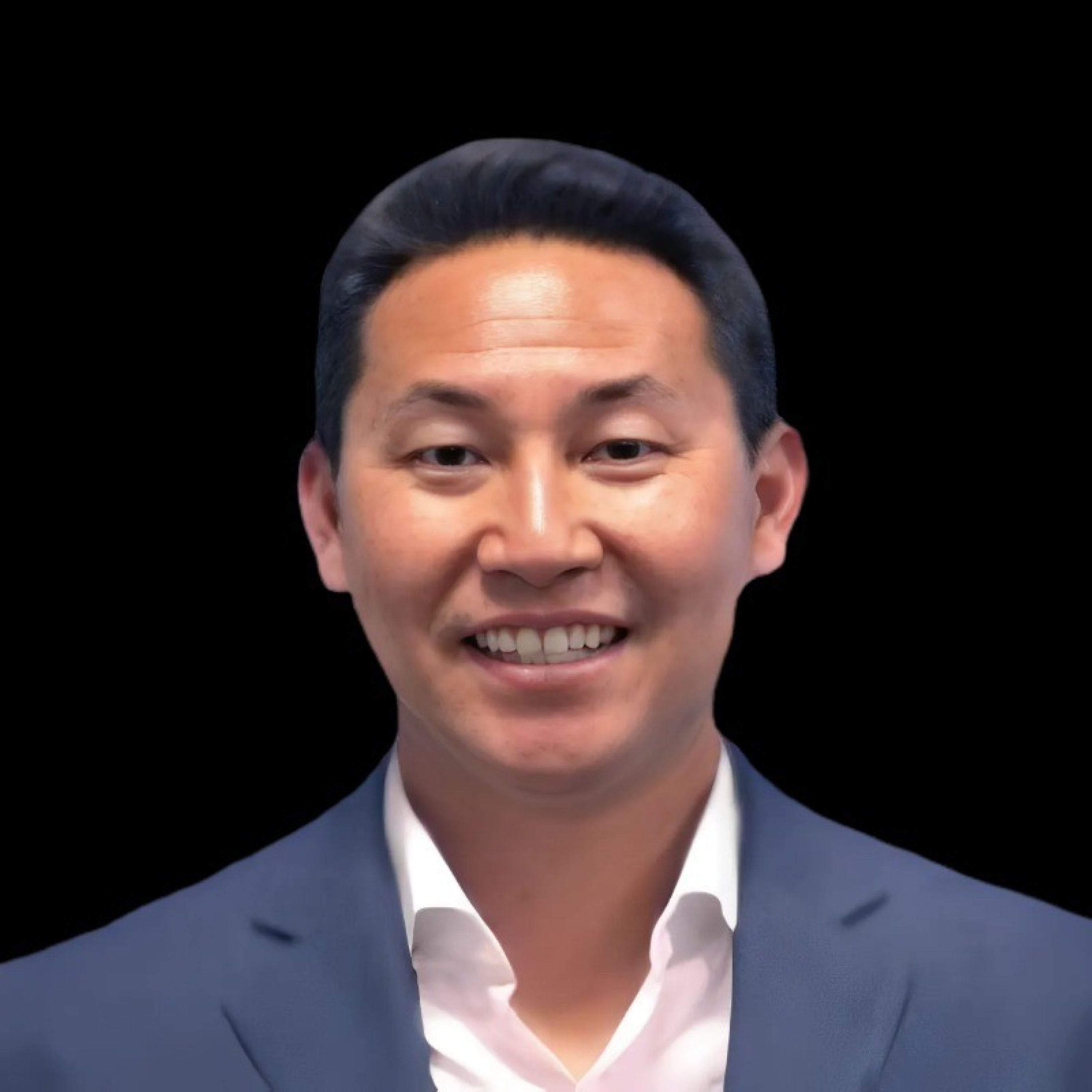
1161: From Carve-Out to Standalone Enterprise | Steve Shimizu, CFO, Omnissa
Feb 800:44:25Tap to summarizeAn employee is on vacation in the mountains when it happens: “I left my laptop at home.” Instead of scrambling, the employee logs into a virtual desktop from another device, pulling up what looks and feels like their own PC, delivered through the cloud. That simple moment captures how Steve Shimizu describes Omnissa’s mission—helping companies enable a digital employee experience that allows people to work from anywhere, on any device, he tells us.For Shimizu, this practical use case reflects a broader evolution in end-user computing. What began with desktop computers moved to laptops and mobile devices, and now extends to “everything” that consumes data—from retail scanners to cars, Shimizu tells us. Omnissa operates at that expanding edge, supporting both physical and virtual endpoints while helping employees stay productive regardless of location.That same blend of flexibility and discipline shapes how Shimizu thinks about the company’s growth. Although Omnissa emerged from a carve-out, he resists the startup label. Running a multi-billion-dollar organization with thousands of employees is more like earning a pilot license and being handed a “747” as your first plane, he tells us. Growth matters, but only when paired with financial stability—what he calls “profitable growth.”Finance plays a central role in that balance. Shimizu explains that real partnership comes from moving beyond surface-level metrics and “double-clicking” into the data until it becomes actionable. Just as importantly, finance must revisit those decisions, measuring what worked and what didn’t, to guide the company through its next phase of transformation, he tells us.
Transcribe →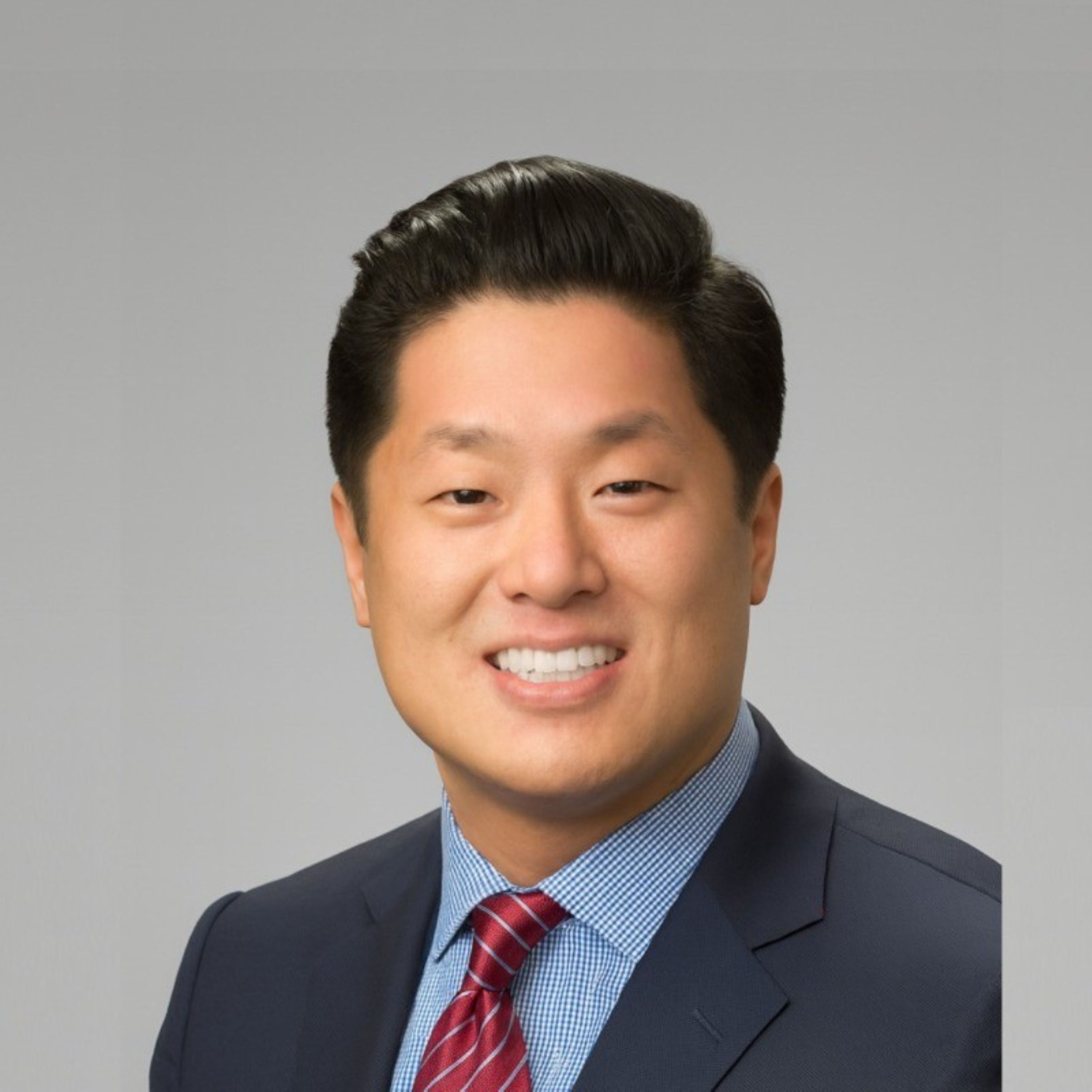
1160: Disciplined Bets in an Expensive-Capital World | Burt Chao, CFO, Nintex
Feb 400:55:07Tap to summarizeAs he nears the end of his first 100 days at Nintex, Burt Chao is doing something many new CFOs resist: listening more than talking. Understanding the business, its people, and its real growth potential comes before dashboards or directives, he tells us.Chao describes Nintex as a company with a “long and rich history” of helping organizations automate mission-critical work, but one now entering a new season. That evolution centers on orchestration—whether AI-enabled, agent-based, or rooted in RPA—while remaining clear-eyed about identity. Nintex, he explains, will not “become an AI company.” Instead, it aims to help customers leverage AI deliberately, embedding it where it strengthens the foundation of their operations, he tells us.That emphasis on fundamentals shows up quickly in how Chao evaluates performance. In today’s environment, “there’s no more important number than growth,” he tells us. Margins, profitability, and even rule-of-40 metrics only make sense once leadership understands what growth is possible and how it can be accelerated. Benchmarks matter, but only as tools; every business must be understood on its own terms, he tells us.That discipline has shaped some of the most challenging moments of his career. Chao recalls “shrink to grow” decisions—walking away from investments that still produced revenue but no longer delivered the best return. Those moments are rarely spreadsheet problems alone. They are emotional, cultural, and deeply human, requiring influence rather than authority, he tells us. For Chao, that balance—grounding strategy in numbers while leading people through change—defines the modern CFO role.
Transcribe →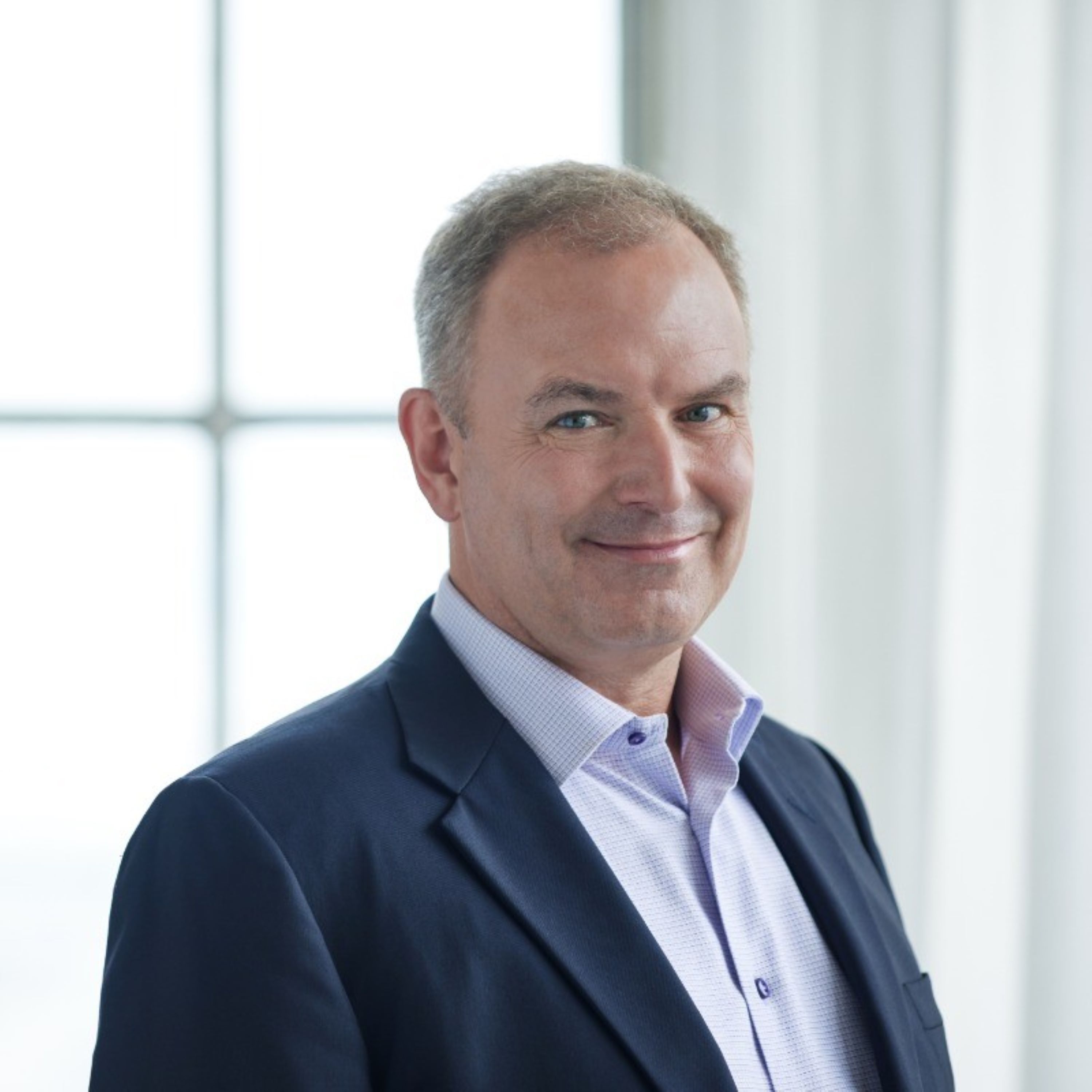
1083: Navigating the Go-To-Market Roadmap with Precision | Brian Robins, CFO, GitLab
Mar 26, 202500:46:35Tap to summarizeIt was a pivotal moment Brian Robins tells us he’ll never forget: stepping onto a makeshift stage to address some 400 employees just minutes before a key 8-K filing would publicly announce the potential sale of a major business unit. The room bristled with anxiety—people worried about their jobs and the future of the company. Robins recalls that, instead of relying on scripted talking points, he spoke from the heart and vowed to keep everyone informed as events unfolded. By offering that openness, he reinforced his belief that finance isn’t just about numbers, but about building trust and forging a clear path forward.Today, that spirit of transparent communication fuels Robins’s approach as CFO. Above all, he prioritizes strong relationships across every organizational function, from sales and marketing to product and engineering. This is why go-to-market execution, he explains, has become the centerpiece of his strategic leadership. Robbins embeds dedicated finance professionals alongside revenue-focused teams, helping to fine-tune territory splits, refine pricing, and calibrate product positioning based on real-time data. Now Listen
Transcribe →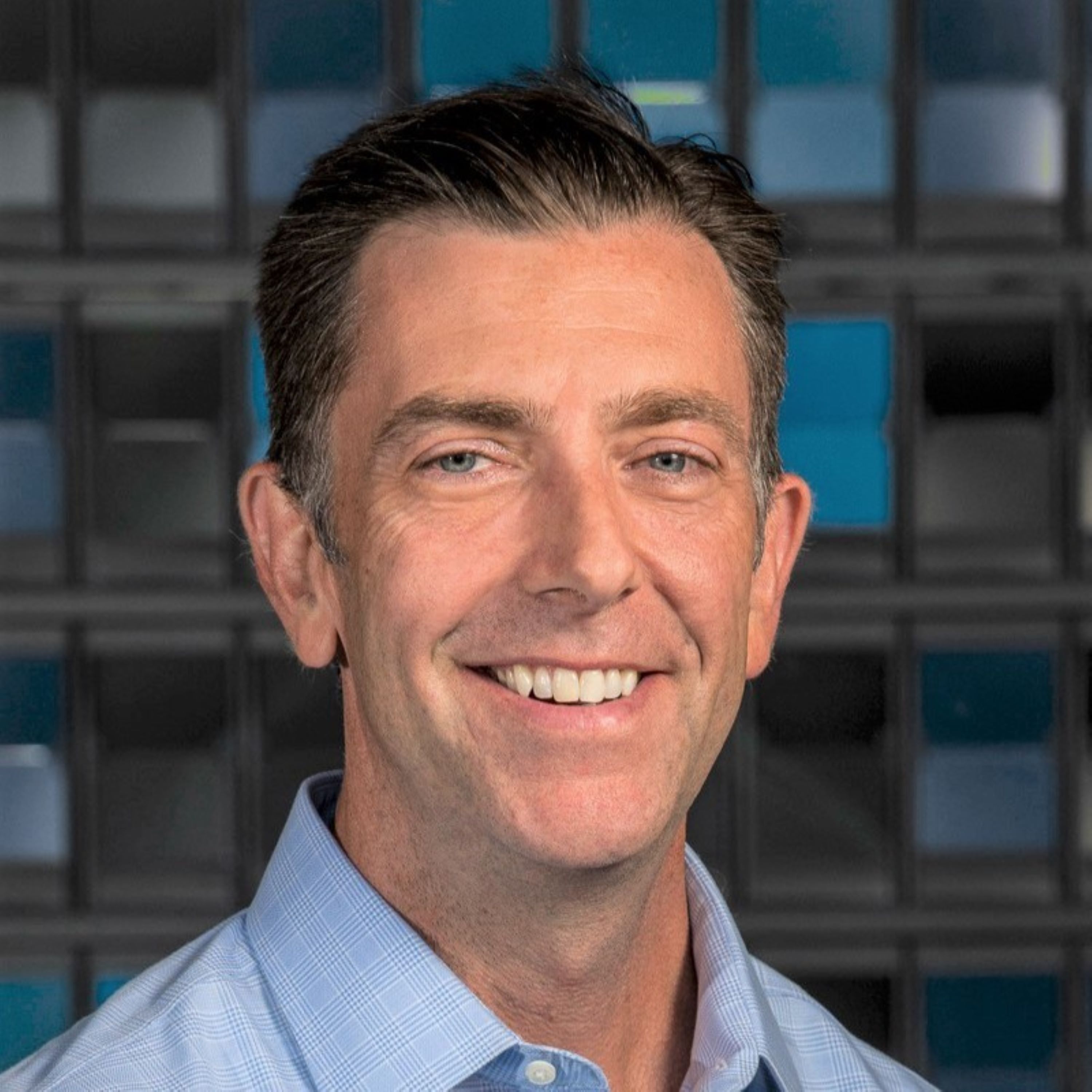
1082: Unlocking Value Through Real Estate Innovation | Tim Arndt, CFO, Prologis
Mar 23, 202500:48:59Tap to summarizeTim Arndt still remembers the urgency in the air when AMB Property Corporation decided to merge with Prologis at the height of the financial crisis. It was, as he describes, “a merger of equals,” but Arndt tells us that, in the end, it was the legacy management of AMB that would lead the newly formed Prologis.The “equal” nature of the deal belied a deeper reshuffling of leadership, with AMB’s team rising to steer the new entity and Arndt finding himself on the CFO path.Fresh from this integration, Arndt tells us, he learned one of his most valuable lessons: staying agile and raising your hand for new opportunities is critical when your environment is in flux. He found himself immersed in evolving structures, from investor relations to strategic funding, honing a flexible leadership style that balanced risk management with forward-thinking vision.Today, as CFO of Prologis, Arndt credits this experience for shaping his strategic mindset. By leaning into the complexities of merging companies—where cultures, processes, and people collide—he discovered that strong financial leadership isn’t just about spreadsheets and metrics; it’s about stewarding a newly formed organization toward stability and growth. That early trial taught him to embrace change rather than fear it, which is precisely how he continues to guide Prologis into future opportunities.
Transcribe →
1081: The CFO’s Role in Innovation and Market Adaptation | Erik Swenson, CFO, IDT
Mar 19, 202500:55:48Tap to summarizeIt was a moment that would shape Erik Swenson’s approach to finance forever. As a co-op student at Northeastern University, he found himself in front of a room full of engineers, presenting financial metrics he had carefully compiled. When the meeting ended, one of the engineers approached him and said, “That was interesting, but it doesn’t mean anything to me. I make the product.” The comment struck a nerve. Driving home that evening, Swenson couldn’t shake the realization—numbers alone don’t drive a business; they need to connect to the people building it.That early lesson in financial storytelling set the foundation for a career built on bridging finance with operations. Swenson tells us his path wasn’t a straight line—he originally pursued computer science before pivoting to economics and then accounting. After early roles in financial analysis, he spent 15 years moving through finance leadership positions at Danaher, where he sharpened his ability to translate financial insights into business decisions.When IDT tapped him to be CFO in 2018, Swenson faced a challenge that tested his adaptability. As he tells us, the company had a strong accounting foundation but needed deeper financial analysis to support its innovation-driven growth. He immediately set to work embedding finance into IDT’s decision-making, ensuring the function wasn’t just reporting numbers but helping shape the company’s strategic direction. “It’s not just about getting the numbers right,” Swenson explains, “it’s about making sure those numbers mean something for the business.”
Transcribe →
1080: Reframing Your Drivers of Growth | Jason Lee, CFO, Faire
Mar 16, 202500:58:17Tap to summarizeIt was a moment of “shock and awe” that Jason Lee says shapes his strategic mindset. Soon after joining Square, he discovered a major partnership with Starbucks that was quietly bleeding millions of dollars and threatened Square’s financial runway. “We had to swarm the problem,” Lee tells us. The team renegotiated terms and preserved the company’s stability—a crucial lesson in vigilance and swift action.Lee’s path to that pivotal juncture began in investment banking and private equity, where he gained perspective on what makes companies thrive. Years later, as he moved from corporate development into investor relations and financial strategy at Square, he refined his approach to measuring ROI, understanding key business drivers, and aligning capital investment with sustainable growth. During Square’s IPO process, Lee learned how investor feedback refines product strategy and strengthens customer relationships.Today, as CFO of Faire, Lee keeps the same principle front and center: gain visibility first. “If you don’t know where your money goes, you can’t optimize the outcome,” he tells us. This insistence on clear metrics is part of a broader philosophy that financial leaders must do more than simply balance books. They must articulate how each investment—whether for short-term gains or long-term positioning—serves an overarching goal.That pragmatic yet visionary perspective is evident in Lee’s readiness to address risk head-on, allocate resources smartly, and engage stakeholders with clarity. In his view, a successful CFO not only safeguards the bottom line but fosters an
Transcribe →