
Podcast
Chaos Computer Club - archive feed
Hosted by CCC media team · EN
Der Chaos Computer Club ist die größte europäische Hackervereinigung, und seit über 25 Jahren Vermittler im Spannungsfeld technischer und sozialer Entwicklungen.
143episodes
Episodes
Newest firstAll episodes
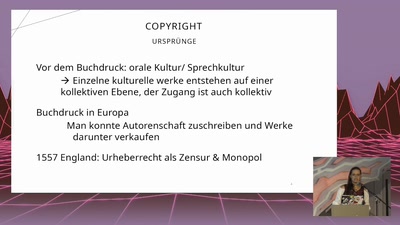
Verdient da Jemand oder kann das Weg? Archivarbeit in Zeiten des Technokapitalismus (tdf2025)
Jul 27, 202500:42:46Tap to summarizeWie können wir Daten schützen und für de Zukunft zugänglich machen und erhalten, wenn sich das Internet immer mehr in den Besitz von einzelnen Konzernen konsolidiert? Ein kleiner Talk mit Diskussion zur Theorie und Praxis von Websitenarchivierung und digitaler Langlebigkeit. Das Internet ist schon lange nicht mehr ein Ort, wo Information einfach nur festgehalten und empfangbar gemacht wird. Spätestens seit der Wende von Google als Suchmaschine zu Google als Werbeplattform sehen wir, wie Informationen gewichtet und gehortet werden kann. Aber was heißt das für die Langlebigkeit unserer Informationen wenn sich alles auf Plattformen verschiebt? Wenn einst einfach durchsuchbare Foren zu Discord Kanälen gewandert sind, in welchen nichts mehr findbar ist und die von einem Moment auf den nächsten verschwinden können, oder Unterhaltungsriesen wie Amazon Menschen ihre gesamte Onlinebibliothek entziehen, weil sie es nicht mehr erlauben auf anderen Geräten Bücher zu lesen? In diesem Talk reden wir über Möglichkeiten, Informationen die Öffentlich zugänglich sein sollten der Plattformhölle zu entziehen, Methoden um Internetseiten auch noch in ferner Zukunft durchsuch- und nutzbar zu machen, und wie wir dazu beitragen können, dass Internet in eine wahre Bibliothek zu verwandeln. Licensed to the public under https://creativecommons.org/licenses/by/4.0/ about this event: https://cfp.cttue.de/tdf4/talk/FBBUML/
Transcribe →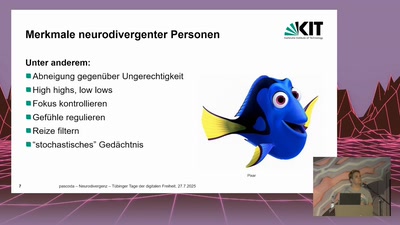
Neurodivergenz: Wenn dein Hirn "anders" ist. (tdf2025)
Jul 27, 202500:49:05Tap to summarize"Neurodivergent", "neurotypisch" und "neurodivers" kommen in den letzten Jahren immer häufiger in der öffentlichen Wahrnehmung vor. Aber was bedeuten die Begriffe jeweils? Und wie zeigt sich Neurodiversität im Alltag? Ich bin Doktorandin am KIT im Forschungsfeld "Neurodivergenz, Arbeit und Technologie". Meine Lohnarbeit besteht also darin, mich mit den neurologischen, psychologischen und soziotechnischen Zusammenhängen zu beschäftigen. Und mein Nerd-sein ist der Grund dafür, dass ich gerne anderen von Dingen erzähle, die ich spannend finde. Oder ist das mein ADHS? Vermutlich beides. Jedenfalls sind meine Vorträge - laut externem Feedback - immer auch ganz unterhaltsam. Und Möglichkeiten zum Mitmachen gibt es auch! --- Enthält: kunterbunte Dialektmischung, seltsamen Humor, potentiell hibbelige Vortragende. Wird ohne Popcorn geliefert. Licensed to the public under https://creativecommons.org/licenses/by/4.0/ about this event: https://cfp.cttue.de/tdf4/talk/MHB93M/
Transcribe →
Spannungsfeld – Die digitale Welt und die Justiz (tdf2025)
Jul 27, 202500:23:27Tap to summarizeFalk Hirschel, Rechtsanwalt und Fachanwalt für Strafrecht, berichtet über aktuelle Entwicklungen innerhalb der juristischen Welt sowie Gesetzgebung rund um Digitales und wie ich sicherstellen kann, dass meine Rechte nicht verletzt werden, sollte die Polizei zwecks einer Hausdurchsuchung bei mir anklopfen. Dieser Vortrag wurde organisiert von der Piratenpartei Baden-Württemberg. Licensed to the public under https://creativecommons.org/licenses/by/4.0/ about this event: https://cfp.cttue.de/tdf4/talk/F8FC7A/
Transcribe →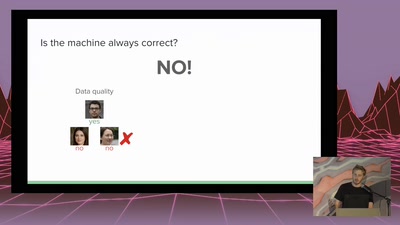
Fighting Bias in AI: Can Ordinary People Make a Difference? (tdf2025)
Jul 27, 202500:20:59Tap to summarizeArtificial intelligence is increasingly used to make decisions that affect our lives, from job applications to loan approvals to what content we see online. But these systems can sometimes treat people unfairly, especially those from underrepresented groups. Researchers have developed many ways to make machine learning fairer. However, these solutions are rarely used by companies, since they can reduce performance and are not yet required by most laws. Meanwhile, these systems often rely on data contributed by users themselves. This opens up a new possibility: what if the people affected by biased AI could take action collectively? In this talk, I’ll start by explaining what machine learning is and how it can potentially become unfair. I will then share initial results about how a small, coordinated minority can shift the behavior of AI systems toward fairer outcomes. Licensed to the public under https://creativecommons.org/licenses/by/4.0/ about this event: https://cfp.cttue.de/tdf4/talk/MKSYLS/
Transcribe →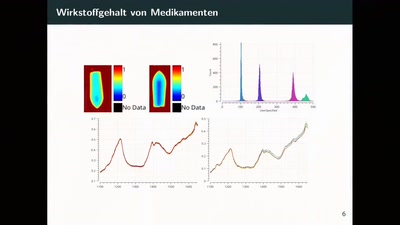
Jenseits des Menschlichen Auges – wie funktioniert eine Hyperspektralkamera? (tdf2025)
Jul 27, 202500:19:47Tap to summarizeHyperspektralkameras sehen hunderte Farben, nicht lediglich drei. Damit können Eigenschaften gemessen werden, die man aus der Alltagserfahrung nicht kennt. Die Anwendungen sind vielfältig: von Plastiksortierung, über den Wirkstoffgehalt von Medikamenten, bis zu der Bestimmung der Dicke von hauchdünnen Schichten. In diesem Talk wird erklärt, wie diese Kameras funktionieren, und es werden Beispiele vorgestellt für praktische Anwendungen. Licensed to the public under https://creativecommons.org/licenses/by/4.0/ about this event: https://cfp.cttue.de/tdf4/talk/LLUXYS/
Transcribe →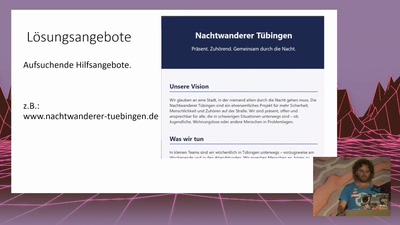
Videoüberwachung am ZOB – Stümperei oder Autoritarismus? Der Palmer-Unterkomplex (tdf2025)
Jul 26, 202500:44:01Tap to summarizeAufgrund der geplanten Videoüberwachung am Tübinger ZOB waren wir im vergangenen Jahr leider mit der politischen Arbeit von Boris Palmer beschäftigt. In dem Vortrag dokumentieren wir was bisher geschah, was nun geplant ist und wie es weiter geht. Licensed to the public under https://creativecommons.org/licenses/by/4.0/ about this event: https://cfp.cttue.de/tdf4/talk/RGMEWL/
Transcribe →
microSD-Karten: Zuverlässigkeit und Lebensdauer (tdf2025)
Jul 26, 202500:26:03Tap to summarizeStandard-microSD-Karten sind eigentlich ungeeignet für z.B. Raspberry Pis oder andere Anwendungen, bei denen Zuverlässigkeit und Lebensdauer wichtig sind. Wir werden uns anschauen, warum dies so ist, und was man dagegen tun kann. Standard-microSD-Karten (und ähnliche Flash-Speichermedien, inkl. USB-Sticks) sind eigentlich nicht für Zwecke geeignet, in denen es auf Zuverlässigkeit, Datenintegrität und eine lange Lebensdauer ankommt. Stattdessen geht es eher darum, einen billigen, kompakten, kurzfristigen Speicher zur Verfügung zu stellen -- z.B. um in Kameras oder Smartphones viele Bilder zwischenspeichern zu können oder um große Datenmengen zu transportieren. Mittlerweile werden microSD-Karten aber verstärkt auch in anderen Bereichen -- z.B. embedded-PCs / Raspberry Pis -- eingesetzt, in denen es eher um eine lange, zuverlässige Funktion geht. Standard-microSD-Karten sind hier denkbar schlecht geeignet, und "sterben" oft ziemlich schnell. Deshalb werden wir uns hier anschauen, wie man dies lösen kann, welche microSD-Karten man stattdessen z.B. in Raspberry Pis einsetzen sollte, wie lange diese leben, und wie man dies (SMART-ähnlich) überwacht. Roland ist Ingenieur und Unternehmer, und hat über 2000 Raspberry Pis mit microSD-Karten bei Kunden laufen. Licensed to the public under https://creativecommons.org/licenses/by/4.0/ about this event: https://cfp.cttue.de/tdf4/talk/SQWK3Q/
Transcribe →
Das Leben in Git (Annex) (tdf2025)
Jul 26, 202500:25:04Tap to summarizeEin Einblick, wie man alles Mögliche (nicht nur Code, auch Notizen, Fotos, Videos, Dokumente, etc.) mit der bekannten Versionsverwaltung Git synchronisiert, sichert und archiviert. Git (https://git-scm.org) ist *die* Versionsverwaltungssoftware, die praktisch überall zur Versionierung und Kollaboration bei Softwareprojekten verwendet wird. Mit Git hat man die Möglichkeit, zusammengehörige Änderungen stückweise abzulegen und zu beschreiben. Dadurch kann man zu jedem alten Änderungssatz zurückgehen, hat also automatisch ein Backup mit Kontext. Zudem ist Git dezentral, braucht also nur zum Synchronisieren eine Internetverbindung. Nun ist das nicht nur beim Programmieren sinnvoll: Wer möchte nicht ein feines Backup seiner Fotos oder Dokumente mit sämtlicher Änderungshistorie haben? Mit der Erweiterung "Git Annex" wird Git beigebracht, auch große Nicht-Text-Dateien zu verwalten und nach präzisen regeln zu synchronisieren und abzulegen. Mit diesem Werkzeug lässt sich praktisch "das ganze Leben" mit Git ablegen. In diesem Vortrag stelle ich vor, was ich damit so mache. Licensed to the public under https://creativecommons.org/licenses/by/4.0/ about this event: https://cfp.cttue.de/tdf4/talk/EECDBS/
Transcribe →
KI und Dystopie (tdf2025)
Jul 26, 202500:23:28Tap to summarizeDer EU AI Act ist der erste Versuch, Künstliche Intelligenz zu regulieren. Na, ein Glück, dann müssen uns dystopische Welten wie die, in denen SKYNET, Killerroboter und die Matrix mehr oder weniger friedlich mit dem Menschen koexistieren, ja nicht kümmern. Oder? Wir schauen uns mit einem Augenzwinkern an, was die EU da jetzt alles genau (nicht) reguliert, und was davon die Menschheit am Ende höchstwahrscheinlich auslöschen wird (Spoiler: Es sind keine Terminatoren). Ohne Gewähr. Licensed to the public under https://creativecommons.org/licenses/by/4.0/ about this event: https://cfp.cttue.de/tdf4/talk/DA89E7/
Transcribe →
Digitalisierung – Wirklich für alle?! (tdf2025)
Jul 26, 202500:46:18Tap to summarizeFördern wir digitale Selbstbestimmung oder digitale Ungleichheit?Wir leben in einer Zeit, in der Digitalisierung einen sehr hohen Stellenwert einnimmt. Ein regelrechter Digitalisierungswahn hat unser Privatleben sowie die Wirtschaft ergriffen. Das Thema ist kurz gesagt komplex. Wer ein selbstbestimmtes Leben anstrebt, braucht ein Mindestmaß an Verständnis.Bei Autonomie geht es auch um Verantwortung. Nur wer die Konsequenzen seines Handelns kennt, kann wirklich Verantwortung übernehmen. Für sich, die Gesellschaft und die nächste Generation. Wir definieren die Begrifflichkeiten digitale Souveränität, Mündigkeit und Teilhabe, zeigen Voraussetzungen zur Teilhabe auf und bewerten Chancen und Risiken. Licensed to the public under https://creativecommons.org/licenses/by/4.0/ about this event: https://cfp.cttue.de/tdf4/talk/KWZP7X/
Transcribe →