
Podcast
Cheeky Pint
Hosted by Stripe · EN
Stripe cofounder John Collison interviews founders, builders, and leaders over a pint.
35episodes
Episodes
Newest firstAll episodes
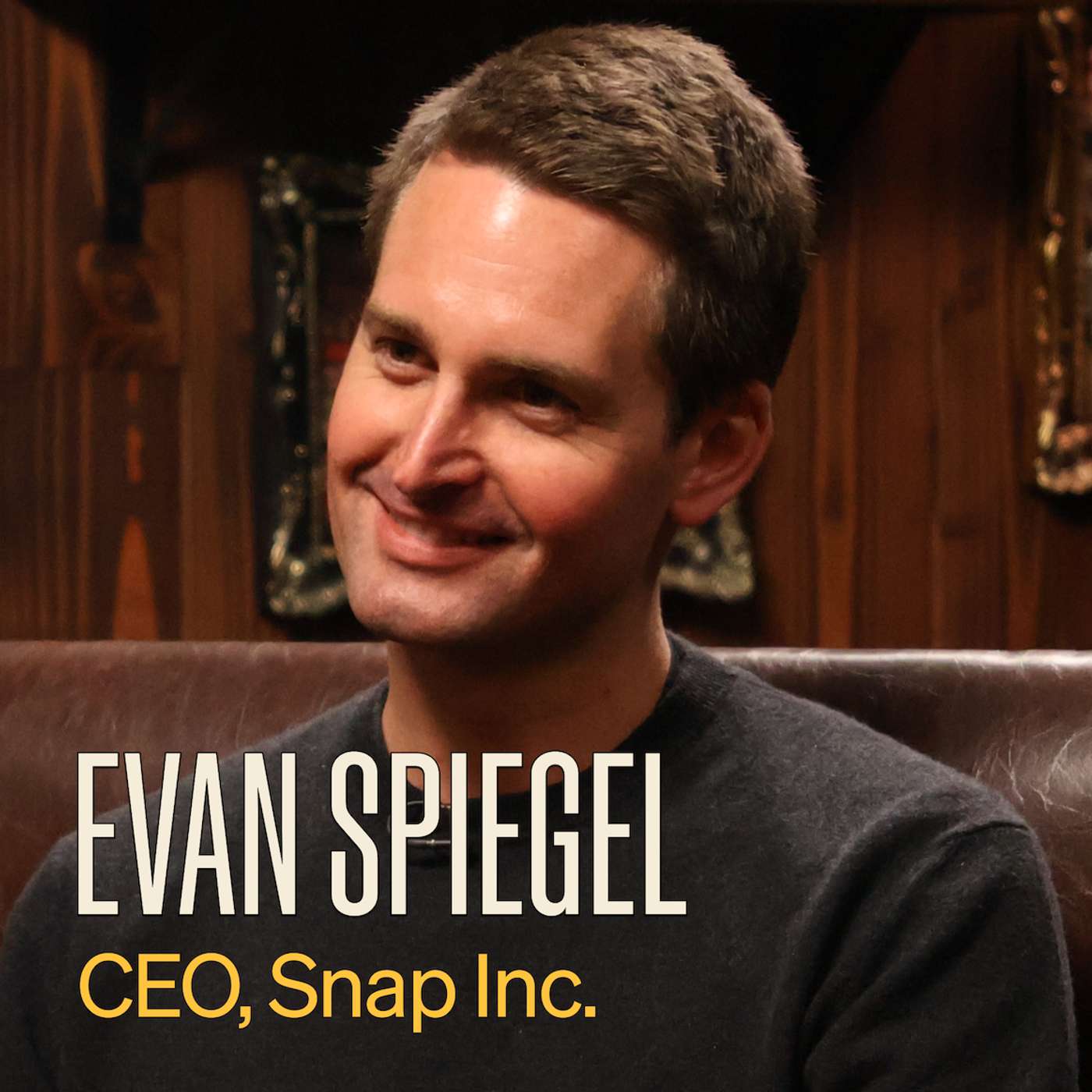
What comes after smartphones, with Snap CEO Evan Spiegel
Apr 2701:02:26Summary readySnap CEO Evan Spiegel joins John at the pub for a deep dive into Snap's "crucible moment" of 2026: the long-awaited consumer launch of Spectacles. Evan explains why he believes the smartphone has become an isolating legacy device and how true AR glasses represent the first step toward making computing human again. They discuss the technical hurdles of fitting a spatial computer into a glasses form factor, why Snap built its own OS from scratch, and how Claude is transforming their software development, with over two-thirds of Snap’s new code now written by AI. Plus, the pair dig into the complex reality of teen phone usage, the distinction between social and media, and why Norway was the first country to embrace Snapchat.Timestamps(00:00:15) Snap’s crucible moment(00:01:05) Specs(00:09:12) AR as the right form factor(00:20:45) Stablecoin payouts on Stripe(00:21:46) Monetizing the camera(00:28:13) Social media vs messaging(00:47:37) Content moderation(00:59:49) Snap’s evolution
Summary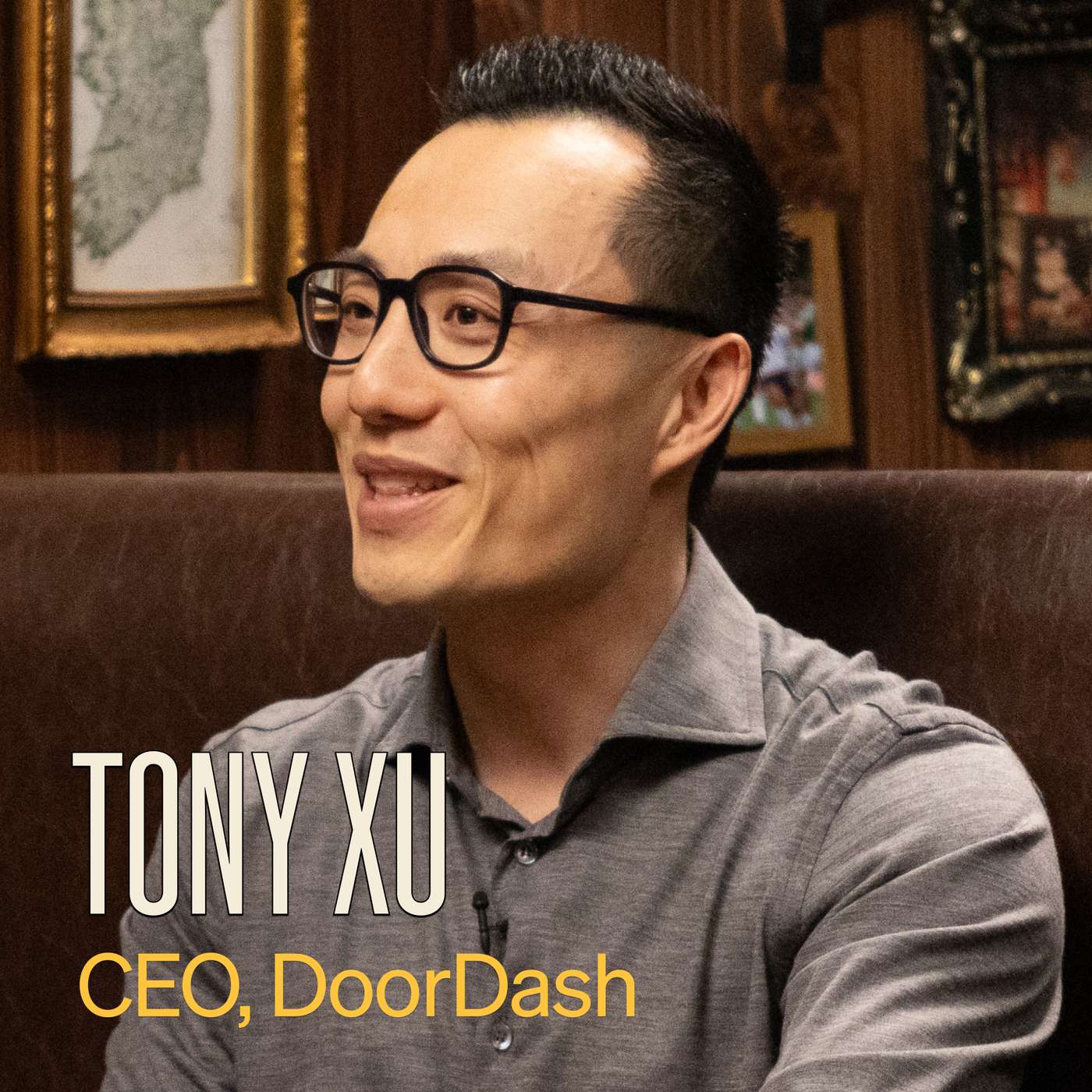
The economics and trends of the restaurant industry, with Tony Xu of DoorDash
Apr 2101:20:56Tap to summarizeTony Xu, cofounder and CEO of DoorDash, joins John for a pint to discuss how they won a crowded market by obsessing over retention and the reality of fighting fraud in the physical world. They cover the harsh economics of the restaurant industry, why DoorDash succeeded where Google failed, and the harrowing story of spending 40% of their remaining cash on refunds to save the company’s reputation. Tony introduces Dot, their new autonomous delivery robot, and explains why true autonomy requires solving for the “last two feet” of delivery. Finally, he shares lessons from the early days, including why customer obsession sometimes means baking cookies.Timestamps(00:00:25) Why did DoorDash win?(00:10:50) China(00:17:10) Restaurant trends(00:27:59) Loyalty(00:30:40) Stripe Issuing(00:44:09) Delivery modalities(00:51:11) Fraud(00:58:32) New products(01:13:26) Dot
Transcribe →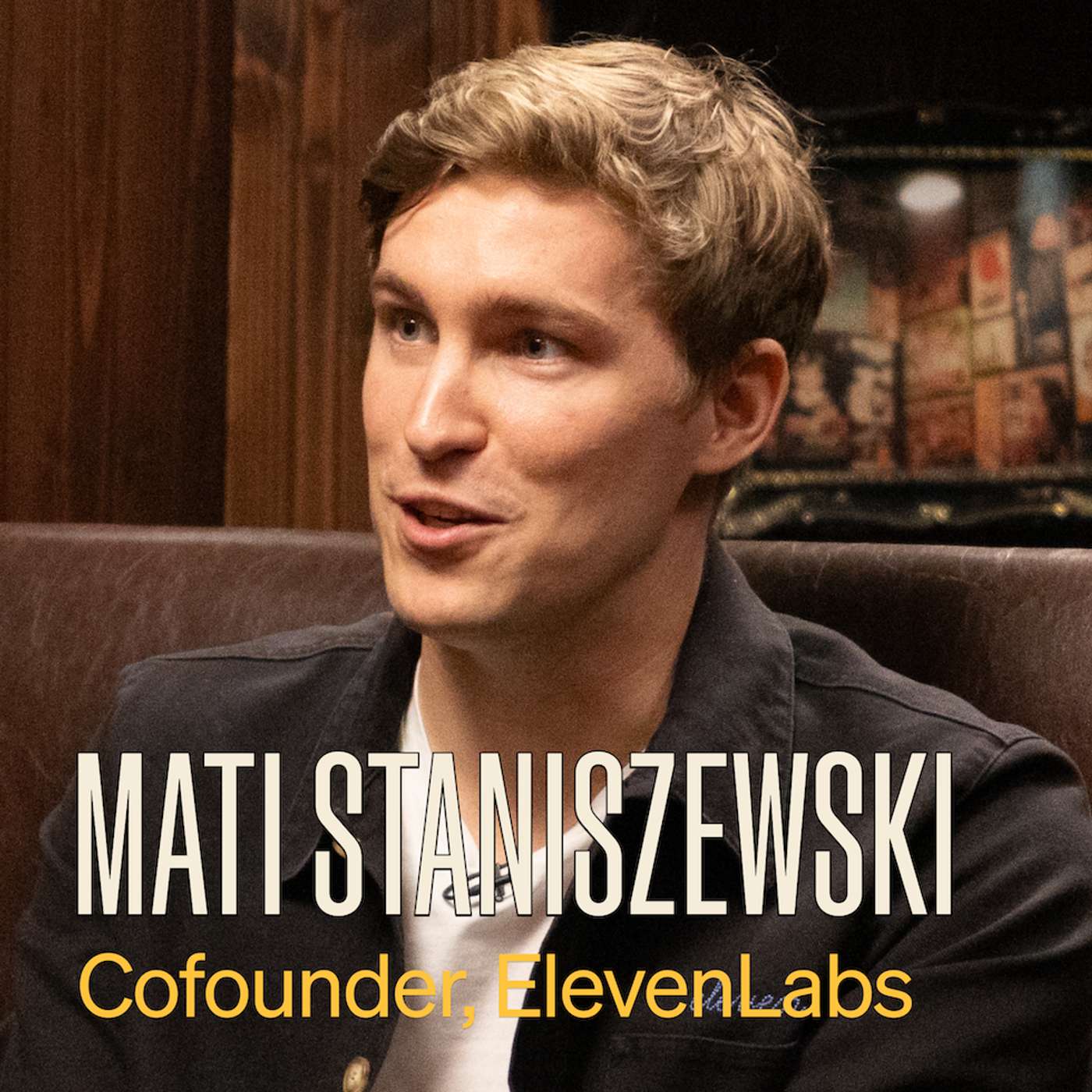
The world of voice AI, with Mati Staniszewski of ElevenLabs
Apr 1401:00:22Summary readyMati Staniszewski is the co-founder of ElevenLabs, the research company making audio accessible across languages and voices. He sits down with John to discuss the "voice Turing Test" and why AI has conquered text but still struggles with conversational speech. They discuss the future of human-computer interaction, including why we still can't get our phones to read a PDF properly and the massive potential for voice agents in everything from farming to healthcare. Mati also opens up about ElevenLabs’ rapid ascent to an $11 billion valuation and gives a behind-the-scenes look at how Ukraine is using their tech for digital government services.Timestamps(00:00:27) How audio models work(00:08:52) ElevenLabs business model(00:17:50) The conversational Turing Test(00:21:01) Link by Stripe(00:26:02) Cascaded vs speech-to-speech(00:31:53) Universal translation(00:51:41) Designing an AI-native org
Summary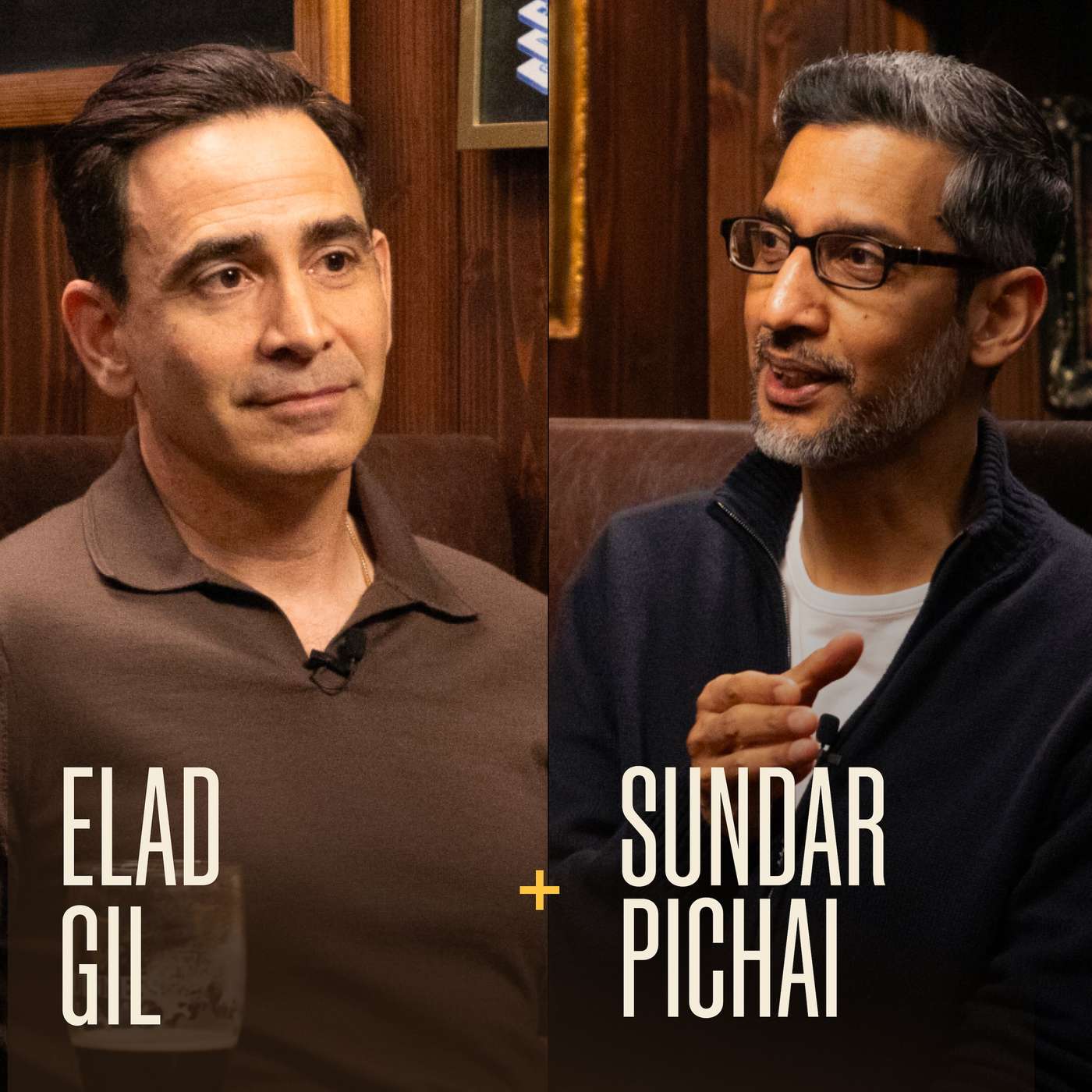
The history and future of AI at Google, with Sundar Pichai
Apr 701:09:23Summary readySundar Pichai is the CEO of Google and Alphabet. He sits down with John and Elad Gil to discuss Google’s resurgence in the AI race, managing a massive $180 billion CapEx budget, and why 2026 is the year of the supply crunch. They cover the constraints of memory and power, why he believes the US economy will grow significantly due to AI, and the internal cultural shift back to "Googley" optimism. Sundar also shares details on long-term bets like data centers in space, why he wishes he had funded Waymo even faster, and the small thing inside Google that still ignites his passion for building.Timestamps(00:00:18) The history of Google and AI(00:05:17) Speed and Search(00:12:12) Google’s AI comeback(00:27:03) Stripe network intelligence(00:27:53) Bottlenecks(00:41:25) Capital allocation(01:00:44) How Google works
Summary
Compliance at scale and why TAM is a distraction with Christina Cacioppo of Vanta
Mar 3100:57:27Summary readyChristina Cacioppo, founder and CEO of Vanta, joins the pub to discuss building the future of agentic trust. She explains why compliance has a “vitamin vs painkiller” dynamic, the drama behind their famous 101-billboard campaign, and why she believes "market sizing is bullshit." They cover the tension between vibe coding and rigorous security, how Vanta is using agents to generate UI, and why the best founders are relentless truth-seekers.Timestamps(00:00:17) Vanta(00:12:30) How compliance works(00:15:06) Breaches(00:23:52) Stripe Tax(00:24:43) AI and compliance(00:44:50) Go-to-market(00:47:22) Lessons from USV
Summary
The 20-year journey to fully autonomous cars with Dmitri Dolgov of Waymo
Mar 2401:02:20Summary readyWaymo is now doing nearly 500,000 rides a week across 10 cities. Co-CEO Dmitri Dolgov came to the pub to discuss how they moved from scientific research to massive global scaling. He gives a masterclass on the sensor stack (and why you still need Lidar), how they use "Simulation" and "Critic" models to train the AI, and why he believes cars that require human supervision will never naturally evolve into robotaxis. They also cover the new custom-built vehicle that feels like a living room, the economics of ride-hailing in rural Alaska, and the "Russian math nerd" diaspora that seems to run the UK tech scene.Timestamps(00:00:22) Russia(00:02:51) Waymo architecture(00:09:59) Why now?(00:19:46) Driving nuance(00:29:37) Stripe Agentic Commerce Suite(00:30:17) Hardware(00:40:20) Emergent behavior(00:46:36) Scaling(00:57:56) GoogleArticle:EMMA: End-to-End Multimodal Model for Autonomous Driving – Waymo Research: https://waymo.com/research/emma/
Summary
Creating prediction markets (and suing the CFTC) with Tarek Mansour and Luana Lopes Lara
Mar 1701:16:30Summary readyTarek Mansour and Luana Lopes Lara are the co-founders of Kalshi, the first federally regulated prediction market in the US. They sit down with John and Matt Huang to discuss growing their revenue 11x in six months, why they sued their own regulator to list election markets, and how they are building the "New York Stock Exchange of events." They cover why prediction markets are an antidote to social media polarization, the mechanics of market making for culture, and their vision for trading everything from GPU shipments to the Oscars and the weather.Timestamps(00:01:39) Suing the government(00:14:42) Why now?(00:17:12) Kalshi by numbers(00:20:58) Solving market making(00:31:33) Agentic trading(00:33:43) Sharps(00:38:45) Stripe Connect(00:39:33) Evolving Kalshi(00:44:50) Who loses from Kalshi?(00:47:35) Insider trading(00:53:28) The ethics of sports contracts(00:58:08) New derivatives(01:04:27) PoliticsArticle(s):On the Observational Implications of Knightian Uncertainty – Kevin Hassett & Weifeng Zhong (AEI)The 2028 Global Intelligence Crisis – Citrini Research
Summary
Bret Taylor of Sierra on AI agents, outcome-based pricing, and the OpenAI board
Mar 1001:41:23Summary readyBret Taylor, co-founder of Sierra and Chair of the OpenAI board, joins John for a pint to discuss the rapid shift toward an agentic future. In this episode, Bret explains why outcome-based pricing is the future of software business models, and why he believes the atomic unit of AI productivity is a process, not a person. They cover why big companies struggle to adopt AI because they are “shipping their org charts.” Bret also discusses a new type of hyper-generalist, reflects on his experience with the OpenAI and Twitter boards, and explains why he believes we might see the end of the smartphone era.Timestamps(00:00:26) Coding(00:16:23) Sierra(00:27:14) Agentic UX(00:38:47) Building support agents(00:45:43) Co-developing with the models(00:50:08) SaaSpocalypse(01:00:50) Stripe Sessions(01:01:33) Outcome-based pricing(01:09:14) Is Sierra short AGI?(01:13:50) AI productivity(01:23:47) How to structure a tech business(01:30:25) Board drama(01:38:24) AI predictions
Summary
Garrett Langley of Flock Safety on building technology to solve crime
Mar 501:44:15Summary readyGarrett Langley is the founder and CEO of Flock Safety, a public safety operating system that helps communities and law enforcement eliminate crime. He sits down with John to discuss why most crime is opportunistic, how Flock helps clear over one million crimes a year, and the engineering challenges of building solar-powered cameras and autonomous drones. They cover the shifting landscape of criminal technology, why hardware requires making "one-way door" decisions, and his vision for a future where technology prevents crime before it happens.Timestamps(00:00:19) Flock(00:19:51) Safety vs privacy(00:23:54) Crime and technology(00:32:36) Crime rates(00:43:56) Corporate security(00:52:16) Stripe Radar(00:52:54) Competitive landscape(01:02:41) Drones(01:09:01) The Flock business(01:11:39) Building hardware(01:20:01) Cameras(01:25:17) PD procurement(01:32:56) Building your own drones(01:40:52) What’s next for Flock?Books:The Digital Silk Road: https://www.amazon.com/Digital-Silk-Road-Chinas-Future/dp/0063046288Boyd: https://www.amazon.co.uk/Boyd-Fighter-Pilot-Who-Changed/dp/0316796883
Summary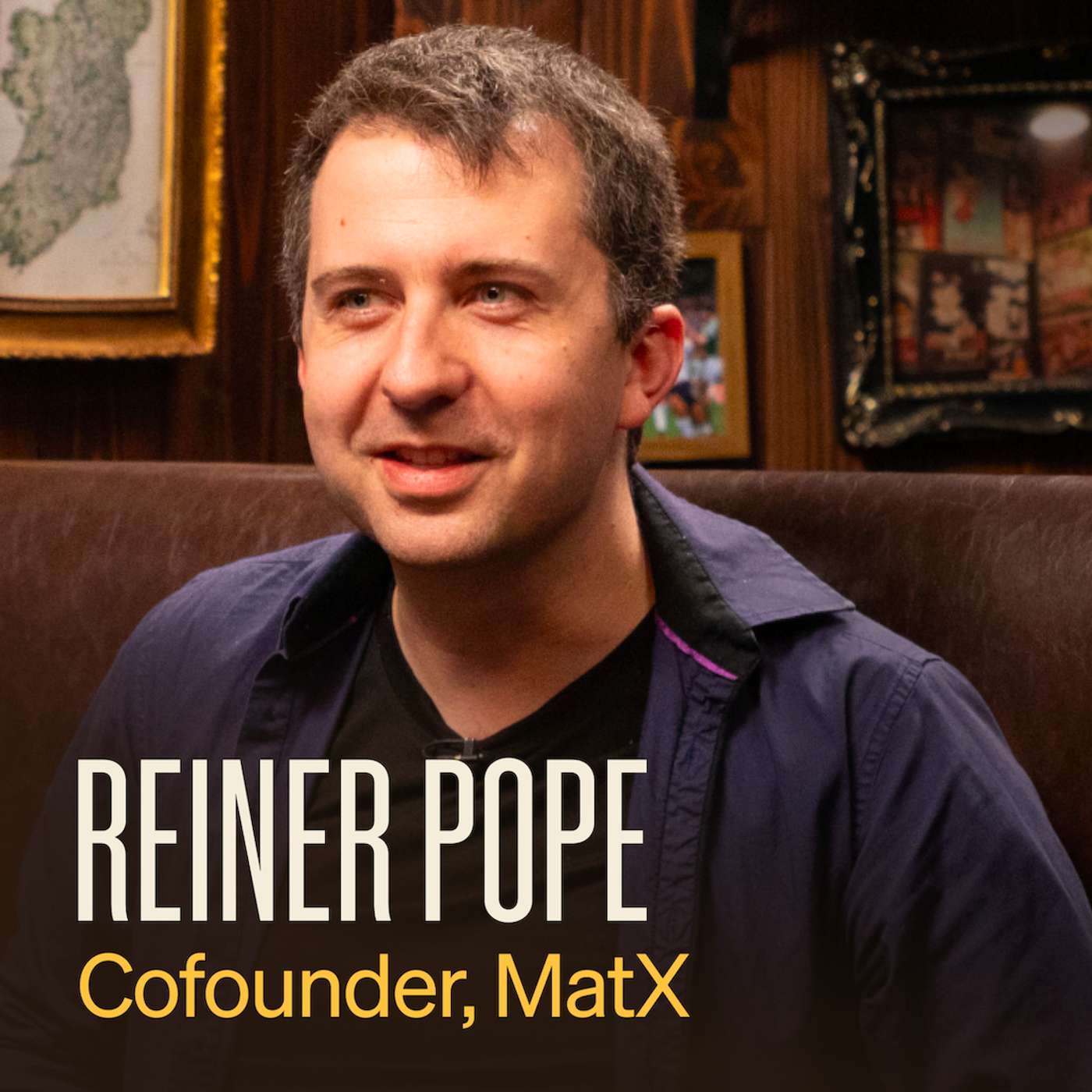
Reiner Pope of MatX on accelerating AI with transformer-optimized chips
Feb 2601:13:07Summary readyReiner Pope is the co-founder and CEO of MatX, designing specialized chips for Large Language Models. A former Google TPU architect, he joins John to discuss why the current generation of AI hardware is hitting a wall. They cover the "uncomfortable trade-off" between latency and throughput for current chips, why MatX is betting on combining HBM and SRAM to solve it, and the massive logistical challenge of manufacturing chips at scale with TSMC. Reiner also shares his predictions for AI in 2027, why he prefers Rust for hardware design, and why the best iteration loops happen in your head before writing a line of code.Timestamps(00:00:15) Google’s AI revival(00:07:54) MatX(00:17:11) AI supply chain(00:21:48) Designing chips(00:37:11) TSMC(00:44:17) Token pricing(00:44:55) RL-ing chip design(00:49:26) Design to production(00:56:05) MatX culture(01:02:57) Rust(01:05:21) Cuckoo hashing(01:09:35) Unexplored model architectures
Summary