
Podcast
The Daily
Hosted by The New York Times · EN
This is what the news should sound like. The biggest stories of our time, told by the best journalists in the world. Hosted by Michael Barbaro, Rachel Abrams and Natalie Kitroeff. Twenty minutes a day, six days a week, ready by 6 a.m.
Subscribe today at nytimes.com/podcasts or on Apple Podcasts and Spotify. You can also subscribe via your favorite podcast app here https://www.nytimes.com/activate-access/audio?source=podcatcher.
2,949episodes
Episodes
Newest firstAll episodes
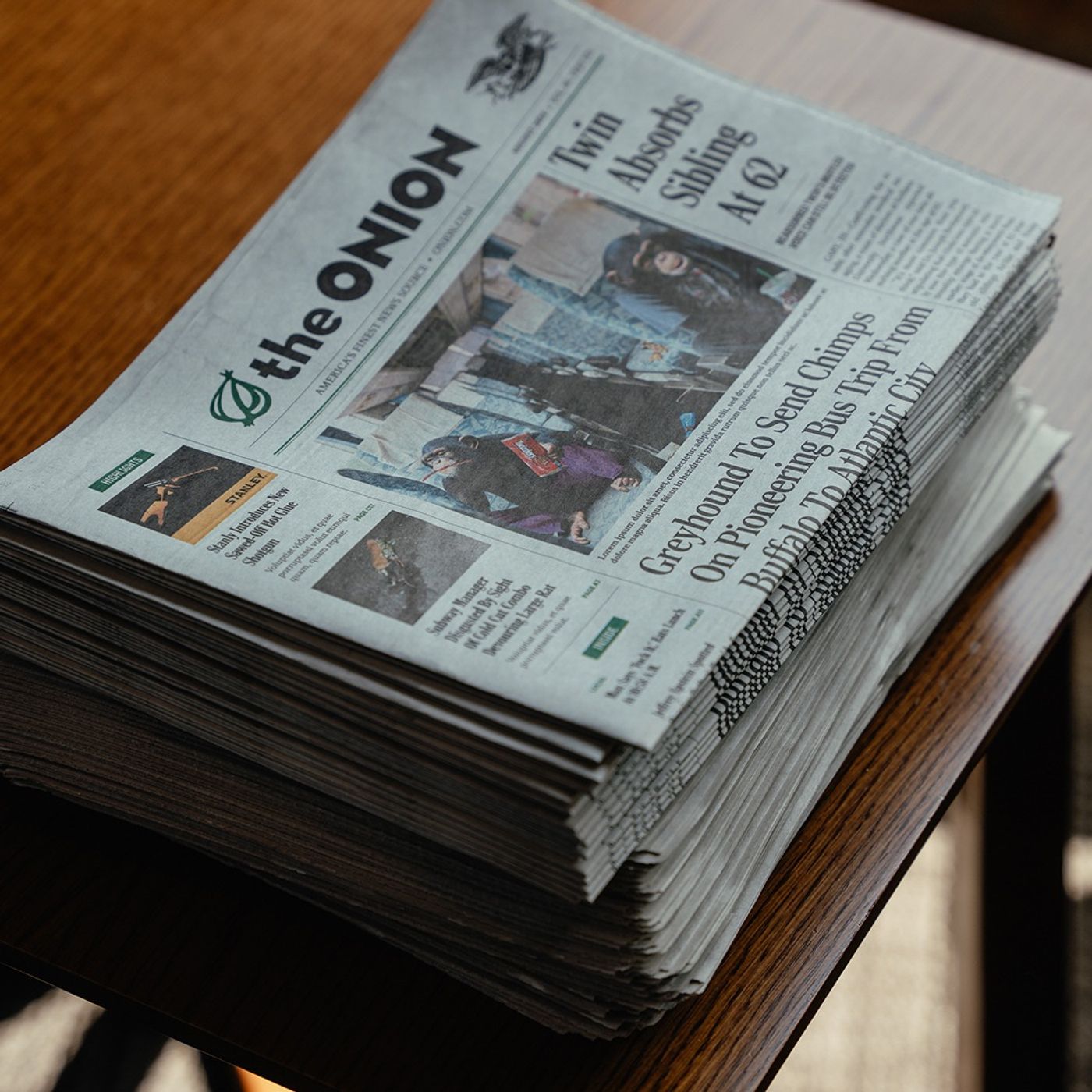
The Onion’s Latest Joke: Taking Over Infowars
Jul 700:22:26Summary readyLast Thursday, the satirical newspaper The Onion started its own version of Infowars, the infamous online hub of misinformation created by Alex Jones. The takeover has been years in the making. After Mr. Jones lost two defamation cases, his assets were put up for auction. The Onion took over Infowars and said it planned to convert the site into a parody of itself. Ben Collins, who is the chief executive of The Onion, and the comedian Tim Heidecker talk about what they plan to do with the newly acquired platform and why they pushed so hard to take control of it. Guest: Ben Collins, chief executive of The Onion Tim Heidecker, actor and comedian Background reading: The Onion’s plan to take over Infowars. Photo: Jamie Kelter Davis for The New York Times For more information on today’s episode, visit nytimes.com/thedaily. Transcripts of each episode will be made available by the next workday. Subscribe today at nytimes.com/podcasts or on Apple Podcasts and Spotify. You can also subscribe via your favorite podcast app here https://www.nytimes.com/activate-access/audio?source=podcatcher. For more podcasts and narrated articles, download The New York Times app at nytimes.com/app. Hosted by Simplecast, an AdsWizz company. See pcm.adswizz.com for information about our collection and use of personal data for advertising.
Summary
The Landmark Housing Bill That Trump Refuses to Sign
Jul 600:23:53Summary readyPresident Trump called a major bill to address the housing crisis “the most comprehensive and consequential housing legislation in the history of our country,” and a Congress controlled by his own party passed it by overwhelming margins. So why is he refusing to sign it? Michael Gold, who covers Congress for The New York Times, discusses Mr. Trump’s abrupt reversal and what may lie ahead. Guest: Michael Gold, a congressional correspondent for The New York Times in Washington. Background reading: Mr. Trump’s refusal to sign the housing bill complicates a bipartisan effort. These are the three potential fates for the bill. Photo: Philip Cheung for The New York Times For more information on today’s episode, visit nytimes.com/thedaily. Transcripts of each episode will be made available by the next workday. Subscribe today at nytimes.com/podcasts or on Apple Podcasts and Spotify. You can also subscribe via your favorite podcast app here https://www.nytimes.com/activate-access/audio?source=podcatcher. For more podcasts and narrated articles, download The New York Times app at nytimes.com/app. Hosted by Simplecast, an AdsWizz company. See pcm.adswizz.com for information about our collection and use of personal data for advertising.
Summary
The Most American Episode of The Daily, Ever.
Jul 500:43:02Summary readyIn celebration of the United States of America’s 250th birthday, we posed a simple question to some of our favorite critics, columnists and editors across the New York Times newsroom, people who write about books, movies, TV shows, science, sports, wellness and food. We asked: What’s the most American thing on your beat? On today’s episode, we present their answers. Happy Birthday, America! On Today’s Episode Joshua Barone, culture editor, on “Rodeo,” composed by Aaron Copland Vanessa Friedman, chief fashion critic, on workout gear Erik Piepenburg, culture writer, on the movie “Get Out” Kevin Roose, technology columnist, on Amazon Prime Mekado Murphy, culture editor, on the roller coaster The Beast James Poniewozik, chief television critic, on “Survivor” Jancee Dunn, wellness writer, on productivity and sleep Elena Bergeron, culture editor, on U.S. hockey Jennifer Szalai, nonfiction book critic at the Book Review, on “Paved Paradise: How Parking Explains the World” by Henry Grabar Bill Wasik, science editor, on liquid rocket fuel Madison Malone Kircher, internet culture reporter, on Bama Rush Kim Severson, food reporter, on M&M’s MJ Franklin, editor at the Book Review, on “The Love Songs of W.E.B. Du Bois” by Honorée Fanonne Jeffers Helen Shaw, chief theater critic, on “The Century Cycle” by August Wilson Alissa Wilkinson, film critic, on the movie “There Will Be Blood” Zachary Small, culture reporter, on Grand Theft Auto Elisabeth Vincentelli, culture reporter, on demolition derbies Jason Zinoman, critic at large, on the song “Political Science” by Randy Newman Jason Farago, critic at large, on the Statue of Liberty A.O. Scott, critic at large, on “Crossing Brooklyn Ferry” by Walt Whitman (featuring a reading by Jeffrey Wright) Gia Kourlas, dance critic, on “Stars and Stripes” by George Balanchine and “Appalachian Spring” by Martha Graham Jon Caramanica, pop music critic, on “Trump Trump Baby” by Forgiato Blow Photo credit: The New York Times Subscribe today at nytimes.com/podcasts or on Apple Podcasts and Spotify. You can also subscribe via your favorite podcast app here https://www.nytimes.com/activate-access/audio?source=podcatcher. For more podcasts and narrated articles, download The New York Times app at nytimes.com/app. Hosted by Simplecast, an AdsWizz company. See pcm.adswizz.com for information about our collection and use of personal data for advertising.
Summary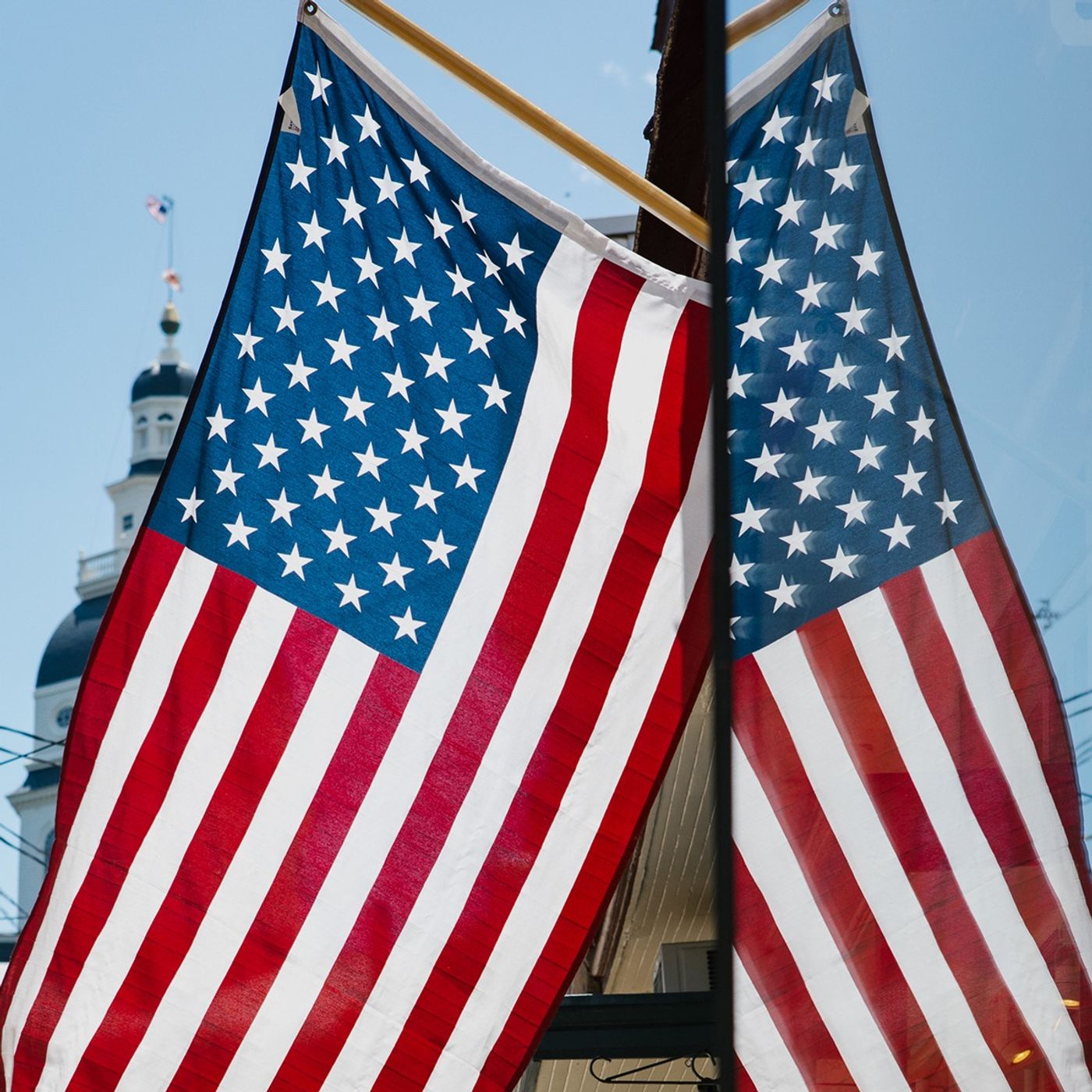
250 Years Later, Why We’re Still Fighting About Our Founding
Jul 300:36:07Summary readyTwo hundred and fifty years ago, the founding fathers gave rise to a new nation. They also gave rise to an enduring myth about their virtue and what that meant about America’s virtue as a country. Jia Lynn Yang, a New York Times journalist, discusses how the founding myth has evolved, why we are still fighting about it and why it may hold the key to America’s future. Guest: Jia Lynn Yang, a New York Times journalist writing explanatory pieces about the ideas underlying the news. Background reading: Is there a founding story that can unify left and right? Photo: Michelle Gustafson for The New York Times For more information on today’s episode, visit nytimes.com/thedaily. Transcripts of each episode will be made available by the next workday. Subscribe today at nytimes.com/podcasts or on Apple Podcasts and Spotify. You can also subscribe via your favorite podcast app here https://www.nytimes.com/activate-access/audio?source=podcatcher. For more podcasts and narrated articles, download The New York Times app at nytimes.com/app. Hosted by Simplecast, an AdsWizz company. See pcm.adswizz.com for information about our collection and use of personal data for advertising.
SummaryThe Fallout of Massive Earthquakes for Venezuela — and the U.S.
Jul 200:41:17Summary readyThe rare doublet earthquake in Venezuela was one of the most powerful tectonic events to strike the country in the past century, and the death toll was virtually certain to rise as rescuers began to reach hard-hit areas and remote hillside towns. Carlos Prieto, a producer on “The Daily,” speaks to Venezuelans about how they’ve united after the disaster. Then, Anatoly Kurmanaev, a New York Times correspondent in Venezuela, discusses how the aftermath of the tragedy has forced the Trump administration to shift its plans. Guest: Carlos Prieto, an audio producer for “The Daily.” Anatoly Kurmanaev, a reporter for The New York Times, currently covering Venezuela. Background reading: People are praying for rescues as hope fades after Venezuela’s double quake. The United States undercut María Corina Machado, an exiled opposition leader, as she tried to return to Venezuela. Photo: Adriana Loureiro Fernandez for The New York Times For more information on today’s episode, visit nytimes.com/thedaily. Transcripts of each episode will be made available by the next workday. Subscribe today at nytimes.com/podcasts or on Apple Podcasts and Spotify. You can also subscribe via your favorite podcast app here https://www.nytimes.com/activate-access/audio?source=podcatcher. For more podcasts and narrated articles, download The New York Times app at nytimes.com/app. Hosted by Simplecast, an AdsWizz company. See pcm.adswizz.com for information about our collection and use of personal data for advertising.
Summary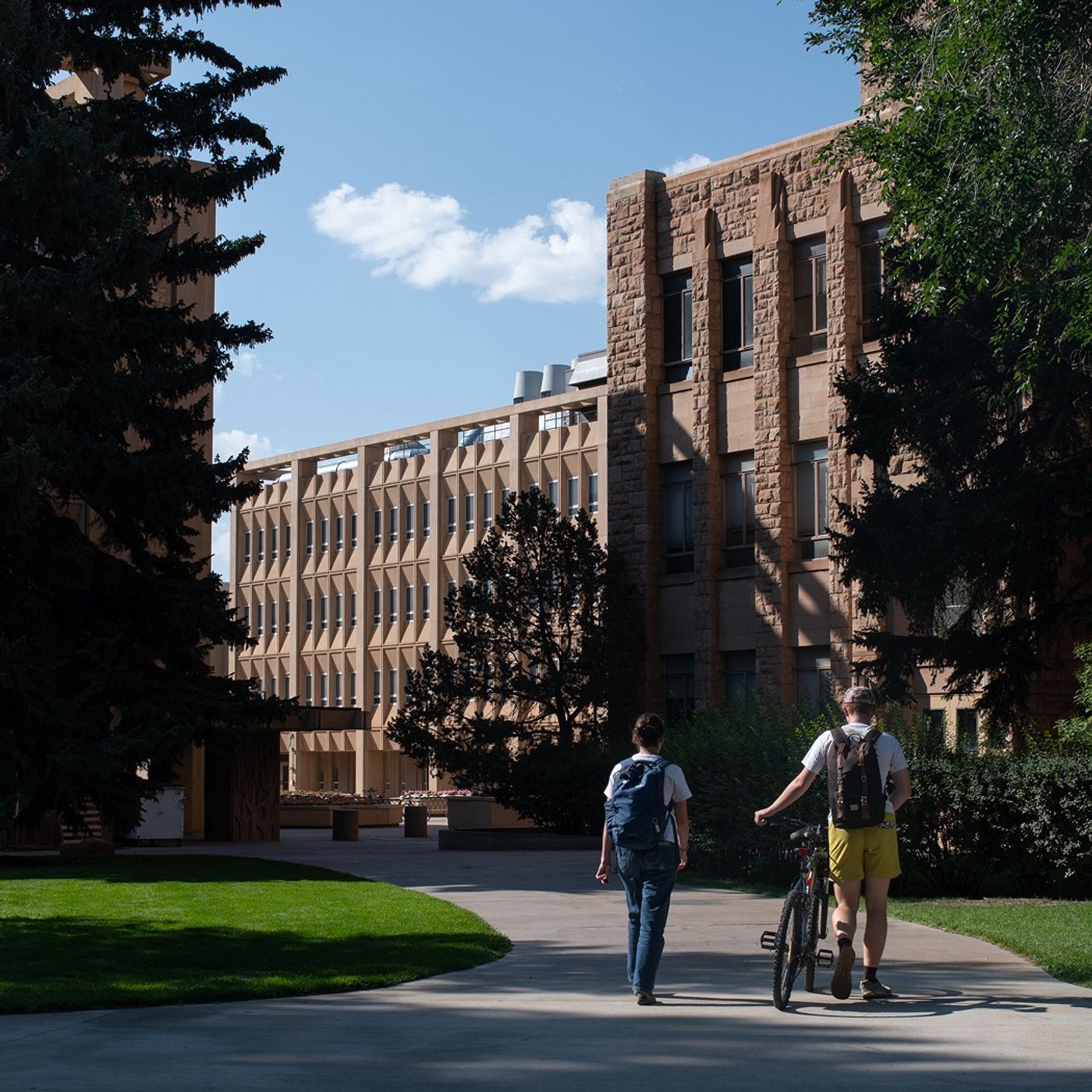
Why Americans Will Get Less Help Paying for College
Jul 100:29:55Summary readyAs the cost of higher education has soared in recent decades, universities have attracted more scrutiny about the value of a four-year degree. Now, the Trump administration is taking those questions to the next level with a set of policies that scales back the federal government’s student loan program. Ron Lieber, who writes about personal finance for The New York Times, explains what the new changes are, and how they might reshape higher education in America. Guest: Ron Lieber, the Your Money columnist for The New York Times, writes about everything from retirement savings and college tuition to credit reports and taxes. Background reading: Parents and graduate students have new loan limits. Who will fill the gap? What the new loan caps will mean for grad students this fall. Photo: Rachel Woolf for The New York Times For more information on today’s episode, visit nytimes.com/thedaily. Transcripts of each episode will be made available by the next workday. Subscribe today at nytimes.com/podcasts or on Apple Podcasts and Spotify. You can also subscribe via your favorite podcast app here https://www.nytimes.com/activate-access/audio?source=podcatcher. For more podcasts and narrated articles, download The New York Times app at nytimes.com/app. Hosted by Simplecast, an AdsWizz company. See pcm.adswizz.com for information about our collection and use of personal data for advertising.
Summary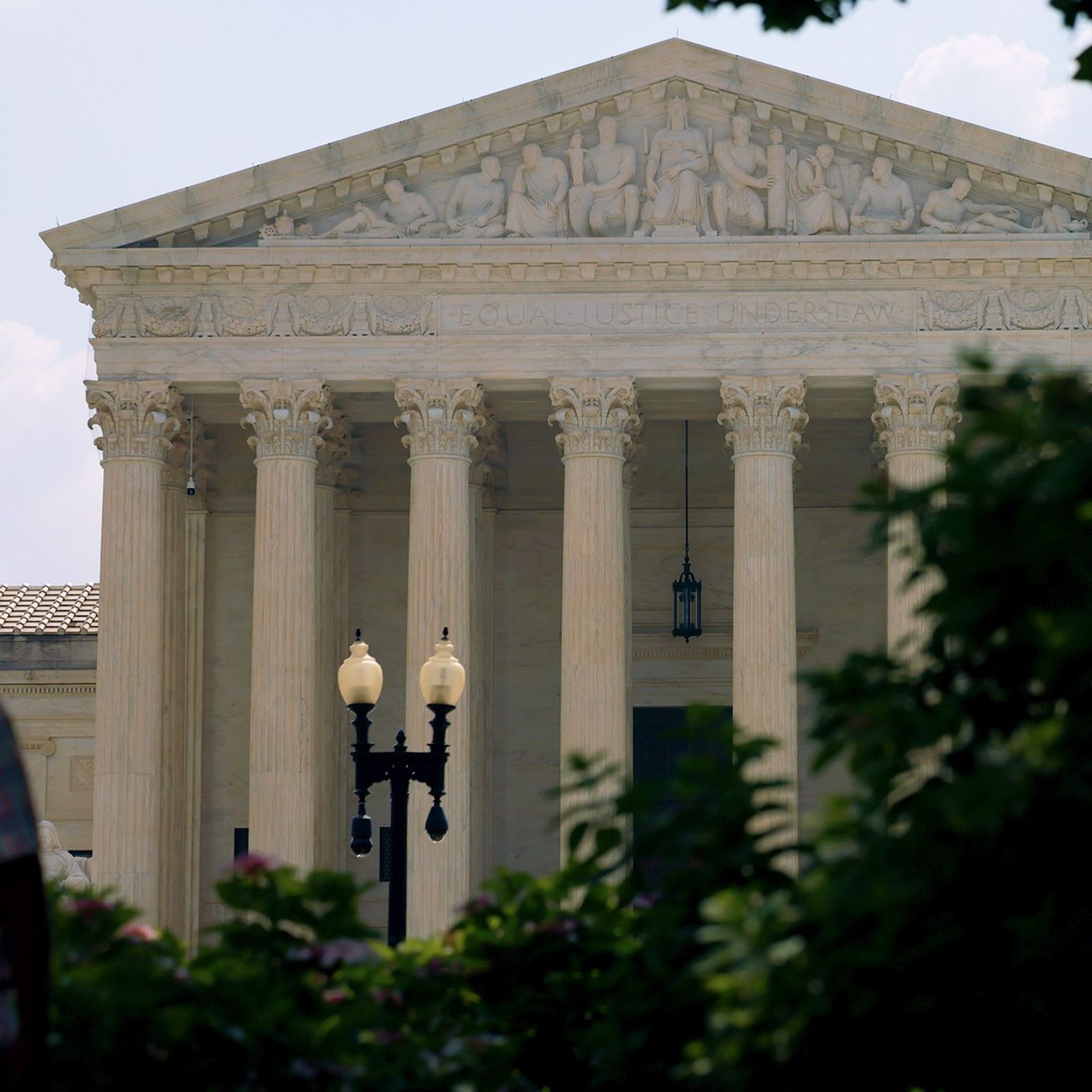
The Supreme Court Expands Presidential Power. Again.
Jun 3000:24:31Summary readyThe Supreme Court on Monday delivered one of the biggest changes in decades to how the federal government works when it ruled that President Trump could fire independent government regulators. Then, it announced an exception to its own ruling. Ann E. Marimow, who covers the Supreme Court for The New York Times, explains what the court was up to. Guest: Ann E. Marimow, the Supreme Court for The New York Times from Washington. Background reading: The Supreme Court expanded Mr. Trump’s power to fire officials but prevented the removal of Lisa Cook, a Federal Reserve governor. Photo: Tierney L. Cross for The New York Times For more information on today’s episode, visit nytimes.com/thedaily. Transcripts of each episode will be made available by the next workday. Subscribe today at nytimes.com/podcasts or on Apple Podcasts and Spotify. You can also subscribe via your favorite podcast app here https://www.nytimes.com/activate-access/audio?source=podcatcher. For more podcasts and narrated articles, download The New York Times app at nytimes.com/app. Hosted by Simplecast, an AdsWizz company. See pcm.adswizz.com for information about our collection and use of personal data for advertising.
Summary
Why Everyone Cares About This World Cup
Jun 2900:38:09Summary readyTwo weeks into the World Cup soccer tournament, it has already broken records. It has had its highest attendance ever, and generated the most goals scored in history. But one of the biggest stories of the tournament is happening off the field as a wave of international visitors encounter America, and Americans encounter them. Tariq Panja, a global sports correspondent at The New York Times, explains the magic and the complexity of this moment. Then, Anna Foley, a producer for “The Daily,” talks to two lifelong fans of the Iranian team who discuss the complexity of national pride in the middle of war. Guest: Tariq Panja, a global sports correspondent at The New York Times. Background reading: Iran’s team was eliminated over the weekend, ending a politically charged odyssey. Scottish fans in Boston charmed the locals. Photo: Kirby Lee/Imagn Images, via Reuters For more information on today’s episode, visit nytimes.com/thedaily. Transcripts of each episode will be made available by the next workday. Subscribe today at nytimes.com/podcasts or on Apple Podcasts and Spotify. You can also subscribe via your favorite podcast app here https://www.nytimes.com/activate-access/audio?source=podcatcher. For more podcasts and narrated articles, download The New York Times app at nytimes.com/app. Hosted by Simplecast, an AdsWizz company. See pcm.adswizz.com for information about our collection and use of personal data for advertising.
Summary
The Last 12 Weeks
Jun 2800:42:05Summary readyIn 1992, David Wood became El Paso’s most notorious convicted serial killer. He has been on death row ever since. More than 30 years later, his lawyers have just a few months to argue his innocence and stop his execution. This is the first episode of a new five-part series from Serial Productions called “The Last 12 Weeks.” You can find the rest of the series by searching for “The Last 12 Weeks” on your favorite podcast player. To find out about new shows from Serial Productions, and get a look behind the scenes, sign up for our newsletter at: https://www.nytimes.com/newsletters/serial Have a story pitch, a tip, or feedback on our shows? Email us at serialshows@nytimes.com Subscribe today at nytimes.com/podcasts or on Apple Podcasts and Spotify. You can also subscribe via your favorite podcast app here https://www.nytimes.com/activate-access/audio?source=podcatcher. For more podcasts and narrated articles, download The New York Times app at nytimes.com/app. Hosted by Simplecast, an AdsWizz company. See pcm.adswizz.com for information about our collection and use of personal data for advertising.
Summary
Robby Hoffman Will Always Feel Poor, No Matter How Rich She Gets
Jun 2700:50:08Summary readyThe comedian and actor says class and the way she grew up inform everything about the way she lives now. Thoughts? Email us at theinterview@nytimes.com Watch our show on YouTube: youtube.com/@TheInterviewPodcast For transcripts and more, visit: nytimes.com/theinterview Subscribe today at nytimes.com/podcasts or on Apple Podcasts and Spotify. You can also subscribe via your favorite podcast app here https://www.nytimes.com/activate-access/audio?source=podcatcher. For more podcasts and narrated articles, download The New York Times app at nytimes.com/app. Hosted by Simplecast, an AdsWizz company. See pcm.adswizz.com for information about our collection and use of personal data for advertising.
Summary