
Podcast
China Watch
Hosted by The Epoch Times · EN
“China Watch” is a weekly deep dive that pulls back the curtains on one of the world's most enigmatic powers. Join Epoch Times contributor Terri Wu as she deciphers where China is headed next and how its politics, technology, and business affect Americans.
26episodes
Episodes
Newest firstAll episodes
Fired for Talking: The Leak That Exposed China's Dam Secrets
3d ago00:19:38Tap to summarizeA sacked Chinese hydroelectric executive. A shocking death toll. A leaked analysis of what a full collapse of the Three Gorges Dam would look like.Record rainfall has caused a dam collapse in southern China. At the same time, the situation for northern China is more dire, as downpours 20-50 percent higher than normal are forecast until mid-August.What did the dam collapse reveal about China’s flood management problems? And what does the leaked analysis reveal about the consequences of a failed Three Gorges Dam?There’s also one key estimate missing from that analysis. What is it, and why is it important?Whistleblower’s texts and video:https://x.com/LUOXIANG_PMTQ/status/2079315130886549941https://x.com/LUOXIANG_PMTQ/status/2079798667544854926Views expressed in this episode are opinions of the host and guests and do not necessarily reflect the views of The Epoch Times.—Terri Wu is a Washington-based freelance reporter for The Epoch Times covering education and China-related issues. Send tips to terri.wu@epochtimes.com.Show your support for Epoch Times and independent journalism by leaving a 5-star review of this show on your podcast platform or visit www.RateThisPodcast.com/chinawatch
Transcribe →
Xi Is All In on AI. Can China’s Economy Fund That?
1w ago00:25:11Tap to summarizeChinese leader Xi Jinping is all in with his gamble on artificial intelligence. AI will have to perform magic by pulling China’s economy out of its current downward spiral and helping Beijing overtake Washington’s global primacy.Xi is directing domestic capital to AI. At the same time, Beijing is trying to “tell the China story well” by attracting foreign investments.That requires a convincing story explaining why China’s economic problems are cyclical rather than structural. In other words, temporary, not permanent.Terri Wu discusses the official economic data of the first half of this year and prepares listeners for Chinese propaganda points that will make their way to the West.Views expressed in this episode are opinions of the host and guests and do not necessarily reflect the views of The Epoch Times.—Terri Wu is a Washington-based freelance reporter for The Epoch Times covering education and China-related issues. Send tips to terri.wu@epochtimes.com.Show your support for Epoch Times and independent journalism by leaving a 5-star review of this show on your podcast platform or visit www.RateThisPodcast.com/chinawatch
Transcribe →10 Years After Tribunal’s Ruling: Keeping the South China Sea From Becoming the Next Hormuz
2w ago00:11:26Tap to summarizeA major anniversary of an international tribunal ruling passed over the weekend—one that the Chinese regime hates and has continuously violated for 10 years.While many people are focusing on the Strait of Hormuz, another waterway that likely has more influence on the global economy is receiving much less attention.But if something happens that gives it attention, such as kinetic warfare, the impacts could be much larger.Listen as Terri Wu reviews the significance of the international tribunal’s ruling against China’s claims in the South China Sea, and why a joint statement of 14 countries, including the United States, to reaffirm the ruling is a timely deterrence message.Views expressed in this episode are opinions of the host and guests and do not necessarily reflect the views of The Epoch Times.—Terri Wu is a Washington-based freelance reporter for The Epoch Times covering education and China-related issues. Send tips to terri.wu@epochtimes.com.Show your support for The Epoch Times and independent journalism by leaving a 5-star review of this show on your podcast platform or visit www.RateThisPodcast.com/chinawatch
Transcribe →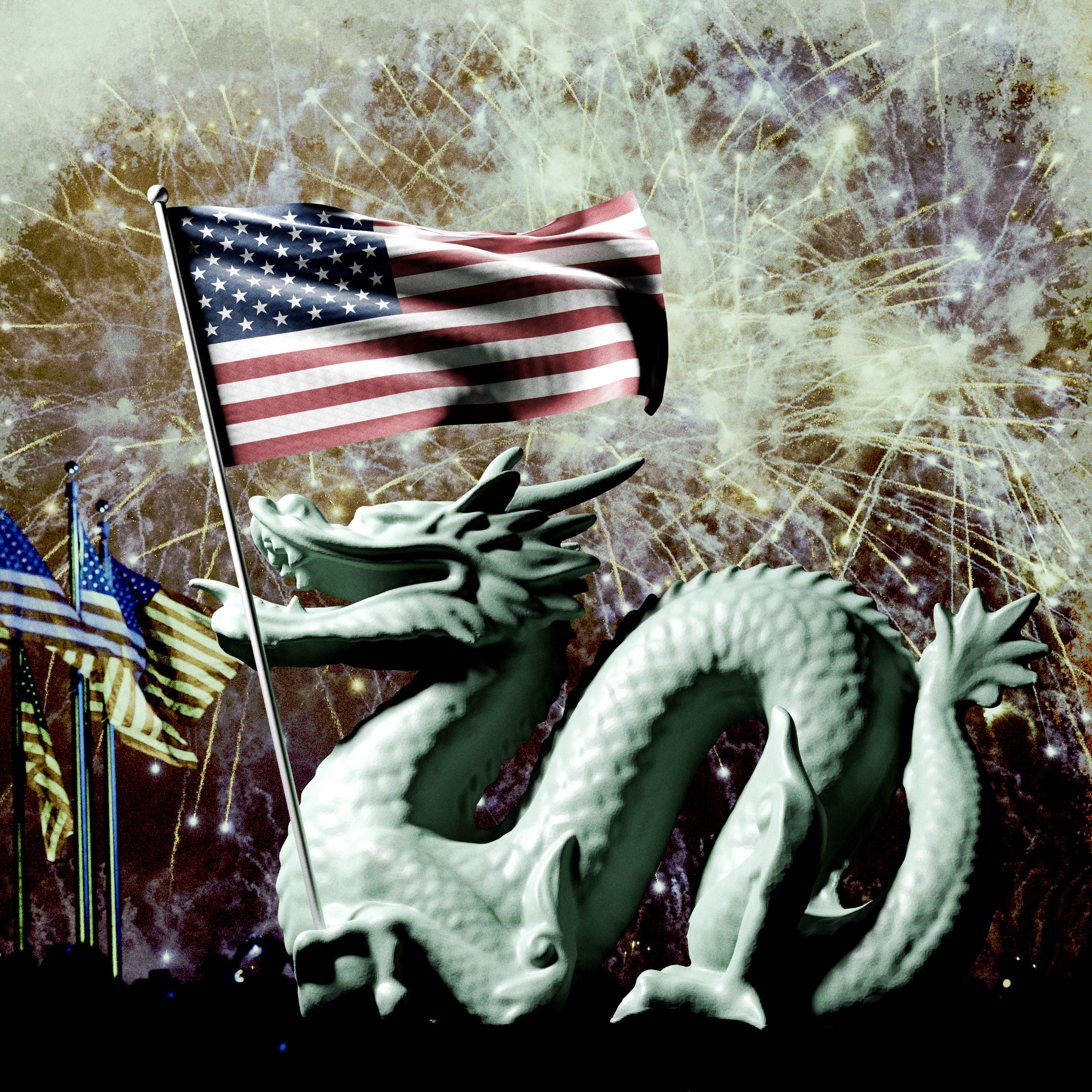
My Own Kingdom: A Chinese Immigrant's Tribute to America's 250th
3w ago00:07:41Tap to summarizeTerri Wu marks America's 250th birthday with a personal reflection on what freedom really meant to her as a Chinese immigrant.She recalls the culture shock of her U.S. visa interview in Beijing, including an accidental slur that could have cost her everything under a system she knew punished such mistakes severely, and her relief at discovering a country that didn't retaliate. She traces her journey from running a "race" set by her parents and the Chinese Communist Party, to finally choosing her own path in America.Views expressed in this episode are opinions of the host and guests and do not necessarily reflect the views of The Epoch Times.—Terri Wu is a Washington-based freelance reporter for The Epoch Times covering education and China-related issues. Send tips to terri.wu@epochtimes.com.Show your support for Epoch Times and independent journalism by leaving a 5-star review of this show on your podcast platform or visit www.RateThisPodcast.com/chinawatch
Transcribe →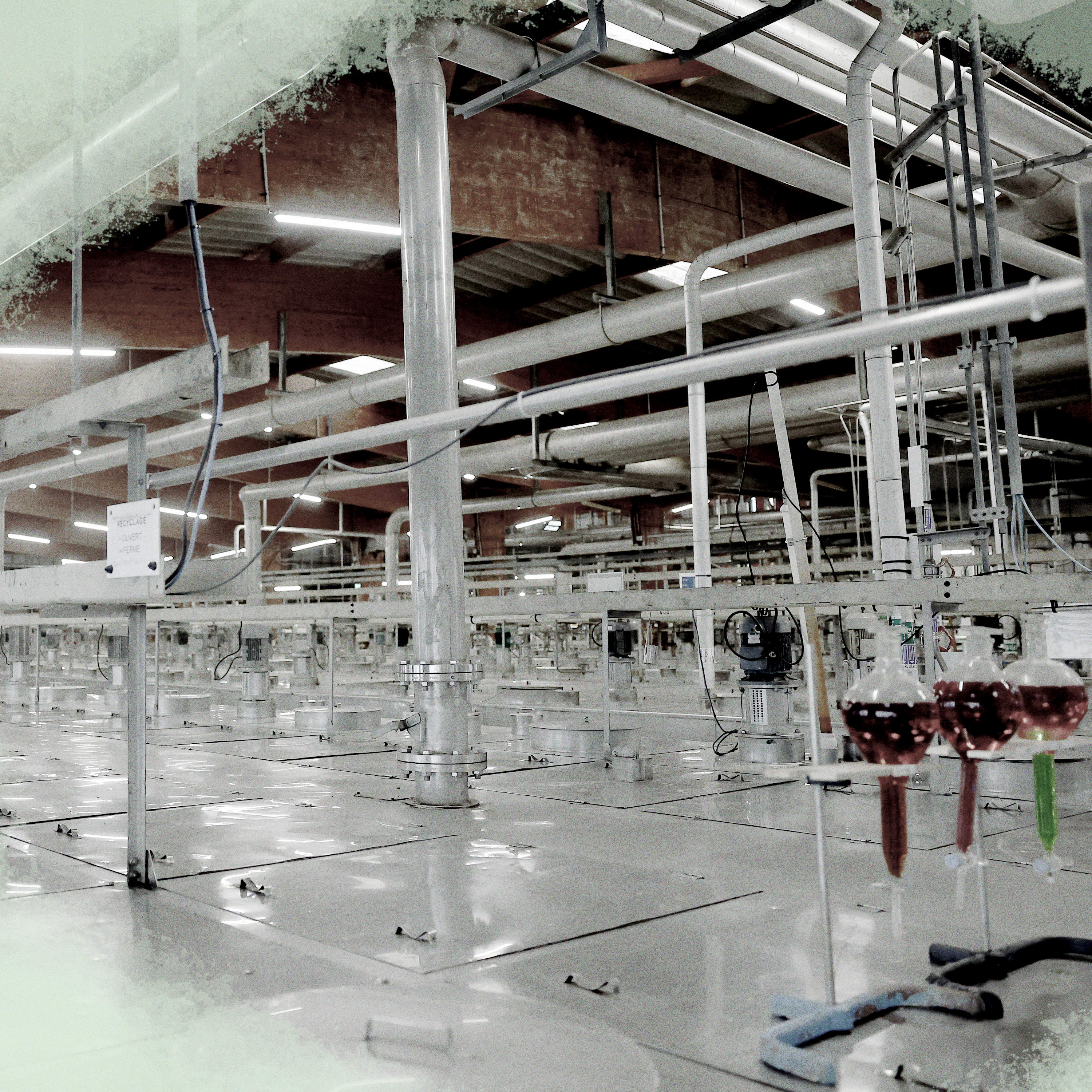
When Biotech Purifies Rare Earths—Outdeveloping China in Its Key Industry
Jun 2900:43:36Tap to summarizeWhen China cut off rare earth exports to the United States, most rare earth companies scrambled to copy China's technology.Curtis Wu, founder and CEO of Maglut Heavy Industries, had a different idea: steal a page from biotech instead.Drawing on his years in the biotech industry, Curtis saw that chromatography—the same precision purification technique used to manufacture cancer drugs—could replace the dirty, repetitive solvent-extraction method that China has had a monopoly on for decades.In this episode, Curtis walks Terri through the science, the supply chain vulnerability that Ford's production shutdown made undeniable, and why he believes the United States doesn't need to out-China China—it needs to out-innovate it.Views expressed in this episode are opinions of the host and guests and do not necessarily reflect the views of The Epoch Times.—Terri Wu is a Washington-based freelance reporter for The Epoch Times covering education and China-related issues. Send tips to terri.wu@epochtimes.com.Show your support for Epoch Times and independent journalism by leaving a 5-star review of this show on your podcast platform or visit www.RateThisPodcast.com/chinawatch
Transcribe →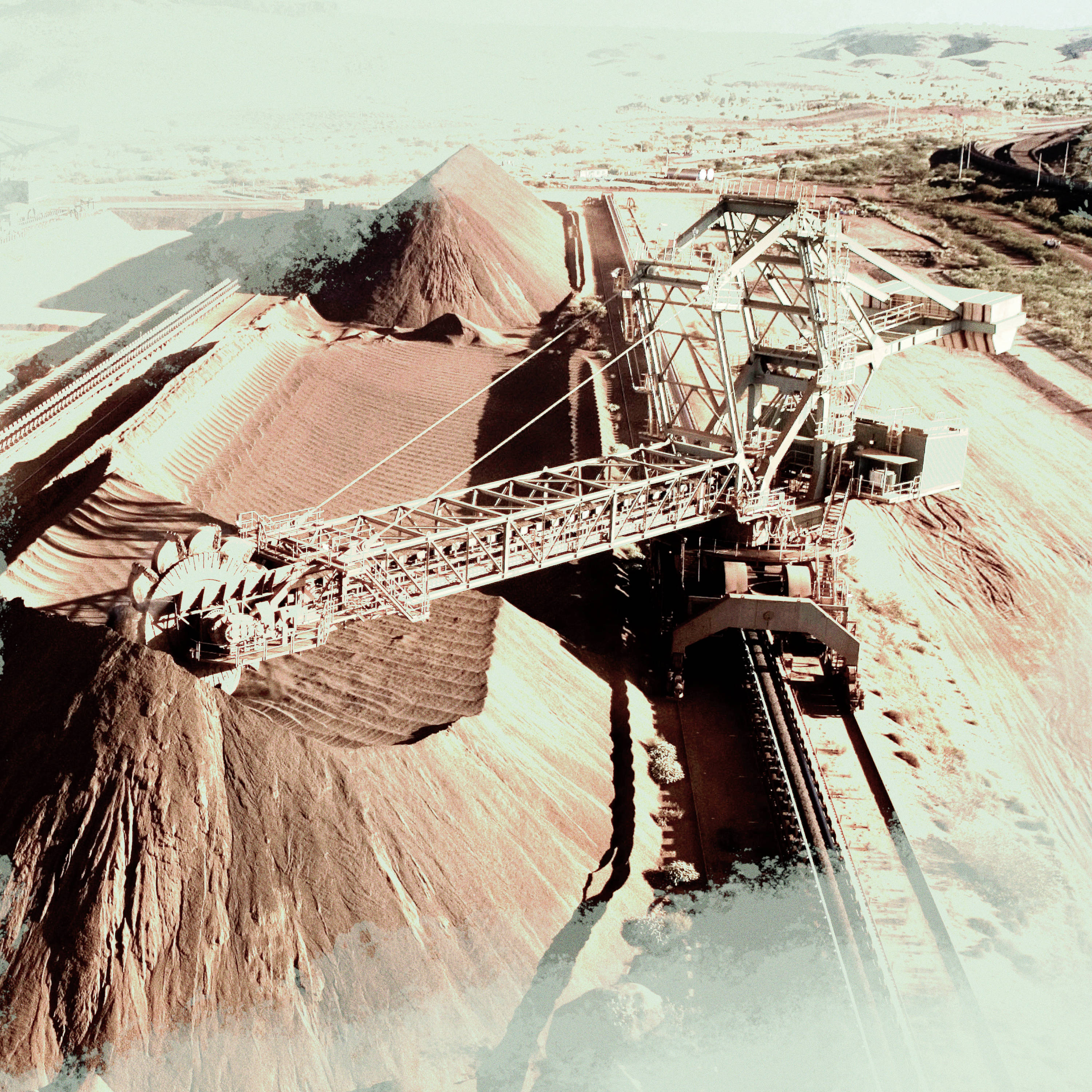
Rare Knowledge About Rare Earths—the Hope, Solutions, and Imminent Threat
Jun 2200:56:37Tap to summarizeChina controls the rare-earth chokepoint that nearly every modern industry depends on: from smartphones and EVs to missiles and fighter jets.Rare earths are a tiny market—just $20-30 billion globally—yet they sit beneath trillions of dollars in downstream value, making them one of the most powerful leverage points in U.S.–China relations.In this episode, Terri Wu sits down with Carl Coward, co-founder and managing partner of Neoterra, to discuss his vision for the West to break free of its rare-earth dependence on China.Carl breaks down the distinct, highly technical steps in this supply chain, why separating rare earths is so hard outside China, and why he believes only a vertically integrated, profitable Western supply chain offers a durable solution.They also dig into China's "withhold and flood" playbook that has crushed foreign competitors cycle after cycle, and what's at stake as Xi Jinping weighs a Sept. 24 visit to Washington.Finally, Coward gets personal. He reveals why a self-described contrarian with two decades in mining has staked the rest of his career—and a deadline measured in his young daughter's school years—on solving this problem.Views expressed in this episode are opinions of the host and guests and do not necessarily reflect the views of The Epoch Times.—Terri Wu is a Washington-based freelance reporter for The Epoch Times covering education and China-related issues. Send tips to terri.wu@epochtimes.com.Show your support for Epoch Times and independent journalism by leaving a 5-star review of this show on your podcast platform or visit www.RateThisPodcast.com/chinawatch
Transcribe →
A Strange Email, a Five Eyes Warning, and the New Front Line of Chinese Espionage
Jun 1500:35:14Tap to summarizeIt started with a strange email: an unsolicited invitation for host Terri Wu to become a "senior geopolitical analyst" for a shadowy "defense advisory trust"—confidential, decoupled from her reporting, and sent from a personal Gmail.Then came the Five Eyes "Safeguarding Our Secrets" bulletin, warning that foreign intelligence services court exactly the people who get pitches like that: journalists, academics, clearance holders, and military personnel.In this episode, Terri brings the puzzle to two veterans of the China file — former State, Defense, and CIA officer Nicholas Eftimiades and former State Department diplomat Jim Lewis — to map the CCP's "whole-of-society" playbook: the recent agent prosecutions (Thomas Pauken, Eileen Wang, Linda Sun), the overseas police stations, the quiet pivot to state and local politics, and why Beijing is betting it can simply wait Washington out.The message is blunt: whether or not that email traces back to anyone in particular, you're already on the front line—and there's plenty you can do about it.Our last year's episode with Nick is here: “How China Spies in America: The Whole-of-Society Model Operation.”Views expressed in this episode are opinions of the host and guests and do not necessarily reflect the views of The Epoch Times.—Terri Wu is a Washington-based freelance reporter for The Epoch Times covering education and China-related issues. Send tips to terri.wu@epochtimes.com.Show your support for Epoch Times and independent journalism by leaving a 5-star review of this show on your podcast platform or visit www.RateThisPodcast.com/chinawatch
Transcribe →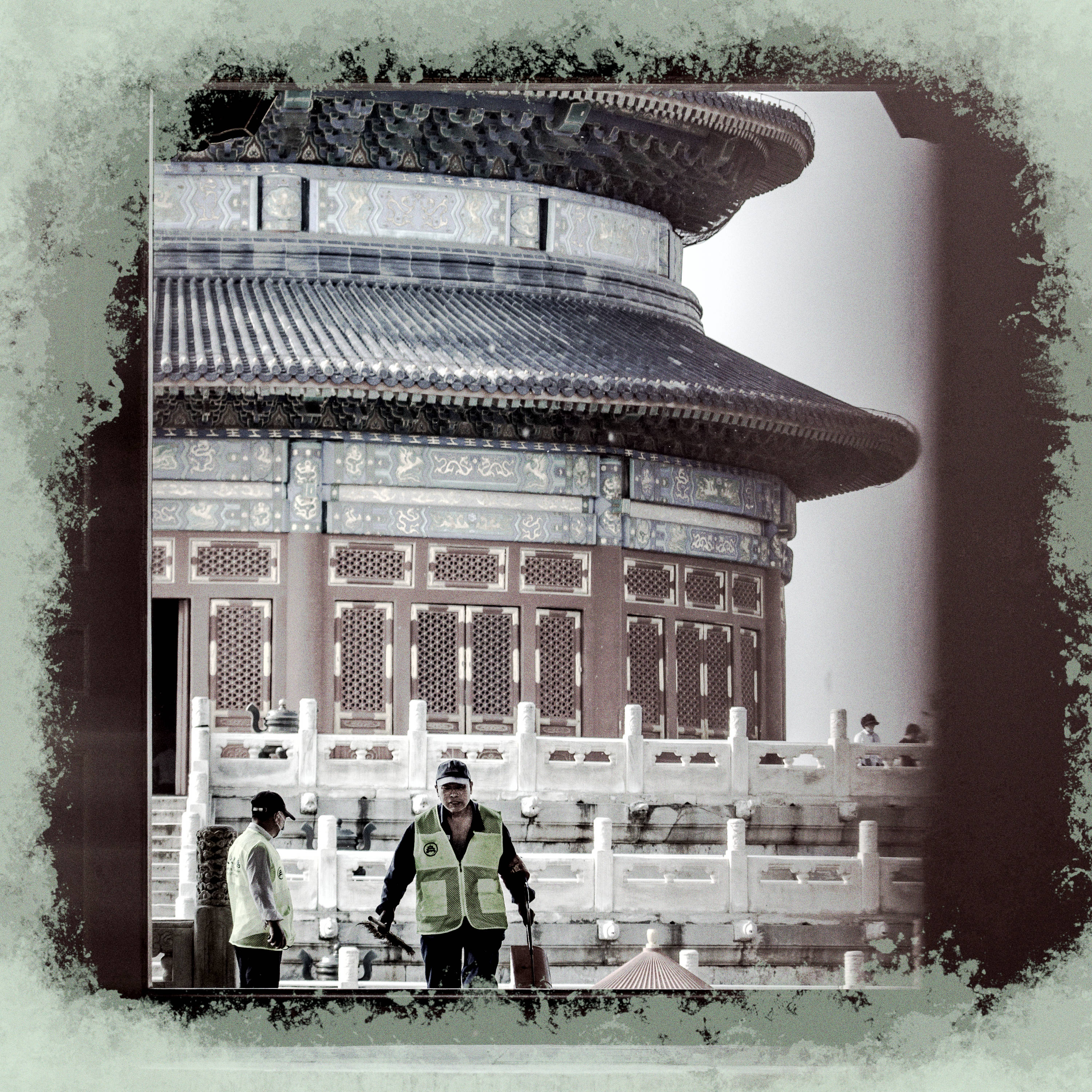
How America Keeps Getting China Wrong—And How China Can Get It Right
Jun 901:05:11Tap to summarizeTerri sits down with Piero Tozzi, a China expert whose deep roots in both Western and Confucian thought give him a truly rare lens on the U.S.–China competition.In this conversation, they unpack why the Chinese Communist Party (CCP) has never been—and can never be—a normal trading partner or good-faith rival, and how America has been deceived into thinking otherwise, repeatedly, since the 1940s.And they close on something unexpected: the seeds of a peaceful transition to carry China beyond the CCP have been inside Chinese civilization all along.Views expressed in this episode are opinions of the host and guests and do not necessarily reflect the views of The Epoch Times.—Terri Wu is a Washington-based freelance reporter for The Epoch Times covering education and China-related issues. Send tips to terri.wu@epochtimes.com.Show your support for Epoch Times and independent journalism by leaving a 5-star review of this show on your podcast platform or visit www.RateThisPodcast.com/chinawatch
Transcribe →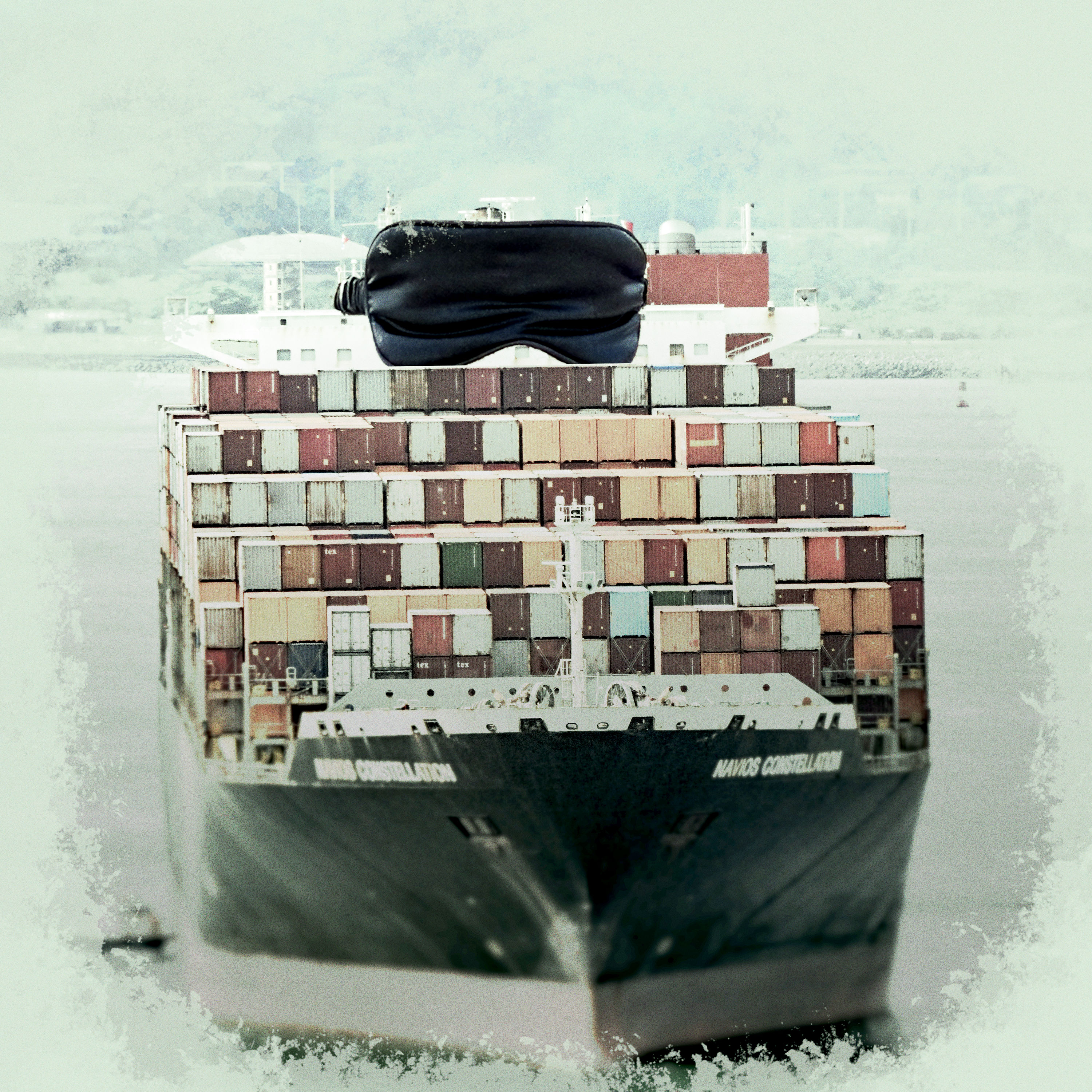
‘Sea Blind’ to China’s Threat, and Waking Up To It
Jun 100:23:52Tap to summarizeThe Department of Justice unsealed an indictment on May 19, charging Chinese shipping container manufacturers with price-fixing their products during the COVID years.As a result, container prices nearly doubled between 2019 and 2024. And a leading defendant saw its profit increase by nearly 100-fold.This case is not an isolated case.Join Terri and maritime historian Salvatore Mercogliano in unpacking China’s evolution in maritime dominance and the U.S. response.Views expressed in this episode are opinions of the host and guests and do not necessarily reflect the views of The Epoch Times.—Terri Wu is a Washington-based freelance reporter for The Epoch Times covering education and China-related issues. Send tips to terri.wu@epochtimes.com.Show your support for Epoch Times and independent journalism by leaving a 5-star review of this show on your podcast platform or visit www.RateThisPodcast.com/chinawatch
Transcribe →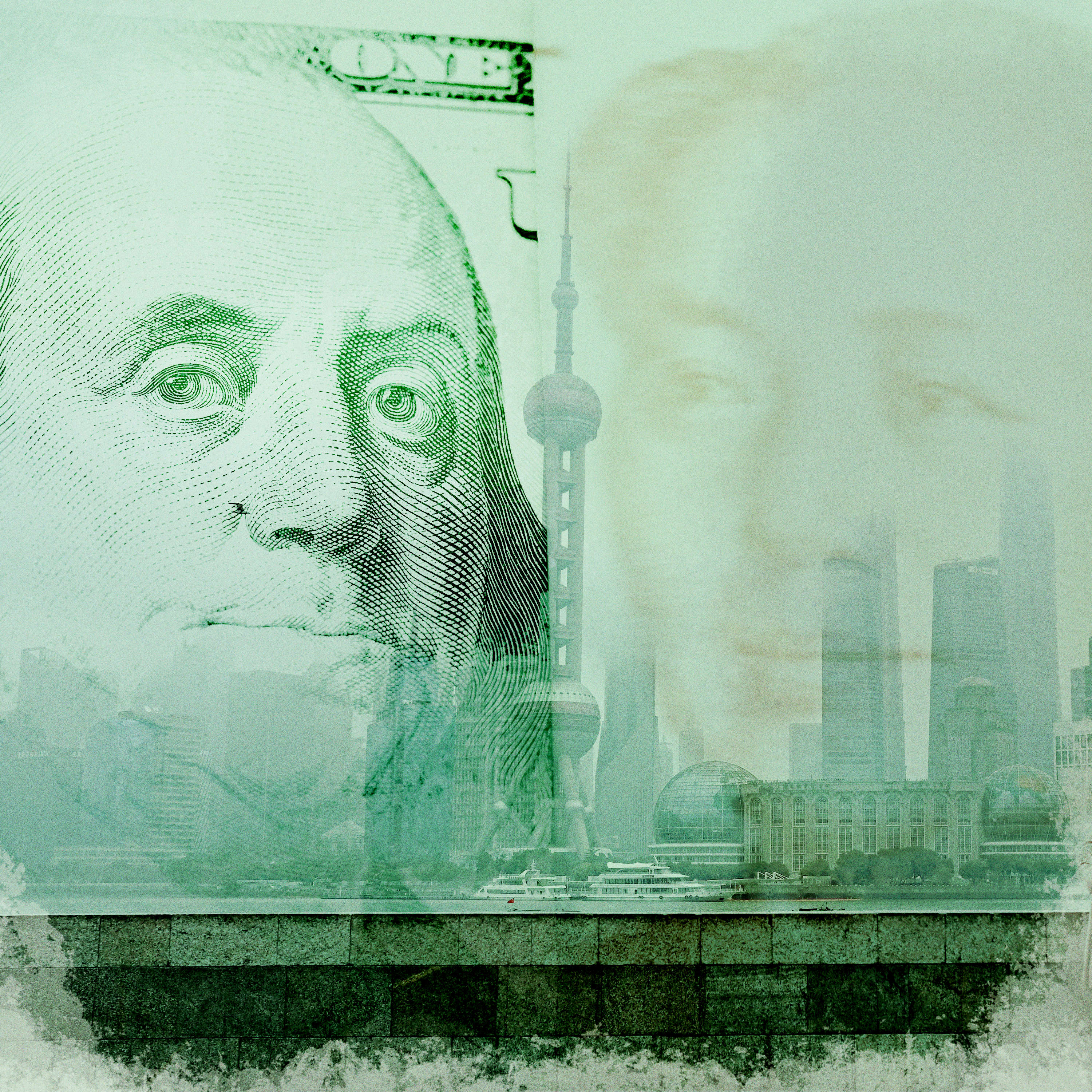
Why China Is Finally Closing a Side Door It Tolerated for Years
May 2500:20:46Tap to summarizeFor years, Chinese investors used Tiger, Futu, and Longbridge to buy Tesla and Nvidia — through a side door Beijing called illegal but tolerated anyway. On May 22, Beijing finally shut it.Why now? Most headlines frame this as another step in U.S.–China decoupling, or as Chinese leader Xi Jinping putting another aspect of Chinese society under total control. But there's a third possibility.Join Terri in connecting the dots to the ongoing trade war behind this seemingly sudden policy change.Views expressed in this episode are opinions of the host and guests and do not necessarily reflect the views of The Epoch Times.—Terri Wu is a Washington-based freelance reporter for The Epoch Times covering education and China-related issues. Send tips to terri.wu@epochtimes.com.Show your support for Epoch Times and independent journalism by leaving a 5-star review of this show on your podcast platform or visit www.RateThisPodcast.com/chinawatch
Transcribe →