← Classical Stuff You Should Know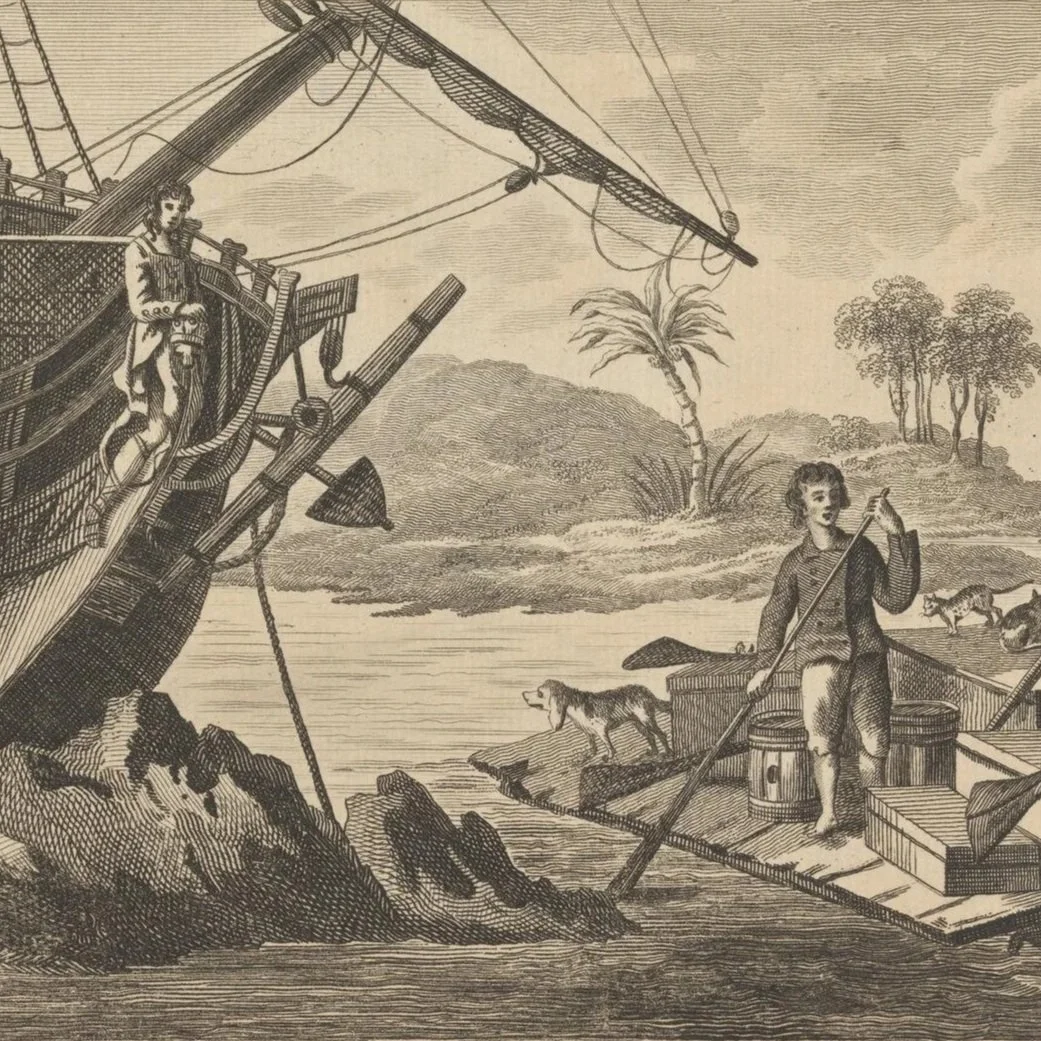
Loading summary
Transcript295 lines
- [00:00]
Arthur
Hey everyone. Before we get into the episode, I wanted to let you know that Evergreen Classical School in the Woodlands, Texas is currently seeking their next head of school. Evergreen is a hybrid model Christian school focused on developing well ordered hearts and minds who will recognize, desire and proclaim the triune God of the Bible. If you or someone you know would like to speak further about the opportunity to lead this growing school community, please visit evergreenclassical.org or you can email evergreenboardvergreenclassical.org I'm a big fan of Evergreen. I do hope that if you or someone you know is interested and would be a good fit for the opportunity that you will reach out again. That's evergreenclassical.org Email address evergreenboardvergreenclassical.org all right, with that, let's go ahead and get started with the episode.
- [01:04]
Graham
Hi and welcome to Classical stuff. You should know. A podcast about classical works of literature, philosophy, the olden days, the times gone before.
- [01:15]
Arthur
Wow.
- [01:17]
Donaldson
Your, if you will, the yes times.
- [01:19]
Graham
Of yore, the old lang signs. Actually, I don't really know what that means. Doesn't it mean like, isn't it in Latin? No, it's like Welsh or something.
- [01:27]
Donaldson
I don't know. Oh, okay.
- [01:28]
Arthur
Why would you start with that? We're talking about Robinson Crusoe and that's.
- [01:30]
Graham
Where you're starting Today we are going to go on a journey with. I actually, I have no idea what Robinson Crusoe is about, actually. So this is going to be fun. Cool.
- [01:42]
Arthur
It's about a journey that goes arai, isn't it?
- [01:44]
Donaldson
Yeah, yeah, a little bit.
- [01:45]
Graham
I always got. I always get this confused with sweet Swiss family Robinson.
- [01:47]
Donaldson
Me too.
- [01:48]
Graham
And Gulliver's Travels. All of those things. I get confused. So Robinson Crusoe, Swiss family Robinson, Gulliver's Travels, they're all just. They're in the same universe in my head as far as they're concerned.
- [01:57]
Donaldson
I would rate them very differently as far as like quality of literature, but.
- [02:01]
Graham
Ajay is going to take us on this voyage as our jolly boat captain.
- [02:05]
Donaldson
I am.
- [02:05]
Graham
And he is going to navigate the waters of skill and cryptis expertly.
- [02:11]
Donaldson
Yep. And I did find out. So do you pronounce that Scylla, not Scila.
- [02:15]
Arthur
Oh, really?
- [02:16]
Donaldson
I've pronounced it Scila for years and years ago.
- [02:19]
Arthur
Okay.
- [02:19]
Graham
Anyway, take it away, Arthur. Yawn.
- [02:23]
Donaldson
Thanks, Graham. Okay, we are talking about Robinson Crusoe today. I read it. Assuming that I had read it before in my youth. I absolutely have not because I also mixed. It was Swiss family Robinson I read Swiss Family Robinson, which is also awesome. I haven't read that in a long time.
- [02:38]
Graham
I don't.
- [02:38]
Donaldson
I remember as a child thinking, like, this is the best thing I've ever read with my face. And I. Yeah, I need to reread it.
- [02:45]
Graham
It just makes you want to go and, like, turn a patch of woods into, like, a functioning treehouse.
- [02:51]
Donaldson
Wonderland.
- [02:51]
Graham
Yes.
- [02:52]
Donaldson
Didn't they build a tree house?
- [02:53]
Graham
They build a whole society.
- [02:54]
Donaldson
It's awesome.
- [02:55]
Graham
Yeah, those. Those. Those Protestants.
- [02:59]
Arthur
Okay, let's just do an extra.
- [03:01]
Donaldson
Protestants will do that.
- [03:01]
Graham
They'll do it.
- [03:02]
Donaldson
They'll go out there and build a society.
- [03:03]
Graham
We got that work ethic.
- [03:04]
Donaldson
So I, you know, I. I had to, like. I finished this book relatively recently. I had to rush to prepare it last night, and in my rush, I forgot to do thorough research on the author, which then I tried to, like. I was like, hey, right before doing this, I should probably. I should probably look him up.
- [03:19]
Graham
How dare you manage our expectations?
- [03:21]
Donaldson
I'm doing it. And turns out Daniel Defoe, the guy who wrote Robinson Crusoe, is wildly interesting in his own right. I only have some information again, because I could only do a cursing goblin view.
- [03:32]
Arthur
Stop.
- [03:32]
Donaldson
I know. I heard Defoe, and I thought, what's that movie where they have Veritas and Equitas tattooed on their hands? Oh, what's it called? Saints.
- [03:42]
Arthur
Yeah.
- [03:44]
Donaldson
There was a firefight. So Daniel Defoe.
- [03:49]
Graham
Any relation?
- [03:50]
Donaldson
I don't.
- [03:50]
Arthur
They're not related. I. I just Googled it.
- [03:52]
Donaldson
All I know is that Daniel Defoe was not born Daniel Defoe. He was born Daniel Foe and then later added the duh so he would sound fancier.
- [04:00]
Graham
That was. I did that, too.
- [04:01]
Donaldson
That's kind of awesome.
- [04:02]
Graham
I was Arnoldson when I was born.
- [04:04]
Donaldson
Donaldson.
- [04:05]
Graham
Yeah.
- [04:06]
Donaldson
So his dad was a candle maker. He was educated in Dorking, Surrey, which is pretty funny.
- [04:11]
Arthur
Poor guy.
- [04:12]
Donaldson
At 14, he was sent to an academy. And this is where I, you know, I got my research kind of runs out. I'm so sorry, audience. I did find out that he was a merchant who partially trafficked in hosiery, that he was the close friend of one of the kings, and under that king became a spy for the state. He also, like, he was in jail a few different times. And one of them, he negotiated to get out of jail by becoming a spy for the Tory Party. Later, he was a spy for the Whigs. Later, he was just sort of the mouthpiece of the British government.
- [04:39]
Arthur
It.
- [04:39]
Donaldson
It is a crazy long tale, and you can go look it up. I don't have any. A whole lot more details for you. All I know is that this guy lived a pretty interesting life in his own right.
- [04:48]
Graham
Cool.
- [04:48]
Donaldson
He wrote over a five. Over 500 things, including poems, pamphlets, and books. One time he was put in the pillory, but one of his poems kind of had inspired them to throw flowers instead of fruit. So he got flowered as he was in the pillory, which is kind of fun.
- [05:02]
Arthur
Yeah.
- [05:03]
Donaldson
So he's an interesting cat.
- [05:04]
Graham
Like ground up grain or like peonies.
- [05:06]
Donaldson
Like. Like peonies.
- [05:07]
Graham
That's so nice.
- [05:08]
Donaldson
Right? Isn't that kind of wonderful? Okay, so he's an interesting guy. And he wrote this book about, kind of based on the life of a real living person. We will get to that guy's life later after I sort of give you the basic rundown of the plot and then we have a few discussion questions we're going to hit. Does that sound like a good setup for the episode?
- [05:27]
Arthur
Sounds great.
- [05:27]
Donaldson
I'd love to give you guys the structure before I end, so you know what to expect. Thanks. I. I don't want any curveballs coming your way. So this guy, Robinson Crusoe, was born in 1632 in the city of York from the family Kreutznar, which eventually turned in Crusoe because they went to Britain and, you know, the name just got easier to write if they called it Crusoe. His parents did not want him to go to sea, and at 18 he really wanted to. So his dad tried to dissuade him. And one of the ways that he tried to dissuade him is one of the things we're going to talk about today. So he says, he told me it was men of desperate fortunes on one hand, or of aspiring superior fortunes on the other, who went upon broad, who went abroad upon adventures to rise by enterprise and make themselves famous in undertakings of a nature out of the common road. That these things were all either too far above me or too far below me. That mine was the middle state, or what might be called the upper station of low life, which he had found by long experience was, was the best state in the world, the most suited to human happiness. Not exposed to miseries and hardships, the labor and sufferings of the mechanic part of mankind, and not embarrassed with the pride, luxury, ambition and envy of the upper part of mankind. He told me, I might judge of the happiness of this state by this one thing vis a vis. That this was the state of life which all other people envied. That kings have frequently lamented the miserable consequence of being born to great things in which they had been placed in the middle of the two extremes between the mean and the great. That the wise man gave his testimony to this as the standard of felicity. When he prayed to have neither poverty nor riches, he bade me observe it. And I should always find that the calamities of life were shared among the upper and lower part of mankind, but that the middle station had the fewest disasters and was not exposed to so many vicissitudes as the higher or lower part. Nay, they were not subjected to so many distempers and uneasiness, either body or of mind, as those were who by vicious living luxury and extravagances, on the one hand were, or by hard labor, want of necessaries, and mean or insufficient diet, on the other hand, bring distemper upon themselves by the natural consequences of their way of living. That the middle station of life was calculated for all kind of virtue and all kind of enjoyments. Health, society, all agreeable diversions and all desirable pleasures were the blessings attended to. The middle station of life. There's a lot of semicolons in this sentence, guys. I'm so sorry. It's still like one big sentence that. This way men went silently and smoothly through the world and comfortably out of it, not embarrassed with the labors of the hands or of the head, not sold to a life of slavery for daily bread, nor harassed with perplexed circumstances which rob the soul of peace and the body of rest, nor enraged with the passion of envy or the secret burning lust of ambition to great things, but in easy circumstances, sliding gently through the world and sensibly tasting the sweets of living without the bitter semicolon feeling that they are happy and learning by every day's experience to know it more sensibly. So middle class is best. Do you have thoughts?
- [08:22]
Arthur
I mean, you're enjoying it.
- [08:25]
Donaldson
What do you think?
- [08:25]
Graham
Yeah, I also. I probably wouldn't. I wouldn't be upset if I was richer.
- [08:33]
Arthur
Hot take.
- [08:33]
Donaldson
Okay, so Donaldson disagrees.
- [08:37]
Graham
I don't want wealth and fame, just wealth. So I don't even know if I want wealth. No, I. I think his point is a good one, which is like he's essentially agreeing with P. Diddy and Mace. Money, more problems. And also. Yes. And poverty is. Is. You know, it's difficult.
- [08:57]
Donaldson
Yeah.
- [08:58]
Graham
So I. I can get behind that.
- [08:59]
Donaldson
It's probably the easiest. I mean, when you have a whole lot of wealth, you got to worry about managing it and protecting it.
- [09:03]
Graham
Or your real friends.
- [09:04]
Donaldson
Exactly.
- [09:05]
Graham
You Got to hire somebody to, like, protect you. Or you gotta, like, hire people to, like, main.
- [09:10]
Donaldson
You know, to like, I don't know, like, Nicholas Cage. Your. Your guy might steal all your money.
- [09:14]
Arthur
Yeah, yeah, I would still take the risk, right? Yeah. Yeah. I think we're looking down on the benefits of more wealth. But sure, middle class is great.
- [09:22]
Donaldson
I would love a jet ski. And I wouldn't mind a lake place, you know what I mean?
- [09:25]
Arthur
Sure. A retreat.
- [09:26]
Donaldson
After that, what do you want? And then I'll be satisfied.
- [09:30]
Arthur
And then you'll be happy.
- [09:31]
Donaldson
That's right. And then I will actually be happy. No, I think he's got something going here. I think. I think Middle Station is a pretty good station. Okay. So he decides to screw his dad's advice and go. Go to sea anyway. So his first ship, he goes with a buddy to London. There's a big storm and he is scared to death. And he is like, God, if you get me out of this, I swear I will change all of my ways and I will, like, follow the advice of my dad. Turns out it's not that bad of a storm after all. And he's fine. And he quickly forgets all of his swears. And then they hit a bigger storm and they are pretty much shipwrecked and saved and they go ashore and the buddy he was with is like, I'm never going to see again. I'm out. And he talks to that guy's dad and. Hold on, let me look up. I'm using my Kindle today as my book, so I have to go to my notes. Takes a little longer than like just flipping to a page. Okay, so he's talking to his friend's good dad, and his friend's good dad says in a grave, concerned tone, young man says he, you ought never to go to sea anymore. You ought to take this for a plain and visible token that you are not to be a seafaring man. Why, sir, said I, will you go to sea no more? Because this guy was a sailor and he says, that is another case, said he, it is my calling and therefore my duty. But as you made this voyage on trial, you see what a taste of heaven has given you of what you are to expect. If you persist, perhaps this is all befallen you on. Befallen us on your account. Like Jonah in the ship of Tarshish, Pray continues he, what are you? And on what account do you go to sea? Upon that I told him of my story, at the end of which he burst into a strange kind of Passion. What had I done, says he, that such an unhappy wretch should come into my ship? So he is basically like, at the very end, he says, and young man said he, depend upon it, if you do not go back, wherever you go, you will meet with nothing but disasters and disappointments. Appointments till your father's words are fulfilled upon you. And swears he would never go into ship with him. Not for like a thousand dollars. Like, it's just not gonna happen. So this kid ignores that advice and goes to sea again. And he actually, on his third voyage or his second voyage, makes a healthy coin. He takes some toys, they head to Africa. He sells the toys, brings some stuff back and makes about £300, leaves 200 of it with a widow that he knows. And then takes 100 for himself and then goes on another little journey. He decides to go kind of as a gentleman trader rather than somebody who has to work on the decks. And they are seized by pirates. They are taken to a town in Africa called Sal. And he is essentially made a slave. And he's hoping that maybe if they go out to ship, he'll find his time for escape. He is not taken on the ship. He's by the cat. He's like the captain's new man. The captain leaves him at home and basically uses him to fish when he is home. They go out on this little raft all the time. The captain's there, he's got some other slaves. There's not really an opportunity to get out of there. At one point, the captain, though, has some guests that are coming. And he says that they're going to decide to stay at home. So he's going to stay with his guests. He sends our young Robinson out fishing with another one of his slaves and a young slave boy. And as they are out there, Robinson convinces the larger slave to jump in the water and then grabs one of the guns and basically says, like, you're going to stay in the water and you're going to swim to shore or you're going to lose your life. So you swam to shore, bud. So the guy swam to shore as they were a little ways from where he could run straight back to the master. And the young slave boy kind of joined up with them, and then they sailed off. So they are on this little raft. They head up the coast, and they are afraid to land because they're really dangerous animals. There's lions and there's leopards. And they actually kill a lion and a leopard. And then they. They actually have to kill another one of the natives, because the natives try to take them. And the natives are scared by the guns. So it's not a huge, huge deal. And eventually he meets with a Portuguese trading ship and is taken on board a Portuguese trading ship, is treated very kindly by the mas. The captain who buys the young slave boy buys the. The skins of the lion and the leopard. And so he makes a pretty little coin there and they head off to the shore of. Ooh, I want to say it's not Belize. Brazil. So they go to Brazil. In Brazil, he sets. He like, gets sort of a naturalization and then starts a plantation. He buys some land, as much as he can possibly get, and he starts to be pretty successful, right?
- [13:57]
Graham
He.
- [13:57]
Donaldson
It's kind of a sugar plantation. And he gets some stuff. He sells all that thing. And he's kind of making his headway, buys a slave or two. And then they kind of realize that, wow, this slave labor thing is pretty awesome. He's got a partner in this whole endeavor. And so they all kind of get together with some other guys nearby and they say, we are going to go and get ourselves some slaves from West Africa. We are going on a slaving mission. He jumps on this boat, and on the way, they get hit by a huge storm. The boat runs up on the sandbar and it is basically overwhelmed. They jump into a smaller boat and row for the shore, but they are too overthrown. Everyone dies except him. And he makes it to land by himself. Pretty much dead tired, Survives the storm. Everyone else is toast. So this is the island that he will stay at for quite a long time. You guys with me so far?
- [14:47]
Arthur
Yes.
- [14:48]
Graham
Yes.
- [14:48]
Donaldson
Okay. So by his great luck, the boat kind of washes up close to shore, like the great ship. So he can go on the ship and get a whole bunch of necessaries off. So he ends up with several guns, some smaller pistols, some rifles. He grabs a bunch of different, like, chests of things. He gets some clothes. The most important part besides, you know, a knife and some guns and some basic living necessities are. There's a couple barrels of powder in there as well. He gets some food, some biscuits. The part that I think matter to me the most is a dog and two cats. Like, I think that companionship. He actually doesn't talk about the companionship of the dog and the cats as much, but I think for me, that would make a massive difference in my happiness on the island. So he does have some companions. He gets a bunch off the ship and he starts to set up his little shop. So the Next, that all of that occurs in the first few chapters of the book. A huge portion of the book is just him sort of recording his time on the island. And I might not get all of my facts coming completely in order here, but he basically gets about the business of setting himself up well to live a life here where he maybe has no hope of ever seeing another human person. What shocks me is that he almost immediately sets up his habitation and doesn't really explore the island. He stays largely to one side. In fact, he stays largely to one area for a really long time. He finds sort of a hill face and then sets up his habitation sort of in sort of a dugout in that hill face and digs further and further in and then sets up some fortifications so animals can't. He doesn't know who's on the island, so he doesn't know if there's people or if there's animals or whatever. So he kind of sets up fortifications, makes it so people can't really tell he's in there, digs further and further in. At one point there's an earthquake and part of it falls, like part of the cave falls. So he has to reinforce the structure. But he is industrious, like, to say the least. So he catches animals. He at one point catches a turtle and eats some of the turtle flesh. He has a hard time making any stews or boiling anything because he doesn't have any pots or pans, nothing really to hold much water in. So he has some difficulties there. But he makes. Makes headway. At one point, he becomes incredibly ill. And in that illness, he has that. Those same kind of feelings as he had when he was in that storm, like, oh, my gosh, I. I'm going to die here, and no one's going to be the wiser for it. So he. He medicates himself with rum and tobacco leaves that he kind of soaks in the rum and drinks this, like, tobacco rum concoction and survives. And he survives. Like, I think it lets him go to sleep, but in the middle of that, he. He dreams of a. Like an apparition, a burning man. Telling him, like, you need to repent. You are not a good person and you have done well.
- [17:36]
Graham
Yeah, dude's going on a slaving mission.
- [17:37]
Donaldson
Yeah, he's not great. He's not a great cat. And so he, upon waking and healing, kind of remembers everything he said. And he finds himself sort of delivered by Providence. And then he finds a Bible and starts to read the Bible and essentially goes through A conversion. He. There's another thing that sort of impresses upon him that God is looking out for him. And that's that there were some. Some corn kernels and some rice kernels that he thought were spoiled and just sort of, like, threw them on the ground and forgot that he had done that. And then he saw that there was rice and corn growing a little ways outside of his habitation. He's like, jesus has sent me food. He later kind of realized that it was his own garbage that he had thrown out that actually started those things growing. But from that, he starts to cultivate a nice little garden. His first couple of attempts screw up because he doesn't really know what he's doing or the seasons. And then he sort of gets himself a little crop and he sows. He keeps enough to sow the next year in case a whole crop gets wiped out. And he's. He's just very judicious about all of these things. He also finds some feral goats that he. He kills them for a long time. And then he's like, okay, I'm gonna run out of powder eventually, so I gotta raise these bad boys. So he catches one eventually that dies of old age because he can never catch a female for it. So he decides later, as he's like, okay, things could go really bad for me if I don't. I run out of powder, and I don't have a way to deal with this. So he starts digging traps and eventually catches a bunch of goats all sort of together, like an old ram and some little kids. And he feeds them for a while, and they just follow him around. So he. He explores. He finds another area of the island. I think he had done this before he went to find the goats and finds that there's, like, a clear abundance of food there. There are grapes that he can make into raisins. There's all kinds of, like, delicious things to eat. And he kind of thanks God for the wonderful abundance that he has. He's got raisins, he's got crops. He now has goats. The one thing that becomes really obnoxious is the cats, because they breed, and then they keep on breeding, and there are so many dang cats. Eventually he just has to start, like, drowning them and strangling them until they leave him alone, because they keep on, like, they will attack him and just eat all of his stuff. And so he's like, all right, I gotta kill all these cats. The dog eventually dies of old age, which is sad because there's no other dogs on the island he gets as a parrot, teaches the parrot how to talk so he can have some sort of conversation and essentially sets himself up in a little kingdom. And the theme through all of this is God's providence. He originally, for the first few years, sort of bemoans his solitary state and thinks, if I could only be delivered. This is such a nightmare. I don't have no one to talk to. I might as well be lost to the world. He does keep time on a little stick that he set up. So he kind of keeps track. He may have lost a couple days when he was sick. For the most part, he keeps good time. And after his conversion, he begins to see like God is like, I've been treated pretty well. I was the only one who got out of the wreck. I have crops. I've got, like. I don't really have any natural enemies here. I've got this wonderful breed of goats that I've got hemmed in. I've got, like, crops. I've got grapes, I've got birds, I got turtles when I want them. I have things I can kill. Like, I. Every morning I go out and shoot. I have this nice little house that I've got. And then he has that little summer house near the grapes that he goes and sleeps in sometimes. Little tent he set up. And so he's like, I even have my little summer place. Like, I have like a little prince in this place. And he's just finds himself incredibly thankful for how kindly he's been dealt with. Okay, any comments so far?
- [20:55]
Arthur
You said so at this point, he's been on the island for years.
- [20:59]
Donaldson
Years. Eventually he will have been on the island for 28 years altogether. Okay, so a long time.
- [21:04]
Graham
Okay.
- [21:05]
Donaldson
Enough to change as a person, enough for all of his clothes to wear out. And then eventually he makes clothes out of leather and fur and that sort of stuff and makes himself a little umbrella to keep the sun off his neck, which he runs around with. He starts to look like, you know, a crazy man because he's got all these skins, which. That's a small inconsistency.
- [21:24]
Graham
The.
- [21:24]
Donaldson
The story he's drawing from is in a different climate. This is supposed to be in the Caribbean, kind of. And so fur, not really ideal for keeping cool in the sun. So.
- [21:36]
Graham
Yes, for thoughts, it's. I just find it fascinating to think that, you know, this is what, the 16. 1600, 1600s. And here in the 1600s, you get a story that's almost like a man. Wouldn't it be better if we went back to More traditional ways of living. You just wonder. This seems to be a little bit of a, like, oh, I was caught up. I was caught up in the, like, cutthroat world of our modern age. I was a slaver. I was, you know, I was. I was sold myself. I was, you know, in this cutthroat world of money and plantations. But now that I'm shipwrecked, I can go back to, like, a simpler time where. And this is what God has wanted for me. I don't know you. I. I just think of the, like, modern, like, desire to go live the traditional life. The. The like, go back to the homestead, go move out of the. Move out of the city with all of its modern problems and modern inhumanities and go back to this simpler time. It's just funny that, like, this is also this heart that's happening in the 1600s.
- [22:38]
Donaldson
Yeah. And he bemoans everybody's, like, consistent, like, attempts for money because he has some. He's got, like, some bars of gold and silver and stuff that sort of wash him on a shore. And he's like, this is entirely useless to me. Like, I. I can do nothing with this cash. It sits there and tarnishes. And I would. I would give all of it for a cooking pot. And there's that little element to it. And he just is shocked at how unthankful people are when he's like, I literally have everything I need. Like, everything I could ever want is right here. I got food, I got sun. I have, like, bird companions.
- [23:08]
Graham
I just wonder if this is the kind of. The kind of stories that pop up in ages that. Where there's. Where lots of things are changing. You know, the 1600s, age of exploration and. And the conquering of the New World.
- [23:20]
Donaldson
Slave trade.
- [23:21]
Graham
Slave trade.
- [23:22]
Donaldson
Spanish versus England. There's a lot of privateering going on.
- [23:24]
Graham
And you've got sort of this. This move away from. You have the religious wars, so you have all of this. All of this sort of, like, conflict over. Over ideological beliefs. So you're. You're in an ideological warfare time. A time of shifting nation powers, the rise and fall of. Of people who. Of like, the Spanish are. And the English are sort of squaring off. I know. It's just such a. Like a time of transition, is the 16 in the 1600s. It's just interesting to get a story of, like, hearkening back to a simpler way of living. I think there's definitely. We have those sorts of parallels today.
- [24:00]
Donaldson
Do you think you'd have that in any Time of civilization.
- [24:01]
Graham
I don't know. I don't know.
- [24:02]
Donaldson
Do you think the Babylonians were like, you know what I would really love?
- [24:05]
Graham
Oh I, oh I think any civilization that's going through changes always has a like romantic look back to some sort of like quote unquote simpler time. Yeah, but I don't think it's. But I think you know, if societies go through cycles when you're at the high point of a society and you think everything is great, you don't have a hearkening back for the simpler times that that happens when you sort of are on the ugly side of the down of the, the downward trajectory. Yeah, okay, that's what I think.
- [24:33]
Donaldson
Not even on the upward trajectory. You don't think?
- [24:34]
Graham
I don't necessarily think so. Like think of the. Usually you have more of those like futuristic the future is going to be great kind of stories. So like post World War II, 1950s, 1960s, you've got this futurism better living through chemistry Jetsons, even the foundation trilogy you got this idea that like or, or even Star Trek. Star Trek is a great example of like the future can be this amazing thing and it's coming, it's coming at a period of, of you know, Star Trek is coming is first in the 1960s coming with this idea of like a greater, more unified future and then you have another version of that that happens in the 90s, I don't know. So I think, I think you have forward looking stories of a hopeful society and then backward looking stories of a regretful society.
- [25:22]
Donaldson
H. Okay, that's.
- [25:24]
Graham
It's my high, my hypothesis I may be wrong.
- [25:27]
Arthur
They both exist at the same time.
- [25:28]
Graham
Like I don't know if they exist at the same time. I think they come and go. I don't think we have, I don't think if, if you're in a time where there's a lot of skepticism over how the society is functioning, I don't think you put forward hopeful stories, you put forward backward looking stories. Maybe that's why the new Star Trek so bad.
- [25:46]
Arthur
I don't know. Okay, cool.
- [25:47]
Donaldson
I heard it was really rough and her pretty Let me Star Trek show.
- [25:49]
Graham
What is it?
- [25:50]
Donaldson
Starfleet Academy.
- [25:51]
Graham
I heard it's not so great what happened.
- [25:53]
Donaldson
I mean I feel like Deep Space Nine was maybe the beginning of the decline. Deep Space Nine was pretty good.
- [25:58]
Graham
Yeah.
- [25:58]
Arthur
It was also supposed to be like dark and gritty, right?
- [26:00]
Graham
That's true. The more view the red letter media review of star of Starfleet Academy got more views than Starfleet Academy.
- [26:06]
Arthur
Is that true? Yeah. I did not know that. That's tough. No, that's tough.
- [26:12]
Donaldson
On the.
- [26:12]
Graham
On the actual, like the Paramount website, they're. They're. They're like numbers of watches and likes.
- [26:17]
Arthur
Oh, they list that on their website.
- [26:18]
Graham
Are less than the number ones of watches and likes on.
- [26:21]
Donaldson
Oh, no.
- [26:22]
Graham
Something like that. Yeah.
- [26:23]
Donaldson
That's so sad.
- [26:24]
Graham
I guess. I don't know. Better content.
- [26:27]
Arthur
They've been going through Deep Space Nine right now.
- [26:29]
Graham
Have they?
- [26:30]
Arthur
Yeah. That's really fun. Who has Red letter media? And they. They did TNG already, so those are fun ones to watch.
- [26:36]
Donaldson
Man. TNG is.
- [26:37]
Graham
Holds up.
- [26:38]
Arthur
Yeah.
- [26:39]
Graham
I mean, we're not in the golden age of storytelling, I don't think right now.
- [26:43]
Donaldson
You don't think so?
- [26:44]
Graham
No.
- [26:45]
Arthur
Why not? Come on.
- [26:46]
Graham
We don't want to get into this. We talked. We were.
- [26:48]
Donaldson
Art is being made every day.
- [26:49]
Arthur
No, no.
- [26:50]
Graham
I don't want to hijack AJ's. AJ's.
- [26:53]
Donaldson
This is one of the story of our podcast.
- [26:55]
Arthur
The new Spider man is like. Is art.
- [26:56]
Graham
Graham, like, maybe you're just doing it.
- [26:58]
Donaldson
You still haven't watched it. I'm not going to hear any of your opinions on that as Spider man until you give it a watch.
- [27:03]
Arthur
The only thing I was thinking with Graham's thing is that the birds is a story. So from 400 BC is a story about, like, wow, we're really corrupted by the city. We need to get back to the way things were. So, like this. Yeah. The story has existed for very long.
- [27:15]
Graham
Cycle that comes and goes.
- [27:16]
Donaldson
Oh, my gosh. And even Gulliver's Travels, which you kind of likened to this one, there's a point where he goes and lives with the Hohenims, which are horses, and he is regarded as this, like, horrible, backward, useless thing, like hairy with claws. And they decide to eventually banish him because he's awful. And there are these. You know, it's sort of the same thing. Like, they're simple, they're logical, they're holy with each other. They don't lie.
- [27:38]
Arthur
It's.
- [27:38]
Donaldson
It's still that same feeling.
- [27:40]
Arthur
Doesn't Crusoe meet some, like, bad people, though? Right? Isn't he about to meet some people?
- [27:44]
Donaldson
Yeah, he's about to meet some people. Okay.
- [27:45]
Graham
But there's. Yeah, it's the romantic backward look usually happens when there's a little bit of dissatisfaction with. With the current moment. And yeah, there's. There's always a romanticism for. For getting away. Like our big, you know, mitigating life through institutions and. And Having life be facilitated through relationship. You know, like, we think like small town living or I wish it was just like a king and his lords where you could like look a man in the eye and like hash out your differences. And like, there's a lot of our. I. I just recently watched Lawrence of Arabia for the first time and that whole movie is about the relationship between like the big institutions of Europe versus so like thinking about the world through political and institutional and government and politics lenses and the desire that Lawrence has for being an honorable man whose word is his bond. And he can like be known in a localized tribe. And he's like pulled in these two worlds and he wants, you know, but he realizes that the small scale tribe, even though it is based on honor and your abilities, is powerless in the face of like modern institutions.
- [29:07]
Donaldson
And.
- [29:09]
Graham
And so like, we always look back and think that we want that smaller scale kin based relationship working with your hands because it seems simpler and it seems more straightforward and what we're built for, but it's also incredibly difficult. Like, this is very much a romantic picture of being on a desert island. Right. Like, the reality is he would have died with that when he got sick.
- [29:32]
Arthur
Or all three of us would have died. Right.
- [29:35]
Graham
We. All three of us would have died. Maybe not aj. AJ probably would have died, maybe not me.
- [29:38]
Arthur
Maybe AJ is most likely to survive. I'd put it to Graham because you're like building out your little homestead.
- [29:42]
Graham
Yeah, but I suck at it.
- [29:43]
Arthur
Oh, okay.
- [29:44]
Donaldson
I taught outdoor survival. Yeah, I know. I know a little bit of traps. I know how to. I've like, hunted before. I know.
- [29:50]
Graham
And I've done that stuff. I had to build shelters in the woods and sleep in them like as a boy scout. So I've done that kind of thing. But it's like I would die.
- [29:59]
Donaldson
All I can tell you is if the three of us got on the island, we'd eat Thomas first immediately.
- [30:04]
Arthur
It's not even a question. I'm like, I'm the least useful. Yeah, for sure. Yeah.
- [30:08]
Donaldson
I think we would have a. I honestly think if we got shipwrecked on an island, we would have a blast.
- [30:13]
Arthur
Well, I would be eaten and killed and then.
- [30:15]
Donaldson
Yeah, no, I think we'd be industrious and we'd get going. We'd build a little house. You would have time for leisure and thinking and we all would. We work it out.
- [30:23]
Graham
I think you would be frustrated with how lazy I am.
- [30:26]
Donaldson
Maybe.
- [30:27]
Graham
Yeah.
- [30:27]
Donaldson
Yeah. That was one thing that did impress me with this is he spent a little like, as he was working, he would feel these bad things, but he was incredibly industrious. For example, he did make a canoe. He didn't think it through first and about how big the boat he was making was and how hard it would be to get into the water, but he worked for months. And we're talking. Every single project he does takes him days and days and days. Like, for example, even digging out his little shelter, he doesn't have a shovel, so he has to make one out of ironwood, which takes itself like 40 some hours. So everything he does takes forever because it's just him, no extra hands. And because he's working with rudimentary tools and he doesn't have exactly what he needs. And so everything. And he tries a lot of stuff he doesn't know how to do. Like, he learns how to make pottery, digs up some stuff, throws it in, burns it in the fire. It kind of sucks at first. He gets better and better at it, eventually makes himself a rudimentary cooking pot and then learns how to make baskets, even though they suck at first. Learns how to make raisins, figures out how to make bread after, like, figuring out how to thresh all of his cornmeal. I mean, he is. It's not just his industry. It's that he's willing to try things that he kind of vaguely remembers and then work at it until he gets it right.
- [31:35]
Graham
So even that is, like, has a. A view of man, right? Even that is, like, baked into this. Into the. This view of the human person, like, is industrial. Like, you will be saved if you work hard enough. Right? That. That kind of. That's.
- [31:53]
Arthur
But very.
- [31:54]
Graham
That's like an early modern. You see. You can see the. This is an example of that sort of like, early modern philosophy of. Of like the Protestant work ethic. We were joking at. You work hard enough and you will be able to, like, carve out in existence but ruggedness.
- [32:10]
Donaldson
But in this situation, a survival situation. It's just true.
- [32:13]
Graham
It's also true. Yes, but I mean, like. But the. It's true and the person is writing the story to. To showcase that. Like, I guess my point is, is that you don't see stories like this coming out of the Middle Ages. And it's not just because it wasn't true that human beings were not. It's not that we weren't industrious in the Middle Ages. It's just maybe we didn't. We didn't value that rugged individual industrialist and that industrial thing then. Then we did in this world of the 19th, of the 16th century of, like, new worlds unexplored, go out, you know, risking life and limb. And this sort of. Like you were saying, he may have dark thoughts, but how does he get rid of them? He pushes them down by just, like, just moving forward and getting to work.
- [32:58]
Donaldson
Not really. So this book, as you read it, the. The vibe is not, work hard and it'll pull you through. There is almost no mention of, like, the value of industry. What is more, the focus. And I sort of mentioned it. The whole. The seemingly the theme of this whole thing is providence, thankfulness. Like, I cannot believe the abundance of grapes that I have found. Look at all of these. Like, I'm so blessed to have a flock of goats that, like, come to my hand when I call. I like, I have a dog. And that's great. I have this.
- [33:25]
Graham
But he also does, right? It doesn't just fall into his lap. I mean, it falls into his lap, but he has eyes to see that it's providence. But he also has, like, the work to make it happen.
- [33:34]
Donaldson
He does. And, like, the ship is there, but if he would have just, like, sat and stared at it as it, like, fell apart in the sea, he would have gotten nothing out of it. And then there's. He sees another shipwreck and goes out and gets some more stuff, like some rum and a couple extra tools. And there are some more things he pulls off that finds another dog. And, you know, it's like, he does have the industry, but that doesn't seem to be the focus of the book. The focus is thankfulness. Even in bad situations is kind of the recurring thought that he has is like, yep, things are bad, but, man, it could be so much worse. So all this leads up to a time when he sees out of nowhere a footprint in the sand. And he's like, maybe it was just mine, not his. Not the same size. And he's like, oh, no.
- [34:15]
Arthur
Is it close to his cave?
- [34:17]
Donaldson
It's on his side of the shore. So he is like, oh, my goodness. And he basically goes into full lockdown mode. He doesn't know who it is. He doesn't know what they want. He doesn't know if they might try to plunder him or kill him. He is paranoid for days and days and days and doesn't know what's happening. He wonders if maybe it is the devil himself. And he's like, that's probably not, though. It's probably not the devil. He's having a rough time.
- [34:37]
Graham
Yep.
- [34:38]
Donaldson
Eventually he goes to the other side of the island and finds a giant graveyard of human bones and feet all over the place. And comes to find that this is a common pit stop for cannibals when they do little cannibal feasts. So they will come to that side of the island, they'll bring a couple of victims, kill them, eat them, dance a bit, and then go home. And he is terrified and he decides that he is going to, like, because of his aversion to cannibalism. He's like, it's so disgusting in this little graveyard I found of bones and flesh and it's awful. And like, the blood all over the shore. He's like, I'm going to kill all of these people. So there's another little passage I'm going to read you. So he has decided he's going to kill all these people. So he starts patrolling with his gun. He's like, making plans for how he's going to ambush these 20 or so savages or whatever he calls them. Savages. I'm not saying that the 20th.
- [35:28]
Arthur
Like he's going to get killed, right?
- [35:30]
Donaldson
Yeah. They don't have guns, presumably. So he's trying to figure out how to kill them without dying himself to their arrows or darts or whatever. So it's a bit of a long section. I'll stop when I feel like we've got the gist of it. So he says, as long as I kept my daily tour to the hill to look out so long also I kept up the vigor of my design. And my spirits seemed to be all the while in a suitable frame for so outrageous an execution as the killing 20 or 30 naked savages for an offense which I had not at all entered into any discussion in my thoughts any farther than my passions were at first fired by the horror I conceived at the unnatural custom of the people of that country, who it seems, had been suffered by Providence in his wise disposition of the world to have no other guide than that of their own abominable and vitiated passions, and consequently were left, and perhaps had been for some ages, to act such horrid things and. And receive such dreadful customs as nothing but nature entirely abandoned by heaven and actuated by some hellish degeneracy could have run them to. But now, when I have said, I began to weary of the fruitless excursion in which I had made so long and so far every morning in vain, because it was a really long time before they ever came back to the shore. So my opinion of the action itself began to alter. And I began with cooler and calmer thoughts to consider what I was going to engage in and what authority or call I had to pretend to be judge and executioner upon these men as criminals whom heaven had thought fit for so many ages to suffer unpunished, to go on, and to be, as it were, the executioners of his judgments one upon another. How far these people were offenders against me, and what right I had to engage in the quarrel of that blood which they shed promiscuously upon one another. I debated this very often with myself. How can I know what God himself judges in this particular case? It is certain these people do not commit this as a crime. It is not against their own consciences reproving or their light reproaching them. They do not know it to be an offense and they commit it in defiance of divine justice, as we do in almost all the sins we commit. Think they it no more a crime to kill a captive taken in war than we do to kill an ox or to eat human flesh than we do to eat mutton? When I considered this a little, it followed necessarily that I was certainly in the wrong, that these people were not murderers in the sense that I had before condemned them in my thoughts, any more than those Christians were murderers who often put to death the prisoners taken in battle, or more frequently upon many occasions put whole troops of men to the sword without giving quarter, though they threw down their arms and submitted. So he goes on, basically questions his determination to kill all of these cannibals and decides that it's bad. He's like, I'm not going to do that.
- [38:12]
Arthur
Seems like a bad take on his part. Like, cannibalism is bad. He doesn't. Isn't he just being too.
- [38:18]
Donaldson
They don't know it's bad. Turns out later that they are eating prisoners of war. So it is only in warfare that they do this custom. It's not like every Tuesday they go eat a guy named Dave. It's just when they've defeated an enemy army, they're like, well, we take you, your life is forfeit. Cannibalism.
- [38:32]
Arthur
Yeah. Still not a fan. It's kind of interesting. Interesting to hear a 1600s, like, don't judge other people, bro. Being applied to cannibalism. So, yeah, I don't. I'm surprised by it. I don't think I agree with it. I'd have to sit with it more. But I appreciate him wanting to see it from their perspective. But like, also cannibalism is bad. Like, don't do that. I guess it's the like, should he kill them for it? Is what he's trying to figure out. Maybe that's where I can get around to it. Of like, he does not need to be the executioner for that.
- [39:05]
Donaldson
Yeah, maybe he does not get to be divine judge. I guess the problem is, I think his initial thought, these men are cannibals, I am right to kill them.
- [39:16]
Arthur
It's like a self defense thing, isn't it? It's like they're going to kill him.
- [39:19]
Donaldson
No, no, he, he started hunting them, like going on patrols to figure out when they would come back so he could kill them all.
- [39:24]
Arthur
Not because he was trying to protect himself.
- [39:26]
Donaldson
No, he could have stayed. He found out that they mostly come to the other side of the island and it's not really his affair.
- [39:30]
Arthur
He's like seeking this out.
- [39:31]
Donaldson
Yeah.
- [39:32]
Arthur
Oh, never mind. Okay.
- [39:33]
Donaldson
And that was his project. He's like, okay, I think this might be the wrong thing for me.
- [39:36]
Graham
And he was doing it out of a sense of like justice or a sense of getting a wrong.
- [39:40]
Donaldson
Yes, that cannibalism is wrong. These people deserve to be killed for their cannibalism. I'm going to kill them all. And that was his thought. So he's kind of giving up on that. And I think that attitude, his attitude is one that has been used to justify so many atrocities in like colonizing efforts across the centuries. Especially like in that era of colonization.
- [40:00]
Arthur
Yeah, he's a guy on an island with 20 people who could kill him. That's what makes more sense to me. I thought he was trying. I thought he was like kind of giving up is what it sounded like. But no, if all he has to do is avoid them, then all he.
- [40:10]
Donaldson
Has to do is avoid them. He doesn't have to kill him. So yeah, I guess the question is this just runs into questions of like, does the moral standard transcend civilization? Which we could probably torture to death if we wanted to. But yes, I think moral standards do transcend civilization. The question is, is he wrong here?
- [40:28]
Graham
But what do you do when you encounter a civilization whose moral standard is.
- [40:33]
Donaldson
Has.
- [40:33]
Graham
Has like if you, if you think that there's a development of moral standard that like that cannibalism is wrong and this is a culture that has not yet. If we're going to be real, if you know this is maybe a horrible thing to say, hasn't developed enough to realize the wrongness of their actions, what does he, as the enlightened European do? Well, there's like history has taken two sides. One is you try to impose the moral standard on them. And that has its own sort of pedantic and horrors. But on the other hand, it's like you throw at the entire idea of moral standard and just sort of say, like, well, all it is is just cultural expressions of what is tolerable. And that doesn't seem right either.
- [41:19]
Donaldson
Yeah. So it's in this weird place. And I think what he actually ends up doing is probably the ideal. He does encounter them again. They do come back after several months, and he sees that they have brought people to eat. And one guy, they chop up almost immediately. He doesn't really have a chance to do anything. He hides himself nearby. One of the guys gets up and goes for it. He, like, bolts. Three savages chase him. One kind of gives up because he gets tired. The other one, Robinson, shoots. And then the last one is, like, shocked by what happened. And the fleeing man grabs a gun and basically goes and kills him. So he is freed. The others, the other, the rest of the party. That is like, eating on the shore. They eventually just sort of leave. They don't even worry about the three guys that disappeared. Just not a big. Like, they'll fend for themselves or whatever. And so he saves a guy of his life. And that guy he names Friday because he saved him on a Friday. I didn't realize that this is the book that came from my man Friday. So Friday shows like, I'm going to be your servant for life.
- [42:19]
Graham
Where is Friday from?
- [42:22]
Donaldson
From the same group. It's basically just small warring tribes within the same nation. So Friday takes his foot, puts it on his head, and says, like, I am basically your servant forever. Where you go, I will go. If you send me away from here, like, I will kill myself. I am yours, your servant. And so he essentially makes. Has Friday call him master, and he has Friday be his servant and do go do a lot of things for him. So he does labor. They often do labor together, in all fairness. So they try to build a new boat because now they have two hands to carry it down to the ocean. They kind of know the sailing around there. And so he lives with Friday and he's just happy, honestly, to have a companion. Yeah, eventually, Friday converts. He teaches him about God. He teaches him about, you know, like, truth and goodness. Teaches him how to shoot. Because Friday has never seen a gun before and mostly is terrified when that. When the man that was chasing was killed, he just sort of stops and freezes, praying not to die. And he even finds Freddie talking to the gun imploring the gun not to kill him. So eventually, Friday converts, and he talks with Friday and finds out that there. That was the wreck that he had found. The second wreck he had found. A lot of those guys survived. They were Spanish. They are on the shore where Friday comes from, and they've been treated very nicely, apparently. And he's like, we could go find those guys. Starts talking to Friday about an expedition to go and save them. Well, a little bit later, there's another expedition of cannibals. They bring some of those Spaniards to eat. And so he's like, well, got to save those guys. So he ends up saving, I think, the Spanish captain. They three kind of talk together and eventually come up with a plan to save the rest of the Spaniards. Spanish captain leaves to go save them, but before he can come back with the rest of his party after making them, and he. For some reason, Robinson has all of them swear, like, I will never do harm to you. I will follow you wherever you go and be your servant for the rest of my life. Like, everybody swears this. It's like, part of the deal. Okay, um. So before that Spanish captain come back, there is another ship that drops anchor. Some guys come to the shore, they have prisoners. Friday thinks they're going to eat the prisoners, and he's like, no, no, no. They're just going to probably kill those prisoners. Turns out it's been a mutiny. And the captain is in chains with a couple of his guys. Robinson sneaks up close and says, like, if you promise not to harm me and to, like, follow me and let me be in charge, I will save you and I can turn this around. So the captain says, of course. Like, I swear to you forever, I will follow you wherever you go and serve you until we hit England again or whatever. So he's like, great. They shoot a couple of the mutineers. They essentially ambush this party and quickly take back the guys who are relatively loyal that are, you know, they're just kind of caught up in it. So they're loyal. Their party grows. They ambush the rest of the guys. Eventually, after, like, eight days, the ship itself sends another party to find the party that's been lost. They run those guys around the island for a couple of hours and then eventually fool them as they're exhausted into thinking that there's 50 men and that the governor of the island has basically said, we're going to charge you with treason and sedition and all these things. They imprison those guys, and then eventually they take the ship and they Return it to what they're supposed to. They, like, sail out there with people not paying attention. They jump on board, basically take it as fast as they can. And the guy that has been declared himself the new captain, they shoot through the face. So they take this place. He leaves sort of information for the Spanish guys, like, hey, I left. I'm not here anymore. They gather a whole bunch of stuff and he sails back to England. And it has been 28 years. When he finally returns home, he finds that the £200 he left with the widow is essentially gone. She gives him what she can, but she's fallen into poverty. Turns out his plantation has been wildly successful. They have increased incredibly. And so he decides to sell his part and becomes incredibly wealthy. Travels around a little bit, decides not to go by boat. And it ends with him sort of traveling through a mountain pass, being attacked by 400 wolves at a time, defending himself and his horses with, like, this party that he's traveling with against these 400 wolves. And then Friday kills a bear by running it around for a while, climbing up a tree. The bear follows. He goes out on the end of the branch and jumps and, like, messes with the bears. The bear is trying to come out. And then he drops to the ground. As the bear climbs down, he shoots it in the head. And he's like, this is the way we kill all the bears in my country. Don't you guys do that? And they're like, do you have guns? And he's like, no, I was doing it with an arrow. It's easy. I'm like, okay. So in the end, the book gets a little bit ridiculous. I even looked up what is the largest pack of wolves to have been known. I think it is 400. It happens in really extreme circumstances. So it would a lot of wolves.
- [46:48]
Arthur
It's a lot.
- [46:48]
Donaldson
Yeah.
- [46:49]
Graham
Yeah.
- [46:49]
Donaldson
So it is a lot of. They call it, like a super pac, which has weird political. That's funny intonations. So. So there's that and then the bear fight, which seems like it just gets a little, like, adventure silly. And there's some other adventure silly things like him wearing fur all the way through the Caribbean. Don't really buy that. And there's some other things that just don't seem very survivally. Like, why in the world did he not explore his little island more thoroughly when he got there?
- [47:14]
Arthur
Is a little. It is a little island.
- [47:16]
Donaldson
It's a little island.
- [47:18]
Arthur
Like, he should have been able to see all of it.
- [47:20]
Donaldson
Yes. And he doesn't even really attempt to until several years in. And I feel like, as a. Like, as a person in survival mode, the very first thing you do is go and explore your island. Like, he found out that the random turtles he'd been rarely seeing on his shore, there's, like, turtles all over the other shore. He could eat for days and days and days and never exhaust all the turtles. So he just. It's just a mistake. And he only finds the grape grove well into his stay because he wanders around like, oh, look. Look at this. And, you know, that kind of thing. So.
- [47:50]
Arthur
So I guess there's like, all the obvious, like, not great stuff. The obviously slave trade, calling the savages, like, all that. But, like, other than that, is this just, like, it's a fun action story?
- [48:00]
Donaldson
Like, so I think it's more about the Providence is good. I also think that the way, like, yeah, there are some bad racist things in this book, but he does treat Friday with incredible respect and basically become bosom friends. He. That little passage about, like, how. Why do I get to be the judge, jury and executioner for these people who, like, I might disagree with what they're doing, but I'm not the guy to execute that judgment.
- [48:27]
Arthur
Doesn't he then go on to kill some of them?
- [48:29]
Donaldson
Yeah, but only in defense of someone who is, like, imminently being eaten. Okay. Which I think is probably the right play. Right. He doesn't really do anything until someone is actually in danger. He doesn't just ambush them for no reason and kill all of them. He kills only the people that are about to kill someone else and only one of them. Friday himself kills the other. So largely he. He only sort of executes judgment on real, actual injustice. And he treats the, as he would say, savages with largely justice and respect, except maybe the way he sets himself up with Friday. They could have been friends. Friday makes himself a servant. That's not great. So there's some bad stuff. It is largely an adventure story. And so I was going to ask what the place is an adventure story in literature. But we've already kind of discussed it. Right. As something where you're sort of. Well, I guess we discussed. Or hearkening back to a simpler time.
- [49:20]
Arthur
But, I mean, the story itself reflects the anxiety of the author. Right. So, like, either it's the present is bad and the future will be better or present is good. I wish we could go back to something in the past. So I can't say what he's responding to, but there's some. I'm not totally convinced that he's wanting to go back to this.
- [49:42]
Donaldson
I think it's more of a problem because he seems to want to leave. It's just that he's like, we are not aware of all the things we have when we have them. I could have stayed on my plantation and been happy. I could have stayed with my parents and been happy. I could have followed my dad's advice and been happy on my island. I finally realized that, like, even though I've lost everything I've ever had, I am happy. Like, I have things and I'm good. Except for want of conversation.
- [50:04]
Graham
It does seem a little contradictory. It was like, you should be happy with this middle class life, but then the payoff at the end of the story is your plantation was wildly successful and now you're rich.
- [50:14]
Donaldson
Yeah.
- [50:14]
Graham
So that seems a little contradictory.
- [50:18]
Donaldson
Yeah. The message is inconsistent.
- [50:19]
Graham
What is the little. What is the boy who reads this like? What's the moral takeaway that he. He gives? There are some good things like industriousness and Thanksgiving.
- [50:28]
Donaldson
Yeah.
- [50:29]
Graham
And so that's, that's good. There's you knowledge of like, Bushcraft. I know. You know, and then also maybe the, the, the idea that like, material success should be the byproduct of a. Of like rightly ordering your affections. It's when the character realizes I can be content in my, in my all things that like, he is the person who is. Who should be the one that gets a lot of money.
- [50:54]
Donaldson
Right.
- [50:55]
Graham
Like if you are somebody who can be content with nothing, you can be entrusted to have the riches at the end.
- [51:01]
Donaldson
But there's also some lacking more like he doesn't, he doesn't really say much about slavery.
- [51:05]
Graham
Yeah.
- [51:05]
Donaldson
And in the end kind of takes a slave.
- [51:07]
Graham
Yeah.
- [51:08]
Donaldson
That's not great.
- [51:08]
Graham
No. And so, you know, there's. Yeah, there's. So there's this blinds, you know, this. The samago DEI blind spot of the, of the character, like thinking about, are there are the other savages on the other side of the world? Are they my brother? Are they not? There's. Yeah, there is a bit of this. Like, I'm not gonna judge their cultural practices, but I'm also not going to let their cultural practices win when push comes to shove.
- [51:33]
Donaldson
And I'm also not going to let them be equal when I'm on.
- [51:36]
Graham
Yeah.
- [51:37]
Donaldson
You know, footing with them. You know, I mean, it seems it's. It's a very strange thing. He certainly doesn't treat the white folks that land there the same way.
- [51:44]
Graham
Sure. So then that's. Those are cultural things. That, you know, change over time. Right. Like, eventually England sees the ownership of slave as a morally reprehensible thing and lobbies their government to. To abolish it.
- [51:58]
Donaldson
And in the end, it ends up being kind of a silly. Like, I feel like it goes all the way almost to silliness at the end with the wolves and the bear.
- [52:06]
Arthur
Because at the end where they're going after the wolves, is it like they learned all these skills on the island and now they're using them to. It's just random.
- [52:15]
Donaldson
They are. They make the little triangle and shoot at the wolves until the wolves go away.
- [52:18]
Arthur
Which has no connection to anything in the story.
- [52:21]
Donaldson
And he's traveling with people that weren't real. I mean, like, Friday is there, but nope, it's just new people that he met. Okay.
- [52:26]
Graham
Yeah.
- [52:27]
Donaldson
He does revisit the island. Finds out that those Spanish guys kind of stayed and populated it. Okay. Found some wives. And it's actually a nice little kingdom that is going on. He's like, that's kind of cool. Apparently at the very end, I was like, I finally finished the book. And it said, and more of my story will be told in part two. There's a. There's a second part to Robinson Crusoe. I don't think it's as famous, and I don't think I'm going to read it because it's not on the island anymore. And it's. He. You know, he travels around and does stuff. But there is a part two, and this is just part one. Okay. The last. The thing I kind of want to end with is this is all based on a true story about a guy. So it's based on a Scottish privateer in the Royal Navy called Alexander Selkirk, who is a real person. He was the son of a shoemaker in Fife, Scotland. He was born in 1676. He was an unruly rascal. He was summoned before the Kirk session in 1963 for indecent conduct in a church. I don't know what that means. He didn't appear to that session. Instead, he went to sea. When he came back, eventually, in 1701, he again came to the attention of church authorities for assaulting his brothers. In 1703, he went back to sea under the privateer William Dampierre. In the South Pacific, the War of the Spanish Succession was going on between England and Spain. So he is. You guys know what a privateer is versus a pirate.
- [53:48]
Graham
You are given permission by your government to, like, take other people's stuff.
- [53:53]
Donaldson
So you've essentially become a Government sanctioned pirate.
- [53:55]
Graham
Yeah.
- [53:56]
Donaldson
So if I'm at war with Spain and I'm in England, I can go and just take a Spanish ship and seal it.
- [54:00]
Graham
Congress can. Actually, it's in the Constitution that Congress is allowed to turn private American owned vessels into privateers if they want to.
- [54:09]
Arthur
Interesting.
- [54:10]
Donaldson
Which is fun.
- [54:10]
Graham
It's an article four, I think, three or four.
- [54:15]
Donaldson
So in 1704, there's a stormy passage around Cape Horn. They fight a battle with a French vessel and then French vessel escapes. They raid a Panamanian gold mining town and the party's ambushed. Eventually they do have some success. They capture a ship called the Essencion. Selkirk is put in charge briefly. Eventually they just take all the goods from it and sort of set the ship free.
- [54:36]
Graham
Oh, it must be an Article 1 because that's what it deals. Article 1 deals with Congress. Sorry.
- [54:40]
Donaldson
Okay, that's fine. Eventually he gets. He goes to an island known as Mas a Tierra in the Juan Fernandez Archipelago off the coast of Chile. Selkirk, after all of these expeditions they've had, has grave concerns about the seaworthiness of the vessel. He's like, this thing is falling apart. And he says he would wants to make repairs before going any further. And he says he'd rather stay on that island than in the leaking ship. His captain Stradling goes, okay, okay. Puts him on the shore with a musket, a hatchet, a knife, a cooking pot, a Bible, some bedding and some clothes. The guy immediately regrets saying that he would stay on the island rather than sailing, but he actually made a good choice because the Cinque Ports his ship later does sink and all the survivors are captured by the Spanish and go to jail and are harshly treated until they are eventually freed. Selkirk himself stays on the shore. He eats spiny lobsters. He does find feral goats. He eats wild turbots, turnips. There's the cabbage tree he eats the leaves of, and there's natural pink peppercorns. So he gets a little spice. There are rats there that attack him at night, which is awful. But then eventually he domesticates some feral cats. They take care of the issue. So the cats were a real thing. He used a lot of the stuff that he found on the island. Like he found a couple of barrels and made a new knife from some of that barrel metal. He did build two huts from those nice little pepper trees. One for cooking, one for sleeping, which is very smart. You don't want to have food near where you sleep. Get attacked. He hunted goats. Eventually he ran out of shot. So he had to. Or ran out of powder. So he had to chase them on foot. And then at some point he did. And this is the big danger of being alone in the wilderness. Like he fell and he fell on a goat, which is really funny. But he hurt his back and couldn't move for a whole day. So that's like. That's the big danger is just you get sick, you fall, you get injured, you get gangrene, like you're just toast. Eventually, some like two vessels anchored there, both Spanish. He tried to stay away from them because they were at war. Eventually he was saved by. In 1709, by the Duke, a privateering ship piloted by William D', ambier, the same. Same guy that he had shipped with at first. He was on there for four years and four months.
- [56:48]
Graham
Dang.
- [56:49]
Donaldson
Selkirk jumped right back into privateering and eventually he got back and he says, I'm now worth 800 pounds, but shall never be as happy as I was when I was not worth a farthing. He was married twice. It is unclear if he was married the second time while he was still married. The first time he was married in another place. So, yeah. Died from what was maybe typhoid in Africa. So him being really famous. He was famous kind of at the same time this book was written. So people would have noticed the obvious. Like he wore fur, which makes more sense for where he was than where Crusoe was. People would have sort of known that little similarity. It's just funny. Same kind of feeling. At least this guy had a cooking pot. That's kind of nice.
- [57:29]
Arthur
It's important.
- [57:30]
Donaldson
Yeah. Anyway, that's the story of Robinson Crusoe. Cool. It's a fun little book. Yeah, it's a good adventure story, I would say. Read it when you're like 13.
- [57:43]
Arthur
Okay.
- [57:44]
Donaldson
Yeah, that's a good 13 year old story.
- [57:47]
Graham
All right.
- [57:48]
Arthur
Well, to all our 13 year old listeners, go check it out.
- [57:51]
Donaldson
Yeah. And if you're older, you can read it, but don't. I wouldn't expect it to be life changing. Even the stuff about Providence, I couldn't help but think, like, yeah, but if you had died or that earthquake actually collapsed your hut, or there's any. He only, I think, sees the good side of Providence because he actually escaped.
- [58:07]
Graham
Because he gets benefits from it. Yeah.
- [58:09]
Donaldson
Because he is incredibly lucky and he really does survive. If he wouldn't have had the crops, if he wouldn't have had the goats, any other number of.
- [58:15]
Arthur
Or all the other people who died on his ship, I guess maybe.
- [58:18]
Graham
Is this A healthy view of Providence. Maybe a good in between conversation to have.
- [58:23]
Donaldson
That's the big question I came out with is like, okay, yeah, you say it's all good, but what if you, you know, your leg got sick or. I don't know.
- [58:30]
Graham
Well, as we just alluded to, we do have in between episodes for our Patreon subscribers wherein we talk about other issues and as they come up. And if you want to subscribe to us, that's on Patreon Classical Stuff. You can email us@theguyslassicalstuff.net you can see that we have a Twitter account that never gets used or very infrequently gets used at Classical Stuff.
- [58:55]
Donaldson
Man, you're really selling well.
- [58:57]
Graham
I mean, I don't know, it's just like Twitter X is kind of, it's kind of going downhill.
- [59:02]
Donaldson
You think it's dying?
- [59:03]
Graham
I don't know if it's dying. It's just whatever. It's. I don't, I don't like going on.
- [59:08]
Donaldson
I don't ever go in because since it got taken over by X, I'm not, I can't see any posts unless I join X and I'm not about to join X. Oh, okay, I see.
- [59:14]
Arthur
You don't have an account.
- [59:15]
Graham
You don't have an account? No.
- [59:16]
Arthur
Wow.
- [59:17]
Graham
Anyway, you can email us. Email us, you can patronize us. You can. Where we do in betweens and monthly AMAs and we have an oracle that you can ask to, to have them tell you answer your questions about the future and about your love life and about whatever question, moral question quandaries you have. And the oracle will respond to you. What else do we've got? That's about it.
- [59:40]
Arthur
I think that's it.
- [59:41]
Graham
All right, well, thanks for listening. We will. Maybe we'll catch you next week with a new episode of Classical Stuff. You should know.
- [59:49]
Arthur
Bye.
- [59:50]
Donaldson
Bye.
- [59:55]
Arthur
It.