Podcast
Climate Decoded
Hosted by Climate Decoded · EN
Climate Decoded is a podcast that deciphers climate change communication. By weaving together rigorous analysis, expert insights and compelling storytelling, we untangle how different narratives illuminate or obscure pathways to climate justice. Our mission is to improve climate media literacy, foster meaningful climate conversations and spur informed, just action on climate change.
Hosted on Acast. See acast.com/privacy for more information.
10episodes
Episodes
Newest firstAll episodes
Bye for now
Jan 2600:14:00Tap to summarizeHi there, Climate Decoded listeners, Kim here. Truth is I've been putting off posting this episode, partially because it's hard to say goodbye (for now) to Climate Decoded. We're taking a break to step back and reassess how we want to tackle climate pod-ing in the current landscape, and to take appropriate time to think through the next iteration of Climate Decoded. We intend to be back, we're just not sure in what format and when. This episode is a love letter to our listeners, contributors, interviewees, and well, each other, for everything over the years. THANK YOU. Whether you're out there striking up conversations with loved ones about climate change, mobilizing with your local advocacy groups for climate justice, working a maybe not as glamorous job improving water management in your city or installing heat pumps and improving building efficiency, whether you're a science teacher, researcher, or someone taking daily actions - big or small - toward a better world, we want you to know you're not alone. Tackling climate change is a global effort, and we are with you in community. We send you fortitude, love, and active hope, wherever you're out there listening from. Keep up the climate work. Bye for now. Thanks for everything, and see you again soon. Hosted on Acast. See acast.com/privacy for more information.
Transcribe →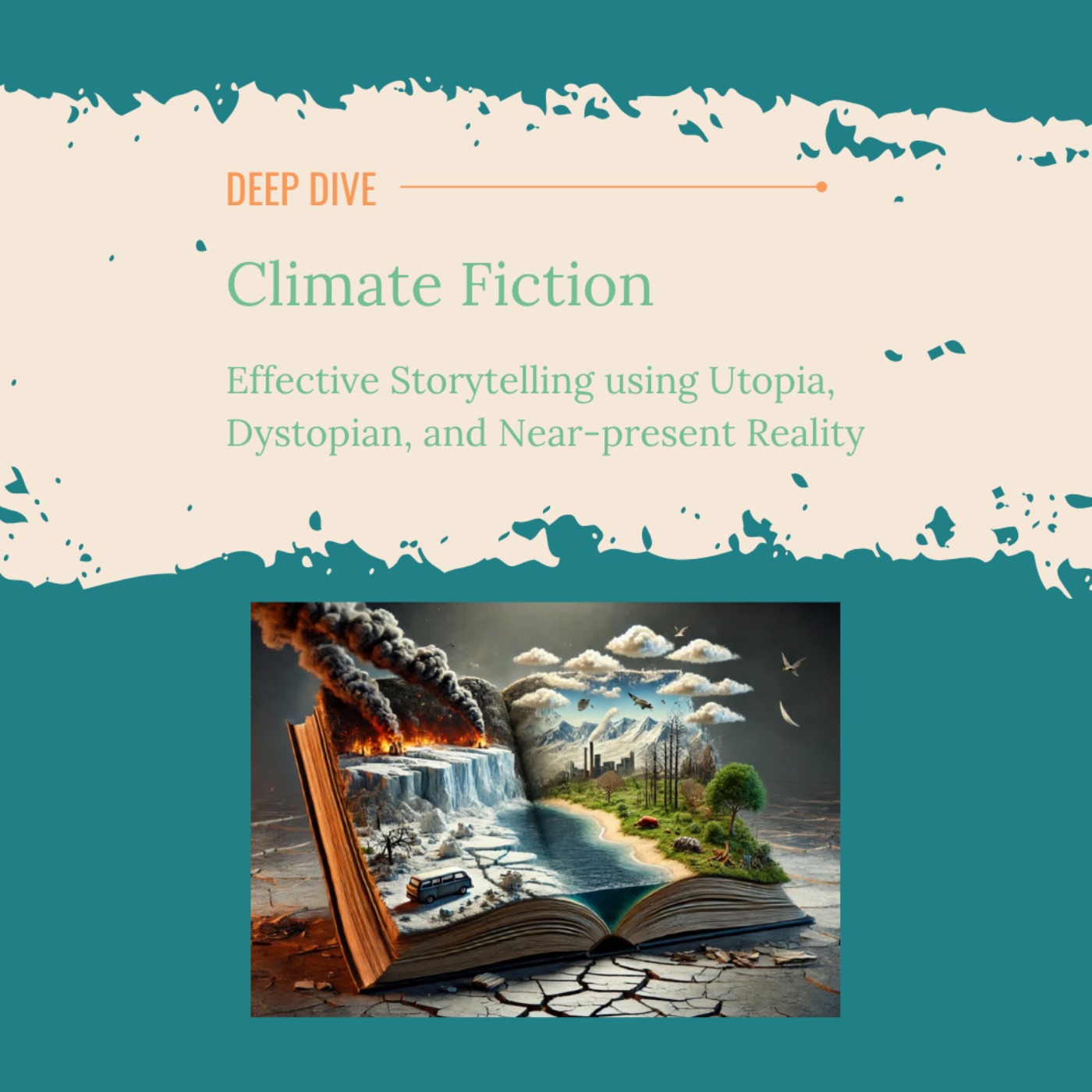
Climate Fiction: Effective Storytelling using Utopia, Dystopia, and Near-present "Reality"
Oct 2701:10:41Tap to summarizeI'm this long-form deep dive, Kim and Jamie explore Climates Fiction, or CliFi, through three different storytelling techniques: utopian futures, dystopian futures, and fictional stories closer to our present day reality.Featured writers include:Francesco Verso | Future Fiction editor and author of many climate fiction storiesVajra Chandrasekera | Author of The Saint of Bright Doors (2023) and Rakesfall (2024)Agustina Bazterrica | Author of Tender is the Flesh (2017) and The Unworthy (2023)Madeleine Watts | Author of The Inland Sea (2021) and Elegy, Southwest (2025)Olufunke Grace Bankole | Author of The Edge of Water (2025)Sarena Ulibarri | Author of Another Life (2025) and Steel Tree (2023) Susanna Kwan | Author of Awake in the Floating City (2025)Follow Climate Decoded on Instagram @climate_decoded and LinkedInLearn more on our Climate Decoded website: https://climatedecoded.com/Support the podcast by buying us a coffee at https://buymeacoffee.com/climatedecoded Hosted on Acast. See acast.com/privacy for more information.
Transcribe →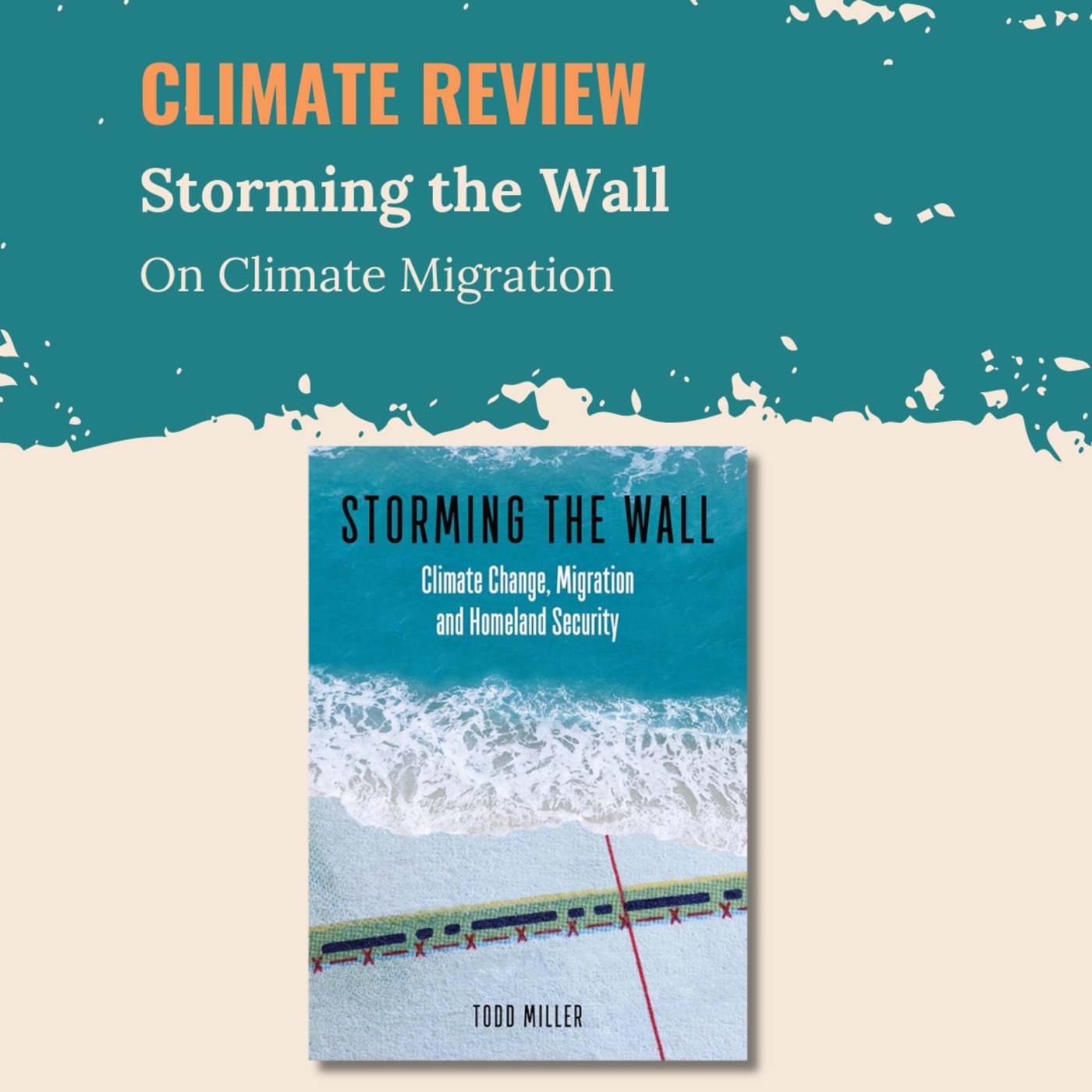
Storming the Wall: Todd Miller on Climate Migration
Jun 9, 202500:54:42Tap to summarizeJournalist and writer Todd Miller has researched and written about border issues for more than 15 years. He resides in Tucson, Arizona, but also has spent many years living and working in Oaxaca, Mexico. His work has appeared in the New York Times, TomDispatch, The Nation, San Francisco Chronicle, In These Times, Guernica, and Al Jazeera English, among other places. Todd has authored four books: Build Bridges, Not Walls: A Journey to a World Without Borders (City Lights, 2021) Empire of Borders: The Expansion of the U.S. Border Around the World (Verso, 2019), Storming the Wall: Climate Change, Migration, and Homeland Security (City Lights, 2017), and Border Patrol Nation: Dispatches from the Front Lines of Homeland Security (City Lights, 2014). In this chat, Jamie and Kim talk with Todd about "Storming the Wall," the economic and ethical costs of militarizing our border, and the language used in different migration spaces. Check out weekly updates from Todd at The Border Chronicle.Follow Climate Decoded on Instagram @climate_decoded and LinkedInRead the transcript and find resources mentioned in the episode at the Climate Decoded website: https://climatedecoded.com/Support the podcast by buying us a coffee at https://buymeacoffee.com/climatedecoded Hosted on Acast. See acast.com/privacy for more information.
Transcribe →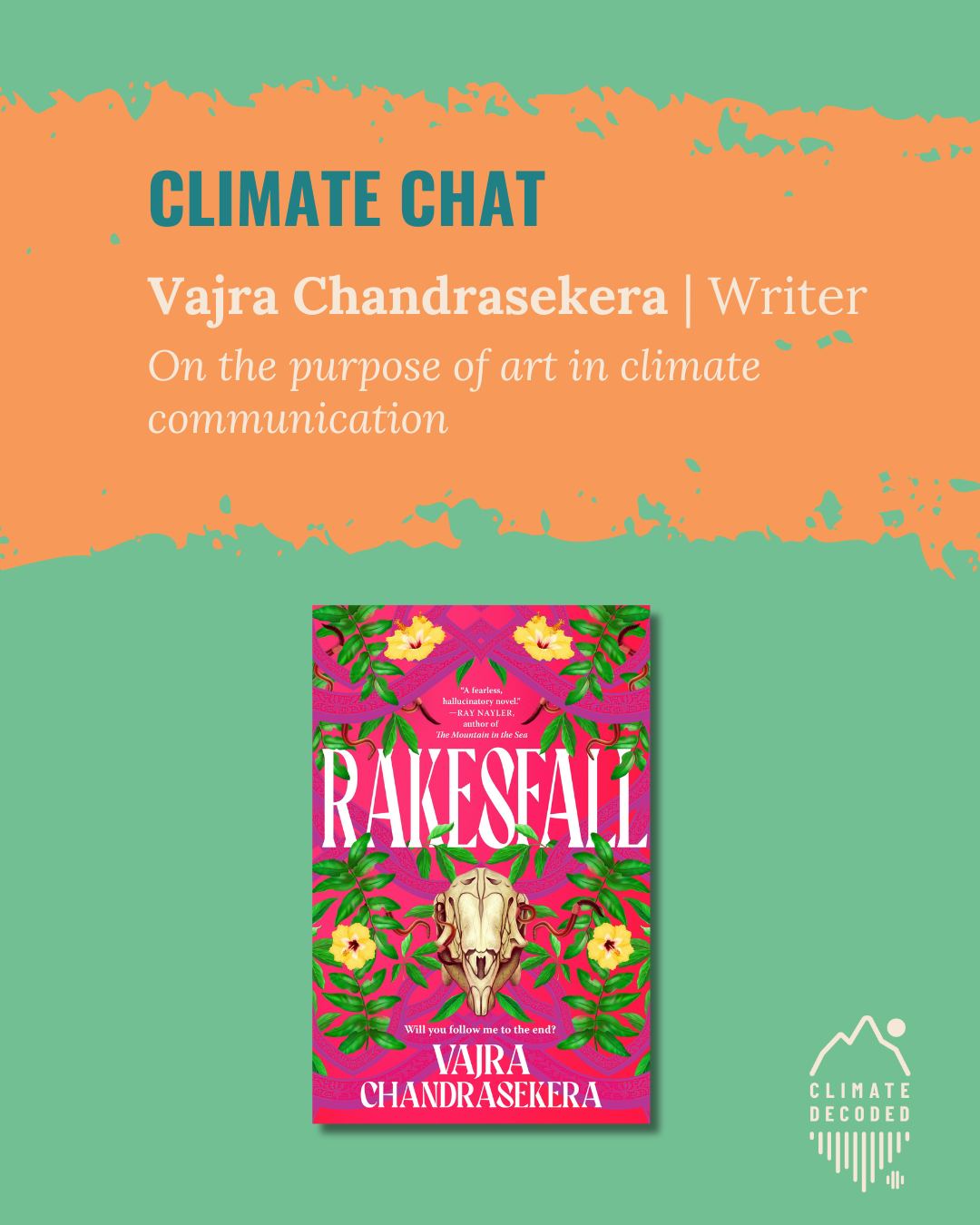
Interconnected through reading: The purpose of art in climate comms with Vajra Chandrasekera
Jun 2, 202500:20:57Tap to summarizeVajra Chandrasekera is a writer from Colombo, Sri Lanka. His debut novel The Saint of Bright Doors (2023) won Nebula, Ignyte, Crawford, and Locus awards, and was nominated for the Le Guin, Lammy, and Hugo, among others. His second novel Rakesfall (2024) won the Otherwise Award and is a Nebula and Locus award finalist, and was selected as one of the best books of the year by the New York Times, NPR, and Esquire. His short stories, poems, and articles have appeared in many publications including Clarkesworld, West Branch, and The Los Angeles Times. In this chat, Vajra discusses the value of art in exploring different aspects of humanity, climate fiction as a theme in writing alongside capitalism and empire, and the writing pleasure in subverting literary tropes.Follow Climate Decoded on Instagram @climate_decoded and LinkedInRead the transcript and find resources mentioned in the episode at the Climate Decoded website: https://climatedecoded.com/Support the podcast by buying us a coffee at https://buymeacoffee.com/climatedecoded Hosted on Acast. See acast.com/privacy for more information.
Transcribe →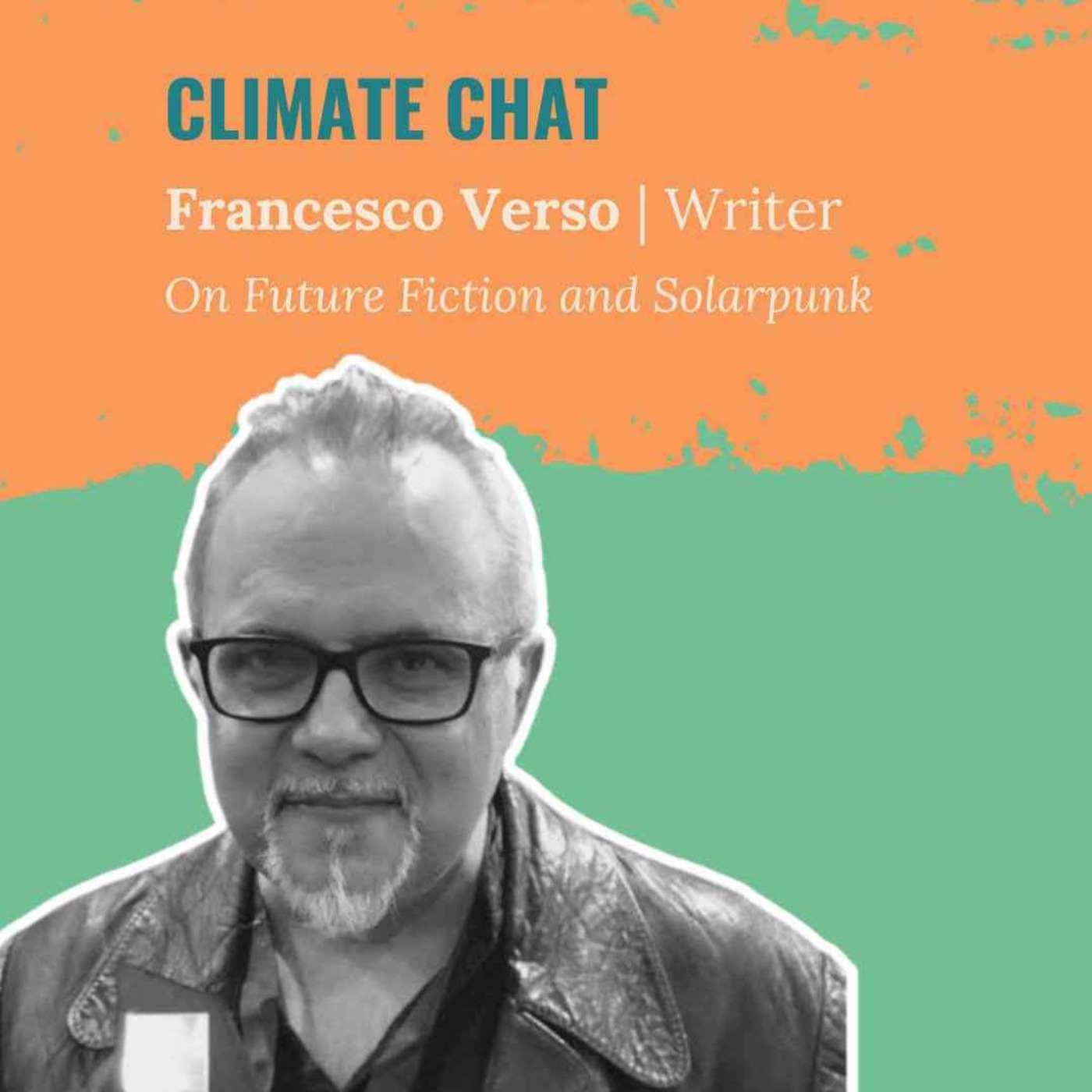
Future Fiction and Solarpunk: A Climate Chat with Francesco Verso
May 26, 202500:39:52Tap to summarizeFrancesco Verso is the most translated Italian Science Fiction author abroad of the last 20 years. He founded the publishing house Future Fiction with the mission of translating more climate fiction in different languages from around the world. Future Fiction anthologies have featured cli-fi works originally written in Chinese, Hindi, Urdu and more than a dozen others. In this climate chat, Francesco discusses the value in battling the monoculture and the importance of celebrating a diversity of perspectives, the Solarpunk movement, and utopian visions of our shared climate future.Follow Climate Decoded on Instagram @climate_decoded and LinkedInRead the transcript and find resources mentioned in the episode at the Climate Decoded website: https://climatedecoded.com/Support the podcast by buying us a coffee at https://buymeacoffee.com/climatedecoded Hosted on Acast. See acast.com/privacy for more information.
Transcribe →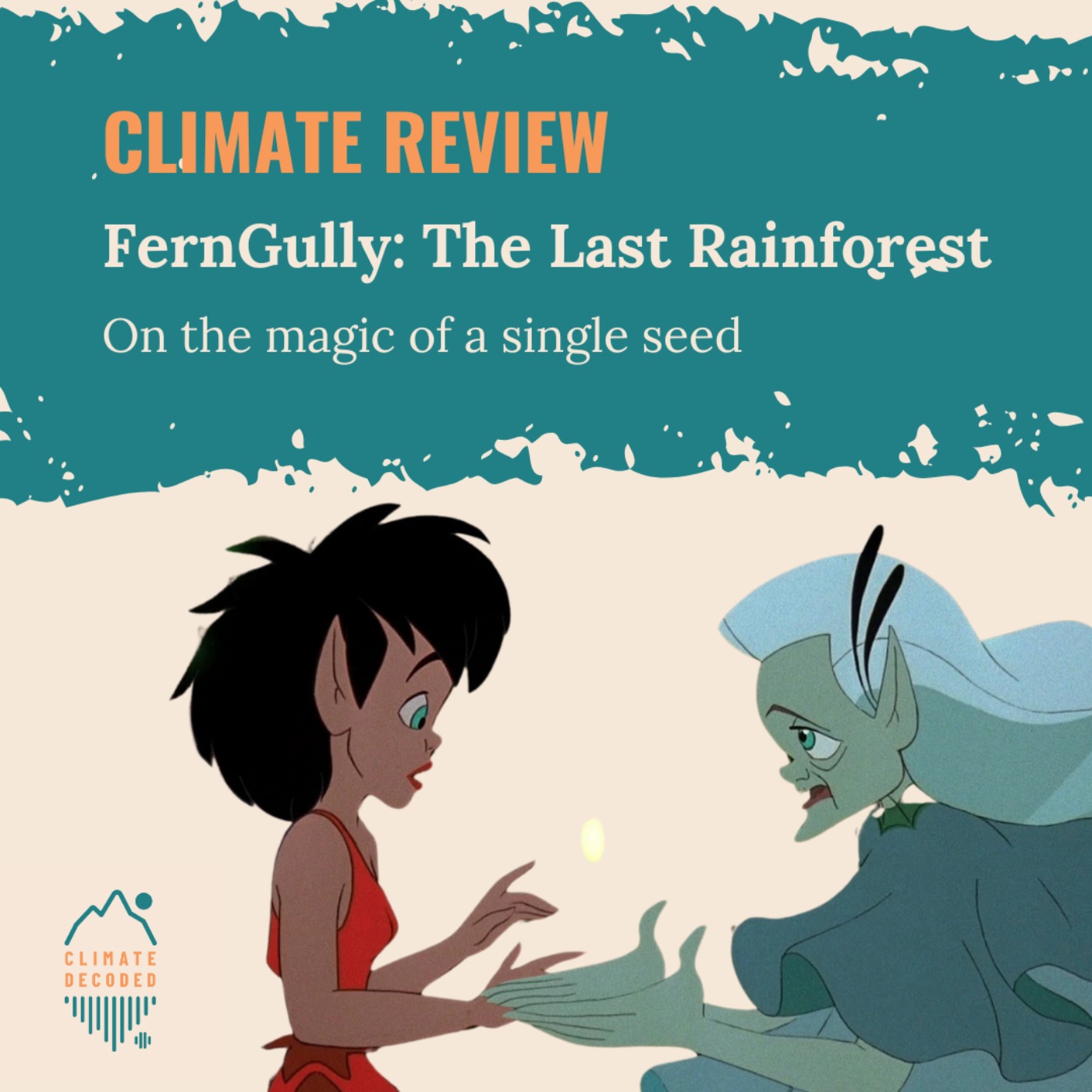
The Magic of a Single Seed: A Climate Review of FernGully
May 19, 202500:40:48Tap to summarizeFernGully: The Last Rainforest, is a 1992 animated fantasy film and part of the environmental film canon. The story takes place in the magical world of FernGully, where fairies and animals are guardians of the forest. Curious fairy Christer has accidentally shrunk a human logger, and is on a quest to protect the forest from a resurgent fossil fuel driven being called Hexus. Action aside, it’s also a banger musical! In this Climate Review episode, Kim and Izzie talk through the main plot beats. In between gusts of nostalgia, they discuss how FernGully lands today as a communication piece, their great love for Robin Williams, and what can be said of the film's theory of change. Does, indeed, the power to change does rest in the magic of a single seed?Follow Climate Decoded on Instagram @climate_decoded and LinkedInRead the transcript and find resources mentioned in the episode at the Climate Decoded website: https://climatedecoded.com/Support the podcast by buying us a coffee at https://buymeacoffee.com/climatedecoded Hosted on Acast. See acast.com/privacy for more information.
Transcribe →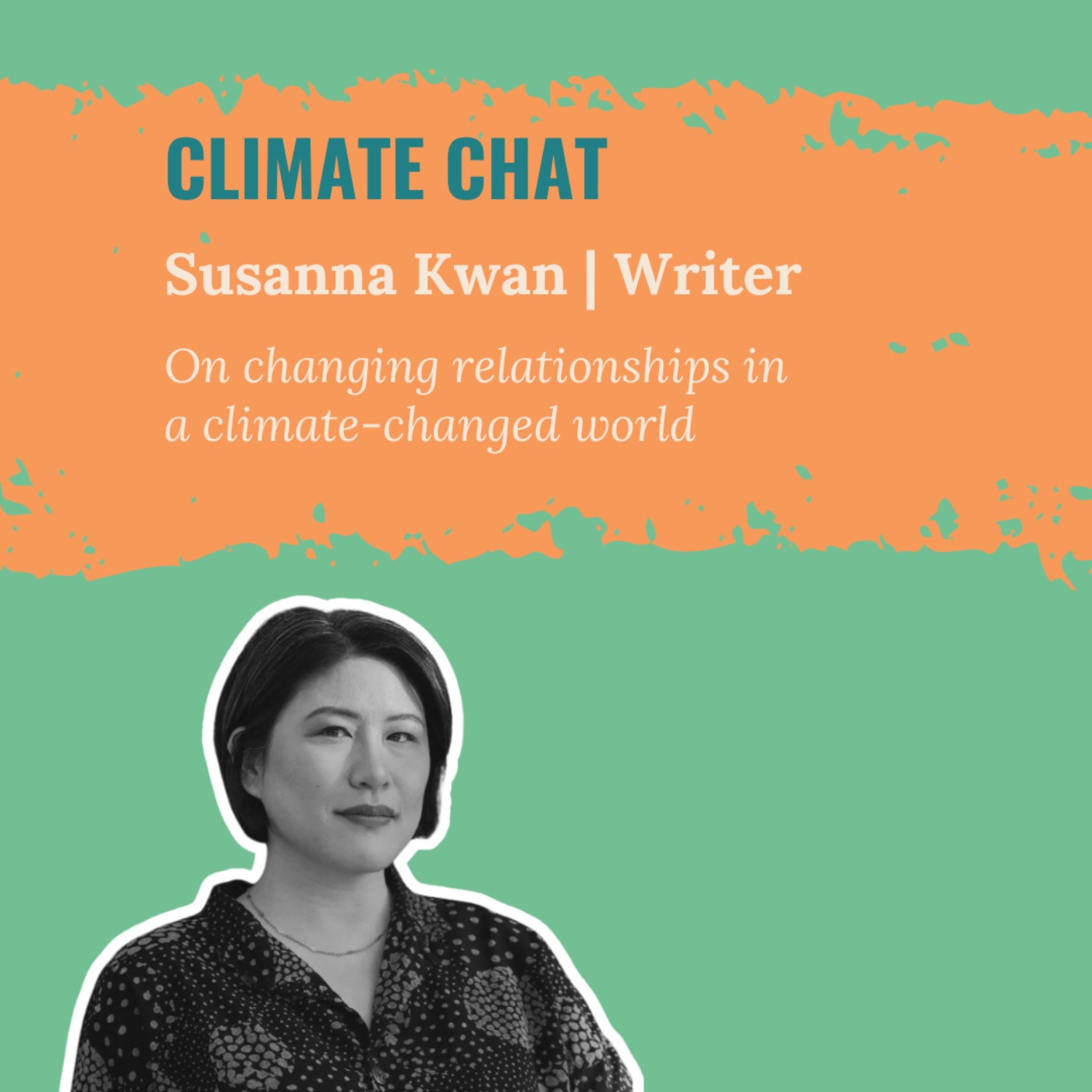
Changing Relationships in a Climate-changed World: A Climate Chat with Susanna Kwan
May 12, 202500:21:10Tap to summarizeSusanna Kwan is an artist and writer from San Francisco. Her work has been supported by fellowships from Kundiman, Storyknife, Oak Spring Garden Foundation, The Writers' Grotto, and Vanderbilt University. “Awake in the Floating City” is her first novel.Susanna and I met at her Richmond district home in San Francisco. In this chat, we talk about caregiving relationships in the face of disaster, the meaning of home and how that changes in the face of climate change, and immigrant stories in the Bay Area. “Awake in the Floating City” is out now.Follow Climate Decoded on Instagram @climate_decoded and LinkedInRead the transcript and find resources mentioned in the episode at the Climate Decoded website: https://climatedecoded.com/Support the podcast by buying us a coffee at https://buymeacoffee.com/climatedecoded Hosted on Acast. See acast.com/privacy for more information.
Transcribe →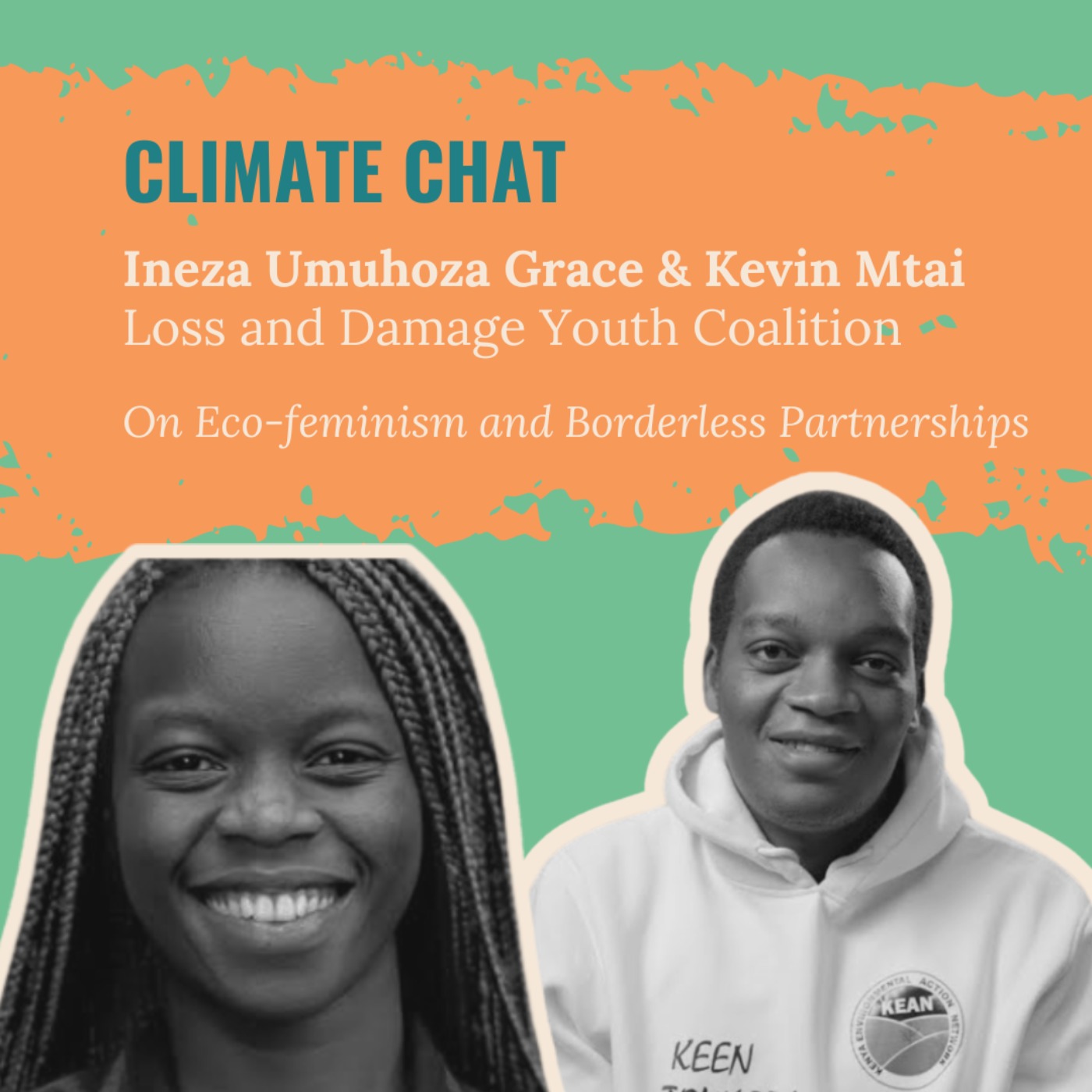
Youth Partnerships for Loss & Damage: A Climate Chat with Ineza Umuhoza Grace and Kevin Mtai
May 5, 202500:28:15Tap to summarizeIneza Umuhoza Grace and Kevin Mtai work together on the Loss and Damage Youth Coalition, an organisation that advocates for the establishment of new and adequate sources of finance to address loss and damage, the consequences of climate change that go beyond what people can adapt to. Ineza is an eco-feminist from Kigali, Rwanda, a NatGeo explorer, and was a Global Citizen Prize winner in 2023. Kevin is a Kenyan climate justice activist and co-founder of the Kenya Environmental Action Network. In this chat, we talk about how the Loss and Damage Youth Coalition began in the wake of COP25 in Madrid, Sustainable Development Goal (SDG) targets, communicating authentically across platforms, and financing solutions that benefit all instead of just a few.Follow Climate Decoded on Instagram @climate_decoded and LinkedInRead the transcript and find resources mentioned in the episode at the Climate Decoded website: https://climatedecoded.com/Support the podcast by buying us a coffee at https://buymeacoffee.com/climatedecoded Hosted on Acast. See acast.com/privacy for more information.
Transcribe →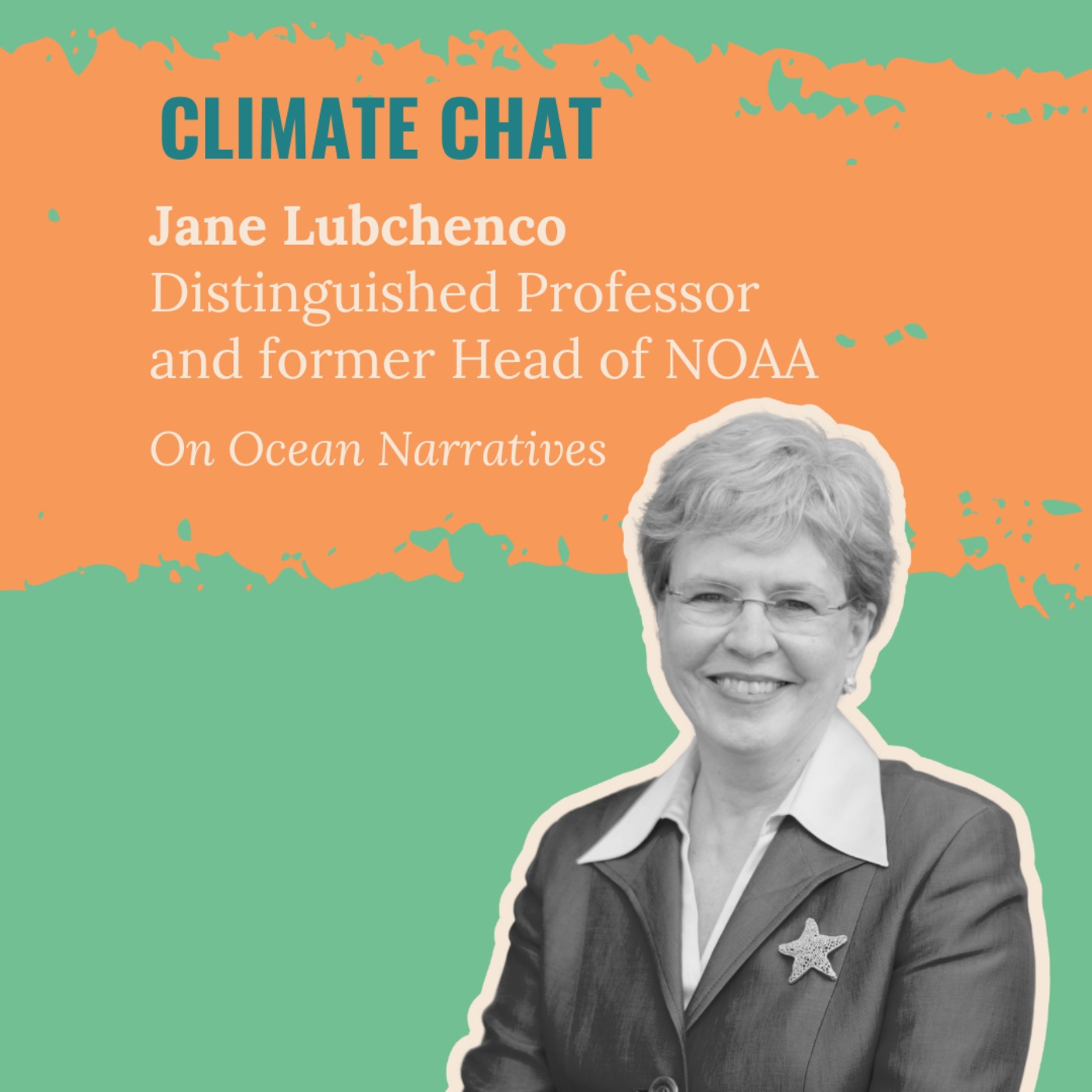
Ocean Narratives: A Climate Chat with Dr. Jane Lubchenco
Apr 28, 202500:27:11Tap to summarizeDr. Jane Lubchenco is an eminent environmental scientist and marine ecologist who was formerly the Administrator of NOAA, the U.S. National Oceanic and Atmospheric Administration. She is a Distinguished Professor and the Wayne and Gladys Valley Professor of Marine Biology at Oregon State University, and in 2021 was loaned to the White House to serve as Deputy Director for Climate and the Environment in the Office of Science and Technology Policy under the Biden administration. She previously co-founded three organizations that train scientists to be better communicators and engage more effectively with the public, policy makers, media and industry: COMPASS, the Leopold Leadership Program (now the Earth Leadership Program), and Climate Central. She believes we can harness science and creativity and work with nature to achieve a healthy and resilient oceans, productive landscapes, vibrant communities and people.This interview was done before Dr. Lubchenco gave a public talk at the Hatfield Marine Science Center in Newport, Oregon on April 16, 2025. We discuss a new narrative for thinking about the ocean - from “Too Big to Fail” to “Too Big to Fix” to “Too Central to Ignore." She also shares some reactions to the current administration in relation to NOAA. You can listen to the recording of her public talk at hmsc.oregonstate.edu.Follow Climate Decoded on Instagram @climate_decoded and LinkedInRead the transcript and find resources mentioned in the episode at the Climate Decoded website: https://climatedecoded.com/Support the podcast by buying us a coffee at https://buymeacoffee.com/climatedecoded Hosted on Acast. See acast.com/privacy for more information.
Transcribe →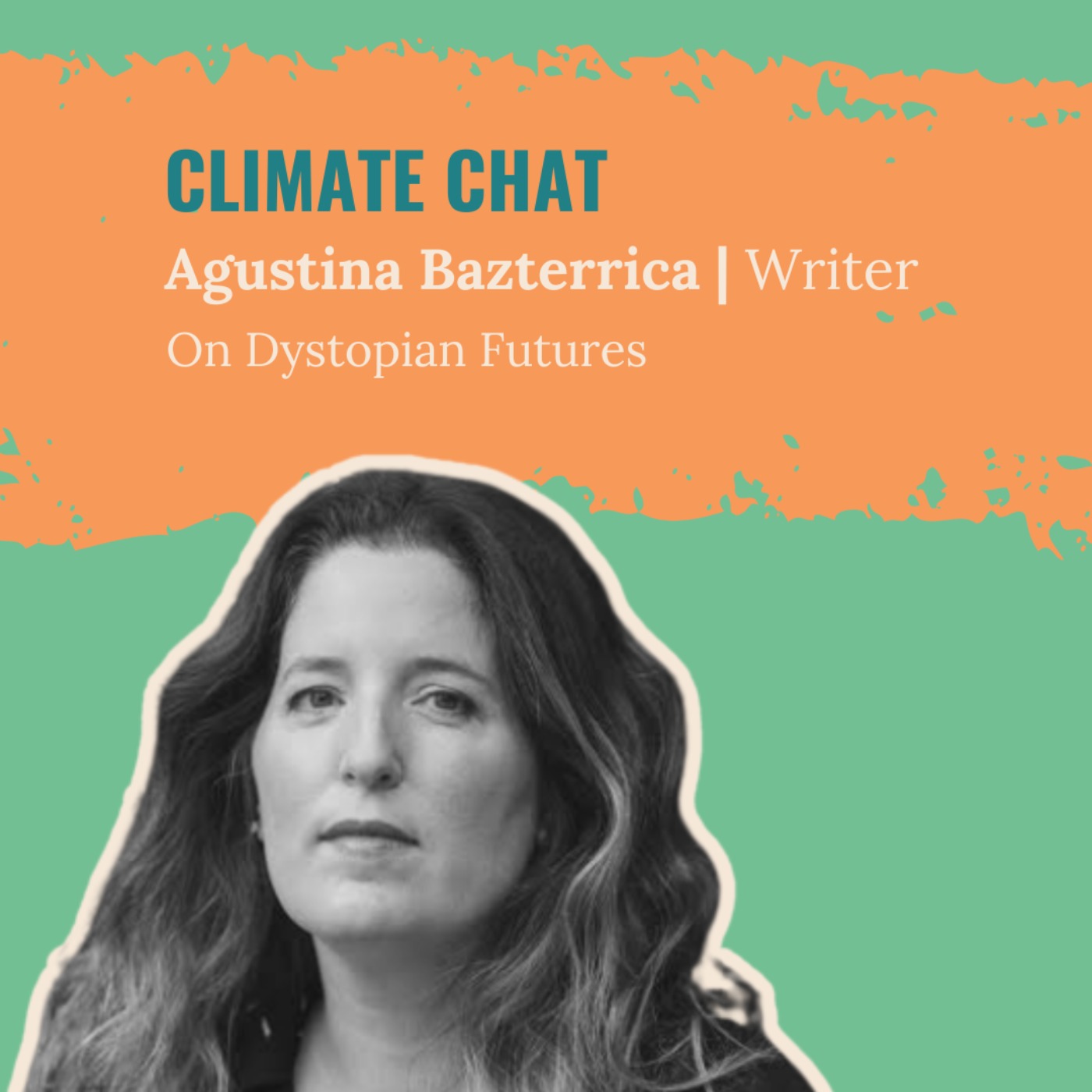
Dystopian Futures: A Climate Chat with Agustina Bazterrica, author of “The Unworthy”
Apr 21, 202500:20:19Tap to summarizeAgustina Bazterrica is an Argentine writer known for her work in the 'feminist horror' genre, particularly her 2017 dystopian novel 'Tender is the Flesh' about industrialized cannibalism. She is the recipient of multiple literary prizes and 'Tender is the Flesh' is now being adapted for the screen. Agustina's most recent novel is 'The Unworthy,' set in a post-apocolytpic world ravaged by the climate crisis, where young women in a convent must do terrible things to survive. In this chat, we talk about the importance of language as a political act, the creative process, and how some dystopian "futures" are happening right now. Follow Climate Decoded on Instagram @climate_decoded and LinkedInRead the transcript and find resources mentioned in the episode at the Climate Decoded website: https://climatedecoded.com/Support the podcast by buying us a coffee at https://buymeacoffee.com/climatedecoded Hosted on Acast. See acast.com/privacy for more information.
Transcribe →