Loading summary
Transcript46 lines
- [00:00]
Amanda Lee McCarty
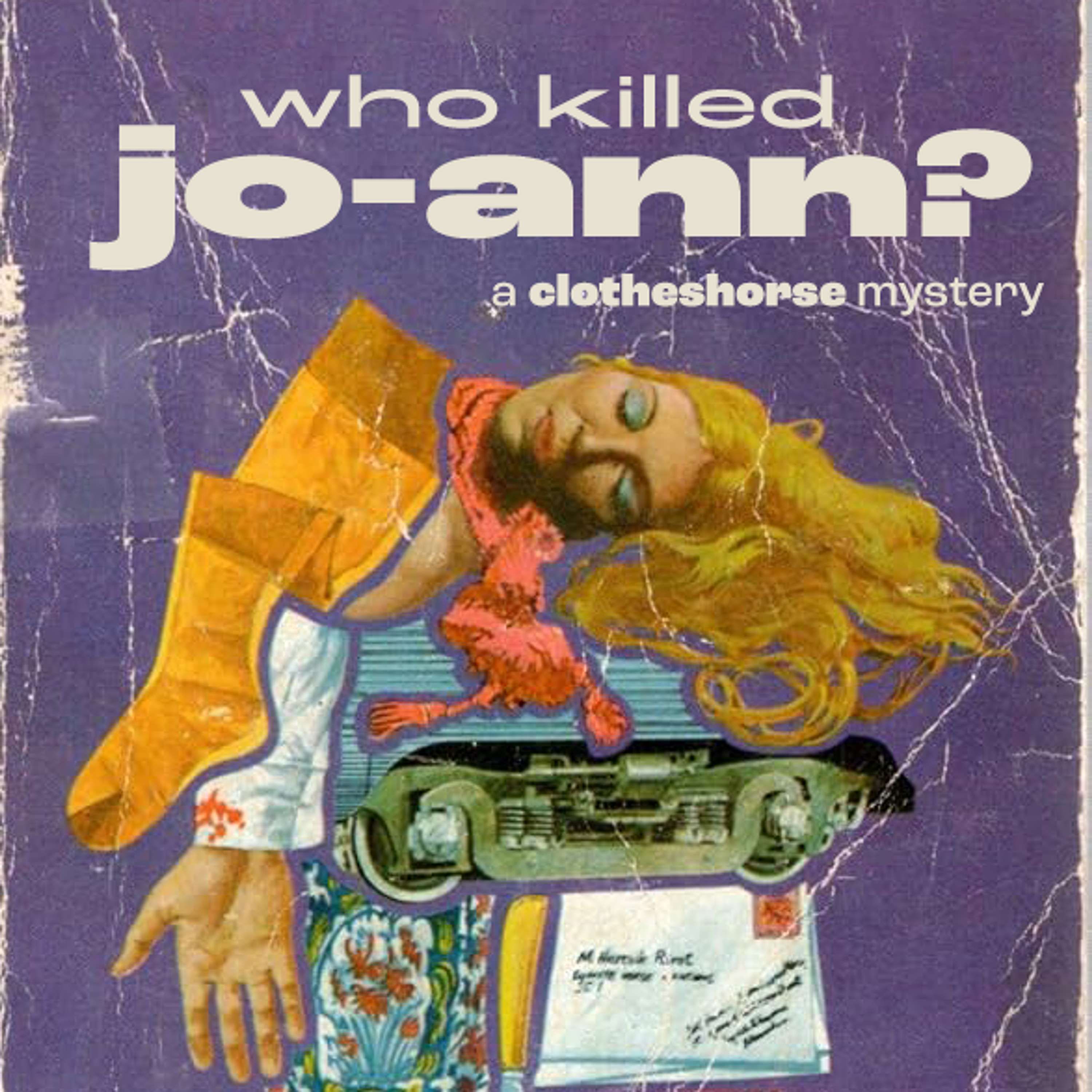
I'm ashamed to admit that posting on social media as clothes horse is way more stressful than you might imagine. Or at least way more stressful than I might have imagined back when I was just posting on my personal Instagram and whatnot and using it as a place to feel bad about the lack of success and money in my life. Or look at how happy my exes were. Or, you know, just post pictures of my cats. Yeah, it's stressful to post his clothes horse for years. I would just kind of like hold my breath for a minute as the post uploaded and I think I still kind of do that. You just never know how a post will work out. And it is not uncommon for Dustin to ask me what on Instagram upset you today. You know, because the thing about any post you put out there is maybe it'll flop, maybe no one will see it, and it will just be another futile use of my time and effort that is all part of being a so called content creator. Side note, I no longer consider myself a content creator because it implies a certain level of disposability for all of my work. So many thoughts there. So I am pretentiously now calling myself a writer, which, I mean, I do write a 20 to 40 page essay every week for an episode, so just let me have that. But anyway, maybe a post will flop. That's like the easy way out, except you're like, oh man, I'm bad at things. And that feels bad. Maybe just the right amount of people will show up and you'll have a nice time in the comments and then everyone will move on. Or maybe it will be super successful and lots of people will be engaged in commenting on it, which will then show it to more people. And when that happens, that's when we enter the danger zone of social media because inevitably anger starts to inch into the comment section. For every person who agrees with or at least appreciates what you said, there's another person who's ready to fight you over it. And don't get me started on the comment section on TikTok. I have very few followers over there, but oh my God, some of the most brutal comments I have ever received have happened there. I've been called scum and a piece of shit loser who makes piece of shit posts. And those are the nice things. There was a guy on TikTok like a year, a year and a half ago who was convinced that I secretly worked for Nike and was posting about Temu as a way of, I guess, getting people to buy Nike stuff. The irony of it all is, of course he could have looked at my profile and seen that two posts before I'd posted about Nike. Maybe that's where the seed was planted and he didn't actually read the post. I don't know. It was just so oddly specific that he thought I worked for Nike and he started messaging me on other platforms. I even sent him my LinkedIn profile and I was like, here's my resume, sir. As you can see, I do not work for Nike, nor have I ever. And they would definitely never hire me. And he still felt that it was some sort of complex like marketing psyop thing that Nike was doing to get me out there speaking out against TEMU and Shein and whatnot so people would buy Nike and eventually I just had to block him everywhere. The Internet is such a weird place, can we just say? Anyway, that said, sometimes you post about TEMU and you get accused of working for Nike and you never saw that coming. And there are other times, like I'm going to tell you, sometimes I know a post is going to get controversial. Like if I post about the ethics of reselling or vegan leather or please stop asking me to post about vegan leather. It is never worth the psychological repercussions. Other times I post something and I am super caught off guard because it feels super innocent and low key.
- [04:11]
Dustin
Maybe a little bit boring.
- [04:13]
Amanda Lee McCarty
Like who knew that Anthropologie Mega fans were so feral. But a few months ago I posted on threads and then shared that post on Instagram, something that I felt was generally innocuous and not really about sewing at all. Which is what it ended up being about. More just about how stupid a lot of these big box CEOs are. Because I've been following just about every Big Box subreddit for years now. Target, Michaels, T.J. maxx, Kroger, Joanne. Just a few of the long list of subreddits I follow. And they all share recurring understaffed stores, out of touch CEOs, too much of the wrong product and not enough of the stuff that customers actually want. I mean, seriously, it's so interesting how all of these stores ostensibly sell different things, but they make all the same mistakes. So when Joanne declared its final bankruptcy this year, I wasn't surprised. I had seen it coming for quite a while and I felt and still feel very strongly that it was avoidable. So I shared this post. I said I know everyone has a lot of feelings about the potential closure of Joann A browse through their glassdoor Reviews where employees review their experiences shows that retail workers were underpaid and overworked. The stores were wildly understaffed. A lot of other companies have chosen this approach to running their business, like Target. It's about time they start to go under from this stupid cruel strategy. Let this be the return of the local fabric store. I'm ready for it. Well, that was a big mistake. Or maybe it wasn't because it motivated me to create this episode, but oh my God. Over the next few days I was overwhelmed by a deluge of comments and DMs on both platforms. Because the loss of Joann was more than just a big store closing. It was the end for many sewists of having a local resource for notions and fabrics. And in many places joann is, or more like I guess was the only fabric store around and there was legitimate grief over its demise. I ended up blocking about 20 people whose grief and sadness and despair and all of those synonyms that I just redundantly listed it manifested itself as just complete rage towards me. And listen, I have tremendous respect and fear for the stoists out there. They can wither me with one comment or by sharing one of my posts and stories and adding this person is stupid. Yeah guys, I see that. I see when you share my posts and what you add. I once had an episode onboarding conversation with a sewist that was such a nightmare. Like this person hated me so much, I don't know why they were on this call with me that I cried afterwards. So to be honest, I tread very lightly with anything sewing related because it's not my area of expertise. I'm a very chaotic sewist and I say leave that stuff to the experts. But I was, I got to tell you, I was shocked by the outcome of this Joanne post and maybe that's because I was looking at it from the perspective of a business expert, not as a sewist. And while I don't think anyone should ever say some of the things that people were saying to me, I also get it in a weird way. No one thought that Joanne was great. No one was even surprised that it was going away. But the reality that there would be nowhere, anywhere close to get fabric and supplies was beyond upsetting. It was devastating. And listen, we all, everyone had just kind of gotten used to joann not being great, right? Often being out of what you needed, not having a great assortment of fabrics, always having way too much fleece, never being the perfect place. But it was a place and we just kind of thought at Least I thought, Joanne will just go on not being great forever because there's a captive audience, right? Many of us have nowhere else to go. And that was when I started to think what happened to Joanne? Because it seemed as if there was no reason for this business to go away, right? In many places, like I said, it was the only game in town. It had this captive audience. And for the past few years, sewing and mending have been on the rise like a whole new generation of sewists has been spawned over the past few years. And one thing I remembered from all of the reading I do regularly is that back in 2020, Joanne had had these, like, incredibly unexpected record sales. I knew that Joanne had gone public again, that supposedly the business was on an upswing. None of this made sense to me. Why was it gone now? So I set out to find who killed Joanne. And I'm going to tell you right now, it's a lot more complicated than you think. Welcome to Clothes Horse, the podcast that once lost a contact lens in a Joanne bathroom. And what makes that so memorable is I was. I don't want to say I was at joann on a date, but let's just say I was there with someone who I really had a massive, all consuming crush on and I was there to help them make a Halloween costume. And I went in the bathroom and my contact fell out and I couldn't find it and I had to spend the rest of the day being kind of squinty and, and disoriented and still trying to play it cool and be beguiling. Long story short, it didn't work out. The costume was great though. I'm your host, Amanda, and this is episode 234. About a week ago, I was in the midst of my Joanne research. Which man, there was so much to read. You can go so deep into this company because it has been around for a very long time, as we'll learn today. But at that point, like about a week ago, I was getting a good picture of who and what killed Joanne. So I asked on a few social media platforms, where do you think Joanne went wrong? And many people offered a lot of really good insights about the quality of the product offering. Too much decor. I agree. The wrong focus, understaffed stores. All things that I agree were major mistakes that did push Joanne to the point of no return for the business. And others showed up to say, private equity on one platform which shall remain nameless. It's not TikTok, but in my household, we do call it the place where People go to be their worst selves. The post picked up a lot of unwanted traction, and somebody literally said, imagine being so stupid that you don't know it's private equity. You should try reading something sometime. That person is blocked, but it would be great to sit that person down and be like, hey, jerk store. So. So one very experienced retail professional here. I want you to know that it's actually way more complicated than that. So maybe you should try reading more, because that's the thing in this situation. Private equity is part of the reason Joanne ultimately failed. But it's not the only reason. And I wouldn't even say it's the primary reason. It's a lot more complex than that. And even people who work in the financial space who are, like, professionals in the world of, like, sort of analyzing how all of these different financial entities and investment and private equity and whatnot, how all of that comes together to allow businesses to thrive or fail, even all of them who have a great understanding of private equity will tell you that in this situation, it wasn't really the full cause of Joanne's demise. And also, once again, not even the primary cause. There are 100% situations where private equity is a lot easier to blame. Red Lobster is a great example. And to be fair, there were many factors in Red Lobster's demise. Increases in the cost of food and labor, and the loss of literally $11 million on endless shrimp promotions. Yeah, I wish I was making that up. Can we just take a moment to talk about how much shrimp was eaten to make a company lose $11 million? It's unfathomable. It's like a whole ocean of shrimp. Right? So, yeah, there were these factors that were not great for Red Lobster, but the main thing that killed Red Lobster was something called asset stripping, which is a common tactic used in the world of private equity. I'm going to tell you right now, that did not happen with Joanne. We'll walk through that whole thing in this episode. I thought, before I explained to you how it was so much more obvious in the case of Red Lobster. Let's talk about what private equity is, because I think it's a term a lot of us have read online, but we may not know the full meaning. We just know it's kind of bad. Right? That's about it. Private equity firms are groups of investors who pool their capital to buy companies they believe they can improve and eventually sell for profit. Now, we'll stop here for a moment. What they think of as improve may not be what we think of as improve. But the goal 100% is to make money off of this. So they're going to figure out how to profit from buying these companies. And sometimes that might mean that they make the company more successful. In some situations, it may be like, huh, let's harvest this thing for parts, right? This pooled capital that is used to buy these companies is typically organized into what's called a private equity fund. And often, but not always, companies purchased by a private equity fund slash firm are going to be in trouble in one way or another. Now, it's interesting, we'll get to this later. In this episode. When Joanne was bought by private equity, it was actually doing better than it had in a long time, okay? But in most cases, it's a company is struggling. And when we talk about Red Lobster, that is going to 100% be the case. Sometimes these companies are just not profitable due to inefficiency or they might have a lot of debt, right? Maybe it's a brand that has potential due to its loyal customer base or longevity, and it's just like, not successful right now and it just needs, I don't know, someone else to manage it, right? Or let's just say brand low key is kind of fucked, right? How could this company be saved? Well, maybe a private equity firm would buy that company because it has a lot of valuable assets, like real estate that could be acquired and sold at a profit by the private equity firm. Once they own the company, the private equity firm works to increase its value. And this can involve changing leadership, streamlining operations, cutting costs, or identifying new growth opportunities. The goal, no matter what, is to give the initial investors in the fund a return on the investment. So the private equity firm wants to make money off of this deal. That's the goal, right? Either the firm will sort of harvest the company's valuable assets and sell them off at a profit, or it will rebuild the company to be more profitable in hopes of selling it off for more than they paid for it in the first place. Because that's the other thing. Private equity firms are not looking to own a company forever. The idea is make it more value, sell it off, make a profit. It's kind of like house flipping, but for companies. Now, one thing I do want to call out here is odds are very high that throughout this process, the private equity firm will charge the company it bought. I mean, it like technically owns it. This whole thing is so weird. It will charge that company that it owns fees for management and administration. So no matter what the company, the private equity firm is making money off of its acquisition. Even if the company itself is failing. It's hard not to imagine the private equity firm as a parasite in this situation. It's kind of like a tick, right? Just like sucking a little bit of blood every day. But. But in general, private equity firms, they're gonna make their money no matter what, right? One thing to call out here is that private equity is rarely looking to invest additional money into a company to make it better. Whatever better might mean in that situation, like, they don't want to spend money on hiring a lot of new people or renovating stores. They aren't in it for the long game. Like I said, they don't want to own this company forever. They want to see the return on their investment as fast as possible. So if a company needs just like a complete overhaul in terms of branding and product, they are probably not going to be willing to do that. And instead they're going to look for shortcuts to profitability, like making huge staff reductions or selling off divisions of the company. In most, but not all cases, when private equity buys a company, that company is struggling and will go out of business out an influx of cash. Private equity gets a good deal on the sale because they know the business is struggling. It's like, imagine that you find a pair of pants at a store, but the zipper is broken. You take it up to the cash register, and the store will usually give you a discount to buy those pants. And it's up to you to decide these pants are now inexpensive enough that it makes sense to pay someone to replace the zipper or take the time to do it myself, right? Or you might say, that's not enough of a discount. I don't want these pants. If private equity were buying these pants, it might say, hey, instead of repairing these pants with a new zipper, because that's going to cost a lot. Maybe the real value of these pants is the fabric, and we could sell that off to someone who wants to make a skirt, or they might say, we will replace the zipper. But to afford that without dipping into our own wallets, we're going to sell off the pocket to cover that. Basically, the goal of private equity is maximum profit with minimal investment of time and money. And we know if you've been listening to clothes horse long enough that when maximizing profits is the priority, ethics are often cast aside. We have seen private equity in places where it definitely should not be. Healthcare, libraries, schools. I mean, it makes sense that private equity is a nightmare scenario in anything involving human lives and Education. Because the goal of things like healthcare and education should not be maximum profitability. Meredith lynch has a great podcast where she explores the various ways private equity affects these industries. And her podcast is called Oddly Specific. You should check it out. I'll link to it in the show notes. But she's dissecting private equity every. Definitely. If you want to learn more, that's a great place to go. Okay, so now that I've explained how private equity works, remember I said Red Lobster is actually a really great example of a situation in which private equity was definitely a major cause of that company's demise? Okay, so, like I said, that in most cases, private equity buys companies that are already in Trouble. Well, in 2013, the owners of Red Lobster, who, by the way, not some, like, you know, group of fishermen who are out there catching the lobster every day or the other fish. It was actually a pretty large corporation called Darden Restaurants. I know if any of you thought Red Lobster was like, a local operation, I'm sorry. Well, Darden announced that they were hoping to sell off Red Lobster because the company was dealing with some major losses, specifically declining sales at their most successful chains. Because Darden Restaurants is all chains. Olive Garden and Red Lobster. And analysts believe that the company was going to be vulnerable to takeover if it didn't shed some of the brands. So Darden held onto Olive Garden and put Red Lobster on the market. And I don't know. This is just me personally. I don't really eat seafood, but I also can't eat most of the stuff on the menu at Olive Garden, you know, the Celiac. But I personally, in this situation, would have held onto Red Lobster just because of those Cheddar Bay biscuits, which, no, I should not be eating because they have gluten in them, but they're really delicious. Protect the Cheddar Bay biscuits.
- [21:49]
Justin Travis White
I had five last night. Me, I ate seven. I had to stop at four. How many crab legs did I eat? They were so good, I lost count. At Red Lobster for a little limited time, you get all the crab legs you can eat, plus coleslaw, hush puppies, and potato for only 4.99. She ate four.
- [22:07]
Amanda Lee McCarty
He ate five.
- [22:09]
Justin Travis White
Six. You may be surprised how many crab legs you eat. Red Lobster is where America goes for seafood.
- [22:18]
Amanda Lee McCarty
Okay, so let's talk about Red Lobster a little bit here. Like, what are we dealing with? We now know not a local family restaurant, not run by the local fishermen. The first Red Lobster restaurant was opened in 1968 by Bill Darden and Charlie Woodsby. And less Restaurateurs, more just entrepreneurs. Red Lobster pretty fast expanded to five locations, and it was bought by General Mills, the cereal company, right in 1975. And in the 90s, General Mills spun Darden Restaurants off into its own subsidiary. And let me tell you, Darden seems to own most of the big chain restaurants, including, of course, Olive Garden, Longhorn Steakhouse, the Capital Grill, Yard House, Bahama Breeze, seasons 52, and Cheddar's Scratch Kitchen, which, by the way, a friend of mine from high school posts about going to Cheddar's all the time, and I've never been there, but she has me sold because they have some sort of baked potato soup. That sounds amazing. In 2024, Darden bought beloved Austin, Tex. Mex chain Chewy's, which makes me so sad because Chewy's before that purchase, so delicious. So basically, what we're talking about here is a big case of big restaurant, right? Like, they just own these massive chains that, you know, are in strip malls and mall parking lots all around the United States. In 2013, Darden is like, all right, we're going to put Red Lobster on the market. We're going to cut off one of these kind of like, declining chains that we own so that we can look better, our balance sheet can look better, our business can look better and healthier and let Red Lobster be someone else's problem. So in 2014, a private equity firm called Golden Gate Capital bought Red Lobster. And to be honest, Golden Gate has a history of buying very troubled companies from Mall Brand Express, which is still hanging on somehow, but is no longer owned by Golden Gate. Could be one of the reasons it's still around. California Pizza Kitchen. Apparently, Golden Gate lost its entire investment on that one. Pacsun still lingering around, too. And the nation's largest chain of childcare providers, the learning experience. This sounds scary to me. Red Lobster was in trouble for a lot of reasons, even before private equity bought it. Sales, like I said, had been down for years and, like Darden, blamed the economy. But to be honest, all chain restaurants had been experiencing a downturn at that point. And low key still are, because millennials just aren't into them. The number of think pieces about millennials killing Applebee's, millennials killing Hooters. I'm sure someone out there said millennials killed Red Lobster. And I will say back in about, let's say, 2017, maybe 2018, Dustin and I were living in Portland, Oregon, and we were out in Beaverton running some errands. We went to Joann Fabric that Day, actually, we went to a thrift store. We went to the Japanese grocery store out there. We were doing all kinds of stuff, and it was a Super Bowl Sunday, and we thought it would be really hilarious to go to Red Lobster because we passed one and we were both starving. And we were like, wow, we haven't been there since we were kids. Let's. And what really struck me about that Red Lobster experience was that location had been redecorated to keep up with the times. It had a little bit of that, like, magnolia modern farmhouse kind of vibe, which is interesting in a seafood restaurant. But even weirder to me, or I don't know, explains to me at least why Red Lobster was in decline, is that the menu really hadn't changed for the times. It didn't really reflect what people want to eat right now. Like, there weren't any vegetarian options. There weren't really a lot of, like, plant forward options in general, just like vegetables and whole grains and things like that. And I would argue, I get it, it's a seafood restaurant, but people eat differently now too. And so maybe they do want all. You can eat shrimp, but maybe they also want some Brussels sprouts with that or some sort of salad platter. Or even the appetizers just felt like they were right out of the 80s. And what struck me at Red Lobster, and I don't even think I knew that the business was struggling at that. What struck me, it was like, wow, I feel like I'm in a food time capsule right now. Like, the side dish, literally is that California blend of cauliflower and carrots that was so popular in the 90s. It was just very strange to me. It felt as if the company was more obsessed with the cosmetics of the restaurant than the actual food that they were serving. And whether you like it or not, there are food trends. We've lived through so many of them. There are some happening right now. And sometimes you go into a restaurant and you're like, wow, there's not even one avocado on this menu. This is a restaurant that is behind the food trend. Right? It's just things like that. Avocado might not be the best example, but it is one of those ingredients that has sort of permeated every menu because it's like, oh, people like avocados now. We better get those in here. Anyway, that was my experience at Red Lobster that, like, I, as a merchant, a person who has spent my whole career anticipating trends, listening to customers, planning our future product assortment off of what I observed around Me, and what I had seen in data going to Red Lobster, I could say, like, wow, this company is not doing that. They're not seeing what people are into right now. So here we are. Red Lobster is in trouble. Millennials don't want to eat there, et cetera. I really, at this point, when Golden Gate bought Red Lobster, I really doubt that they thought that they could fix it because it was going to be expensive and most likely not successful. Because how do you. In an era when people are kind of anti chain restaurant, how do you make them into chain restaurants? Right? Like, too much of an undertaking, even. I, like, I don't even know where to begin with that. Right. So when Golden Gate Capital bought Red Lobster, 500 of its locations were actually on land owned by Red Lobster, in buildings built and owned by Red Lobster. So Golden Gate bought red lobster for $2.1 billion. And obviously it wanted a return on that money ASAP, because that is how private equity works. So it bought this company. Now, it knew about all these real estate assets. I'm sure it also knew. They spoke to experts, I have no doubt, who were kind of like, I don't know if Red Lobster is really savable, right? But, man, does it have a lot of real estate. So here is what Goldengate did. It sold off all the real estate occupied by those stores, by those 500 locations for $1.5 billion. That money did not go to Red Lobster. It went to Golden Gate Capital. Now, every Red Lobster location was on land and in buildings owned by someone else. So Red Lobster was paying rent on those locations when it had not been before. And that rent was $200 million a year, approximately 10% of Red Lobster's total revenue. And the math, which was barely mathing before, wasn't mathing at all. Now, across the financial media landscape, there seems to be a consensus that private equity did kill Red Lobster. But at the same time, private equity may have just greatly sped up the process of Red Lobster's demise. And as I said, it's fair, because it's hard to imagine how someone saves Red Lobster. Like, what does a more relevant, successful Red Lobster look like? If less people prefer chain restaurants and maybe have higher expectations about where they eat and what they eat, how does Red Lobster keep up? Oh, and also, Red Lobster is still around as of today, now owned by a new private equity firm. And I would just say here, we know now the real estate has been sold off. We know now that Red Lobster cannot make money the way it operates right now. I think this new private equity firm's goal is to sell off the intellectual property of Red Lobster, including the brand name for things like Cheddar Bay Biscuits. And so what we could really see is Red Lobster packaged foods in the grocery store, Red Lobster seasoning, Red Lobster baking mixes, perhaps Red Lobster cookbooks and Red Lobster socks and other Red Lobster merch. I don't know. What about a Red Lobster air freshener? What does it smell like? You tell me. Is it Old Bay? I don't know. The point is this is generally what happens in this progression when the business is already kind of failing and there aren't many assets left. The main asset is the brand itself, so it'll be interesting to see how that unfolds.
- [32:01]
Dustin
Let's take a moment to thank some of the incredible small businesses who keep Clotheshorse going via their generous Patreon support.
- [32:08]
Amanda Lee McCarty
Spokes and Stitches is a size inclusive.
- [32:10]
Dustin
Pattern making and sewing studio based in Philadelphia, Pennsylvania.
- [32:14]
Amanda Lee McCarty
Pattern maker Ruby Gertz teaches workshops for hobbyists and aspiring designers so that anyone can learn the foundational skills of designing and making their own clothes. If you're looking to expand your design skills beyond following store bought patterns, check out Ruby's flagship Sloper Workshop, an in person two day pattern making retreat where you will learn how to drape a set of basic block patterns and that.
- [32:37]
Dustin
Capture your unique shape and proportions.
- [32:40]
Amanda Lee McCarty
You can use these basic block or slipper patterns as a foundation for infinite styles of garments that are custom made to your body's one of a kind contours. No more full bust, flat seat or sway back adjustments. Start with a foundation that fits. Ruby also provides professional services such as pattern digitization, size charts, pattern making and grading services for indie slow fashion brands that want to prioritize inclusive sizing. You can find Ruby on Instagram at Spokesandstitches and get in touch with her for professional services@www.spokesandstitches.com.
- [33:17]
Dustin
Selena Sanders a social impact brand that specializes in upcycle clothing using only reclaimed, vintage or thrifted materials from tea towels, linens, blankets and quilts. Sustainably crafted in Los Angeles, each piece is designed to last in one's closet for generations to come. Maximum style Minimal carbon footprint. Shift clothing out of beautiful Astoria, Oregon with a focus on natural fibers, simple hard working designs and putting fat people first. Discover more@shiftwheeler.com late to the party creating one of a kind statement clothing from vintage salvaged and thrifted textiles they hope to tap into the dreamy memories we all hold. Floral curtains, a childhood dress, the wallpaper in your best friend's rec room, all while creating modern, sustainable garments that you'll love wearing and have for years to come. Late to the Party is passionate about celebrating and preserving textiles, the memories they hold and the stories they have yet to tell. Check them out on Instagram 8 to the party people vino vintage based just outside of LA, we love the hunt of shopping secondhand because you never know what you might find. Catch us at flea markets around Southern Californ by following us on Instagram Vino Vintage so you don't miss our next event. Dylan Paige is an online clothing and lifestyle brand based out of St. Louis, Missouri. Our products are chosen with intention for the conscious community. Everything we carry is animal friendly, ethically made, sustainably sourced and cruelty free. Dylan Paige is for those who never stop questioning where something comes from. We know that personal experience dictates what's sustainable for you and we are here to help guide and support you to make choices that fit your needs. Check us out@dylanpage.com and find us on Instagram ylanpage life and style Salt Hats Purveyors of truly sustainable hats hand blocked, sewn and embellished in Detroit, Michigan. Find us on Instagram Salt Hats Gentle Vibes Vintage we are purveyors of polyester and psychedelic relics. We encourage experimentation and play not only in your wardrobe but in your home too.
- [35:38]
Amanda Lee McCarty
We have thousands of killer vintage pieces.
- [35:41]
Dustin
Ready for their next adventure. See them all on Instagram entlevibesvintage Thumbprint is Detroit's only fair trade marketplace. Located in the historic Eastern Market. Our small business specializes in products handmade by empowered women in South Africa making a living wage creating things they love like hand painted candles and ceramics. We also carry a curated assortment of sustainable and natural locally made goods. Thumbprint is a great gift destination for both the special people in your life and for yourself. Browse our online store@thumbprintdetroit.com and find us on Instagram thumbprintdetroit Vagavan Vintage DTLV is a vintage clothing, accessories and decor reselling business based in downtown Las Vegas, Nevada. Not only do we sell in Las Vegas, but we're also located throughout resale markets in San Francisco as well as at a curated boutique called Lux and Ivy located in Indianapolis, Indiana. Jessica, the founder and owner of Vagabond Vintage DTLV recently opened the first IRL location located in the Arts District of downtown Las Vegas on August 5th. The shop has a strong emphasis on 60s and 70s garments, single stitch tees and dreamy loungewear Follow them on Instagram vagabondvintagedtlv and keep an eye out for their website. Coming fall of 2022.
- [37:15]
Amanda Lee McCarty
The connection between private equity and the bankruptcy of Red Lobster is pretty obvious with Joanne. It's a little bit more complex while simultaneously not so different from Red Lobster. We're going to see similarities here. We're also going to see a lot of differences, and I think the best way for us to understand this all is to just walk our way through the history of joann and how it fit or did not fit into huge social and economic changes over the decades. In 2003, Joann celebrated 60 years of business with special shirts for its employees and a super special anniversary magazine that was available in stores. And no, strangely enough, it was not free. Which, I'm sorry, this feels like a misstep already. And while I don't have that magazine in hand, I'm lucky that the Internet still exists and parts of this magazine are still available online. And a story from this magazine called 60 Years of Serving Creativity by Marsha McGregor gives you a good view of the history of the company, while also because remember, this was in a magazine that the brand itself was selling. It also omits some key things like the time it was accused of committing securities fraud in the mid-90s, which we'll also get to. But the story itself is super gloppy and sappy, as one might expect it to be. I mean, this person was paid, maybe even was a Joanne employee, paid to write this article for a magazine magazine celebrating joanne that is sold in joanne. We're not going to get the most unbiased journalism here, but I still think there are some really important parts of that article that actually get us started on our journey to understanding what happened to Joanne. The whole article begins with a little vignette that I'm going to read to you word for word right now. Are you ready? A young boy busies himself straightening the shelves of notions in his family's shop. It is Saturday and the store is humming with its familiar sounds. Customers chatting while they thumb through patterns, scissors cutting fabric from broad, colorful bolts, children tugging on their mother's sleeves, asking for a drink of water. Feeling a familiar tap on his shoulder, the boy turns a dollar bill and a handwritten note are pressed into his hand. The note bears a cryptic message that he quickly decodes. Butterick 55 62, size 12. He understands his mission and instantly darts out of the store. A customer has requested a pattern and his grandmother has learned that she does not have it in stock. So she has quietly dispatched him to buy the pattern her customer seeks from the five and dime across the way. He returns, quickly, transferring the package to his grandmother's hand. There is a brief, unspoken exchange of COVID victory between the two of them. She will make no money on that sale today, but she has kept a customer happy. Instinctively, she knows this decision is sound business as surely as she knows cotton from silk. The boy, watching the customer smile as she thanks his grandmother and pays for the pattern, listens and learns. He has witnessed again what lies at the core of his family's business ethic. And it will stay with him always. So the moral of this little story is that, well, that little boy's grandma, Hilda Reich, one of the founders of joann, knew that the most essential part of a successful business was making the customer happy. Now, I've worked many places where executives would repeat over and over in, like all hands meetings and business meetings, we're obsessed with our customer. She's our muse, et cetera. But then in the way we ran our business and the kinds of products we offered, we. We didn't really reflect this obsession. None of the decisions did. However, this is advice I give my clients all the time. A successful business with longevity must listen to its customers. Both the things the customer says explicitly in product reviews and in store, and via her behavior. What does she want? When does she want it? Where does she live? How do we meet her, where she is? That means changing as she changes. As we walk through the history of Joanne, we will see times when the business did adapt to changing times, trying to follow its customers. And we will also see when and where the company did not prioritize its customer and the ever changing world she lived in. Remember when I said that private equity was part of the demise of Joanne, but not the whole story? You'll start to see evidence of other bad decisions the company made as we move through its history. Now, that little boy in that story is Alan Roskam, the CEO of Joann from 1985 until 2006. And he is responsible for moving Joanne into larger stores and strip malls. He's also responsible for overseeing the company while it was doing some really dumb shit. And. And to be honest, by the time he stepped down as CEO, Joanne was on the verge of bankruptcy. Things were very bad. There were good times, there were bad times. I'm sure he learned a lot of stuff along the way. The story of Joanne begins in the early 1940s in Cleveland, Ohio. And it's such a quintessentially American dream kind of tale. German immigrants Hilda and Bertold Reich were running a cheese and gourmet food shop, which sounds amazing and I wish I were there right now. Sigmund and Matilda Rohrbach, who were also German immigrants, said, hey, I see, you're selling cheese, you're selling food. We have an idea. Why don't you also sell fabric? I'd say this a lot of like, what? It was a different time, okay? And Hilda and Berthold were like, yeah, like, let's give it a try. And so they put some fabrics in there and people were buying them. And then soon they moved the fabric fabrics to the front of the store and that was going even better. So they moved the food shop to another location and made this whole shop just a fabric store. And they called it Cleveland Fabric Shop. And that happened in 1943. Cleveland, as in Cleveland, Ohio, which is where they were. I know, wild name choice, right? This store was primarily run by Hilda and the Rohrbach's daughter, Alma Zimmerman. A second store was opened in 1948. Betty Reich, another daughter, and her husband, Martin Rosscam, would deliver new bolts of fabric to the store every Saturday. So we see that it's a real family run business with Hilda still leading it. And as the business grew, Martin would actually serve as CEO for years. By 1963, there were 18 Cleveland fabric shops in Ohio. And the families, the Reichs and the Rohrabachs, saw real potential to expand outside of Ohio. And a new name would make that easier. So they rebranded the business and the stores as Joanne Fabrics with a hyphen. The name combined the names of Alma and Betty's daughters, Joan and Jacqueline Ann. As the business grew and grew, it remained fueled by the family. Hilda lived to be 87, and she worked in the stores until five days before she died. Alma and Betty worked for the company well into this century. And wow, did Joanne grow. By the late 60s, the company had 169 stores in 28 states. It changed its name to Fabry Centers of America, and it became publicly traded in 1969. In the 70s and 80s, the company leaned into an emerging trend, shopping malls. And it began opening 4,000 square foot stores and shopping malls around the United States. To give you some context in terms of size, because when people say square foot to me, I'm like, I. I don't know, what does that mean? Right? The average Gap store. And I said Gap, because I think many of you have encountered a Gap at some point in the mall, at least walked by it. The Average Gap store is about 6,500 square feet. So the Joann stores of this era would be smaller and significantly, this is an understatement, significantly smaller than the superstores that would begin to emerge in the 1990s. By 1980, the company had opened it its 500th store in the midst of all this growth, and trust me, there is much more to come. The company was working its way through some major social changes. In the 1940s and 50s, women were sewing clothing for themselves and their families out of necessity. It was easy to sell fabric and patterns. You barely had to try at it, right? But in the 1960s, there's a new competitor on the horizon, and that is mass produced clothing. And it was becoming more readily available. So the company pivoted to marketing the very true idea that making your own clothing was the way to ensure you had something unique that fit you perfectly. I also will just say, through the 60s and 70s, while we are seeing a rise of mass produced clothing, and certainly, you know, we see magazines and other media really pushing this idea of mass produced clothing, perhaps even being superior to homemade clothing, still in the 60s and 70s, from a financial perspective, it was less expensive to make your own clothing. And slowly over time through the 80s and 90s, that shifts, right? And for a while it's about the same price. But of course there's the price of effort and time, right? So that makes sewing your own clothing a little less desirable. But by the time we get to this century, especially with the rise of fast fashion, you know, clothing production being over outsourced to overseas, where it is so much less expensive to make clothing, we start to see this huge gap where now sewing clothing is significantly more expensive than the clothes you can buy in your average store. Now, you and I know that there are a lot of reasons for that. That's what Clothes Horse talks about all the time. And the other thing I just want to call out here is that of course now, and people tell me this all the time, like, I don't know, it is way cheaper to go out and buy clothes than sew them. Technically, yes, but what kind of quality are you getting in those clothes, right? What is the longevity of those clothes? And so in theory, if you're using nice fabric and you're doing a great job of sewing, anything you make at home is going to last far longer than anything you buy pre made. And in that situation, probably you are saving money by sewing your clothes. But it's like a longer game, right? So, so that is, I'm going to tell you. Another nail in the coffin of Joanne, perhaps, is that over time, people are just like, why would I sew my own clothes? It's more work and it costs more money. In the 60s and the 70s, we are not there yet. And another thing that was like a sort of a boost for the sewing industry is that the sewing machine industry, specifically Singer, was marketing to a new group of customers, teenage girls and young women, telling them that by sewing their own clothing, they could afford to stay on top of trends. Furthermore, most public schools at this point were including sewing as part of their mandatory home economics curriculum, creating an entire generation, baby boomers, who knew at least a little something about sewing. And to even further grow this market of home sewers, joann began to offer more fabrics that were easier to sew. So great for beginners or people who are just really nervous or maybe didn't have the full skill set to sew with the really difficult fabrics. So they started selling things like double knits and polyester, which were a little bit more forgiving. And this just grows their business even more because more people are sewing and it makes sense for them to sew. And once again, joann isn't having to do a lot of pivoting to sell fabric and patterns. They just need to be in more locations, right? So their focus really is expansion, not even necessarily new customer acquisition at this point, because customers are just showing up. They're like, waiting for the store to open. And in the 1970s, as the United States was struggling with inflation and a poor economy, many families found themselves relying on sewing clothing at home more than ever. Because as I said, at this point, sewing your own clothing was. Was still more affordable than buying mass produced clothing. And I'll tell you, we'll come back to this later in this episode, but the leadership of Joanne would say over and over again, fabric and patterns recession proof, right? Like we've proven this. We just came through the 70s where people were really struggling and our business was stronger than ever because no matter what, people are going to need to buy fabric to make clothes. They felt like there was no risk in expanding this massive fabric chain because it would always be a necessity. Like a grocery store, right? And you can say, like, to a certain extent, a grocery store is kind of recession proof, right? Because people will always need food. The thing that I think no one at joann saw coming is that which I talked about a few minutes ago was that the way clothing was manufactured was going to change so much that soon clothing would be cheaper to Buy pre made than to make it yourself at home. And when that happened, which really, like I said, starts to kick up as we go through the 80s and the 90s and then just like reaches critical mass in this century, that shift is one of the reasons that Joanne is not with us anymore. It's more complicated than that. And I still think the business could be saved. We'll talk about that more later too. But. But we cannot understate the fact that a shift happened where sewing clothing went from being a necessity, a part of day to day life. Remember way back in the episode with Ruby, I think that was in December, we talked about how it used to be very normal that one of your wedding presents was a sewing machine or you might get one when you graduated from high school or from college. Like, like everybody was sewing at home. And a sewing machine was just as ubiquitous as a washing machine. Sewing went from a regular part of day to day life of the sewing machine, an essential appliance for every household, to a leisure activity. And when that happened, which it took decades to play out, that is when fabric stores were no longer recession proof. Because if you're struggling for cash, one of the first things you're gonna do is cut out your hobbies, right? And sewing, you're not going to go. You're not going to go. Hit up Joann. The 1980s were a weird time for Joann. Like I said, while fabric and sewing had always seemed like a sort of recession proof business, it wasn't immune to changing social trends. And the fact was that more and more women were working outside the home, which gave them significantly less time to sew. Once again, sewing was now a leisure activity. And with the little bit of leisure time that these women did have, they wanted to do something relaxing. And here we see the beginning of a trend called cocooning. It was a term coined by futurist and trend predictor Faith Popcorn. Okay, I just said someone's named Faith Popcorn. So let's put cocooning aside for a minute and let's take a side trip to meet Faith Popcorn. So Faith Popcorn, she changed her name to Popcorn. Legally, she was not born a Popcorn. She worked in advertising for eight years before founding her own consulting firm, brain Reserve, in 1974. And Brain Reserve's thing was identifying future trends for companies and how they may affect the business. Like imagine if Joanne had hired Faith Popcorn, which they did not. And she'd said, listen, there's going to come a time. I can see it based on all this industry data, I'm looking At that, people are going to stop sewing their own clothing, so you need to pivot. Joanne did not do that. But this is why a company would hire someone like Faith. And then, in theory, listen to her. I will just say that this is like a dream job for me, but it also is a super essential business. For example, Faith Popcorn advised Coca Cola to get into bottled water. Now, she told them that in 1981. And I don't know how hard they listened, but. But they launched Dasani in 1999, and I think that still counts as listening to her, even if it was 18 years later. She also told Kodak in the 1980s to start exploring digital photography. According to Popcorn, we told them that print film was dead and the future was all digital. They fired us. But she was right, right? In the 1990s, Fortune magazine called her the Nostradamus of marketing. But she believes that predicting trends is possible by tirelessly observing the culture around us. In 2014, she told reporter Peter Firth, it's reading everything you can get your hands on. It's going to different neighborhoods and trying new foods. It's going to the theater and seeing a ballet and then going home and binging on reality TV on Netflix, absorbing as much as you can, asking yourself what it all means. It's the notion of reaching out and touching as many parts of culture as possible, using all of your faculties to get a real feel for what's going on and then making sense of the whole. And I absolutely agree with her. And I have to say, my favorite part of being a buyer and now a product merchandising consultant is using what I see around me to predict trends in products, social media, and how and why people buy things. Now, Faith Popcorn wasn't always right. In 2006, for example, she predicted mechanized hugging booths, with which chill me. We could say, I'm not saying we're saying this, that those massage chairs at the mall that you pay like a quarter or whatever to use for 10 minutes, that those are essentially mechanized hugging booths. If we wanted to say that, we don't need to. But she also nailed a lot of other predictions that seemed pretty far out at the time, like using DNA to clone beloved pets. The idea that the average adult would have several jobs at one time, Facts and fan fiction, which she predicted as fan films. But it was essentially like, people will become so obsessed with certain books, films, and television shows that they will make their own film versions of what they would like to see the characters do. And so they didn't go that far. But she did predict fan fiction. She may have predicted those massage chairs at the mall. I'm just saying. But whether she was wrong, right, or somewhere in between, she also kind of predicted AI taking people's jobs. She keeps it all in perspective. She says there are no such thing as predictions that are wrong. There are only predictions that haven't been right yet. So that's Faith Popcorn. And once again, imagine if Joanne had hired Faith Popcorn. It's hard to say if their business would have changed, because it seems like a lot of these companies don't listen or they don't listen for a long time. But at the very least, someone who was in that first meeting with Faith Popcorn could look back 20 years later and be like, faith told us, I told you, and now look at us. We didn't listen. I don't know. Anyway, let's talk about cocooning, which Popcorn described to the LA Times in 1987 as, quote, a rapidly accelerating trend toward insulating oneself from the harsh realities of the outside world and building the perfect environment to reflect one's personal needs and fantasies. She first predicted this trend in 1984. Right. And I. I'm just gonna tell you, we saw this happening during peak pandemic era, and we called it Jomo, the Joy of Missing Out. But it was essentially like staying at home and making your house cozy and doing things at home that were comforting and wearing comfortable clothing, et cetera, et cetera. You may remember that we talked about it on the department, but I think we also. We lived it right. Here was the evidence that Faith Popcorn saw that made her see cocooning as an emerging trend. She said she noticed that people were buying a lot more of this, like, softer sectional furniture for lounging and, like, lazy boys and things like that, instead of just, like, more hard sofas that were more for sitting or entertaining guests. We're talking places where you lay down and watch movies and read books and take nap apps. She noticed that people were getting really into buying big cookies, which were indicative of sort of, like, need for comfort. She noticed that people were buying more frozen gourmet foods that they could reheat at home rather than going out for dinner. And she also noticed a renewed interest in foods that people may have eaten as children and adolescents that brought them a lot of comfort as adults, like, I don't know, macaroni and cheese, basically. Once again, the joy of missing out or nesting or any of the other names we've seen it called over the years. That's what cocooning was. And cocooning of course brought shopping trends along with it. I mean, big cookies, right? Soft furniture, but also comfortable clothing just for lounging at home, more interest in decorating the home and of course doing sort of like comforting crafts. Right. So Joanne does two things as a reaction to this trend of cocooning along with the reality that they were accepting that less people were sewing. Well, maybe they weren't accepting it, but they were observing it. So for one, in 1984, Joanne launched cargo Express, a discount housewares chain. Unfortunately, I'm so sad to say that Cargo Express seems to be lost to history. Joann doesn't mention it anywhere on its website. Only one person on the Internet seems to remember it. They imply that it was very, I don't know, adjacent to say a Pier one Imports. Also RIP maybe a world market kind of place. I'm so sad I couldn't find anything. So if you have seen anything about Cargo Express online or you have memories of it, please send them my way. I know lots of people would love to hear about it.
- [60:42]
Justin Travis White
It.
- [60:44]
Amanda Lee McCarty
Apparently the reason we have never heard about Cargo Express is it was such a flop that when Joanne tried to sell the chain in 1993, no one was interested. And in 1994 it just had to liquidate the business for a loss of $5.2 million. I'm going to tell you that starts in the 80s, ends in the 90s. But in the late 80s, Joanne was in in peril. For the first of many times, its stock was reduced to junk bond status, which basically means this stock is super risky because there is a good chance this company will default on its debt because the company had a lot of debt. They were opening all these stores all the time and sales were just not as good as they had once been. Suddenly this business was not only not recession proof, it wasn't trend proof. Cargo Express was a flop and the company was just bleeding money. So something had to change, right? So Joanne started reacting to this cocooning trend by adding some new product to some of its stores, namely home decor items like artificial flowers and craft kits and supplies. And guess what? It was successful. So now Joanne started expanding this idea. But the problem is that you can't fit fabric and other product categories into a mere 4,000 square foot space. So the stores started getting bigger and they moved out of malls into strip mall where stores can be a lot bigger. In fact, in 1995, Joann opened its first superstore, which, remember the stores before were 4,000 square feet, the Superstore 45,000 square feet and they opened this first superstore near its headquarters in Hudson, Ohio. And this store was stocked with all of the stuff we have come to associate with joann. Yes, fabric, yes, patterns, yes, notions. But also beads, candy, making supplies, toys, art supplies, artificial flowers, wreaths, picture frames, and of course, seasonal decor. To joann, this expanded product assortment made sense. More than just a store for sewists, joann was positioning itself as a one stop shop to serve and inspire creativity. That was their official statement. And this, this superstore was the pilot for what joann became. This mega big box of stuff with sewing and fabric only a small part of it all. The 90s were without a doubt a turning point for Joann. For one, we have the beginning of this superstore concept of shifting away the focus from sewing to general crafting and just kind of stuff to buy. But joann also began to do something else that set it up up to eventually become the only fabric store in town. It started buying up other fabric store chains. It began by buying Cloth World, a chain of 342 stores that was based in the southern U.S. this made fabric centers. Remember that was the corporate name for joann back then. The biggest fabric and craft store chain in the United States with 1,000 stores. I found an old Cloth World commercial and I want you to hear it just so you can know all of the nice fabrics to be found at Cloth World once upon a time. And you will notice that not even one time in this commercial do they mention, I don't know, minions printed fleece. Let's give it a listen.
- [64:43]
Justin Travis White
Holiday crafts, you type decor, Cross world hats. Crop World is a whole lot more than a baby store now. Save 25 to 40% on holiday fashion fabrics, Rose bar sadure crisp plaid and elegant moire tabitas. Save 40% on Taj Penne velvet. Cloth World is a whole lot more than a fabric store.
- [65:10]
Amanda Lee McCarty
Okay, so Joanne owns Cloth world now. In 1998, Fabry Centers, aka Joann, bought up another fabric chain, House of Fabrics, which included other chains, chains on chains on chains, Fabricland, Fabric King and Sofro Fabrics. So we see kind of all of the fabric stores becoming joann and they're still independent fabric stores. But joann is starting to really control this landscape of fabric. And I want to be clear that when a company gets this big and they have a single category that they're sort of owning, they start to dictate what fabric gets made in the first place and how much fabric costs. And they really control the market to such an extent that they are dictating what these independent fabric stores can sell as well, because the companies that make fabric are going to prioritize making what someone like joann is going to buy, because it's going to be a massive order. And they may abandon other categories of fabric because Joanne isn't going to buy them. Which means if they're not making them, then independent fabric stores can't buy them either. And so what joann buys ends up being a sort of like what we can all buy, no matter where we buy it. And we see this also even this is an example I've cited in the past year. But Walmart really here in the United States has a major chokehold on groceries and grocery prices because half of the groceries bought in the United States every year are bought from Walmart. Right? So they. They get to dictate kind of what groceries are at this point and how much we pay for them. This is the same thing that was happening with Joanne with fabric. Now, the thing is, joann, AKA fabrycenters, is out here buying up all these chains. But the thing is, these fabric chains were struggling with a decline in sales also now that people just weren't sewing as much. So when joann bought them, it also acquired the debt of these companies. The purchase of house of Fabrics was $100 million. That's how much Joann paid for it. But it brought $70 million in debt along with it. So Joanna's buying up these chains that aren't doing very well in the first place and are bringing problems with them. But there were even more problems happening in 1997. Fabric Centers agreed to pay $3.3 million to settle charges that it had, per the New York Times quote, misled investors by overstating its earnings right before it sold securities in 1992. And then for the next nine months, basically, the company wasn't doing a good job, intentionally or otherwise, of tracking how much product it was actually selling. So it didn't have a concrete number it could say in terms of the actual profit it was making. Instead, it just estimated how much profit it made off of its sales. And because this is a very not good and illegal thing to do, the company continued to cover it up until it was kind of forced by the law to buy cash registers that started tracking item sales better. So they're in a lot of leal hot water for years. They pay this massive fine, and they of course, have to spend the money to get better registers in the stores. So by the time the 2000s roll around, Joanne, which had at this point, rebranded the company as Joann Fabric Stores. In 1999, Joann was not in a good place financially. There was the settlement with the sec. There was the debt load of House of Fabrics and Cloth World, the cost of building and filling massive stores around the country. When you increase the size of your average store 10 times, you need to buy 10 times more inventory and that is expensive. And if you're going to have all these stores with 10 times as much inventory, then you need a massive distribution center to service all of these stores, which also cost a lot of money. So Joanne is not in a good place. Right. And this is a good time to remind you that private equity often buys companies that are struggling like you. Low key wonder why didn't private equity jump in here in 2001. Right. I think that actually probably on paper, Joanne looked like such a disaster business to buy with all of this debt that it wasn't even appealing to private equity. However, in 2006, Darrell Webb, who was previously president of grocery store chain Fred Meyer, shout out to all you Pacific Northwesters, love up. Fred Meyer used to buy jeans there. Darrel Webb became the company's first non family CEO. And I can imagine that there was conversation that was basically like, yo, y' all are running this business into the ground. Let's get a professional and get this Nepo baby out of here. Right? Something like that. So they bring in an expert and I'll tell you, things were bad. The company was facing inconsistent sales, way too much inventory and the wrong things, and tons and tons of debt. These are the kinds of things that drive a company out of business. Darrel Webb is credited with really rejuvenating the business in many ways, including cleaning up the stores and making them brighter and more organized. And I when I think of the joann fabric that was in Portland, Oregon, at that point, it was on Sandy in the Hollywood neighborhood. It was a small store that was two stories and it was, you know what, I'll tell you, in the early aughts, there was cute fabric in there. For me. It was my best option because it was accessible by bike and bus. Whereas my other favorite fabric store, Fabric Depot, also rip a massive superstore of just fabric and patterns and notions, no other tchotchkes. Massive store was out on the edge of the city, not really accessible by bike for me and a pretty long bus ride away. So I could only go to Fabric Depot if a friend wanted to drive me there, or my stepmother Karen was visiting from Salem, usually so that we could go To Fabric Depot. And I'll tell you, Fabric Depot was sick. They had every fabric. They had the cutest prints. They had a lounge for men, I guess, for husbands. Very gendered at Fabric Depot. Okay, we're way into the gender binary here and stereotypes about who can and cannot sew anyway. There was a lounge for the husbands where they could watch espn. There were snacks. The store was amazing. It was a destination, right? So would go there sometimes. But in general, joann was the place I could access. Now that would change because that store would close, and that was because it wasn't big enough. And it would move also to the edge of town. Not as far out as Fabric Depot, but once again, a long bus ride away from me because now it was going to become a superstore. But that in town version of Joanne, it was chaotic. It was very tightly packed. It did not have aspirational merchandising, and it was dimly lit and it felt a little dirty, but it felt cozy. There was something about, like biking through the winter mist of Portland to lock up my bike and then go in there. And the brightness of the fabric and just the cozy energy of that store that I like, it lives on. I sometimes have dreams about going to that Joanne. It's an archetype of something in my subconscious. But Darrell Webb is like, we gotta stop with these little stores that are jammed, chaotic, maybe not in the best locations for parking. Let's move them out. Let's get them bigger, cleaner, and better. And he also identified the core customer of Joanne. And shocker, the core customer of joann is and was Sewis. Yeah, because the company no longer was at least acting that way. And Webb was like, hey, guys, sewists people who sew. That's your core customer. We have to shift the focus back to sewing. Not scrapbookers, not jewelry makers, not watercolors. We're focusing on people who sew. And of course, that almost feels ironic to me now when I pict what joann looked like in its final decade. You know, too much decor, copious amounts of artificial flowers, cake, decorating supplies, kids craft kits. And really, the last time I went to joann, very little fabric. And specifically very little fabric for sewing, clothing. And you know what? All these changes that Webb made, they were magic. Because by 2010, the company had no debt. For the first time in a very long time, sales were decent. Things seemed good. And then something weird happened. In 2011, the company accepted an unsolicited bid from private equity firm Leonard Green and Partners, also known as LGP to take the company private in a 1.6 billion dollar deal. Because previously fabric centers aka Joanne publicly traded but Leonard Green and Partners was like hey, we want to buy this. We'll no longer be a publicly traded company. And yeah, let us in on this. If you're enjoying this episode then this.
- [75:16]
Dustin
Is a great time to remind you that my work here at Clothes Horse is made possible by the support of listeners like you. Just like NPR and these great small businesses. Please go give them your support. Blank CAS or Blanket Coats by cas, is focused on restoring, renewing and reviving the history held within vintage and heirloom textiles by embodying the love, craft and energy that is original to each vintage textile. As I transfer it into a new garment, I hope we can reteach ourselves to care for and mend what we have and make it last. Blank CAS lives on Instagram at Blankcas and a website will be Launched soon@blankcas.com Located in Whistler, Canada, Velvet Underground is a velvet jungle full of vintage and secondhand clothing plants, a vegan cafe and lots of rad products from other small sustainable businesses.
- [76:20]
Amanda Lee McCarty
Our mission is to create a brand.
- [76:22]
Dustin
And community dedicated to promoting self expression as well as educating and inspiring a more sustainable and conscious lifestyle both for the people and the planet. Find us on Instagram opvelvetunderground or online at www.shopvelvetunderground.com. saint Evens is a New York City based vintage shop that is dedicated to bringing you those special pieces you'll reach for again and again. More than just a store, St Evens is dedicated to sharing the stories and history behind the garments. 10% of all sales are donated to a different charitable organization each month. New Vintage is released every Thursday@wearsaintevens.com with previews of new pieces and more brought to you on Instagram. Wearst Evens that's Ware St. Evens Country Feedback is a mom and pop record shop in Tarboro, North Carolina. They specialize in youth, used rock, country and soul and offer affordable vintage clothing and housewares. Do you have used records you want to sell? Country Feedback wants to buy them? Find us on Instagram, Country Feedback Vintage and vinyl or head down east and visit our brick and mortar. All are welcome at this inclusive and family friendly record shop in the country. Republica Unicornia Yarns Handmade yarn and notions for the color obsessed. Best made with love and some swearing in fabulous Atlanta, Georgia by head yarn wench Kathleen. Get ready for Rainbows with a side of Giving a damn. Republica Unicornia is all about making your own magic using small batch, responsibly sourced hand dyed yarns and thoughtfully made notions. Slow Fashion all the way down and discover the joy of creating your very own beautiful hand dyed, knit, crocheted or woven pieces. Find us on Instagram @republicaunicorniarns and at www.republicaunicornia.com picnic wear a slow fashion brand ethically made by hand from vintage and dead stock materials, most notably vintage towels. Founder Dani has worked in the industry as a fashion designer for over 10 years years but started Picnic Wear in response to her dissatisfaction with the industry's shortcomings. Picnicware recently moved to rural North Carolina where all their sewing and accessories are now designed and cut, but the majority of their sewing is done by skilled garment workers in New York City. Their customers take comfort in knowing that all their sewists are paid well above New York City minimum wage. Picnic Wear offers minimal waste and maximum offense. Future Vintage over future garbage Cute Little Ruin is an online shop dedicated to providing quality vintage and secondhand clothing, vinyl and home items in a wide range of styles and price points. If it's ethical and legal, we try to find a home for it. Vintage style with progressive values. Find us on Instagram. Utelittleruin Is there a little bit of Italy in your soul? Are you an enthusiast of pre loved decor and accessories? Bring vintage Italian style and history into your space with the pewter thimble. We source useful and beautiful things and mend them where needed. We also find gorgeous illustrations and make them print worthy tarot cards, tea towels and hand picked treasures available to you from the comfort of your own home, responsibly sourced from across Rome, lovingly renewed by fairly paid artists and artisans with something for every budget. Discover more at theputerthimble.com Deco Denim is a startup based out of San Francisco.
- [80:15]
Amanda Lee McCarty
And it sells clothing and accessories that.
- [80:17]
Dustin
Are sustainable, gender fluid, size inclusive and high quality. Made to last for years to come.
- [80:24]
Amanda Lee McCarty
Deco Denim is trying to change the.
- [80:26]
Dustin
Way you think about buying clothes.
- [80:29]
Amanda Lee McCarty
Founder Sarah Mattis wants to empower people to ask important questions like where was this made? Was this garment made ethically?
- [80:36]
Dustin
Is this fabric made of plastic?
- [80:39]
Amanda Lee McCarty
Can this garment be upcycled and if not, can it be recycled? Sign up@decodenim.com to receive $20 off your first purchase. They promise not to spam you and send out no more than three emails.
- [80:53]
Dustin
A month with two of them surrounding.
- [80:55]
Amanda Lee McCarty
Education or a personal note from the founder. Again, that's deco denim.com now remember, private Equity usually buys businesses that are struggling. And joanne was okay at this point. And furthermore, a leveraged buyout, which is what LGP was proposing, can destroy a business with debt. You're like, yeah, what does that mean, Amanda? Okay, well, what is a leveraged buyout in this situation? LGP was going to be able to afford the purchase of joanne, taking it once again from publicly traded to privately owned by borrowing the money to buy it. And to get the money to buy it, it put Joanne's assets, like its real estate and also its future sales potential up as collateral for that loan. And this is just how rich people get richer. I swear, it makes no sense to me. They were able to put up the thing that they were going to buy as collateral, basically without even owning the thing first. It makes no sense to me. This allowed LGP to buy joanne without spending much of its own money, but it also meant that now Joanne had a ton of debt. And previously, before this happened, it did not. Right. It also meant that it would have to pay the private equity firm all kinds of fees for managing it. So this whole thing, you're like, why would Joanne do this? Why would they take this deal? They didn't need it. Well, because it made the CEO and anyone else who owns significant stock in the company, like the founding family, families, very, very rich. I suspect the families were kind of like, over it. Like, the original founders had passed away. Their children who were like the next in line running the company, were probably retired or elderly at this point. This next generation of the family was just like, we don't want to do it anymore. Just give us our money. And so this happened. The sale went through. And to be fair, LGP was known at this point at least, for being a relatively hands off company, meaning that it would still allow joann to kind of run itself. The joann corporate offices had always been known for their family sort of vibe, just like, full of people who were passionate about making things. But that changed pretty fast as the family sort of divested from it, as the private equity firm had more say in what was happening there. And the company had nine different CEOs between 2011 and 2023. Most of them had very little or no experience in craft and sewing retail. Lots of layoffs happened. More and more of the buying staff were no longer people who were into sewing and crafting. So they kind of didn't even know what they were buying. It's what we call an industry buying by spreadsheet, which is like, just using data to make decisions without, like, understanding the product, the trends around the product. Product or the customer. And it rarely works. It might work for a while, but it doesn't work long term because people change, right? And what they want changes. And so business just wasn't good at joann. And yes, part of this was probably these changes that were happening in the corporate offices, but there was also just too much competition in the craft and home decor space. Space. I mean, let's just think about it now. First off, if we're just going to talk about home decor stuff and seasonal decorations and whatnot, there are places like Home Goods and TJ Maxx and Marshalls, which were growing exponentially then. I don't know if they're growing as much now, but they are ubiquitous and they were selling discounted home decor items, right? Then, of course, there are massive chains that make Joanne's 1,000 stores look puny, like Target, which was selling home decor, and places like Walmart that sell both home decor and craft and sewing items. And then there is the Amazon of it all, where just about any sewing notion and craft supply could be found for cheaper than anywhere else. Joann coupons be damned. Lastly, but definitely not leastly, joann had two major competitors in the craft space that were expanding alongside it in the 90s and this century. And I'll tell you, the thing that neither of these competitors really had was fabric and sewing stuff. But otherwise, in terms of all the craft and the seasonal decor and the artificial flowers and the framing and just the tchotchkes, you could walk into any of these stores and almost not even be able to tell them apart. And that was Michael's, which was also owned by private equity and is constantly in a state of crisis due to debt. And trust me, the subreddit for Michaels tells a lot of the same stories that the subreddit for Joanne has been telling for years. And then there's Hobby Lobby. Now Hobby Lobby is still family owned and somehow always full of cash. And I think that that allows them to try new products and fully staff their stores. And, and I have a lot of very negative feelings about Hobby Lobby and many reasons that I will never shop there, which I'm sure many of you share. I will tell you, I don't really speak about Hobby Lobby publicly very often because I did a few years ago and it turned into it was kind of wild because I'm like a nobody, right? But enough people saw my post that a group of people got together and did a campaign to bomb the Apple reviews for my podcast with one star Reviews saying that I, like, I promote anti Christian hate speech. Like, I am a really bad person. Like all of these horrible things that I had to, I had to do a whole thing with Apple to get removed. And these people were also sending me harassing messages. And like, it was really scary. And like, once again, I am like a grain of sand in the desert full of people. Right? And so I was just like, I can't believe this is happening. So I don't really talk about Hobby Lobby. I'll just say they suck. If you don't know, just Google it. Google, Google Hobby Lobby controversy. Hobby Lobby sucks. Why? I don't shop at Hobby Lobby or even just go look at the Wikipedia for Hobby Lobby and you will see why I do not like that company. But talk about a company that has also expanded massively in this century. We even have one here in Lancaster now, which we definitely. I thought we would never get one. And you think about Hobby Lobby and Michaels just being kind of like, like everywhere. Like I always, if I'm on a road trip, I'm like, oh, I see a Target. So that means nearby there is a Michaels, there is probably a Dick's Sporting Goods. There might be a Nordstrom rack. There's definitely going to be an Ulta and maybe a Kohl's within like a 5 mile radius of this place. Hobby Lobby has joined that set of stores that you just kind of always see together. Right. It's hard for me to imagine how Joanne, anyone at Joanna felt that they could compete with Michaels and Hobby Lobby, who were in the same cities as them now at this point, the same towns, the same strip malls even, and essentially carry the same product and be successful. I mean, it's just bad, bad retailing, right? So, you know, by the late 2010s, Joann was dealing with a lot of obstacles, right? The waning popularity of home sewing. Fast fashion's like essentially destroying it. Plus we all have 37 jobs. Who has time for it? Too much competition on the craft and home decor space and of course, massive bucking debt thanks to that private equity deal. And then the company began to do the things that we, we know too well at this point. It cut its headcount and staffing in stores in an effort to rein in expenses. It's a cut capitalism classic, right? And this leads to a cascading series of issues. First, there's just not enough staff to keep the floor fully stocked. And this has been a growing issue for Target for years. It's no coincidence that Target sales were declining Even before the boycott began this year. Because when inventory isn't on the sales floor, it's kind of a double whammy of trouble. For one, inventory, as in product, is essentially money, right? You spent money to acquire it, and the goal is to turn it back into money, right, by selling it. And you can't do that when it's sitting in the back. I noticed around 2015ish that every Joann I visited just had pallets of boxes in the aisles, While the actual shelves were kind of sparse. And this just grew more apparent and more chaotic as the years passed. It was pretty common, at least in my experience, to go into a store with something specific in mind, not find what I was looking for, and then I would go elsewhere. And that's the other issue with unstocked sales floors. You miss sales. So sales are going down. All this money is tied up in inventory. But wait, there's more. Because the staffing cuts were impacting the operations of the fabric cutting counter. And even though joann seemed to forget that its initial focus was sewis, the fact of the matter was that by the 2010s, most local fabric stores were gone, along with other smaller fabric chains like hancock fabrics. So sewists were kind of forced to go to joann. So how would a well staffed cutting counter work? Well, customers would bring the bolts of fabric that they wanted to buy to the counter. An employee would cut the fabric the amount that the customer wanted. Then that employee or some other employee would pretty fast return that bolt of fabric to the sales floor so the next customer looking for it could find it and bring it to the counter. And along the way, the employee might talk to the customer about what they were making and maybe even help them figure out what they needed for their project. It was important that the cutting counter staff were experts in sewing. Now, not only did the staff not have the time to talk to customers and help them find what they needed, which, of course, would have led to more sales if they had been able to do that. They also didn't have time to return the fabric bolts to the sales floor. And so they would pile up, up and maybe only get put back on the sales floor once a day or once every few days. And then customers couldn't find what they needed. And what would they do? They would go elsewhere because, of course, there would also be a long line at the cutting counter because it was understaffed, and most people did not want to wait in line to ask if the store had the fabric they were looking for. And so it's just this like perfect storm of. Of lack of staffing, affecting sales in all of these different ways. So, yeah, this decrease in staff had a significant impact on the business. Was this caused by private equity, like this decision to cut staff? Nah, I'm not really so sure about that. Because we see this trend of understaffing and a declining customer experience around us at just about every big retailer at this point, even if they are publicly traded, not owned by private equity. So it's not just a private equity thing. It's more of a capitalism shoots itself in the foot kind of thing. And in Joanne's case, and really most likely with these other companies too, the staffing cuts became a vicious cycle. Sales were down, so payroll was cut, and this made sales decline even more. So payroll was cut again, and so on and so on. The other thing, which came up over and over again when I asked all of you to tell me where you thought Joanne went wrong, the company continued to over invest in things like decor. They seemed to over assort fabrics, like printed fleece and quilting fabrics. While cutting back on fabric for clothing, the notion seemed to generally decline in quality while prices went up. The yarn and craft supplies were overpriced and underwhelming. Nothing felt special. You could find it anywhere else where it might be cheaper or even just better. And nothing was ever worth paying full price. So you had to have a coupon. So let's talk about the coupons for a minute. You know, the coupons. Not exactly a new strategy at this point. Michaels does it, Kohl's does it. Bed, Bath and Beyond was infamous for it. RIP Basically, these stores mark up the prices a ton, then offer coupons to bring the prices back down to a more reasonable level. Not a deal per se, but definitely the coupons become a mandatory part of shopping at these places because otherwise you're getting ripped off. And most importantly, it trains a customer to never, ever pay full price for anything and to just wait for the next coupon rather than buying something new. And I have to say, in the online shopping era, where we can so easily look for the best price online, anytime I would see something at Joann and have the coupon in my hand or not, then get on my phone and look for it online. It was inevitably several dollars less somewhere else without a coupon. So also, as we get closer and closer to where we are now, more and more customers are kind of like, okay, so Joanne, I can never find anything in your store. You never have the kind of fabrics I want. Your stores are a mess, things are empty, and you're low key, like, scamming me with these coupons. You're, like, trying to rip me off kind of. People start to. To smarten up to this, and I think there are a million reasons why Bed, Bath and Beyond went RIP But I do think the coupon psychology failing did not help, right? So I think this whole coupon strategy is a never a good idea. And I just don't think these. These retailers have figured it out yet. So all of this was not helping Joanne. And then 2020 happened. Joanne began the year in a bad place. Low sales and $900 million in debt. In 2019, the company had lost more than $500 million. And basically everyone out there on the financial landscape was like, Joanne's probably going to go out of business this year. Like, it just can't handle it. It's just. It's gone past a point of no return, right? Suddenly, sales blew up in 2020 as people were stuck at home and looking for something to do. Furthermore, if you might recall, there was this sort of renaissance of makers and small businesses. Many were making masks, among other sewn items, and many bought their materials from Joanne. And suddenly, after having this Nightmare year in 2019, in 2020, the company made $200 million in profit. Remember, they lost more than $500 million the year before, and they added 9 million new customers. Sales grew 25% over the previous year. And here's. Here's something that makes Joanne really interesting to me because. Because analysts looked at this, right? In hindsight, they were like, oh, was it the entire craft landscape that blew up Michaels? You would think, oh, people are at home. They're probably getting stuff from Michael's too. Michael's sales went up half a percentage point over the previous year. And maybe Michaels was in a healthier place in 2019, although I highly doubt it, because that company is hanging on with like a dream and like a shoelace at this point. It's, like, awesome. So always in chaos. So here we have joann just blowing up. And the vast majority of that growth was coming from its core customer base in the first place, including new customers. What do you think it was? It was Sewis, right? Because Joanne had fabric and sewing notions. The rest of the competition did not. And everybody was getting their stuff. Stuff from Joanne. Also, during this time period, Joanne got into a lot of hot water for keeping stores open when just about every other retailer had finally given in. Trust me, no one wanted to close. But they finally Gave in and closed down their stores to keep people safe. Often, but not always, because the government literally said, you need to close down. But Joanne resisted until the end. Also, the company refused to pay pay sick leave for employees who had Covid or were isolating due to exposure to Covid, which is. I'll just say they weren't the only store doing that. Look at Hobby Lobby. But it certainly wasn't a good look. Right? And their argument for staying open was that masks were essential and they sold the fabric to make them. This is before we realized that fabric masks, while better than nothing, weren't really as helpful as we had hoped. And Joanne's other argument for why they needed to stay open is that they were giving away these mask making kits for free, Mostly fabric from their bargain bins. So there's been a lot of discourse about this. Okay, maybe not recently, but definitely in 2020. Like, employees and customers are like, sort of being like, what's the deal with these joann mask kits? Is it a charitable act in a really shitty, scary time? Great. Or is it a great way to write off old, undesirable fabric as a charitable deduction? Get it off your books. Or is it a reason to stay open? So when people. When people or customers, the government, whatever, push back at you for being open at the peak of the pandemic, you can say, yeah, but we give away these mask kits. Perhaps it was all of the above. I mean, if you put on your evil capitalist hat, this is a genius decision by them, right? Regardless, they were open, and employees spoke of crowded stores, lack of cleaning protocol, any general feeling of being sacrificed for sales. After a spectacular 2020 LGP, the private equity firm that bought Joanne is like, like, yeah, we're finally. This is our moment. We're going to make a massive profit off of our investment by taking Joanne public again. And if they could oversee a successful public offering, meaning selling stock, the private equity firm would make a fortune. Right? And you know what? It worked. Because the public offering raised $131 million. LPG was the majority stakeholder, so they took most of that money, and things seemed good going into 2021. Like, people thought this was the beginning of a new era for Joanne. And the thing is, in the midst of all that, in the midst of the success, this would have been a great time to be like, okay, we're going to make some changes. We've learned a lot from 2020. We've learned that sewing is where our business really is, and we're going to expand it we're going to make it better. We're going to offer better products. We're going to shift our focus. All these things. They could have learned so much from it. Well, the company didn't make any changes, actually. And what happened was 2020 was merely a blip. And sales dropped off pretty hard the next year. And they continued to drop until the stock price fell under a dollar in 2024. And in April of that year, the company filed for bankruptcy. There was still hope that the company would turn things around, but. But even if it really wanted to, at that point, it didn't have the cash to buy inventory to stock the stores, and it didn't have the cash to staff them. And so this year, the company called it quits. All of the stores are winding down right now. And I want to make it clear here, in case you didn't pick it up already. The demise of joann is less about private equity, although I'm sure it had some impact. And it was really more about a lack of adapting. Forget fear of change. Just like not even willing to change, not only ignoring customers, but sort of distancing themselves from the customers, forgetting the original values of the company, just kind of doing the same thing over and over again and expecting better results. Now, here's the thing. I believe that Joanne. There was no reason for Joanne to go out of business. It could have been saved. How could Joanne have turned its business around during the century? Honestly, they needed to bring in someone with a vision for saving the brand. Someone who understands the landscape of sewing and how it has changed and what it means to be a sewist now and what sewists want.
- [103:07]
Dustin
Right?
- [103:09]
Amanda Lee McCarty
You laugh at this idea, but like, I've been brought in to save a brand, it was unsuccessful because the company didn't want to spend money on it. I have friends who are brought in to save brands all the time. We all laugh about the idea of saving something because often these companies want you to save something, but they don't want to invest in it. So they're like, hey, we're going to give you no money and resources. Can you turn this whole brand around? And it generally does not work right. But let's just say Joanne said, you know what? Yes, we want to save this company. Do what you need to do. Here is what I would have done. And most importantly, it would begin with making the brand's focus once again, sewing and the people who sew first expand the footprint for fabric, patterns and notions, lose the ubiquitous categories like frames and seasonal decor that you can literally get get anywhere, right? Joanne doesn't need those. Instead offer higher end notions and fabrics like a whole assortment of all of these things at every price point. And also partner with indie pattern designers. There's this massive trend of indie pattern designers that Joanne seemingly never acknowledged. What if they offered those patterns in store? What if they worked with artists on specific fabric fabric collabs? Imagine taking the sort of new works model of partnering with artists to create prints. Imagine something like that in a joann. They also could have worked on a special line of plus size patterns that were exclusive to joann. Imagine how great that would be. I would also say like highlight bipoc artists, sewists and designers via product collabs and events. The world of sewing is so much more diverse than anyone in the sewing industry, whether it's the pattern companies or places like joann have ever seemed to knowledge lean into that. Show this community, take care of this community. Right? I would also have Joanne turn a portion of each store into a classroom for sewing and mending, developing a whole new generation of loyal customers. Because in conversations I have been having with people all over the United States and low key the world at this point, so many people want to learn how to sew but there aren't a lot of options in their area to do that or the schools are already full or they can't afford it. Imagine Joanne building a more accessible sewing education infrastructure Its like 800 stores. How amazing that would have been. I would also say gotta staff the stores properly so sewists of all skill levels could receive good service and guidance. And, and all of the people who worked at joann for a long time knew exactly what they were doing. Hire more of them and give them more of an opportunity to work with the customers rather than being like we're going to put two people in this whole ass store to ring up transactions, put out inventory and run the cutting counter. Like staff these stores with the people who are super knowledgeable and helpful. Like spend the money because you will make the money. And that's just the beginning of what I would do if I were in charge of saving Joanne. And I'm sure all of you who are makers and sewists, you have even more ideas. And the point is at any moment Joanne could have asked for that. But they didn't. They didn't. They just tried to sell the same stuff the same old way instead of changing and adapting. And what I have learned in my career, which you know, now I, I'm well more than 20 years into is that the businesses that survive, that thrive, are the ones who change. And sometimes that change is happening every day, sometimes it's happening every year, sometimes it's happening every few years. But regardless, there's always change happening and it's always a journey. And where you started may not be where you ended, but the same values and the same priorities are still there the whole time. The thing is, with joann, it's too late. And many sewists and makers have nowhere to buy fabric and other sewing necessities because joann gobbled up the competition and then abandoned everyone. Honestly, it's not dissimilar to what Walmart has done over the past few decades. Move into an area, stomp out all the small businesses, become the only place in town to get just about everything, and then leave town when sales aren't as good as expected. So now there's nowhere to buy groceries and medicine, opening the door for the cockroach of it all, the Dollar General to swoop in until it one day leaves. And there are so many rural areas around this country and urban areas where the only place to get groceries is the Dollar General, thanks to this sort of like consolidation of groceries and medicine and day to day necessities of all the small businesses being eaten up by the bigger businesses who then move out. And then maybe a Dollar General moves in and maybe the Dollar General moves out. And so we create these deserts for all of these really essential categories like food. Right? We also are now living in deserts of fabric. And maybe that isn't as like urgent as a food desert, but it's just as important for us to address. There are two things that I believe very strongly right now. One is that we are in the midst of a sewing and mending revival as more and more people are fed up with the low quality of fast fashion and are thinking more about its impact. And two, we, you and me and all of us, everyone, we know we are a part of building the future we want to see, all of us. That means that we could, if we participate in it, build a new network of thriving local fabric shops. Now I will say when I posted what started this whole joann journey for me, there were people who were super stoked about the idea of more and more local fabric stores. And there were also just as many people who were like, no, I don't want that, it won't be good, I will hate it, blah blah, blah, it will never succeed, that kind of thing. Once again, if that's not the future you want, that's Fine. But for those of us who do want that, we can build that if we support it, right? It means we shop from them rather than ordering fabric from Amazon or Temu. It also means in the midst of all of this, in the midst of all this weird transition into where we get fabric now that we get better at using fabrics that already exist by swapping with one another. I mean, imagine like the way people have clothing swaps, like a fabric swap, a yarn swap. Sounds pretty fun to me. We can check out secondhand sources like thrift stores and creative reuse centers, yard sales, flea markets, Facebook marketplace, etc. And we can all look at all textiles, no matter what their intended use was, as potential sewing materials. And that will help us maybe bridge the gap for a while, at least. That said, a better future for Sewists means a network of thriving local fabric stores, and I wanted to take a moment to shout out a few fabric stores that I personally love and I'll link to them in the show. Notes One is Firecracker Fabrics in Pittsburgh, Pennsylvania. It's owned by a super rad person named Erin, and everything in the shop is carefully chosen to be as ethical and awesome as possible. And you can shop online. Latoff Fabrics is run by Ina, another super rad person with an amazing eye and so knowledgeable about sewing. Her store is online only, but it's full of the most beautiful deadstock fabrics from around the world, including designer and couture fabrics. She literally goes to Italy to find them and it's all priced extremely fairly. Nacho Ann's Fabrics is ace. Nacho Ann's get it? Like nachos but not Joann's. Okay. Anyway, it's a secondhand fabric store and you can shop online. It's run by another great person named Teresa who's really passionate about getting use out of fabric and making sewing accessible to more people. And make and Mend is an online and IRL secondhand craft and fabric store owned by Emily. It's located in Somerville, Massachusetts. And notice every business I just shared with you, I talked about the person running it because that's also what's really important. There never was a joann, but she lives in our minds, right? These stores, they have their people who really are the heart of their business and these are just a few of the places we can find sewing supplies right now. I'm sure you have some great options too. If you have your own list, send them my way and I'll figure out how to share them with everyone. At first I Was like, oh, I could create a list of sewing stores and we could add to it and people could share it. And I was like this. I. I don't have time for that right now. Like, I just, I'm already and over my head with everything I need to do every day. So I don't know, maybe someone else wants to make this list. I think it would be amazing. I would share it with everyone. If you already have a list, send it my way.
- [112:33]
Justin Travis White
It's fun to sew it's so easy what do you know? It's so easy Pretty design.
- [112:38]
Amanda Lee McCarty
It's so easy so easy it's so.
- [112:41]
Justin Travis White
Easy there's fun for you it's so.
- [112:43]
Amanda Lee McCarty
Easy Lots to do it's so easy Butterflies too. It's so easy so easy it's so.
- [112:48]
Justin Travis White
Easy what a cute puppet. I sewed it myself.
- [112:53]
Amanda Lee McCarty
So easy it's so easy so easy.
- [112:56]
Justin Travis White
Comes with everything you see here. New from Hasbro's Romper Room division.
- [113:01]
Amanda Lee McCarty
I guess the last thing I'll say to round this all out is right now it feels like we're living in the find out part of fuck around and find out. Like people fucked around with the election, either by not voting or voting for a fascist. And now every day is a fresh nightmare here in the United States. And we sure are finding out fast. Fashion fucked around by creating mountains of microplastics. And now generations will be finding out, right? Society as a whole sort of of fucked around by shifting their spending to these big corporations and chains. And now we're finding out that we killed small businesses and the big box stores are the only option until they're gone too, because, spoiler, they're all so poorly managed. And even the big companies, who seem to have all of the resources ever fucked around by cutting staff and making stupid decisions. Just like assuming we would always show up and buy something no matter what. And now they, like Joanne, are finding out that that just doesn't work. But maybe most importantly, we, you, me, everyone, we know, we are all finding out that change has to happen and that we can't sit back and wait for it to happen. We must be active participants in it. And you know what?
- [114:22]
Justin Travis White
What?
- [114:23]
Amanda Lee McCarty
I'm excited to find out where that leads us next. Because the thing is, fucking around is human and the ensuing finding out is always inevitable. But what really makes the difference is what we do with what we found out. Do we learn from this and do something different? Or do we cover our ears and eyes pretending that nothing needs to change? The good news is that more and more of us are realizing that things need to be done differently and we're all ready to get to work. Thanks for listening to another episode of Clotheshorse. Written, researched, hosted, edited all the things by me, Amanda Lee McCarty and honestly, this episode about Joanne could have been like seven hours long. There was so much to discuss, so I apologize if I missed something important. Send it my way. Maybe we can do a follow up at some point. If you liked what you're hearing and you don't hate me too much, please leave A Rating A Review Tell your friends you know all the things. If you'd like to support my work financially, there are many ways you can do that. You can find all of that in the show notes and in my bio on just about every social media platform where I go by osehorsepodcast Next week there will not be an episode because I am going to New York to a big meeting at the un which I've been keeping under my hat. But I'm just gonna tell you now and when I'm back, I'll tell you what I'm it was like, I can't believe that I, a person from a town of 600 people who grew up in a trailer park, I'm going to the UN as in the United nations next week. I don't know what I'm going to wear. I'm still thinking that through. Lastly, but of course, never leastly, thank you to my other half, Mr. Justin Travis White, for our music and audio support. Bye.
- [116:12]
Justin Travis White
Sam.