← Clotheshorse with Amanda Lee McCarty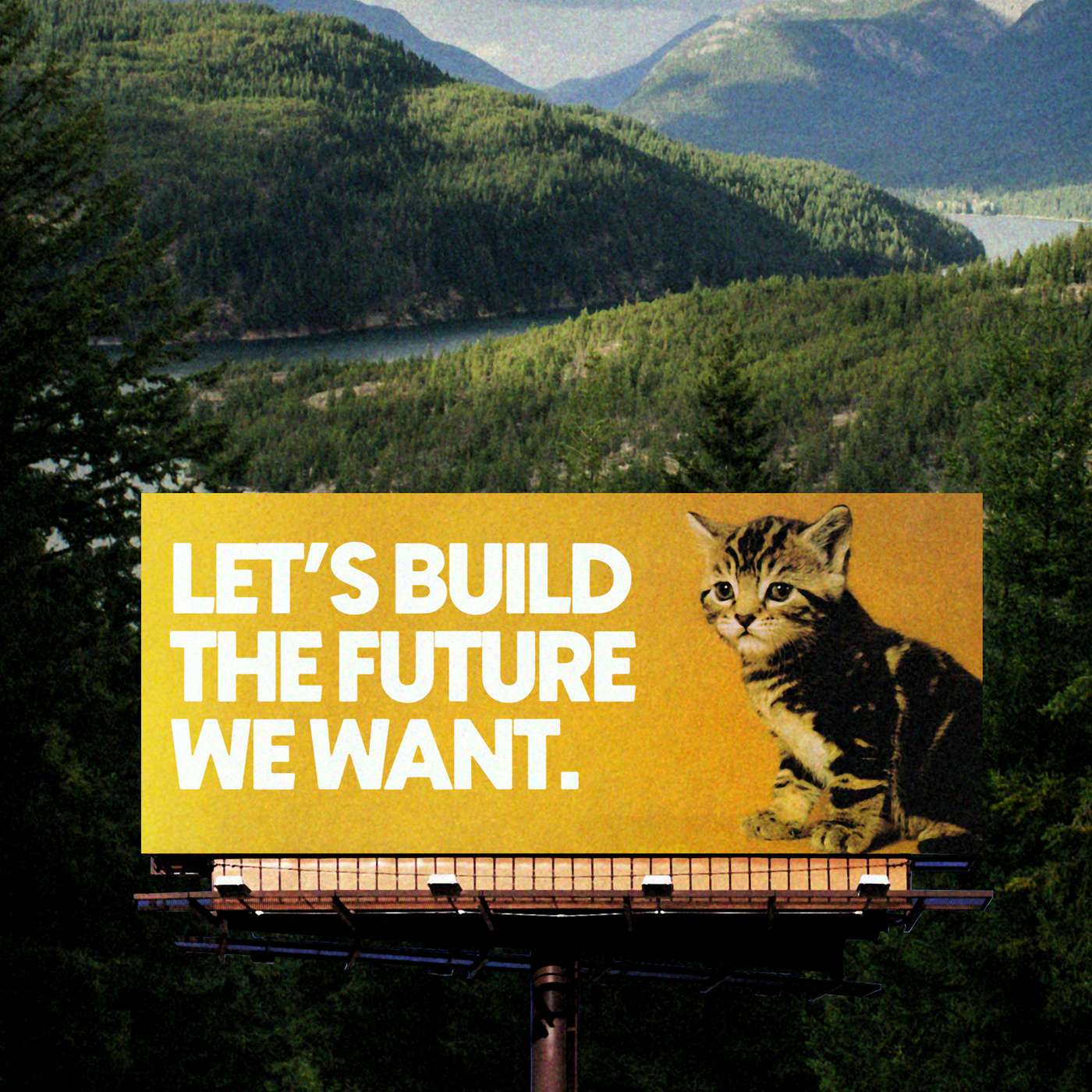
Clotheshorse with Amanda Lee McCarty
Episode 247: Let's build the future we want (LIVE IN PORTLAND)
02:10:17
Loading summary
Transcript337 lines
- [00:00]
A
Hi there, it's me, Amanda, and you're about to listen to the episode I recorded live in Portland, actually like a week ago today. I'm really excited for you all to hear it. Honestly, editing it, I felt like I was hearing it all for the first time because I think I just go into some sort of like stage trance or something while I'm doing these episodes. But I love it. It's all just like super warm, fuzzy, cozy, amazing, good healing for me and I am so excited to hopefully do more in the future. You know, things like this don't happen. Well, they happen either because A, you have a ton of money and resources, which Clothes Horse does not have, or B, they happen because you are lucky enough like me to have incredible, amazing people in your life. And you are part of just this super supportive, enthusiastic, magical community. And that's how I get to do things like this. And I just wanted to thank a few people again who I have thanked in the last episode and I definitely am thanking in this episode, but I am of the mind that we do not thank people enough and we don't tell people enough how incredible and wonderful and special to us that they are. So maybe after you listen to this, you should go tell someone that you love that you think they're really great too. Anyway, first off, I wanted to thank Casey and Christine of Care Instruction. Care Instruction is this. I mean, it's kind of like super radical, actually. It's a vintage store slash mending studio in Portland, Oregon. Casey and Christine actually met via Clotheshorse, which is wild. And now they have a whole ass business together where they are mending lots of stuff for people all over Portland. And on top of that, they have great vintage clothes. You can find them on social media as care.instruction PDX. Casey and Christine ran the merch booth at both the Seattle and Portland shows and I'm so grateful for them for helping me show I don't know the world that we can do things like merch in a more sustainable, ethical and meaningful way. So thank you so much, Casey and Christine. I also want to thank Ruby for working with me to make my dream, dream dress come true. If you want to see what that looks like. I did a whole post about it on Instagram and I think Tumblr also this week. And you could also see that on Substack. It's the story of the dress, kind of the evolution of it, the inspiration of it, all of that. Thank you so much, Ruby. And you can find Ruby on the Internet all Over the place at Slowfashion Academy. That's also the URL for her website. I want to thank Maggie Green, the Halloween queen, for doing my makeup and helping me get dressed in Seattle and just generally, I don't know, making me feel a little bit less anxious in the intense hours leading up to the show in Seattle. So thank you so much, Maggie. She even put fake eyelashes on me that looked really good. I was unable to replicate that myself, but I like to think that my makeup in Portland would have made her pretty proud. And she really got me into a Ruby Woo lipstick. So thank you, Maggie, for that. I want to thank my friend Mary, Mary Defries. I don't know why I'm giving her full name here, but thank you so much, Mary, for helping me get dressed in Portland and for listening to my very rough dress rehearsal of my opening remarks. Thank you, Mary. We always have to thank Dustin for doing sound, for running the video, for being that person who is really the conduit between me and the venue for all the techniques stuff. I'm so grateful for that. Also, I think about it, he has to travel with me while I'm fretting about these shows and preparing my cards and worrying that I won't drink enough water and all those other things. So thank you, Dustin. I want to thank my dad. My dad, Chris McCarty. That's his name. The stairs leading on and off the stage at Holocene were really scary, especially for me as someone who had recently fallen down the stairs of my attic and pretty, pretty seriously sprained my ankle. My dad literally helped everyone, including me, on and off the stage all night in Portland. So thank you, Dad. I also heard this rumor that maybe he's going to build a door for Sincere Studio. I don't know, but I love that my dad had such a great time in Portland. Like I said, these things don't happen when you're not surrounded by incredible people. And I have to say I said this in a text to Casey recently, that I am a person who has felt completely alone most of my life. And to find myself suddenly surrounded by just so many great, talented, passionate people is. It feels like a miracle every day. And it's definitely not something I take for granted. So, yeah, I gotta say, like I said, these shows were such a fabulous experience. Very warm and fuzzy memories of it all. And it was so great to see people who I think of as really good friends who I've only know from the Internet. And there you were. It was also great to meet some new people and just generally be out there with you all. There is something very different I realized about having these conversations, IRL versus, you know, on social media or even here on a podcast. And so I want to get out there and do a lot more of this stuff next year. Now, how it works is that I have to get booked by venues. So those of you who came to see the shows in Portland and Seattle, how that happened is that you bought tickets through them, right? They paid me to be there. They. They handled the costs of, like, you know, sound equipment and security and insurance and whatnot. And so I just showed up and did my show. I mean, that's a simple version of what it really was, but that's. That's how I can get out there and do more shows. Is being booked by venues as an act. So how do I get booked in more places? While one, maybe you work in a venue that's looking to book a show, reach out. But two, it's by proving that this show has an audience that means lots of people following on social media. Great metrics for listening so you can be an active part of making future shows happen by just telling your friends to listen to Clotheshore and sharing my content on social media and commenting and saving and all those things. That's how we show venues that they should book me because it will be worth it and they will make money. So let's do a lot more shows next year. I'm excited for it. Okay, one last thing. I am heading off to Japan in, like, nine days from when I am recording this. And. Yeah, am I prepared at all? No. Hopefully more this week. I will get prepared. But, you know, we got back from Portland and I'm catching up on work and life and, like, I don't know if I've mentioned this to any of you here, but I take care of a fairly sizable colony of feral cats that seem to have, like, converged on our property. And so I am getting them winterized by, like, updating all of their little houses that I built for last year. You know, put putting fresh straw in them, getting them all situated and warm and safe for the winter. That's been taking up a lot of time, too. But anyway, this week, I promise I'll start packing. I'll figure out what I'm gonna take. I have a rough idea. I did. I will say I did a trial run of outfits I might want to take to Japan while I was in Portland and Seattle, and I got a lot of really positive feedback from strangers. So I think I'm on the right track for packing. Anyway, all of that is to tell you two things. One, if you want to order merch from me, that is transfers stickers. I think I have about 15 copies of the magazine. The Clotheshorse Guide to Synthetic Fibers and Fabrics. I have about 15 of those left right now. If you want to get the new merch that we created for the tour, what's left over is all up on the site. Now you need to place your order before I leave. So, like, I would say, get your orders in by the 9th because otherwise you're gonna have to wait until I'm back from Japan on, I think, December 9th. That said, if you wanna hold off and get things to give as holiday gifts, you will probably receive them on time. But if you hate the idea of waiting or want to get a head start on all your iron ons, now is a great time to order. The other thing I just wanted to tell you is, like, what's going on with upcoming episodes? Well, next week we're going to have a very special crossover episode with Maggie Greene. And then once I'm situated in Japan, we're going to have another installment of the I'm with the Brand series and then a few episodes about Japan. And, you know, I have some ideas about what I'm going to be covering while I'm there. And then when I'm back, we will get back into finishing the I'm With a Brand series. So all of that. Wow, that was a lot. A lot of stuff to tell you. So I guess now that I've told you so many words, why don't we jump into the episode? Welcome to Clothes Horse, the podcast that needs to stop crying every time someone applauds. It's too much. You guys are killing me. I'm your host. My name is Amanda and I am so excited to be here in what I consider my hometown, Portland, Oregon. Wow, it's so amazing. Before we get started, I just wanna thank Christine and Casey of Care Instruction for running the merch booth, making my dream of doing things differently a reality. So thank you so much to them. I want to get a shout out to the staff here at Holocene who has been amazing and plus, for me, it is a dream come true to be on this stage with all of you right now. Again, Camila Misdiaed. And I also just wanted to thank my friend Ruby of Slow Fashion Academy, who made my literal dream dress for me. So I'm just so grateful that I get to come up here and feel like a magical princess in Front of all of you. So one thing. Well, two things we're going to talk about just like how the show's going to work tonight. So first off, here at live closed source shows, we take a 90s talk show approach, which means there's gonna be a lot of DNA tests and shocking reveals now. But what will happen is I'll bring up a guest, we'll like chit chat, and I'll come out in the audience to take some questions. And I know people get shy at first, so I'm just gonna tell you that in my stage purse, I have some very special stickers that are only for people who ask questions. And the only other people in the whole world who have them ask questions in Seattle. So it's very exciting and rare. The other thing I want to call out is that you should have, when into the show, received a clothesworse bingo card and a pencil. Is there anyone who has not? Okay, we have some up here if you want to come up and grab. No shame, because this isn't actually bingo. It's Brenda, named after the star. Well, you saw her all bite me on an Instagram live at the intro. But the center of your Brenda card and what you're gonna hear, you're gonna see on there are words or phrases that myself or my guests might use tonight. Now, I will tell you, the guests have no idea what's on the cards. So I was just trying to predict the future a little bit. When you get five in a row, up, down, across, diagonal, no postage stamps or whatever pro bingo people do. When you get five in a row, you must stand up and yell, brenda. Yes. And the first person who gets Brenda gets a $40 gift certificate to the merch booth, which is full of sick stuff. And the other two people get $20. So you have three chances to win at Brenda. So don't give up. Okay? Don't be shy. Okay, so that is Brenda. So should we get started? Okay, I gotta go get my cards out of my stage purse, which most people totally have. A stage purse, right? And I love that my first card is just a reminder to all of you just in case you're new here. Robots did not make your clothes, so we're gonna talk about that a lot tonight. Clothes are made by humans. Anyway. Okay, so when I came out here and I told you that I think of Portland as my home, that is no joke. Yes, I was born in Pennsylvania. I grew up in Pennsylvania. But Portland is where I came decades ago to start my life over again. And I say that out loud. And it sounds like so ridiculous because I had barely been an adult for a few years, but here I was, I'm starting my whole life over again. And it was because in like a span of a year, some really life changing things had happened to me. If those of you who know me irl, which there are a lot of you here tonight, already know that there are people who've listened to Clotheshores for a long time who already know too. But for all of you newbies, I got pregnant, my partner died right before our kid was born. And essentially, like everything I knew about my life was over very, very fast. Kind of like just after my life had sort of begun and I didn't know what to do next. I couldn't imagine what my life would be like now because everything I had always pictured my life being was gone like overnight, right? And there was something about Portland, Oregon. I'd been out here before because my dad lives here. Well, Salem technically, but, you know, it's close enough, right. And something about it had just struck me as this like, really magical place because the mountains were so tall and pointy that they always had snow on them. Like what? And the trees were bigger than buildings where I grew up. And the air felt different. And even the mist of winter, which I know you all get depressed about it eventually, probably in another like six weeks, but it felt magical to me too. And the people here, they were just different. And this seemed like the place that I could come and I could heal, I could rebuild my life and I could have the magic of it all. Help me imagine what that life would be. And you know what? It worked. There were bad times, there were horrible times, there were times I threw up outside because I drank too much and there were embarrassing things that I did and shoes were lost and. And I climbed through someone's window one night. Whatever. Anyway, it worked because everything that I am now, everything that you see me here talking about via Clotheshorse, it started there. I rebuilt my life in this magical place. And when I think about Portland all the time, I think this is the place where we get to choose what the future looks like. And when I knew I was going to get the privilege of doing a show here for all of you here on stage at Holocene, I knew that the theme of the episode had to be rebuilding and reimagining. And that's what we're going to do tonight. We're going to imagine what the future that we all get to create is going to be through the lens of Sewing. Yeah, exactly. Okay, so I don't know if you know this about me, but I am like, classic teacher's pet, overachiever, straight A student, major nerdlinger, whatever you want to call me. So when someone gives me a statistic that's like a percentage, my brain immediately goes to, like, well, what kind of grade would that be? Right? And so the higher the percentage, the more emotionally impactful it feels to me because it might be an A, you know? And so, like, when I hear a low percentage, I'm kind of like, eh, who cares? And even if it's like a high percentage of something bad, I'm still like, wow, well, that's like a B. We got to take this seriously. And so back in 2020, the first few months I was working on closed source, I came across this study that was done by the British group the Big Stitch Campaign. And it had a lot of percentages in said that 59% of UK residents were unable to sew confidently. And my first thought was, 59, man, your mom's gonna have to sign that test. Like, that's a bad score. But then I was like, wait, you're telling me that, like, more than half of people surveyed didn't know how to sew? And even more interesting, a third of them were like, I literally can't sew anything. I don't even know how to thread a needle. And once again, 33% bad grade. But one in three people not even being able to thread a needle is pretty scary. And 16% said that if they lost a button, they would just throw out that garment and buy something new. That's pretty shocking, right? But you're like, well, it's only 16% of people. And, you know, like, we probably don't know any of them personally, but this started me on this journey to figure out what that really meant, because 16% of 100 people, that's 16 people. But what's 16% of a million people or a billion people? Suddenly, it's a lot of people who are just throwing out clothes that they could have fixed. And I found this statistic. Now, this was also, as of 2020, that globally, every year, people. People like all of us, we lose $500 billion by throwing out clothing that we could have repaired pretty easily. Like, putting the button back on 500 billion is like, an amount of money I can't even imagine. I'm sure all of you probably feel the same way, but what that number says to me is, that is transfer of wealth from us to the billionaires. Of this world, right? And so really, people's inability to sew, even to a simple repair, it's exacerbating wealth inequality. It's an issue of economic justice. No pressure to all of you who sew for a living, but you're doing some really important work. And as I thought about that, I sort of think like, whoa, was this the plan all along? Because I originally, by the way, was gonna make a hat out of aluminum foil and put it on my head for the next part of this, but I didn't want to mess up my hair. Yeah. So just imagine. Okay? And okay, so this is where it gets like a little tinfoil hattie and maybe giving people a little too much credit. But think about where we are right now, right? We live in a hyper consumerist time, right? It's not just fast fashion, but certainly it is that. It's fast throw pillows and fast eyeshadow and fast pet beds, and you name it, right? We can have whatever we want whenever we want it. And it's usually highly convenient, even if it is kind of disappointing. But it's not just stuff. It's not just clothes. It's also food. For example, how many people do you know who don't know how to cook or at least never have time to cook or grocery shop because they're working all the time? This is a whole, like, hyper consumerist time of doordash and fast casual restaurants like Chipotle or Cava? At my last job before the pandemic, my assistant went to Sweet Greens every day after work and bought two meals. One to have that night and one to have for lunch the next day because she did not know how to cook food at all. And that was the norm for most of my co workers. It still is the norm for a lot of people I know. And I wondered, when did we all lose the ability to grocery shop, follow a recipe, cook, sew on a button, maybe hem a pair of pants? It's harder than you think. When did that happen? And, well, I have a question for all of you. Just feel free to shout it out. Who is your least favorite president, excluding the current one? Reagan. That's right. Ding, ding, ding, ding. You can thank Ronald Reagan for the fact that sometimes people get to only eat Chipotle because they don't have time and they don't know how to cook, and they throw out their shirts when they lose a button. Because in the 1980s, two really important things happened. One is that a lot of trade treaties made it easier for companies here in the United States that sold clothing to move their manufacturing overseas, where they were paying pennies where they had once paid dollars here in the United States, right? So clothes became a little bit cheaper, but most importantly, they became plentiful. And that meant that suddenly store bought clothes were a lot more desirable because it was instant gratification. And you know, we all love instant gratification, myself included. So that was happening, right? But at the same time, the Reagan administration engineered a situation in which states, their funding for schools was contingent upon one really significant change, which was that rather than investing money in home economics education. So how to make a grocery list, how to follow a recipe, how to cook, how to cook safely, how to sew, how to repair, that was going away in favor of vocational and job training, which of course is laughable because we know that cooking is a job, sewing is a job, and they're both highly skilled careers, right? But in the eyes, I mean, it's a tale as old as time, right? It's like women's work, so it's not real work, right? So like all of these schools were forced to remove home economics from their curriculum and replace it with, you know, computer programming or car repair, because that's what the administration was willing to provide funding for. And without that funding, schools, schools couldn't do what they needed to do. And so I try not to give. This is the tinfoil hats back on, right? I try not to give too much credit to all of these illustrious men of the 80s. Like, did they think, oh, I see this future and it's Shein, and it's Amazon prime and it's Doordash and it's Instacart and people just have to spend money just to exist every day. It's gonna be genius. It's the long game, but we're gonna get there. I don't think that they were that smart. But regardless, what they did has now impacted generations of people, right? It's kids who were born in the, who grew up in the 80s. It's their kids. It's their kids. Kids. It's a lot of people who don't know how to do these things anymore. And as I was thinking all about that, getting prepared for tonight, I was like, well, how do we turn back the clock, right? Like, I imagine this just like rapid rewind and people are walking backwards out of Chipotle and the clothes are coming back out of the landfill.
- [25:12]
B
It's beautiful.
- [25:13]
A
It's beautiful. And I realized I don't want to rewind. That's not what we need to do. What we need is to do is move forward to build the future that we want to have. Because we can do that, right? A bunch of rich white guys in the 80s got to decide that we don't know how to cook anymore. We can take that power back. So tonight with my three amazing guests, we're going to be talking about sewing. How they learned, what's happening with the state of sewing right now and what is the future that they want to be a part of. So I want to get started with my very first guest. A woman that my dad was lucky enough to marry. Also literally the best sewist I have ever met, my stepmother, Karen McCarty. Want to come on up here? My dad's helping her up because these stairs are scary. Yeah. All right. You want to sit down, Karen? All right. Well, welcome to the show, Karen.
- [26:25]
B
Thank you.
- [26:26]
A
So some of these people are related to us. Okay. So Karen, I always. You come up all the time on clothes horse because I'll be like my stepmother Karen is the best sewist I've ever met. One time she made me a scarf. It was the first time someone made me a gift ever. You come up all the time. So just some of these people, you might be a little bit of a celebrity.
- [26:49]
C
You know me already.
- [26:51]
A
So can you tell us how and when did you learn how to sew?
- [26:56]
C
I was probably around 7 or 8 years old and my mom taught me how to sew. My sister Betty.
- [27:04]
A
Right there, Betty.
- [27:08]
C
And our younger sister Tony. My mom taught us all. We have two brothers. I think they could probably sew on a button and that would be about it. But I don't remember them learning how to sew. But I forgot to bring my sewing machine. But I still own the little 1950s Featherweight black sewing machine. It's about this big. And we started making little tiny doll clothes. Barbie esque. We didn't have Barbies but they were like Barbies. And because our fingers were little and the seams are little and we had little tiny buttons and little tiny zippers. And by the time I got to junior high I had made my Barbie. A full wedding gown with a train and a veil and the whole thing. And I was starting to make my own clothes. And then by the time I got to high school, I didn't have any store bought clothes. All my clothes were homemade. My mom made my coat, my wool coat and I made everything else. I bought a pair of jeans to wear picking strawberries. If you're from around the Willamette Valley, you always Pick strawberries in the summertime. And so I had those jeans. But for the most part, I made everything. I made my dresses, my tops, my pants. I didn't have anything store bought. I made my own underwear. They last forever wearing them now. No kidding.
- [28:28]
A
She probably is. Anyway, so when you were telling me about this, Karen, when you were like pre gaming for this episode, I asked you, was it normal? Were most of your friends and classmates and peers, were they also sewing all their clothes?
- [28:46]
C
Not all of them. Some of them were. There were. One of the things that I like about sewing is that your clothes are unique. Like your clothes are your clothes. You get to pick the fabric, you get to pick the style. And nobody else should have that outfit. But some of my friends would copy literally exactly what I did.
- [29:08]
A
It's so hard to be a trendsetter.
- [29:09]
C
The fabric, everything, it would annoy me. I didn't mind if they were sewing. I didn't mind if they were making the same outfit. But I just wanted them to choose their own fabric.
- [29:19]
A
And I mean, so obviously we know, like sewing your own clothes, one of the benefits is like, in theory, unless people suck, they're not going to copy you and you're going to have your own clothes. Right. That's a major win.
- [29:29]
C
It's supposed to be, I guess, flattering, right?
- [29:32]
A
It is, yes. Yes, it is supposed to be, but it's also annoying. Anyway, so we know that that's a benefit, but like, what are the other benefits to sewing your own clothes?
- [29:41]
C
They fit. Yeah, right. There's no such thing as a standard size body. There's no such thing. Even people that are all size 12, they're gonna, you know, they're gonna put their weight in different places. You know, I'm really long in the waist, so I always have to lengthen the waist of my clothes. They always fit. I loved that about it and the uniqueness. I like being able to have my own thing. I remember going to the store with my mom one time and I told her, oh, I really like this whatever it was that was hanging on the rack. And she said that look at how many other people in this town are going to be wearing the same thing. She's not wrong.
- [30:21]
A
Yeah, I mean, I think that those are all major benefits. But you know, definitely as we got into the 70s and certainly in the 80s, suddenly like home sewn clothes were like, ew, less desirable. Even though they're obviously like really great because they're made for you. Did you find yourself falling into that as well?
- [30:43]
C
Not at first. I know. I have a couple of friends that would try and hide the fact that they made their own clothes. And at the time back then, it was less expensive. You could afford it. And they. They felt like it was some kind of degradation that, you know. Oh, homemade, right. As opposed to being proud of the fact that they had made something so they would hide the fact that they could make their own clothes. I think when I started falling out of making all my clothes was. It was about 1980, 81. And I bought something at the store. It was on sale. I was working at the store, and so I had an employee discount, so the price was really good. And then I took it home and wore it that night. And I was like, whoa, this is instant gratification. Now I get it. So that started and then, you know, then started having kids, and I didn't make a lot of stuff for the kids and a lot of Halloween costumes and all of that. But then you start getting busy. You're working more and running a house and doing all the things. So it's just kind of time was a thing. But now the kids, you're all grown and gone and doing your own things. And so I'm back into sewing again. I sew stuff for myself, and I do a lot of theater sewing. I love sewing for theater.
- [32:06]
A
Yeah. No, she is selling underselling herself right here. Okay. Because she sews a lot for the theater. Yeah, I do. Yeah. And she even made me an awesome cape for my wedding. And you just, like, whipped it up. It would take me a hundred years.
- [32:21]
C
I do. And that was a really pretty cape, too.
- [32:24]
A
I loved that it had a hood.
- [32:25]
C
It was your idea. I love it when somebody else comes up with an idea and then I can implement it. For me, that. That's. That's where I thrive the best. When I get inspiration from something else, I'm not. You know, I watch, like, the British sewing bee, and they'll do their. Okay, we are giving you a tent, and you have to make an outfit for this dog. And I just. Look at. That was a real episode. And I just was like, I. I wouldn't know what to do. But if they told me, make this jacket for this dog, I could do it. So that's.
- [32:58]
A
So if you need a dog jacket out of a tent, we've got your person. Yeah, I guess. Then it's waterproof. I mean, how does it make you feel? What I was talking about in the intro, this idea that, like, people. Most people really can't sew anymore and that they Would like throw out a shirt rather than sew the button back on that.
- [33:18]
C
That bothers me a lot. Like, I wish that everybody knew how to at least do basic things like repairs like denim. I see so many people. One of your sister said, oh, all the cool kids just walk the hem off the bottom. Well, no, we can hem them and make them fit you right. So that bothers me. Or like, you can buy a cool patch. If you have a stain, you spilled something on you and it's not coming out, put a cool patch on it or do some embroidery around it or something. Make it a thing. But I think your clothes should be able to last.
- [33:54]
A
Yeah, Yeah.
- [33:55]
C
I tend to dress pretty. I don't know what the word is.
- [33:59]
A
Awesome. Yeah, well, that's not what I was.
- [34:03]
C
Gonna say, but thank you. I like my clothes to last forever. I, you know, I not real trendy. And so I just, you know, like basic linen pants that'll last forever. They're always the same. I have the shirt Betty is wearing. Our mom made that in what, 1980 somewhere.
- [34:21]
D
Yeah.
- [34:23]
C
And she's still wearing it. Look at the cool embroidery on the sleeves.
- [34:28]
A
Super cool. That's amazing. Yeah, Yeah, I love that. How does it make you. I mean, we talked about this on the phone and we're gonna get into it a lot more. But why do you think people aren't sewing anymore?
- [34:45]
C
Instant gratification, for one. And you can buy trendy things. Like, you know, to go to one of the stores that. The trendy store. And I don't know if I can use brand names here. I have to pay. You go to like Forever 21 and buy something for nothing. And so what, you throw it away because you didn't pay very much for it anyways. Right. You could just wear it one season and. And throw it away. So I think there's the cost and the cheapness and the instant gratification and then they aren't teaching it. There are places where you can learn to sew, but for me, having somebody sitting there and telling me, oh, here's what you could do to make that work better, as opposed to watching something on YouTube, which is a great place to learn to do a lot of things. I still learn things from there, but nobody's telling me what I did wrong. All I know is this didn't turn out the way I wanted it to turn out. So I like the hands on aspect of having a place to learn to sew. So I'm really sad that they don't teach it in the schools. Anymore. Even if it was just, you know, I loved it when it was mandatory, but even if it was just optional. Somebody who wants to learn how. I would love to be able to teach a class where you just go to the thrift store and buy two or three things and then recut them and re. Put them together and make something new. Right. Take a shirt and make a skirt out of it or something like that. I think I would love to teach people how to do that so that they can help us keep that stuff out of the landfills, for one.
- [36:19]
A
Well, I think you need to talk to Frances after the show.
- [36:24]
C
I would love to.
- [36:25]
A
Okay. I am going to come out in the audience when come down these really scary stairs and take some questions for Karen. So don't be shy, raise your hand, avert your eyes. If I fall down these stairs. Yeah. Thank you, dad. Does anybody have a question? Okay. You are so brave and you're my favorite. So if you could tell us your name and then your question for Karen.
- [36:52]
B
I'm Libby. I came up from Salem, so maybe I'll see you.
- [36:57]
A
Salem.
- [36:58]
B
I wanted to. To know like how long. When you were sewing as a young person, you probably started out using manufactured patterns and then at what point I assume you then transitioned to drafting your.
- [37:10]
D
Own or do you still use pre.
- [37:13]
A
Made patterns or what's that journey been like versus one versus the other? Oh, right.
- [37:18]
C
Thank you. Well, I do, I do use a lot of the big box patterns, but now I've been kind of going more into indie patterns because I just, I like them and I like supporting that. I do because I do theater. I do. When I started doing theater probably 20 years ago, I started doing a lot more draping.
- [37:40]
A
I mean, that is such a good question because yesterday I was lucky enough to join Sew and tell at Sincere Studio. You're going to meet Francis in a bit. And a recurring theme is people would get up and be like, well, I didn't want to like buy a pattern or use it. Pattern. So I made it up and it was blowing my mind what people could do. Yeah, it was amazing. Does anybody else have a question? All right.
- [38:06]
C
Hi, my name is Bree and I am also a sewist. And I have a question of what are your top favorite three tools that you'd like to have at hand when you're working on a sewing project?
- [38:19]
A
That's a good.
- [38:20]
C
Definitely my iron. I probably have three or four irons. I don't know. I just got a cordless iron, which I really love. It's Great. But I think ironing as you're going is the difference between, oh, did you make that? And where did you get that? Which you can say, I made it. So definitely my iron. I have a stiletto that I use at my machine, and a lot of people don't know what the little button on the back of the presser foot is for. There's that little black button. If you push down the front of your presser foot and push that in, it's like a genome. You know, it goes over thick things. So. But your stiletto helps you push things through so that you don't catch your finger. And a needle, which I've only done once in my whole life.
- [39:06]
A
Wow.
- [39:08]
C
And then a good pair of scissors. I have a good pair of ginkgo scissors that I. I got years and years and years ago. I mean, probably I. I don't want to give my age away again, but 30, 40 years ago, like a good pair of scissors. And my family knows not to use my fabric scissors for anything, but fabric. Knew it on the COVID and everything. And I also have a rotary blade that I use a lot, but definitely good sharp cutting utensils.
- [39:40]
A
Do you have anything to add there?
- [39:41]
C
The stiletto, for sure. I use that actually to seam rip. I don't use a seam ripper. I use my nippers and the stiletto. Oh, good idea. Because it's a little safer. And my other favorite tool is if I'm hand sewing, but I do it a lot is beeswax or like that goo that. Like the thread. Magic goo in little tub. That is a game changer for hand sewing. Ah, that's a good one.
- [40:11]
A
Yeah, that's good to know. Because I actually love hand sewing. It's so, like, meditative. I need that sometimes. Does anyone else have a question? Oh, this is complex. Oh. Oh, I've never had a guest question. Another guest. This is, like, really intense. Okay.
- [40:30]
C
A professional.
- [40:32]
A
Okay.
- [40:32]
D
Hi, my name is Frances. I'm curious. How do you feel about Joanne closing? No, I just want to know, as someone who has seen the many iterations of Joanne, if you would have asked.
- [40:45]
C
Me that 10, 15 years ago, I would have been really sad. But the latest Joanne, the Joanne that actually closed there wasn't a whole. I was getting very disappointed with the selection. I don't need fleece, and there was way too much fleece. I don't need any more dried flowers. I don't just. There was just way too much stuff that I just didn't need flannel. But I need Garment fabric. And it was getting much more difficult to get the things I need. And then the whole. And Amanda does a great. If you haven't heard it, who killed Joanne?
- [41:25]
B
She.
- [41:25]
A
I paid her to say that.
- [41:28]
C
No, I listened to it. It's great. And there's a shout out to me in there. Thank you, Amanda.
- [41:33]
A
You know what we talked about and I talked about in it? Fabric Depot. Fabric Depot. Someone has that on their card.
- [41:39]
B
Yes.
- [41:39]
A
Okay.
- [41:40]
C
Now, if you ask me how I feel about Fabric Depot closing, I am very. I am still crying. So. Yeah, because it was just really hard to find apparel fabric, and it was the only thing we had. I mean, there's some other. You can get some. Some fabric at Walmart, and if you went quilting cotton, come down to Salem. We got quilting cotton coming out the ears. And if you want to make a quilt, we got it for you. But Fabric Depot had great apparel fabric and a lot of other stuff, too.
- [42:10]
A
So wait, raise your hand if you are familiar with Fabric Depot. Yeah.
- [42:14]
C
Yeah.
- [42:15]
A
Raise your hand if you ever had to wait in the men's waiting room there where they showed espn. I didn't either. My job. I. When we were preparing for this episode, Karen and I spent at least 10 minutes just reminiscing about all the awesome fabric we'd ever bought at Fabric Depot. And we don't know why it closed.
- [42:36]
C
No. No idea.
- [42:38]
A
I might have to investigate it. It'll be a really niche topic, but it'll be like, people who live in Portland, Oregon, or Salem, just for you guys. Well, Frances, like, how do you feel about Joann closing? Okay, just tell us.
- [42:52]
D
This is complicated.
- [42:53]
A
Okay.
- [42:54]
D
Okay. So for us, it doesn't really matter. Right. We have Mill End. We have all the different fabric stores in Portland, but for someone that lives in the middle of nowhere, that's their only fabric store.
- [43:05]
A
Yeah.
- [43:05]
D
And maybe they have a small business based off of it, but their store just closed, and now there's nowhere to get fabric within 100 miles. And so that kind of sucks. So, like, access to fabric supplies, things like that. Taking that away from people is hard.
- [43:22]
A
So.
- [43:22]
D
Yeah, it's complicated.
- [43:24]
A
Yeah. I mean, we're definitely super spoiled. You get a sticker even though you're, like, on the show, but because you started a really good conversation there. And I'll tell you the reason I did that Joanne episode. Do you want to hear why I did that? Well, one, it's fascinating, right? And it gave me an excuse to talk about Cheddar Bay Biscuits. But also, I had posted a few Weeks earlier on threads where people go to be their worst selves that, you know, I knew the reason Joanne closed is because they weren't spending money on staff, Right? And so it became, as for those of you who listened to that episode, this vicious cycle of there's not enough product on the floor, it's just sitting there in boxes, there's no one there to cut. People come into the store and they can't get help, and they get discouraged, and sales go down, payroll gets cut even more, the store experience gets even worse, et cetera, et cetera, Right? So I did a post about that on Threads where I was like, I hope places like, say, Target, this is before Target got canceled, which. Good, good for them. But I said like, I hope you know this. I've seen this playing out at Target now for years and just about every other big box store where there's not enough people working there to actually put product out and help customers. And so customers stop shopping there, the sales go down, they cut the payroll more, blah, blah, blah, blah. I've worked retail. I've experienced it firsthand. So I did a post about that, and I'm telling you, people were ready to murder me. It was, to me, the least controversial thing I've ever posted on the Internet. And people were, like, sending me emails about what a callous, uncaring person I am because Joanne is all they had. And I'm, like, laughing at them losing it. And there was also, like, a lot of misinformation about why Joanne closed. And I was like, you know what? I actually, you know, I have fond memories of Joanne, too. And like Karen said, the Joanne that we have known in the past few years is not the Joanne we once knew. It was like, when you break up with someone, but then you get back together, but then you break up with them again, and then you get back together. And every time you get back together, it's worse than the time before. That's where Joanne has been for a long time. So doing that episode was my chance to be like, hey, guys, I feel it, right? I get it. I'm making it up to all of you. I'm sorry that I made people cry about Joanne. So anyway, and then I learned a bunch of stuff, too. Okay, well, I don't think. Does anybody else have a question for Karen? What, already? Man, in Seattle, they took forever. I was, like, sweating about it. Okay, I'm coming over. Coming over. Excuse me, Uncle Wayne. We got the McCarty fam up here in the front row. Okay, okay. You gotta Tell us what you have.
- [46:07]
B
So I have mass produced clothing?
- [46:09]
A
Yes. Fabric Depot? Yes. This was the maybe job skills you were talking about the school change. Okay, okay.
- [46:16]
B
Sewing patterns and home sewing.
- [46:18]
A
What? All right, let me give you your fabulous certificate. 40 smackaroos. Tell them that I gave you a used one. Okay? All right. Well. Exciting. There's still two Brendas to get. Let's take a moment to thank some of the incredible small businesses who keep clotheshorse going via their generous Patreon support. Slow Fashion Academy is a size inclusive sewing and pattern making studio based in Philadelphia, Pennsylvania. Designer and fashion professor Ruby Gertz teaches workshops for hobbyists and aspiring designers so that anyone can learn the foundational skills of making, mending and altering their own clothes several times per year. Ruby offers her flagship Sloper Workshop, an in person two day pattern making retreat where you will learn how to drape a set of basic block patterns that capture your unique shape and proportions. You can also use these basic block or slipper patterns as a foundation for infinite styles of garments that are custom made to your body's one of a kind contours. Or compare your slipper to commercial patterns to see where you might need to alter the shape. No more guessing at full bust, flat seam or sway back adjustments. Start with a foundation that fits. Ruby also provides professional design and pattern making services to emerging slow fashion brands and occasionally takes commissions for custom garments and costume pieces. She has also released several PDF sewing patterns for original designs under her brands Spokes and Stitches and Starling Petite Plus. I just want to also add here on a personal note that right now Ruby is actually working with me to create a one of a kind unique to me special dress that I will be wearing for all future clothes horse events including live episodes later this year in the Pacific Northwest. I am so excited to work with Ruby because she is so talented and so knowledgeable about all things clothing creation. Check out the schedule for upcoming workshops, download PDF sewing patterns and learn about additional sewing and Design Services at www.slowfashion.academy. and it's important for me to tell you that that's SlowFashion Academy Selena Sanders, a social impact brand that specializes in upcycle clothing using only reclaimed vintage or thrifted materials from tea towels, linens, blankets and quilts. Sustainably crafted in Los Angeles, each piece is designed to last in one's closet for generations to come. Maximum style, minimal carbon footprint. Shift clothing out of beautiful Astoria, Oregon with a focus on natural fibers, simple hard working designs and putting fat people first. Discover more@shiftwheeler.com late to the Party Creating one of a kind statement clothing from vintage salvaged and thrifted textiles. They hope to tap into the dreamy memories we all hold. Floral curtains, a childhood dress, the wallpaper in your best friend's rec room. All while creating modern, sustainable garments that you'll love wearing and have for years to come. Late to the Party is passionate about celebrating and preserving textiles, the memories they hold and the stories they have yet to tell. Check them out on Instagram latetothepartypeople Vino Vintage Based just outside of la, we love the hunt of shopping secondhand because you never know what you might find. Catch us at flea markets around Southern California by following us on Instagram Vino Vintage so you don't miss our next event. Dylan Paige is an online clothing and lifestyle brand based out of St. Louis, Missouri. Our products are chosen with intention for the conscious community. Everything we carry is animal friendly, ethically made, sustainably sourced and cruelty free. Dylan Page is for those who never stop questioning where something comes from. We know that personal experience dictates what's sustainable for you and we are here to help, guide and support you to make choices that fit your needs. Check us out@dylanpage.com and find us on Instagram ylanpage life and style Salt Hats Purveyors of truly sustainable hats, hand blocked, sewn and embellished in Detroit, Michigan. Find us on Instagram althats Thumbprint is Detroit's only fair trade marketplace. Located in the historic Eastern Market. Our small business specializes in products handmade by empowered women in South Africa making a living wage creating things they love like hand painted candles and ceramics. We also carry a curated assortment of sustainable and natural locally made goods. Thumbprint is a great gift destination for both the special people in your life and for yourself. Browse our online store@thumbprintdetroit.com and find us on Instagram thumbprintdetroit vagabond vintage dtlv is a vintage clothing, accessories and decor reselling business based in downtown Las Vegas, Nevada. Not only do we sell in Las Vegas, but we're also located throughout resale markets in San Francisco as well as at a curated boutique called Lux and Ivy located in Indianapolis, Indiana. Jessica, the founder and owner of Vagabond Vintage DTLV recently opened the first IRL location located in the Arts District of downtown Las Vegas on August 5th. The shop has a strong emphasis on 60s and 70s garments, single stitch tees and dreamy loungewear. Follow them on Instagram. Vagabondvintagedtlv and keep an eye out for their website coming fall of 2022. Okay, so why don't we, before I go up the scary stairs, get someone else to go up the scary stairs. And that person is Cassie. The owner, the designer, the everything person of Alter, my dad. Can we have a round of applause for my dad? Yeah. I'm going back with you, dad. Thanks. Hi, Cassie. I just wanted to say to everyone here, including my dad, that. Wait, another Brenda. Okay, I'll get to you in a second. I just wanted to say that Cassie, AKA Alter, made my favorite skirt of all time. I wear it like at least once a week. It's. It's here in Portland with me even.
- [53:03]
B
So that means the world to me. That's actually. That is why I'm still at it 15 years in.
- [53:09]
A
There you go. Okay, we're gonna tend to this Brenda situation.
- [53:13]
B
There is a Brenda situation. Claire Duty Brenda situation.
- [53:18]
A
I know. This is like, I've never met Claire in real life, even though we've talked for hours.
- [53:25]
B
Claire Doody is one of the designers in this city. That's like, really important to me. She's someone I look up to. So if you haven't followed Copper Union.
- [53:34]
A
Apparently I'm gonna kneel down here really awkwardly. Hi, everyone. Claire, Hi. I'm so happy to meet you in real life. Will you tell us what you. What squares you got?
- [53:50]
B
I got sewing machine, mass produced clothing, Brenda in the middle, altar and small business.
- [53:58]
A
Yay. Here you go. Don't spend it all in one place. Actually, you have to. But. All right, well, anyway, back to Cassie. That was an exciting moment. Okay, so we got one more. By the way, don't give up. Okay, so, Cassie, when did. When. Okay, get ready for this, Karen, because I already know the answer, but I'm gonna. Surprise. So, Cassie, you, like, have a whole business where you sew clothes, so can you tell me how and when you learned how to sew?
- [54:27]
B
It's funny to even share this with you all because when I told Amanda about this, she was like equally horrified by this.
- [54:33]
A
No, just. Just shocked.
- [54:37]
B
And I. Those of you that are into astrology, which I don't know anything about, so I'm not sure why I'm leading with this, but I am very much an Aries, so I like, dive in whole hog. Like I'm in it before I know quite what I'm into. So to be honest, my sewing experience begins. I was like a punk kid hand stitching with dental floss, right? So I didn't have so it starts there. And, you know, fast forward a number of years by the time I had decided that I wanted to open a brick and mortar retail store. Nothing to do with my clothing line. I just want to clarify that I did not have a clothing line in mind for myself quite yet. Even though I enjoyed doing small runs of things in my house. I had a tiny little domestic straight stitch, really tiny things. And I was sewing these handkerchief pockets onto upcycling cardigan.
- [55:39]
C
Boom.
- [55:41]
A
Wait, did we get a double Brenda?
- [55:44]
B
Double Brenda.
- [55:45]
A
Okay, well, fortunately, I have one slightly used gift certificate and a fresh new one. So you know what? Let's just get wild and have four winners. It's my podcast, okay? So could y' all come up to the stage and just read us? Cause otherwise my dad has to help me down the stairs. Something that I didn't tell you all is that last week I fell down the stairs in my attic and sprained my ankle. So people who have seen me in Seattle this week saw me wearing an ankle brace, but tonight I somehow I bit down on a piece of wood and got my feet into these shoes. Okay, all right, so here, you can go first.
- [56:25]
B
I have button hemming Brenda upcycling and cooking.
- [56:31]
A
Awesome. Here you go. You get the brand new one. Not playing favorites. Oh, okay. What do you have, Mary?
- [56:37]
B
Fast fashion Shein. Robots, pockets and home ec.
- [56:42]
A
Yay. Pockets was what pushed it over the edge. All right, just tell Christine to ignore the writing on the back. Okay.
- [56:49]
B
That's so amazing. That pockets. So my first line was called hanky pockets because I was sewing hand sewing handkerchiefs on to think I need to fast forward this because, you know, sewing is a long, cumbersome process, and to learn it requires your patience. So I pushed myself in this amazing space where I had had a. I had started incubating myself alongside all these artists. And because of that, I met a couple folks that were sewing on larger scale. And this is where I have to emphasize, competition is a capitalist myth. Yes. And so I had some friends that also made clothing, and they saw me as this aspiring young person putting handkerchief pockets on things, and they apprenticed me. And so I went from like 0 to 100 because I immediately then stepped onto their industrial machine machinery. And since then. Now flash forward again. I hate to disjoint this so much, but for the sake of all of your evening, not diving into the prolonged story of my sewing journey. I am now a machine operator. And one of my biggest interests in this space is really just learning new machines. And it really does make me want to touch on one of the things that might also be kind of deficit in people's journey into learning sewing. Now it's not necessarily that there's like gatekeeping with how to sew, but that different machines do different things and that's intimidating in and of itself. And so if you're a home sewist and you're learning everything from scratch and you're looking at a garment, by the way, this is.
- [58:42]
A
We should throw it out.
- [58:43]
B
Yeah, we should really. We should throw it out. This is just me not having good thread hygiene by the way. And I know you all know that thread hygiene is an essential, but this is a cover stitch, right? So if I didn't know what a cover stitch was then, however would I figure out that there's an overlock on the back and two straight stitches on the front, however would I figure something like that out? So I guess what I want to say in the space of people learning sewing now, that so many garments that we as a collective all rely on involve all these different materials, all the synthetic materials, all these kinds of knits that require different machinery, flat seamers, things like that. So I just, I want to say that that facet of my journey has been the most, I think I've learned the most in that space where just diving in to a new machine and deciding that I'm going to learn that thing, even if it scares me, even looking at the thing, I'm going to learn it. So that's been the space that I'm in now.
- [59:44]
A
That's amazing. You know. So obviously sewing is like a really important part of your life, but it's also at the core of your business. And when we were pre gaming for this, we talked about how your business model is, is a lot different than most businesses selling clothing right now. Can you explain that? Because it ties into something that Karen was saying about one of the reasons people buy store bought clothes. So could you go into that?
- [60:13]
B
We do not provide instant gratification.
- [60:16]
A
Yeah, that's huge. That's huge. I mean it's probably, I'm assuming because I have other clients who also make to order that it is an obstacle.
- [60:26]
B
Yeah, I would say a lot of the lines that get clogged up at alter are me responding to emails about how long a thing will take. And I'm willing to take that journey with our customers because I do want them to understand the human code of this and I do want to train this more knowledgeable kind of consumer about the merits of a made to Order experience and about the fact that it means that I'm able to support more size gradations with every single bolt of fabric that we own, that I'm not nebulously cutting into things with some market research that I think I have about what needs I'm fulfilling. And instead, I'm able to. I'm able to cut to order, and I'm able to use zero waste methods, and I'm able to minimize my carbon footprint while maximizing the amount of customers that I'm able to reach. They just have to learn how to be patient enough to let me make their garment. So that's where we're at with made to order. And I actually think I'm returning to my roots in that there was a time where I thought that I needed to. To scale so that I could offer that immediacy to my customers. And that actually became really. It also was, like, financially unviable for my business. And the stakes as they were, they don't actually. They didn't actually make sense. We're much stronger the way we are now. I think that's great.
- [62:08]
A
I mean, I think, you know, a couple of you were in Seattle, so you're going to remember this. We talked at the Seattle show a lot about convenience, right? And how we live in a culture of convenience right now, where we want things to be easy and that instant gratification. But ultimately, by prioritizing convenience over everything else, we're actually compromising our standards, right? We don't get. Get. We get weird, bad clothes, right? We're compromising our values. We're giving our money to people who shouldn't get it. And in general, we're kind of compromising, like, our satisfaction. We're sort of saying, no, I just want things to be easy and fast over everything else, right? And I think that that makes. It's like we kind of have to all retrain our brains, much like you're kind of retraining your customer to not need it right away, that it will be better than something they could get right now. Yeah, it's hard, right? And I also think the fact that most people don't know how to sew. Well, one, they really do think robots make your clothes. I get an email about that at least once a week. But two, they think that clothes should be really cheap because how hard could it be to sew? I swear, people think that you, like, put the fabric in the machine, you turn it on, you kick back, you smoke a cigarette, and then a T shirt pops out, right? Or maybe you vape, I don't know. Anyway, but like that's obviously not true. Right. And the reason that humans make our clothes and not robots is because only humans can do it. It's that like skilled touch of hand. Right. Do you find that especially like I'm like around price, I'm thinking, or the timeline of waiting for things that people's lack of knowledge of sewing affects your business negatively ever? Like, do people are ever people like, I get that at Target for a dollar. Like do people ever say stuff like that to you?
- [64:16]
B
Man, I try not to, I try not to dwell on.
- [64:22]
A
We all do.
- [64:24]
B
On what we. I think it's like a industry term when they call them crusty custies.
- [64:30]
A
I've never heard but will be a dusties.
- [64:33]
B
I try not to dwell. When I get an email that's like how long should a shirt really take? I've been waiting for two weeks. And it's like, you know, I try not to dwell on that. And I, I'm of the mind that my career, that the profession I chose is also in educating people. So just to be clear, I have macros for this. I copy and paste that. I copy and paste that shit. But I do have macros that explain the information that which goes into every single garment. And honestly, ad nauseam, I try to explain to customers that from patterning to cutting to sewing to pressing to QC to thread hygiene, every single step our hands touch it. And so if I'm sending them an email, I'm probably not working on that project.
- [65:39]
C
No.
- [65:39]
B
So as much as possible, I really try to elucidate every step of the process. And we've spent so much time creating that kind of content to show the types of machineries that we're working with, the different types of thread we have to use to operate those machines. We try really hard to bring that information to the foreground so that customers understand what a three to four week timeline, what it actually means for us and for our little tiny team.
- [66:10]
A
Yeah, I mean, I think it's unfortunate that like the burden of re educating the whole world has to fall on your shoulders and other people who are even in this room. But man, it has to happen. Like it's like we have a collective psychosis that we think. I mean, okay, listen, some of you know, I'm like a really huge Star Trek fan, so I'm just gonna bring some Star Trek into this. So you know, any Star Trek fans here in the audience?
- [66:43]
B
Oh, I have a Commander Dater tattoo on my God. Right there.
- [66:47]
A
Okay. So you know like, you know, they go up to the wall and they're like, bloop, bloop. Hot tea, please. Right.
- [66:54]
B
Tea, hot materializer.
- [66:56]
A
That's what Picard always orders, right? Yeah, yeah. Thank you. And the tea materializes. And of course that's a future that still doesn't exist, unfortunately. But we kind of like behave like it does. Like burrito please. Not too hot, not too drippy. And then the burrito appears at our house. Or close One shoulder. I don't know why I chose one shoulder. I love a one shoulder. Now you all know, judge me.
- [67:21]
B
Anyway.
- [67:22]
A
Bring back one shoulders. Yeah, One shoulder tee. And then it just like arrives and like no. No humans were involved. It was magical. Matter being. I don't know. This is where my science information falls off. But anyway, it just like got smushed together and then there was a burrito or a one shoulder shirt. But we behave as if that really exists right now. And when I say we, I don't necessarily mean anyone in this room because if you're here, you know, we're probably. I'm preaching the choir here. But, but the world as a whole, we behave as if we can just like say what we want and it shall appear and be great and no one shall be harmed. Right?
- [68:03]
B
Yeah. The materializer. If I had a materializer.
- [68:07]
A
It's called a replicator. I mean, I don't want to like.
- [68:09]
B
Oh, replicator.
- [68:10]
A
That's right.
- [68:11]
B
Sorry.
- [68:11]
A
Awkward.
- [68:14]
B
Fair. Sorry.
- [68:16]
C
It's okay.
- [68:16]
A
I just do want you to get cancelled.
- [68:19]
C
Yeah.
- [68:19]
B
Do not send the Trekkies after me, please. But I do. I think the movement in which we're really discussing that no garment, including fast fashion garments, are manufactured by a non human. And in fact that one really raises my hackles all the time. Because you'll see folks, folks that are. That are really part of. They're trying to be part of the positive end of this whole movement. And they're mistakenly saying that like shein, clothes are just junk clothes. And in fact, I think we all know that they're actually a lot of the things that are fabricated to be fast fashion are made by some of the best sewists in the world. Yeah, for sure, for sure. The fact that they're not paid for their work is the issue. It is not their quality or the labor that they're putting in. So that part of it, I think as much as possible, in my little ways where my company gets to exist in Portland, Oregon and manufacture things made to order, we very much try to show that process. And I hope that that clicks in for people's minds that the process that we use for a made to order garment is not valid. Vastly different than the process that any manufacturer anywhere is using. It's just scale, right? It's just the volume with which they're sewing a thing and the order in which they sew. So.
- [69:51]
A
Okay, well, I'm going to come out into the audience. Dad, I need you to help me down the stairs. And we're going to take some questions. I see. Look at that. We got our first hand up already. Okay. Name and your question.
- [70:04]
B
My name is Ali, and I came.
- [70:07]
C
To sewing sideways from being a weaver. So I have like a visceral, emotional relationship with zero waste.
- [70:16]
A
Right.
- [70:17]
C
Like, I have every little inch of the fabric is like, how can I.
- [70:21]
B
Not throw any of this away?
- [70:22]
C
So I want to hear tips or strategies. I've gone down, like, geometry holes that you have for zero waste and what the balance is for, like literally zero or what do you do with cabbage or.
- [70:37]
B
Yeah, why get as close as I possibly can to zero waste. And I really appreciate you for even knowing that about Altar. That that's something that we value. Because I'm literally sitting. I feel like such a weirdo all the time. I'm sitting on bins and bins and bins of random scrap fabric. And I Our warehouse. That is a major component of the amount of space that we have to take up. Because I will not throw this away until I figure it out, until I can sew this into a thing. So to some degree, not all my zero waste questions are answered. Some things are waiting to become the beret of my dreams. But for the most part, one of the challenges. I was discussing this actually earlier this evening with a dear friend of mine who owns an amazing secondhand clothing store here in Portland that specifically focuses on plus size apparel and fat liberation. That's Kelsey over here for 91 seconds. She's amazing. We were there yesterday.
- [71:41]
A
It's the most joyful store I've ever entered. Good job.
- [71:47]
B
She's amazing. And we were discussing how do we possibly deal with what necessarily must go into the trash. Alter uses a company called Rokovo that does like, a fabric reclamation project. They essentially make rags, but it's very cumbersome for us. And it has to be very small cuts and end pieces that we can stuff into the. We get three bags a month. That's really, really small amounts of fabric that we can work with. And then we've sort of found some workarounds for example, with Ridwell, every time we produce our clothing swap, which is called the biggest clothing swap in the Northwest, it's an event that we do twice a year. If you've gone, you know that it's banana pants. But that event, we end up with a lot of extra textile weight. And so we actually just. Same thing that we do with our scrap bins, right? We hold onto that and parse it out into small bags until we can, like, have Ridwell take it all, and we'll just. My. My colleague and partner at that event, she just stockpiles it and puts it into the bags that are willing to fit. So we found certain workarounds. But in general, the zero waste model for me has a lot to do with how we cut things from the junk. So made to order is inextricably linked with that. We can hit maximum yield when we are cutting to order instead of cutting in stacks. Much better.
- [73:18]
A
Do you have anything to add, Karen? Like, what are you doing with your scraps? Making underwear, probably, I guess.
- [73:26]
C
I have so much scrap because I save it all, too. And I make little things. Like, I make the little things that you put your soup in when you put it in the microwave so that you can pick it up to take it out without touching the bowl. I don't know what those are called, but I make things like that. Potholders, cup things. Yeah. I mean, just anything you can sew pieces together, make a new piece of fabric, and then cut something out of that Trims. I love using it for trims. I have some fabrics that are. That Betty and I had when we were kids, still have it, because it's precious, and there's memories in all of it. I look at. I have quilts that our grandmothers made that we love looking at and go, oh, that was the apron grandma made for me. I just. There's memories in all those scraps, too, right? So I can't. We're getting ready to move. So we had to box some things up. And I put. I don't know, Chris. Tons bags. I bought these big bags and bagged up all my fabric and put it in the garage so that my room, my. My beautiful sewing room that he built for me looks like something somebody would want to buy. But. Yeah, and then. And then we had to go out there this week and dig through it because I wanted to make something, but I keep it all, too. I love it. And then I color code it all, too.
- [74:50]
B
I feel like someday when I'm dead, someone is gonna be starting their doll company and they're gonna need to make doll clothing. They're gonna be like, this is gonna, like, my estate is gonna go to someone who's got like a doll company and they're gonna make little.
- [75:06]
C
I love that vision and I love that for you.
- [75:08]
A
I love that for the world. I'm very pro doll, except for clown dolls. So. Okay, I saw. Okay, okay, coming back. Okay, wait, I'm gonna go here and then I'm gonna come back to you. Okay. Name and your question, please.
- [75:22]
B
Hi, my name is Amy, and I'm curious, I'm wondering if you can just touch on something you just said, because it piqued my curiosity that the fast fashion is being sewed by some of the most talented sewists. And I was curious what that meant. Oh, I just mean that in these massive warehouses where they're not paying people for their labor, where they're not paying people fair market wage for their labor, those sewists are actually extremely skilled, extremely trained, remarkable sewists. I've known many of them that have come stateside. And I mean, to be honest, I feel like I have been the beneficiary, benefactor, beneficiary of learning from some sewists that worked on major factory lines. And even if they only have one specific operation that they are centrally focused in, they are the best at that. When you meet a presser that's worked in a major factory, they will teach you more about pressing and the essentials of pressing that you've. Than you've ever learned from anyone that gets to casually be a presser. You know, there's nuance to this that just comes from touching so many garments. So that's essentially what I meant.
- [76:52]
A
Yeah. And I'll just say, when it comes to fast fashion, the quality issue is not the sewing. It's the design. It's the lack of resources involved in developing the fit. And it is the fabric.
- [77:03]
B
The fabric.
- [77:04]
A
And I don't know, I mean, I'm sure everyone here is a thrifter, cuz, like, why would you be here otherwise? And we have seen, like, Sheen and all the rando Amazon brands, like, infiltrate the thrift store. And I never cease to be amazed by how horrible the fabric is. And they always have one fatal flaw that makes it unwearable to anyone. Like, I literally, in a Texas thrift in Dallas, got caught in a Shein dress because I was like, maybe I'll just buy this Shein dress. I'll be radical as fuck. Right? And I got stuck in it. It was cutting off the circulation of my arm and Dustin had to come and, like, pry me out. It was very embarrassing, but, like, this is why it was there, because an adult arm could not go in and.
- [77:52]
C
Out of the sleeve.
- [77:53]
A
So I do. It's never the sewing. It's just everything else about it.
- [77:59]
B
Yeah.
- [78:00]
A
It's unfortunate, right, because you think about the skill, the time, the work that someone put into this garment that was already doomed. Doomed to catch someone in a thrift store in Dallas, Texas, and they're still traumatized. Okay, we're coming back here. I haven't been back here before. Seems cool back here, though. Sorry. All right. Hi.
- [78:23]
B
Hi. I'm Robin. And just full disclosure. Cassie knows I'm a, like, mega super fan fan. Robyn's wearing a dress. I'm wearing Alter House Line tonight. I seriously almost started crying. Like, I was. I'm a nerve. I don't do public speaking very comfortably. I'm a very nervous talker. So I immediately started welling up with tears. I'm like, minutes. But I saw you taking drags off your, like, imaginary cigarette, though, for sure. So, Cassie, one thing that's really important to me about Alter House Line is that it's. That it has sizes for all types of bodies. I've always lived in a bigger body.
- [79:07]
A
I have a curvy body.
- [79:09]
B
And. And so for me, it's a value to support businesses that make clothes for all sizes and shapes of bodies. And so I would love to hear what.
- [79:26]
A
Because I know you used to sew.
- [79:27]
B
For dance, which is not a very. Like, there's not a lot of body variation in dance. Dance performance. And so I would love to hear more about, like, what. But, like, tell me about that part of your, like, intention for your. For your business. Because for me, it is, like, it's.
- [79:47]
D
What brings me to your clothes.
- [79:49]
B
I mean, in addition to all the rad stuff.
- [79:50]
C
Right.
- [79:50]
B
But yeah. So thank you. It's really funny you should ask that. My best friend is here tonight. Her name is Beth Olson, and she is the co. Creator. Co founder of a group, an organization called chubhub here in Portland that works for. Does a mix of events in body positivity and fat liberation. But it really is like, the genesis of my focus on extended size gradations comes from my friendship with Beth. She taught me to really. I'm gonna get emotional talking about this.
- [80:31]
A
That's fine. I cried when you guys clapped for me.
- [80:33]
D
It's cool.
- [80:34]
A
This is a crying zone.
- [80:37]
B
I think we all have a bully in our. In ourselves, right? That can be that has said things to us, that has made us feel the worst that we could possibly feel. And no one, no one else and their weird opinions of you actually could possibly ever be as cruel to oneself as that weird voice that we have inside ourselves. And I know that voice. And for some reason, I found this level of empowerment in making clothing that, like, squelched that voice, like, making clothing that made. That makes other people feel hot and awesome. And that has actually become the thing that that's kept me going. I actually. I feel like making clothing like my calling is actually about bringing joy to others. I wish that we were not in a capitalist marketplace. I don't actually believe in capitalism or producing clothing at large scale or I don't believe in those things anymore because I don't actually. I personally don't find joy in those things. And I don't think that those things solve any of us. But what does solve us is, like, my gift, my art form is making dresses. And if my dresses can bring someone else the kind of joy that shuts that voice down and tells that voice like, you are not. You are not stopping me from realizing myself right now and feeling myself. And so I found this, like, tremendous amount of power in that. And a lot of that came through one of my very best friends who taught me that path. So.
- [82:22]
A
Yeah, I love that. I mean, I think the thing about clothes, you know, we talked about this actually a lot in Seattle the other night. Like, people will be like, oh, it's just clothes. They're so silly, right? Yeah, Just clothes. Trademark. We got a listener here. And, like, I mean, I've been hearing this my whole life because this is what my career is. So it automatically made people think I was, like, stupid and vapid. But we know that Closed is this massive juggernaut with, like, global implications in terms of labor and water use and environment and fossil fuels and climate change. But it's also a huge part of how we feel about ourselves. That is why we're all wearing different clothes in here. And sometimes someone who tells you that, like, clothes are stupid or they don't care about it, I guarantee they have things they like to wear versus things they don't like to wear. So anytime someone says that to me, I'm like, you are so full of shit. Do we have any other questions for. Oh, yeah, here we go. Okay. What I'm gonna do. Because I don't want to sit on your lap. I mean, I know we know each. We go way back, so I could. But I'm gonna patch the microphone over to you. Hi, my name is Meg.
- [83:37]
D
I would love to know, Cassie, when you are sourcing fabric or material, like, how do you know that that material.
- [83:44]
A
Is not made with slave labor?
- [83:46]
D
Or like the cotton that it comes from?
- [83:49]
A
Like, how do you know, like, wherever.
- [83:51]
D
That material comes from, like, what kind.
- [83:54]
A
Of research are you doing? I think that's something that I grapple.
- [83:56]
D
With when I buy material.
- [83:59]
A
Yeah.
- [84:01]
B
That'S an incredibly complex question.
- [84:04]
A
It's an understatement.
- [84:05]
B
And for those of you that know ALTER well, we produce our clothing with dead stock textile. And for better and worse, that includes synthetic textiles. And I can touch on my principles with that at another time. I don't think we have time to talk about that quite tonight. But our textile sourcing, because it is dead stock, we don't necessarily have the entire supply chain information. I try to gather it where I can, but I am out there looking for, like, the diamond and the rough of bolts of fabric that I can make magic with. And I can tell you that one aspect of the end goal for me and my reasoning for using dead stock is not only that it's already been produced and we have to use what has already been made. No matter where that has come from. I refuse to let those things become eviscerated in a landfill or just there's a terrible substrate that happens to dead stock textile if it goes unused. But I think a big. A big consideration that lands on me is that I want our clothing to be affordable at the end price point for the consumer. So an aspect of our clothing company that I have leaned on is that the use of dead stock textiles does bring down the total cost of yardage. And that makes it so that at the end I can make a product that creates more access for consumers. And that is something that I value. And that has a lot to do with my upbringing and the fact that my business is not funded. We do not have investors. We do not have any shareholders of any kind. We have side jobs, night jobs. We have all that at alter. So. And I say we. I mean this guy right here. So with that in mind, that has a lot to do with why I've put myself in that space, is that I want to remove barriers to access of handmade at independent manufactured. And yeah, as far as the supply chain grossness, it really, it's palpable. Especially when we are down there in that garment district and sourcing from an eclectic mix of dead stocks. It means you are digging through like the itty fabric graveyard from hell. I Mean, it's really. It's hard. And I leave those to the designers that feel like they can uniquely make something out of itty dead stock, because I just can't. I look at it, and I just can't see anything. Nothing. Nothing. No chord gets struck in me somehow. But it's. Yeah, it's one of those things that really makes me realize that even though I am trying to do the best that I can in this industry, this is a dirty, dirty industry, and no one leaves completely clean. It's just not. We have to carve out our space and hope that it reverberates and that we can get it better and better and better. So also through all the dead stock, until there's an option for me that I can present that doesn't require that, you know.
- [87:40]
A
Yeah, I mean, it shouldn't be that fabric that is made ethically is out of reach financially. That's some hashtag capitalism right there. Yeah, it should be the norm. The problem is that the industry itself is unwilling to invest the upfront investment to make fabric creation ethical, sustainable, not harmful. And that should tell you enough. Like, I think that when I. I mean, obviously, I've spent five years fighting about Shein on the Internet with people. I'm sure my parents are really proud of me for that. But what really gets me about those arguments is, like, I just. If you would just stop buying stuff from these companies who exist to make money, they would be forced to either change and make those investments or give up. And they probably come up with some new terrible thing to do, which is the drawback. Right. But, like, fab, we shouldn't have to worry that our fabrics of our clothes were made with slave labor. And unfortunately, that is. The transparency into the fabric supply chain is actually the worst part of the whole thing. It's tough.
- [88:52]
B
It is tough.
- [88:53]
A
Yeah. And you're right. Nobody gets out with clean hands, basically. All right, when I think about clean hands, the person I think of most is Francis, our next guest. So come on up here, Francis. That was a great transition. If you're enjoying this episode, then this is a great time to remind you that my work here at Close Horse is made possible by the support of listeners like you, just like NPR and these great small businesses. Please go give them your support. Blank Cass, or Blanket Coats by Cass, is focused on restoring, renewing, and reviving the history held within vintage and heirloom textiles by embodying the love, craft, and energy that is original to each vintage textile as I transfer it into a new garment I hope we can reteach ourselves to care for and mend what we have and make it last. Blank CAS lives on Instagramcasts and a website will be launched soon@blankcas.com located in Whistler, Canada. Velvet Underground is a velvet jungle full of vintage and secondhand clothing plants, a vegan cafe and lots of rad products from other small sustainable businesses. Our mission is to create a brand and community dedicated to promoting self expression as well as educating and inspiring a more sustainable and conscious lifestyle both for the people and the planet. Find us on Instagram shopvelvetunderground or online at www.shopvelvetunderground.com Republica unicornia yarns Handmade yarn and notions for the color obsessed. Made with love and some swearing in fabulous Atlanta, Georgia by head yarn wench Kathleen. Get ready for rainbows with love a side of giving a damn Republica Unicornia is all about making your own magic using small batch, responsibly sourced hand dyed yarns and thoughtfully made notions. Slow Fashion all the way down and discover the joy of creating your very own beautiful hand knit, crocheted or woven pieces. Find us on Instagram @republicaunicorniarns and at www.republicaunicornia.com picnic wear a slow fashion brand ethically made by hand from vintage and dead stock materials, most notably vintage towels. Founder Dani has worked in the industry as a fashion Designer for over 10 years, but started Picnic Wear in response to her dissatisfaction with the industry's shortcomings. Picnic Wear recently moved to rural North Carolina where all their sewing and accessories are now designed and cut, but the majority of their sewing is done by by skilled garment workers in New York City. Their customers take comfort in knowing that all their sewists are paid well above New York City minimum wage. Picnic Wear offers minimal waste and maximum authenticity. Future vintage over future garbage. Cute Little Ruin is an online shop dedicated to providing quality vintage and secondhand clothing, vinyl and home items in a wide range of styles and price points. If it's ethical and legal, we try to find a home for it. Vintage style with progressive values. Find us on Instagram utelittleruin Is there a little bit of Italy in your soul? Are you an enthusiast of pre loved decor and accessories? Bring vintage Italian style and history into your space with the pewter thimble. We source useful and beautiful things and mend them where needed. We also find gorgeous illustrations and make them print worthy tarot cards, tea towels and hand picked treasures available to you from the comfort of your own home. Responsibly sourced from across Rome, lovingly renewed by fairly paid artists and artisans with something for every budget. Discover more at theputerthimble.com Deco Denim is a startup based out of San Francisco and it sells clothing and accessories that are sustainable, gender fluid, size inclusive, and high quality. Made to last for years to come. Deco Denim is trying to change the way you think about buying clothes. Founder Sarah Mattis wants to empower people to ask important questions like, where was this made? Was this garment made ethically? Is this fabric made of plastic? Can this garment be upcycled? And if not, can it be recycled? Sign up@decodenim.com to receive $20 off your first purchase. They promise not to spam you and send out no more than three emails a month with two of them surrounding education or a personal note from the founder. Again, that's decodenim.com okay, well, I'm really excited to have Frances here. Frances is the founder of Sincere Studio, which is Portland's first and only non profit community sewing studio. And I already told Francis. Karen's really excited to meet them. So, you know, we're going to start with the same question I've given everybody else. How and when did you learn how to sew?
- [94:30]
D
Okay, great question. I Learned to sew 20 years ago. I know. I was 6 months old. It was crazy. What a prodigy. I was a teenager and I learned.
- [94:45]
B
To sew.
- [94:48]
D
From Vicky, who worked at Miller's Sew and Back.
- [94:52]
A
Whoa.
- [94:52]
D
Yes.
- [94:53]
A
Wow.
- [94:54]
D
My dad kind of angled her into teaching me how to use the machine, which he then bought for me, which was awesome. But yeah, I learned how to use the machine then. And. And the catalyst of that was I really wanted skinny jeans. And you couldn't buy skinny jeans at that time.
- [95:16]
A
No, you couldn't. I don't know, some of you weren't alive for it, but it was really hard. And we would have to go to the Gap and buy jeans that were way too small for us. It was one of the darkest times of our lives.
- [95:29]
B
Yeah.
- [95:29]
D
So I really wanted skinny jeans and I was sewing them by hand and then I was like, sewing them for my friends, you know. And so then finally my dad was like, let's get you a sewing machine. And I was like, this is great. So, yeah, I just started then. And then I just kept doing it.
- [95:46]
A
I mean, I love that this is a story about skinny jeans. I did not see this coming.
- [95:50]
D
Yeah, where's that? On Brenda.
- [95:53]
A
If I had known, right? I would have loved someone to get Brenda off of skinny jeans.
- [95:58]
D
Anyway, yeah, so it was skinny jeans, but then I don't know, I just love making stuff for my friends and it's so powerful to be able to like grab something from the thrift store and then do something cool with it.
- [96:08]
A
So it really is. It really is. Okay, so tell us a little bit about founding Sincere Studio. Like, how did this happen? How long did it take to make it happen? Did you ever cry?
- [96:28]
D
Okay, the appropriate question is, did you ever not cry? Yeah, sometimes I would just walk around the studio crying cuz I didn't know what to do.
- [96:36]
B
Yeah, I.
- [96:37]
A
This life. Okay, okay.
- [96:39]
D
So it started because I got fired. Well, that's how close horse started.
- [96:44]
C
Just saying.
- [96:45]
D
I got fired from my nonprofit job for disruptive behavior. I know, right? So badass. But I got fired and then I was like looking for more jobs and I was like, I can't do this again.
- [97:00]
A
Yeah.
- [97:00]
D
Like I've been thinking about this studio for years and I have to do it now. I have to try it. Because if I don't try it, I'm gonna live my whole life thinking, what if I tried that one thing? So I thought now is the time.
- [97:14]
B
Time.
- [97:15]
D
So that was 3ish years ago. And I thought about it. And then the very next day I started making it. And within like a month maybe I met Windsor, who is a sewing instructor and was like, here's all this information that I have about classes and curriculum and prices and all this of kind, kind of stuff. So, so helpful. And then people just started coming out of the woodwork and I was like, okay, people want this. So it took a couple months to like get myself registered as a business and then got a fiscal sponsor, started to look for money, look for spaces, and so it kind of just. Yeah, just started that way. But from thought to like opening actual physical space was maybe like eight months.
- [98:11]
A
Wow, that's amazing. This is like an inspiring story here, everyone.
- [98:17]
D
Yeah. Yeah.
- [98:18]
A
That's incredible.
- [98:18]
D
It happened really fast. But also that was because I was on unemployment and I want everyone to know about this. So I'm gonna just plug it right now. Oregon has a program called self employment Assistance. So if you qualify for unemployment but you actually want to start your own business, you can apply for it and then you can keep your unemployment benefits while you start your own business. Wow. So that's what I did.
- [98:41]
A
I'm moving back here.
- [98:42]
D
And it went really well. You don't have to like do the job search stuff and so you can just focus on building your business. And that was like a huge Blessing. So to the non profit that fired me, guess what? I win.
- [98:56]
A
Just kidding. That's what matters. But I'm sure there have been challenges along the way. Like as soon as I. I mean, I'm sorry, this is just how goes. As soon as I hear someone is doing something really cool and radical and good in the public good, I'm like, oh, so like, you are like probably worrying about money all the time.
- [99:14]
D
Oh, it's literally the first thing I do when I wake up every single morning is I look at our bank account. Yeah, it's hard. It's hard because no one has money right now. I mean, it's hard. And also the people that we want to like, help don't have money. You know, I mean, like.
- [99:33]
A
Yeah, it's just.
- [99:34]
D
It's hard. It's hard. And there's not a lot of funding out there right now. We're non profit, so there's. It's just been extremely difficult to find grants that are even being funded right now. So. Yeah, it's really difficult. But somehow we've made it this far.
- [99:51]
C
Far.
- [99:51]
D
We've paid rent every month.
- [99:53]
A
I don't know how.
- [99:54]
D
Yeah, yeah. So it's really just been like the community. And I know you're kind of like talking about this earlier with Portland, but the thing I've noticed about this town is that people are really invested because they feel like they can like make a difference in their town because it's kind of small enough to do that. I'm from Chicago, so you kind of feel like, well, what can I really do there?
- [100:18]
C
But.
- [100:18]
D
But people here are like, I am making the city that I want to live in. And so I do find that there's like this really big investment in the studio.
- [100:28]
A
That's amazing. I mean, Portland really is seriously. I've lived all over this country. Portland is such a special place for that reason, because people just really care, you know, and believe in the potential of everybody working together. And. And honestly, that's why you guys are so unpopular everywhere, because everyone's jealous, okay? Because that's not the norm. Like, people, the engagement here, the passion for a better world is why I believe this like, sewing revolution can start here. Because you know what's gonna happen is then the New York Times is gonna write a piece about how Portland is this like sewing Mecca and then it's gonna be this massive trend and all the tourists are gonna come back and you're gonna have to open a location at the airport and, you know, the.
- [101:19]
B
Resistance will be handmade. Yes, Exactly.
- [101:22]
A
And I just. I love that. Like, actually, my friend Mary shout out to my friend Mary Defries, who helped me take the straps off my bra before it's a show. She was telling me that people are teaching, like, crochet and knitting down at the Ice building.
- [101:36]
D
Oh, hell yeah.
- [101:37]
A
Oh. So fuck ice. Just wanted to get that out there. Oh, yeah.
- [101:41]
D
But that's sick.
- [101:42]
A
Like, only in Portland, do you know what I mean? Would be like, making things is part of making resistance.
- [101:51]
D
Yeah, I agree.
- [101:52]
A
And it's. It's so magical. I'm getting, like, misty eyed here. I just love this place so much. Okay, I'm gonna go out in the audience. We're gonna take some questions, and I have a couple questions for all three of you. So let me get the. Let me get my stage purse. And you go out here again, dad. Thank you. Okay. Who has a question? I know you have questions. Okay. Thank you. Mary's my favorite, actually. So this is great. Frances, do you need.
- [102:21]
C
Do you know any good ways to support you? Like maybe.
- [102:24]
A
Are you in the giving guide this year? Whoa.
- [102:26]
D
Let me tell you. Sincere Studio is in the give guide this year and next year and the following year, actually. So starting November 1st, you can donate to us through the Willamette Week give guide. It's giveguide.org nonprofit sincere studio.
- [102:46]
A
Remember that.
- [102:47]
D
Donations of $10 or more, we'll take it. But no, seriously, since we're such a small nonprofit, every single dollar goes to paying me or an instructor or buying supplies. Like. Like, there's no goofy stuff going on. And so if you want to make a really impactful donation to sewing, do it to us. Just my opinion.
- [103:12]
A
I also want to say that Amanda and I yesterday went to the.
- [103:15]
C
So the sew sharing event, and it was so.
- [103:17]
D
And tell.
- [103:17]
C
So and tell. Okay.
- [103:19]
D
And it was incredible. Even if you don't sew, you should go.
- [103:21]
C
I.
- [103:22]
A
It was like we were at an art gallery or something.
- [103:24]
C
The level of things that people were.
- [103:26]
D
Sharing, I thought people were going to be sharing. Like, I blew out my britches and.
- [103:28]
A
I patched them, which would be cool. Which would be cool.
- [103:31]
C
I was ready to clap.
- [103:32]
D
No one brought britches.
- [103:33]
C
No one britches do people wear.
- [103:36]
A
I'm dating myself, right? Like to the 1800s. I'm a time traveler. Anyways, so it was incredible. People were sharing things that should be in a gallery. And it was so fun to sit there, and it was just such a warm and inviting space, and everyone was clapping, and everyone had so much.
- [103:51]
D
Any questions?
- [103:52]
A
So if you make things come and show them.
- [103:54]
D
And let people show them.
- [103:55]
A
It was so fun.
- [103:56]
D
Yeah. I'm such a freak for so. And tell. Because I hate Instagram.
- [104:03]
A
Wait, okay, so you actually said something to me that was interesting about Instagram and why you love so and tell. Will you share that with everyone here?
- [104:10]
D
Oh, just about how we're not appreciating each other's stuff that much. Like, we need more time. Yeah, we need more time. A like is not enough for me. I need questions. I need cheerleading. I need screaming. I need hugging.
- [104:25]
A
Yeah, exactly. Yes. Yes. And it was. It was. Yeah. So intel was an amazing experience. I've been talking to anyone about it who will listen. Also, I heard this rumor that you would also take people's cans and bottles.
- [104:38]
D
Oh, yeah. Okay. So it's crazy if you drink anything that comes in a can or a bottle, and then you do bottle deposits. So if you get a little blue bag and then put our sticker on it, we get your money, we'll get your bottle deposit. So it's an easy way to donate, and you don't even need to have a bottle deposit account. So easy. So just put your bottles in there and then put it in the little door at Fred Meyer, and then we get your bottle deposit, which is super helpful. Again, every dollar is so helpful. Helpful.
- [105:10]
C
Yeah.
- [105:11]
D
Yeah. The bags are at the studio, which is a great excuse to come by.
- [105:14]
A
Yeah. Because it's so cute in there. Okay.
- [105:17]
D
It's pretty cute.
- [105:18]
A
The vibes are on point. Okay. Is there another question?
- [105:21]
C
What do you say?
- [105:22]
A
Oh, okay.
- [105:26]
B
So I've always wanted to learn how to sew, and I'm very intimidated by.
- [105:30]
A
It because I feel like I should.
- [105:31]
D
Know how to sew this to me.
- [105:33]
A
But I went to your rat of.
- [105:34]
B
Amending event ones, and I now have sewn a button, and it's just really exciting. Thank you.
- [105:43]
D
Okay, now I have to plug Radical Mending. Radical Mending is a free workshop we do once a month where you can come even if you don't know how to sew, and then someone will help you fix your thing.
- [105:55]
A
Yeah.
- [105:56]
D
Clothes, bags, stuffed animals, towels, random things that you may have. Britches.
- [106:04]
A
Yeah. Don't be shy. Bring your britches.
- [106:07]
D
Bring your britches. But no volunteers come. And then you can kind of pair up with a volunteer and they'll help you mend your thing. It's kind of nice.
- [106:15]
A
It's awesome.
- [106:16]
D
Yeah.
- [106:17]
A
Awesome. All right, we have another question. My name is Caitlin. I took my first sewing class last year at Sincere. It was wonderful. And. And I'm really curious, Frances, you being in sewing education, but all of you, how you see sewing getting back into schools. If you can imagine that I'm a teacher myself. And I wonder, okay, is this gonna come from a policy level? Is it gonna start in private schools and then go to public schools? Or will it start with clubs or what the selling point will be for school to, you know, how to sell them on? You should do sewing again. And I'm curious how you all imagine sewing getting back to kids. Okay, before you answer that, I'm not gonna ask Caitlin to leave, but that was gonna be my next question, so. Okay, now you can answer it.
- [107:12]
D
Okay. So funnily enough, we just had our strategic planning meeting, and this is something that we talked about, because this is something that is like a kind of long term goal for me is to put sewing back in schools.
- [107:25]
A
Yeah.
- [107:26]
D
And I think it's gonna happen through the clubs, the after school stuff, because kids love sewing and they're so good at it. Yeah, they're good at it because they don't care, which. We can all learn something from that. But the. I think it's gonna come back through after school through SUN programs in Portland because there's just no room in the day with all the. The standards that the teachers have to meet. There's just like no room in the day for fun stuff, unfortunately. So we're trying to do that and hopefully more and more money will get, you know, put towards that. But that's my opinion. I don't know if someone else has.
- [108:05]
B
Yeah, I can chime in on this. I fun fact about me, I moonlight as a high school social studies teacher. Final surprise. So my way of kind of bringing together my two loves in life. A couple years ago, I created a sewing program that I did get a grant through Prosper Portland grant money back then was a little bit more flowing readily. We're in a very austere moment, and I feel you on that. But what I want to say is that because I specifically focus on working with at risk youth, the school that I was working with, we created a program for some of this city's most underserved students. And the biggest conundrum, right. Was getting them to a space where they could sew in a room and where there were already machines and things of that nature. And I can tell you that my six students that attended this class, despite the inclement weather, despite transportation being a conundrum constantly for them, they all came to almost every single class. They all finished the program. Two of them went on to get jobs at David's Bridal, you know, actual sewing jobs. So I can say right now that the next generation of sewists want to learn and there isn't. The barriers to access are the biggest issue. Schools need to be requesting. They need to have sewing machines on site or they're just. They're really. Ultimately it comes down to infrastructure. But the students themselves, they're way more patient than I ever was. I don't know that I could sit through my sewing class, but they did. And I think that that part of made my heart really truly sore to see these kids come to every single class and finish the program.
- [110:00]
C
I think if you go back to what Amanda said in the very beginning, that we can make the change, that we can build what we want it to look like, that we have to do that. We have to start putting it out there in the community in different places where people are wanting this and hungering for it. Like people want football. So we have football at schools. Right. So if they want to know how to sew and it becomes part of what everybody is doing, I think that's a first step of making it back into the school programs. I wish it was in the school program still. But there's a lot of other places where we can start bringing that back in our community. You know, like we mentioned before, I do a lot of community theater. We have other places, the after school programs where we can start teaching people how to sew. We have a senior center in salem. Senior or 50 plus. Yeah, that's it. Yeah. And they teach. You have to be over 50 to be part of it. And they are teaching people that are over 50 that don't know how to sew. I mean there's people of all ages that don't know how to sew. And I think we just need to make it part of our culture that that's what we do. And then the schools will see that that's important to our community and that will help them start getting it back in. That's what I think into the schools.
- [111:18]
A
I think so too. And I think we also need to re educate everybody that home sewn clothes are superior to store bought clothes. Because they are for all the reasons we've discussed. And I personally when I'm thrifting, if I find something that was home sewn, I'm like, that's going home with me. Like that's going to be the best garment of all. But you know, a lot of like resale stores won't buy home sewn Stuff because in their mind, it's not as compelling. And I think that speaks to work that we need to do socially to change people's thoughts on that. Does anyone else out here have a question? I'm looking all around. Okay, we got one over here. I've been eyeing up your jumpsuit all night. So.
- [112:04]
B
Hi, I'm Sarah. And actually, I'm gonna be that guy and do the. More of a comment than a question because I sometimes work in a makerspace, and the most interest I've seen from youth is fandom. So, like, they're gonna learn how to.
- [112:18]
C
Make shit because they need to be their character.
- [112:21]
B
And so I think that's another pathway that people should think about.
- [112:27]
D
I will be bringing this to the board.
- [112:29]
A
I love that, and I totally agree. Like, sorry, Mary, to put you on the spot, but Mary has this amazing child named Maple. And Maple was showing me all the little things that she had sewn and made for her Sylvanian families. Sorry, Calico critters. And that is how we get people started on making things and comfortable with sewing. Going back to Karen and her Barbie clothes, you know, and costumes and cosplay stuff and just. I don't know, showing that there is this better path forward that's more interesting and more fun and lets you really be who you are and show people when you make it yourself. Right. Like, the best clothes are, like, all the clothes that I want. They don't exist. I'm gonna have to sit down and make them. I probably won't, but I might. You know, I have to, like, give up something else right now. But that's the fact, like, if you've ever seen someone who's wearing clothes and they just look so stoked and perfect and comfortable inside themselves, I guarantee you go up and ask them. They made it themselves, Right?
- [113:35]
B
Absolutely. I guess that's. It makes me just think of that question about the extended size gradations and the demand of making the thing that fits your body and the empowerment that comes from doing it yourself. The DIY empowerment. That's addictive. So that. That, to me. Yeah, that tipped it off for me, was being able to produce something that I was like, uniquely. Like, this is everything I envisioned and exactly how I want to look and feel. And boom, I'm out. Here I am.
- [114:11]
A
Yeah.
- [114:11]
C
Yeah.
- [114:12]
D
Skinny jeans.
- [114:13]
A
Skinny jeans. Yeah. That's what it really is. It's all about the skinny jeans. Anyone else? Oh, oh, okay. Sorry. You're right behind me. Okay.
- [114:23]
C
It's Bri again. Are you ever interested in guest or new teachers coming in to share their teaching skills at your place?
- [114:33]
D
I want to say yes so bad, but our schedule is literally full every single day, so that's amazing. But maybe once we get the grant to put the door in between the two studio spaces, so then we can have two classes going on at once. Hit me up.
- [114:49]
A
Yes, There you go. I know about three from our mutual friend Maggie Green, the Halloween queen. So I know that Bri's got the skills to pay the bills.
- [114:58]
D
Oh, I can tell by the outfit.
- [114:59]
B
Let's be real true facts.
- [115:01]
A
All right, anyone else? Okay. Oh, here we go. I love the questions. Just keep going.
- [115:07]
B
My name is Mary and I have a question. So I'm from the middle of nowhere originally, and I know this is a very supportive makeover, bigger community, but where I'm from, that's not necessarily the case. So for people listening at home, that may be from those spaces. How can they create the physical space, Francis, that you've created? Or what kind of tips do you have for them to be able to implement this in their communities if they don't have the funding or support?
- [115:35]
D
Okay, awesome question. First thing that came to mind, make a little craft circle. Because one of the biggest parts of Sincere Studio for me was so when I was in college, I was in this quilts group with these grandmas. And other than learning how to make quilts, the kind of bigger takeaway, honestly, was like, hanging out with people and sewing is actually sick as hell. And so that was a huge part of it for me was the gathering not even necessarily having a room full of sewing machines. So finding a cafe, finding a library, just a space where you can be together and then let it grow from there. That's my number one tip. Because, yeah, not every city has, you know, the amount of resources and like, just people that are, you know, willing to put so much work into something so niche. So, yeah, I would say just gathering.
- [116:32]
B
Socially to start and remind people that competition is a capitalist. It's capitalist. Myth, mythology for sure, incubate each other.
- [116:43]
A
Yeah. I mean, I don't know. Has anyone here ever listened to the episode of Clothes Horse with Scout of the radical mending club? Yeah, I mean, literally, Scout is just like meeting people at a coffee shop and they're mending together. And it is like a life changing for everyone involved with very minimal resources. And yes, I think the exciting part is when someone fixes their perhaps skinny jeans, but it's also that they're together doing it. And being at Sew and Tell yesterday, I Was just like, man, everybody's in here being so stoked for each other. When was the last time we got a chance to do that? Right? I mean, I come from a corporate background where everybody's secretly hoping that you poop your pants in the meeting so they can have your job. So it was just like such a. Like I was like, this is great. Why isn't the whole world like this? Like, being at that event, I could see the better future. And. And it was like in sharper, sharper vision. Like I. I could. I could see it happening soon, fast.
- [117:38]
D
Fashion hates to see us gathering.
- [117:40]
A
They do. Seriously.
- [117:42]
D
They hate it.
- [117:42]
A
Yeah, they hate it. They hate it. Anyone else? Anyone else? Okay, I have one last question for everyone, because then I want to get a non alcoholic cocktail from the bar. You know, Tariffs. Who loves a tariff? Everyone loves a tariff. Right? The conceit of the tariffs happening right now here in the United States are that it will bring manufacturing back to this country. You know, the vast majority of the mass produced clothing that is available for sale right now. And I mean, like a vast majority, like 99% of the clothes that you could buy online or at the Lloyd Center. Do they have clothes at the Lloyd center still? Okay. Washington Square Mall. Okay. Yeah. Okay. Or Clackamas. Yeah. The vast majority of those clothes were made overseas. Right. And like, trust me, as a person who still works in that industry, but in a much better, cooler part of it now, this is having a major impact on clothing because of fabrics and trims and, and thread and everything else. Like, even if something is made here in the United States, but the conceit of it all is that it's gonna bring the jobs back. Do you think? And I'm not gonna hold you to this, but I wanna hear from all three of you. Do you think we can start bringing manufacturing back to the United States, specifically of clothing? Like, soon? Like, I don't know, like next month? It seems like a stumper. I mean, because most people don't know how to sew. Right. How do we do that? I mean, I feel like if that was the agenda, like, that was the real goal of all this. Frances would literally be swimming in a pool full of money from the government to teach more people how to sew. Right, Right. I love that I stumped all of you. I mean, how about you, Cassie? You literally sell clothing that's made here.
- [119:45]
B
Yeah. So first and foremost, manufacturing in the United States is happening here. There's lots of it. There is apparel manufacturing happening here. I feel the weight of the tariffs as far as the textile milling, that affects me the most, even in the dead stock supply chain. But do I think that we can train manufacturing workforce? Yes, of course I do. I literally do that and have and do train people to work at alter on our, on our machines and doing our manufacturing techniques. So yes, I do believe that manufacturing in the United States States can and will re. Emerge. What I think this is where I'm like, this is about to get really lofty and I'm about to cross over into the like social studies side of my brain.
- [120:44]
A
Love it.
- [120:45]
B
But I think we need to vastly reconfigure the way that we conceive of businesses and business entities and how they are, how they are housed. So I think ownership and employee relationships and the way that we value labor needs to change and democratize. And I believe that without outing myself too much as a communist, I believe that training that we have to change the way that we value labor and ownership and control of the means of production. So that's what I think would be something that could vastly change the way we do things in the States. But yeah, very lofty. I'm sorry, I'm trying not to get too forest from the trees.
- [121:54]
A
Yeah, but get lofty, man. That's what we need. I'm like so over people on the Internet being. Well, just so you know, the world is over as we know it.
- [122:00]
B
Yeah, yeah. I think a big part of it is that I have to invest in, I have to invest in that labor force in a way that my, that capitalism has pitted me against my own ethics in that capacity. Right. Like, I can't afford to have an employee learn the, the ropes of manufacturing what we make without investing a lot of money in them. And that is something that I don't have a lot of. Right. So we need to create a new type of reciprocity between how we perceive the ownership of the manufacturing side of things. And maybe I'm being too pie in the sky on this, but I believe that more cooperatively owned factories, things of that nature, would create a lot of solutions for manufacturing stateside. I believe that we can really. A lot of what you're doing, like democratizing not gatekeeping the skill sets, sharing the knowledge and sharing the burden of paying for access to that knowledge, to me, would create a lot of solutions. So if I could have a cooperatively run warehouse where everybody that's there is an owner member and we could create that system and create that structure, I think that would increase our ability to supply to clothe people and clothes for the future out of stateside.
- [123:33]
A
Yeah, yeah, I agree.
- [123:35]
D
First of all, we need pirates in the sky thinking.
- [123:37]
A
We do. We need it more than ever. Yeah.
- [123:41]
D
But on my side of it, I think that the more people that learn how to sew, that's gonna, that's how we're gonna like, put the value back in clothing. Because the look on people's faces when they see that it's so hard to sew is.
- [123:58]
A
Yeah.
- [123:59]
D
I mean, we have a five week button up sh Shirt class Windsor. When people understand that it takes five weeks to sew a button up shirt, it changes their thinking and hopefully they're telling all their friends because we don't know. We're so far removed from the clothing manufacturing process that we have no idea how long it takes to make a shirt, to make a pair of pants, to make a pair of shoes. So giving that just firsthand hands on experience to people will hopefully shift that back into people saying like, wow, this is a, you know, $300 jacket. Like, there's a lot of labor that went into that. I understand it. And yeah, it's all about education.
- [124:48]
A
Yeah, I totally agree with that. Okay, I'm going to. I know I asked you all a really hard question, so we're going to wrap things up with hope. Hopefully an easy, fun, light question, which is, I want to hear from the three of you. What do you feel like when you're sewing? How does it make. How does sewing make you feel?
- [125:07]
C
I find sewing to be really relaxing, even though it's stressful, because I want the things to come together right. I want that collar placket to be just right. I want the buttonholes to be right. I. It can be. Or I mess up and it's. I have to take something out, do it over. I still find it relaxing. It's my hobby. I love doing it. I feel such a sense of. Of satisfaction that I know that I made something that is unique and wearable or usable. And I did it. It's. It's pride. There's so much pride. I love it.
- [125:47]
A
Love that.
- [125:49]
B
Yeah, I definitely, I definitely think about the ways that everything that I'm sewing that I try to like, create these things that I think are gonna be so awesome on so many varied body types, and that is what stokes me up. But I also listen to a lot of true crime while I sew. And so usually when I'm actually at the sewing table, I am thinking about how I'm not an easy target and how I have sharp spiky things all around me. And that if I needed to, I would just like. Yeah, that I have. Yeah. So that's always kind of like, not too far from my mind, but I'm like, if there was a bad guy or, like a. I learned about frogging if there was a frogger in the wall. That one's weird. Look it up.
- [126:35]
A
No, this is scary. Scary.
- [126:38]
B
Yeah. Yeah. I'm in a giant warehouse. Right. So I'm, like, thinking about froggers, and I'm just thinking about how I have sharp, spiky implement, like, sewing instruments everywhere.
- [126:47]
A
It's good. Good. See? One more reason to sew safety.
- [126:52]
D
Okay. When I'm sewing, I think I'm. I'm in the flow state, but also it's like my time, you know, because we have so little control over our time these days. So I got housewives on a little beverage, maybe two little beverages, different little beverages, and just zoning out. And that is something that is really important to me, too, is that sewing is fun and, like, we deserve to do fun things.
- [127:21]
A
Yeah.
- [127:22]
D
Crazy. I know, but, yeah.
- [127:24]
A
Wild. Yeah. Yeah.
- [127:26]
C
I agree with you, Francis, that. That zoning out, like, is.
- [127:29]
B
You can be.
- [127:30]
C
Whatever's happening in the world is out there for a moment, and a moment you can go away from it and just be in your place, be in your space and do your thing.
- [127:42]
A
Yeah. I think that we've talked about sort of, like, the economic impact of sewing and the environmental impact of sewing and the community impact of sewing, but it's also deeply personal and. And satisfying. Satisfying in a way that, like, going full circle back to this idea of convenience, that the easy thing, the fast thing, the cheap thing will never satisfy. Right. And it's one more reason to sew because it creates joy, it creates satisfaction. How often do we get to experience that now? Right. I think. I think, you know, we're going to wrap things up here. That's obviously why I'm standing in the center of the stage, in case you're wondering. I think, once again, we have the opportunity to create the future that we want. And the fact that we're all here together right now talking about sewing, how important it is, how it's this larger issue, but it's also a deeply personal issue that that's a step forward in itself. Because I'm pretty sure this is the first time anyone's hung out at Holocene and talked about sewing like this. Right. I hope. And that's just one small step in what we're gonna do next, because now we're all on the same page. We're excited about it, and we're gonna get out there and create the future that we want. I would like to thank you all for coming out tonight. Thank you for listening and watching another episode of Clothes Horse. Written, researched, edited, hosted all the things by me, Amanda Lee McCarty, of course. Lastly, but never leastly, we must thank Mr. Dustin Travis White for doing our sound tonight. He created that video at the front that makes me cry because I love it so much. And yeah. Thank you so much. Thank you to our fabulous guests, Karen Sassy, Francis Sa.