Podcast
Coaches Panel | Fantasy AFL Podcasts
Hosted by Coaches Panel · EN
We discuss it all whether you love AFL SuperCoach, or AFL Fantasy. From the classic formats to a single season, keeper leagues and even daily fantasy. The Coaches Panel is your one-stop shop for fantasy football opinions, advice and updates.
Subscribe on YouTube: https://www.youtube.com/@CoachesPanel
Become a Paid Subscriber: https://anchor.fm/coaches-panel/subscribe
28episodes
Episodes
Newest firstAll episodes
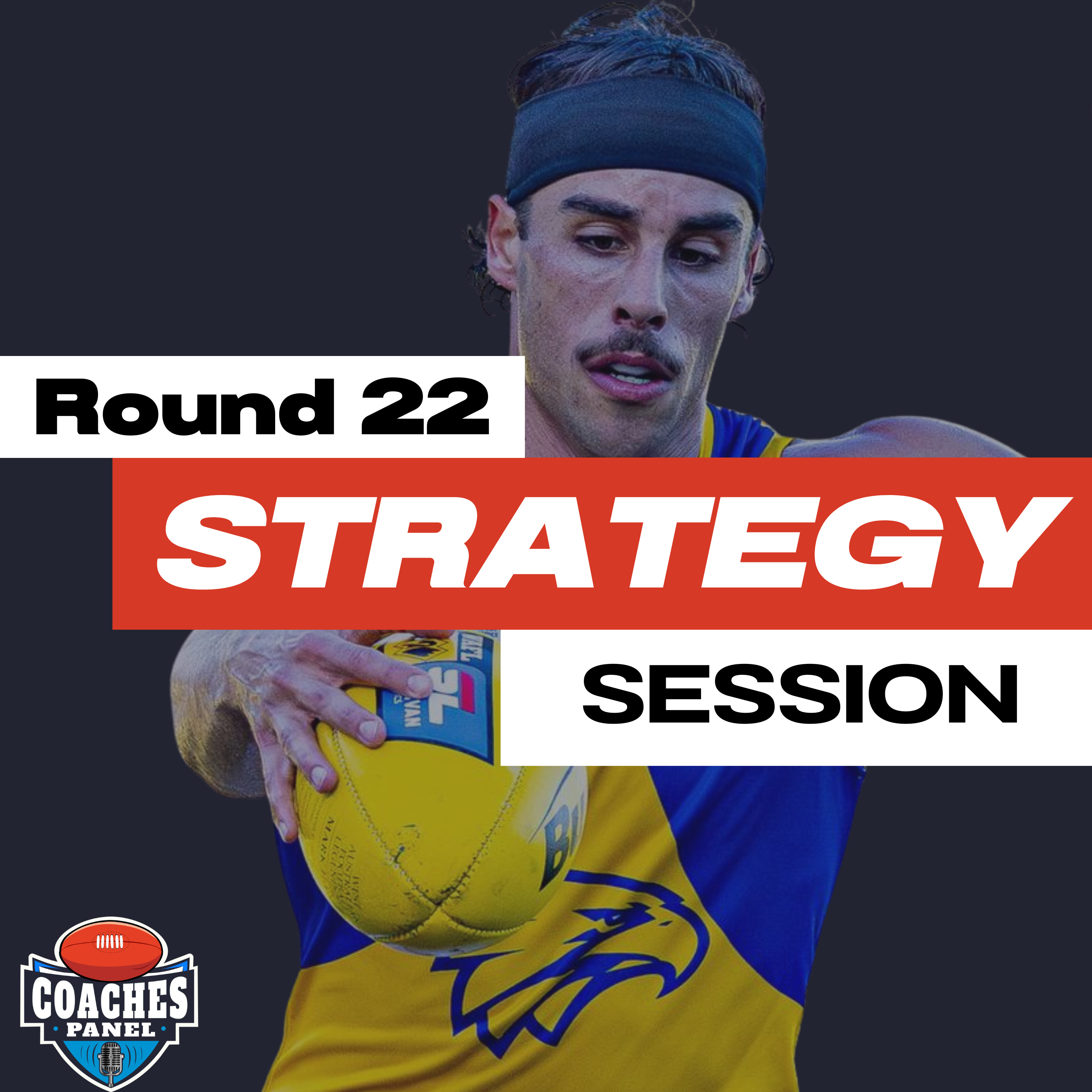
Round 22 Strategy Session
1w ago00:39:53Tap to summarizeRound 22 is brutal for tagged premiums. Zach Merrett, Bontempelli and Harley Reid are all in danger. Three weeks left in your AFL Fantasy and SuperCoach season, and the taggers are back in force. MJ and MiniMonk run through every negating matchup on the Round 22 slate, including the double-tag nightmare heading Zach Merrett's way and the two-week stretch that could sink Bontempelli owners.Then it's onto the good stuff. Which PODs have the fixture to actually make you money and points, why Miles Bergman is worth a look, and how to use the loophole to hide your rookies while you scope out the best DVP matchups without burning a trade.We also start the 2026 season review process properly, breaking down the misses that were obvious in hindsight (Dawson) versus the ones that weren't (Petracca, McCluggage), and why AFLW Fantasy kicking off this Sunday is worth your time even if you've never played it before.Social Media:FacebookTwitterInstagramTikTokCheck Out the StoreSupport Us:Patreon
Transcribe →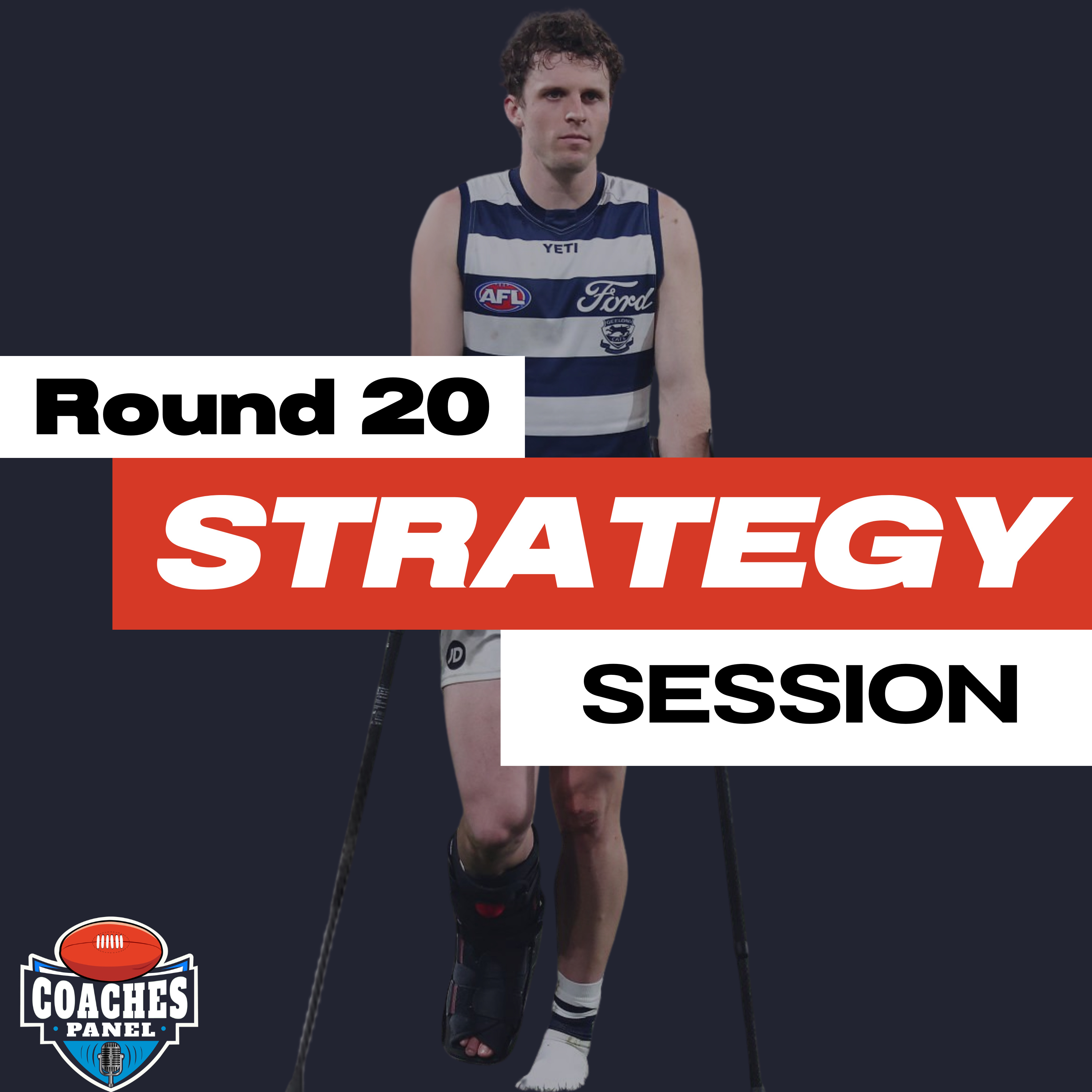
Round 20 Strategy Session
3w ago00:41:27Tap to summarizeAnother premium has gone down.With Max Holmes sidelined and just weeks remaining in the AFL Fantasy and SuperCoach season, coaches are facing a crucial question:Who replaces him, and how aggressive should you be?In this week's Coaches Panel Strategy Session, MJ Want and MiniMonk break down the biggest decisions heading into Round 20 across both AFL Fantasy and SuperCoach.This isn't a trade-target episode.It's about understanding the strategic opportunities that can separate coaches during the most important part of the season.Social Media:FacebookTwitterInstagramTikTokCheck Out the StoreSupport Us:Patreon
Transcribe →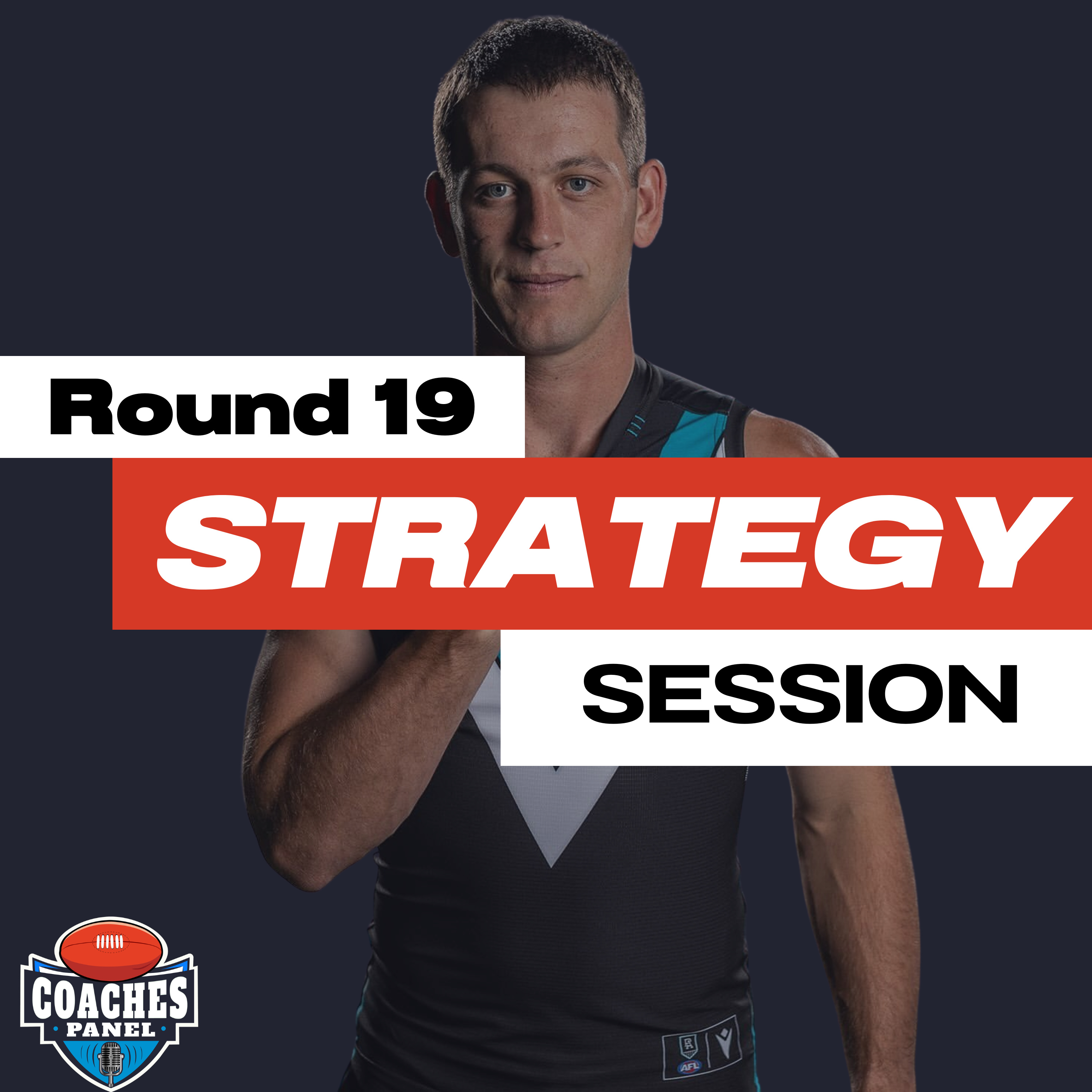
Round 19 Strategy Session
4w ago00:40:02Tap to summarizeZak Butters replacementWho are the best options and is it format dependant?Owned by over 60% in both AFL Fantasy & SuperCoach How critical is it?For those who traded out of Lachie Whitfield or are considering a premium defender upgrade trade how important is he?Where did it all go wrong?For many this year has gone to crap. Was it bad luck? Bad trading? How did those turn the year around after an injury riddled start? Social Media:FacebookTwitterInstagramTikTokCheck Out the StoreSupport Us:Patreon
Transcribe →
Round 18 Strategy Session
Jul 800:40:08Tap to summarizeRound 18 presents some of the toughest strategic decisions of the fantasy season.In this week's Coaches Panel Strategy Session, MJ Want and MiniMonk tackle the biggest AFL Fantasy and SuperCoach dilemmas facing coaches as the run home intensifies.From replacing a premium like Lachie Whitfield, to assessing the impact of returning stars, navigating ruck uncertainty, and identifying the teams with the best fantasy environments for the remainder of the season, this episode is designed to help coaches make smarter decisions for the final stretch.This isn't a trade-target episode.It's about understanding the frameworks behind the moves that could define your ranking or league campaign.Social Media:FacebookTwitterInstagramTikTokCheck Out the StoreSupport Us:Patreon
Transcribe →
Round 17 Strategy Session
Jul 100:33:39Tap to summarizeSt Kilda Trade Target Trio Nasiah Waganeen-Milera, Rowan Marshall and Callum WilkieAlso, who cover for the absence of the injured Jack SinclairSuperCoach Injury TradesWho and when do we pull the trigger on our final few tradesForward Line issues for AFL Fantasy Who are the best options and is it worth trading out / into any?Scoring Squad Depth Vs On Field performanceShould we focus on one? Doing so means we need to accept a sacrifice in the other
Transcribe →
Round 16 Strategy Session
Jun 2300:31:58Tap to summarizeOne injury can reshape an entire fantasy season. In 2026 we've had more than one... We've had PLENTY!In this week's Coaches Panel Strategy Session, MJ Want and MiniMonk tackle one of the biggest issues facing AFL Fantasy and SuperCoach coaches heading into Round 16: How to replace Jack Sinclair.With approximately half of the competition needing to make a decision, the discussion goes beyond the obvious premium replacements and explores the creative solutions that could provide structure, value, and a competitive edge for the remainder of the season.The episode also tackles a growing post-bye challenge: can coaches still trust rookies on field? Using Adelaide's Hugo Hall-Kahan as a case study, MJ and MiniMonk examine the balance between cash generation, job security, and the points required to compete during the run home.Finally, they turn their attention to the most important line in fantasy football: the rucks.Which premium rucks can coaches genuinely trust to deliver elite scoring through the final months of the season?Social Media:FacebookTwitterInstagramTikTokCheck Out the StoreSupport Us:Patreon
Transcribe →Round 15 Strategy Session
Jun 1600:51:11Tap to summarizeThe byes are nearly done, now comes the hardest part: making the right decisions for the run home.In this week’s Coaches Panel Strategy Session, MJ Want and MiniMonk break down the key AFL Fantasy & SuperCoach decisions ahead of Round 15, focusing on player replacement strategy, premium timing, role validation, and run‑home structure.This episode is about avoiding the moves that cost you leagues, not just chasing the next trade target.How to correctly replace a high‑performing defender without losing scoring stabilityWhat profile actually replaces Roberts: role, ceiling, or value?Avoiding reactive replacements that damage structureWhen a premium becomes structurally hard to accessIs chasing Dawson still viable — or a trap?The opportunity cost of buying vs fading elite premiums at this stage(Brent Daniels midfield role case study)How to identify sustainable role changesWhen a scoring spike is actually repeatableWhy chasing short‑term opportunity can stall upgrade progressionSean Darcy → Luke Jackson role and ruck split implicationsErrol Gulden → Chad Warner midfield balance and scoring shiftsHow returning players quietly reduce market share and role securityAFL Fantasy vs SuperCoach differences in impact (consistency vs scaling)Identifying players that will define the final stretch of the seasonWhy some premiums become non‑negotiable by Round 16+Structuring your team to avoid missing key end‑of‑season scorersSocial Media:FacebookTwitterInstagramTikTokCheck Out the StoreSupport Us:Patreon
Transcribe →
Round 14 Strategy Session
Jun 900:42:16Tap to summarizeThe bye rounds are entering their most important phase.In this week’s Coaches Panel Strategy Session, MJ Want and MiniMonk break down the key AFL Fantasy & SuperCoach decisions coaches must navigate heading into Round 14 with a strong focus on bye planning, premium prioritisation, downgrade strategy, and forward line structure.This episode is built for serious fantasy coaches trying to maximise points without damaging long‑term team structure.How to approach the final stages of the mid‑season bye roundsWhen to prioritise survival scoring vs long‑term upgradesIdentifying which bye‑round compromises are worth makingStructuring trades to avoid future corrective movesSocial Media:FacebookTwitterInstagramTikTokCheck Out the StoreSupport Us:Patreon
Transcribe →
Round 10 Strategy Session
May 1200:45:47Tap to summarizeAs we head into Round 10, the fantasy season enters a phase where how you trade becomes just as important as who you trade.In this week’s Coaches Panel Strategy Session, MJ Want and MiniMonk break down the key strategic questions AFL Fantasy and SuperCoach coaches are wrestling with right now from coaching changes and trade‑out priorities to downgrade scarcity and emerging DVP trends.This episode is built around decision frameworks, not player hype.What a coaching change at Carlton could mean for role stability, ball movement, and scoring profilesWhich types of players historically benefit or suffer after system changesDifferences in impact between AFL Fantasy consistency and SuperCoach scalingHow do you decide which problem to fix first?Using examples like Farrow vs Bruhn vs Rachele, MJ and MiniMonk discuss:Points on field vs cash generationStructural risk vs short‑term painWhen the “obvious” trade out isn’t actually the correct oneThis segment helps coaches align trades with team context, not public sentiment.Why limited downgrade options change upgrade cadenceWhen it’s okay to slow down upgradesAlternative pathways to maintain momentum without burning tradesClear contrasts are made between:AFL Fantasy flexibilitySuperCoach price mechanics and breakeven pressureWhich DVP trends are becoming reliable enough to influence tradesWhen DVP should confirm a trade — not drive itHow to avoid chasing matchup data at the expense of role securityThis segment focuses on practical application, not raw numbers.🧠 Strategy topics covered:Coaching Change Impact: CarltonCompeting Trade‑Out PrioritiesWhat to Do When Downgrade Options Dry UpDVP Trends That Matter
Transcribe →
Round Nine Strategy Session
May 500:52:40Tap to summarizeIn this Coaches Panel Strategy Session, MJ Want and MiniMonk unpack the key frameworks that help coaches either get ahead or stabilise their season across AFL Fantasy and SuperCoach. This episode targets the decisions that don’t show up in a trade‑target list but heavily influence outcomes over the next 4–6 weeks.Social Media:FacebookTwitterInstagramTikTokCheck Out the StoreSupport Us:Patreon
Transcribe →