← Coffee Break Spanish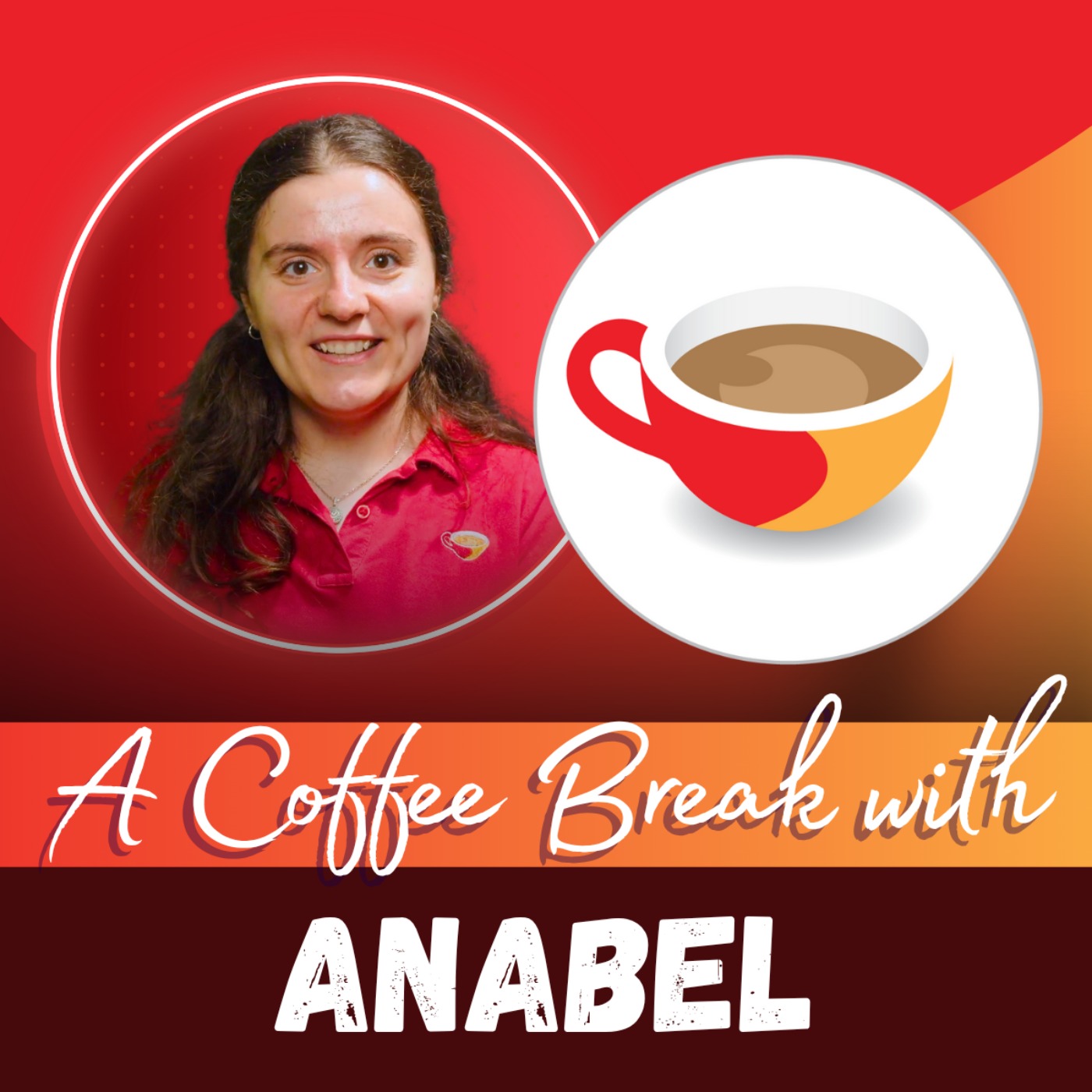
Coffee Break Spanish
Five Spanish idioms every beginner should know
00:07:34
Make your conversations sound more natural from the very beginning
Loading summary
Transcript6 lines
- [00:00]
A
Hi, this is Becca Moore from For the Girls and this podcast is sponsored by Aerie where you can find the right bra in 59 sizes, soft fabrics and good fits. If your bra strap is digging into your shoulder right now, it's the wrong bra. We get so used to being in pain as girls that we forget it doesn't have to be this way. Your clothes should not hurt. I got to the point where I stopped wearing bras altogether and now my life has changed you guys. The only bras I have in my dresser right now are Aerie and I'm not kidding Aries on a mission to make you feel good and that starts with your bra. Your bra should hold you in, not back. Visit aerie.com to find the right bra for you.
- [00:33]
B
You stopped waiting for permission and started building yourself your dreams. Your credit Experian Boost could turn your on time payments into instant FICO score gains. Every bill you paid could become proof of your power. Self made, absolutely self funded. Experian could help you get there. Download the Experian app today. Results will vary. Not all payments are boost eligible. Some may not see improved scores or approval odds. Not all lenders use credit information impacted by experian boost. See experian.com for details. Experian
- [01:04]
C
welcome to Coffee Break Spanish yo soy nabel y estoy de vuelta en otro episodio. This time I want to bring you five beginner friendly idioms to start using in your daily conversations. These five idioms are beginner friendly because they can be used using A1 level grammar and also the vocabulary is covered in the beginner levels. Also I made sure they are useful so you can use them every day or as much as possible. However, if you are an intermediate level learner, no te preocupes because you can still use them. Before we start, I would like to say that this is the podcast version of a video episode that you can watch for free on YouTube. The link is in the description or you can simply go to our YouTube channel and you will find it there. General Pues di Choeso, vamos aver el primero. The first one is trabajar codo con codo which literally means to work elbow to elbow and it's used to mean to work side by side. Vamos averunejemplo mi amigo. Yo trabajamos codo con codo. My friend and I work side by side. As you can see we simply conjugate the verb treavajar and then add codo con codo super facil the next idiom is, and it literally means to throw a hand, but it actually means to lend a hand or simply to help. A continuation. Lo vemos en contexto. Si quieres hecho una mano a tu hermano. If you want, I can lend a hand to your brother. Here we can see to lend someone a hand. And just like in English, we can use an indirect object pronoun and si quieres lecho una mano. If you want, I can lend him a hand. Perfecto. Beamos el sigente modismo. For the next idiom, I want you to think about the last time you couldn't remember someone's name. You know exactly who the person is, and you definitely know their name, but you just can't recall it. What do we say in this situation? In English? That's right. We could say something like, ah, I have it on the tip of my tongue. And just like in English, we could use that idiom in Spanish when we want to express that type of frustration. Hai, lo tingo el apunta de la lengua. Here we are using tener algo el apunta de la lengua. The thing is that we are normally going to use tener in the present tense, so tengo I have. Something more important, though, is that we are going to use the pronoun lo instead of algo, which means that instead of saying tengo algo en la punta de la lengua, normally we are going to say lo tengo ella punta de la lengua. I have it on the tip of my tongue. This means that if you are not familiar yet with lo and the rest of direct object pronouns, you can still use it if you learn it as a set phrase. Hi lo tengo ella punta de la lengua. It will buy you time to think in a speaking exam, for example, and at the same time you will sound more natural and fluent. Es perfecto fantastico. Pues aura vemos el sigente modismo que es costar unojo de la cara. Can you guess what it means? Once again, it's very similar to an English idiom, although not exactly the same. It means to cost an arm and a leg. Let's see it in context. No boy a comprar los pantalones por que cuestan unojo de la cara. I'm not going to buy the trousers because they cost an arm and a leg. Notice that we say un hojo de la cara and not simply unojo. The whole phrase is unojo de la carazo. Be careful. Now, if your vocabulary range is a little higher. I have other versions of this idiom for you. The first one is costar un rignono. Un rignon is a kidney, so it literally means to cost a kidney. The other alternative, which is also very useful if you want to avoid the regular conjugation of the verb costar, is changing costar to valer, valer unojo de la cara, or valer un rignon. All of these options are interchangeable, so choose your favorite one. And our fifth one is one of my personal favorites, and it has many, many, many variations. But the most common one is comerce la cabeza. The tricky part here is that we use comer in its reflexive form because what we are actually saying is that you are eating your own head. And do you know what that means? It means to overthink. Vemos un e genplo. Ah, no te preocupes. No te comas mas la cabeza. Don't worry. Stop overthinking it. We could say this to a friend or family member who is overthinking a situation and we want them to stop worrying so much. Notice te comas, the reflexive form of the verb comer used in this idiom. I know the reflexive pronoun is easy to forget, but here it's essential, so please don't forget it. Also, I'm aware that of the five idioms, this is probably the trickiest one, but I think your Spanish speaking friends will love it. Asique mucho animo usando lo. Pues eso esto do puro. If you would like to receive free mini lessons every week straight to your inbox, go to coffeebreaklanguages.com Spanish and sign up for our newsletter. Much gracias como siempre y nos vemos pronto. Adios.
- [08:21]
B
You have been listening to a Coffee Break Languages Production for the Radiolingua Network. Copyright 2026 Radiolingua Ltd. Recording Copyright 2026 Radiolingua Limited all rights reserved.
- [08:40]
D
This episode is sponsored by Aerie. If you know me, you know that my philosophy is all about looking good and feeling feeling good every single day. And that honestly comes down to the first layer. I'm talking about bras. If your bra is digging into your shoulder, or maybe it's riding up in the back or you are dying to take it off at the end of the day, then that bra is not the right fit. And what I love about AERIE is that they have 59 different sizes in really soft fabrics and really good fits. Because at the end of the day. Your bra should hold you in and not hold you back. Visit aerie.com to find the right bra and your perfect fit.
- [09:16]
B
You stopped waiting for permission and started building yourself your dreams. Your credit Experian Boost could turn your on time payments into instant FICO score gains. Every bill you paid could become proof of your power. Self made, absolutely self funded. Experian could help you get there. Download the Experian app today. Results will vary. Not all payments are Boost eligible. Some may not see improved scores or approval odds. Not all lenders use credit information impacted by experian boost. See experian.com for details. Experian.