
Podcast
Compact Disasters
Hosted by Compact Disasters · EN
Compact Disasters is a podcast that delivers bite-sized episodes exploring some of the world's most catastrophic events, from natural disasters to human-made tragedies. Each episode, lasting less time than it takes to enjoy a coffee, dives into the causes, consequences, and lasting impacts of these events, offering listeners a concise but comprehensive overview. Whether it's hurricanes, industrial accidents, or historical calamities, the podcast aims to engage and inform audiences with well-researched, fast-paced content that is both educational and gripping. Perfect for history enthusiasts, curious minds, or anyone looking to learn about significant disasters without a huge time commitment.
29episodes
Episodes
Newest firstAll episodes
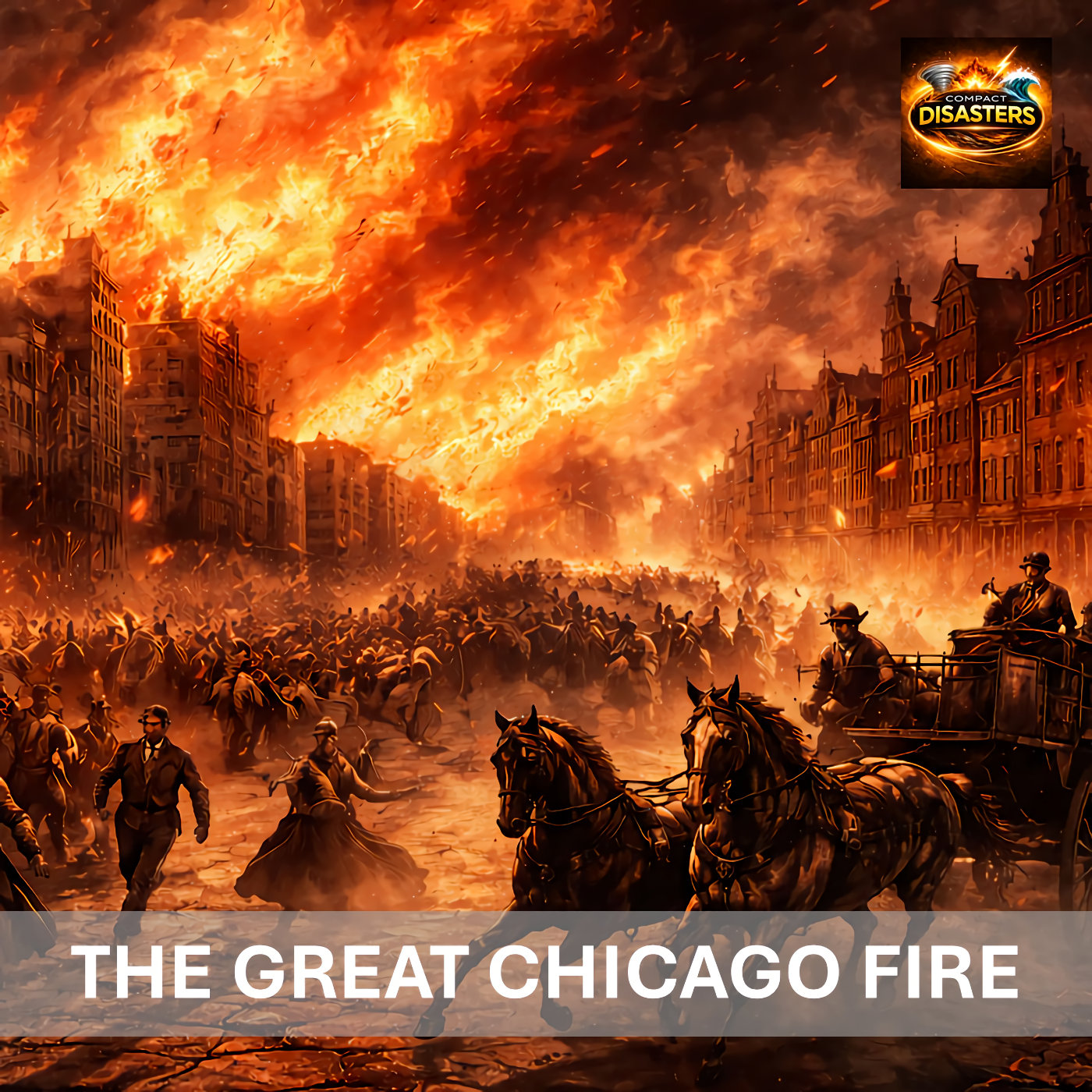
The Great Chicago Fire
Mar 700:18:52Tap to summarizeIn October 1871, a small fire on the southwest side of Chicago exploded into one of the most destructive urban disasters in modern history. Over three days, flames consumed entire neighbourhoods, killed hundreds, and left more than 100,000 people homeless. In this episode of Compact Disasters, we explore how the fire spread so rapidly, why the city was so vulnerable, the myths that grew in the ashes, and how the catastrophe reshaped Chicago forever, from building codes to firefighting and urban planning. Visit our website: Compact Disasters Find us on our social media sites: Facebook Instagram Pinterest Youtube #compactdisasters #greatchicagofire #chicagohistory #historicaldisasters #urbanfires #19thcentury #americandisaster #firehistory #disasterpodcast
Transcribe →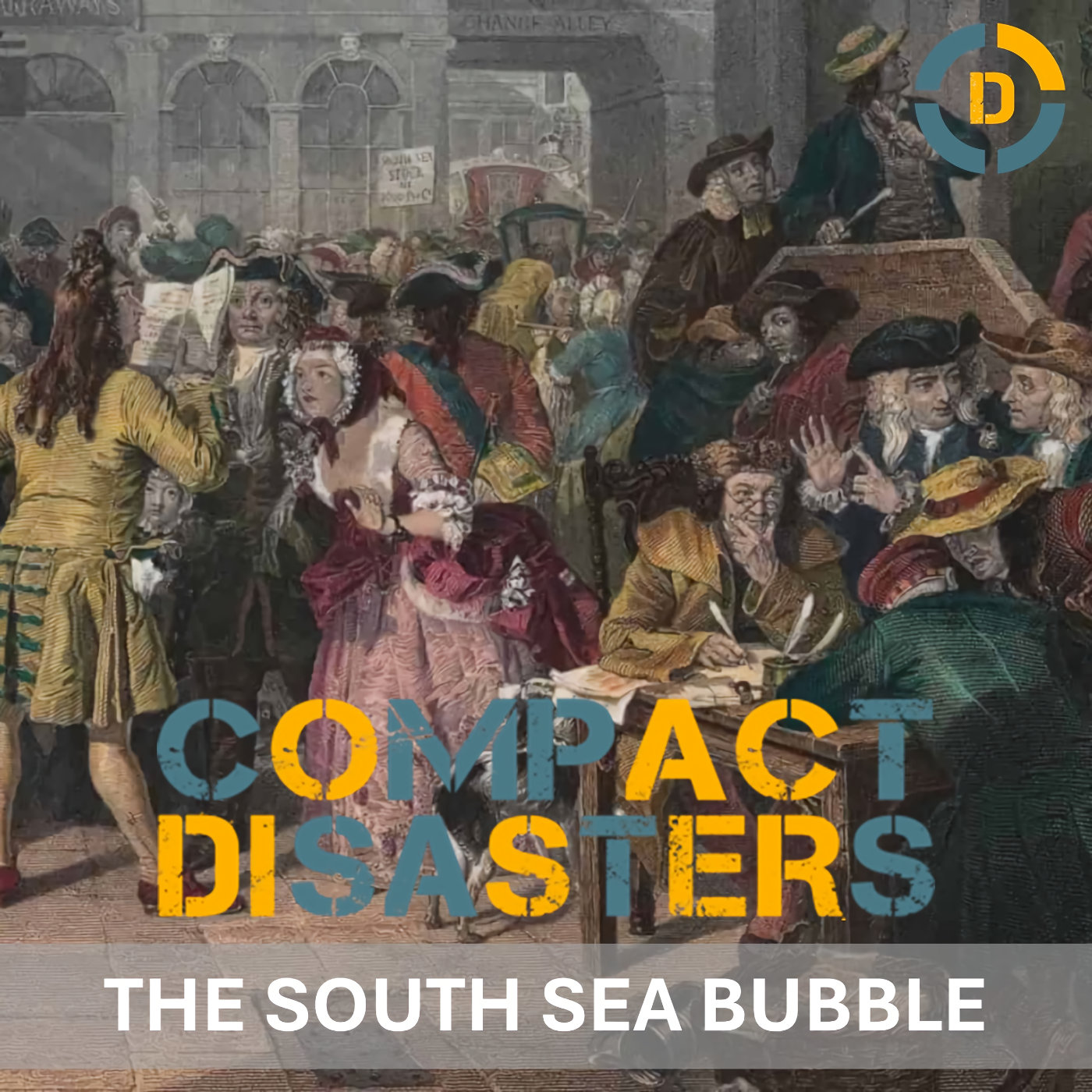
The South Sea Bubble
Feb 2800:23:04Tap to summarizeIn 1720, Britain experienced one of the first great financial disasters of the modern world. Promoted as a patriotic solution to national debt, the South Sea Company promised vast profits from overseas trade that barely existed. Share prices soared from just over £100 to more than £1,000, drawing in politicians, aristocrats, and ordinary citizens alike. When confidence collapsed, fortunes vanished almost overnight, leaving ruin, scandal, and public outrage in its wake. In this episode of Compact Disasters, we examine how speculation replaced substance, why Parliament itself was implicated, and how the South Sea Bubble became a permanent warning about finance, power, and belief. Visit our website: Compact Disasters Find us on our social media sites: Facebook Instagram Pinterest Youtube #SouthSeaBubble #FinancialCrash #EconomicHistory #Speculation #CompactDisasters #HistoryPodcast
Transcribe →
The Vajont Dam Disaster
Feb 2100:20:22Tap to summarizeOn the night of 9 October 1963, one of the world's tallest dams survived intact, while entire towns below it were wiped out. When a massive landslide collapsed into the Vajont reservoir in northern Italy, it displaced a wave of water that overtopped the dam and annihilated Longarone and nearby villages, killing around 1,900 people in minutes. The disaster was not caused by dam failure, but by ignored geological warnings and engineering overconfidence. In this episode of Compact Disasters, we examine how a technically perfect structure became the centre of a preventable catastrophe, and why Vajont remains one of the clearest examples of human-made disaster disguised as natural tragedy. Visit our website: Compact Disasters Find us on our social media sites: Facebook Instagram Pinterest Youtube #VajontDam #EngineeringDisaster #HydroelectricPower #ItalyHistory #CompactDisasters #HistoryPodcast
Transcribe →
The Lac-Mégantic Rail Disaster
Feb 1400:19:42Tap to summarizeIn the early hours of 6 July 2013, a runaway freight train carrying crude oil derailed in the centre of Lac-Mégantic, Quebec, triggering massive explosions that killed 47 people and destroyed the heart of the town. The train had been left unattended on a steep grade just kilometres away, secured by too few hand brakes and operating under cost-cutting practices that left no margin for error. In this episode of Compact Disasters, we examine how a chain of small decisions led to one of Canada's deadliest rail disasters, and why Lac-Mégantic became a turning point in the global debate over oil-by-rail safety. Visit our website: Compact Disasters Find us on our social media sites: Facebook Instagram Pinterest Youtube #LacMegantic #RailDisaster #OilByRail #RunawayTrain #CompactDisasters #HistoryPodcast
Transcribe →
The Love Canal Disaster
Feb 700:20:43Tap to summarizeIn the late 1970s, a quiet neighbourhood in Niagara Falls, New York became the centre of one of the most shocking environmental disasters in U.S. history. Built on top of a buried chemical dump, Love Canal exposed hundreds of families to toxic waste, triggering birth defects, chronic illness, and a national reckoning over corporate responsibility and environmental regulation. In this episode of Compact Disasters, we examine how decades-old decisions resurfaced through soil and basements, why residents were ignored for so long, and how Love Canal led directly to the creation of Superfund. Visit our website: Compact Disasters Find us on our social media sites: Facebook Instagram Pinterest Youtube #LoveCanal #EnvironmentalDisaster #ToxicWaste #Superfund #CompactDisasters #HistoryPodcast
Transcribe →
The 1999 Paddington Rail Crash
Jan 3100:20:48Tap to summarizeOn the morning of 5 October 1999, two passenger trains collided head-on just outside Paddington Station during the rush hour. At 08:11 a.m., a Thames Trains commuter service passed a red signal and crossed into the path of a high-speed Great Western Trains service travelling at up to 125 mph. The impact and resulting fire killed 31 people and injured more than 400, exposing deep failures in signalling safety, training, and the fragmented structure of Britain's privatised railways. In this episode of Compact Disasters, we examine what went wrong, why known risks were left unresolved, and how the Paddington crash reshaped rail safety across the UK. Visit our website: Compact Disasters Find us on our social media sites: Facebook Instagram Pinterest Youtube #PaddingtonCrash #LadbrokeGrove #RailDisaster #UKRail #CompactDisasters #HistoryPodcast
Transcribe →
The Tri-State Tornado
Jan 2400:18:35Tap to summarizeOn 18 March 1925, a single tornado carved a path of destruction across three U.S. states in just over three hours. Travelling more than 219 miles through Missouri, Illinois, and Indiana, the Tri-State Tornado killed at least 695 people and injured more than 2,000, making it the deadliest tornado in United States history. With no warning system, no sirens, and little understanding of tornado behaviour, entire towns were struck with seconds to spare. In this episode of Compact Disasters, we examine how the storm formed, why it was so lethal, and how its legacy reshaped tornado science and public safety forever. Visit our website: Compact Disasters Find us on our social media sites: Facebook Instagram Pinterest Youtube #TriStateTornado #Tornado1925 #NaturalDisaster #ExtremeWeather #CompactDisasters #HistoryPodcast
Transcribe →
The Rana Plaza Collapse
Jan 1700:19:24Tap to summarizeOn the morning of 24 April 2013, thousands of garment workers were ordered back into a building that engineers had declared unsafe just hours earlier. At 08:57 a.m., Rana Plaza collapsed in under two minutes, killing 1,134 people and injuring more than 2,500 in the deadliest industrial disaster in the history of the global garment industry. In this episode of Compact Disasters, we examine how illegal construction, ignored warnings, and international supply-chain pressure combined to turn a preventable failure into a mass grave, and why Rana Plaza still matters more than a decade later. Visit our website: Compact Disasters Find us on our social media sites: Facebook Instagram Pinterest Youtube #RanaPlaza #FactoryCollapse #IndustrialDisaster #Bangladesh #GarmentIndustry #CompactDisasters #HistoryPodcast
Transcribe →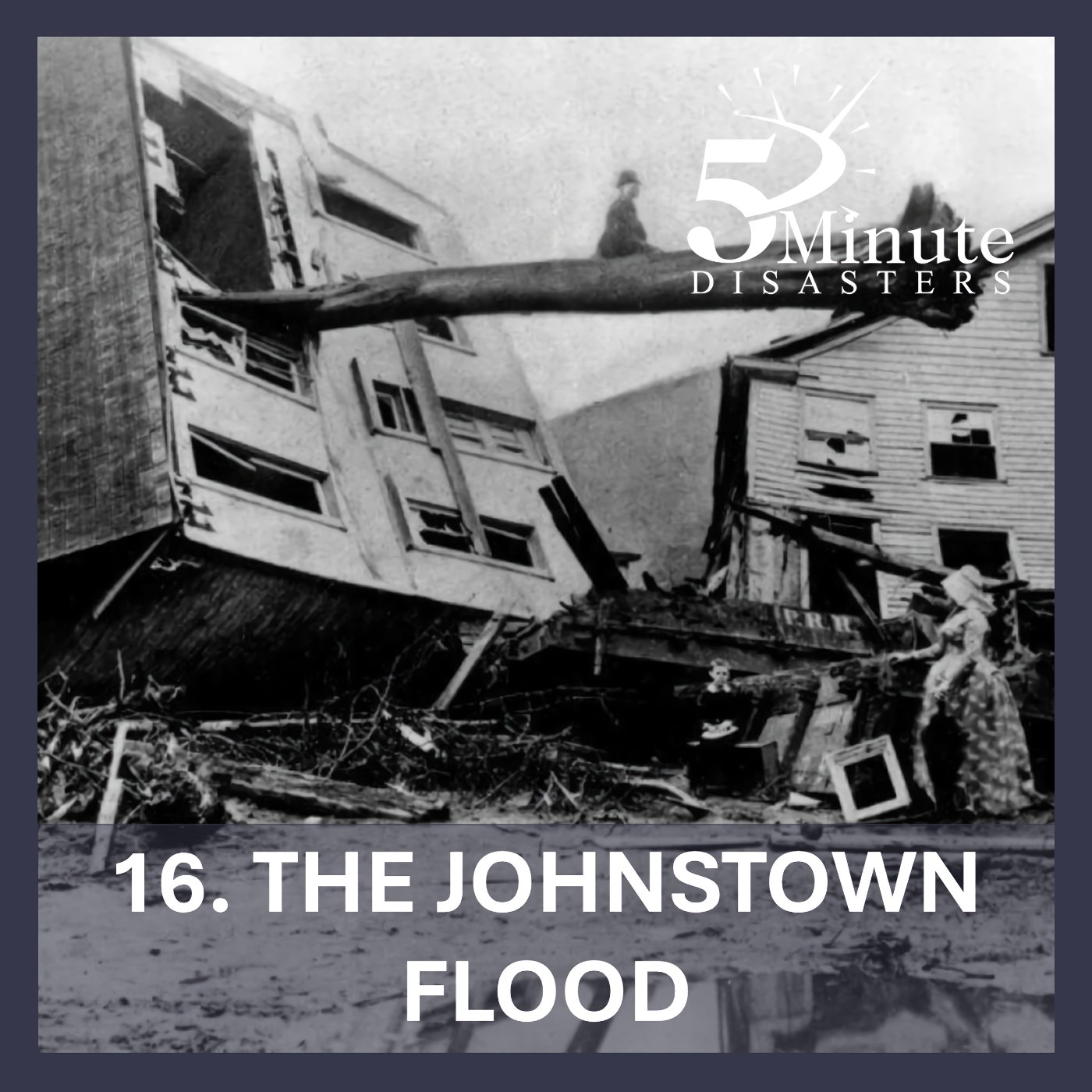
The Johnstown Flood
Nov 23, 2024Tap to summarizeIn episode 16 of 5 Minute Biographies, we take a look at the Johnstown Flood of 1889, which was one of the deadliest disasters in American history, claiming over 2,200 lives. It occurred when the South Fork Dam in Pennsylvania collapsed after days of heavy rain, unleashing 20 million tons of water onto the town of Johnstown. The flood destroyed homes, swept away entire neighbourhoods, and caused fires, leaving the community in ruins. Despite relief efforts led by the Red Cross, the tragedy exposed negligence by the wealthy owners of the dam, sparking outrage and highlighting the stark inequalities of the Gilded Age. Please consider supporting the show by subscribing and leaving a review wherever you get your podcasts, and if you would like to support us more directly, by say, buying us a coffee, then please head on over to 5minutedisasters.com/coffee to see how. An article supporting this episode can be found on the website at https://5minutedisasters.com/the-johnstown-flood/ Check out our other 5 Minute podcasts - 5 Minute Biographies, 5 Minute History, 5 Minute Murder, 5 Minute Mysteries, and 5 Minute Warfare at: 5minutebiographies.com 5minutehistory.com 5minutemurder.com 5minutemysteries.com 5minutewarfare.com
Transcribe →