← Consider This from NPR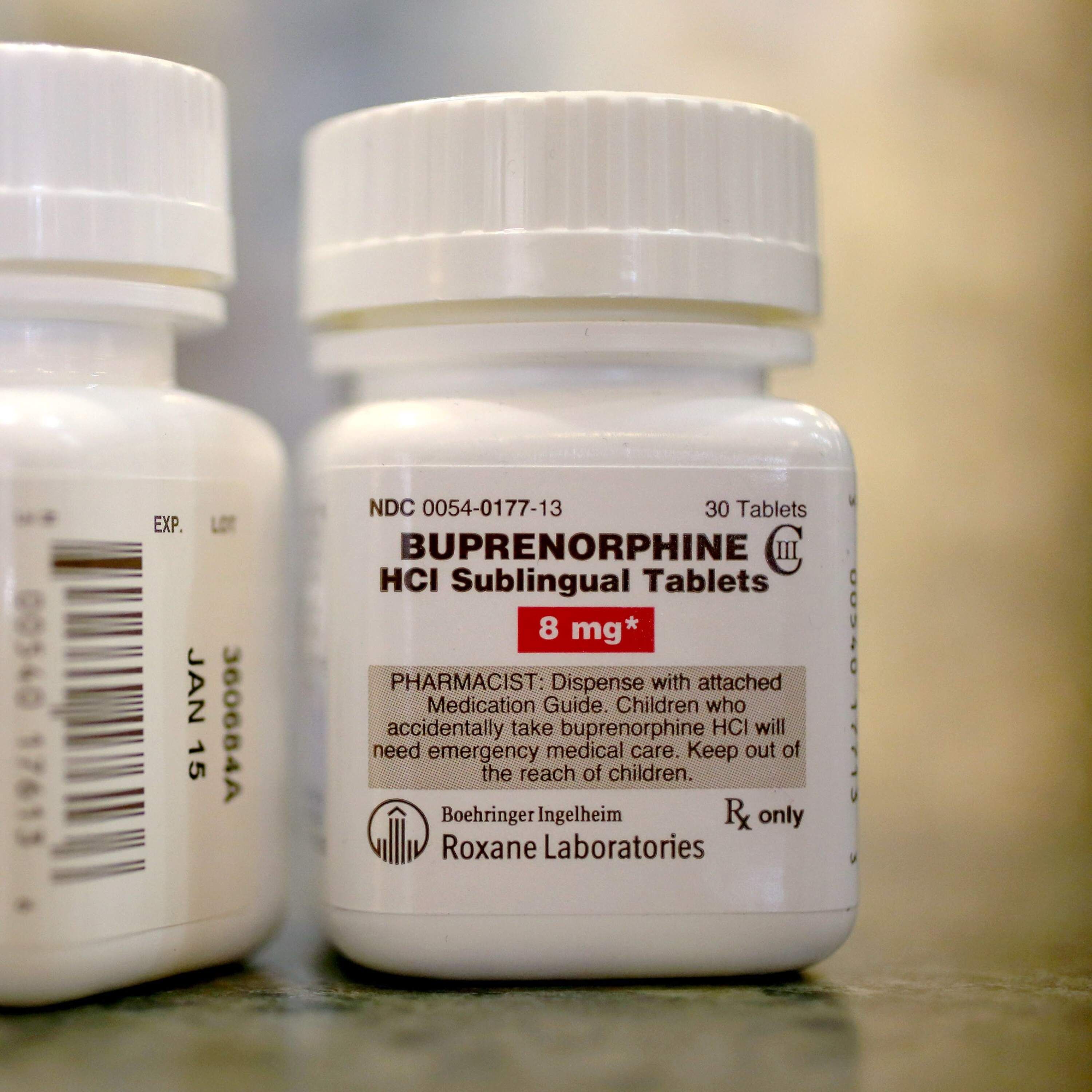
Consider This from NPR
Why do so many doctors and nurses avoid treating patients with addiction?
00:09:46
Loading summary
Transcript31 lines
- [00:00]
Ilsa Chang
It's consider this where every day we go deep on one big news story today. Why do so many doctors and nurses avoid treating patients with addiction? One night in December 2023, Jean Descamp was unresponsive and taken to the emergency room. He was experiencing signs of an overdose, and when police arrived, they pleaded with hospital staff to let him stay.
- [00:26]
Brian Mann
Why is he being released? We have no place to take him.
- [00:29]
Ilsa Chang
Experts say interactions like this are common where people experiencing signs of addiction are turned away from care by health care workers.
- [00:38]
Beth Meyerson
We are othering the person with opioid use disorder or substance use disorder suddenly not our patient anymore.
- [00:44]
Ilsa Chang
Beth Meyerson is an expert on addiction treatment at the University of Arizona College of Nursing.
- [00:49]
Beth Meyerson
We're going to not see that patient as a person anymore. That dehumanization process, we just can't filter that out.
- [00:57]
Ilsa Chang
Consider this. About a quarter of a million people die each year from alcohol and drug related illness. And there are proven medical treatments for addiction. So why aren't doctors prescribing them more often? From npr, I'm Ilsa Chang.
- [01:19]
Progressive Insurance Announcer
This message comes from Progressive Insurance. Insurance isn't one size fits all. That's why drivers have enjoyed Progressive's name your price tool for years. Now, with the name youe Price Tool, you tell them what you want to pay and they'll show you options that fit your budget. So whether you're picking out your first policy or just looking for something that works better for you and your family, they make it easy to see your options. Visit progressive.com, progressive Casualty Insurance Company and affiliates, price and coverage match limited by state law. This message comes from NPR sponsor Carvana. Carvana believes selling your car should be easy. Get a real offer down to the penny picked up from your driveway. You may keep waiting for a catch. There isn't one. Sell today@carvana.com Pickup fees may apply.
- [02:05]
Mint Mobile Announcer
This message comes from Mint Mobile. If you're tired of spending hundreds on big wireless bills, bogus fees and free perks, Mint Mobile is for you. Shop plans@mintmobile.com Switch taxes and fees extra. See Mint Mobile for details.
- [02:29]
Ilsa Chang
It's Consider this from npr. What would happen if doctors, nurses and other healthcare workers failed to treat patients facing a common and often deadly illness? Well, that is happening right now to millions of people in the US who struggle with alcohol and drug addiction. New federal data shows the vast majority of people with serious addictions still are not getting treatment, in part because most doctors refuse to offer medications proven to save lives. NPR's Brian Mann reports on a cold
- [03:03]
Brian Mann
December night in 2023, Jean Descamps was taken by ambulance to the emergency room at Providence Hospital in Milwaukee, Oregon, south of port. Descampf was 26 years old, homeless, emaciated, and experiencing what doctors believed was chronic street drug addiction, a leading cause of death for young Americans. The hospital's medical team cleaned him up and gave him Narcan, a medication that reverses opioid overdoses. But as he lay slumped and unresponsive, doctors and nurses called police and told them to remove Descamp, suggesting they drop him at a bus station. He's been evaluated medically. There's no medical problems for him. One of the hospital's medical team can be heard there on a body camera recording released by Milwaukee police. NPR hasn't been able to identify the speaker. He tells officers Descamp is faking the severity of his illness. And it's all behavioral. Yep, 100% behavioral. Police used a wheelchair to roll Dacamp's limp body into the dark hospital parking lot. In the cold, officers draped him with a blanket, voicing a concern about his safety. You at all feel comfortable with anything that's going on right now? No. A spokesman for Providence Milwaukee Hospital declined NPR's request for an interview about Descamp's case and didn't respond to detailed questions about his treatment. A statement issued to the media by the hospital after Descamp's death said, quote, we fell short of our goal of providing safe, reliable, compassionate care to our patient. After interviews with more than a dozen doctors, researchers and government officials, and a review of research and federal data, NPR found what happened that night in Oregon is part of a troubling national pattern. People with serious alcohol and drug addiction in regularly go to doctor's offices, clinics and hospitals, but are turned away after receiving insufficient or no treatment. Dr. Judy Chertak treats patients and teaches addiction medicine at the University of Pennsylvania.
- [04:54]
Dr. Judy Chertak
We would not allow as a society people with heart attacks to come to a hospital and not get appropriate treatment. This is as serious as that.
- [05:02]
Brian Mann
Chertak and others have been working for years to bring addiction treatment into the medical mainstream. While overdose deaths have dropped in recent years, alcohol and drug related illnesses still kill a quarter million people in the US Every year. New federal data shows fewer than one in five people who need help get any medical treatment for their addiction.
- [05:22]
Dr. Judy Chertak
Much of what I do is scream back at that. Many who ultimately die from their illness have had significant contacts with healthcare and social services agencies in the few months leading up to their deaths.
- [05:39]
Brian Mann
In the case of Jean Descamps, on that winter night in Oregon, death came much faster. Hey Gene.
- [05:46]
Ilsa Chang
Hey Gene.
- [05:47]
Dr. Judy Chertak
Boy.
- [05:48]
Mint Mobile Announcer
I don't know. I don't know.
- [05:49]
Brian Mann
Look at his eyes. I don't know. While officers were transporting Descamps to another medical facility, hoping to get him help, he overdosed from drugs already in his system. An investigation later found hospital staff never gave Descamps a toxicology test and ignored officers warning he might die. This kind of outcome is rarely caught on camera, but federal data suggests similar devastating medical events for people with addiction are common. One study by the Centers for Disease Control and Prevention found two thirds of fatal overdoses in 2024 involved people who had some kind of opportunity for intervention but didn't get help.
- [06:27]
Beth Meyerson
Where it comes to substance use disorder, we've not decided as a country. This is an illness we actually can treat.
- [06:34]
Brian Mann
Beth Meyerson is an expert on addiction care at the University of Arizona's College of Nursing. She says the problem isn't just in hospital emergency rooms. It's still comm for most doctors and nurses to actively avoid treating patients with alcohol and drug related illnesses.
- [06:49]
Beth Meyerson
So if I'm at my own gp, my own general practitioner, and I suddenly clear that I'm addicted to an opioid, my doctor will likely send me somewhere else, myerson says.
- [07:00]
Brian Mann
For the most dangerous forms of addiction, alcohol and opioids, those doctors should be offering many of their patients medications available for decades that are low cost and relatively easy to prescribe.
- [07:11]
Beth Meyerson
We have good tools. Methadone and buprenorphine are gold standard. And here's the best message. Here's the game changer. Access to treatment will reduce opioid overdose by 60% in some studies. I saw 80% in 2022.
- [07:25]
Brian Mann
The federal government made it far easier for doctors to prescribe buprenorphine, a medication that reduces opioid cravings and withdrawal symptoms. But studies show most still don't. It's even more rare for clinicians to offer medications like naltrexone that reduce alcohol cravings. The obvious is why. If addiction is common and deadly but also treatable, why don't more clinicians help? Chertok, at the University of Pennsylvania, says many of her fellow doctors view addiction patients with deep suspicion and even hostility.
- [07:58]
Dr. Judy Chertak
I have observed or heard people talk about someone with addiction in the healthcare setting in a way that is not tolerated for any other group. It's so jarring that that is accepted by so many.
- [08:16]
Brian Mann
A report issued earlier this year by the American Medical association identified stigma among health workers as a significant hurdle for patients needing treatment. That bias is so widespread, many doctors believe their patients will abuse addiction medications to get high, even though studies show misuse of buprenorphine is rare. Robert Deford is with a group called Shatterproof that works to convince physicians to treat substance use disorders. So persistent stigma, right? They don't want these people around them. They don't think that the drugs that we have that are FDA approved medications are really going to actually help the patient. That is what I would say is a fatal flaw in our system. Most experts interviewed by NPR said there has been gradual improvement in addiction treatment. More doctors, offices, clinics and ERs are adopting science based treatment practices, but no one said the current level of care is acceptable. And we heard again and again that progress is being hindered by the fact that most medical and nursing schools still don't teach clinicians how to care for addiction patients as a core part of their practice. Meyerson at the University of Arizona says that has to change.
- [09:26]
Beth Meyerson
We will have to have very clear laws, policies and frankly, training practices and curriculum in medical schools, nursing schools to really combat this. I know we can do this.
- [09:37]
Brian Mann
But for now, there are few legal or professional consequences for providing insufficient care. Even when addiction patients die on the bott. In a body camera recording after Jean Descamps fatal overdose, police officers can be heard voicing sorrow and anger at his lack of treatment. That guy does not need to be dead right now. That guy does not need to be dead right now, the officer says. NPR reached out repeatedly to Oregon health officials and reviewed documents relating to Descamp's case, but found no record that Providence Hospital or its staff faced any kind of disciplinary action. In a statement sent to npr, hospital officials said they have improved staffing and strengthened procedures for caring for vulnerable patients. The statement also says hospitals shouldn't be held accountable for what happens to patients after they're discharged. Brian Mann, NPR News.
- [10:27]
Ilsa Chang
This episode was produced by Liz Baker and Catherine Fink with audio engineering by Ted Niebane. It was edited by Maureen Pow and Tin Beat Ermias. Our director is Elena Moore and our interim executive producer is Courtney Dorning. It's consider this from npr. I'm Ailsa Chang.
- [10:50]
Mint Mobile Announcer
This message comes from Mint Mobile. If you're tired of spending hundreds on big wireless bills, bogus fees and free perks, Mint Mobile is for you. Shop plans@mintmobile.com Switch taxes and fees extra. See Mint Mobile for details. This message comes from Working Forests Initiative. Working forest professionals in the US Plant more than they harvest while also caring for water, wildlife and more. It's how a sustainable future is grown. Learn more at workingforestsinitiative. Com.