← Consider This from NPR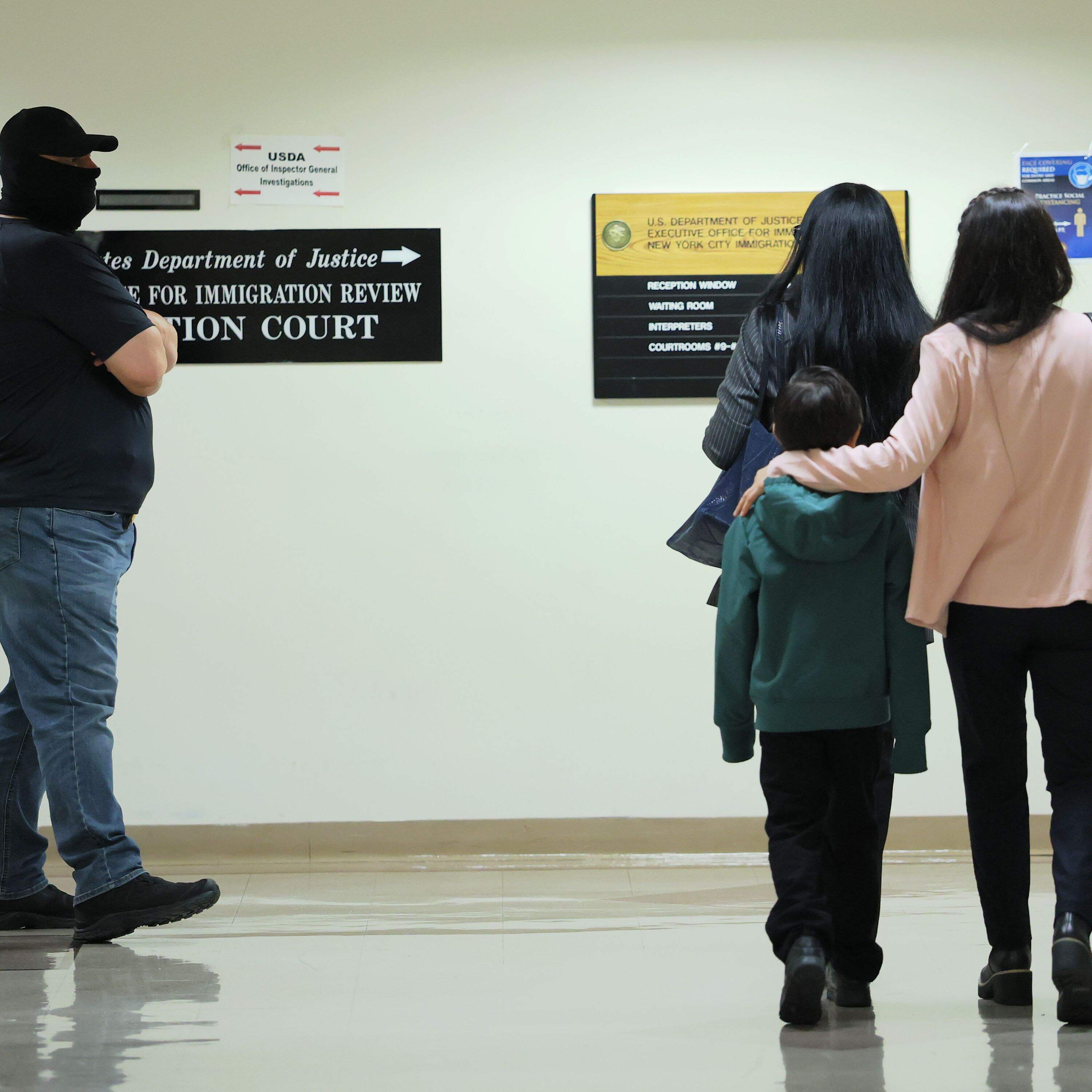
Loading summary
Transcript40 lines
- [00:00]
A
Hey there, it's Elsa Chang. The emails have probably already hit your inbox. But real quick before we start the show, today is Giving Tuesday. Thank you. If you have already stepped up to support NPR during a pretty difficult year for us when we saw the loss of federal funding for public media. There are so many of you like Shane in Arizona who says, quote, most days I listen to up first and or consider this first thing in the morning. I have enjoyed this content for years now without donating. But as my tax dollars no longer support it, I must do my part to support independent journalism. Thank you so much, Shane, for coming to that realization. And thank you, listener, if you've already made your gift or if you are an NPR supporter. If not, make your Giving Tuesday gift right now and sign up. NPR is a simple recurring donation that gets you perks to NPR's podcasts and you'll be supporting public media while you listen. Just join us at plus.NPR.org and now to today's episode. For several immigration judges these days, their last day on the job sounds pretty similar. I received the email, you know, I kind of froze for a moment, read it multiple times, took it in. My voice was shaking, my hands were shaking, my mind was racing. And I gave the decision and I dismissed everyone without mentioning anything.
- [01:34]
B
I had about, you know, 30 or.
- [01:36]
A
40 immigrants in my courtroom.
- [01:39]
B
I had DHS, I had court staff. I was on the bench, on the record.
- [01:46]
A
I had just finished explaining all to.
- [01:50]
B
The group like their rights and responsibilities.
- [01:52]
A
The interpreter who was in the courtroom with me, he had been in many hearings with me and he just started crying and he said, I can't believe this is happening. Those were former immigration judges Anam Petit in Virginia, Tanya Neamer in Ohio, and Kira Lillian from California. They are among a growing number of immigration judges that have been fired by the Trump administration. This year. Those judges are being replaced by, quote, deportation judges. The changes are part of an ongoing effort by the White House to overhaul the U.S. immigration system. The these judges speculate as to why they were let go, but no one was given a reason for why they were actually let go. Here's Lillian again. Anyone who ever represented a non citizen at any point in their lives, that seems to be the indelible stain that got them fired. In a statement to npr, the agency within the DOJ that oversees immigration judges says that if a judge shows, quote, systematic bias, then the agency can, quote, take action to preserve the integrity of its system. Consider this. About 140 immigration judges have been fired or have resigned. Meanwhile, the case backlog is growing. What does it mean for immigrants caught in the middle? Coming up, we speak with one of the judges recently let go. From npr, I'm Ilsa Chang.
- [03:24]
C
This message comes from International Medical Corps. When crises strike, every second matters. And that's why International Medical Corps moves fast from conflict zones to natural disasters to disease outbreaks. They deliver life saving medical care and supplies while training local health workers to ensure care continues long after the emergency ends. This giving season, your generosity saves lives and builds resilience for tomorrow. Learn more or donate today@internationalmedicalcorps.org NPR support.
- [03:57]
A
For NPR and the following message come from Ten Speed Press, publisher of star of the show My Life on Stage by Dolly Parton, a collection of personal stories, photos and more from a life spent center stage, available wherever books and audiobooks are sold.
- [04:13]
C
Support for NPR and the following message come from Warby Parker, the one stop shop for all your vision needs. They offer expertly crafted prescription eyewear plus contacts, eye exams and more for everything you need to see. Visit your nearest Warby Parker store or head to warbyparker.com.
- [04:40]
A
It's Consider this from npr. Immigration judges are a bit different. They work inside the executive branch at the Department of Justice, not the judiciary branch, meaning they're not independent from the president. And they represent the last chance for immigrants to argue why they should stay in the United States. But now the number of immigration judges in the US Is dropping. In the last two weeks, the Trump administration has fired more than 10 judges. Joining me now to talk about this is Jeremiah Johnson. He's one of those judges who was recently fired just before Thanksgiving. Welcome, Judge Johnson.
- [05:19]
B
Thank you for having me.
- [05:20]
A
So I just want to start with what happened to you personally. How were you notified of your firing and were you provided any explanation for why you're being let go?
- [05:29]
B
I was actually in a meeting with my acij, my supervisor, immigration judge, when a legal assistant had walked by and told us that judges were being fired. I wasn't told of who at that exact time or wasn't myself. But then I ended up down in my chambers later on, turned on my email and found out that I was one of the judges who had been fired. So I was notified via email and shortly thereafter, without even the ability to print that letter, I was locked out of the system.
- [05:57]
A
Oh, wow. And did that email explain why you were being fired?
- [06:01]
B
Pursuant to Article 2 of the Constitution, the attorney general had decided to remove me from my position. That was the only explanation given. And no. Thank you either.
- [06:10]
A
Well, NPR recently analyzed the professional background of some 70 judges who were fired through early November. We found that judges who only had work experience defending immigrants were fired at a much greater rate than those who only had experience working for the Department of Homeland Security. I'm curious, what do you make of that data?
- [06:31]
B
It appears to me that the immigration judges who are being fired have experience in immigration law. They're professional judges, experts in immigration law and policy. There were hiring trends in the past that favored Department of Homeland Security prosecutors and others over those with removal defense. So maybe the timing of, of the hiring may had something to do with that. But I do know when I was fired. On the day I was fired, colleagues of mine also had a background in the Department of Homeland Security. So you see this among all judges, professional judges, different backgrounds. And so that trend gives me pause. But I'm not certain that's the reason because the Attorney General gave no reason, just indicated that it was in her decision to remove.
- [07:15]
A
Well, we should note that in response to that NPR reporting, I just cited the Department of Justice told us, quote, quote, it does not target or prioritize immigration judges for any personnel decision one way or the other based on prior experience. So let me ask you, does that square with what you're seeing, what you've just described?
- [07:35]
B
What I think you're seeing is that immigration judges with experience are being targeted are being fired.
- [07:42]
A
Experience as to either immigration defense or immigration prosecution?
- [07:46]
B
No. As immigration judges themselves. First you saw people being fired who had two years probation on the bench. Now you're seeing other judges who have experience in the law. And the same day that we were fired, you have ads promoted by the Department of Homeland Security for deportation judges. So what I think you're seeing is an attack on judges themselves, the court system themselves.
- [08:09]
A
I was just going to ask you what you think the cost of these departures will be. Because there were about 700 immigration judges at the start of this year, and since then about 140 of them have been fired or have resigned, according to the Immigration Judges Union and NPR reporting. Is the immigration court system at a breaking point?
- [08:28]
B
Not at a breaking point. I would say a warning point. I do remain optimistic in the future because it is in the law that removal proceedings shall be conducted by immigration judges. Immigration judges are still on the bench. I think Congress needs to be asking those points to the department. I think the American taxpayer should also be asking those questions. There are currently a very large backlog.
- [08:52]
A
Of cases that need to be heard, millions of cases. So, I mean, what are some possible solutions that could help get through that backlog?
- [08:59]
B
Creating an independent immigration court, hiring more, investing in immigration courts. Right now you're seeing a divestor almost hiring temporary immigration judges or reallocating military personnel. While the NIJ and immigration judges appreciate the help, we want to make sure that those people are qualified and receive the proper training and experience. So I think there is a way forward, and that's with investment in the immigration courts, and we're not seeing that right now.
- [09:30]
A
But if I may push back, I mean, given this massive backlog of cases, why isn't the Trump administration's approach, this approach of firing judges and hiring new ones worth trying?
- [09:40]
B
Well, they're not hiring. We saw a number of temporary immigration judges, and the administration also then has lowered the standards for hiring those immigration judges. There has not been a replacement of the number of immigration judges. So I don't think you see the investment in immigration courts. It's not just this administration. It has been a long going neglect of the system that needs to be righted.
- [10:06]
A
Well, to return to your own firing, what happens to all of the immigration cases that were on your desk? They just get instantly reassigned.
- [10:15]
B
They are reassigned is my understanding. I was shut out the system at that time, so I don't have any. But I do know the morning that I was fired, I was hearing cases previously heard by another immigration judge who had been fired. So I was hearing those type cases.
- [10:32]
A
So the domino effect continues. Your cases have been reassigned to now even more overburdened judges.
- [10:39]
B
And I was handling not only my docket in San Francisco. I had been assigned a detained docket, so I was doubling up my docket. So every day I was hearing cases from Arizona of persons being detained, including national security cases that were ready for decisions this week, but are not going to be heard or not going to be decided on time by the judge that heard the case. So I see the approach is not working.
- [11:04]
A
Are you saying that you believe the Trump administration's recent firing of so many judges is only exacerbating the already big problem of backlogs of cases?
- [11:16]
B
Yes.
- [11:17]
A
But can you just put in very human terms for us, when there is a massive backlog of immigration cases, of millions of immigration cases, what does that mean for the individual whose case is just withering away, waiting for a judge to consider it?
- [11:33]
B
They're left in, in legal limbo, which isn't which. Not just before the courts, but their personal lives are placed on hold. These are people, most of them. Cases involve asylum, people seeking refuge here in the United States, and they have no finality in that decision. And families are separated. People want to move on with their lives and resettle. And they need a decision one way or the other. And the rule of law needs to have and to give them that decision. That's why they came here for that decision. And so these people are stuck waiting. Some of them have been waiting many, many years to begin with. I'm hearing cases that I accepted from a previous immigration judge eight years ago, and they are finally getting around to being heard and then have to be reset.
- [12:28]
A
That is Jeremiah Johnson, the executive vice president of the national association of Immigration Judges. Thank you very much for joining us today.
- [12:35]
B
Thank you.
- [12:36]
A
This episode was produced by Daniel Offman and Karen Zamora, with additional reporting by Jimena Bustillo and Anusha Mather. It was edited by Christopher Intagliotta and Courtney Dorning. Our executive producer is Sammy Yeniken. It's consider this from npr. I'm Ailsa Chang.
- [12:57]
C
Support for NPR and the following message come from Indeed hiring Do it the right way with Indeed's sponsored jobs claim a $75 sponsored job credit to get your jobs more visibility@ Indeed.com NPR terms and conditions apply. Support for NPR and the following message come from Warby Parker, the one stop shop for all your vision needs. They offer expertly crafted prescription eyewear plus contacts, eye exams and more for everything you need to see. Visit your nearest Warby Parker store or head to warbyparker.com this message comes from Schwab. Everyone has moments when they could have done better, like cutting their own hair or forgetting sunscreen. So now you look like a tomato. Same goes for where you invest. Level up and invest smarter with Schwab. Get market insights, education and human help when you need it. Learn more@schwab.com.