Podcast
Converging Dialogues
Hosted by Converging Dialogues · EN
Converging Dialogues is a podcast that is designed to have honest and authentic conversations with a diversity of thoughts and opinions. Wide-ranging topics include philosophy, psychology, politics, and social commentary. A spirit of civility, respect, and open-mindedness is the guiding compass.
convergingdialogues.substack.com
convergingdialogues.substack.com
43episodes
Episodes
Newest firstAll episodes
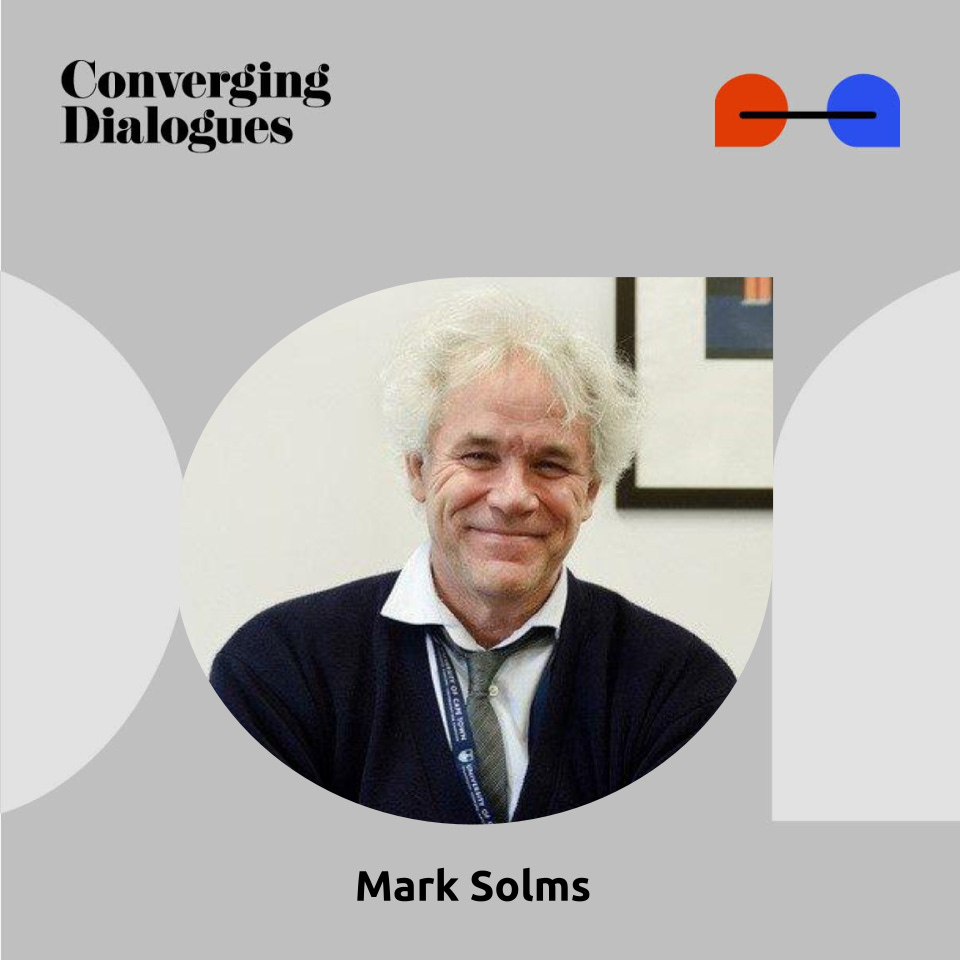
#502 - Freud and the Neuroscience of Mental Healing: A Dialogue with Mark Solms
1w ago01:47:31Tap to summarizeIn this episode, Xavier Bonilla has a dialogue with Mark Solms on Freud and the curative power of psychoanalysis. They discuss how he edited the complete psychological works of Freud, translation differences, and Lacan on Freud. They talk about how Freud developed his theory, subjective experiences vs. consciousness, Freud’s topographical model, neuroscience rediscovering Freud, Friston’s free energy principle, Freud’s drives and Panksepp’s drives, sex, pleasure, and libido, psychoanalysis as curative, and many more topics. Mark Solms is a neuropsychologist and psychoanalyst. He holds the chair of neuropsychology at the University of Cape Town in South Africa and is also the research chair for the International Psychoanalytic Association and science director of the American Psychoanalytic Association. A world-leading pioneer in neuropsychoanalysis, he has spent decades bridging Freudian theory and cutting-edge neuroscience. He is the translator and editor of The Revised Standard Edition of the Complete Psychological Works of Sigmund Freud. He is the author of numerous books including, The Hidden Spring: A Journey to the source of Consciousness and the most recent, The Only Cure: Freud and the Neuroscience of Mental Healing. You might also like: Get full access to Converging Dialogues at convergingdialogues.substack.com/subscribe
Transcribe →
#501 - The Origin of Sex: A Dialogue with Lixing Sun
2w ago01:09:04Tap to summarizeIn this episode, Xavier Bonilla has a dialogue with Lixing Sun about the origins of sex in many species. They discuss the origins of sex, asexual reproduction, sexual reproduction, and “flip-flopping.” They discuss large and small gametes, varieties of biological sex, Dawkins and the selfish gene, sex chromosomes, changing sex, intersex, mate choice and mate competition, sexual identity, and many more topics. Lixing Sun is a distinguished research professor at Central Washington University and a 2024–2025 Radcliffe fellow at Harvard University. He is author of The Liars of Natureand the Nature of Liars, The Fairness Instinct, and On the Origin of Sex. Get full access to Converging Dialogues at convergingdialogues.substack.com/subscribe
Transcribe →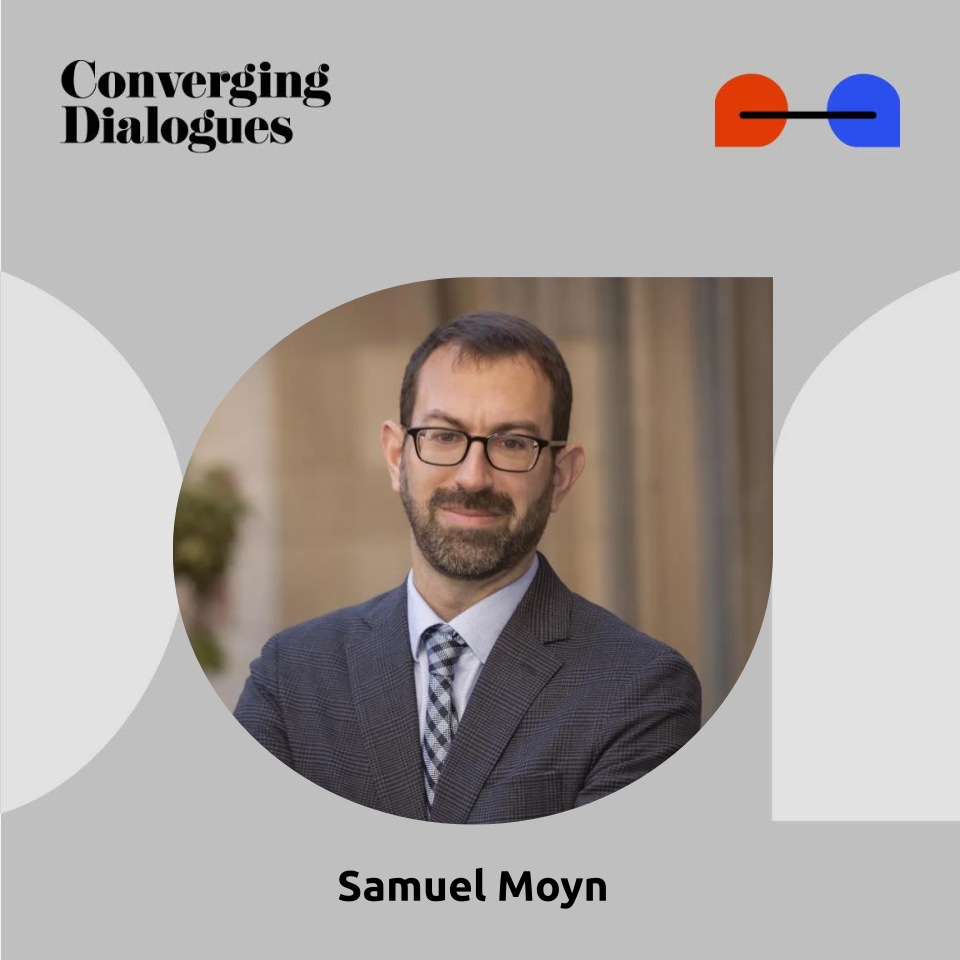
#500 - Gerontocracy In America: A Dialogue with Samuel Moyn
4w ago01:13:10Tap to summarizeIn this episode, Xavier Bonilla has a dialogue with Samuel Moyn about gerontocracy in America. They discuss how we live in a gerontocracy, coalitions, older institutions, avoiding ageism, oligarchies, elites and democracy, long term view, abundance, and many more topics. Samuel Moyn is Chancellor Kent Professor of Law and History at Yale University. He has his law degree from Harvard University and his PhD in modern European history from University of California, Berkeley. He is fellow at Quincy Institute for Responsible Statecraft and has received fellowships from the American Council of Learned Societies, the Berggruen Institute, and the John Simon Guggenheim Memorial Foundation. His main interests are in international law, human rights, and 20th century European moral and political theory. He was recently named one of Propsect Magazine’s top thinkers in the world for 2024. He is the author of numerous books including, Liberalism Against Itself: Cold War Intellectuals and the Making of our Times, and the most recent book, Gerontocracy in America: How the old are hoarding power and wealth and what to do about it. Get full access to Converging Dialogues at convergingdialogues.substack.com/subscribe
Transcribe →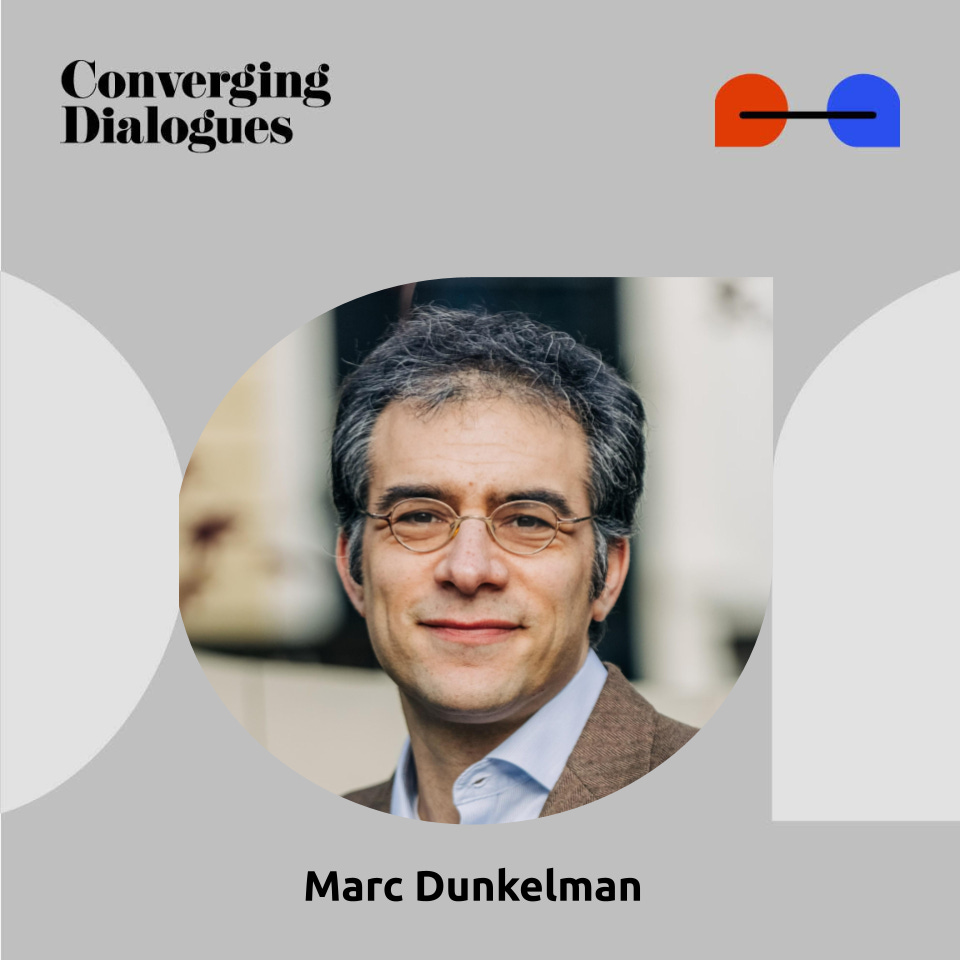
#499 - Why Nothing Works: A Dialogue with Marc Dunkelman
Jul 501:12:55Tap to summarizeIn this episode, Xavier Bonilla has a dialogue with Marc Dunkelman about progressives and policy ideas for growth. They discuss shared interests of collective and individual interests, progressives on big ideas, Hamiltonian and Jeffersonian progressive styles, pragmatic institutionalism, new ideas in the 21st century, elites, visionary leadership, and many more topics. Marc J. Dunkelman is a resident scholar at the Searchlight Institute and a fellow at Brown University’s Watson School for International and Public Affairs. During more than a decade working in politics, he worked for Democratic members of both the Senate and the House of Representatives. The author of The Vanishing Neighbor, Dunkelman’s work has appeared in The New York Times, The Atlantic, The Wall Street Journal, The Washington Post, The Financial Times, The Boston Globe, and Politico. He is the author of the latest book, Why Nothing Works: Who killed progress and how to bring it back. Get full access to Converging Dialogues at convergingdialogues.substack.com/subscribe
Transcribe →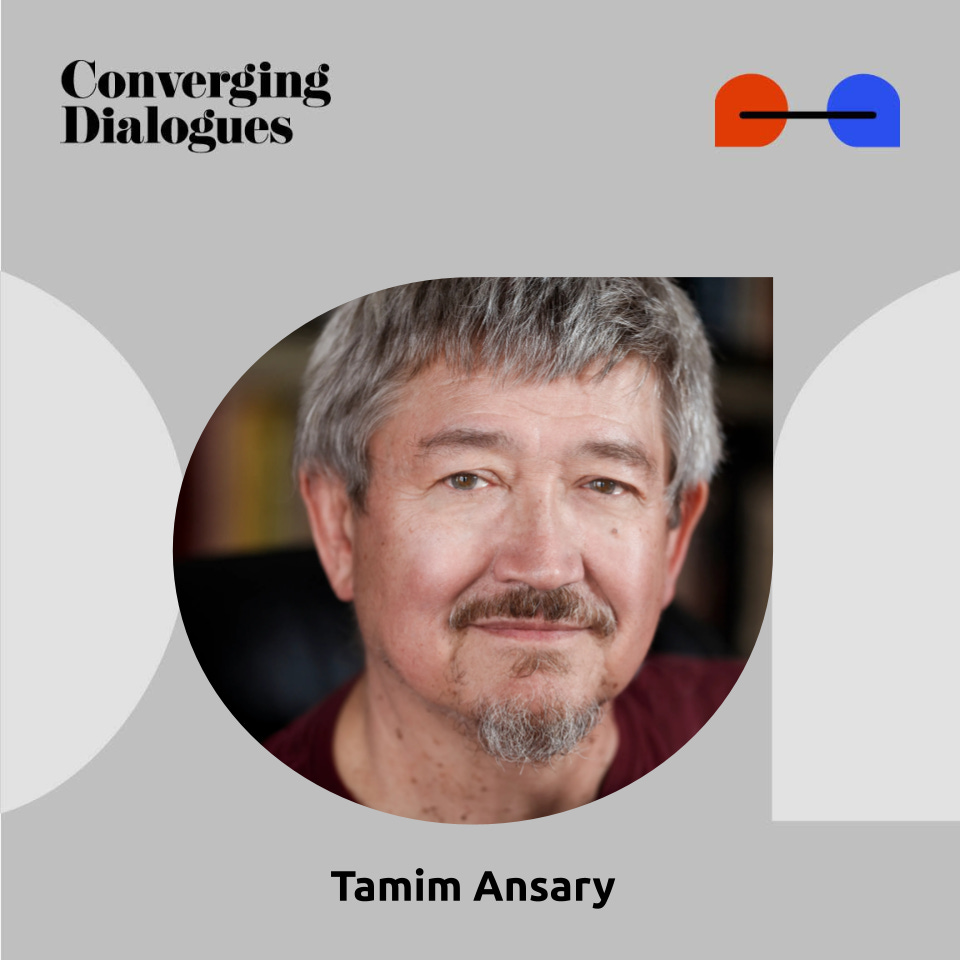
#498 - The Invention of Yesterday: A Dialogue with Tamim Ansary
Jun 2801:24:00Tap to summarizeIn this episode, Xavier Bonilla has a dialogue with Tamim Ansary about a global history of humans through time. They discuss the main theme of interconnectedness, language, symbols, and culture, origins and nomadic peoples, early trading, rise of city states, religion and belief systems, the Crusades, Mongol Empire, Ottoman Empire, colonialism, empires and nation states, and many more topics. Tamim Ansary is the author of many books, including Destiny Disrupted and The Invention of Yesterday. He has published essays and commentary in the San Francisco Chronicle, Salon, the Los Angeles Times, and more. Born in Afghanistan in 1948, he moved to the US in 1964. He lives in San Francisco. Get full access to Converging Dialogues at convergingdialogues.substack.com/subscribe
Transcribe →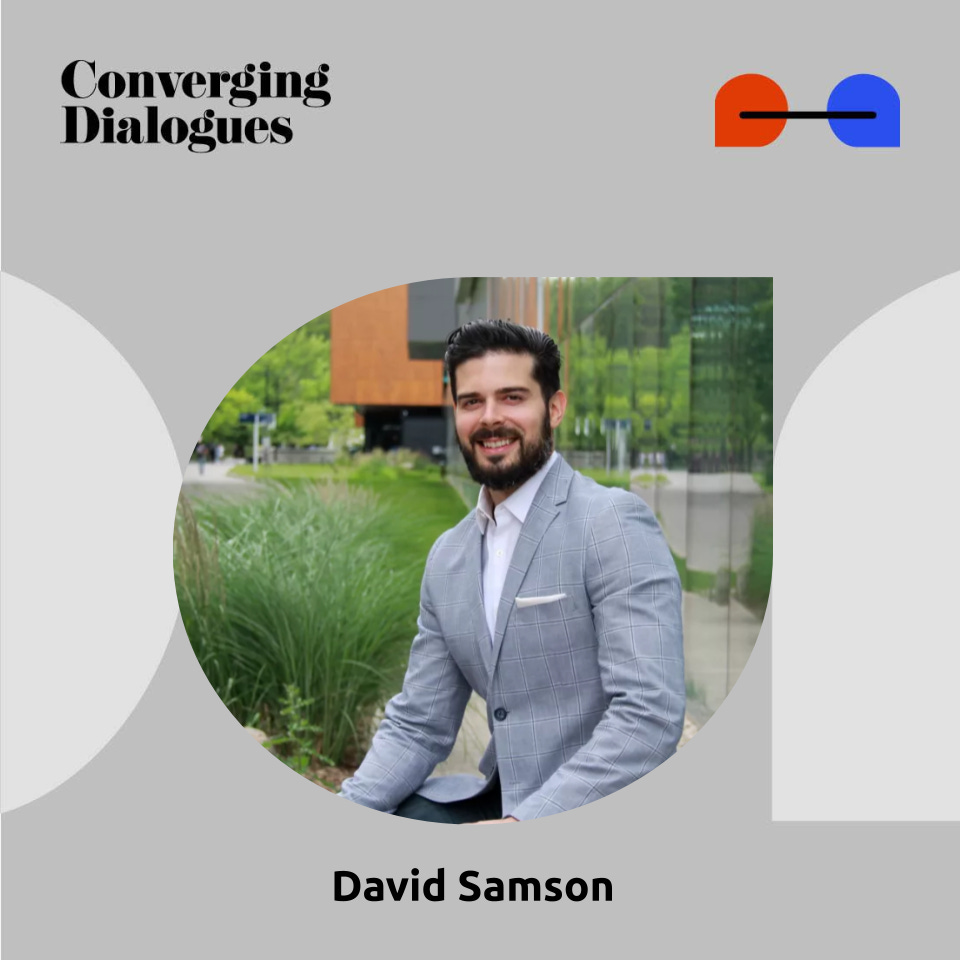
#497 - The Sleepless Ape: A Dialogue with David Samson
Jun 2101:45:11Tap to summarizeIn this episode, Xavier Bonilla has a dialogue with Davis Samson on the evolution of sleep. They discuss various sleep misconceptions, why we need sleep, stages of sleep, and the physiological and social aspects of sleep. They also talk about the evolution of circadian rhythms, napping, evolutionary differences, dreams, paleo sleep, and many more topics. David R. Samson is associate professor of evolutionary anthropology at the University of Toronto and the author of Our Tribal Future: How to Channel Our Foundational Human Instincts into a Force for Good. His pioneering research has been featured in National Geographic, Time, and The New York Times and on NPR and the BBC. He is the author of the latest book, The Sleepless Ape: The story of sleep in human evolution. Get full access to Converging Dialogues at convergingdialogues.substack.com/subscribe
Transcribe →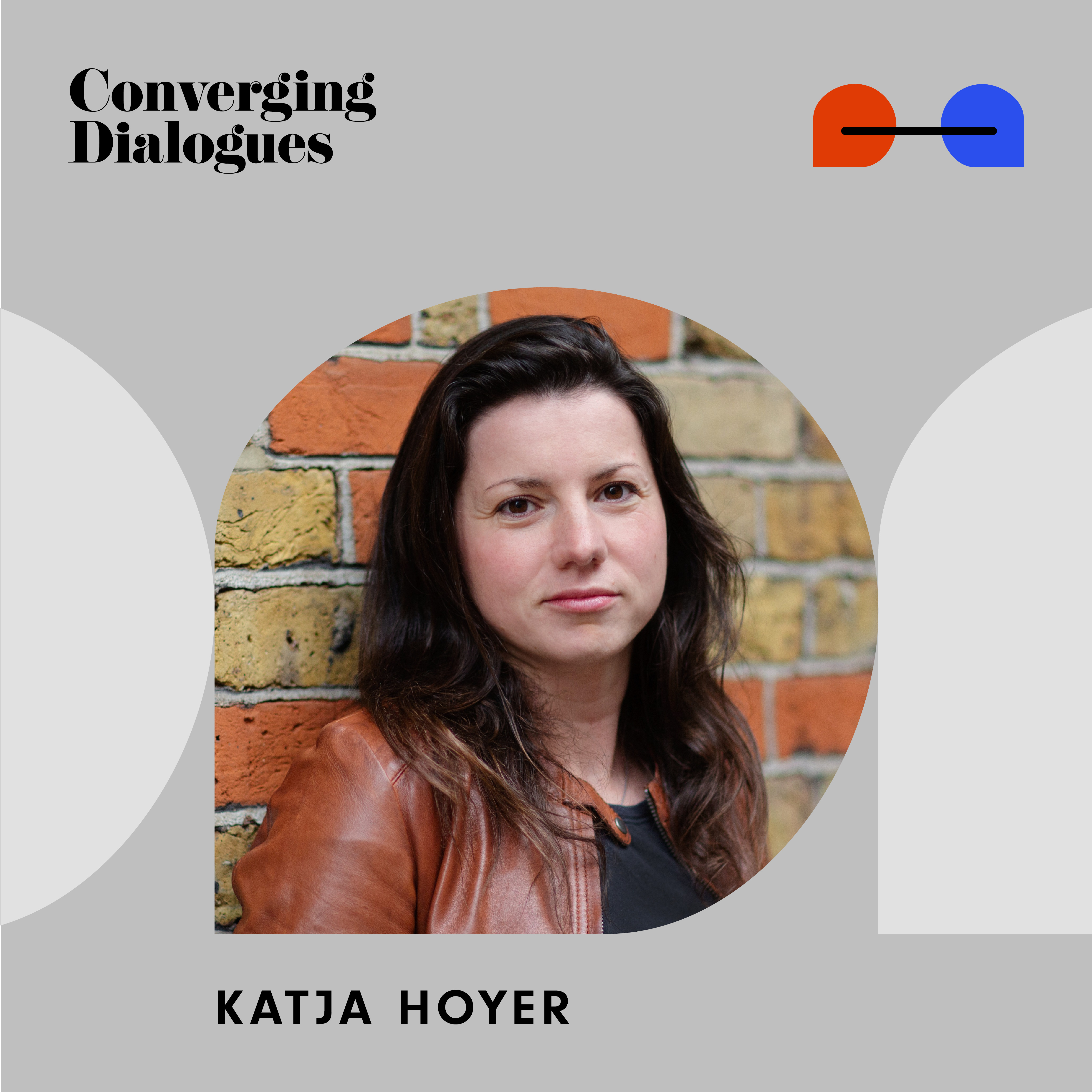
#496 - The Weimar Republic: A Dialogue with Katja Hoyer
Jun 1801:02:42Tap to summarizeIn this episode, Xavier Bonilla has a dialogue with Katja Hoyer about the Weimar Republic. They give an overview of the Weimar Republic, voting and role of economics, major figures, how Hitler won his election, Nazi rule under Weimar Republic, negative views against Jews, Weimar after World War II, and many more topics. Katja Hoyer is a historian and journalist who is visiting research fellow at King’s College London and a Fellow of the Royal Historical Society. She is also Global Opinions contributing columnist for The Washington Post. Her main research area is the history of modern Germany. She is the author of Blood and Iron: The Rise and Fall of the German Empire 1871-1918 , Beyond the Wall: A History of East Germany , and the most recent book, Weimar: Life on the edge of catastrophe. Get full access to Converging Dialogues at convergingdialogues.substack.com/subscribe
Transcribe →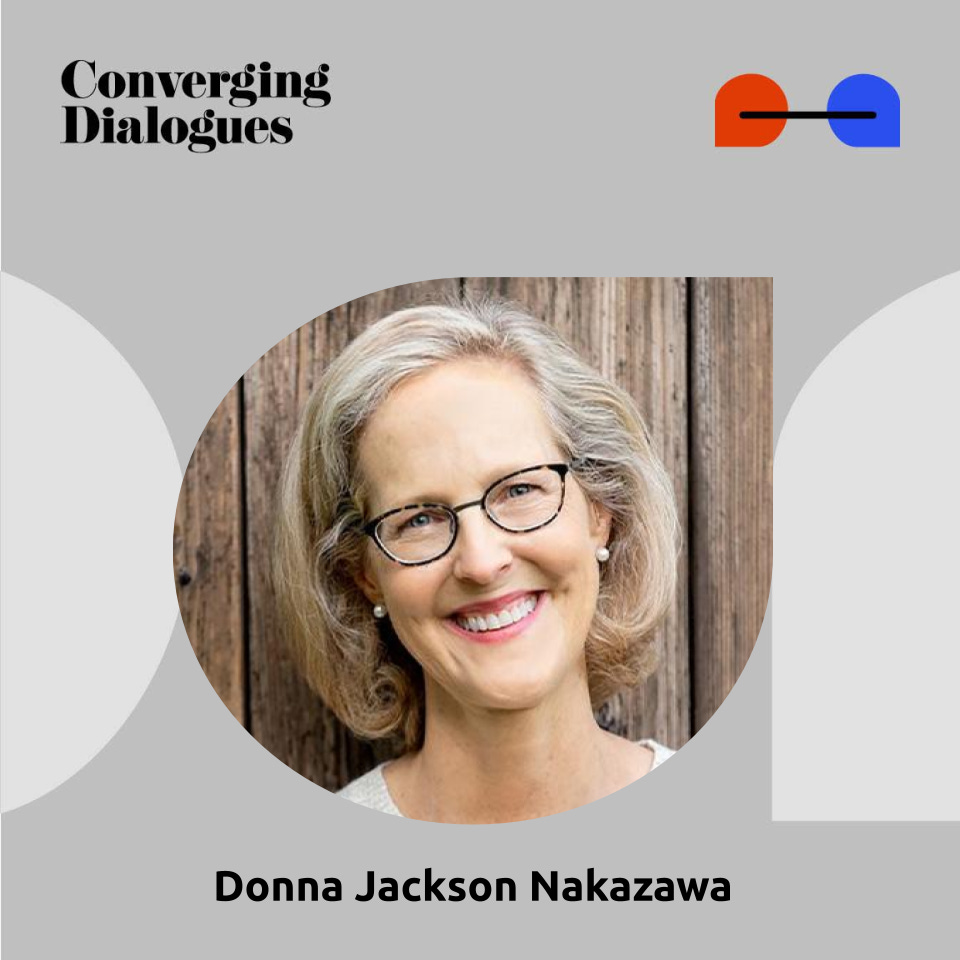
#495 - Rumination and Rumblings of the Mind: A Dialogue with Donna Jackson Nakazawa
Jun 1101:04:57Tap to summarizeIn this episode, Xavier Bonilla has a dialogue with Donna Jackson Nakazawa about rumination. They define rumination, talk about belonging, the Default Mode Network, MIST framework, therapy, various techniques, and many more topics. Donna Jackson Nakazawa is the author and writer of many books that explore the intersection of neuroscience, immunology, and emotion, including The Angel and the Assassin, named one of the best books of 2020 by Wired magazine, and Childhood Disrupted, which was a finalist for the Books for a Better Life Award. Her work has appeared in Wired, Stat, The Boston Globe, The Washington Post, Health Affairs, Parenting, AARP Magazine, and Glamour, and has been featured on the cover of Parade and in Time; she has appeared on Today, NPR, NBC News, and ABC News. Jackson Nakazawa is also the creator and founder of the narrative writing-to-heal program Your Healing Narrative: Write-to-Heal with Neural Re-Narrating.™ She is a regular speaker at universities, including the Harvard Division of Science Library Series, Johns Hopkins University, and the University of Arizona. Her recent book, Mind Drama: The science of rumination and how to outwit your inner defeatist. Get full access to Converging Dialogues at convergingdialogues.substack.com/subscribe
Transcribe →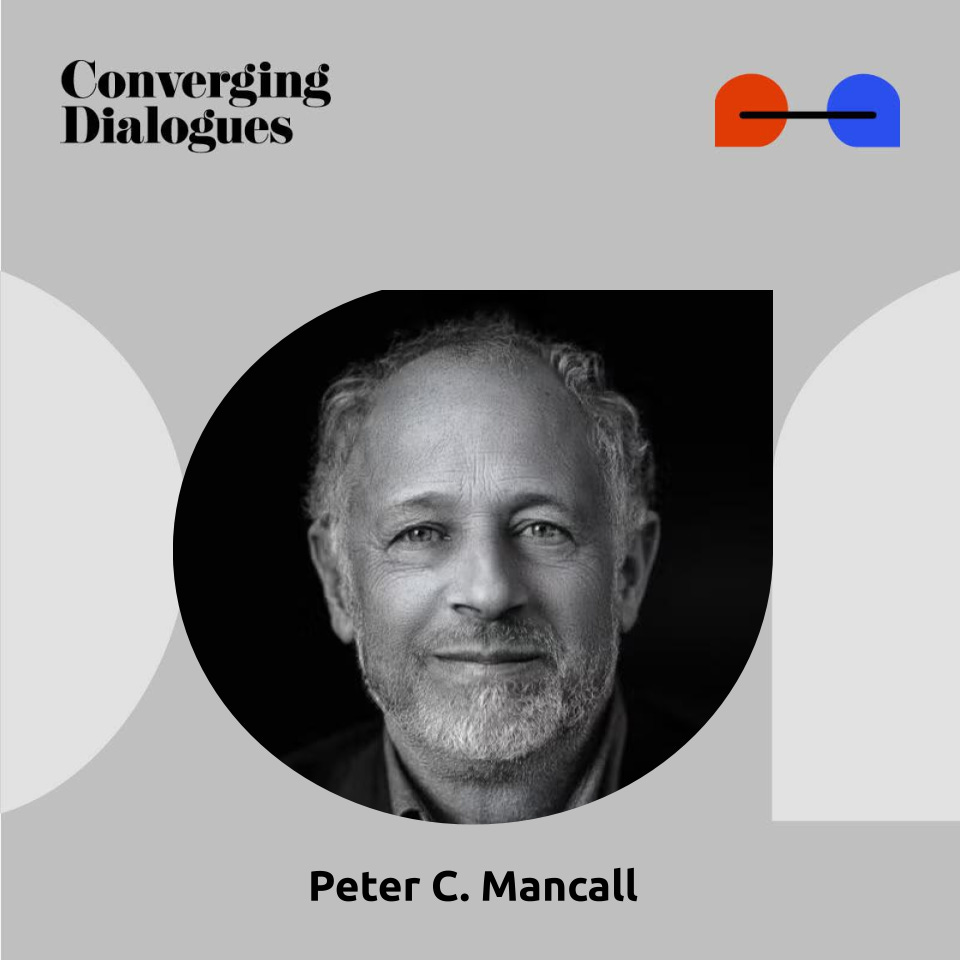
#494 - Contested Continent: A Dialogue with Peter C. Mancall
Jun 701:06:55Tap to summarizeIn this episode, Xavier Bonilla has a dialogue with Peter Mancall about the early years of North America. They discuss what is America, importance of Maize and landscape of pre-Columbian America, Native Peoples in the middle of the 15th century, Norse discoveries, Columbus, French in Canada, Cortes in Mexico, British involvement, religion, slavery, and the legacy of early North American history. Peter C. Mancall is Distinguished Professor; the Andrew W. Mellon Professor of the Humanities; Professor of History, Anthropology, and Economics; and the Linda and Harlan Martens Director of the USC-Huntington Early Modern Studies Institute. He is an elected fellow of the Society of American Historians and the Royal Historical Society and an elected member of the American Antiquarian Society and the Colonial Society of Massachusetts. He was the Harmsworth Professor of American History at Oxford University in the 2019-2020 academic year. He is the author of many books, including the recent book, Contested Continent: The struggle for North America, c. 1000-1680. Get full access to Converging Dialogues at convergingdialogues.substack.com/subscribe
Transcribe →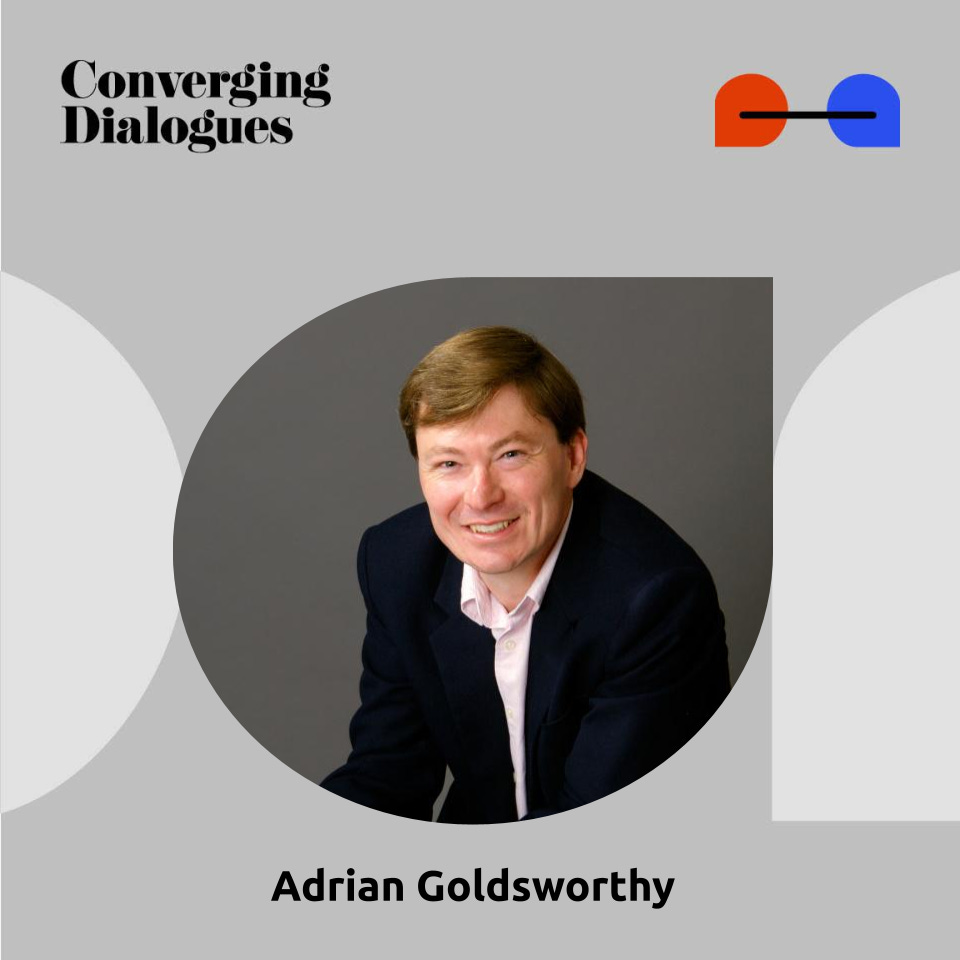
#493 - Athens & Sparta: A Dialgoue with Adrian Goldsworthy
Jun 201:33:20Tap to summarizeIn this episode, Xavier Bonilla has a dialogue with Adrian Goldsworthy about the history of Athens and Sparta. They provide an overview of Athens and Sparta, Aegean history, and city-states in Ancient Greece. They talk about why tyranny did not work in these early city-states, Persian War with Greece, Peloponnesian War, Alexander the Great, legacies of Athens and Sparta, and many more topics. Adrian Goldsworthy is a historian and author. He has his DPhil from Oxford University and has conducted research at Cardiff University and taught at King’s College London and University of Notre Dame. He is the author of numerous books on Roman history. Get full access to Converging Dialogues at convergingdialogues.substack.com/subscribe
Transcribe →