Podcast
Conversations: Psychology & Relationships
Hosted by ABC Australia · EN
The world's greatest minds in therapy, emotional intelligence and addiction; including Esther Perel, Glennon Doyle and Dr. Gabor Maté: from hit podcasts Where Do We Begin and We Can Do Hard Things, and the bestseller The Myth of Normal, sit down for a Conversation withRichard Fidler and Sarah Kanowski. In this collection of episodes, we’ve reached back into the rich archive and curated a selection of episodes where our guests speak about lived experiences and concepts like narcissism, psychopaths, domestic violence, trauma, healing, hope and love etc. To binge even more great episodes of the ‘Conversationspodcast’ with Richard Fidler and Sarah Kanowskigo the ABC listen app (Australia) or wherever you get your podcasts. There you’ll find hundreds of the best thought-provoking interviews with authors, writers, artists, politicians, psychologists, musicians, and celebrities.
15episodes
Episodes
Newest firstAll episodes
The Indigenous psychologist doing things differently - From the Pilbara to Perth and beyond
Oct 30, 202400:53:00Tap to summarizeDr Tracy Westerman grew up in the Pilbara, where suicide and mental health issues have deeply scarred Indigenous communities. So this Nyamal woman decided to do something about it.Nyamal woman Tracy Westerman grew up in some of the most remote parts of Western Australia, moving from a station to a town called Useless Loop, eventually landing in the mining town of Tom Price.Tracy, the daughter of an Aboriginal mother and a white father, became the first person who was educated entirely in Tom Price, from kindergarten to year 12, to go on to University.When she arrived in Perth, she had never been on a bus or on an escalator, but she was fired up to study psychology.Tracy wanted to use the skills she learned in the city to deliver practical mental health care to Aboriginal people, and to help entire communities reeling from the impact of suicide and other mental health issues.Along the way to obtaining her doctorate, Tracy has become a businesswoman, the WA Australian of the year, and she was awarded an Order of Australia Medal.Her next mission is to build an army of Indigenous psychologists to continue the work she's already started.Further informationJilya is published by University of Queensland Press.You can learn more about Dr Westerman's work here.To binge even more great episodes of the ‘Conversations podcast’ with Richard Fidler and Sarah Kanowski go the ABC listen app (Australia) or wherever you get your podcasts. There you’ll find hundreds of the best thought-provoking interviews with authors, writers, artists, politicians, singers, psychologists, musicians, and celebrities.Nyamal woman Tracy Westerman grew up in some of the most remote parts of Western Australia, moving from a station to a town called Useless Loop, eventually landing in the mining town of Tom Price.Tracy, the daughter of an Aboriginal mother and a white father, became the first person educated entirely in Tom Price, from kindergarten to year 12, to go on to University.When she arrived in Perth, she had never been on a bus or on an escalator, but she was fired up to study psychology.Tracy wanted to use the skills she learned in the city to deliver practical mental health care to Aboriginal people, and to help entire communities reeling from the impact of suicide and other mental health issues.Along the way to obtaining her doctorate, Tracy has become a businesswoman, the WA Australian of the year, and she was awarded an Order of Australia Medal.Her next mission is to build an army of Indigenous psychologists to continue the work she's already started.This episode of Conversations discusses mental health care, mental health struggles, First Nations mental health, remote communities, interracial relationships, psychology, university, PhD study, tertiary education, the Pilbara, Nyamal, traditional owners, Indigenous psychologist.
Transcribe →Changing prisoners' minds with Vedic meditation at Rikers Island
Oct 18, 202400:53:18Tap to summarizeJoh Jarvis was a high-flying boss when grief from a terrible loss began to overwhelm her. She tried therapy, exercise and healthy eating. Then she found Vedic meditation, and the experience was 'psychedelic'.Joh Jarvis is a Vedic meditation teacher.Every week, she travels into Rikers Island Prison — a notorious jail in New York City — to teach meditation to hardened criminals.Joh grew up in Adelaide and had always wanted to live amidst the bright lights of New York.After a stint as a bicycle courier, she worked her way up to management at the ABC.As she approached 50, she had a well-paying job, a nice house, and strong connections with friends and family. But long-term grief had hollowed her out, and she asked herself, is this all there is?Then she was introduced to Vedic meditation, and she says her first encounter was 'psychedelic'.To binge even more great episodes of the ‘Conversation podcast’ with Richard Fidler and Sarah Kanowski go the ABC listen app (Australia) or wherever you get your podcasts. There you’ll find hundreds of the best thought-provoking interviews with authors, writers, artists, politicians, psychologists, musicians, and celebrities.This episode touches on epic life stories, family dynamics, grief, loss, reflection, Vedic meditation, meditation, personal stories, origin stories, death, career, giving back, New York City, Rikers Island prison, incarceration, justice system, prison system, mindfulness and mantras.
Transcribe →The psychedelic revolution — how MDMA mended Rebecca's mind
Aug 30, 202400:52:42Tap to summarizeWhile struggling with PTSD, social researcher Rebecca Huntley chose an unconventional and underground path to healing — MDMA therapy.Rebecca Huntley is well known to many Australians for her formidable intellect and career as a broadcaster, an author and a social researcher.But despite her impressive public-facing life, in private, Rebecca's trauma from a difficult upbringing refused to leave her.At 50, she walked the Camino in Italy and realised that after 30 years of therapy, she was still living with a great deal of anger about what had happened to her as a child.She decided to take a radical step to deal with her PTSD and her suffering. She had three sessions of MDMA therapy, delivered by an underground healer. The treatment changed Rebecca's life and her view of the world.This conversation discusses therapy, trauma, psychedelics, drugs, parenting, grief, family, mothers, ancestry, fathers, family dynamics, domestic violence, going no contact, exploration and loss.To binge even more great episodes of the ‘Conversation podcast’ with Richard Fidler and Sarah Kanowski go the ABC listen app (Australia) or wherever you get your podcasts. There you’ll find hundreds of the best thought-provoking interviews with authors, writers, artists, politicians, psychologists, musicians, and celebrities.
Transcribe →The secret psychosis of a first-time mother
Jun 3, 202400:51:12Tap to summarizeWhen psychologist Ariane Beeston started having delusions after the birth of her son, and hallucinating that he was a dragon, she had to learn how to become the patient.Ariane Beeston thought that when her son was born, she would feel that immediate rush of love that everyone told her to expect, and that motherhood would come naturally to her.But that's not what happened.Instead, Ariane started having delusions about her own death, she became paranoid that social services would take her child away from her, and she hallucinated that her baby boy was actually a dragon.For months, Ariane hid her symptoms, afraid and ashamed of what she was feeling and seeing.When she gathered the courage to ask for help, Ariane, a trained psychologist, had to learn how to become the patient, as she navigated a diagnosis of postpartum psychosis.Further informationBecause I'm Not Myself You See is published by Black Inc. BooksResourcesCOPE: Centre of Perinatal ExcellenceSupport lines and resources recommended by COPEPANDA National Helpline 1300 726 306 — available Monday to Friday, 9am to 7.30pm, Saturday, 9am to 4pm AEST/AEDT.PANDA: Perinatal Anxiety and Depression Australia post natal psychosis informationPregnancy Birth Baby information on postpartum psychosis (Australian Government website)Gidget Foundation Australia (focuses on emotional wellbeing of expectant parents)Postpartum psychosis fact sheet from COPEPostpartum psychosis information (Royal Women's Hospital Melbourne)To binge even more great episodes of the ‘Conversations podcast’ with Richard Fidler and Sarah Kanowski go the ABC listen app (Australia) or wherever you get your podcasts. There you’ll find hundreds of the best thought-provoking interviews with authors, writers, artists, politicians, singers, psychologists, musicians, and celebrities.
Transcribe →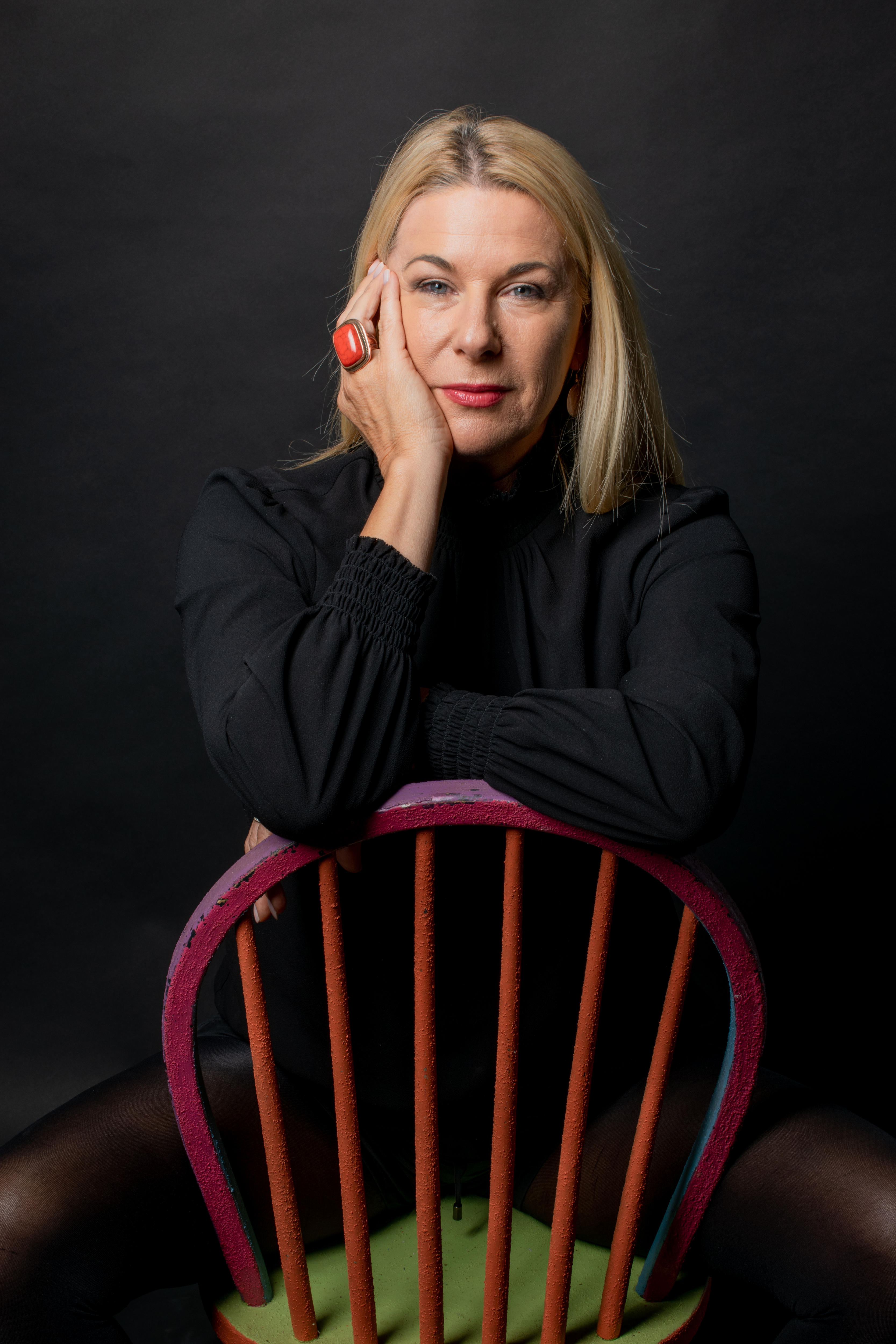
Mandy Nolan: embracing the 'weird freaky girl'
Jun 1, 2023Tap to summarizeMandy Nolan didn't fit in as a child, in the country town where she grew up. But later in life, her differences became her superpower (CW: discusses domestic violence and addiction)
Transcribe →