Podcast
Cosmopolitan Currents
Hosted by Hirbod Human · EN
Cosmopolitan Currents is a curated audio archive of lectures, conversations, and critical reflections on culture in its broad global sense. Crossing disciplinary and geographic boundaries, the podcast brings together voices from philosophy, the arts, humanities, and social thought to explore how culture shapes—and is shaped by—our aesthetic, political, ethical, and embodied lives.
Moderated, directed, and produced by Hirbod Human, Cosmopolitan Currents is a project of The Center for Cosmopolitan Culture, a nonprofit organization dedicated to promoting intercultural understanding, resisting nationalist chauvinism, and contributing to global harmony through critical and creative cultural engagement. The Center was founded by the renowned philosopher Dr. Richard Shusterman, whose pioneering work in somaesthetics has influenced cross-disciplinary conversations on art, identity, and lived experience around the world.
Rather than a single serialized project, Cosmopolitan Currents functions as a growing archive of cultural thought, with each event or featured topic unfolding over one or more episodes. From keynote lectures and scholarly panels to reflective dialogues and exclusive interviews, each entry is carefully curated to preserve the integrity of the original encounter—whether captured in a single session or extended across multiple installments.
Whether you are a student, researcher, artist, or curious listener, Cosmopolitan Currents invites you to join a global dialogue that values complexity over certainty, coexistence over division, and reflection over rhetoric. Our goal is not merely to share ideas, but to curate moments of listening that open new paths of understanding between people, cultures, and traditions.
To learn more about our work or to support the archive, visit us atCosmopolitanCulture.org and follow the podcast on your preferred listening platform.
6episodes
Episodes
Newest firstAll episodes
Contested Territories: A Conversation Between Arthur C. Danto, Thierry de Duve, and Richard Shusterman
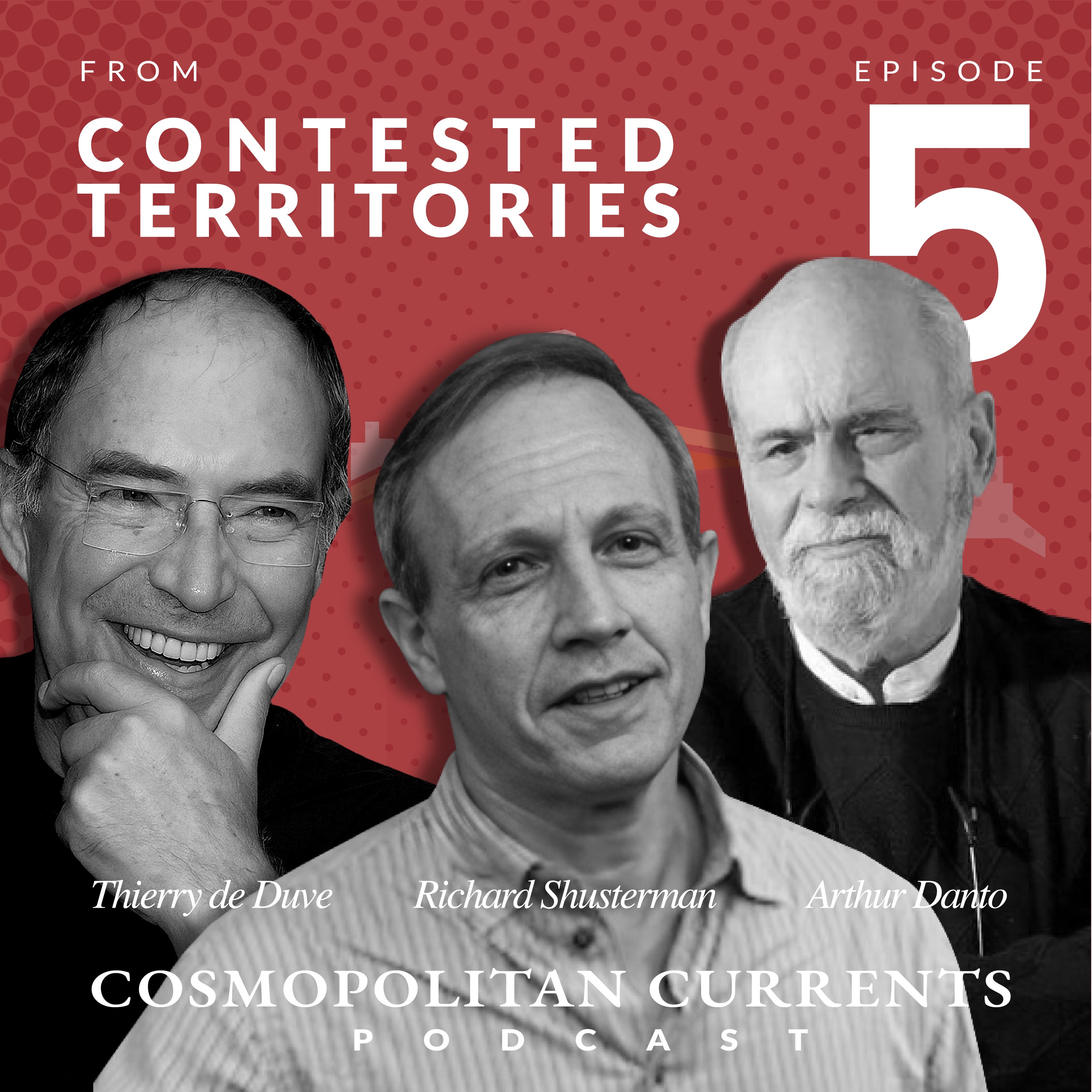
Sep 3000:25:44Tap to summarizeIn this final episode of the Contested Territories series, Arthur Danto, Thierry de Duve, and Richard Shusterman engage in a spontaneous and often provocative dialogue that moves beyond formal presentations into direct philosophical exchange.Topics range from Pop Art and religious metaphors in aesthetic theory to institutional critique, embodied meaning, and the politics of aesthetic judgment. The conversation—at times humorous, at times deeply reflective—offers rich insight into each thinker’s position, as well as the points of divergence and unexpected overlaps between them.With references to Kant, Duchamp, Warhol, Rap Music, and even Zen aesthetics, the discussion tracks how notions of art, value, and aesthetic legitimacy have shifted in response to changing cultural conditions.
Transcribe →
Contested Territories: Richard Shusterman - Art, Experience, and the Everyday
Sep 3000:15:48Tap to summarizeIn this episode of the Contested Territories series, Richard Shusterman offers a compelling alternative to both Danto’s Artworld approach and de Duve’s theoretical framing by reasserting the primacy of aesthetic experience—not as detached contemplation, but as embodied practice ultimately grounded in the aesthetics of everyday life.Reflecting on the philosophical limits of traditional Anglo-American aesthetics, Shusterman revisits Pop Art, popular culture, and his own personal journey through analytic philosophy and pragmatism. Drawing from his influential work in somaesthetics, he challenges the metaphysical separation between art and reality, arguing for a model of art that enhances how we live, feel, and relate to the world around us.His talk opens the door for a philosophy of art that is less about institutional recognition and more about cultivating human flourishing—offering a vision of cultural engagement that bridges theory, politics, and lived experience.
Transcribe →
Contested Territories: Thierry de Duve - Kant After Duchamp
Sep 3000:24:14Tap to summarizeIn this episode of the Contested Territories series, Thierry de Duve presents a powerful rethinking of modern aesthetics through his work on Kant after Duchamp. Speaking from a deeply personal trajectory—from his early days as a design student in Ulm to his critical encounters with Pop Art and Duchamp’s Readymades—de Duve unpacks the transformation of aesthetic judgment in modern and postmodern art.Positioned between Danto and Shusterman in both age and perspective, de Duve explores how objects once seen as non-art (such as urinals and Brillo boxes) came to challenge not only institutional authority but also philosophical criteria for what art is. He proposes a critical shift from art as object to art as discursive judgment, emphasizing the spectator’s role in legitimizing aesthetic claims.Blending historical analysis and political edge, this talk revisits the philosophical implications of modernism, pluralism, and aesthetic responsibility—reminding us that the Artworld is not just a realm of objects, but of contested claims.
Transcribe →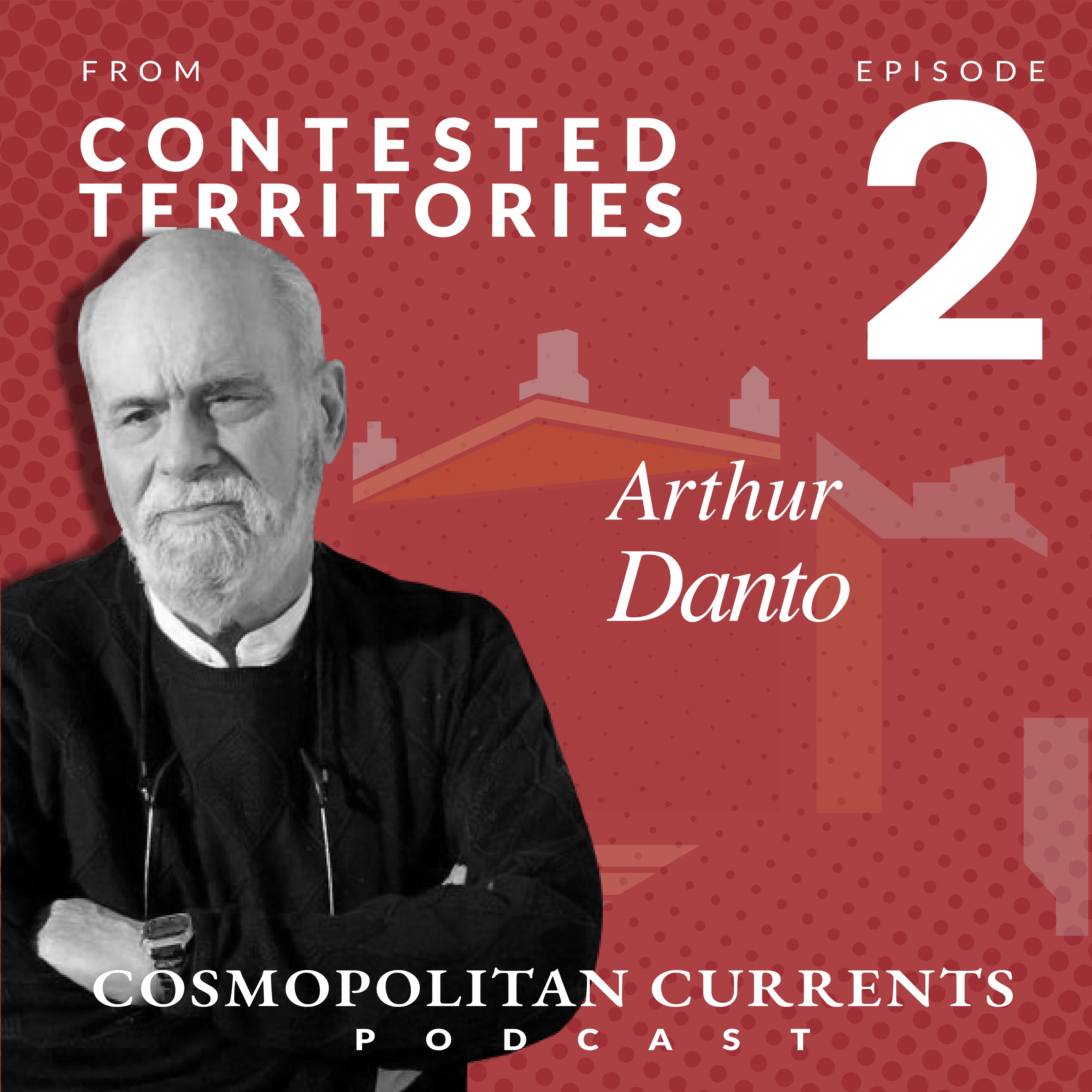
Contested Territories: Arthur Danto -The Origins of the Art World
Sep 3000:21:48Tap to summarizeIn this episode of the Contested Territories series, Arthur C. Danto reflects on the intellectual and historical context behind his groundbreaking 1964 essay The Artworld, a foundational text in contemporary aesthetics. Delivered at Tate Britain in 2006, Danto’s talk explores the ontological shift that occurred in the 1960s with the rise of Pop Art and its challenges to traditional aesthetic boundaries.Drawing on his firsthand encounter with Warhol’s Brillo Boxes, Danto recalls how seeing indistinguishable objects—one an artwork, the other a supermarket product—raised profound questions about what qualifies something as art. He retraces his philosophical motivations, the theoretical debates that followed, and his eventual formulation of art as “embodied meaning.”Woven with wit, memory, and critical reflection, this talk offers a rare window into Danto’s thinking from the philosopher himself. It’s a deeply personal and intellectual account of how the Art World became a philosophical issue—and why it still matters today.
Transcribe →
Contested Territories: Opening Remarks by Rebecca Heald
Sep 3000:07:00Tap to summarizeContested Territories: A Panel on Art, Aesthetics, and the Artworld as frame was recorded in 2006 at theTate Britain, as part of a public program organized in collaboration with Chelsea School of Art and Design and Naked Punch Review. The panel brought together three major figures in contemporary aesthetic thought—Arthur C. Danto, Thierry de Duve, and Richard Shusterman—for an unmoderated dialogue on the shifting boundaries between art, philosophy, and what we understand as the Art World.This first episode features the opening remarks by Rebecca Heald, then Curator of Adult Programs at Tate Britain. In her introduction, Heald outlines the structure of the event, shares biographical context on the invited speakers, and reflects on the significance of bringing these three thinkers together. Her framing offers a valuable point of entry into the key themes of the panel—such as the end of art, the rise of Pop, the legacy of Duchamp, the politics of aesthetic legitimacy, and the philosophical implications of the Artworld as both concept and institution.Listeners are invited to continue through the full series to hear the individual presentations and spontaneous discussions that follow.
Transcribe →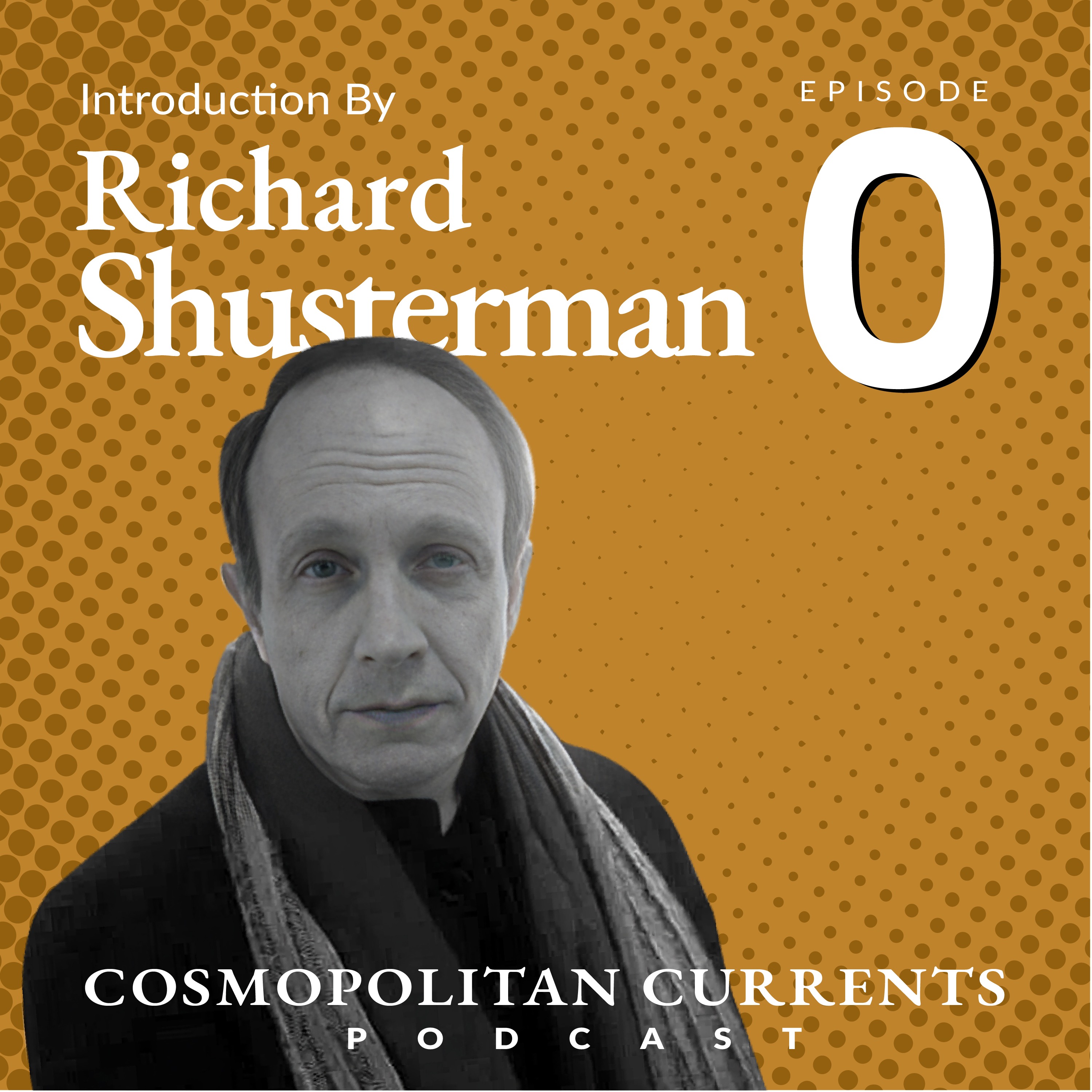
An Introduction by Dr. Richard Shusterman
Sep 2900:08:29Tap to summarizeIn this opening episode of Cosmopolitan Currents, philosopher and cultural theorist Dr. Richard Shusterman, founder of The Center for Cosmopolitan Culture, offers a brief but powerful reflection on the mission that guides this podcast and the organization behind it.Drawing from his decades of work intercultural philosophy, somaesthetics, and the ethics of embodiment, Dr. Shusterman frames the urgent need for cosmopolitan dialogue in a time of rising nationalist tensions, cultural fragmentation, and ideological polarization. Through culture—understood in its richest sense, encompassing philosophy, history, art, literature, education, and everyday life—he invites us to imagine a more open, inclusive, and thoughtful global community.This episode introduces listeners to the goals of Cosmopolitan Currents: to serve not just as a podcast, but as a curated archive of lectures, conversations, and critical encounters across disciplines and traditions. As Dr. Shusterman reminds us, the pursuit of cultural understanding is not a luxury—it is a necessity for building meaningful coexistence in an interconnected world.Cosmopolitan Currents is a production of The Center for Cosmopolitan Culture, a nonprofit organization dedicated to promoting intercultural understanding and global harmony through the arts and humanities.To explore more or support the archive, visitCosmopolitanCulture.org.
Transcribe →