Podcast
Crimes and Consequences
Hosted by Crimes and Consequences · EN
Listen to the gripping details of the world's most brutal murders presented to you by two attorneys who rely on their sarcasm and wit to plow through the horrors of the crimes. Court and police records are heavily relied on to ensure the accuracy of each episode. Listen to Crimes and Consequences for your weekly dose of hardcore true crime.
21episodes
Episodes
Newest firstAll episodes

EP302: The Grabbe Farm Mystery
4w ago00:22:33Tap to summarizeIn the summer of 1981, a woman vanished from her family's Illinois farm without a trace. There were no signs of a struggle, no witnesses who could explain what had happened, and no body to tell investigators where to begin. As weeks turned into months and months into years, rumors spread across the quiet farming community, but answers remained elusive. Behind the image of a prosperous family, however, investigators would eventually uncover a web of infidelity, deception, and long-buried secrets that transformed a missing person case into one of the most extraordinary murder prosecutions in Illinois history.SOURCES:1) Court Case: People v. Fred Grabbe2) Forensic Files Episode "Root of All Evil"3) Crime Junkie Podcast Episode "Murdered: Charolotte Grabbe"4) Other Court Documents5) WCIA 3 News Article
Transcribe →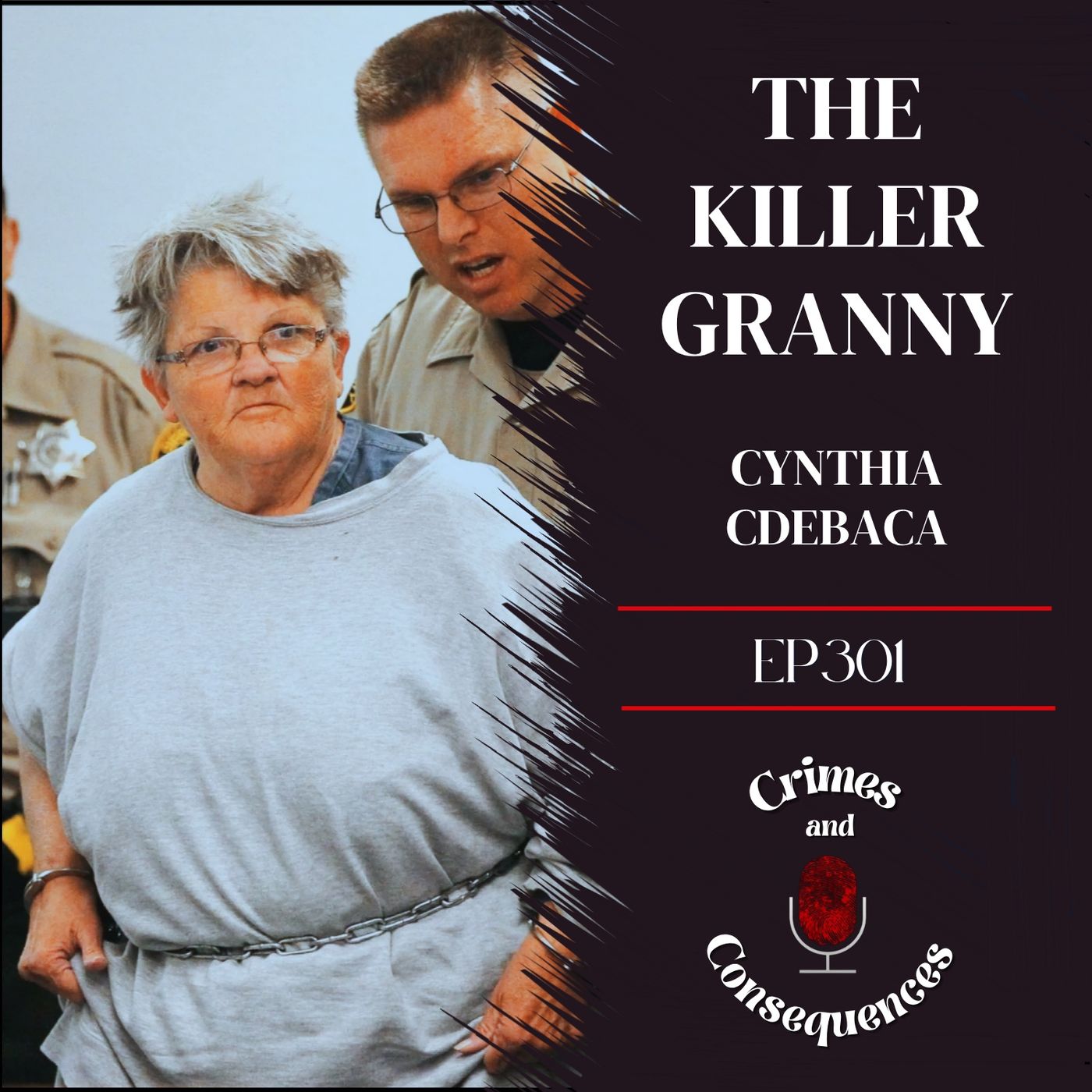
EP301: The Killer Granny Cynthia Cdebaca
Jun 2400:57:32Tap to summarizeOn February 11, 2014, 63-year-old Cynthia Katherine Cdebaca woke up on her birthday and made a decision that would shock Southern California.By the end of the morning, her son-in-law, Geoward Flores Eustaquio—a military reservist, real estate agent, father, and youth rugby coach—would be dead, shot 15 times inside and outside the Fallbrook home they shared. Prosecutors would later argue that after a dispute over her clothing, Cynthia retrieved a revolver she had purchased just two weeks earlier, fired repeatedly, reloaded twice, and continued shooting as Eustaquio struggled to survive.But it wasn't just the killing that captivated the nation.It was what happened afterward.In this episode of Crimes & Consequences, we examine the case of "Killer Granny" Cynthia Cdebaca—a grandmother who believed she was saving her family, a victim whose life became overshadowed by controversy, and a crime so surreal that it continues to divide true-crime audiences more than a decade later.
Transcribe →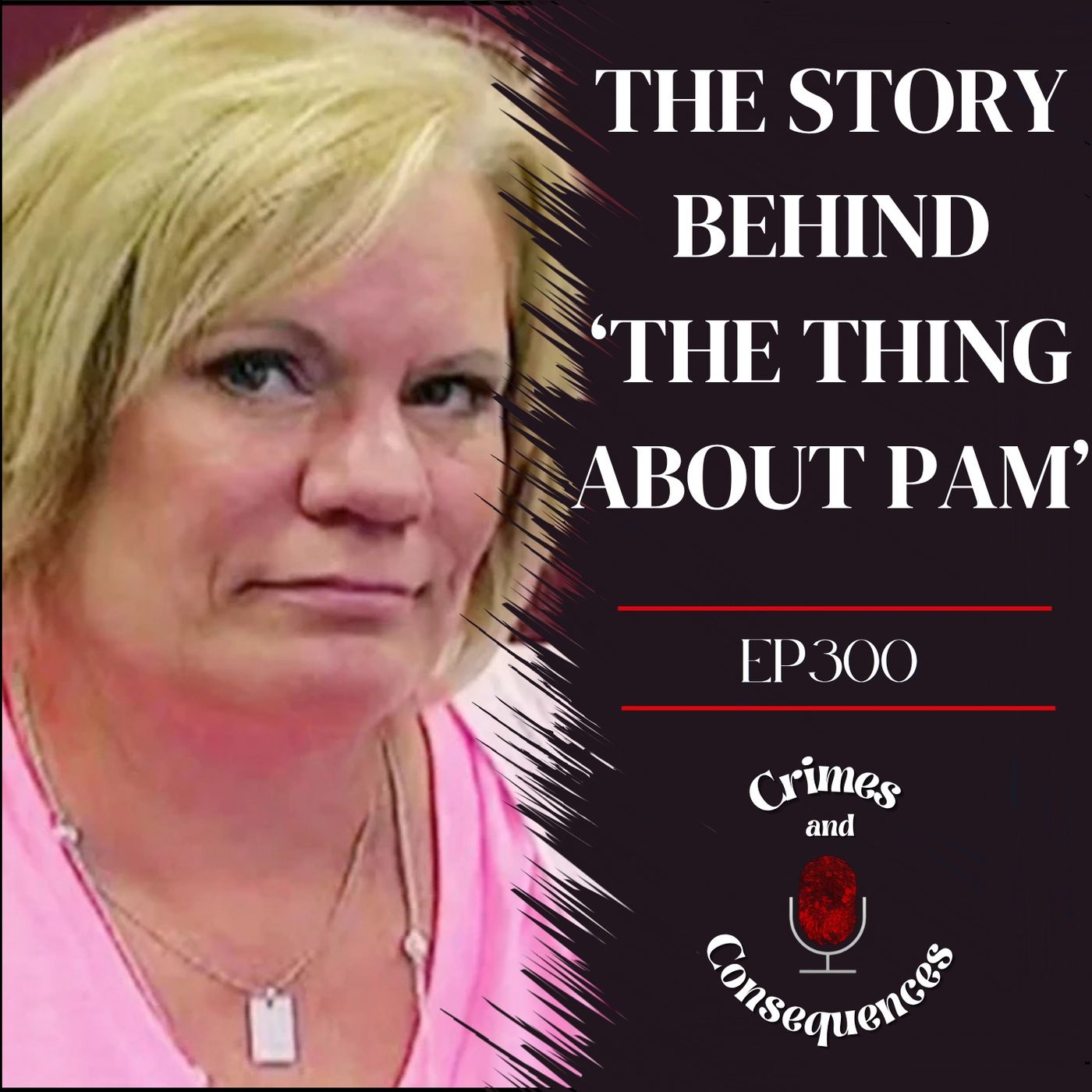
EP300: The Story Behind 'The Thing About Pam'
Jun 1400:38:02Tap to summarizeWhat happens when a quiet Midwestern woman with a soft voice, a churchgoing image, and a smile that seemed almost comforting becomes the center of one of the most disturbing murder conspiracies in modern true crime?In this Early Release episode of Crimes and Consequences, we unravel the twisted real-life story behind NBC’s hit series The Thing About Pam and the woman at the center of it all: Pam Hupp.This is not just the story behind a TV show.It’s the anatomy of a real-life predator who hid in plain sight.
Transcribe →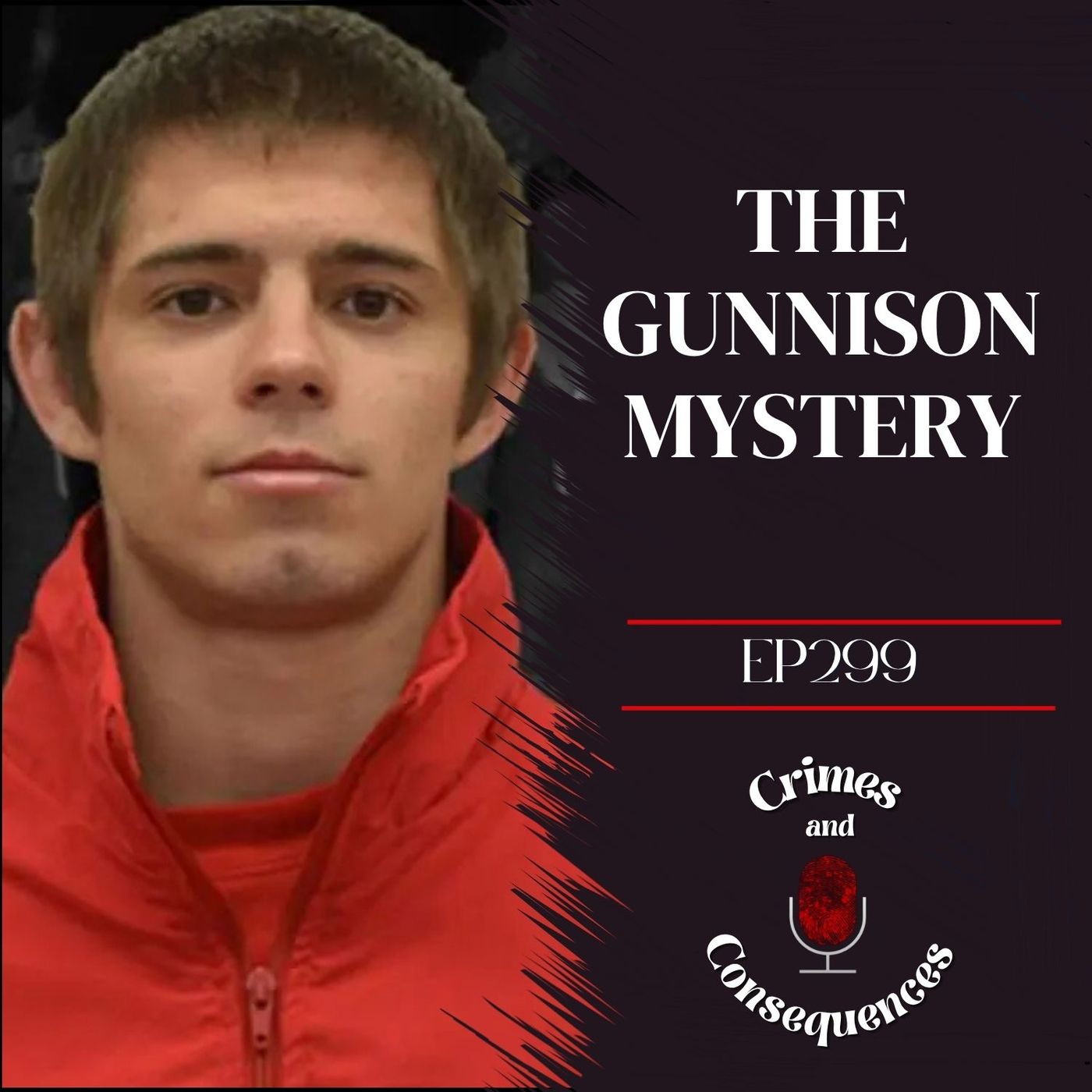
EP299: The Gunnison Mystery
May 2600:49:40Tap to summarizeIn the spring of 2014, a champion wrestler from Texas arrived in the isolated mountain town of Gunnison, Colorado, carrying the kind of confidence that made people gravitate toward him. Dammion Heard was charismatic, impulsive, fiercely competitive, and only beginning to build the life he imagined for himself at Western State Colorado University. But after a chaotic night involving parties, rivalries, fractured relationships, and conflicting accounts from the people around him, Dammion suddenly vanished into the cold darkness of the Rockies. What followed would divide investigators, devastate a family, and leave behind a case filled with disputed timelines, unsettling witness statements, and questions that still refuse to disappear more than a decade later.SOURCES: 1) CBS News Pt. 12) CBS News Pt. 23) CBS News Pt. 34) Reddit Discussion
Transcribe →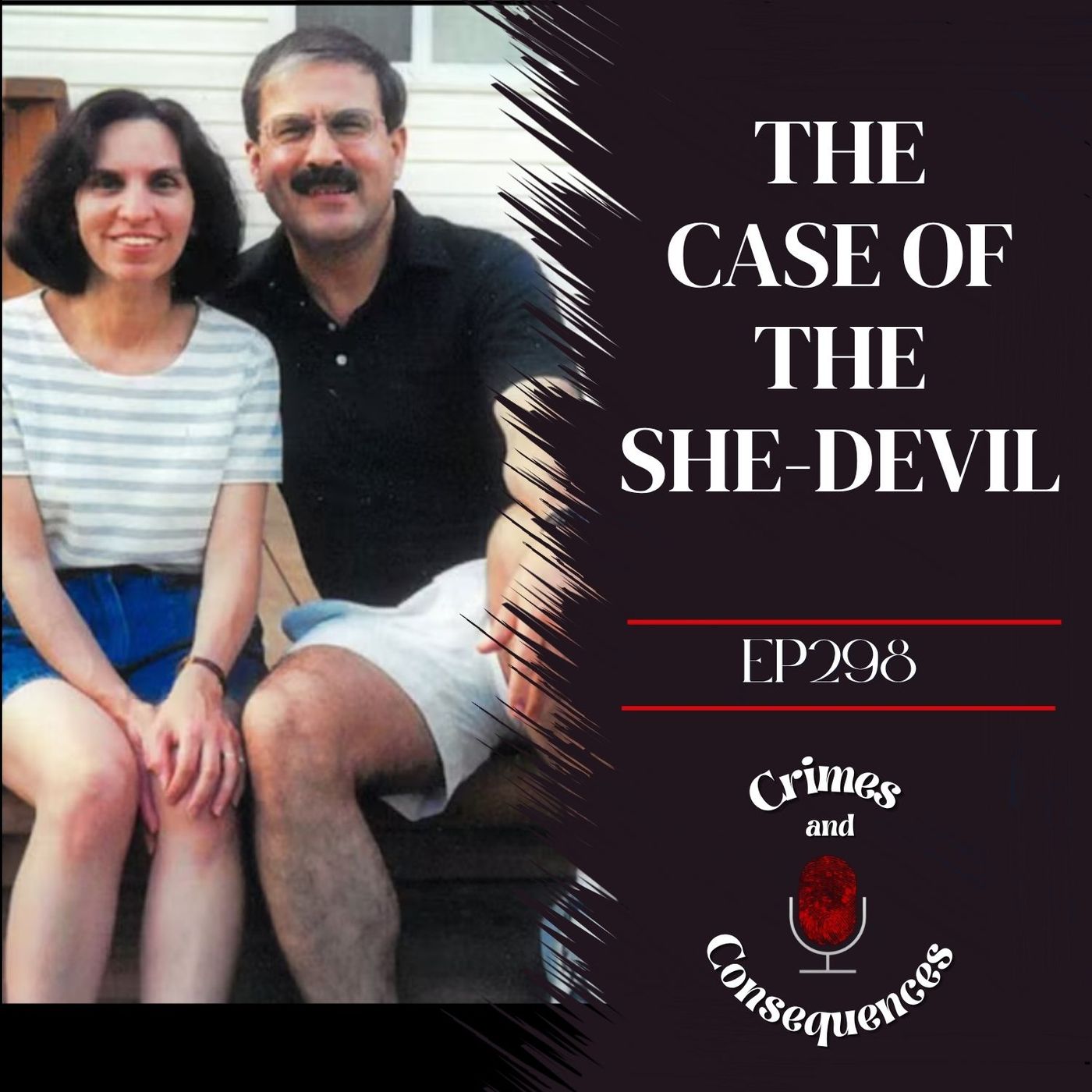
EP298: The Case of the She Devil
May 2000:49:53Tap to summarizeOn the surface, it looked like the kind of life people spend decades trying to build—a long marriage, three children, a quiet suburban routine shaped by faith, loyalty, and years of sacrifice. But behind that carefully ordered life, something had begun to unravel in ways no one around them could fully see. What started as a secret relationship slowly transformed into a web of obsession, manipulation, and control that stretched across state lines and pulled multiple people into its orbit. And by the time anyone realized how far things had gone, an ordinary night in a Michigan library parking lot was about to become the center of a murder investigation that detectives would later describe as chillingly deliberate.SOURCES: 1) Oxygen: Killer Relationship with Faith Jenkins2) Oxygen: Snapped3) Sybil Ann Padgett v. Clarice Stovall, U.S. District Court Case4) Podcast: American Scandal
Transcribe →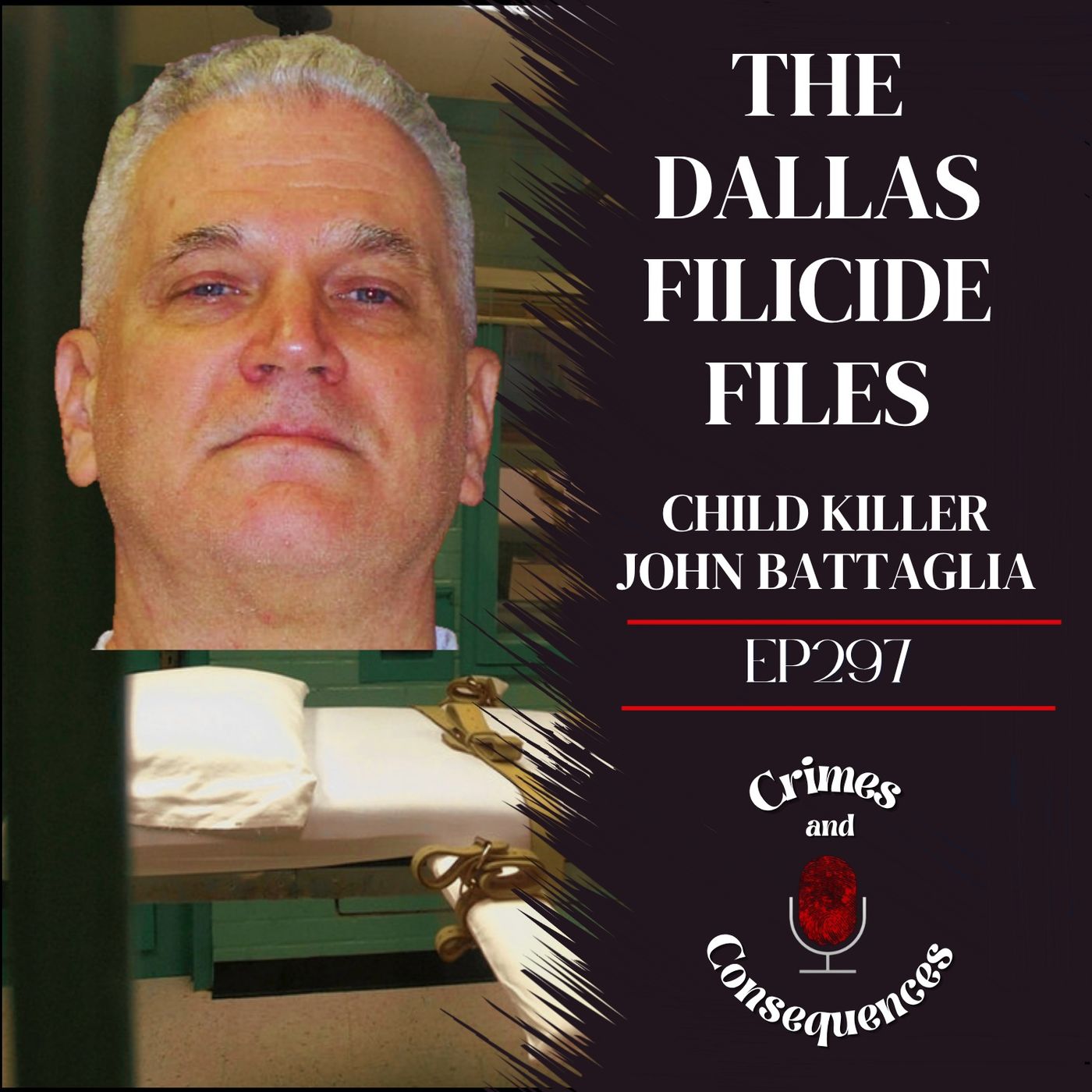
EP297: The Dallas Filicide Files
Apr 3000:55:53Tap to summarizeOn the surface, he looked like a man who had it all—confidence, charisma, and a life built in the sprawling affluence. But behind the polished exterior of John Battaglia was a storm of control, obsession, and escalating violence that would end in one of the most chilling acts of filicide in modern American crime.In this Early Relese episode we pull back the curtain on a case that is as psychologically disturbing as it is heartbreaking. This is not just the story of a crime—it’s the unraveling of a man who weaponized love, custody, and control against the very people who trusted him most.
Transcribe →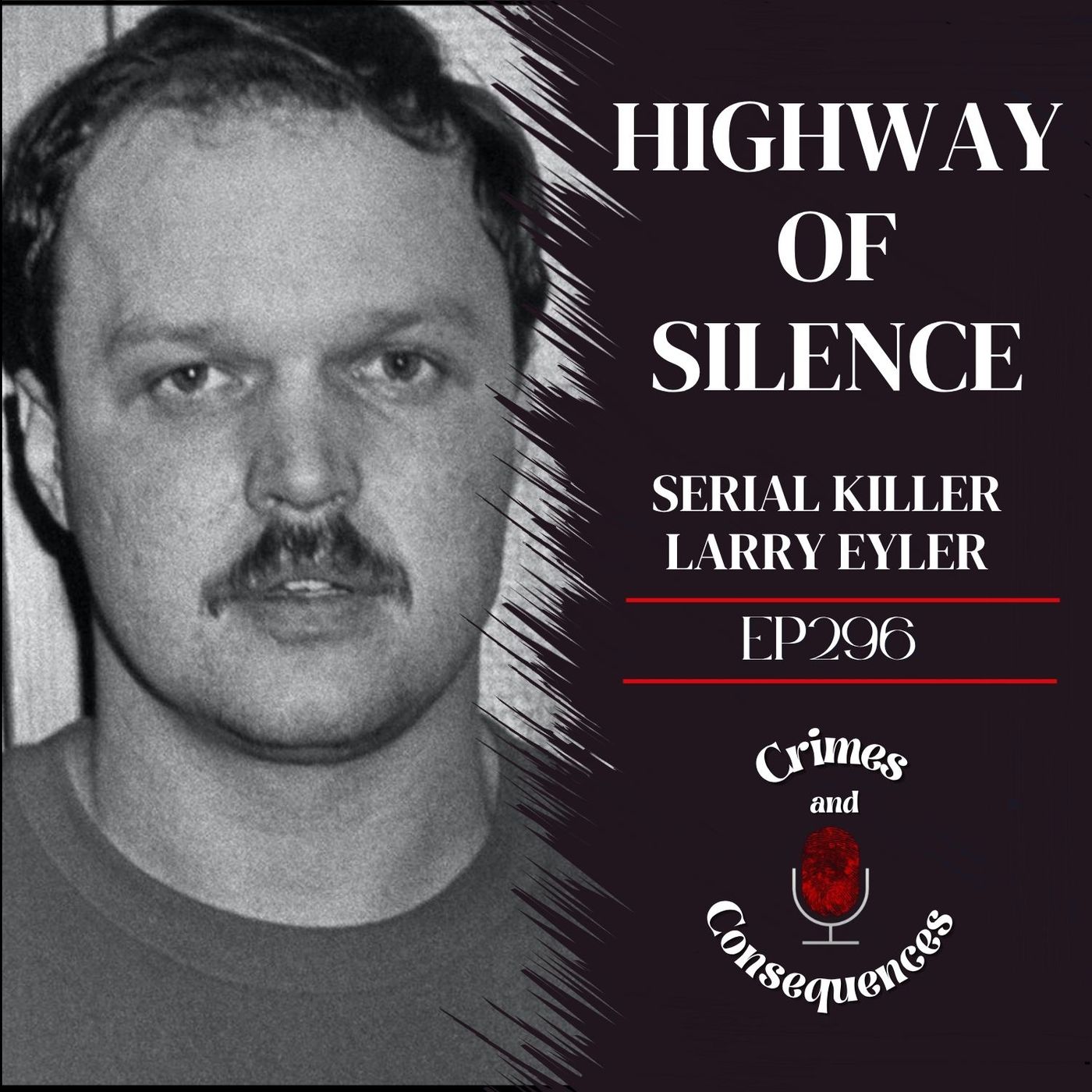
EP296: Highway of Silence
Apr 2800:33:07Tap to summarizeOn the highways that cut through the American Midwest, where headlights stretch into darkness and exits blur past without memory, a predator moved unnoticed for years. Larry Eyler didn’t look like a killer; he blended in, a quiet man drifting between Indiana and Illinois, offering rides to young men who would never be seen again. Their bodies would later be found miles apart, scattered across counties and backroads, each discovery raising questions no one yet knew how to connect. It wasn’t until the pattern emerged—too late for many—that investigators realized they were chasing not separate crimes, but a single, methodical force moving along the highways themselves. And even after his arrest, the full truth of what Eyler had done would remain buried, waiting until the very end to surface in a confession that revealed a scale of violence far greater than anyone had imagined.SOURCES: 1) Crime Library: Larry Eyler, the Highway Murderer2) The Roanoke Times: Killer Confesses to Killing 21 Men3) Crime Online: "Highway Killer" Larry Eyler's Victim Identified after 40 Years4) UPI: Lawyer: Eyler was serial killer5) The Washington Post: Killer Confessed to 21 More Deaths6) The Midwest Crime Files Podcast: The Highway Killer: The Victims of Larry Eyler7) Larry Eyler's Wikipedia Page
Transcribe →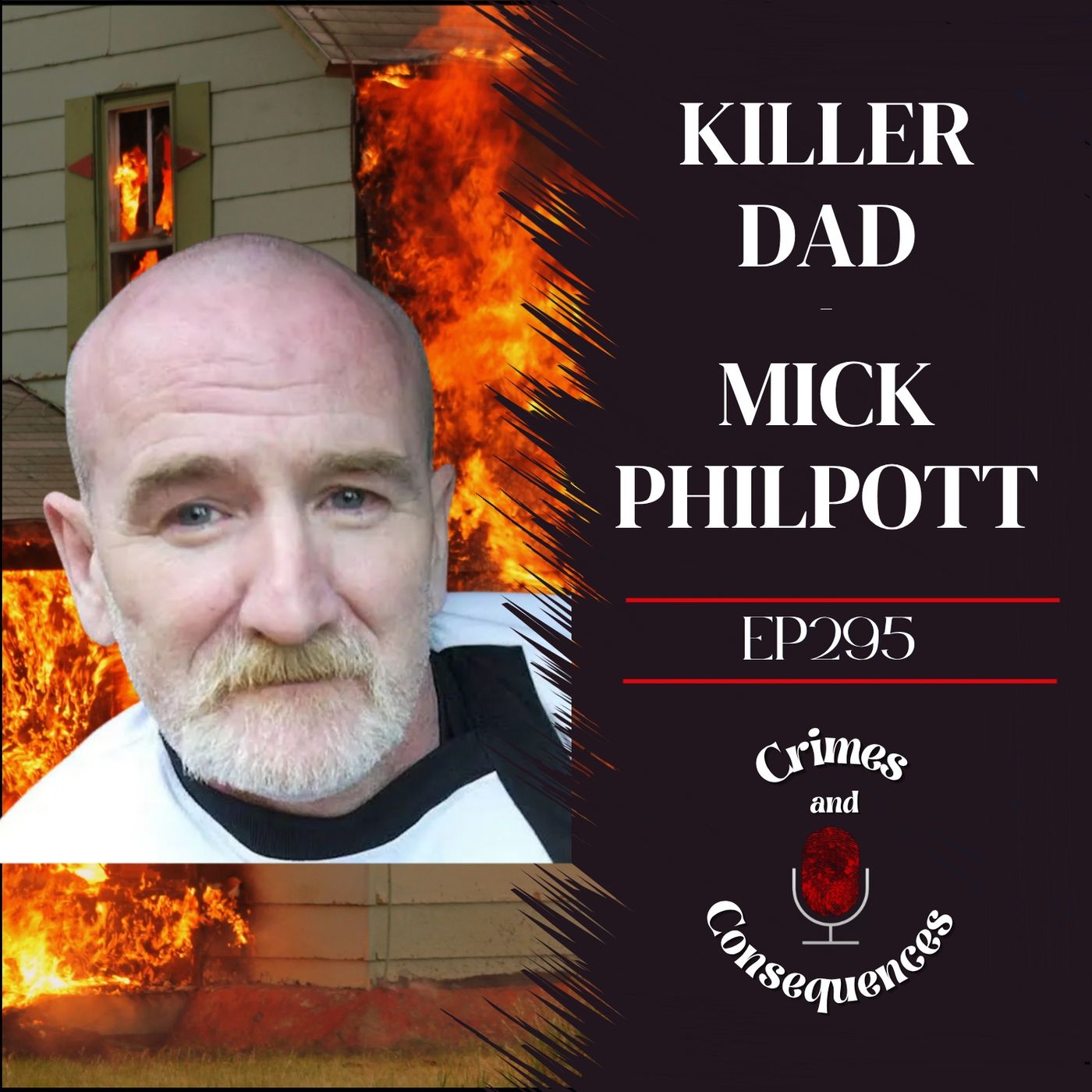
EP295: Killer Dad Mick Philpott
Apr 600:53:48Tap to summarizeBefore six children died inside a burning home on Victory Road, there was a man who had spent decades constructing a life where power flowed in one direction—toward him. Mick Philpott wasn’t just a father. He was the center of a chaotic, benefits-funded household built on manipulation, domination, and fear.In this Early Release episode of Crimes & Consequences, we follow the timeline from control to catastrophe—through the investigation, the courtroom, and the unraveling of a man who believed he could outmaneuver everyone, including the truth.
Transcribe →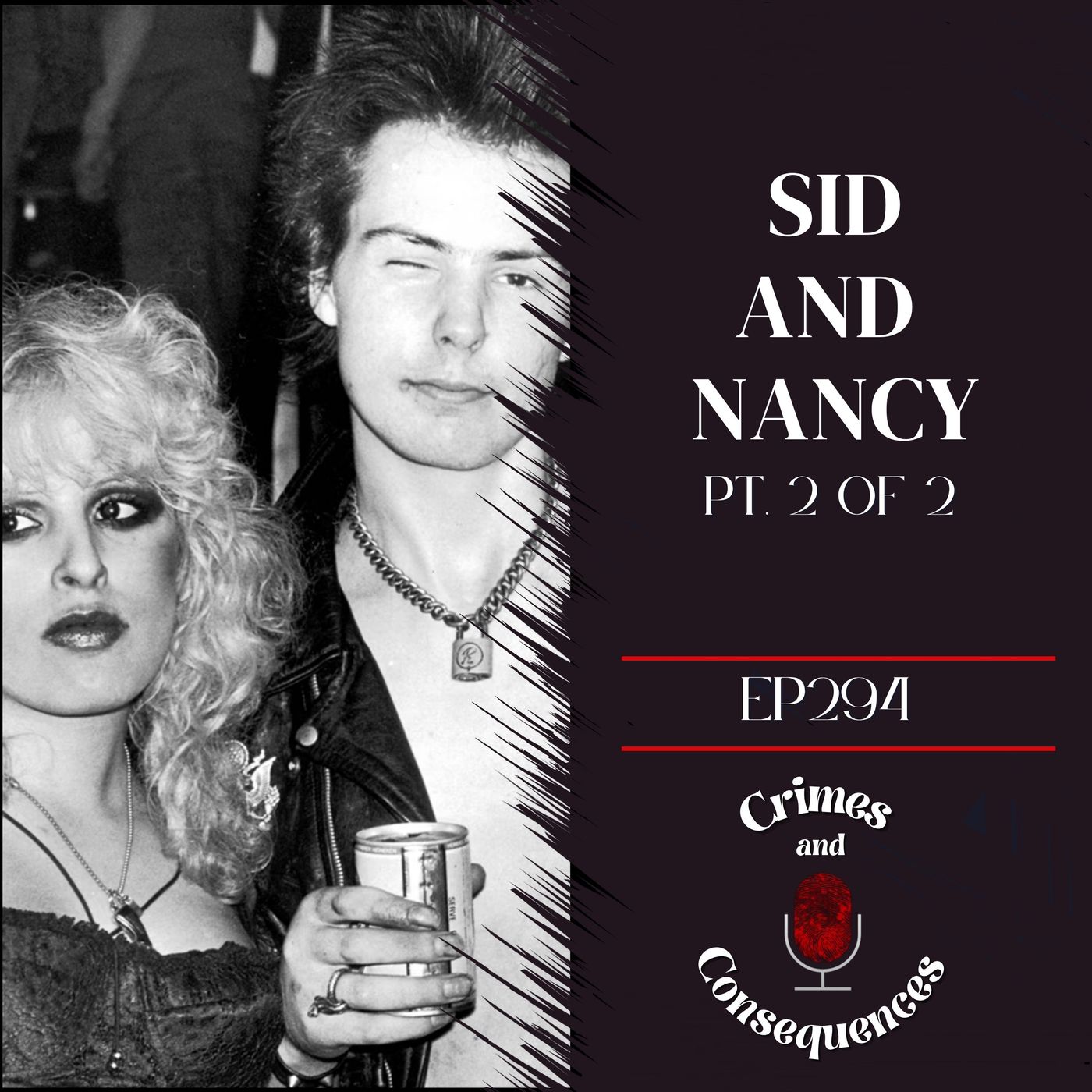
EP294: Sid and Nancy Pt 2 of 2
Mar 3100:34:02Tap to summarizeOn the morning of October 12, 1978, the Chelsea Hotel looked like it always did after a long New York night, with its hallways dim, its air heavy, and its secrets still clinging to the walls, but behind the door to Room 100, one of the most infamous mysteries in rock-and-roll history was waiting to be found. Inside, twenty-year-old Nancy Spungen lay bleeding on the bathroom floor, her life ended by a single stab wound, while just feet away, her boyfriend—Sex Pistols bassist Sid Vicious—stumbled through the room in a haze of drugs, shock, and confusion. What happened in those final hours would become more than a tabloid scandal or a punk-rock tragedy; it would become a case suspended somewhere between love story, crime scene, and cultural collapse, where every witness had a different version, every answer seemed to raise a darker question, and the truth, if anyone ever knew it, may have died inside that room.SOURCES: 1) "Please Kill Me: The Uncensored History of Punk" by Legs McNeil and Gillian McCain2) "Why We Love the Chelsea Hotel" -- The New York Historical Society3)Punk Rock Romeo and Juliet: Sid Vicious and Nancy Spungen -- Crime Library4) Sid Vicious Accused of Murder -- Rolling Stone5) Flashback: Nancy Spungen Found Dead at Chelsea Hotel -- Rolling Stone6) The Arrest of Sid Vicious -- History Daily Podcast by Wondery7) Sid Vicious Biography Page8) Sid and Nancy: A Punk Mystery -- The Independent9) 16 Truly Disturbing Moments That Made Punk Rocker Sid Vicious of the Sex Pistols Live Up to His Name10) My New York: Sid and Nancy -- The New York Post
Transcribe →
EP293: Sid and Nancy Pt. 1 of 2
Mar 2300:25:16Tap to summarizeOn the morning of October 12, 1978, the Chelsea Hotel looked like it always did after a long New York night, with its hallways dim, its air heavy, and its secrets still clinging to the walls, but behind the door to Room 100, one of the most infamous mysteries in rock-and-roll history was waiting to be found. Inside, twenty-year-old Nancy Spungen lay bleeding on the bathroom floor, her life ended by a single stab wound, while just feet away, her boyfriend—Sex Pistols bassist Sid Vicious—stumbled through the room in a haze of drugs, shock, and confusion. What happened in those final hours would become more than a tabloid scandal or a punk-rock tragedy; it would become a case suspended somewhere between love story, crime scene, and cultural collapse, where every witness had a different version, every answer seemed to raise a darker question, and the truth, if anyone ever knew it, may have died inside that room.SOURCES: 1) "Please Kill Me: The Uncensored History of Punk" by Legs McNeil and Gillian McCain2) "Why We Love the Chelsea Hotel" -- The New York Historical Society3)Punk Rock Romeo and Juliet: Sid Vicious and Nancy Spungen -- Crime Library4) Sid Vicious Accused of Murder -- Rolling Stone5) Flashback: Nancy Spungen Found Dead at Chelsea Hotel -- Rolling Stone6) The Arrest of Sid Vicious -- History Daily Podcast by Wondery7) Sid Vicious Biography Page8) Sid and Nancy: A Punk Mystery -- The Independent9) 16 Truly Disturbing Moments That Made Punk Rocker Sid Vicious of the Sex Pistols Live Up to His Name10) My New York: Sid and Nancy -- The New York Post
Transcribe →