← Criminal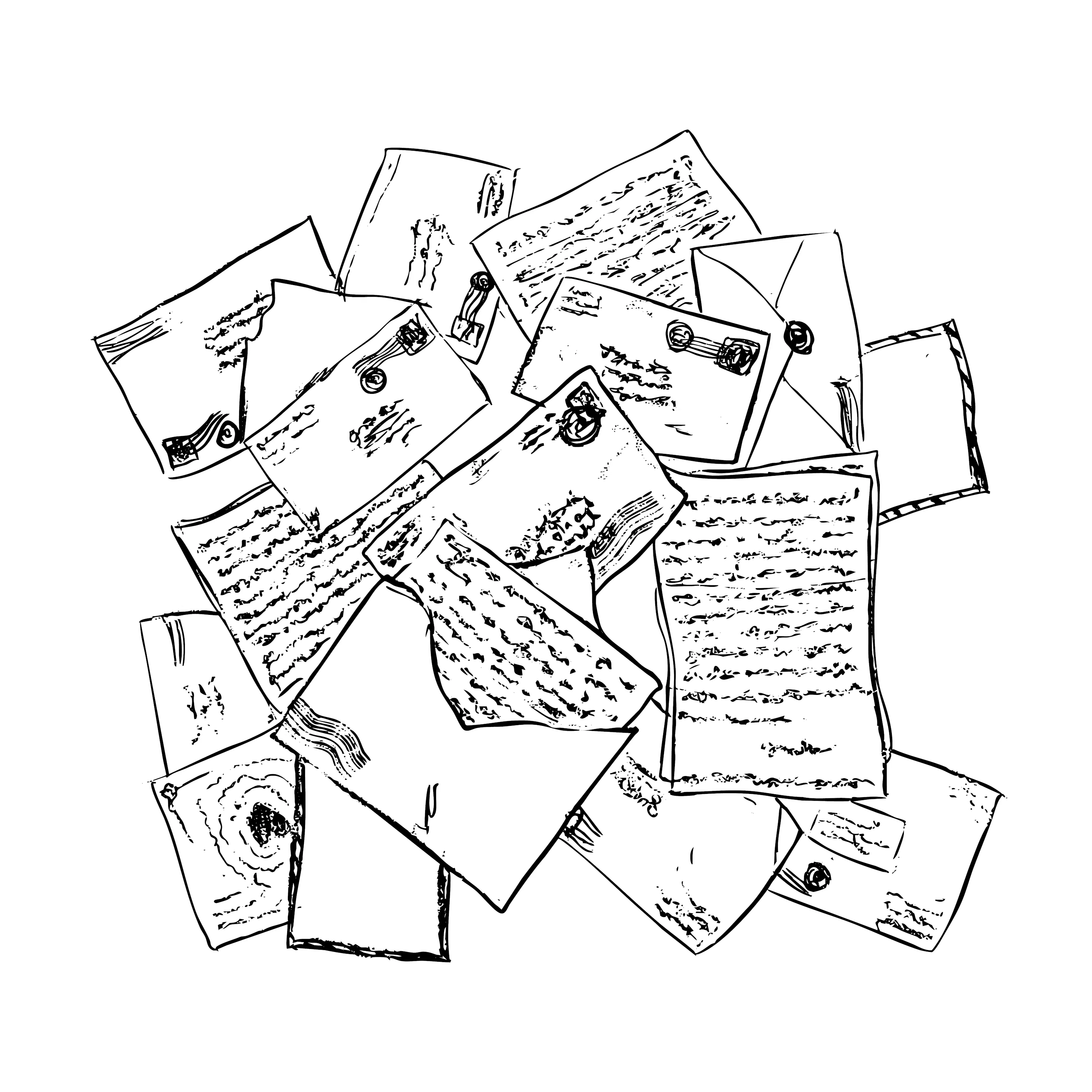
Criminal
Rhinelander v. Rhinelander
00:40:56
Alice and Leonard Rhinelander had only been married for a few weeks when his family lawyer came to their house and took Leonard away with him. The next time Alice saw her husband was a year later, in a courtroom.
Loading summary
Transcript95 lines
- [00:01]
Phoebe Judge
Support for Criminal comes from Squarespace. If you're a business owner, you know that it matters how you present your business online. Squarespace has the tools you need to customize your website and advertise all the kinds of services you provide. Plus, you can choose the colors and fonts you like. Go to squarespace.com criminal for a free trial. When you're ready to launch, use the offer code CRIMINAL to save 10% off your first purchase of a website or domain.
- [00:29]
Lauren Spohr
Megan Rapinoe here this week on A Touch More, we're bringing you our live show in Phoenix with WNBA four time champion Chelsea Gray and the Naismith Coach of the Year, Shea Ralph. Together we talk about the NCAA semifinals, the crazy activity in the transfer portal, and of course the final matchup for the NCAA championship. Check out the latest episode of A Touch More wherever you get your podcasts and on YouTube.
- [00:57]
Phoebe Judge
This episode contains content that may not be suitable for everyone. Please use discretion how did Leonard Rhinelander and Alice Jones meet?
- [01:08]
Lauren Spohr
They had a Meet Cute. They had the 1920s version of a Meet Cute. He was driving on a road near her house and had car trouble. And actually, I should say it was a Meet Cute once removed because he actually met her sister Grace first.
- [01:33]
Phoebe Judge
It was September of 1921. Grace Jones struck up a conversation with Leonard and his friends. The next day, Leonard met her older
- [01:42]
Lauren Spohr
sister Alice, and from then on they were as inseparable as they could be.
- [01:50]
Phoebe Judge
Writer and producer Laura Wexler Alice was
- [01:54]
Lauren Spohr
fiery, she was funny, she loved music. Leonard loved music too, and they really, as they sort of courted each other, really bonded over music and film.
- [02:08]
Phoebe Judge
Leonard and Alice would go to the movies together and liked to take long drives. When they met, Alice was 22. Leonard was 18.
- [02:18]
Lauren Spohr
Leonard had grown up in a very wealthy family, the Rhinelanders. They were people who had come over from Europe to New Amsterdam and helped to settle and establish the town of New Rochelle, which actually is where Leonard and Alice met and where she lived. His family had, you know, from the 1600s when they got here, had bought land, built ships, really expanded and grown their wealth until, you know, at the point at which Leonard and Alice meet. The Rhinelander family is second only to the Astors as owners of New York City real estate. So everybody knew who the Rhinelanders were. They were sort of the closest thing to American aristocracy.
- [03:17]
Phoebe Judge
Leonard was the youngest child of Philip and Adelaide Rhinelander. When he was 13, his mother died in an accident. An alcohol lamp she was using to curl her hair exploded. Growing up, Leonard was known to be Extremely shy. He also had a stutter.
- [03:38]
Lauren Spohr
At the time, stuttering was seen to be a mental issue. And so even though he was part of the elite, he was not one of, you know, the shining stars of the family.
- [03:55]
Phoebe Judge
At the time that Leonard met Alice, he was enrolled in a school that served as an inpatient clinic for people suffering from nervous disorders.
- [04:04]
Lauren Spohr
He's kind of hidden away from the family and society, and it feels like it's kind of a last ditch effort to try to cure him of this stutter and make him into a son that the father would be proud of.
- [04:23]
Phoebe Judge
And what about Alice's family?
- [04:26]
Lauren Spohr
Alice's family were immigrants. Her parents came over from England in 1891. So the Rhinelanders had already been here for more than 200 years. And Alice's parents, George and Elizabeth Jones, had both been servants on an English estate. Her father was a coachman and her mother was a cook.
- [04:52]
Phoebe Judge
When Alice's parents arrived in America, her father worked a variety of jobs. Alice and her sisters eventually went to work as maids.
- [05:02]
Lauren Spohr
So they were very much working class.
- [05:06]
Phoebe Judge
In December of 1921, Alice and Leonard drove into New York City, where they were going to see a play. They ended up getting a room at the Hotel Marie Antoinette, where Leonard registered them as a husband and wife named Mr. And Mrs. James Smith. They stayed there for five days. The next month they went back to the hotel.
- [05:29]
Lauren Spohr
It's pretty clear that the chauffeur, the family chauffeur, lets Philip Rheinlander, Leonard's father, know that Leonard and Alice have taken a room at the Hotel Marie Antoinette and are having basically, you know, a love fest there. So acting on this tip, Philipp Rheinlander sends his lawyer to the Hotel Marie Antoinette. He bangs on the door and discovers them and then immediately separates them.
- [06:07]
Phoebe Judge
Philip Rhinelander sent his son away. Leonard went on long trips to Cuba, Bermuda and San Francisco. His father even enrolled him at a ranch school in Arizona.
- [06:19]
Lauren Spohr
They worried about Leonard being with a woman who was a maid. Philip Rhinelander's brother, about 30, 40 years before, had married a housemaid, and he had been excommunicated from the family and had died poor and sick and, you know, never was invited back into the family and in fact, was buried outside the family mausoleum. So Philip Ryan Lehndur, in a way, was following the family rules. This was their playbook.
- [06:59]
Phoebe Judge
But Alice and Leonard kept writing to each other.
- [07:03]
Lauren Spohr
Over the next two years, they wrote 700 letters, maybe even more, back and forth to each other.
- [07:12]
Phoebe Judge
When Leonard turned 21 in 1924, he inherited more than $300,000 from his grandfather. He immediately got on a train to New Rochelle, back to Alice.
- [07:25]
Lauren Spohr
He sort of went rogue, went immediately to Alice's house before he even, you know, saw any member of his family. And they reunited.
- [07:34]
Phoebe Judge
A few months later, Alice and Leonard got married in New Rochelle.
- [07:39]
Lauren Spohr
And not only does his father not know, but her parents, or at least her father, they don't know that they're going to get married either until after it's done.
- [07:49]
Phoebe Judge
Before they were married, Alice's father had told Leonard that he didn't think he should propose.
- [07:56]
Lauren Spohr
George Jones basically says to Leonard, this marriage can never work because the class difference is too great. You can't span this class difference between you, you know, of the aristocracy and Alice, who is of English working people. So his reservations about the marriage had everything to do with class, which had everything to do with how he understood society from his years in England.
- [08:28]
Phoebe Judge
Still, once they were married, Alice's parents let them move in with them while they were busy setting up their new apartment.
- [08:35]
Lauren Spohr
They bought dishes, they bought linens. And all of that was like. Was very, you know, romantic and wholesome. You know, as romantic as this was, Leonard was living a double life. Even though they were married, he still didn't want his father to know that he had married Alice. And so Monday through Friday, he was living at his father's house and working in the family real estate company. And after work on the weekdays, he would come out and eat dinner with Alice and her family and go back. And then on the weekends, he would come and he would live with them. They were planning to tell his father that they were married by having a party once their apartment got set up. And so, even as Leonard was prepared to be excommunicated, there was also this hope that once his father saw how happy he was that the father and the family would welcome them. But they never got a chance to have the party because the news leaked to the newspapers.
- [09:59]
Phoebe Judge
On Friday, November 14, 1924, the Daily News ran an article about Alice and Leonard's marriage. The headline read, blue blood weds colored girl.
- [10:12]
Lauren Spohr
And from there, the newspapers say she's the daughter of a black man.
- [10:18]
Phoebe Judge
Reporters wrote that George Jones, Alice's father, was, quote, a colored coachman who was, quote, generally believed here to have West Indian blood in his veins. Alice's skin was described in the papers as, quote, coffee colored.
- [10:35]
Lauren Spohr
So it's not only the rich, poor, Cinderella angle, but it's the, you know, black and blue blood, you know, contrast.
- [10:47]
Phoebe Judge
When the news breaks in, the newspapers are publishing These headlines, how does the couple react initially?
- [10:56]
Lauren Spohr
Initially, they both deny it. They say that they're going to sue the newspapers for printing lies.
- [11:05]
Phoebe Judge
Alice told one reporter, I'm going to sue the papers that have called my father colored. I'm going to file suit for libel. One paper said that Leonard urged his wife to answer questions calmly, to quote, help clear things up. Newspapers started printing stories about their marriage every day. Leonard and Alice went into hiding at her parents house in New Rochelle.
- [11:33]
Lauren Spohr
There's just, you know, crowds of onlookers, crowds of press. The police are called to kind of prevent people from getting too close to the house. You know, someone throws a rock through the window. So after a week, they're really looking to escape.
- [11:52]
Phoebe Judge
Leonard Rhinelander's father had issued a statement that his son had married without his knowledge.
- [12:00]
Lauren Spohr
Behind the scenes, of course, this is their worst nightmare. You know, he had been worried that Leonard had been found with a woman far below his social status and took extreme measures, exiling Leonard from New York for two years because of that. Now, you know, this is orders of magnitude worse. You know, there's a threat that, you know, this bloodline of the Rhinelanders that they've protected and have been so proud of for 200 years is going to be, you know, contaminated. That's how they see it. Contaminated by non white blood. And this is horrific to them. The 1920s, this is the height of the Klan. They have 4 million members. They're absolutely a mainstream organization. And this is the height of the American eugenics movement.
- [13:01]
Phoebe Judge
The Rhinelander family sent a lawyer to Alice's parents house who said he could help the couple relocate.
- [13:09]
Lauren Spohr
Somehow he convinces them that the best way to do this is for him to take Leonard separately and go look for a place and then return for Alice the next day and take her to him. So that's the plan. He takes Leonard, they drive off in a limousine, and that is the last time that Alice sees Leonard until she sees him in court a year later.
- [13:38]
Phoebe Judge
I'm Phoebe Judge. This is Criminal. We'll be right back to listen without ads. Join Criminal plus. Thanks to Squarespace for their support. Making a website can be intimidating, especially because it's often the first thing people see about your business. If you want to build a website that makes a great first impression on people, you don't need years of coding experience. You just need Squarespace. It's the all in one website platform made to help you stand out online. Squarespace has the tools you need to make your website look exactly how you want it to look, sell your services and get paid no matter what business you're in. You can choose from a library of templates designed by professionals or if you don't want to scroll through all the template options. Squarespace's blueprint AI can build a website for you in just a couple of minutes based on a few prompts it'll pull from different templates. To create the website you need, go to squarespace.com criminal for a free trial. When you're ready to launch, use the offer code criminal to save 10% off your first purchase of a website or domain. Support for Criminal comes from Cachava to keep your whole body in balance, it's important to get the right nutrition. Cachava's all in one shake can help with your energy, digestion, immunity and more. It's made with quality ingredients without any artificial flavors, colors or sweeteners. It's non GMO and includes no soy, no animal products, no gluten free and no preservatives. Cachava is made with a plant based protein that actually tastes good. Just two scoops provide 25 grams of protein, 6 grams of fiber, greens, adaptogens and much more. I'm always looking for the best way to get the nutrition I need after my morning run and I like that. Cachava is so easy to mix into any type of smoothie or shake. You can even mix it with iced coffee and add some coconut milk for a morning smoothie that will help you feel healthy. Treat yourself to the flavor and nutrition your body craves. Go to cachava.com and use code criminal for 15% off your first order. That's Kachava. K-A C-H-A-V A.com code criminal Alice Rhinelander spent days waiting to hear from Leonard after he left her parents house with his family lawyer.
- [16:16]
Lauren Spohr
At a certain point she realizes that he's been, you know, essentially kidnapped as one of the newspapers calls it.
- [16:28]
Phoebe Judge
And then about a week after Leonard left, the Rhinelander's lawyer came to the house again.
- [16:34]
Lauren Spohr
Not to take Alice to meet Leonard so they can continue their married life, but to serve her with legal papers indicating that he is suing her for annulment, charging that she committed racial fraud by pretending to be a white woman when in fact she was not.
- [17:02]
Phoebe Judge
That same day a messenger delivered a letter from Leonard. It said, I hope you will win this case. Get the best lawyer. Both of Alice's parents had been born in England. Her father George didn't know much about his father, but described him as being a Quote, native of one of the British colonies. Alice's father, George, had brown skin.
- [17:29]
Lauren Spohr
In Alice and her family's understanding, they are not black. To them, the term black means African American. It means an American black person. They are English. And Alice again and again, and her family again and again say, you know, my father is English. He has dark skin, because his father was from an English colony, probably India, but he's English, and his mother was white. So we don't identify with being black, Negro, or colored. That was how they had lived their lives. That, of course, was not the view of most Americans at the time, which was, if you have dark skin, you're black, you're Negro, or you're colored, depending on. Sometimes those terms had slightly different definitions, sometimes they didn't. But she has to be either black or white, really. That's just how the American racial understanding went. So she's stuck in this racial binary. As soon as this news comes out.
- [18:50]
Phoebe Judge
In 1924, interracial marriage was illegal in more than half of the states. But it was legal in New York, where Alice and Leonard had gotten married.
- [19:02]
Lauren Spohr
What that means for the Rhinelander family is that getting Leonard out of this marriage is not going to be as simple as it would have been, say, in Virginia or Georgia, where if, you know, he had been able to show proof that Alice wasn't white, automatically the marriage would have been invalidated. So they're in this tricky position here in New York, which is interracial marriage is illegal. And divorce is very hard to get. Like, divorce, I think, until the 70s in New York was only allowable in cases of adultery. So he wasn't gonna be able to get a divorce. There was no way he was gonna prove that Alice had been adulterous to him. So annulment is really his only legal option. And the other benefit of annulment is that it, you know, it erases the marriage completely. So for the Rhinelanders, who, you know, are losing their minds about the possibility of this stain on their proud family lineage, it would make it as if it had never happened. It would disappear the marriage and Alice com completely.
- [20:28]
Phoebe Judge
In order to get an annulment, the Rhinelanders would have to prove that Alice had defrauded Leonard by leading him to believe she was white when she wasn't.
- [20:38]
Lauren Spohr
Her defense is, she is white, so she didn't commit fraud. Therefore, the marriage should stand.
- [20:45]
Phoebe Judge
The annulment trial began In November of 1925 in White Plains, New York. Newspapers reported that Mrs. Rhinelander has repeatedly declared her faith in Leonard and has steadfastly refused huge sums of money. Said to have been offered to her by the Rhinelander clan in lieu of her husband. Leonard's lawyer, Isaac Mills, began by describing his client as a, quote, weak, utterly unsophisticated young man. Upon whom Mills said, no woman had ever smiled until he encountered Alice Jones. He said Leonard suffered from an illness that, quote, affects both his speech and his mind. Leonard's lawyer claimed that Alice had told Leonard before they were married that she was white. When in fact, she was colored and of colored blood.
- [21:44]
Lauren Spohr
The main piece of evidence that his lawyers present at trial. Is that on her birth certificate, Alice had been marked as black. Even though on the census many years. The family was listed as white, and Alice was listed as white. And even though when she and Leonard got married at the New Rochelle City Hall. She was identified as white by the clerk. The fact that she had been identified as black on her birth certificate carried a lot of weight.
- [22:21]
Phoebe Judge
When it was time for Alice's lawyer, Lee Parsons Davis, to present his opening statements. He did something that took everyone by surprise.
- [22:31]
Lauren Spohr
He stands up during his opening statement and he says, we are going to concede that Alice Rhinelander has colored blood. Our defense will be that Leonard knew and that therefore there was no fraud.
- [22:50]
Phoebe Judge
Alice's lawyer told the court that Leonard Rhinelander had spent lots of time with Alice's family at her house, including with her father. He said that Leonard's lawyer should not have claimed that Leonard was, quote, mentally unsound. But instead blind when he asserted the young man was deceived about Alice's color.
- [23:14]
Lauren Spohr
What happens once this concession is made. Is that the focus of the trial moves off of Alice and on to Leonard. So his lawyer needs to show that Leonard truly believed she was white. So he didn't know. And the reason he didn't know was, A, he was mentally backward, as he said, and B, Alice, through her, you know. According to him, lascivious ways had bewitched Leonard to the point where, as he says during trial. Leonard could no longer tell black from white.
- [23:57]
Phoebe Judge
Against Leonard's wishes, his lawyers had taken letters that Alice had written to him. And submitted them as evidence to be read aloud in court.
- [24:07]
Lauren Spohr
In some ways, the letters were very conventional, romantic expressions of two young people who had fallen in love and were being kept apart. So they were remembering the good times they had. They were pledging their loyalty and their care for each other.
- [24:32]
Phoebe Judge
One letter said, len, I am true to you. A nice little chap came here the other day and wanted a date. But I refused because I Have one boy I love a lot. You always take care of your Alice. But there are also letters that are read that are meant to be embarrassing.
- [24:52]
Lauren Spohr
Yes. In their letters, they recall in great detail the intimacy that they shared in their stolen days and weeks at the Hotel Marie Antoinette. And they depict her in the most negative light possible.
- [25:10]
Phoebe Judge
These letters were also read aloud.
- [25:13]
Lauren Spohr
Here is a young woman who's not only having sex before marriage, as her letters describe, but really taking great pleasure in it and really expressing that pleasure. And that really violated the norms of womanhood at the time. I mean, we are in the Roaring twenties, but most people are not flappers. Most people are still kind of Victorian at this time. And to. So these letters absolutely destroyed her reputation as, you know, a good woman, so to speak. And then when her lawyer, when he cross examines Leonard, he basically threatens him by showing Leonard a letter that Leonard had written to Alice, having Leonard read it silently, and then saying, leonard, are you sure you want to go on with this trial?
- [26:13]
Phoebe Judge
Alice's lawyer said that if the Rhinelanders would drop the annulment suit, he wouldn't read Leonard's two most explicit letters in court. The trial was paused for several days while the Rhinelander's lawyers considered what to do.
- [26:28]
Lauren Spohr
You know, many people are betting that this is the Rhinelander family is going to drop the suit rather than have these letters read in court because whatever it is has got to be so damaging. And then court reconvenes and Leonard's lawyer says, we go on with a trial no matter what.
- [26:54]
Phoebe Judge
We'll be right back. Support for Criminal comes from Bombas. If your sock drawer could use an upgrade, Bombus has a range of well designed socks like their sport socks, which are made with a cushioned sweat wicking design that also stops them from sliding down your foot while you're in motion. And Bombas has more than socks. They also make soft and breathable basics, including underwear and T shirts. This spring, I look forward to going on longer runs wearing my new Bombas run socks. They're soft and lightweight, made with a mesh knit that makes them breathable. And they're designed with cushioning in the heel and toe to protect your feet. Bombas also has a mission. For every item you purchase, they say they donate an item of clothing to someone facing housing insecurity. They say they've made over 150 million donations and counting. You can go to bombas.com criminal and use code criminal for 20% off your first purchase. That's B O M B-A-S.com criminal code criminal at checkout. Support for criminal comes from Groons. In early spring, many of us start thinking about ways to feel lighter and more energized. If you're looking for a snack that supports energy and digestion, you might consider trying Groons. Grun say they support whole body health with one snack pack of gummies a day. They say they're not a multivitamin supplement or a prebiotic. They're all of those things, but at a fraction of the price. Their products are vegan, nut free, gluten free, dairy free, and have no artificial colors or flavors. And they say it tastes great. Groons say their ingredients are backed by over 35,000 research publications and their gummies come in a package because you can't fit the amount of nutrients into one single gummy, like six grams of prebiotic fiber. That's like eating two cups of broccoli. But with Groons, you get them in one easy snack pack. You can save up to 52% off with code criminal at Grunds Co. That's Code Criminal at Gruns Co. On November 23, 1925, Alice Rhinelander's lawyer, Lee Parsons Davis, prepared to read two so called mystery letters from Leonard Rhinelander allowed in court.
- [29:32]
Lauren Spohr
But before he reads them in court, the judge clears the courtroom of women and young people. And at that point they had constituted the majority of these overflow crowds that had been coming to the trial every day. And man, these women do not want to leave the court. They are there for this. And some of them have to be dragged out. Some of them have their clothes ripped in the process like it's, it's a circus. So they get all the women out, they close and lock the doors, and suddenly the courtroom is so much more quiet than it has been for nearly four weeks. And Davis reads these letters aloud. And in the letters, Leonard has recalled to Alice intimate experiences that they had together in which he performed oral sex on her. And just as she talked with pleasure about their intimacy together, he does too. And after the lawyer finishes reading those letters, Leonard is absolutely destroyed his reputation. Oral sex was a crime at the time. I don't think that many people were prosecuted for it, but it definitely wasn't considered normal. And in fact, everything about the letters earns Leonard the label of deviant.
- [31:16]
Phoebe Judge
What was Leonard's reaction?
- [31:19]
Lauren Spohr
The lawyer, her lawyer goads him by saying, you know, didn't you know this was deviant? Didn't you know this was filth? Didn't you know, didn't you know this was wrong? This wasn't normal. And Leonard refuses to take the bait. He stands his ground and says, no, I. This was how we loved each other. And I wrote these things because it was a way of, you know, maintaining my connection to Alice and to being true to her. And I gave my word to being true, and I was true. And I'm, you know, I'm proud of that.
- [32:07]
Phoebe Judge
The same day that the two letters were ready, Alice's lawyer made another announcement.
- [32:13]
Lauren Spohr
In the final moments of his cross examination of Leonard, after he's read these damaging letters, he says, I want to have the courtroom cleared because I'm going to bring in Mrs. Rylander and have her show the color of her skin to the jury.
- [32:34]
Phoebe Judge
Leonard's lawyer objected, saying it was indecent. He was overruled.
- [32:40]
Lauren Spohr
And what ends up happening is that the jurors, who are 12 white men, the lawyers, the judge, the court stenographer, and Alice and her mother and, yes, Leonard go into the jury room, and she goes into the bathroom that adjoins the jury room. She takes off her clothing, puts her coat on, and walks out into the middle of the jury room. First, she lifts her coat so that the jurors can inspect her leg up to the thigh. And then she lets her coat fall from her shoulders, revealing her shoulders and her upper back and her chest so that they can inspect those regions of her body as well. And this is, in her lawyer's mind, the strongest evidence that he can present that Leonard had to have known that she had colored blood.
- [34:02]
Phoebe Judge
Newspapers reported that Alice, quote, became hysterical after leaving the jury room. Alice's lawyer questioned Leonard on the stand. He asked if Alice's skin was the same color as it had been when they'd been together at the Hotel Marie Antoinette. Leonard said, yes.
- [34:25]
Lauren Spohr
Essentially, he says to the jury, now you've seen what Leonard saw. How could he not have known?
- [34:34]
Phoebe Judge
Did Alice agree to this? Did she know that this was going to happen?
- [34:41]
Lauren Spohr
She did agree to it. One reporter noted that it had taken several days for Davis and his assistant lawyer to convince her. My strong suspicion is that it was a sacrifice that she made in order to defend the marriage. Even after all these days and weeks of being essentially tortured and destroyed in this trial, she still believes that love will conquer all and that if she can win the case and the marriage is upheld, that Leonard will return to her and they can have the life that, you know, they had planned and talked about and written each other about. She still believes that.
- [35:40]
Phoebe Judge
But in his closing arguments, Alice's lawyer said to the jury we are not going by our verdict to compel Leonard Rhinelander to live with Alice Rhinelander. You are only called here to decide whether at this juncture, these two should be separated on the ground of fraud. He added, there is not a chance under heaven for these two human beings being brought together again. They could never live together after what has happened in this courtroom. The jury deliberated for 12 hours from the start.
- [36:16]
Lauren Spohr
Ten of them are in favor of voting for Alice. So 10 of them want to clear her of fraud, and they want to uphold the marriage.
- [36:28]
Phoebe Judge
Then one juror who had been for Leonard changed his mind. One reporter wrote that persons outside the jury room heard loud argument and the banging of fists on tables.
- [36:42]
Lauren Spohr
The last remaining juror holds out hour after hour. And people thought that this verdict would be decided pretty quickly. But it's getting up around 10 hours, 11 hours. I mean, everyone in the courtroom essentially goes home except the jury. And they're still there late into the night. Finally, they emerge from the jury room with a verdict that's put in a safe until it's revealed the next morning in court.
- [37:18]
Phoebe Judge
The next day, the judge read the verdict aloud. Alice had won. Her marriage to Leonard would not be annulled.
- [37:27]
Lauren Spohr
The jurors, several of them later said, if we voted according to our hearts, we would have voted for Leonard. We don't believe in interracial marriage, but given the evidence we saw, we don't believe that he was defrauded. The black newspapers were really surprised and hailed it as, you know, one of the great moments in justice for black people in America. Racists thought it was a travesty and set about trying to get legislation passed that would outlaw interracial marriage in states that had never had anti miscegenation laws.
- [38:23]
Phoebe Judge
In an interview immediately after the trial, Alice was asked by a reporter, do you still love your husband? She hesitated and then said, I do and I don't. Someone said it was a beautiful love affair. And she said, it certainly was. Leonard did end up getting a divorce.
- [38:49]
Lauren Spohr
Yes, he. After several years, when the appeals were over, he moved to Nevada. And he was hiding out there under a pseudonym, as he had for the two years since the trial. His family had forbade him from using the Rhinelander name. He built himself a shack in the woods near Reno and set up residency. And this was the thing people did, especially in New York, since it was hard to get a divorce, they would move to Nevada. I think it took just a couple months to get legal residency, and then you could get a divorce.
- [39:32]
Phoebe Judge
When Alice finally agreed to the divorce. She received a settlement, a lump sum of $31,000 and $3,600 annually.
- [39:43]
Lauren Spohr
And she promised that she would never use the Rhinelander name again.
- [39:50]
Phoebe Judge
In 1936, six years after their divorce, Leonard Rhinelander died of pneumonia. He had reconciled with his father and was living with him when he died. Did Alice comment on his death?
- [40:06]
Lauren Spohr
She immediately said he didn't die of pneumonia. He died of a broken heart, still believing that he truly loved her. You know, she she told reporters, why didn't they leave us alone? We, we were so happy together. We loved each other. I love him. I'm never gonna love anybody else. I'm never gonna marry anybody else. And that ended up being what she did.
- [40:43]
Phoebe Judge
Alice lived to be 90 years old. She kept a picture of Leonard on
- [40:48]
Lauren Spohr
her piano, and years before her death, she had purchased her own headstone. And the name she put on it was Alice J. Rheinlander.
- [41:09]
Phoebe Judge
Criminal is created by Lauren Spohr and me. Nadia Wilson is our senior producer. Katie Bishop is our supervising producer. Our producers are Susanna Roberson, Jackie Sajiko, Lily Clark and Lena Sillison. This episode was fact checked by Katie Cederborg. Our show is mixed and engineered by Veronica Simonetti. Julian Alexander makes original illustrations for each episode of Criminal. You can see them@thisiscriminal.com and you can sign up for our newsletter@thisiscriminal.com Newsletter we hope you'll consider supporting our work by joining our membership program Criminal. Plus, you can listen to Criminal, this is Love and Phoebe reads a mystery without any ads. Plus you'll get bonus episodes. These are special episodes with me and Criminal co creator Lauren Spohr talking about everything from how we make our episodes to the crime stories that caught our attention that week to things we've been enjoying lately. To learn more, go to patreon.com criminal we're on Facebook hisiscriminal and Instagram and TikTok criminalpodcast. We're also on YouTube@YouTube.com criminalpodcast Criminal is part of the Vox Media Podcast Network. Discover more great shows@podcast voxmedia.com I'm Phoebe Judge. This is Criminal.