← Criminal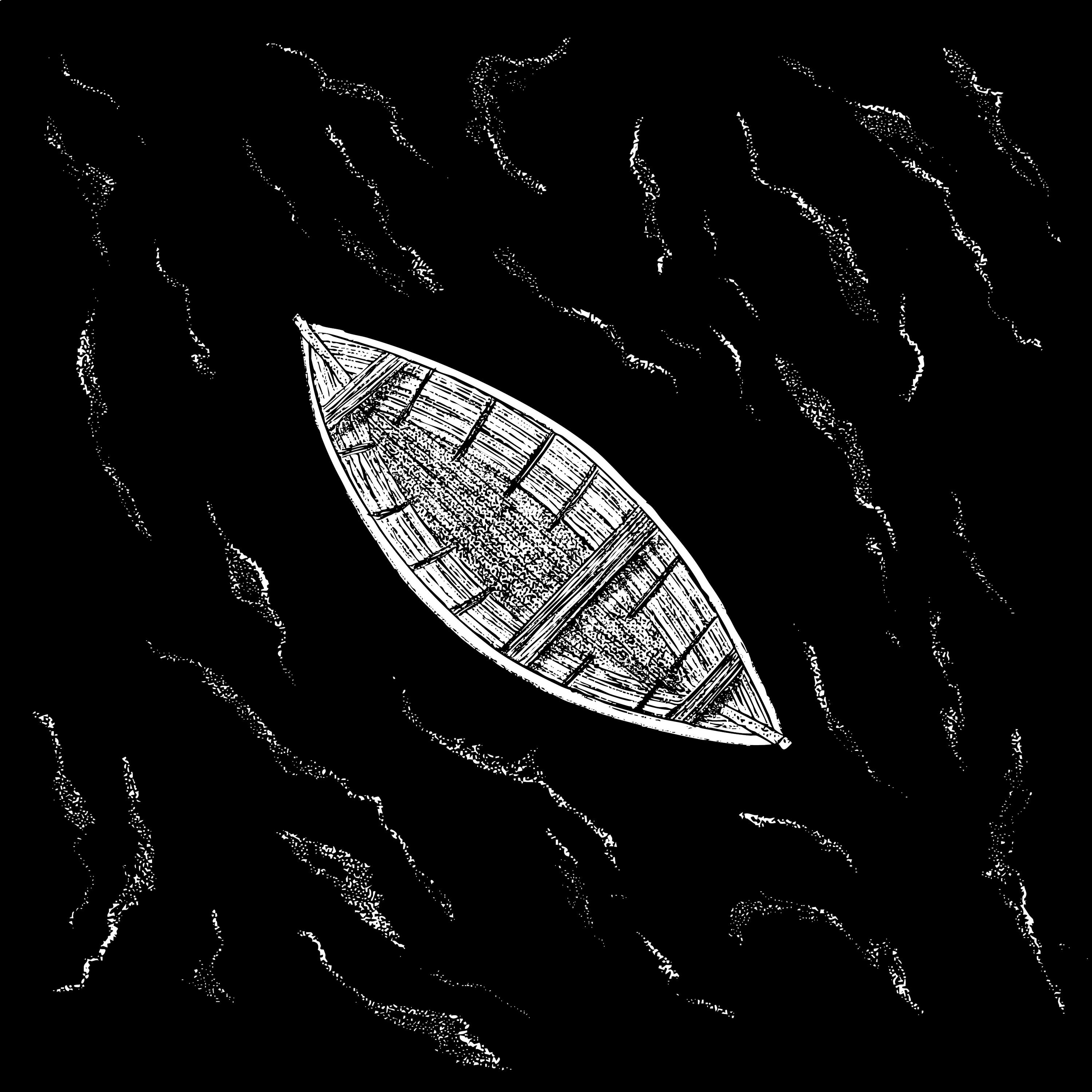
Criminal
The Custom of the Sea
00:45:26
In 1883, a sailing captain named Thomas Dudley accepted a job no one thought was a good idea: to sail a small ship called the Mignonette halfway across the world.
Loading summary
Transcript107 lines
- [00:01]
Phoebe Judge
Support for Criminal comes from Saks Fifth Avenue Saks Fifth Avenue makes it easy to do holiday shopping your way. Whether you're looking for the right gift or the right outfit, Saks is where you can find everything from a Jimmy Choo bag for a sister who's hard to shop for to a Prada jacket for yourself to dress up for holiday dinner. If you don't know where to start, Saks.com will filter just for items that match your personal style so you can save time shopping and spend more time just enjoying the holidays. Make shopping fun and easy this season and find gifts that suit your holiday style at Saks Fifth Avenue. Support for this show comes from Nature Sunshine All New Marine Glow Collagen it's that time of year when the summer heat is fading, the air is getting crisper, the leaves are turning red, everything starts tasting like cinnamon and pumpkins. As the sun sets earlier, we spend less time with beams of sunshine and more time with the glow of blue light. That's why Nature Sunshine New Marine Glow contains the blue light blocking power of lutein and other antioxidants to combat the damage to skin and eye health from blue light exposure. Experience more radiant skin and proven eye protection with Nature Sunshine New Marine Glow the only collagen product clinically proven to support eye and skin health and defend against blue light. Try Nature Sunshine New Marine glow now@naturesunshine.com this episode contains descriptions of violence. Please use discretion. In 1853, a man named Thomas Dudley was born into a family of sailors in a village in England. Eventually he became a well known sea captain. But by the time he was 30, steamships were taking more and more of the sailing business and Thomas Dudley was looking for work.
- [01:56]
Adam Cohen
He was selling at a time when sailing was actually in decline. They call it the dying Age of sail. Author Adam Cohen so he was actually part of a dying way of life, the sailing life. And it was hard for him, particularly as a family man with children to support, to really make a living being a captain.
- [02:16]
Phoebe Judge
Then Dudley heard about a rich Australian who had bought a yacht in England and needed to get it back home. But it was much smaller than the boats you would usually take on such a long trip across open seas. The man was looking for a captain willing to sail the yacht back. Thomas Dudley had mostly sailed just around England, but he applied and got the job. The yacht was called the Mignonette and it came with a 13 foot wooden lifeboat. Thomas Dudley had about a month to get ready for the trip, so he.
- [02:53]
Adam Cohen
Has to hire a Crew first of all, and then he has to figure out the route. And then he had to supply the ship with the food and drink that would be necessary for the trip. He was really the master, as they called it. And captains back then were known as master, which was actually short for master of God. There was this idea that they had this kind of like king like quality on the ship. And he was really in charge of everything.
- [03:21]
Phoebe Judge
Dudley had a hard time finding a crew. He only needed a few men, but the people he talked to about the job told him it was too dangerous. Eventually he convinced a pair of brothers to join. But just a few days later, the brothers quit. Dudley quickly hired someone else to replace them. But then that sailor quit too.
- [03:44]
Adam Cohen
So he hired three different people who all backed out. First of all because they were worried that this was a very dangerous voyage in such a small ship. And also in a couple cases, specifically because their wives told them they did not want them going. So there was a lot of fear around whether this was a wise voyage to take.
- [04:06]
Phoebe Judge
Then Dudley heard from a man named Edmund Brooks. Brooks worked in the shipyard where the Mignonette was kept. He knew about the crew that had backed out, but he wanted to go to Australia. There were supposed to be more jobs there with better pay. So he accepted a position for just over five pounds a month. Dudley offered eight pounds a month to another man named Edwin Stevens. Stevens only considered the job because he'd been a navigator on. On a big steamship. But then the steamship crashed into some rocks and sank. No one died, but he was fired and it ruined his reputation.
- [04:46]
Adam Cohen
So that made him eager to take this on when many others weren't.
- [04:51]
Phoebe Judge
There was just one position left to fill. Cabin boy. Someone to do the cleaning and cooking and whatever else needed doing. Dudley spread word of the job and it reached a young sailor in a neighboring town named Richard Parker. Parker knew right away that he wanted it.
- [05:10]
Adam Cohen
He's excited cause he too is interested in seeing Australia and also really in starting a bigger life. He's 17 years old. He had had a kind of rocky childhood. He's an orphan. And he was excited about, as he said to people, becoming a man. So when he hears about this, he excitedly tells his foster parents, I've heard about this opportunity to sail to Australia and I'm going to do it.
- [05:36]
Phoebe Judge
Richard Parker had been taken in by another sailor and his wife, the Matthews, after his parents died when he was around 12. He'd been hired as a sailor before, but never for such a long trip. His foster parents spent days trying to talk him out of applying for the job on the Mignonette. But Parker still went to meet with Captain Thomas Dudley.
- [06:00]
Adam Cohen
He really does offer himself up to Parker as a father figure, and both that he would take care of him, but also that Parker had not had much schooling, and Dudley was going to bring books along to actually teach Parker how to read and write. And Parker talked about that when he was telling his foster parents about why he wanted to go. He was saying that he was really excited to be going with Dudley.
- [06:27]
Phoebe Judge
Richard Parker didn't know how to write his own name, so he signed his contract with a mark. His foster parents bought him new clothes for the trip. Dudley decided that the Mignonette would take a slow but less risky route to Australia. They would sail along the western coast of Africa instead of catching stronger trade winds across the Atlantic, which would come with bigger storms or could lead them into icebergs. In May of 1884, the mignonette set sail with Dudley, Stevens, Brooks and Parker on board. And how does it go for the first. For the first few days of the sail?
- [07:10]
Adam Cohen
You know, it goes wonderfully. And it was, you know, high tide, beautiful weather. When they set off from England, they pass these islands as they go out of the English Channel. The crew is getting along great, no storms, and really all the way to the equator, which was quite a long way. They had a wonderful sail. And they began to think, really, oh, you know, our friends and family who said, you know, you can't go in a yacht, it's too small, it's dangerous and all that. We're so wrong. This has been a wonderful voyage. And it was up until the equator. So one thing is, when you pass the equator by sailing tradition, you're supposed to do these little ceremonies marking the passing. And there are some very elaborate ones which are dressing up the sailors who have never crossed the equator before.
- [08:04]
Phoebe Judge
Sometimes sailors would dress up as King Neptune, the God of the sea, with other crew members playing his wife and his assistant, Davy Jones. Anyone who hadn't crossed the equator before might also get dipped into the ocean. They called it a sailor's baptism, and.
- [08:22]
Adam Cohen
That'S thought to be an attempt to appease the gods, you know, and keep them happy. And they didn't do that on the Mignonette. And maybe they regretted that later because it was really right after crossing the equator that they began to hit bad weather.
- [08:36]
Phoebe Judge
Captain Dudley and Richard Parker were on watch when it started to storm. The wind was so strong and the waves were so rough that Dudley decided to lower the sail and wait things out. Brooks and Stevens covered the cabin window to prevent flooding.
- [08:54]
Adam Cohen
At this point, the captain tells Richard Parker to go down below and get the makings of tea. And they were going to have a sort of proper British tea in the middle of the ocean. And a little bit of old fashioned British civility In the midst of the chaos of the open sea.
- [09:12]
Phoebe Judge
But when Parker came up from the cabin, he heard Stephen shout, look out.
- [09:19]
Adam Cohen
The big wave comes. And it sort of comes out of nowhere. And it is huge. It actually goes up to the top of the mast and strikes the boat. And everyone grabs onto something to the boom or to whatever ropes that they can hold onto. And the wave washes over the boat. Everyone does manage to hold on, but as soon as it subsides, they can see that it has crashed in one side of the boat. And almost immediately, they know that the damage to the boat is irreversible. And it's going to sink.
- [09:54]
Phoebe Judge
They started to get the lifeboat ready. And Dudley rushed into the cabin to get cans of meat and. And containers of fresh water.
- [10:03]
Adam Cohen
And the thing is, they can't throw that right into the lifeboat. Because the lifeboat is really very thin. It's like a quarter of an inch of wood. So he throws that into the water, and it floats next to the lifeboat.
- [10:17]
Phoebe Judge
Brook Stevens and Parker were already in the lifeboat. And started grabbing whatever they could from the water. But a lot of it was carried away. Dudley made it off the mignonette just before it sank.
- [10:31]
Adam Cohen
And when they finally get away and the four men are in this tiny lifeboat, they realize they have no water. And they just have two tins which the captain thought were meat. But when they look at it more closely, it turns out that they are turnips.
- [10:47]
Phoebe Judge
The four men also realized that there was a hole in the lifeboat. And it was filling with water. They were able to plug the hole, which helped, but didn't completely stop the leaking. And then they felt something bump up against the bottom of the boat. It was a shark. It hit the boat again, harder this time, almost capsizing it. The men hit the shark with an oar to try to get it to go away.
- [11:12]
Adam Cohen
They also are praying because these actually were very religious men. So they're praying that God will make the shark go away. And the shark does go away. But that was a very chilling moment for them. And made them realize that there were so many different dangers lurking for them. As they floated in the ocean in this tiny little lifeboat. And you know, when you're sort of cast adrift without food and Water. You might think, oh, I'm going to starve to death. But really, it's much more likely that you'll die of thirst. People can last a very long time without food and not very long without water.
- [11:53]
Phoebe Judge
People can live just a few days without water. The men had a little from the canned turnips, but that wouldn't last. They knew not to drink seawater.
- [12:03]
Adam Cohen
They knew that as tempting as it was, when your mouth is parched, it's so tempting to reach into the water that's right there. But they also knew that if they did that, it would kill them. So they were very strongly trying not to do that.
- [12:16]
Phoebe Judge
The men waited two days before they opened their first can of turnips. Then on the fifth day, they saw something.
- [12:25]
Adam Cohen
They notice something in the distance, and they get closer to it, and it is a pretty large sea turtle. And they get up close to this turtle, they get it into the boat, they kill it, and it had enough meat for them to eat, good turtle meat for days. But more importantly, it had liquid. And it's not a widely known fact, but turtle blood is actually one of the best things you can drink if you're in these men's situation. Fish blood actually has too much salt and too many other contaminants to be a good thing to drink. But turtle blood is good drinking.
- [13:04]
Phoebe Judge
The men drank as much of the blood as they could and tried to save more for later, but some seawater washed in and they lost the rest. They spent the next few days scanning the ocean for more turtles, but they didn't see anything. Tell me about the custom of the sea.
- [13:24]
Adam Cohen
Yeah, so there is a long. Was a long tradition of when there was a shipwreck. And, you know, back in the age of sail, shipwrecks were common. There were many, many shipwrecks. And when there were shipwrecks, people did not have radios. They couldn't wire for help. And a tradition developed among sailors that when there wasn't enough food or liquid to keep people alive, you could actually kill someone and eat them. And the actual custom of the sea was the drawing of lots. So lots would be drawn, and whoever drew the short straw would be killed and eaten. So this was an established part of the sailing life.
- [14:08]
Phoebe Judge
It was even well known to people who weren't sailors. In the early 1800s, the English poet Lord Byron wrote about a shipwreck in one of his most popular poems, Don Juan. They spoke of lots for flesh and blood and who should die to be his fellow's food in the 1830s, Edgar Allan Poe published his only novel, which also had a scene where sailors drew lots. So, quote, one of us should die to preserve the existence of the others. And how many days is it before Dudley first suggests drawing lots?
- [14:47]
Adam Cohen
I believe it was about 16. It's a little unclear. But when he begins to see that they're not seeing land, they're not seeing other ships, they're not seeing any more turtles, he says, you know, we. We need to do this.
- [15:07]
Phoebe Judge
I'm Phoebe Judge. This is criminal. Thomas Dudley first proposed drawing lots to Edwin Stevens and Edmund Brooks.
- [15:21]
Adam Cohen
They're both opposed. They say they do not want to do it. You know, let's wait a few more days. We may yet be saved by a passing ship, Sealand. And it's also not entirely clear how much their biggest consideration was. If they agree to this, you know, there might be a 1 in 4 chance that they would be the one to be killed and eaten. But they do both say no.
- [15:43]
Phoebe Judge
Why doesn't he ask Richard Parker, the cabin boy?
- [15:46]
Adam Cohen
Yeah, you know, the cabin boy just was not really regarded as a full member of the crew. And, you know, wasn't an adult, really. By all rights, he should have asked Parker, because if lots were drawn, Parker would have to draw a lot. But I think in this almost paternal relationship he had towards the cabin boy, he regarded him as a child. And maybe this wasn't the sort of question that you ask a child.
- [16:14]
Phoebe Judge
Around this time, the men decided to try to build a sail for the lifeboat. They used an oar as a mast and their own shirts as the sail. It worked. They were able to steer west, where they thought it might be more likely to see another boat. How desperate have things gotten on the boat?
- [16:33]
Adam Cohen
I mean, I think it's fair to say we cannot even imagine. I mean, they have not eaten or drunk in days. Their mouths are literally just drying up. And there were some references to how when they talked, it was almost like animals communicating. They just really couldn't drink. Their tongues were turning black. Their legs were also in terrible shape. And, you know, they're scrunched up and they can't move around, and then the sun is beating down on them, so there's that. And they don't really have anything to protect themselves against that. So I think both physically and mentally, they're in very dire state.
- [17:11]
Phoebe Judge
And then Richard Parker told them he'd been hiding something.
- [17:16]
Adam Cohen
He tells them that secretly, late at night, while they've been sleeping, he's been drinking seawater. And he said he just couldn't help himself. They had told him that it was a very dangerous thing to do, but he just needed to drink water and he drank seawater.
- [17:31]
Phoebe Judge
He was starting to feel sick. Dudley talked to Stevens and Brooks again about drawing lots.
- [17:39]
Adam Cohen
He keeps on hoping someone will change their mind and also maybe just thought with the passing of each day, maybe people will realize, you know, the situation's getting direr and direr and the hope of being saved is seeming more remote.
- [17:54]
Phoebe Judge
And they're not agreeing.
- [17:55]
Adam Cohen
They're not agreeing.
- [17:57]
Phoebe Judge
Adam Cohen says that at a certain point, Brooks even told Dudley that he would never agree to drawing lots, no matter how desperate things got. He said he would rather die than kill someone else. One morning around 3am While Parker was laying down and Brooks was steering the boat, Captain Dudley leaned over to talk to Stevens so only he could hear.
- [18:24]
Adam Cohen
He asks him how many, you know, children he has and you know, they each are married and have children. And he points out that Parker's really, you know, quite sick and also doesn't have any family waiting for him and suggests that that they dispense with the drawing vlogs and just kill the cabin boy.
- [18:46]
Phoebe Judge
We'll be right back to listen without Ads Join Criminal plus Support for Criminal comes from Quints it's the time of year to start looking for layers that will last you through the fall and winter. If you're looking to refresh your wardrobe without blowing your budget, Quint's can help. They have quality essentials that feel comfortable and look refined. And by partnering directly with top factories, Quint is able to cut out the middlemen and send you luxury quality pieces at half the price of similar brands. I've tried some things from Quint myself, like this nice black sweater from them that buttons up the front. It's the perfect weight for fall, and I've been wearing it a lot. Sometimes I layer it over Quint's button downs with my blue chore jacket. Also from Quint's Find your fall staples at Quint's. Go to quince.com criminal for free shipping on your order and 365 day returns. Now available in Canada too. That's qu-n c e.com criminal to get free shipping and 365 day returns. Quince.com criminal support for criminal comes from Mint Mobile. Mint Mobile says their favorite word is no. No contracts, no monthly bills, no hidden fees. If you're paying for a wireless plan that's overpriced, you can leave it easily for Mint. Their plans start at just $15 a month and they all come with high speed data and unlimited talk and text delivered on the largest 5G network in the country. You can keep your current phone and bring your phone number and contacts with you. Our friend switched to Mint Mobile. He says he wishes he'd done it sooner. He's saving money and the service is just as good. Ready to say yes to saying no. You can make the switch@mintmobile.com Phoebe that's mintmobile.com Phoebe Upfront payment of $45 required. Equivalent to $15 a month limited time. New customer offer for first three months only. Speeds may slow above 35 GB on a limited plan. Taxes and fees extra. See Mint Mobile for details. After Captain Thomas Dudley suggested to Edwin Stevens that they kill Richard Parker, Stevens tried to put it off.
- [21:06]
Adam Cohen
He says, you know, let's wait until the morning and see how things look. Because, you know, it was this odd circumstance where it was possible at any moment they could see a ship that would rescue them. At any moment, they could see land. So he hesitated.
- [21:21]
Phoebe Judge
Dudley agreed to wait until daylight when they'd be able to see if a ship was coming. But then the sun came out and they didn't see anything. Stevens told Dudley that they could go ahead with the plan.
- [21:34]
Adam Cohen
Dudley knows that he's gonna have to be the one to do it. Cause Brooks is not doing it at all. And Stevens was somewhat reluctant. He knew he'd have to be the one to actually do the deed. And he asked Stevens to stand by near Parker and be ready to hold his feet if he struggled.
- [21:51]
Phoebe Judge
Richard Parker had been at the bottom of the lifeboat in and out of sleep. Sometimes he woke up talking about how there was a ship coming to save them. Brooks, who didn't know anything about the plan, had been awake steering the boat that night. Dudley told him to move to the front to get some sleep.
- [22:09]
Adam Cohen
Brooks tries to go to sleep, but before he does, Stevens does look at him and look at Parker in a way that Brooks understands that this is what's about to happen. So Brooks covers his head. He doesn't want to even, you know, see any or hear any of it. Dudley then moves towards the cabin boy and takes out his knife, says a prayer to God to forgive them for what they're about to do. And the cabin boy is very much alert enough to see what is going on and says his last words to Dudley. What, me, sir? And right after he says that, Dudley takes his knife and slits the cabin's boy's throat.
- [22:57]
Phoebe Judge
And what happens after he dies?
- [23:00]
Adam Cohen
Well, you know, the thing they Were most focused on was the blood. So they take the receptacles they have, which are a baler and a tin, and they collect the blood, and they immediately begin drinking it.
- [23:14]
Phoebe Judge
Eventually, Brooks asked for some, too, and they gave him a can. Then the three men ate Richard Parker's heart and liver. Brooks later said, I can say that we partook of it with quite as much relish as ordinary food, but that still they became, quote, different men. The next day, it rained so much that the men could collect extra water. And three days after that, they saw something on the horizon.
- [23:47]
Adam Cohen
They see a ship, and they begin frantically waving, frantically waving. And they notice that the ship has seen them because it's actually turning in their direction and moving towards them.
- [24:00]
Phoebe Judge
It was a German ship traveling back to Europe from South America, and it pulled up alongside the lifeboat.
- [24:08]
Adam Cohen
The sailors said that they noticed some piece of rib and some flesh. So they knew something was going on down there, but they didn't know what it was. But the men tell their whole story, and if they thought that there might be any consequences down the road, it would have been very easy to lie. Right? They could have said, oh, you know, we were on this lifeboat. The cabin boy drank salt water and died. And once he was dead, we ate his body and drank his blood. And then they would have presented themselves to the world as not having murdered anyone. That's not what they did, and we'll never know exactly why. And it could be just that they were so overcome and so excited and so weak and all that that they didn't really have time to formulate a plan and get their story straight. But it seems more likely that because the custom of the sea was so entrenched in the sailing world in liter and popular culture, it was just something that they were almost proud of having done. They had survived, and they were going to tell how they survived.
- [25:15]
Phoebe Judge
Captain Dudley asked the German captain if they could take Richard Parker's remains back to England. He said no, and ordered his crew to throw them into the ocean. It took days for Dudley, Stevens, and Brooks to be able to walk again. On their way back to England, Dudley started writing an account of what had happened to them over their 24 days at sea. He wrote about how he said a prayer before he killed Parker, but he didn't include Parker's last words. Instead, he wrote that he'd been, quote, all but lifeless.
- [25:52]
Adam Cohen
Dudley may have been a bit of a the kind of old salt who likes to tell great stories of the sea because he wanted to actually, you know, he Took back the lifeboat. They took it back with them to England on the. On the German ship. He took back other relics. So he may have been one of these sailors who returns home with this idea. Boy, do I have a story to tell you about our adventures at sea.
- [26:18]
Phoebe Judge
When the men finally arrived back in England, the first thing Dudley did was send a telegram to his wife, Mignonette. Foundered in boat 24 days. Suffering's fearful all well now then, all three of them went to the harbor's customs house to give statements about the shipwreck. Each of them told the whole story, and Dudley even reenacted the moment he killed Parker. A harbor police sergeant was watching.
- [26:49]
Adam Cohen
He seems to have a feeling that a crime may have been committed. And he actually asks Dudley for the knife, which Dudley gives him. And if it were at that point just a shipwreck investigation, there would be no need to take the knife. But Dudley gives it freely and still is not thinking that he's in any kind of legal jeopardy. The policeman takes the knife, goes to talk to the mayor and comes back with arrest warrants, and they arrest all three of the men.
- [27:18]
Phoebe Judge
They were arrested for murder. This had never happened before. Other men had survived shipwrecks by eating people, and they weren't charged with a crime when they got back in England. At the time, there was only one degree of murder, no second or third degree. And if you were found guilty, there was only one sentence, the death penalty. How does the public react to the case?
- [27:45]
Adam Cohen
So the initial reaction is enormous sympathy for the men. From the very first hearing in Falmouth, crowds show up, trying to get into the courtroom, overflowing. And they are cheering for the men. They are on their side. I mean, it might be a bit much to say that they were folk heroes, but they were getting enormous sympathy as people who had done what they needed to do to survive under terrible conditions at sea.
- [28:15]
Phoebe Judge
One man wrote to the mayor, who had signed the men's arrest warrants and said he would be coming to Falmouth to shoot him. The following week, other supporters started fundraisers for Dudley, Stevens and Brooks. At one point, Dudley organized for the lifeboat to be put on display so people could pay to see it and he could use the proceeds for the case. One newspaper reported, quote, there are no marks in it of blood that can easily be seen. Another newspaper interviewed Richard Parker's family. His foster mother said his death had, quote, unquote, almost broken my heart. And I can seem to see him looking up to Captain Dudley and saying, what me, sir? The Newspaper reported that his father, quote, would speak to hardly anyone. A little less than two weeks after they were arrested, Dudley, Stevens and Brooks went back to court for a hearing. And the head of the prosecution made an announcement. He said he was dropping the murder charge against Edmund Brooks.
- [29:21]
Adam Cohen
And you know, that is the fair and right thing to do because he did everything he could not to involve himself in the murder, other than physically try to stop it. But also, it was a pragmatic decision because when Brooks is not charged, he then is available to be the star witness for the crown. So the main argument for the defense is what's called the necessity defense. And there is this concept, and it has sort of ancient roots in law going back, you know, many, many centuries. When there's a dire situation and someone has a choice of two evils, they can be forgiven for choosing the lesser of two evils, even if that is a crime. So the main, strongest argument the defense had was this was a dire situation. The two possible outcomes were four men were gonna die in the lifeboat or one man was gonna die in the lifeboat. Dudley and Stevens took the path of one man dying in the lifeboat. That should not be a crime.
- [30:24]
Phoebe Judge
Adam Cohen says that about 40 years before, there had been a case in America where this argument had come up.
- [30:31]
Adam Cohen
They were on an overcrowded lifeboat. And the sailors, led by this one sailor Holmes, decide that the lifeboat is so overcrowded, the only way for everyone to survive is to literally throw people overboard. So they begin throwing passengers overboard. They don't throw any of the crew overboard. And very shortly thereafter they're all rescued, calling to question whether anyone needed to be thrown overboard. And they do a very streamlined prosecution where they prosecute the lead sailor, Holmes, just for throwing over one person. And interestingly, the trial occurs before a U.S. supreme Court justice because back then, Supreme Court justices road circuit and would occasionally preside over trials in different jurisdictions. So there was a Supreme Court justice who presided, and he gave his views in his charge to the jury about the law of necessity and whether it was ever acceptable to kill people in order to save people in a disaster at sea. And he led the jury to convict Holmes in this case. But he also said that if it had been done in a different way, if they had not just thrown over passengers, if they had started by throwing over crew because crew had a responsibility to protect passengers, and if they had drawn lots of it would have been acceptable. So we have this really interesting case where a Supreme Court justice interpreting American law says, in certain circumstances, you know, you can Kill someone at sea to save lives.
- [31:58]
Phoebe Judge
It's kind of like, listen, if you've got to kill them, if you've got to eat them, do it. But make sure it's a fair process to decide who's going to get killed.
- [32:06]
Adam Cohen
Exactly. Exactly.
- [32:09]
Phoebe Judge
Dudley, Stevenson, Brooks never drew lots. But the defense argued that Richard Parker had been sick. Adam Cohen says the men believed they couldn't risk waiting for him to die naturally. They were worried his blood might congeal before they noticed he was dead. And then they would have missed their chance to drink it. The prosecution argued that there was no such thing as a necessity defense in England.
- [32:36]
Adam Cohen
And murder is murder. You know, it's very clear you're not allowed to take a knife and slit someone's throat and end their life. And you don't get to play God and decide. I have figured out the way things would go if I did this, and if I didn't do this. And I'm gonna choose the better outcome. And as they pointed out, no one knew that four people would die. Because it could have been that the very next moment after Parker was murdered. That the ship. A ship would have appeared and saved everyone. Or they might have reached land. So you actually don't know what the outcomes are.
- [33:09]
Phoebe Judge
Dudley and Stevens weren't allowed to say anything to the jury during their trial.
- [33:14]
Adam Cohen
There was a very odd situation in English law at the time. Which was that defendants could not testify on their own behalf. So they were only represented in their accounts of what happened by the statements they wrote as part of the shipwreck investigation. Which really didn't make their case for them. They didn't know that they were going to be charged with murder.
- [33:32]
Phoebe Judge
But Edmund Brooks, whose charge had been dropped, was able to talk about what had happened in court.
- [33:39]
Adam Cohen
So their lawyer was able to get Brooks to really put a lot of color on just how bad things were in the lifeboat. And Brooks did that willingly because he. Although he did not support the killing of Parker, he did like Dudley and Stevens. And he did not want to be the agent of their executions.
- [34:00]
Phoebe Judge
Brooks spoke so softly the court could barely hear him. He talked about the shipwreck and all the conversations he had had with Dudley and Stevens about drawing lots. He said that he never wanted to, quote, I should prefer to die in the ordinary way. Brooks also said that Richard Parker had been the weakest of all of them. He admitted that he drank his blood and ate parts of his body. And he said, quote, but for the death of the boy, I believe we all should have died from hunger. And thirst. We'll be right back. Support for Criminal comes from Scamflancers from wondry. Scamfluencers is a weekly podcast with the stories of today's most notorious scams. It can feel like scams are everywhere now. In your voicemail, your email, your social media, even on tv. Scamfluencers explores what it is that makes scams so interesting to us. Like the idea that they can happen to anyone. And it takes a look at the people behind scams who lie and cheat and convince the world they are who they say they are. Seemingly without enough guilt to stop. In a recent episode, you can hear the story of Natalie Cochran, a former pharmacist who built a Ponzi scheme worth millions of dollars. She faked contracts and government emails and she faked cancer. She lied to her friends and family. And when her husband got a sense that something was off, he started trying to investigate. But Natalie Cochran decided to stop him no matter what. Listen to Scamfluencers now, wherever you listen.
- [35:49]
Adam Cohen
Avoiding your unfinished home projects because you're not sure where to start. Thumbtack knows homes, so you don't have to. Don't know the difference between matte, paint.
- [35:58]
Phoebe Judge
Finish and satin or what that clunking.
- [36:01]
Adam Cohen
Sound from your dryer is. With Thumbtack, you don't have to be a home pro, you just have to hire one.
- [36:07]
Phoebe Judge
You can hire top rated pros, see price estimates and read reviews all on the app. Download.
- [36:13]
Adam Cohen
Today.
- [36:15]
Phoebe Judge
The judge assigned to Thomas Dudley in Edwin Stevens murder trial. Judge Baron Huddleston was known for, quote, taking a view of his own and almost invariably leading the jury to the same opinion. He also liked to wear color coded gloves to court depending on the case. Lavender for trials concerning breach of promise in marriage, white for more conventional hearings and black for murder.
- [36:43]
Adam Cohen
And he looks at this case and he's appalled by what went on.
- [36:49]
Phoebe Judge
Adam Cohen says Baron Huddleston wanted the men convicted of murder.
- [36:54]
Adam Cohen
The main obstacle to Baron Huddleston getting the conviction he wants is the jury needs to decide. And they were sympathetic to Dudley and Stevens. That was clear. They made it clear. So there was a danger of what we in America called jury nullification. That the jury would say, even if technically yes, Dudley did take a knife and put it in Parker's throat and kill him and all that. We're just not gonna convict. Cause we just don't think justice would be served. So Baron Helsing comes up with a very unusual, clever way around this, which is there was something called the Special verdict.
- [37:33]
Phoebe Judge
Adam Cohen says it hadn't been used in almost a century.
- [37:37]
Adam Cohen
It allowed a judge to say, we're just gonna have the jury decide what the facts were. And then once they make a statement of facts based on all the evidence they hear at the trial, we're then gonna convene a panel of judges to be named later who will actually decide whether a crime was committed.
- [37:54]
Phoebe Judge
In closing arguments to the jury, Dudley and Stephen's lawyer argued again that Parker was only killed because he was already sick and dying. Quote, horrible as the repast was, it saved these three men's lives. He reminded the jury that many people had done the same thing before in other shipwrecks and none of them had ever been charged with murder and then put to death.
- [38:21]
Adam Cohen
This goes to a panel of the Lord Chief justice of England and Wales, who's the highest judge and for four other of the highest judges in England. And what they decide is that this is murder. That ending someone's life like this meets every definition of murder. And you know, I actually see this as being one of the very early human rights decisions, A very important human rights decision. Because what the judge ultimately says is Parker had the right to his life. We all have the right to our own lives. We have the right to live as long as we're able to live. And no one's calculation, you know, it would be more efficient if we killed you. You know, think of all the good things that would come from that. We could save other lives. We could do this, we could do that. None of that applies that Parker and all of the Parkers out there have the right to their own life. And taking it away is a crime.
- [39:19]
Phoebe Judge
Thomas Dudley and Edwin Stevens were sentenced to be hanged.
- [39:24]
Adam Cohen
But what everyone knew was in England at the time, there was a two step process. After someone was sentenced to death, there was a second path, which was an appeal to the Queen for mercy.
- [39:37]
Phoebe Judge
And the Queen did grant both Dudley and Stevens mercy and reduced their sentences to six months in jail without hard labor. By December 1884, less than six months after the shipwreck, the case was over. Adam Cohen says that even though their sentences were reduced, Dudley and Stevens guilty conviction set a strong legal precedent.
- [40:03]
Adam Cohen
It sends a strong message about what side the law is on. And it has endured as a case that says that the necessity defense should not be allowed and that these kinds of calculations have no place in the law. So interestingly, it changed the law in America, even though it was a British case. And now the general rule in America is that you can't use the necessity of defense to homicide. But also, even more than that, it has stood for an idea about why we should be skeptical of utilitarian solutions to problems that trample on people's rights. And in England, at the start of the pandemic, when there was a ventilator shortage, the union of doctors put out a memo to all the doctors in England saying, we don't have enough ventilators. If you have someone on a ventilator and then someone comes into your hospital who has a better chance of surviving on a ventilator, you should take the ventilator away from the person who's using it and give it to the person with a better chance of surviving. One of the leading medical ethicists in England wrote a really impassioned article in a scholarly journal saying this was a terrible memo and a terrible rule. But then he also said that he believed it was illegal. And he went back to Dudley and Stevens, you know, 100 plus years earlier, and said that just as the Lord Chief justice said, you can't kill the cabin boy, you can't take the ventilator away from someone who might die just because you think you might save someone else's life. And, you know, interestingly, he called this article that he wrote, why Kill the cabin Boy?
- [41:41]
Phoebe Judge
Adam Cohen says the Dudley and Stevens case is still taught to first year law students.
- [41:48]
Adam Cohen
One of the great chasms in moral philosophy, and comes up in law school a lot too, is people have two different views of what is a just thing to do. One is to have these rules that prohibit bad acts and punish them. And another is to look at the world in a utilitarian way and say people should always act to promote the greatest good for the greatest number. And there have been attempts to capture this dichotomy, this famous trolley problem that is a hypothetical that philosophers have come up with. But unbelievably, this kind of crazy thing that happened in this lifeboat right after the Mignonette was shipwrecked was a perfect encapsulation of those two schools of philosophy. And I've talked with people who feel, well, of course, if you can save three lives by killing one person, you should do that. I don't think it's a close question I've talked to. People say, of course you should not be able to kill the cabin boy even if you can save three lives. So it's such an inviting scenario that allows people to really test their own morality and how they view justice and how they view the world, because people feel very strongly on both sides of this.
- [43:06]
Phoebe Judge
Edwin Stevens and Edmund Brooks never seemed to recover from what happened on the Mignonette. Stevens went back to sailing, but he struggled with depression and alcoholism for the rest of his life. Brooks was known to get drunk and yell out that he, quote, didn't do it. Thomas Dudley was the most famous of the three men. A wax figure of him went on display at Madame Tussauds in London. Madame Tussauds grandson made the model. He'd gone to court to watch the trial so he could study Dudley. The figure was displayed in what the Wax museum called the Chamber of Horrors. Dudley left England. Adam Cohen says he wanted to go where no one knew him or his history. So in 1885 he moved to Australia with his wife and children. They lived in Sydney, where he ran a sailing supply business called T.R. dudley and Company. The company did well. He employed a staff of 40.
- [44:12]
Adam Cohen
But there was a huge outbreak of bubonic plague in Asia and it came to Australia in 1900 and it was being spread by these fleas on rats which were traveling on ships. So it comes to the harbor in Sydney, which is right where Dudley's shop is and where he's living, and these rats come into his home through some pipes. And anyway, Dudley comes down with the bubonic plague and is literally the first person in Australia. And there would be hundreds more to die of the bubonic plague.
- [44:47]
Phoebe Judge
Thomas Dudley was buried in a quarantine cemetery. In the public record, he's listed as, quote, captain Dudley, a sailmaker. Criminal is created by Lawrence Spore and me. Nadia Wilson is our senior producer. Katie Bishop is our supervising producer. Our producers are Susanna Roberson, Jackie Sajiko, Lily Clark, Lena Sillison and Megan Kinane. Our show is mixed and engineered by Veronica Simonetti. Julian Alexander makes original illustrations for each episode of Criminal. You can see them@thisiscriminal.com and you can sign up for our newsletter@thisiscriminal.com Newsletter. Adam Cohen has a book about this case called Captain's a Shipwreck, an act of Cannibalism and a Murder Trial that Changed legal history. We hope you'll consider supporting our work by joining our membership program Criminal. You can listen to Criminal, this is Love and Phoebe reads a mystery without any ads. Plus you'll get bonus episodes. These are special episodes with me and Criminal co creator Lauren Spoon talking about everything from how we make our episodes to the crime stories that caught our attention that week, to things we've been enjoying lately. To learn more go to thisiscriminal.com plus we're on Facebook at thisiscriminal and Instagram and TikTok at Criminal Underscore Podcast. We're also on YouTube@YouTube.com criminalpodcast. Criminal is part of the Vox Media Podcast network. Discover more great shows@podcast.voxmedia.com I'm Phoebe Judge, this is Criminal.
- [46:52]
Adam Cohen
And Doug. Here we have the Limu Emu in its natural habitat, helping people customize their car insurance and save hundreds of with Liberty Mutual. Fascinating. It's accompanied by his natural ally, Doug.
- [47:07]
Phoebe Judge
Uh, Limu is that guy with the binoculars watching us.
- [47:10]
Adam Cohen
Cut the camera. They see us. Only pay for what you need@libertymutual.com Liberty.
- [47:15]
Phoebe Judge
Liberty Liberty Liberty Savings Ferry Unwritten by.
- [47:18]
Adam Cohen
Liberty Mutual Insurance Company and affiliates Excludes Massachusetts.
- [47:21]
Phoebe Judge
What are your holiday traditions? Putting up a minimum of six trees. Decorating every room with a different theme. Whatever it is, here's one way to make those traditions extra special. Start the season with Etsy. On Etsy, you'll discover original pieces from small shops to help you celebrate your way. Shop Etsy for holiday decor that makes you feel seen. Special starts on Etsy. Tap the banner to shop now.