
Podcast
Cross Border Business Radio Podcasts
Hosted by CBB RADIO · EN
Bridging the information gap for traders and experts
3episodes
Episodes
Newest firstAll episodes
Concerns of Foreign International Truck Drivers in Zambia: An Appeal for Fair Transit Regulations
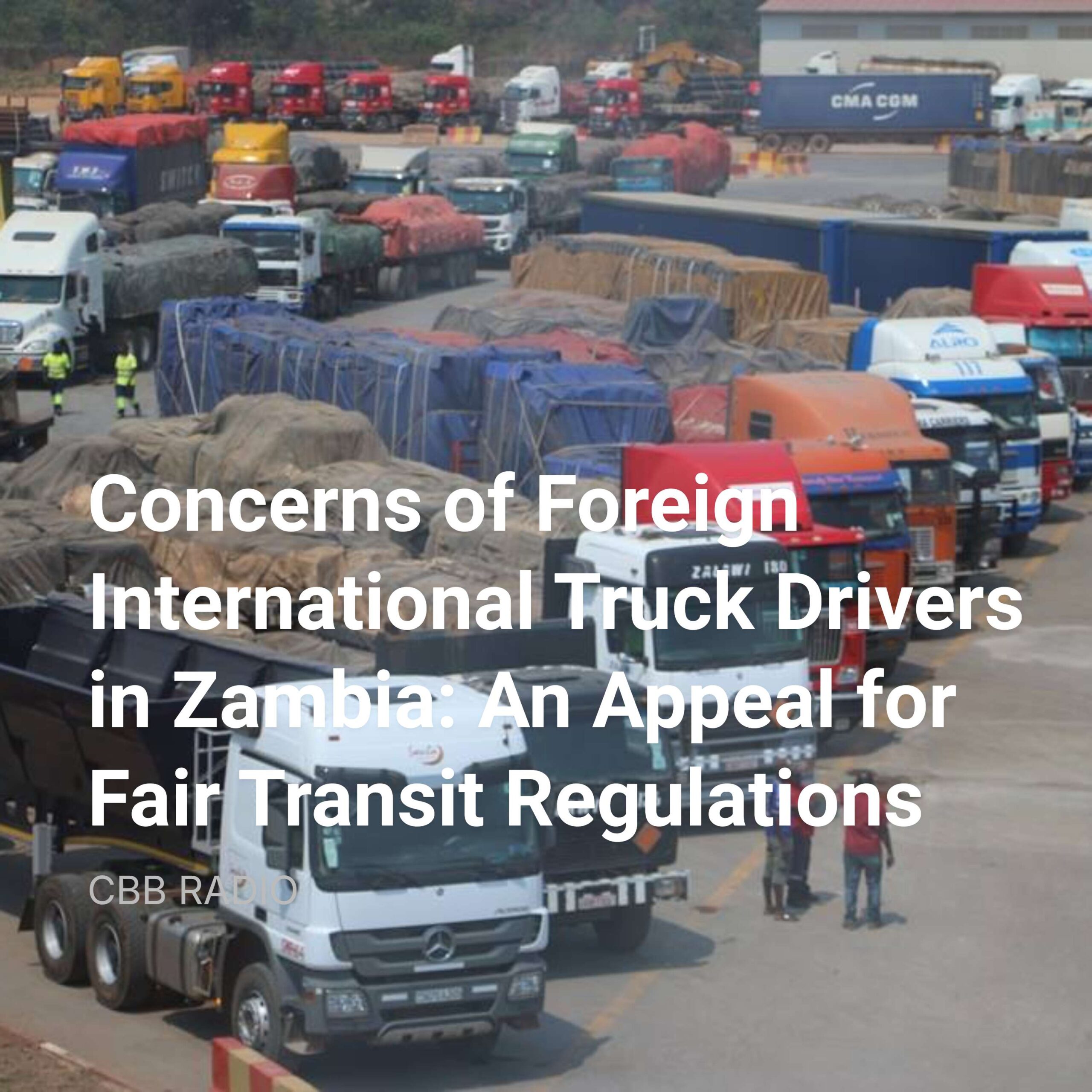
Nov 21, 2024Tap to summarizeIn recent months, foreign international truck drivers operating in Zambia have raised serious concerns regarding immigration regulations that limit their ability to work effectively. Drivers from South Africa, Zimbabwe, Namibia, Malawi, Mozambique, and other neighboring countries play a crucial role in transporting goods to and through Zambia. However, a restrictive immigration law has placed significant challenges on these essential workers. Currently, the law permits foreign truck drivers to transit through Zambia for only 90 days within a 12-month period. Many drivers find that they exhaust this allocation within the first five to six months of the year, creating an unfair situation that jeopardizes their livelihoods. While the Zambian government allows for a transit permit at a cost of 12,000 Kwacha per year, this fee typically falls on the drivers themselves, rather than the truck owners or employers. Unfortunately, many employers are unwilling to cover this expense, often opting instead to place drivers on forced leave for the remainder of the year. This has led to a troubling trend where employers prefer to hire Zambian drivers who do not face the same transit payment requirements, further marginalizing their foreign counterparts. Moreover, Zambian international truck drivers have also expressed dissatisfaction with this law. They recognize that these regulations not only affect their foreign colleagues but also their employment within foreign companies. One Zambian driver articulated a compelling point: the government should consider completely removing this law. While there might be efforts to reduce the fees, he believes that eliminating the law altogether would be a more appropriate solution. Zambian drivers often travel to neighboring countries without encountering similar challenges; when their transit days are about to expire, they simply renew them at the border without any fees. As a response to these challenges, Cross-Border Business Radio has engaged directly with affected drivers from various countries. We have compiled their testimonies into one of our programs, "Africa Immigration Mirror," which addresses critical issues surrounding the mobility of people and goods across the continent as we all strive to build the African economy. In our outreach efforts, we are seeking dialogue with the Zambian Department of Immigration and regional organizations, including the Southern African Development Community (SADC), Common Market for Eastern and Southern Africa (COMESA) and the African Union. Our aim is to facilitate a conversation that leads to more equitable transit regulations that allow foreign truck drivers to continue their vital work without the threat of job loss or financial burden. We urge the Zambian government and regional institutions to reconsider these immigration policies. By fostering a more inclusive approach to transit regulations, we can enhance the mobility of goods and services across Africa, ultimately supporting economic growth and cooperation among nations. Conclusion The plight of foreign international truck drivers in Zambia is a pressing issue that requires immediate attention. As they navigate the complexities of cross-border transport, it is essential that their voices are heard and their concerns addressed. We call upon the Zambian government and relevant regional bodies to work collaboratively towards a solution that benefits all stakeholders involved. Ovine Nyalazi Reporting for CBB Radio Lusaka Please contact us by email: info@cbbradio.biz Call/WhatsApp +260977450222
Transcribe →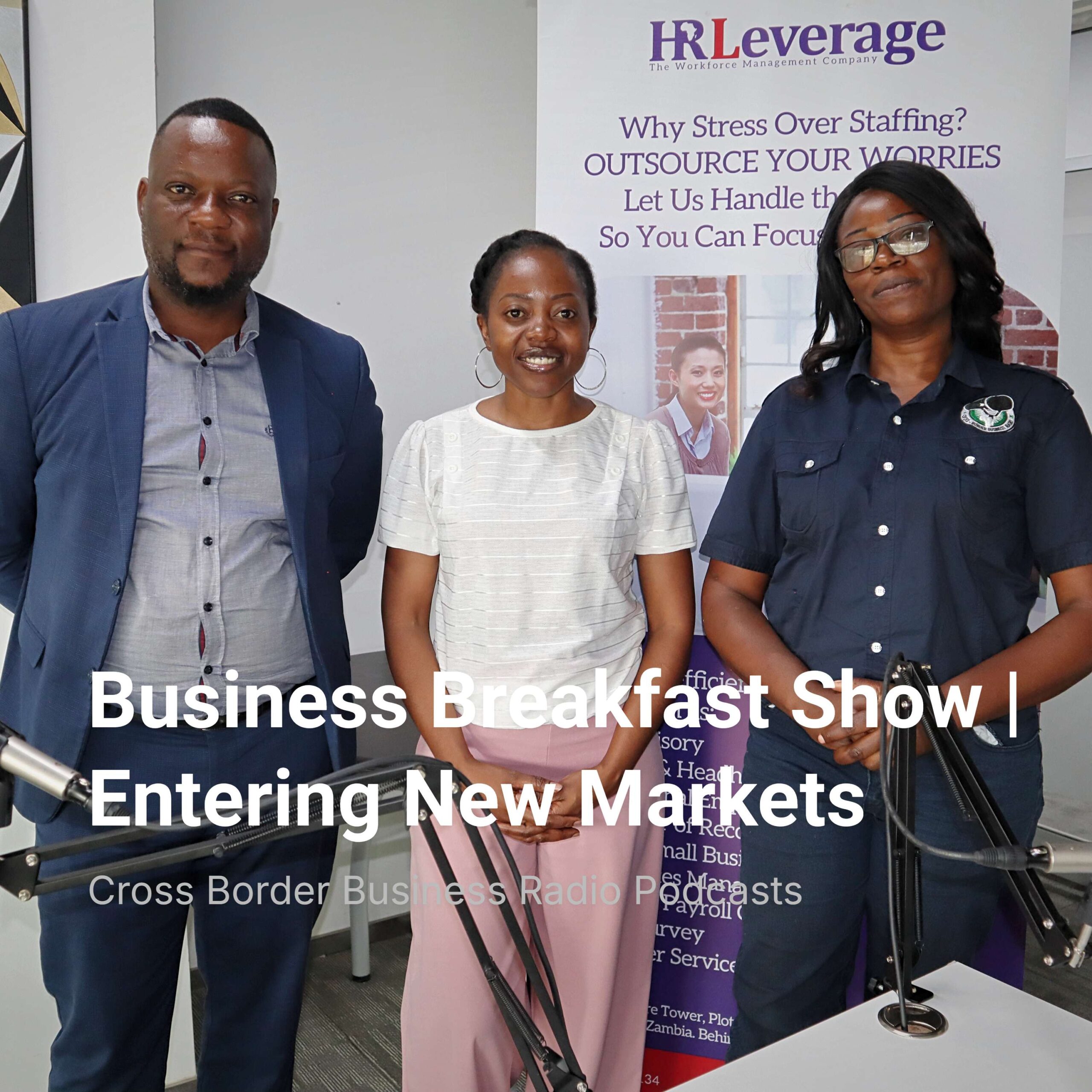
Business Breakfast Show | Entering New Markets
Oct 22, 2024Tap to summarizeOur podcast host Chanda Mubanga features Matilda Chungu on the Business Breakfast Show In the dynamic landscape of African business, Matilda Chungu stands out as the Growth Director for HRLeverage Zambia. HRLeverage Zambia is part of HRLeverage Africa, a pan-African human resources firm dedicated to fostering growth and innovation across the continent. With a mission to empower businesses and entrepreneurs, HRLeverage Zambia is making significant strides in providing essential support and resources. Located in the heart of Zambia at Sunshare Tower, HRLeverage Zambia operates Officephase, a flagship co-working space that houses both local and international firms. This prestigious location offers more than just office space; it provides a comprehensive suite of services designed to meet the needs of modern businesses. In a country facing an energy crisis, Officephase guarantees a non-interruptible power supply and high-speed internet, allowing companies to thrive without the disruptions often caused by power outages. As a pan-African initiative, HRLeverage is present in multiple countries, including Kenya, Uganda, Nigeria, Rwanda, and Côte d'Ivoire. This extensive network allows businesses to enter new markets with relative ease. By simplifying market entry, HRLeverage Zambia is enabling companies to focus on growth and innovation rather than bureaucratic hurdles. Cross Border Business Radio plays an essential role in this ecosystem by providing valuable insights and information to businesses and individuals looking to trade across Africa. Intra-African trade is crucial for economic development, and the media's role in disseminating information about available opportunities cannot be overstated. By hosting influential organizations like HRLeverage Zambia, Cross Border Business Radio seeks to empower entrepreneurs with the knowledge they need to make informed business decisions. This is vital for fostering an informed business community that can navigate the complexities of the African market. Matilda Chungu's leadership at HRLeverage Zambia exemplifies a strong commitment to empowering businesses and facilitating collaboration. Her efforts, alongside those of her team, are paving the way for a more interconnected and prosperous African economy. In a rapidly evolving economic landscape, the work of leaders like Matilda Chungu is essential for unlocking Africa's potential. By providing vital resources and support, HRLeverage Zambia is not only contributing to local economies but also to a broader vision of pan-African unity and growth. For more insights, listen to the podcast linked below where our host, Chanda Mubanga, talks to Matilda about her journey and the vision for HRLeverage Zambia. Contact Matilda Chungu: Phone: +260 972 848 499 Email: zambia@officephase.com Stay informed and connected as we continue to explore opportunities for growth across the African continent. Article written by Ovine Nyalazi C.E.O – CBB Radio (Cross Border Business Radio) ovine@cbbradio.biz www.cbbradio.biz
Transcribe →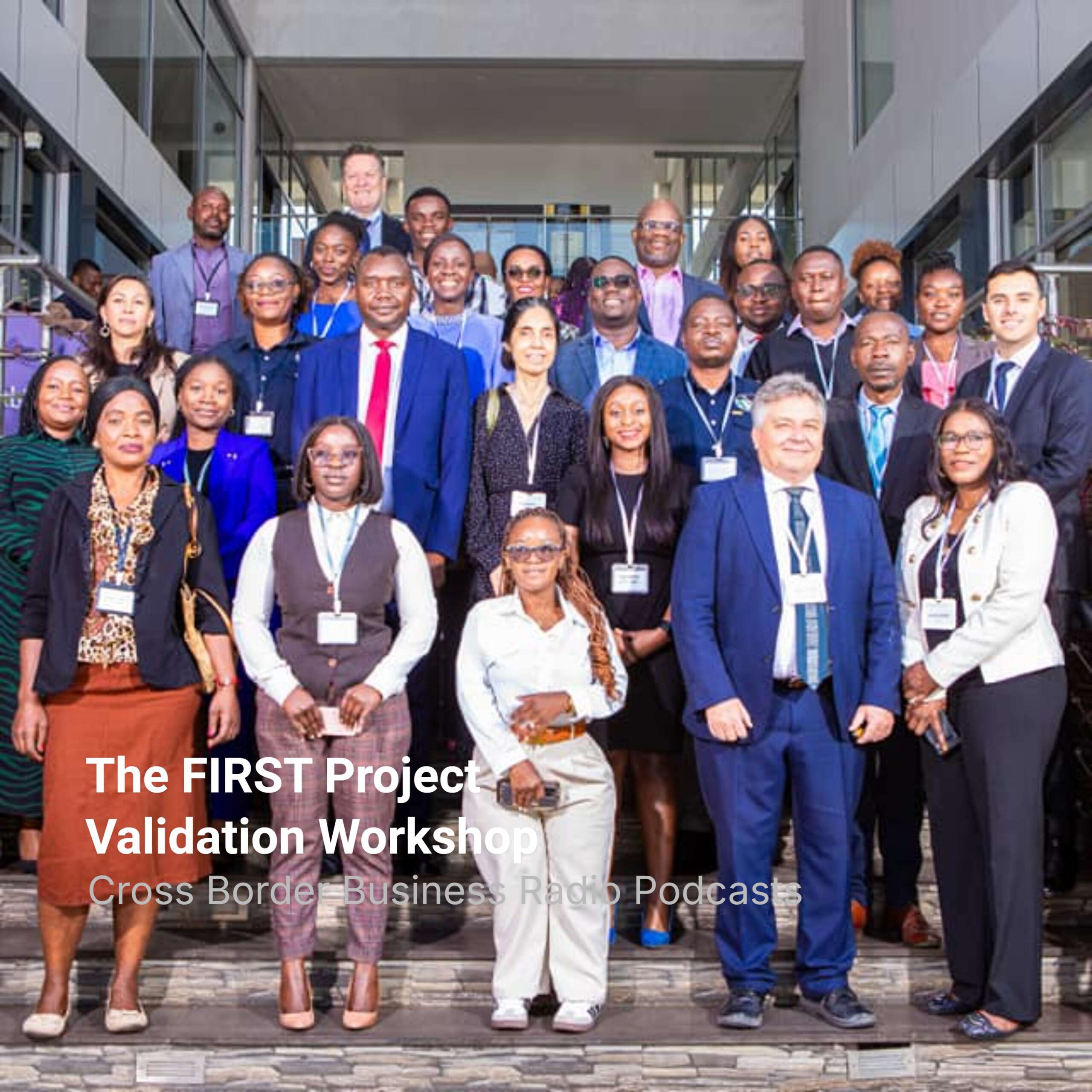
The FIRST Project Validation Workshop
Aug 28, 2024Tap to summarizeOn 22nd and 23rd August 2024, Cowater International invited Cross-Border Business radio, along with representatives from various government ministries, trade associations, institutions representing women, institutions representing people with disabilities, and also research institutions from Mozambique, Zambia, and The DRC, to validate the “First Project” – an initiative aimed at supporting small-scale cross-border traders, particularly women, youth, and people with disabilities. The event was held at ‘The Quoram” in Kabulonga, Lusaka. As the station manager of the cross-border business radio (CBB Radio) and my colleague in marketing Melayi Lwenje, we had the opportunity to participate in this project validation workshop. The discussions revolved around the key issues and solutions that must be considered to effectively disseminate information and support these marginalized groups of cross-border traders. You can listen to the podcast on top of this article to give you firsthand information. One of the major concerns raised was the accessibility of information for those traders who may not have access to smartphones or online platforms. It was highlighted that many cross-border traders in the region, still rely on feature phones rather than smartphones. This presented a challenge in terms of reaching them through online platforms. To address this, the participants proposed a multifaceted approach that would leverage both traditional and modern communication channels. This includes producing and distributing printed materials such as posters and flyers at border crossing points, as well as using FM radio stations to reach a wider audience. Additionally, the project aims to provide capacity-building training for “Trade information desk officers” who can assist cross-border traders with relevant information and guidance. The research institutes involved in the project will also play a crucial role in data collection and analysis, helping to inform the development of targeted interventions. It was also discussed that there is a need to digitize the processes at the border to increase efficiency, reduce human contact, and avoid abuse. However, one key aspect that may come as a suggestion to the project by the author of this article is for the project to consider the potential of an automated cross-border trade information system. This system would utilize an interactive voice response (IVR) technology, leveraging the power of artificial intelligence (AI) to provide a seamless and user-friendly experience for the traders. The AI-powered IVR system would allow traders to access up-to-date information on trade tariffs, report any abuses or non-tariff barriers, and receive assistance in their preferred language, including Swahili, Bemba, Chewa, and Lingala. The system could prompt the user to choose their preferred language and automatically route them to the appropriate language-specific menu, enhancing the overall user experience. Furthermore, for visually impaired traders, the system could be integrated with text-to-speech capabilities, allowing them to navigate the system and access the information they need through voice commands. Additionally, for the deaf community, the provision of smart devices equipped with sign language-based video instructions could ensure their inclusion and access to the latest trade information. By incorporating these AI-powered technological solutions, the “First Project” can truly become a comprehensive initiative that empowers cross-border traders, regardless of their level of digital literacy or physical abilities. This holistic approach, combining traditional and innovative communication methods, can significantly improve access to information and support for these vital economic actors in the region. As a cross-border business radio (CBB Radio), we are excited to play a role in this project and to explore ways in which we can contribute to the development and implementation of these innovative solutions. We believe that by working together with the various stakeholders, we can make a meaningful impact on the lives of cross-border traders and drive sustainable economic growth in the region. Written By Ovine Nyalazi CBB Radio For feedback email: ovine@cbbradio.biz
Transcribe →