← Cuerpos especiales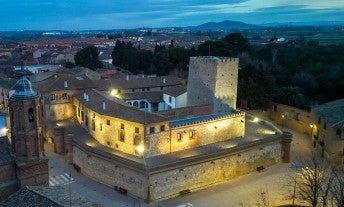
Cuerpos especiales
Cortes (Navarra) - GANADOR
00:07:49
Ainhoa es la embajadora de Cortes, en Navarra, un pueblo de 3.200 habitantes con un castillo medieval con un enorme parque en el que todos los años se hace un Belén viviente y un yacimiento de la Edad de Hierro. Entre las cosas típicas de esta localida...
Loading summary
Transcript68 lines
- [00:01]
A
En Europa FM. Y ahora llega la sección en la que nos hemos propuesto conocer España saltando de pueblo en pueblo.
- [00:06]
B
Efectivamente, como sabéis, cada semana conoceremos cinco pueblos y el viernes, después de hablar con el último, se abrirá una votación en la web de Europa FM Europa y el representante del pueblo que consiga más votos se llevará un kit de cuerpos especiales. Recordad que nos podéis hablar de vuestro pueblo en el 61944-1746 y nosotros lo recogemos.
- [00:26]
A
Y empezamos con la embajadora rural de hoy de nuestra sección Pueblos especiales. Buenos días, Ainhoa, ¿Cómo estás?
- [00:33]
C
Hola, buenos días. ¿Qué tal?
- [00:34]
A
¿Cómo estás? ¿Ainhoa? Cuéntanos de dónde.
- [00:42]
C
Soy súper fan vuestro, os escucho, aunque no se escuche en directo los podcast, me los oigo todos.
- [00:49]
A
Muchas gracias.
- [00:53]
B
Cuéntanos cuál es tu pueblo, Ainhoa.
- [00:56]
C
Mira, mi pueblo es Cortés de Navarra. El pueblo justo la puntita de abajo de Navarra está mi pueblo. Pero hay gente que dice que es el último pueblo de Navarra, pero realmente si tú vienes del sur, es el.
- [01:08]
A
Primer donde se mire, claro. Es el primero o el último. Eran los primeros, como se dice.
- [01:15]
B
¿Cuántos habitantes tiene tu pueblo?
- [01:17]
C
3200 más o menos. Estamos situados entre el Moncayo y la Bardena y es la zona de la Ribera, se conoce como la ribera de Navarra. Sur vales. ¿Que tenéis?
- [01:30]
A
¿Qué tenéis allí? Rico. Ainhoa, cuéntame, ¿Por dónde quieres que empiece?
- [01:37]
B
Por todas.
- [01:38]
C
Pues mira, en Corte tenemos un castillo medieval, es un palacio castillo precioso. Pero lo más importante del castillo no es en sí el castillo, sino cuando el Ayuntamiento compró el castillo junto con su huerta, convirtió la huerta del castillo en un parque, Un parque hermoso, grandísimo, con una extensión tremenda, en la que todos los años, aparte de muchas cosas que se hacen durante el año, se hace un belén viviente, que es como si cogieras el belén de tu casa, con su riachuelo, con sus personajes, pero cobra vida en grande.
- [02:11]
A
Pero qué guay.
- [02:12]
C
Este año es el 28 de diciembre, os lo digo para que estéis todos invitados a venir.
- [02:17]
B
¿Y luego la gente que participa en el belén viviente siempre es el mismo papel? Quiero decir, ¿No hay gente que tenga miedo de encasillarse como pastorcillo?
- [02:25]
C
No, no, también van cambiando. Bueno, es que llevan 20 años haciéndolo, entonces ha habido mucha gente que ha ido variando, que ha crecido, que van participando. Son todos voluntarios. La verdad que es una pasada. A ti, Eva, que sé que te encanta, en Halloween llevan cuatro años haciendo una escena del terror preciosa del instituto del cole y que es, vamos, terrorística. Los chavales también colaboran y cada año tiene muchísima más, más afición y cada año está mejor.
- [02:57]
A
¿Pero que es, como un pasaje del terror o algo qué es?
- [03:00]
C
Sí, es un pasaje del terror en el parque. Entonces es todo oscuro, con personajes.
- [03:05]
A
Qué divertido. Pero yo como no me he enterado de. Estoy apuntando.
- [03:11]
C
Sí, sí, apunta a punta. Luego en el castillo, el castillo lo bueno que tiene y lo más chulo del castillo es que el castillo cuando lo compró el ayuntamiento estaba como lo dejó la familia última, que vivió el último conde, pero gente del pueblo lo ha ido arreglando.
- [03:28]
B
Estaba hundido el castillo, he leído.
- [03:30]
C
No, hundido no tanto como eso no, pero sí que estaba por dentro.
- [03:37]
A
Pues lo típico de los años. A ver, si es un castillo de medievo, pues al final se quedan cosas como.
- [03:41]
B
Lo que pasa que lo vas dejando, lo vas dejando. Esa telaraña que está a 15 metros no llego.
- [03:48]
C
Bueno, pero el caso es que llegaron la gente del pueblo y con su empeño han conseguido que el castillo ahora sea un castillo en condiciones, con visitas guiadas y todo lo hacen los voluntarios y también hay unas visitas guiadas que se hacen en las noches de verano que también son súper chulas.
- [04:07]
B
A ver el castillo de noche.
- [04:09]
C
Sí, y además los personajes también cobran vida, los reyes, las princesas, todo voluntario.
- [04:18]
B
Perdóname. En Cortes os mola mucho lo de hacer cosas vivientes y aino, vamos, el pueblo de la interpretación.
- [04:27]
A
Una cosa, pero aún tenemos más.
- [04:29]
C
Aún tengo más. Tenemos un yacimiento de la Edad del Hierro en Cortes que es muy estudiado a nivel de toda España también. Y también tenemos dentro del castillo hay un museo en el que podéis ver eso, o sea que tenéis muchas cosas para hacer.
- [04:45]
A
Cómo está vendiendo el pueblo.
- [04:47]
B
Cultura está muy bien, pero comida, Por favor.
- [04:50]
A
Sí.
- [04:50]
B
¿Qué tenéis de beber? De comer.
- [04:52]
C
Somos la zona de la verdura.
- [04:55]
B
Claro, toda esa zona.
- [04:57]
C
Toda esta zona. Tomates y espárragos de Cortes, muy buenos, por no decir los mejores.
- [05:03]
A
Tomate que sabe a tomate. Dilo ahí, no, antes. Tomates que saben a tomate.
- [05:06]
B
Se hace buena conserva por allí.
- [05:08]
C
Sí, muy buena conserva. Y luego aquí así, típico, pues para el Cristo, que también es muy típico en el pueblo, se hacen las culecas, que son unos bollos que antes las abuelas. Yo recuerdo de mi abuela que metían dentro un huevo duro, por eso se llamaban culecas. Igual vosotros le llamáis la mona de Pascua, pues aquí son culecas. Eso es muy típico también del pueblo, muy de Cortes.
- [05:36]
A
Ay, qué fort. Oye, pues buena movidita tenéis allí y me ha gustado mucho porque. Y tienen más cosas.
- [05:45]
C
Sí, tenemos también cuatro museos particulares de gente particular, de cuatro personas diferentes. Uno es de huevos de avestruz pintado, otro de reciclaje creativo, otro de esculturas metálicas y otro de herramientas y oficios del pueblo.
- [06:00]
A
Escúchame, ahí sois tres mil personas y tenéis cuatro museos.
- [06:04]
B
Tenéis en Cortes, en Navarra, un museo de huevos de avestruz pintados.
- [06:09]
C
Yo creo que es el único.
- [06:11]
B
Estoy flipando también.
- [06:12]
A
Pero hay una capacidad de. Culturalmente estáis en otro nivel. Es que el porcentaje de museos por persona.
- [06:19]
B
La persona, claro.
- [06:21]
A
Es que de repente estoy nerviosa porque.
- [06:22]
B
Persona que gestiona el museo de huevos de avestruz pintado de Cortes, en Navarra, sabe que es la persona más increíble de este país ahora mismo.
- [06:31]
C
Sí, sí, además es particular, o sea, es ella la que ha hecho todos, cada uno en su casa. Muy bien, muy bien. Oye, y no, seguro que le llega.
- [06:42]
A
Que tenemos que despedir, que ha sido un placer tenerte aquí esta mañana promocionando tu pueblo, que la verdad es que tenemos unas ganas ahora mismo de irnos todos a Cortes, Navarra.
- [06:51]
C
Estáis invitados.
- [06:52]
A
Que nos lo has vendido súper bien, Jolines. Que te mandamos un besito, Ainhoa. Gracias.
- [06:56]
C
Oye, ¿Puedo decir una cosa? Claro, hombre, para eso estás y nos importa. Primero un saludo y ya está.
- [07:04]
B
Y ahí lo he dejado. Espera, que se ha cortado. Repítelo. Un saludo.
- [07:08]
C
Un segundo. Y decir que lo más importante de mi pueblo son la gente y lo voluntariosos que son y que por eso hay tanta cultura.
- [07:16]
A
Hola, Ainhoa.
- [07:17]
C
Pues ahí me alegro de hablar con vosotros. Un beso.
- [07:19]
A
Y nosotros contigo. Un besito, bonica.
- [07:21]
B
Chao.
- [07:22]
A
Gracias. Qué maravilla.
- [07:24]
B
Qué maja, Inoa, de verdad.
- [07:25]
A
Oye, y recordemos que si queréis participar en pueblos especiales, que nos enviéis un mensaje al 6 19 441.1746 y nos expliquéis por qué de repente vuestro pueblo es el mejor. Lo repito, 619, cuando 441 746 y.
- [07:40]
B
Ahí os escuchamos Y ahora vamos con Dani Martín. ¿Qué es lo que dice la gente cuando va de visita a Cortés? Volverá Cortés, perdón.