← Cuerpos especiales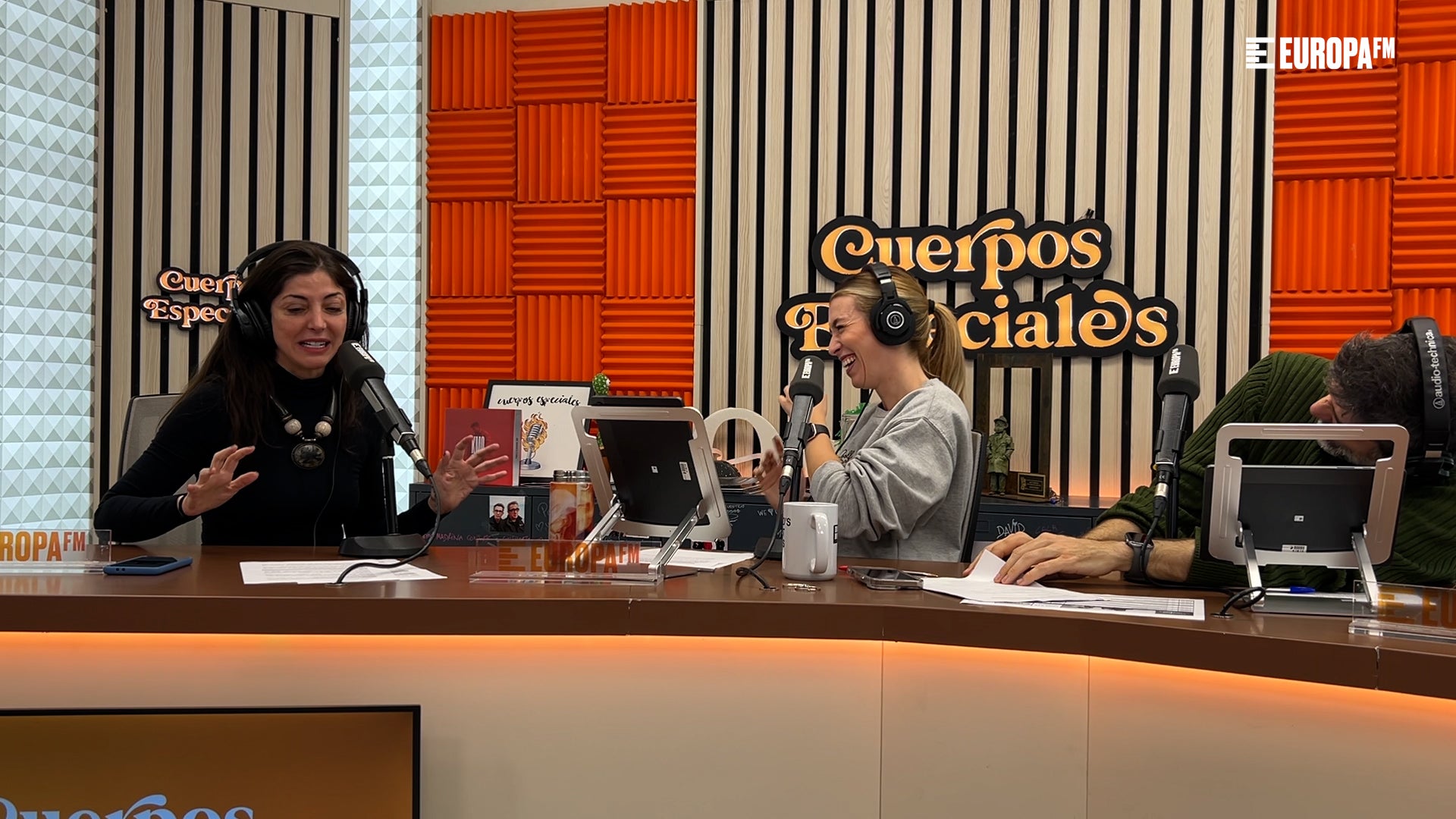
Cuerpos especiales
Espido Freire analiza El baile del gorila de Melody
00:07:14
Espido Freire se enfrenta a un nuevo reto en Cuerpos especiales, encontrar un símil literario a El baile del gorila de Melody. La escritora encuentra una conexión con El libro de la selva y apunta que la canción no es un tema infantil, es un tratado an...
Loading summary
Transcript69 lines
- [00:00]
A
Recién publicado aún ha sacado tiempo para venir a analizar otro éxito de la historia musical de este nuestro país. Buenos días, Spido Freire, ¿Cómo estás?
- [00:09]
B
Hoy me encuentro aquí, Espido Freire.
- [00:12]
C
Buena arrancada, Eva.
- [00:13]
B
Eva. Hoy no le he bautizado con otro.
- [00:15]
A
Nombre como pasó, pero bueno, no pasa nada.
- [00:17]
B
Pero es que mil mujeres viven en ti. ¿Por qué sabes, Eva, la mujer? Y luego un poco también para allá.
- [00:24]
C
Un grupo para no sabes tú A qué nivel.
- [00:27]
A
¿Sabes qué me pasó el otro día? Que de repente yo contigo tenía como yo a SP, su voz me recuerda a alguien. Y el otro día estuve viendo Enredados y eres la madre de Enredados.
- [00:39]
B
En serio, una se va buscando la vida como puede.
- [00:44]
C
Luego buscamos un audio y lo escuchamos.
- [00:46]
A
Que se parece mucho a la voz. Luego lo escuchamos, pero de repente este despido.
- [00:50]
B
Puede ser, puede ser, puede ser. Soy muchas también.
- [00:52]
C
Bueno, son muchas reencarnaciones.
- [00:54]
B
Total, que me encuentro a ti, que por cierto, tus uñas me fascinan, Muchas gracias. Y me encuentro a Nacho con el logro de haber sobrevivido a estar callado.
- [01:02]
C
O casi cuatro días enteros. Ay, mi vida, qué insoportable.
- [01:05]
B
Yo te entiendo.
- [01:06]
C
Sola con tus pensamientos.
- [01:08]
B
Uf, con todos.
- [01:08]
A
Lo peor que te puede pasar.
- [01:10]
B
Y me encuentro una canción que, atención, es ya patrimonio emocional de varias generaciones. El baile del gorila. Manos hacia arriba.
- [01:23]
C
Ya era hora de que Speedo freire se atreviera.
- [01:26]
B
¿Cómo que me atreviera?
- [01:28]
A
Se estaba comentando ya a los mentideros que no te estabas atreviendo con Melody.
- [01:31]
B
O sea, tendré yo fama de echarme para atrás.
- [01:34]
A
Se estaba comentando que si Melody te estaba pagando, que si tal, en plan, ¿Por qué no hace lo del gorila?
- [01:40]
B
Bueno, pues aquí tenemos El baile del gorila. Y diréis, Espido, ¿Qué demonios vamos a comparar hoy con esto?
- [01:47]
A
A ver, a ver. El baile del gorila. Pues La metamorfosis de Kafka.
- [01:51]
B
No, El Quijote podría, porque todo está en el Quijote, pero no. El libro de la selva con Mowgli.
- [01:59]
A
Ah, bueno, claro. Oye, pero muy intuitivo por otro lado. Jolín. Claro, pero es que de repente el otro día nos tiraste a Quevedo y ahora por Ah, El libro de la.
- [02:07]
B
Selva, pero no el de Disney, el original.
- [02:09]
A
Claro, pero bueno, nosotros ponemos Disney porque.
- [02:12]
C
Estamos un poco la referencia que tenemos. Dímelo a mí, que para mí los mosqueteros eran Portos Dogos Bueno, y con un la atacan.
- [02:21]
B
Y vamos a tocar un tema muy, muy serio, que cómo se pasa de la selva, de ser una niña salvaje a la civilización y cómo no se muere en el intento.
- [02:32]
A
Qué bonito.
- [02:32]
C
Eso suena épico. La verdad que así es contado. Suena realmente épico.
- [02:36]
B
Es que lo es, es que lo es porque escuchemos la letra. Vale, vale, Vale. Pues no era esta era la parte soy una rumbera, rumbera salvaje, bailo a mi manera como los primates. A ver, esto no es una canción infantil, vamos.
- [03:04]
C
Y el que lo haya pensado estaba tan equivocado.
- [03:08]
B
Tampoco es un hitazo, que lo es, Es un manifiesto antropológico, mucha palma, pero no, aquí estamos hablando de los orígenes, estamos hablando de dónde venimos, estamos hablando de volver a reconectar con nuestros abuelos primigenios o no, o sea, que es.
- [03:22]
A
Una canción como un poco un tributo.
- [03:23]
B
A lo que somos, a lo que llevamos dentro de la casa primitiva, a ese noventa y pico por ciento en común que tenemos con los orangutanes, que tenemos con los gorilas, que tenemos con los bonobos. Nos gustaría tener más de bonobo, pero no pensemos en móvil. Niño criado por lobos, que habla con osos, que baila con panteras y vive feliz, sin horarios, sin normas y sin Grupos de WhatsApp de padres del colegio. Vosotros sois muy jóvenes, pero hay alguno.
- [03:48]
C
En el equipo que sabe lo que es.
- [03:49]
B
¿Y a este niño qué le pasa cuando llega a la civilización? Que le siéntate bien, espalda derecha, no bailes, no bailes en absoluto. Eso no es apropiado, compórtate. Es un poco la música.
- [04:01]
A
Es como que le quitan la parte salvaje, como que intentan domesticarlo.
- [04:05]
B
Y ahora pensad en esta canción. Gem, las manos hacia arriba, el instinto. Las manos hacia abajo, la norma. Y como los gorilas, todos caminamos, la tribu, el grupo, la fiesta colectiva. Oye, esto es exactamente El libro de la selva. Un poco rollo verbena, ¿No? Ahí lo tienes, simplificado, pero ahí está, ahí.
- [04:24]
C
Sí, sí, totalmente.
- [04:25]
B
Rudyard Kipling en su pleno esplendor.
- [04:29]
A
A mí me encanta. Pero tiene todo el sentido.
- [04:31]
B
Fíjate, yo pensando ¿He dicho algo que no tenga todo el sentido?
- [04:34]
A
Eva, hay veces que yo he espido viene hoy fumada.
- [04:39]
B
A ver, el que no lo entiendas no implica que yo no tenga razón. ¿Me entiendes?
- [04:43]
A
Eso a espido, hombre, sí, pero con espido tengo confianza si no se lo digo, espido. ¿Quién se lo voy a decir?
- [04:47]
B
A ver, es la justificación de la carencia de conocimientos.
- [04:50]
A
Fíjate que nunca me habían llamado ignorante.
- [04:52]
C
De una forma tan bonita.
- [04:53]
A
Espido.
- [04:55]
B
Y ahora. Ahora viene lo interesante. Melody era una niña, muy niña, además. Aparece, arrasa, baila como quiere, canta sin pedir permiso, lleva una ropa incuestionable y se convierte en un fenómeno nacional. El alma de la selva. Puro talento sin domesticar. Y claro, España. Ay, qué graciosa. Pero no. Al igual que a Mowgli le imponen unos zapatos, a Melody la intentaron meter en un molde. Que si ahora crece, que si ahora no encaja, que si ahora no sabemos qué hacer con ella, que si demasiado, que si demasiado poco. Hasta que años después, reaparece. Adulta, consciente, dueña de su cuerpo. Y qué cuerpo. De su voz. Y qué voz. Y de su espectáculo. Y entonces ocurre lo inevitable para vuestra generación, que la mía no lo Eurovisión. Una divas valiente, poderosa.
- [05:41]
C
Dándole vueltas al celo. Homenaje al autogiro de Juan de la Cierva.
- [05:47]
B
Cierto, muy bien visto, Ignacio, para que veas. A ver, no es que sea mi ojito derecho, pero qué niño, qué niño.
- [05:53]
C
Hago lo que puedo.
- [05:55]
B
No, mi vida, tú también. Porque Eurovisión es eso, es la aldea global donde todos bailamos, donde todos votamos, pero cada uno viene de su selva particular y no todos los votos cuentan lo mismo. Mogli acaba entrando en la aldea, Melody entra en el sistema, pero, y esto es la clave, sin dejar de moverse como un gorila, es decir, como una tiba.
- [06:14]
A
Ay, me gusta muchísimo.
- [06:15]
B
Así que, niños y niñas, de eso va el baile del gorila. De crecer, de pasar por la civilización sin olvidar la selva, de entender que a veces lo salvaje no es lo bruto, sino lo libre. Y ojo, porque el mensaje final es aplicable a todos nosotros. Quien baila raro en esta vida, sobrevive.
- [06:32]
A
Oye, me ha gustado muchísimo como persona que baila raro.
- [06:36]
B
Me gusta.
- [06:39]
C
Muchísimas gracias del sistema por sacarle unas capas a los gorilas que ni siquiera Melody sabía que tenía.
- [06:45]
B
Bueno, Melody no lo sabe, pero en el fondo lo lleva dentro.
- [06:48]
A
Imagínate a Melody ahora explicando el baile de gorila, porque es que esto es por el libro de la selva y la gente. Espido Freire, muchísimas gracias por este análisis.
- [06:58]
B
Siempre a vosotros. Ahora no vuelvo a oír Yo que no me atrevo a oír.
- [07:01]
C
Yo. No es verdad. Otra cosa de ti, desde luego, si hay algo que no se puede decir, es eso. Más quisiera Bruno Mars que haber creado el baile del gorila. Pero tendrá que conformarse con firmar canciones como I Just Might.