← Cuerpos especiales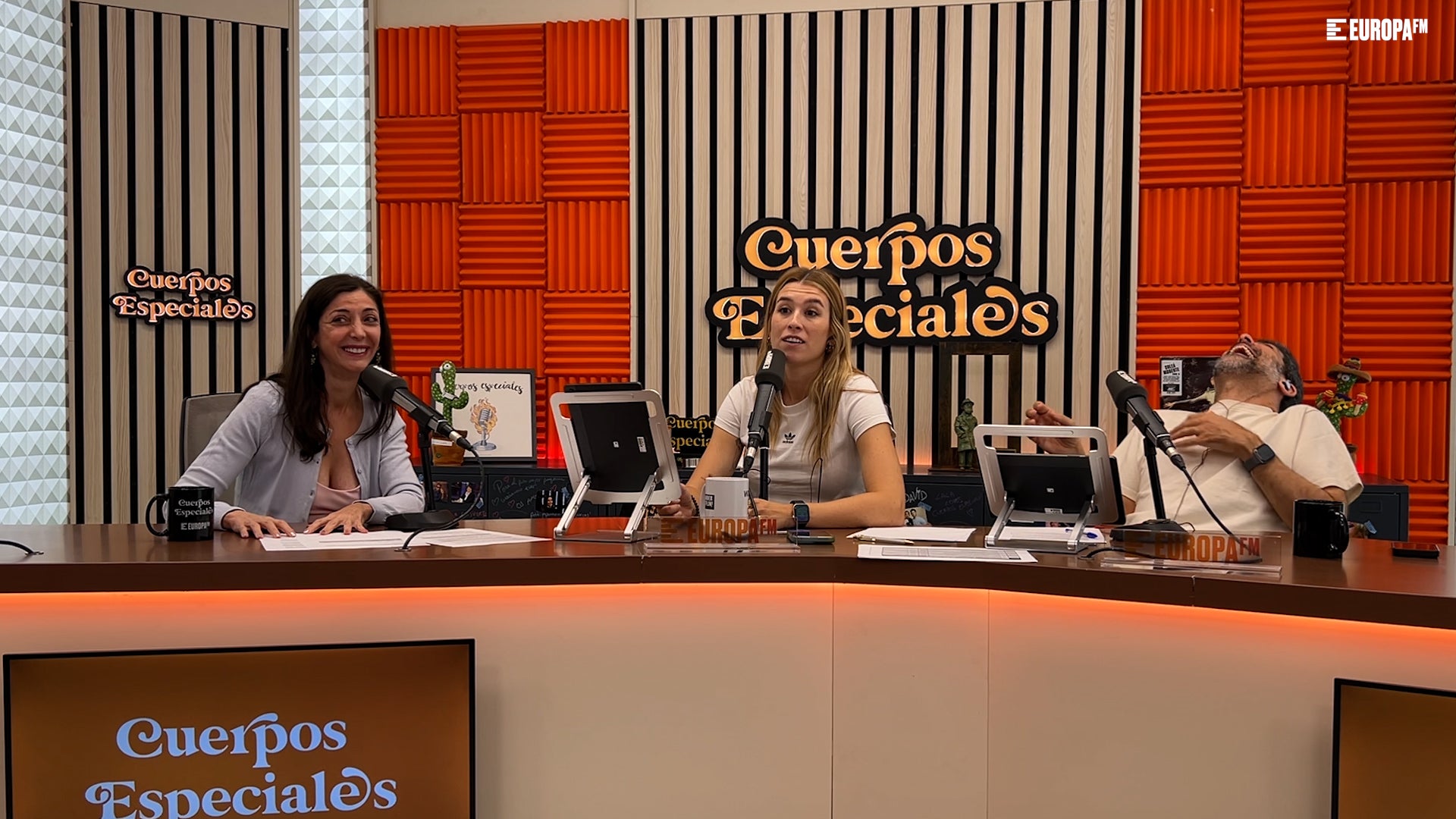
Cuerpos especiales
Espido Freire analiza la letra de 'Gasolina' de Daddy Yankee
00:07:03
Después de comparar Ven, ven, ven de las Sex Bomb con la Odisea, Espido Freire encuentra paralelismos entre Gasolina de Daddy Yankee con la Ilíada de Homero. "Si algo nos enseña la literatura clásica es que no hay nada más poderoso que una mujer cuya p...
Loading summary
Transcript82 lines
- [00:00]
A
Siempre, sin lugar a duda, la persona más lista de la habitación. Ella es la escritora y persona célebre Spido Freire.
- [00:07]
B
Buenos días. Ay, así da gusto llegar.
- [00:09]
A
Buenos días.
- [00:10]
C
Fíjate, Spido Frire, que no le puede ni la presión de que la presentemos así.
- [00:13]
B
No, no.
- [00:17]
C
Es verdad que me encanta que está tan por encima.
- [00:19]
B
Tengo una absoluta tolerancia a cualquier tipo de adulación.
- [00:23]
A
Da igual, ya sabiendo que eres increíble. ¿Qué me vas a contar que no sepa?
- [00:28]
B
Bueno, ¿Nos centramos?
- [00:29]
C
Sí, por favor.
- [00:30]
B
Mira, que con vosotros me des posible la juventud, la belleza, el arrojo, la inteligencia, el talento. Pero gracias por ser la. Pues después de hablar de la canción del otro día, venía yo hoy dispuesta a hablar de Homero, de hexámetros, de la cólera de Aquiles, y de pronto suena.
- [00:48]
A
Bueno, Bueno, debes de Daddy Yankee, que todo esto que has dicho tú de Homero, que sepas que él abrazó, la espiritualidad en su última etapa, hace poco.
- [01:01]
B
Lo cual tiene que ver con los hexámetros, todo. Bueno, mira, yo que quede claro, antes muerta que renunciar a un sueño, o sea que procedo a hablar de gasolina y de la Ilíada.
- [01:12]
A
¿Vale?
- [01:13]
C
Sabía. A ver cómo conectamos el otro día.
- [01:16]
B
Había hecho un pequeño spoiler, Eva lo.
- [01:18]
C
Vio venir, pero yo la gasolina y.
- [01:19]
B
La Iliada, que igual hablábamos del descenso Orfeo, pero no, no. Bueno, pues si algo nos enseña la literatura clásica es que no hay fuerza más poderosa que una mujer cuya presencia altera el orden del mundo. Eva, por favor, da un paso adelante.
- [01:32]
A
A ver, yo lo sé porque a mí me pasa mucho, sobre todo altas horas de la madrugada.
- [01:36]
C
Eva de Troya te llaman en la Ilíada.
- [01:39]
B
Ya sabéis que el conflicto no empieza por el petróleo, sino por una mujer cuya sola aparición hace que los hombres olviden la prudencia o Elena de Troya, dependiendo de ese nombre, ¿No?
- [01:52]
A
Bueno, a quién se arrima más del.
- [01:54]
B
Nombre de casado, del nombre de amante, porque el nombre soltera nunca lo dicen, pero bueno. Y es descrita como tan extraordinaria su belleza que los ancianos troyanos sentados en la mujer reconocen. Wow. Sí entendemos lo de la guerra es que está bueno, Ra.
- [02:06]
A
Bueno, se justifica, se dice así, se justifica así.
- [02:08]
C
Los periódicos de la época decían hombre, es que mira cómo está la chica.
- [02:12]
A
¿Cómo no nos vamos a pegar por esas tetas? Se decía claramente.
- [02:15]
B
Sí, sí, pero bueno, ahora escuchen esto. Ella prende las turbinas, no discrimina No se pierde ni un party de marquesina Se acicala hasta pa la esquina Luce también que hasta la sombra le combina.
- [02:33]
A
Misma energía Elena es full element Luce.
- [02:36]
C
También que hasta la sombra le combina Me gusta bastante.
- [02:39]
B
Sí, yo voy a empezar también a usarlo. Es que en el fondo. En el fondo voy incorporando.
- [02:42]
A
Hay cositas, vocabulario que te puedes quedar.
- [02:44]
B
También podríamos habernos ido con Barry y con Peter Pan y la sombra. Pero bueno, eso ya sería.
- [02:49]
A
Eso ya sería jugar. Jugar a ser dioses. Ya. Bueno.
- [02:53]
B
Daddy Yankee canta que ella prende las turbinas. Homero narra cómo su belleza prende ejércitos. Aquiles entra en cólera, que así comienza de hecho, canta o musa la cólera de Aquiles. Héctor se arma. Héctor Ahí está Brad pittándolo todo. París dispara flechas Y diez años después, tras el incendio de Troya, ¿Qué pasa? Que Ulises se encuentra con las sirenas.
- [03:14]
C
Y.
- [03:18]
A
Perdóname, ¿Estás uniendo canciones de un lado o de otro?
- [03:22]
C
¿Estamos delante de un espidoverso?
- [03:24]
A
De repente es arroz con cosas esta sección.
- [03:26]
C
El espidoreire, verso. Todo está conectado.
- [03:29]
B
Pero vamos a ver, no podemos hablar de la Ilíada sin hablar y hacer alguna referencia a la Odisea Ant viceversa.
- [03:35]
A
Van de la mano. Hablas de una, hablad de otra. No se pierde una fiesta. Las trotonas.
- [03:41]
B
Bueno, en la canción el motor no se apaga. En Troya tampoco, porque Troya, y aquí viene el tema, ardió hasta tal punto que los arqueólogos y los conspiranoicos siguen peleándose por su ubicación y por dónde está. La gasolina es deseo, la gasolina es orgullo. Y ahora vamos al párrafo incómodo, por cierto, que también lo hay. A ver, esto va para las gatas de todos los colores. Para las mayores, para las menores, para las que son más zorras que los cazadores. Para las mujeres que no apagan sus motores.
- [04:16]
A
A ver, mal.
- [04:18]
C
No sé si está esto en la época en la que se hablaba de las letras del reggaetón.
- [04:23]
A
Claro, no sé. Pero para las que son más zorras que los cazadores, me gusta porque la acepción es que son más listas.
- [04:30]
B
Sí, claro. Toda la vida.
- [04:32]
C
¿Quiere decir eso Daddy Yankee?
- [04:34]
B
Yo creo que sí. Sobre todo porque antes habla de las menores. Pero bueno.
- [04:39]
A
Igual las menores se refiere.
- [04:42]
B
A las que no son zorras y no zorritas, que son listas, pero listillas.
- [04:46]
C
Cuanto más lo comentamos es peor.
- [04:48]
B
Peor. Además, es verdad que tiene unos años, pero, ostras, ha cambiado la sensibilidad.
- [04:52]
A
Sí, sí, sí, sí. Pero bueno, claro, más cuando la estás comparando con algo tan elevado como la Ilíada.
- [04:57]
B
No te creas, porque la Ilíada no es posiblemente mucho más amable.
- [05:00]
A
¿Ah, no?
- [05:01]
B
A ver, Elena es un botín. A Elena la han raptado. Después de que arda Troya, todas las mujeres son repartidas. Andrómaca. Todas, Todas.
- [05:09]
A
Casandra, como los cromos del Pokémon, en plan.
- [05:12]
C
Y por eso se enfada Aquiles con Agame.
- [05:14]
B
No, eso fue antes. Eso fue antes porque le robó una esclava.
- [05:16]
C
Ah, vale.
- [05:17]
B
Eso fue antes. Fue un previo, vamos, una previa.
- [05:21]
A
Los previos son me ha robado la tía, el otro me ha robado, mi mujer me ha robado. Es una telenovela. La guiada me está tocando la carita.
- [05:29]
B
Mucha reina, mucha reina. Pero Elena, lo mismo que las otras, un trofeo que va de mano en mano y regular. Regular. A ver, los griegos feministas, feministas igualitarios no son.
- [05:39]
A
Cuando Zeus ponía sus trajes de no sé qué, te iba a casa y decí ay, me he acostado sin querer con tu mujer.
- [05:44]
B
Mira, pero las fantasías de cada uno. Si a ti lo que te pone es disfrazarte. Lluvia dorada no vamos a meternos.
- [05:50]
A
A mí eso me parece bien. Siempre y cuando la mujer sepa que no es su marido, que es Zeus. Porque a veces era esa cosa.
- [05:55]
B
Si tú te estás tirando un cisne, muy bien no estás. No, eso fue lo que hizo la madre de Elena, por cierto. Qué bueno, eso va para otro lado.
- [06:03]
A
Madre mía, yo ya No puedo más.
- [06:06]
C
¿Queréis que dejemos las canciones y nos pasemos a mitología?
- [06:09]
B
Buah. No sabes. No sabes lo que estás diciendo. No sabes lo que estás diciendo.
- [06:12]
A
Es como hablar de pasión de gavilanes. ¿Tú te acuerdas que con una boca?
- [06:15]
C
Es que era la Pasión de gavilanes.
- [06:17]
A
De la época, que se lió con.
- [06:18]
C
Una ocasión encima de una piedra. ¿Y nació quién?
- [06:20]
A
Y nació Hércules porque se lió con Hércules.
- [06:23]
B
Era de otra.
- [06:24]
A
Era de Alcmena, pero también era de la misma cosa, era de la misma raza. Me disfrazó de no sé qué.
- [06:29]
B
A lo nuestro. En fin, que donde da Dyank y ve Gasolina, Homero, Biof. Resumen de todo lo anterior. Y esto también vale para la mitología. ¿No estamos contando siempre, al fin y al cabo, las mismas historias todo el.
- [06:41]
C
Rato en bucle, una y otra vez?
- [06:43]
A
Perfecto. Es que Speedo Freire, muchísimas gracias por traernos Daddy Yankee, la gasolina, la Iliada, Homero, Y el caballo de Troya. Madre mía, hoy tengo la cabeza como un tamaño.
- [06:53]
C
Dani Martín estará esta tarde en el local de ensayo de EuropaFM. Si no has tenido suerte para conseguir tu entrada, te ponemos este 25 como premio de consolación.
- [07:00]
A
Y no será también Dani Martín como una de las sirenas.