Podcast
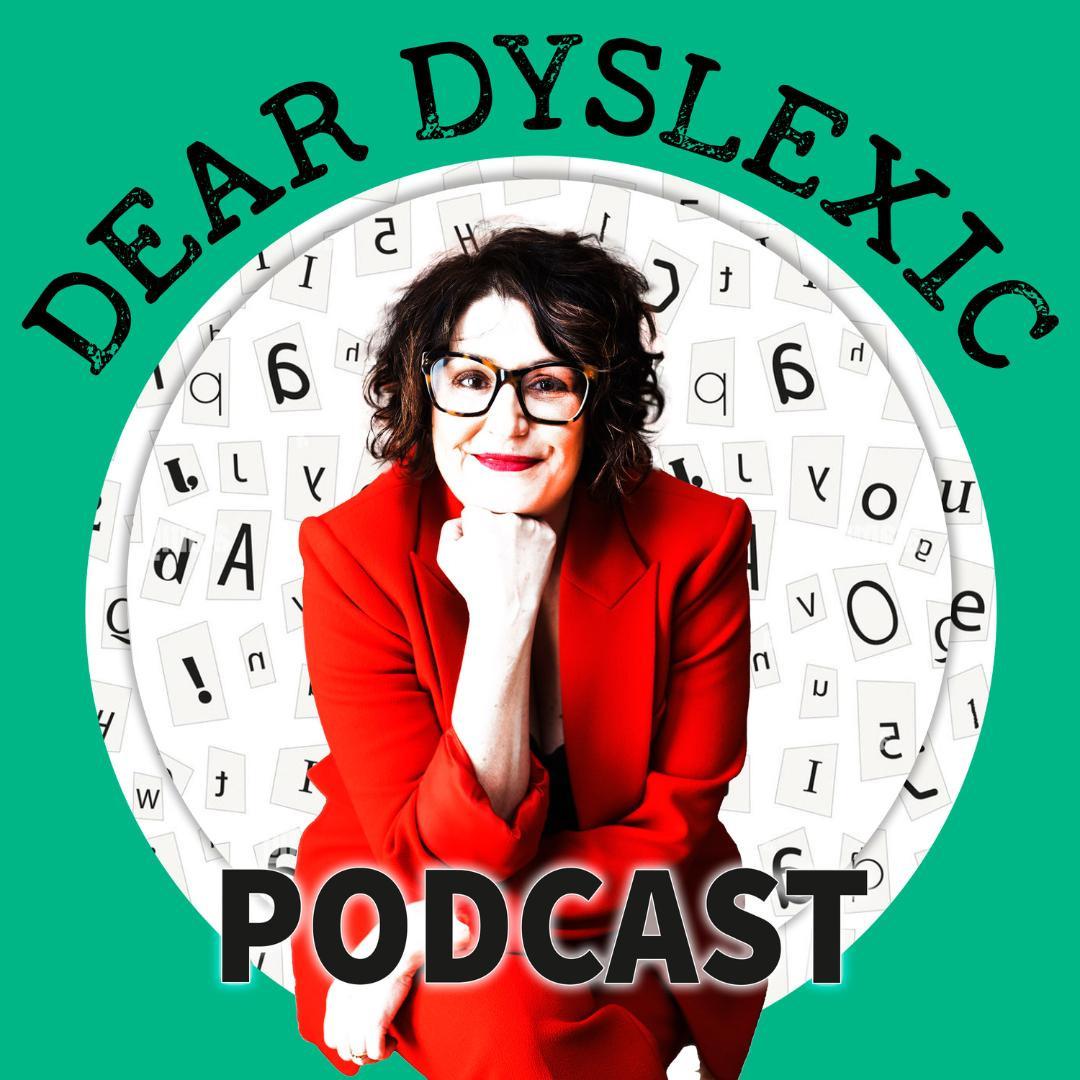
Dear Dyslexic Podcast
Hosted by Shae Wissell · EN
Welcome to the Dear Dyslexic Podcast Series. These podcasts share stories of the lived experiences of people who have dyslexia and other learning disabilities, as well as those who care for, live and or work with us.
Shae Wissell the creator of the Dear Dyslexic Podcast Series states "I wanted to use podcasts as the medium to share unique stories of everyday Australians who have dyslexia and other learning disabilities, to shine a light on the success and the challenges of life with dyslexia. Without the reading barrier, we can all listen and learn."
You can listen to a variety of guest speakers from authors, to actors, entrepreneurs and every day dyslexic people not just surviving but thriving!
21episodes
Episodes
Newest firstAll episodes
Ep.88 Part 1 | Flexibility at work - A Deep Dive with Nick Nagzam
3w ago00:14:47Tap to summarizeThe office is not always the most supportive place to work. In Part 1 of this Deep Dive series, host Dr Shae speaks with Nick Nagzam about his work and his podcast, The Inclusive Shift, and his journey into advocating for neurodiversity inclusion at work after his two sons were diagnosed (autism with a PDA profile and ADHD, and ADHD). Nick shares how he founded a neurodiversity resource group at his workplace, partners with the DEI team to promote awareness days and fundraising events, and aims to help employees feel safer being themselves. They discuss workplace stigma and misunderstanding, the benefits and challenges of working from home for neurodivergent people, and the importance of individualized support and outcomes-based leadership. They also note concerns about organizations pushing employees back into offices and the mistrust mindset of “if I can’t see you, you’re not working.” 00:00 Welcome to Dear Dyslexic 00:38 Meet Nick Nagzam 01:37 Nick’s Neurodiversity Journey 03:06 Workplace Awareness Calendar 04:40 Stigma and Support Gaps 05:35 Remote Work Realities 09:20 Flexibility for Individuals 11:06 Breaking the Nine to Five Box 12:22 Future of Work Generations 14:11 Wrap Up and Resources About Dear Dyslexic Podcast The Dear Dyslexic Podcast amplifies the voices, experiences and expertise of people from the dyslexia and broader neurodivergent communities, creating conversations that inform, empower and inspire. Learn more about re:think dyslexia: https://rethinkdyslexia.com.au/ Stay Connected Thanks for listening to Dr Shae and the Dear Dyslexic Podcast, proudly produced by re:think dyslexia, a certified social enterprise. To stay up to date with our latest episodes, resources and events, follow us on Facebook, LinkedIn and Instagram. If you enjoyed this episode, please subscribe, rate and review the podcast on your favourite podcast platform. Listen to more Dear Dyslexic Podcast episodes: https://open.spotify.com/show/0jx91no... Need Support? If any of the topics discussed in this episode have caused distress, support is available: Lifeline: 13 11 14 Beyond Blue: 1300 22 4636 13YARN: 13 92 76 re:think dyslexia Helpline: 1800 13 6327
Transcribe →Ep 87. FULL EPISODE | Unpacking Dyscalculia - A Conversation with Michael Shanahan
Jul 1201:13:57Tap to summarizeWhat if struggling with numbers wasn't just about being "bad at maths"? In this episode of the Dear Dyslexic Podcast, Dr Shae is joined by Michael from Dyscastia, an intervention tutor and advocate with lived experience of dyslexia and dyscalculia. Together, they explore the often-misunderstood learning difference of dyscalculia and discuss why awareness remains so low compared to other neurodivergent profiles. Michael shares his personal journey and professional insights, explaining how dyscalculia affects number sense, understanding value, time, money, fractions, measurement, and many everyday tasks that others often take for granted. The conversation also highlights the differences between dyscalculia and maths difficulties associated with working memory or processing speed challenges. The episode offers practical, confidence-building strategies for learners, families, educators, and support professionals, emphasising explicit teaching, concrete representations, repetition, and mental maths approaches that help make mathematical concepts more accessible. Whether you're a parent, educator, person with dyscalculia, or simply want to better understand neurodivergent learning differences, this episode provides valuable insights and practical takeaways. In this episode: What dyscalculia is—and what it isn't How dyscalculia affects everyday life Number sense, time blindness, and understanding value Common misconceptions about maths difficulties Practical support strategies that build confidence Resources for parents, educators, and learners About Dear Dyslexic Podcast The Dear Dyslexic Podcast amplifies the voices, experiences and expertise of people from the dyslexia and broader neurodivergent communities, creating conversations that inform, empower and inspire.
Transcribe →87: Part 3 Rethinking Maths, Dyscalculia & Confidence: Scaffolding, Practice, and Practical Tools
Jul 400:31:02Tap to summarizeRethinking Maths, Dyscalculia & Confidence: Scaffolding, Practice, and Practical Tool In part 3 of our latest episode DR Shae and Michael focus on lived experiences of dyslexia and other neurodivergent conditions and explore maths anxiety, shame, and the lasting trauma of school experiences such as being discouraged from using fingers. The conversation reframes “not being good at maths” as a difficulty that can improve with time, patient step-by-step scaffolding, and regular practice, noting maths is cyclical and offers repeated chances to fill gaps compared with literacy. They discuss how breaks can erase progress, how anxiety reduces working memory, and share practical mental maths strategies (counting forwards/backwards, skip counting, counting in tens, “close to 10,” doubles/near doubles). To reduce financial barriers, they recommend Ronit Bird’s The Dyscalculia Toolkit, Steven Chin’s Maths Explained videos, and Eddie Woo, emphasising narrative context, hands-on learning, and that it’s possible to learn with the right support. 00:00 Welcome to Dear Dyslexic 00:37 Maths shame and labels 01:56 Rebuilding maths foundations 05:37 Practice without burnout 08:19 Counting drills and patterns 10:03 Mental maths strategies 12:32 Affordable learning resources 19:00 Learning through narrative 21:24 English origins and morphology 26:36 Hands on maths scaffolding 29:12 Final encouragement and wrap If this podcast has caused you any distress, you live in Australia and need to speak to someone urgently, please contact: - LifeLine on 13 11 14 - BeyondBlue counsellor on 1300 22 4636 13 - 13 Yarn (13 92 76) Featured Resources
Transcribe →87: Part 2 Dyscalculia Explained: Number Sense, Time Blindness, and Building Confidence with Practical Strategies
Jun 2800:35:48Tap to summarizeIn our just released Part 2 of Ep 87 Dyscalculia Explained: Number Sense, Time Blindness, and Building Confidence with Practical Strategies, Dr Shae Marie Wisszell on the Dear Dyslexic Podcast sits down with Michael Shanaha to explore dyscalculia and why it is often invisible due to low awareness, even among maths teachers. Michael explains dyscalculia as a core difficulty with basic number sense (value, bigger/ smaller, numerosity), distinct from maths anxiety, working memory limitations, or processing speed challenges that can also make maths hard. The conversation covers real-life impacts beyond school, including understanding time, money, fractions, discounts, and financial decisions, with examples from the guest’s experience supporting their daughter and tutoring students. Together, Shae and Michael discuss using concrete supports like counters, real money, visual timers, routines, and explicit instruction (counting, number bonds, practice and repetition) to build foundations, reduce anxiety, and create success that improves confidence and mindset over time. Watch now on YouTube or on your favorite podcast platform and share this episode with someone who needs to know they’re not alone! 00:00 Welcome to Dear Dyslexic 00:29 Dyscalculia myths and awareness 03:07 What dyscalculia really is 06:57 Time sense and routines 10:10 Everyday maths challenges 11:38 Money and real world practice 14:37 Teaching number sense basics 22:23 Math anxiety and mindset 24:54 Building confidence with small wins 27:37 Core strategies and fluency drills 31:30 Gentle support and finger counting 35:12 Wrap up and resource
Transcribe →87: Part 1 Dyslexia, Dysgraphia & Dyscalculia Explained (The 3 Dys) | Dr Shae Wissell & Michael Shanahan from Dyscastia
Jun 2200:09:36Tap to summarizeIn this episode of Dr Shae and the Dear Dyslexic Podcast, our host Shae,welcomes Michael from the podcast Dyscastia to discuss dyslexia, dysgraphia, and dyscalculia, and why there aren’t enough conversations about these learning difficulties. Michael explains his view on labels, using “disability” for official funding and support contexts and preferring “difficulty” personally, while questioning the term “difference.” He shares his work as an intervention tutor supporting children with dyslexia, dyscalculia, and related neurodivergence such as ADHD and autism, and describes the morphology-focused “word cracking” software and the Literacy Support Kit he developed with Sally Andrew to better support students for whom some programs move too quickly. Michael also recounts his varied career path, his late identification through his children’s diagnoses, and his lived experience of autism, ADHD, dyslexia, and dysgraphia. 00:00 Podcast Mission 00:36 Meet Michael 01:34 Labels Disability Or Difficulty 03:08 Tutoring And Tools 06:00 From Teaching To Tutoring 06:55 Family Diagnoses Spark Journey 08:28 Career Path And Wrap Up 09:00 Resources And Support Lines
Transcribe →86: Full Episode Navigating Psychosocial Safety in Neurodivergent Workplaces with Ben Walkenhorst
May 2900:53:27Tap to summarizeIn this Dear Dyslexic podcast episode, Dr Shae speaks with consultant and leader Ben Walkenhorst about psychosocial hazards and how to create psychologically safe workplaces, especially for neurodivergent people. Ben shares his background (20+ years’ experience across sectors and leading teams up to 200) and his lived experience of dyslexia, including an auditory component and visual stress helped by Irlen lenses, which he says transformed his learning outcomes. He explains psychological safety as an environment where people can speak up without judgment or retaliation, and outlines three key factors: great leadership, job design/job demands, and environmental factors. Ben gives examples from remote work and local government process redesign, discusses clear role expectations, supportive feedback practices, reasonable adjustments, and why training and new legislation make this work essential. 00:00 Welcome to Dear Dyslexic 00:34 Meet Ben Walkenhorst 04:15 Ben’s Dyslexia Story 07:40 Irlen Lenses and What Works 09:25 Personal Strategies and Self Awareness 12:04 Psychological Safety Explained 16:25 Job Design and Workload 23:12 Environmental Adjustments That Help 26:21 Neurodivergence Trip Hazards at Work 36:52 Feedback Without Triggers 43:46 Why Leader Training Matters 46:30 Business Case and Legal Duties 48:41 Wrap Up and Next Steps About Dear Dyslexic Podcast The Dear Dyslexic Podcast amplifies the voices, experiences and expertise of people from the dyslexia and broader neurodivergent communities, creating conversations that inform, empower and inspire. Learn more about re:think dyslexia: https://rethinkdyslexia.com.au/ Stay Connected Thanks for listening to Dr Shae and the Dear Dyslexic Podcast, proudly produced by re:think dyslexia, a certified social enterprise. To stay up to date with our latest episodes, resources and events, follow us on Facebook, LinkedIn and Instagram. If you enjoyed this episode, please subscribe, rate and review the podcast on your favourite podcast platform. Listen to more Dear Dyslexic Podcast episodes: https://open.spotify.com/show/0jx91no... Need Support? If any of the topics discussed in this episode have caused distress, support is available: Lifeline: 13 11 14 Beyond Blue: 1300 22 4636 13YARN: 13 92 76 re:think dyslexia Helpline: 1800 13 6327
Transcribe →86: Part 3 "The Intersection of Neurodivergence and Workplace Safety" with Ben Walkenhorst
May 1800:17:09Tap to summarizeThis episode of the Dear Dyslexic podcast explores how feedback and workplace practices can impact neurodivergent people, including those with dyslexia, ADHD, and autism, particularly when feedback feels overly critical or triggering due to past experiences. The conversation focuses on the role of great leadership in giving feedback privately and safely, discussing practical adjustments like changing red markup colors and reframing “feedback” as “advice.” It also covers how constant check-ins can raise anxiety and suggests creating adult-adult relationships where employees have permission to speak up about what works for them. The guest emphasises the importance of training leaders in psychological, social, and emotional dynamics and neurodivergence, linking psychological safety to improved productivity and business outcomes, alongside growing legal and regulatory obligations in Australia. 00:00 Welcome to Dear Dyslexic 00:33 Feedback and RSD 02:13 Better Ways to Give Feedback 03:54 Advice Not Feedback 04:20 Checking In Without Anxiety 06:05 Adult Adult Leadership 07:27 Training Leaders on Neurodiversity 10:11 Business Case and Compliance 12:22 Wrap Up and Next Episode 15:19 Resources and Sign Off Resources Understanding Neurodivergence and Psychosocial Hazards in the Workplace About Dear Dyslexic Podcast The Dear Dyslexic Podcast amplifies the voices, experiences and expertise of people from the dyslexia and broader neurodivergent communities, creating conversations that inform, empower and inspire. Learn more about re:think dyslexia: www.rethinkdyslexia.com.au Stay Connected Thanks for listening to Dr Shae and the Dear Dyslexic Podcast, proudly produced by re:think dyslexia, a certified social enterprise. To stay up to date with our latest episodes, resources and events, follow us on Facebook, LinkedIn and Instagram. If you enjoyed this episode, please subscribe, rate and review the podcast on your favourite podcast platform. Listen to more Dear Dyslexic Podcast episodes on Spotify. Need Support? If any of the topics discussed in this episode have caused distress, support is available: Lifeline: 13 11 14 Beyond Blue: 1300 22 4636 13YARN: 13 92 76 re:think dyslexia Helpline: 1800 13 6327
Transcribe →86 Part 2 Neurodiversity at Work: Strategies for Safety and Success with Ben Walkenhorst
May 600:29:47Tap to summarizeCreating Psychologically Safe Workplaces for Neurodivergent Teams In this episode of the Dear Dyslexic Podcast, Dr Shae welcomes Ben Walkenhorst from BW Communications for a conversation about creating neurodiversity-inclusive workplaces through psychological safety, effective leadership and thoughtful workplace design. Drawing on his leadership experience across government, private and not-for-profit sectors, Ben explains what psychological safety looks like in practice and why it is becoming an increasingly important focus under workplace health and safety regulations. He describes psychological safety as creating environments where people feel comfortable speaking up, sharing ideas and asking for support without fear of judgement or negative consequences. Together, Dr Shae and Ben explore three key factors that influence workplace wellbeing and inclusion: leadership, job design and workplace environments. They share practical examples of how organisations can build more supportive cultures, including establishing non-judgemental meeting norms, fostering social connection in remote teams and using staff feedback to improve systems and processes. Ben also discusses workplace adjustments that can support neurodivergent employees, including managing sensory demands, providing role clarity, holding confidential one-on-one conversations, setting clear expectations and allowing flexibility around timeframes and communication styles. The discussion highlights how tools such as AI, assistive technology and strengths-based leadership approaches can help employees perform at their best. This episode offers practical insights for leaders, managers and workplaces looking to create psychologically safe environments where neurodivergent people can thrive. Resources Understanding Neurodivergence and Psychosocial Hazards in the Workplace About Dear Dyslexic Podcast The Dear Dyslexic Podcast amplifies the voices, experiences and expertise of people from the dyslexia and broader neurodivergent communities, creating conversations that inform, empower and inspire. Learn more about re:think dyslexia: www.rethinkdyslexia.com.au Stay Connected Thanks for listening to Dr Shae and the Dear Dyslexic Podcast, proudly produced by re:think dyslexia, a certified social enterprise. To stay up to date with our latest episodes, resources and events, follow us on Facebook, LinkedIn and Instagram. If you enjoyed this episode, please subscribe, rate and review the podcast on your favourite podcast platform. Listen to more Dear Dyslexic Podcast episodes on Spotify. Need Support? If any of the topics discussed in this episode have caused distress, support is available: Lifeline: 13 11 14 Beyond Blue: 1300 22 4636 13YARN: 13 92 76 re:think dyslexia Helpline: 1800 13 6327 00:00 Welcome to Dear Dyslexic 00:34 Self Awareness Strategies 03:14 Leadership Builds Safety 04:32 Remote Team Culture 06:25 What Psychological Safety Means 07:34 Job Design and Demand 09:50 Inclusive Process Redesign 14:21 Environmental Factors at Work 18:21 Role Clarity and Supports 23:05 Reasonable Adjustments and KPIs 27:31 Personal Dyslexia Workarounds 29:11 Wrap Up and Resources
Transcribe →86: Part 1 Lived Experiences and Insights with Ben Walkenhorst
May 4Tap to summarizeIn this episode, Dr Shae from the Dear Dyslexic Podcast welcomes Ben Walkenhorst, consultant at BW Communications, to explore psychosocial hazards in the workplace, psychological safety, and what organisations can do to create environments where people feel safe to be themselves. With more than 20 years of experience across government, private and not-for-profit sectors, Ben shares insights from his leadership career and discusses why psychosocial hazards are becoming an increasingly important workplace issue as they are incorporated into work health and safety regulations across Australia. Ben also shares his lived experience of dyslexia, having been identified in primary school. He reflects on challenges including words appearing to move on the page, blurred vision and difficulties processing information in noisy environments. He explains how Irlen lenses, prescribed following extensive assessment, had a significant impact on his learning, helping him improve academically and ultimately supporting his success at university and throughout his professional career. Together, Dr Shae and Ben discuss the importance of understanding neurodivergence in the workplace, reducing barriers, and creating psychologically safe environments where people can thrive. Resources Understanding Neurodivergence and Psychosocial Hazards in the Workplace About Dear Dyslexic Podcast The Dear Dyslexic Podcast amplifies the voices, experiences and expertise of people from the dyslexia and broader neurodivergent communities, creating conversations that inform, empower and inspire. Learn more about re:think dyslexia: www.rethinkdyslexia.com.au Stay Connected Thanks for listening to Dr Shae and the Dear Dyslexic Podcast, proudly produced by re:think dyslexia, a certified social enterprise. To stay up to date with our latest episodes, resources and events, follow us on Facebook, LinkedIn and Instagram. If you enjoyed this episode, please subscribe, rate and review the podcast on your favourite podcast platform. Listen to more Dear Dyslexic Podcast episodes on Spotify. Need Support? If any of the topics discussed in this episode have caused distress, support is available: Lifeline: 13 11 14 Beyond Blue: 1300 22 4636 13YARN: 13 92 76 re:think dyslexia Helpline: 1800 13 6327
Transcribe →Lived Experiences and Insights with Ben Walkenhorst - Part 01
Apr 2900:01:27Tap to summarizeThe Dear Dyslexic Podcast introduces its mission to share honest conversations about dyslexia and other neurodivergent conditions and welcomes guest Ben Walkenhorst, a consultant at BW Communications with over 20 years’ experience across government, private, and not-for-profit sectors leading teams up to 200 people. The episode sets up a discussion on psychosocial hazards in workplaces, psychological safety, and creating environments where people can be authentic, especially as these hazards are becoming regulated under work health and safety codes in some states. Ben shares his lived experience of dyslexia, diagnosed around year five, describing symptoms including words “swimming” on the page, blurred vision, and auditory processing challenges, particularly in noisy rooms. He explains how Irlen lenses, fitted after extensive testing, helped him dramatically improve academically and supported his later university study and professional qualifications.Thanks for listening to the Dear Dyslexic Podcast. To keep up-to-date with all our news, follow us on Facebook, LinkedIn and Instagram. If you haven’t done so yet, go to your favoured podcast platform and subscribe, rate and review this podcast.If you found any of this content distressing, seek support:LifeLine on 13 11 14BeyondBlue counsellor on 1300 22 463613 Yarn (13 92 76)re:think dyslexia helpline 1800 13 6327
Transcribe →