← Design Better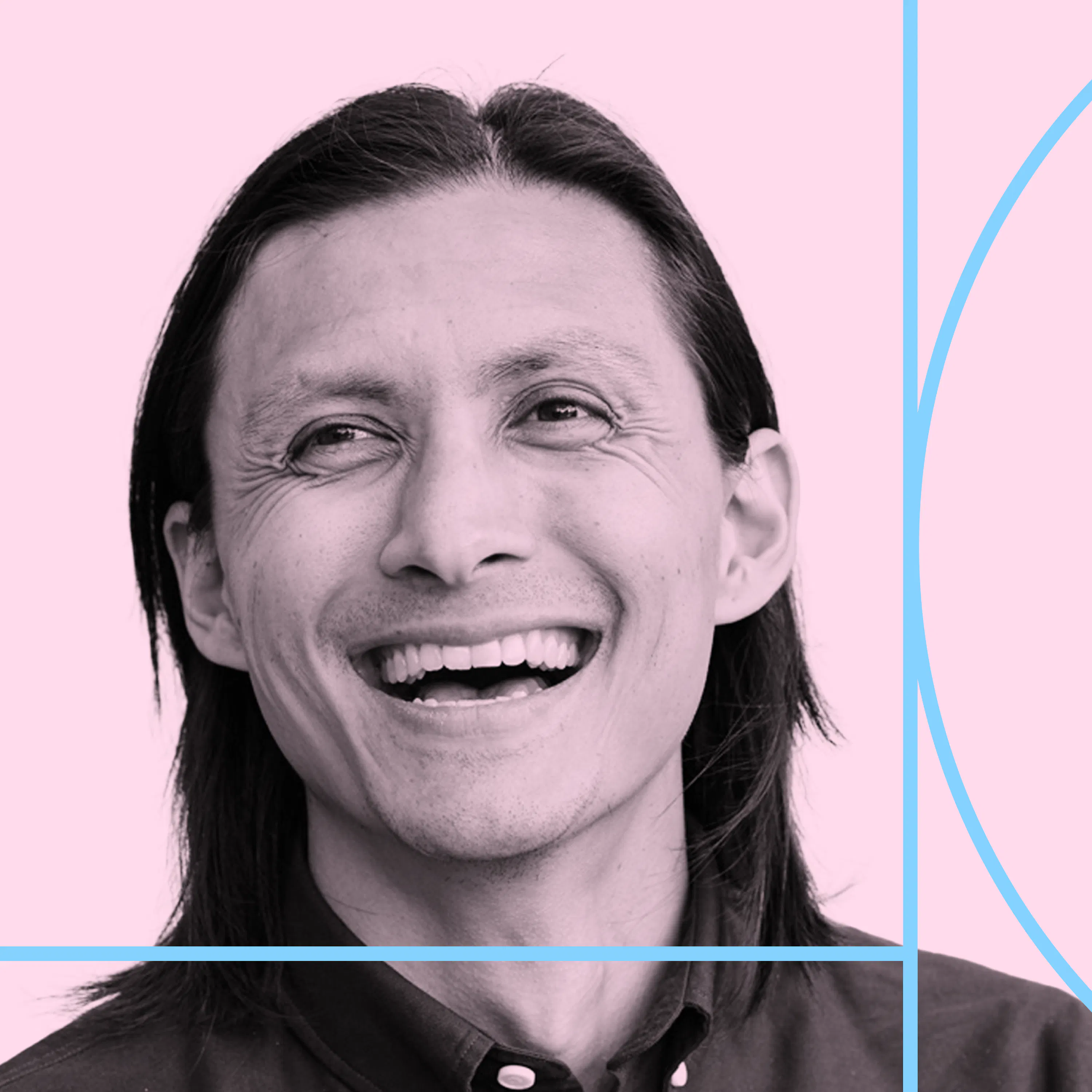
Design Better
Enrique Allen: Design and entrepreneurship at Designer Fund
01:06:53
We speak with Enrique Allen, co-founder of Designer Fund, about how they chose design as an investment lens, the changing role of design from when they started until now, why venture capital might not always be the best way to fund a startup business, and how they think about finding good partners and co-founders.
Loading summary
Transcript61 lines
- [00:03]
Enrique Allen
All these people are coming and say hey, like I need help with design. And we're just like why are you coming to us so late? It's like if folks built buildings and after the building was already constructed they're like hey, do you know an architect that can help us? This building, the building is already constructed. Like off like why are you coming so late?
- [00:27]
Aaron Walter
Until Designer Fund was founded by Enrique Allen and Ben Blumenrose, venture capital investment rarely considered design strategy. Companies like Stripe, Notion, Gusto and Amada Health, all in the Designer Fund portfolio, see design as a competitive advantage and a tool for acquiring and retaining customers. We talked with Enrique Allen about the tremendous value design is creating in these and many other companies.
- [00:54]
Eli Woolery
We spoke with Enrique about how they chose design as an investment lens, the changing role of design from when they started until now, why venture capital might not always be the best way to fund a startup business, and how they think about finding good partners and co founders.
- [01:09]
Aaron Walter
And by the way, if you're starting a design centric company and you're seeking investment, Designer Fund is investing up to $1 million for pre seed and Series A startups. To learn more and apply for funding, visit designerfund.com partner partnership. Be sure to apply by October 4.
- [01:29]
Eli Woolery
2024 this is Design Better, where we explore creativity at the intersection of design and technology. I'm Eli Woolery.
- [01:36]
Aaron Walter
And I'm Aaron Walter. You can get ad free episodes, bonus content, discounted workshops and access to our monthly AMAs with big names in design and tech by becoming a Design Better premium subscriber. And it's also the best way to support the show. Visit designbetterpodcast.com subscribe to learn more.
- [01:57]
Eli Woolery
Also, stay tuned after the interview for a special look at wix Studio, the intuitive way for agencies and enterprises to design exceptional sites with full stack business solutions, multi site management and built in AI. We chat with Kyle Prinsloo, founder of ClientManager IO, about why he loves Wix Studio for its efficient tools like the Figma to Wix Studio plugin and robust email marketing features which have greatly improved his workflow and client engagement.
- [02:29]
Aaron Walter
We'll return to the conversation after this quick break.
- [02:37]
Kyle Prinsloo
Design Better is supported by masterclass. It's usually around the holidays, as the year draws to an end that I start to really reflect on my goals and how I want to grow in the coming year. I've often turned to Masterclass to help me expand my knowledge and satiate my seemingly unending curiosities about disciplines that I've yet to Explore. Masterclass is the only streaming platform where you can learn and grow with over 200 of the world's best thinkers. I'm talking about people like Steph Curry, Paul Krugman, Malcolm Gladwell, Diane von Furstenberg, Margaret Atwood, Levar Burton, and so many more inspiring thinkers who share their wisdom in a format that's easy to follow and can be streamed anywhere. On a smartphone, on your computer, your smart tv, even in audio mode. Former Design Better guest David Sedaris teaches a class on storytelling and humor. And I loved Bob Iger's class on business strategy and Anna Wintour's class on creativity and leadership. Oh, and Sarah Blakely, she's the founder of Spanx, has an amazing class on entrepreneurship that taught me so much. I've been through so many classes and I just just learn so much each time. The wirecutter calls Masterclass an invaluable gift and I can attest to the truth of that claim. I gave my wife a Masterclass subscription last year for her birthday and she got so much value from it all year long. With Masterclass, your loved ones can learn from the best to become their best. Masterclass always has great offers during the holidays, sometimes up to as much as 50% off. You should definitely head over to MasterClass.com DesignBetter for their current offer. That's MasterClass.com DesignBetter I'm so excited for you to try it. MasterClass.com DesignBetter want to shop Walmart Black Friday deals first Walmart+ members get early access to our hottest deals. Join now and get 50% off a.
- [04:37]
Enrique Allen
One year annual membership.
- [04:38]
Kyle Prinsloo
Shop Black Friday deals first with Walmart plus see terms@walmartplus.com.
- [04:47]
Aaron Walter
And now back to the show. Enrique Allen, welcome to Design Better.
- [04:57]
Enrique Allen
Hey guys, I'm stoked to be here.
- [04:59]
Aaron Walter
Enrique, we met so long ago. You were teaching a class at Stanford. You invited me to come in and do a little guest lecture thing. So we got to hang out, which was super fun. And I think that that was right at the beginning when you were starting to think about starting Designer Fund, which is a very unique type of venture capital firm.
- [05:23]
Kyle Prinsloo
Let's just start from the ground. Tell us a little bit about Designer.
- [05:26]
Aaron Walter
Fund and what you do in terms.
- [05:29]
Enrique Allen
Of the origin of Designer Fund. It's not like I grew up and I was like, hey, I want to be a BC one day or you don't want to be one of these guys walking around with a vest on San Diego Road. I never had that intention growing up in The Bay Area, in the East Bay, there was actually a lot of exposure to design and tech and it's just across the bridge from Stanford. And so I really felt lucky that I discovered the web through BJ Fogg, where I did research at the Stanford Tech Lab. And that really opened my eyes to the power of how people respond to computers in similar ways that they respond to people. And I was actually part of this Facebook class which took advantage of the Facebook platform which was just opening up and we got something like 10 million users in 10 weeks across my classmates projects. And it was something I don't think ever will happen again. I'm not sure. I'm not aware of any other class that has had that kind of reach. Of course, with mostly spammy, you know, apps. And I built a status app that has a lot of the features that you now see on Twitter and X that we take for granted. Through this class it really opened my eyes to the power of social web and the ability to impact millions of people around the world. And so it was kind of this like first aha moment. But again at that time it wasn't clear yet what design really was. The D school was just starting at the time and so I snuck in, found a way to get into classes before grad school. And it wasn't really until I was walking around after this class presentation and a venture capitalist from Benrock came over and said, hey, we love what you're building. Why don't you come join us at Venrock and help build apps? And I was like, sure, you'll pay me and you'll give me food. And so that just really got my foot into the door of this intersection design and venture. So I worked underneath the senior designer, formerly of Apple and PM Engineers and we incubated a number of apps and really just kind of snowballed from there. It's kind of a crazy story, but after that experience at Venrock, as I was going back to grad school, I was living biking off of University Ave, you know, flitting the parallel street and like ran into a VC. Dave McClure was like, hey, what are you doing for the summer? I'm like, I don't know, I don't have plans yet. And you know, invited me to join Facebook Fund. And I was like, that sounds cool. Sure, you know, but again, it's not like I thought like hey, I should bring design to the masses yet. It was just really just starting to get exposed to this building companies really from the ground up, from like 0 to 1 the earliest phases. And that's where I started to see at Facebook Fund there are some companies and founders that approach building differently, some that, you know, have amazing technology that are kind of searching for a customer and there's some other folks that are really more human centered and that are kind of applying some of the design thinking stuff that I was learning at the D school and they seem to be onto something. So I remember working with Logan and John, founders of Zimride, which turned into Lyft, the car sharing service you guys might have heard of. It was incredible how customer centric they were. They would take rides with the users like from Berkeley all the way down to la and that's when it started to click that, oh wow, maybe I can bring some of these design thinking methods and apply them to early stage startups to help founders be more customer centric and better understand who they're ultimately building for. And so from there it just kind of snowballed and I helped Dave start 500 global from the ground up. After that experience at Facebook, we also made a lot of money at the Facebook Fund and you know, returned that fund multiple times over. So I also got to experience sort of the power of backing companies really early and seeing them grow this kind of power law distribution that you guys may have heard of. And so I was like, hey, all right, well let's run this back and try it again at a bigger scale with Fiver Global. So we literally had no website, no site, no space, no fund. And so I really got to see how I could start to apply design not just to individual companies like Lyft, but also to designing the organization and the experience so that we can help accelerate many more companies. And you know, just fast forwarding a little bit, it was amazing to be able to work with companies all over the world, and particularly companies that are like outsider founders that maybe didn't fit the Silicon Valley bill of they went to certain schools or worked at certain companies. So little companies like Talk Desk now, which is a multibillion dollar company, you know, we came from Portugal and we got a chance to work closely and help facilitate some design sprints with them as an example and many others. And so that started to come turn my eyes like, hey, like we really can use design much earlier. And more people are coming to me like, hey, I need help with this. I'm like, oh my God, I don't scale. Like, I can't parachute into working with all these companies on my own. This isn't sustainable. One designer working with 20, 30 plus companies, a batch, right? And so I start to kind of reflect on that. And similarly, my co founder was having a similar experience. He was one of the fifth product designers to join Facebook at the time. You know, from college campuses all the way up to scaling to billing users with Facebook Timeline. And all these people are coming and say, hey, like, I need help with design. And we're just like, why are you coming to us so late? It's like, if folks built buildings and after the building was already constructed, they're like, hey, do you know an architect that can help us build? Like, what the building is already constructed, like off, like, why are you coming so late? And so, you know, we knew each other from all Facebook fund and we started to experience this and so we started to ask ourselves, like, why don't more companies have great design and the DNA of their companies? Why all these companies getting funded with shitty design? Like, I just. We don't get it. And so we interviewed tons of founders, interviewed tons of investors, and really tried to get at like, sort of the core of this. And what we realized is a number of big gaps. One, there is just a design talent gap. So literally just not that many designers who also want to be founders or are ready or prepared to be founders. Two, there is also a big education and awareness gap, not just amongst designers, but among investors and PMs and other people around the importance and value of design. And then third, there was also a capital gap. So like Most of the VCs, most folks that are writing checks have engineering or business backgrounds. They don't have design backgrounds or haven't had design roles. And so it's almost like reluctantly, we're like, gosh, like, I guess we're in a good position after we've been advising companies and angel investing to like, maybe raise our first fund initially, we're like, hey, maybe we'll just raise a million bucks. That sounds good. And people just kind of laughed at us, like, a million bucks, that's too small. And so it just kind of snowballed from there. But again, it really emerged from the demand that we saw at the time and really emerged from us being in a unique position and having unique expertise building and scaling companies from the ground up that put us in a position to start the fund. But again, when we looked at it, just like we didn't want to start another studio or consultancy where there's a fee for service model, which I think makes sense and works in many cases. And we refer many of our companies to freelancers and studios. But we wanted to be really owners and long term partners. And so the only way to really do that right is to be on the cap table, to have real equity and stake in the upside. So really our interests are aligned, you know, long term. And so we just felt that venture was the most vanilla structure to be able to do that versus trying to do some kind of complicated, like we do some services and you give us an equity and mix of cash and it's just complicated for the customer. So what we realized, like if the founders are our customers, they want the cleanest value proposition, they want the cleanest menu. And many founders, they already understand how venture works. And so we really use venture as sort of a mechanism to allow us to ultimately really work with companies on the most meaningful problems and for us to be able to do that every day in a way that I think is aligned with our values.
- [14:02]
Unnamed Speaker
So, Enrique, when I first got to know you, and you might not even remember meeting me back then, but it was, I think around 2011 and I had just started at this accelerator called Runway that Corey Ford had started and remember meeting you and hearing your story. And then I was just looking at your background on LinkedIn and I saw that you were a TA at a business school. I was like, that's interesting. It seems like a lot of people that do that end up in this kind of investment world, like the VC's firm. I was at Innovation Endeavors, the managing partner drawer had started. He was a TA for Eric Schmidt, which is how he got his thing started. So I said, oh, that's interesting. But I'm curious given how you started this in the early days where a lot of startups and even established companies didn't really understand the strategic value of design and they thought, let's just slap something on the end. How have you seen that change over time as more and more organizations and startups recognize the value and how's that changed your approach within your fund as you advise people?
- [14:59]
Enrique Allen
I'm sure you've had some folks on the podcast where you talk about design maturity across an organization or competency. You have unconscious competence to hopefully conscious or even unconscious competence. And so in a similar way, when we were first starting, people are like, oh, design is a thing like, oh, multibillion dollar companies now that have been started by founders who have design backgrounds. Like that was kind of a secret at the time. And so fast forward today, I think there's a lot more awareness that design matters. So so many more investors and founders recognize that it's A key ingredient. It's not the only ingredient, but it's a key ingredient to the success of companies. We can go into more detail around that, but there's more awareness. So that's great. That's been like a big win for us. Like we're not often like in a conversation where we're like debating is it worth the budget to like hire first designer or start to build out your team, right? So like that's a huge win. Or like the importance of even making investments in your design system or other infrastructure level things that help improve process and that kind of stuff. So that's huge. What we're still seeing though is a big gap in terms of they know that they want something, but then how do you actually execute on that? How do you actually achieve those outcomes? So we have the awareness, but the actual how to do that is still a bit of this black box. But at the startup level it's complicated, right? The 0 to 1, it's messy, it's very iterative, like how to find product market fit. There's not like this one formula, right, that you can follow, or this one lean startup method or whatever model that you want to follow. Like many people try to use those things and fail, right? So I think that's a big piece at this early stages is figuring out how to actually leverage design strategically and effectively at the early stages. Once you get to the later stages, you have more data, you have product market fit, you're generating revenue, you're already at scale. Like, don't get me wrong, it's still complicated and hard, but like there's a lot more signal, there's a lot more information, right? There's not as much of the ambiguity and triangulation that's required at the earlier stages. And so I think that's really the tricky part and where we mostly play is just the inherent messiness of early stages. And so that's just really hard.
- [17:24]
Aaron Walter
So part of what you and Ben, your partner, co founder, I'm sure often have to do is just talk about the business value of design in terms of like starting funds, building that fund, talking to startups, companies and so forth. So you probably more than anything one out there in the industry can connect the dots very clearly of like dollars invested in design value created from that. Could you walk us through what you see from your portfolio and your investments and how design creates value?
- [18:01]
Enrique Allen
One example from one of our portfolio companies, Stripe, which is one of the largest payment platforms and financial services for both startups to companies at scale, they're really trying to increase the GDP of the Internet so they really see themselves as fundamental infrastructure. But it didn't start that way. It started really with making it super simple for our developer, for an entrepreneur, for a founder, for a builder to embed payments in their apps and abstract away so much craziness around fraud, around risk, around international challenges, et cetera. So recently Katie Dill Lights designed there, shared a couple mini case studies around the value of design and craft. And so one example is, you know, we all get these emails from products promoting a product, trying to, you know, get you to sign up and to convert to become a user, right? Like it's a bread and butter of how so many businesses grow is through email marketing. And stripes are different. So they had a traditional sign up flow from Buy Prop in their email. It looked like anything else that you might see in your, in your email. But the team said, hey, what if we like apply some love to this email CTA and see if we can improve it. And lo and behold, they like really boost the hierarchy and make the value pop clear the next step and then once you click on that, you know, the sign up flow, very obvious and straightforward. So it wasn't just the email, but also, you know, it's that afterwards. And they're able to improve not just like click throughs, but actual people signing up and continuing to retain by 20% just an email, like just applying design love to like one surface area, right? And the reason I bring that up is for some people, especially as a founder, you kind of got to realize like, does it make sense to deploy limited resources right to surfaces like email or landing pages for marketing or decks for sales, Right? And I'm telling you, there's so many examples they're just not told or publicly shared of how design can really create a return on investment there. And then a second example from Stripe is with their like new optimized checkout flow. So they basically look at all their merchants, figure out all the patterns of like what works depending on the browser, person on mobile, where they're at pay at Rails, they come up with like the most optimized checkout flow possible and they give that away right to their merchants. They're able to improve revenue for their merchants by an average of 11.9%. So like if you're you know, medium sized business or something making let's say you know, 10 million bucks year, that's almost like 1.2 million free money because you know, they put some love into optimizing all the steps of the checkout suggesting the right payment. One click payments with link if needed. Right. So there's just really concrete examples like that. Jared Spool has a great legendary example of this kind of $300 million button. You know, realize that a bunch of people are dropping off when they're checking out and they start to interview and look under the hood there and realize, oh, most people who requested the password reset, only 2 out of 100 actually went through to complete the purchase. A huge, massive drop off, just leaving money on the table. And so credit to his team for redesigning that and proposing a solution of checking out his guests. And they calculated the potential revenue and turns out to be a $300 million like improvement. So that's just kind of like the tip of the iceberg, I would say, in terms of the value design, these are just examples, especially in E commerce where it's easier to measure. Right. But I think there's a deeper sort of iceberg there. All the way down to the fundamental design strategy and research to focus on which customers and what segments to go after. Right. All the way up to, you know, the overall experience that you're trying to create. So, you know, Airbnb recently had a great response to Covid. They recognized, you know, revenue was way down. So Brian consolidated resources, mapped out, I think 150 screens of their ideal experience and then went along like systematically to map, you know, feedback from the customers, bugs that we're getting, all that, and map that to each of those, to this kind of service blueprint. And so again, that's like deeper strategy. That's not just like, hey, we're trying to optimize one email campaign or just one checkout flow, right. That's across the entire experience. So then you kind of bubble up, as you guys know, getting into more of the interaction layer and the UI layers and the information architecture and file to kind of the visual and brand and stuff that people see. But our thesis really is that we talk about, again, the real value design is how can we use design strategically across all of those levels of the business, Again from not just within product, but can we use design to help with sales? Can we help design with crude? Can we help use design to leverage employee satisfaction and culture? Right. So can we kind of apply a similar kind of thinking but to these other cross functional teams? And I think that's where you get the biggest bang for your buck. So I think McKinsey, you know, published some work a while ago around the design index. I thought one of the most interesting takeaways there was that companies that like really invested in design, both at like the leadership level in terms of other measures that they had, they saw kind of the biggest gains versus companies that just kind of, you know, did some design, you know, sprinkled some design above on things, but didn't see as big of a gain. And so kind of what I kind of intuited there unscientifically was that oh yeah, maybe if you really want to differentiate, kind of really need to commit to that being a core part of strategy. Right. And so we're looking to invest in companies where if they do invest in design as a core part of their strategy, that that can ultimately help create bigger and better business outcomes.
- [24:20]
Aaron Walter
Yeah, let's go a layer deeper. I love that you're talking about design not from the perspective of aesthetics, but from strategy and interaction design, all these different layers of the product and the business. The one area that seems to be very well served is any product in the business to consumer space. So we're selling to consumers. It's pretty easy to pitch like, hey, if we invest in design, that changes the way people feel about our product, they are more likely to purchase and or they are more likely to spend more. We can see that with examples of like a BMW versus a Honda Fit. The value prop there with design, you know, not that a Honda Fit is not well designed, but it's designed in a little different way than a BMW. But business to business is a different type of animal. And I hear this a lot in the work that I've done with B2B companies and product teams that while it's just another business that's using this, so it doesn't really matter if it's well designed. I wonder, can you poke a hole in that awful line of reasoning that just resurfaces all the time like a zombie that just won't die? And I'll toss this out, that Gusto is a B2B company that is in your portfolio that maybe they have a different approach.
- [25:43]
Enrique Allen
First off, I think we have to admit and have the humility that many companies will succeed and be huge from financial perspective or from other metrics without just the fact. So part of it is like there are multiple ways to serve customers to get to the, you know, some top of some mountain, there's multiple paths to get there. And so there are definitely examples in our portfolio where we had a head to head, our company had the better product, have a higher mps, higher satisfaction, all those things, but a competitor grew faster because they were like super honed in on their sales process and just really built for commercial B2B to your point, from the ground up. And they just got 10x evaluation and enterprise value result. And for me, that was just a really humbling example of again, like, the best product doesn't always win. If you build something amazing, people just aren't going to come, right? Like, it's also like the secret behind Google. Like, oh yeah, Google's so simple. You just have this like landing page and you know, just type into this one box. But it's like, do you know how many sales folks are on the Google team? Like, do you know how many thousands of folks are calling SMBs and other folks to make sure that they use Google products? Oh, you don't see those people behind that little search box, right? And so I think you bring up a really valid point that for B2B, often there's a particular challenge where sometimes the buyer isn't the end user, right? And so that dynamic creates interesting potential misalignment around incentives. So to give you an example of in our portfolio know Gusto, when we looked at investing, it was like, hey, there's ADP paychecks at the time, multibillion dollar companies publicly. But when we dug into it and we interviewed, folks realized, wow, people hate these products, like they do not want to use them. And you know, you look at their mps, you look at their BBV rating, et cetera, and it was pretty clear that they were serving larger customers, right, with more complex needs. And they weren't serving companies with, let's say, 200, 300 employees or less. And so Gusto really saw this opportunity to kind of pioneer a bit of a bottoms up motion, right? We hear like product, like growth and all these things are like common now, but like, hey, we can actually create something simple enough that a small business even like ourselves could sign up without having the expertise of HR and payroll and all those things. And so yes, there's going to be B2B situations that are more complicated than Gusto, but there's also going to be many opportunities that are B2B where maybe we can capture a different segment that doesn't need all the like bells and whistles and super complicated configurations and stuff. And we can kind of strip that down to something that really is more purpose built for that company. And I think Gustav has done a tremendous job of that. They've also done a number of things like even investing in their brand, right? Like, what's the value of be investing in your brand, right? They used to be Zen Payroll and they went through a whole rebranding process of like, controversial, like, they're growing fast, or like, gosh, should we, like, bite the bullet right now and like, rebrand from Zen Payroll? But they realize that, no, hey, the larger vision for the company isn't just payroll. Right. It's connecting across payroll to your health benefits, to ultimately employees being able to manage up time and their own wallet. And so they can increase and get into financial services and help you with your 401k and other things. Right. So there's a much more holistic view. And that was a key strategic decision that I think paid huge dividends than, you know, if they're getting just kind of narrowly box denses and payroll and. Yeah, so I think there are more examples of when you can apply design to B2B in a way that gets over this challenge of, you know, the best product doesn't always win. So we have another company in our portfolio called Monograph that builds software for architectural firms. And so you might be like, hmm, like architectural firms, like, is that really a big market? But then turns out they have direct contacts with all the general contractors and the subcontractors and are basically the hub for these massive projects that have tens of millions, hundreds of millions of value flowing through that system. And so I think when you also can focus on a specific segment, like vertical, you know, there's kind of a phrase of like vertical SaaS and really build something that's like, purpose built for them. So, like, they noticed that people were using spreadsheets, right, to like, track all their time. So, like, hey, can we find a way of, like building a simplified version to track your time and tie that to, you know, your billing and make that super easy for the firm to manage their operations? And so that's something that's like, Excel's not going to build that. Like, QuickBooks is not going to build that. Like, it doesn't make sense for them to focus on that. So I think the more that companies also can find these vertical markets that have really clear user needs, I think that's another way that they can still build something awesome that can be adopted more. Bottoms up. And kind of get around some of the classic challenges of this disconnect between the buyer and the end user.
- [31:36]
Aaron Walter
We'll return to the conversation after this quick break.
- [31:43]
Kyle Prinsloo
Hey, Web designers, let's talk about creative burnout. You're working on a site for a really big client, but between resourcing, feedback, tight budgets, and even tighter deadlines, it just doesn't make the cut. Wix Studio helps close that gap so you can deliver your vision with less friction.
- [32:04]
Aaron Walter
Built for agencies and enterprises, you get.
- [32:06]
Kyle Prinsloo
Total creative control over every last pixel. With no code, animations, AI powered tools, reusable design assets, advanced intuitive layout tools and a figma to WIX Studio integration which is very cool. You can design the way that you want to and deliver when you need to. And if you're worried about the learning curve eating into time you don't have, don't be. Wix Studio is intuitive by design so your entire team can hit the ground running for your next project. Check out wix studio.com that's wix studio.com W I X S T U D I O I love wine, but I often feel overwhelmed by the options out there. But I recently joined Wine Access and I'm learning a lot. Wine Access not only shipped to your door some of the world's most inspiring wines, they also educate subscribers with full color information cards that accompany each bottle. I love these cards. They provide details on flavor profile, what food your wine pairs well with, how long to decant, the ideal drinking temperature, and plenty of fascinating information about the producers. This month I got a four bottle shipment from Wine Access new club called the Wait List which is curated by culinary icons. The box I received is from Atomics, a two Michelin star restaurant and the top US restaurant on the World's 50 Best list. Other curators include Emeril yes, that Emeril of New Orleans and Daniel Boulud and his flagship restaurant Danielle in New York City which is also a two Michelin star restaurant. It's such a fun way to learn about wine and everything you receive will be a winner. I've been super impressed by how thoughtfully Wine Access curates and educates. You should totally join the Waitlist wine Club. Just visit wineaccess.com waitlist and use promo code designbetter all one word for 25 bucks off your first shipment. That's wineaccess.com waitlist and Use the code designbetter to save 25 dollars. The holidays and snuggly weather are upon us. It's a great time to enjoy great wine with the people that you love. Wineaccess.com waitlist all right, let's be real. If you're a content creator, blogger, or an entrepreneur just getting started, the last thing you want to do is spend hours building a website.
- [34:31]
Aaron Walter
But you know you got to do it.
- [34:33]
Kyle Prinsloo
You've got things to do. And that's where bluehost comes in. Their AI powered design tool gives you pro level WordPress sites in a snap. No coding, no stress. Just type in what kind of vibe you're going for and then boom, you got it. And you also get added features like marketing and e commerce tools to help you build, grow and scale your online business. Like a boss. And upgrading to Bluehost Cloud keeps your site running 24. 7 with ultra fast hosting, 99.9% uptime and enhanced security. Always fast, never slow, so you can keep making that dough. It's seriously never been easier to build.
- [35:15]
Aaron Walter
Your website with bluehost. You've got ideas.
- [35:18]
Kyle Prinsloo
All you need now is the platform. All you need is Bluehost. Head over to Bluehost.com and start building your dream website today.
- [35:26]
Aaron Walter
Okay, I have to tell you, I.
- [35:28]
Enrique Allen
Was just looking on ebay, where I go for all kinds of things I love.
- [35:31]
F
And there it was, that hologram trading card.
- [35:34]
Kyle Prinsloo
One of the rarest.
- [35:35]
F
The last one I needed for my set.
- [35:37]
Enrique Allen
Shiny like the designer handbag of my dreams. One of a kind. Ebay had it. And now every everyone's asking, ooh, where'd.
- [35:44]
Kyle Prinsloo
You get your windshield wipers? Ebay has all the parts that fit my car. No more annoying, just beautiful.
- [35:52]
Enrique Allen
Whatever you love, find it on eBay.
- [35:54]
Aaron Walter
EBay, things people love. And now back to the show.
- [36:07]
Unnamed Speaker
So, Enrique, a large part of our audience is probably curious about entrepreneurship. And also it's a challenging time right now. If you are looking for a role within a traditional company as a designer or designer adjacent role, it's a challenging time. And so people might be curious or just by necessity looking for something that they can do on their own or with a partner. And so to that point, to the partner point, maybe you could talk a little bit about how you found your own partner, Ben, how you guys kind of view your complementary skill set. I know with Aaron and I and Design Better, we had a great chance to work together before we kind of pulled this out of the mothership. But we have identified these complementary things that just make it so much better. Like, I've had partners before where we got along great, but our goals were misaligned or there's so many things that could happen in a partnership, whether that's a startup or, you know, agency, whatever.
- [36:59]
Eli Woolery
Route you end up taking.
- [37:00]
Unnamed Speaker
But yeah, maybe talk us through that a little bit. Looking for a partner and what kind of qualities might want to be looking out for.
- [37:08]
Enrique Allen
In some ways, I hate to admit that it's almost like finding someone you're going to marry. Right. Like, it's so challenging for so many people to find a long term partner, right, that fits all these criteria, right? That's right place, right time, all these things kind of have to kind of conspire to fit. In many ways, a co founder is like that. My wife had to remind me. She's like, man, you're spending all this time when we're starting design working long hours, weekends. You're just like, dude, this guy's, you know, your co founder. But hey, don't forget, like, I'm your co founder for life, okay? Like, don't forget that. Right? So. So I think in the same way, like, I'm in that perspective that let's put too much pressure on it, but just to recognize that in some ways it can't be forced, right? Where you need to go through a natural process of getting to know that person, of working on something together, stress testing, figuring out where you guys might break, right? Like, I love Esther Perel and other Reno relationship coaches and stuff where, like, you know, they talk about, hey, when everything is going great and everything's spawned and you're in a honeymoon phase relationship, that's not really a great indicator of the long term viability of your partnership, but really is like, hey, can we get down to what's your crazy? What are the things that trigger you? What are the things that make it really challenging for you to work with another. Until we get to that kind of stuff, it's really hard. And so I think the best way is just by working on projects together. So with Ben, we had a great, like couple years to we hacked on a side project, peace.facebook.com that's no longer up. We had hackathons. We got to help advise companies together unofficially and officially at the Angel Invest together. So we had like kind of a couple years really to develop both our friendship and our working relationship. And then it just became like natural to like kind of take that next leap. But we had the hard conversation up front of like, okay, Ben's going to leave this super cush opportunity at Facebook, like, all right, what do we need to have in place? Right? What kind of funding do we need to have in place? What kind of customers or contracts do we need to have in place to make sure that that is a viable thing for him to do. So I think also recognizing that people, your co founders, are each going to be coming from different places and might have different needs for their family or for their personal life. And so that's also like a really important thing to Kind of align on. We were blessed that we had the opportunity to take a lot of risk. We had, you know, savings at runaway. Right. Like that may not be the case for everyone to do that. And so I think that's another piece that often isn't talked about, but like, yeah, just the realities of responsibilities that people may have in their personal life, making sure that aligns. And then in terms of complementary skill sets, I'm really glad that you brought that up for us. Oftentimes what we're looking for in teams when we want to invest, like the ideal team for us has this like, trifecta of not just like great engineering and technical prowess, which I think is essential and like foundational, also great domain and like business expertise. Like someone who's really like lived and breathed this problem space and someone who has amazing design experience, again, whether they're a formal designer or a founder that really values design and is willing to invest in it, we really want to find that trifecta of great engineering tech expertise, business and domain expertise and design expertise. And I think the reason that's the case, or I think why that creates. Helps create outcomes is I believe Ed Cadmill talks about this from Pixar, that there needs to be like a healthy tension between business, you know, the creative side of things and tech that kind of helps balance out and when they all find a way to harmonize, create things that are just incredible. Right. And so that's all we love to look for, is when teams have that complementary expertise. And I think the reason why the technical piece is important is that oftentimes they can build and ship and iterate a lot faster. So time to market is quicker. So that's more efficient from a funding perspective. Right. How much capital does it take to reach a certain milestone from a business domain expertise? There's plenty of examples of people who are complete noobs or outsiders who didn't know anything about a space. So it doesn't necessarily mean that they have to be from the establishment per se, but like someone that just intimately has understanding of the problem and then that helps shortcut a lot of the mistakes of building the kind of the wrong thing when you really are kind of like building for yourself. So that's why a lot of p entrepreneurs end up building stuff for themselves because it's just they intimately know themselves better than the others. Right. But we want to find that whether it's in health, whether it's in sustainability or in financial services, folks that just have this really intimate understanding of the problem space and then of course the zy expertise, I don't need to tell you guys about that. But ultimately it's becoming really important that people have taste and can kind of distinguish between what's good and okay and what's really excellent. And so again, that's hard to really train and teach. But founders oftentimes are like directors of movies or like editors where they have to make calls that are subjective, that when you add up all these little calls that they make turn into this overall composition and experience. And that's something that again is really important, that hopefully someone on the founding team has some of that taste.
- [43:06]
Aaron Walter
I love that taste is such an important thing. We have heard the exact same advice from cinematographers. So those listening who might be thinking about starting a business at some point historically, during downturns or economic turmoil, that's when the most businesses are created and we're sort of coming out of that, I think it's hard to say for sure. Fingers crossed. But what does it take to start a business? Like, what's the advice that you usually give to budding entrepreneurs about getting off the ground?
- [43:40]
Enrique Allen
We talked about team and finding a partner similar to finding a life partner that you can really go the distance with. Talk about finding complementary expertise. So team, team, team, you know, from investment perspective is especially amongst early stage investors is so critical. Many people make bets. It's like it doesn't even matter what the person or the team is doing, but we're just betting on this team to figure it out. Right. And so I think just not to underemphasize the importance of a team, the next that I would say is really about market. And so one of the things I've learned, and I appreciated this while surfing as well, is that even if you have best design, like hand shaped forward, like beautiful, like wax, everything nice, custom everything, fins, if there's no waves, probably not going to surf, catch any waves, right? Like the snow, swell, it's just, it's probably flat and you're not going to have a great time out there. And in a similar way you can have the best product per se or amazing experience that has all this, you know, bells and whistles. But if there isn't a big market opportunity, a big wave probably aren't going to build something that's going to become super significant from a business perspective. And so I think it's really important that folks spend more time from a business school perspective like market opportunity, analysis and to really understand that there's really customers here that want your product that are willing to pay and that there's enough of them to create the kind of outcome that that founder aspires to. And so there's lots of different resources and approaches where that's more of a customer development approach or more of a tops down approach. But ultimately what I like to see is that there's both a bottoms up and a tops down thinking around the market opportunity. So what I mean, bottoms up, it's like, okay, hey, we want to build this product that's it's going to cost 10 bucks to make and you know, we're going to sell it for 100 bucks. And we have this nice margin of 90. And we've gone out and like either through interviews or through our prototypes, we've shown that people want this. And if we times, you know, a hundred times, you know, a million folks in the United States, which is only a small fraction of their overall market, you know, we could get to a significant run rate and we could be a potentially sustainable business. So I love that kind of like bottoms up from like the very simple, like unit economics to like how this company can get to a million dollars and a revenue to say, 10 million to a hundred million, right? So having like a plausible, like, it seems plausible that we can get there, right? We don't have to serve every person in the United States, which is unrealistic, even if we just are able to service a realistic amount. Like, do you know a thousand people? Can we like find a thousand people who want this product? Is that realistic? Right? Like, can we find 10,000 people that want this product? Is that realistic or is that like a big stretch? And so that kind of just basic back of the envelope stress testing. It's really helpful to educate honestly from a founder who has expertise and has talked or spoken with or has serviced those folks. And then there's kind of like the tops down, right? Whether that's from market reports or from market trends that kind of show that this market is potentially growing or that maybe there's already existing players like we talked about with gusto. There's maybe existing incumbents that already show this as a big market opportunity, but they're like sleepy incumbents. And so there's opportunity to kind of carve out a percentage of their market share if we can kind of like again, produce a better mobile experience or whatever, a better experience for SMBs. And then there's kind of a third case of like, hey, Uber or Airbnb, they created markets. I mean, that's the biggest opportunities. If you can create whole New market opportunities, it's harder to pitch and like for investors necessarily buy. But if someone has a conviction and investor can kind of recognize and maybe be contrary and. Right. I mean that's some of the biggest outcomes, right? Whatever the SpaceX is of the world, right. The Ubers and Lyfts, the Airbnbs, like these have really took existing human behavior or existing innovation and then really expanded that into much bigger than anyone would have projected any analysts would have projected. Right. There's like the funny example of was it McKinsey who like tried to initially project the mobile phone penetration and it was like there's going to be a few other people like nope, they were completely wrong about that prediction. Right. It's like, oh no, this technology totally opened up whole new opportunities and we're seeing that obviously with AI as well. So team, market and then product, those are kind of the big three areas that I would really focus on at the early stages. Team, market, product. And from a product perspective, if I was really going to cut to the chase, we really tried to look for like the sharpest fine tuned like wedge where we don't have to have a lot of features but find that this solution that really solves this like clear pain point, painkiller, It's a painkiller for someone, it's not nice to have. And I think that's really the really hard part is there's a lot of things that you could potentially build oftentimes. But can we really hone in on this like kernel, this atomic of what makes up the core of this product value prop? And if we demonstrate that people want this, people are willing to pay for this, then we can add on other things that expand the contract value. And so that's got to be kind of the biggest thing is I'm looking for this like simple kernel of demand and a value that then we can expand to from there. Because sometimes people build something that's like amazing and sharpen this little wedge but then there's not much willingness to pay or opportunity to expand from there. So I'll give you an example. Ambrook, one of our portfolio companies that helps provide financial services to farms to all sorts of agricultural endeavors to help make sustainability more profitable. Part of their thesis is oh wow, if we're able to help farms be more profitable, let's say with like a spend card so they can manage more the finances and see kind of which crops are more profitable and help get access to more funding. But if we can kind of start with this like really basic Thing of like how profitable is this particular field? Right. If we could kind of like start with that pain point as an example, we could then expand to a lot of features around that. Right. So not only a spend card, but a checking account, access to credit, be able to file your taxes and streamlight that process. Right. So it kind of can expand to a whole suite of financial services, but really like honing in on like what is that really like initial pain point of like helping farmers better understand how they're spending money and what are the things that are most profitable that they should be continue to do. Like they can help folks answer that question. It earns them the right to expand into a lot more surface area.
- [51:15]
Unnamed Speaker
Enrique so diving a little bit further into the types of businesses that somebody out there who's got a design background might start doesn't necessarily have to be a venture backed business. And certainly if you're a freelancer or you're starting an agency with a partner, you wouldn't look at that type of investment to start your business. But maybe talk a little bit about if I'm somebody who's starting a product business and you know, here in Silicon Valley it's kind of, I think unfortunately look down upon if you just want to do, you know, a lifestyle quote unquote business where you're bootstrapping and you know, paying your way through the product you sell. But if somebody's coming to you and asking is venture the right path for me, how do you advise them depending on what they're bringing to you?
- [51:57]
Enrique Allen
Don't take venture if you don't need it. It's not for everyone and it's not the right solution. It's expensive. You're giving up ownership, right. In exchange for venture. Right. I'm a big advocate of founders finding opportunities for non dilutive capital. So whether that's grants, whether that's projects that they do in a consulting capacity where they get to retain the IP of what they're building, whether that's just directly selling their goods or services and making money the old fashioned way, like whatever you could do to generate revenue or to get access to capital, I would try to do that, exhaust those possibilities as much as possible before really considering venture. The reason why I'm saying venture isn't for everyone is that fundamentally like how the incentives work is that VCs are swinging for the fences. They're swinging for like huge multi billion dollar outcomes. The reason that they're swinging for multibillion dollar outcomes is because most of the companies that we Invest in, fail or return a small amount of capital. So it's only these very few winners, these outliers at the top of the parallel that generate the vast returns for the whole fund and for the whole industry really. And so it's really interesting dynamic where if you're not a big winner, it's almost like it doesn't matter, it's not material to financial outcome of these entities. And that's not great if you're a founder. It's like this is my life's work. This is what I've like put my whole life savings into. This is one of my blood, sweat and tears, right? Like hey, if I build a million dollar business or $10 million business or a $50 million business, like that's awesome, that's great set that just may not be a multi billion dollar company that then again has to either sell and get acquired or sell at secondary or go public to generate liquidity to make returns for VCs and for other investors. So I think the examples like calendly, if you listen to the story, pretty incredible bootstrap approach to entrepreneurship, didn't need to raise money and was already profitable and then decided to capitalize on business to further growth. So I think once you already have something that's working, already have some product market fit, venture could be the right solution or venture debt and there's other instruments but could be the right solution if you're trying to rapidly grow facts and expand, maybe not just the US but internationally. And so there are examples where venture can really help you out compete because you just have more resources to expand and build. Whereas if you're just bootstrapping, it would take a lot longer and you might lose a lot of market share in that timeframe. So the good news is though, there are so many more resources for founders and entrepreneurs than when we were first starting design fund. It's incredible. Literally, even amidst a downturn in the United States, in hubs like Silicon Valley in New York and major areas, Louisiana, up in the Pacific Northwest, say around Seattle, like in these kind of tech hubs, there's angel investors, there's incubators, there's accelerators, there's pre seed funds, there's seed funds, there's Series A B. See kind of for every stage there are different sources of capital for entrepreneurs. And that choice ultimately is great I think for innovation, for competition. And so the other way that I would approach it is okay, say you've exhausted your savings, you've done as much as you can to consult and Kind of have a side hustle or do some entrepreneurship at your company. Maybe you can incubate something within your company. You've exhausted all like routes, maybe going to friends and family for some type of funding. I recognize that's not always the case for folks, depending on the background or whatnot, gone to maybe your university or other affinity groups that you might be associated with. Right? Like literally go to any, anybody that knows you and that might want to take a bet on you, you need to go talk to them. Right. So like literally need to canvass every single person who loves you basically. If you've exhausted all that, then yeah, probably approaching angel investors and accelerators and incubators might be a really great fit. Again depending on the founder's background and connections. And there's a number of pre seed funds as well too. So I would say depends on that founding team's background and their connections. It depends on the type of company that they're building. But I would probably after you've exhausted friends and family, try to get a few annual investors spot on, try to apply to a few programs and you could always say no, but you can just go through the process of applying, try to reach out to some select pre seed funds. The reason why I'm saying angels, accelerators, incubators and precede is because these are oftentimes investors who understand the early stages. A big mistake that I often see is people tried to go pitch later stage or multi stage VCs who have a much higher bar for what they want to see from the product, the metrics, the revenue and just it's a misaligned fit. They're looking for something that is already working. Essentially you need to find investors who are willing to take risk when you might be pre product or you might be pre revenue. That's the very different mindset and a very different approach. And for us we're trying to increase access to funding. So we recently opened up an application that you can go to designerfund.com partnership where any entrepreneur or founder from around the world can apply for up to a million dollars in funding from pre seed. If you just have an idea all the way to series A and maybe you already have something that's cooking. And one of the reasons that we decide to do that is we recognize that we want to give everyone like a fair shot to be able to get funding and not just have to rely on referrals through kind of in network old boys club. We recognize that some of the best companies and incredible founders can really come from anywhere. And so that's one of the big reasons why we're doing that. But again, we're not the only source of capital. There's many others. I would just really focus on coming up with a focused game plan and approach where it's almost like a full time job. Fundraising is not like something kind of like do a little bit here, sprinkle in a couple meetings here and there. It's like, no, it's like you've exhausted all those other things and you really committed and saying, hey, I want to get a million bucks or whatever, 500,000 bucks or 250,000 bucks, whatever the number is, to get me to this next milestone of product or be able to serve X amount of customers, you really need to focus really full time on fundraise. It's not something that's easy to do sort of part time. And I think that's something that first time founders or folks who haven't fundraised before. It's a bit of a shock because it's like, oh, I'm going to have to experience a lot of nos, I'm going to have to experience a lot of rejection. I'm have to reach out to a hundred people. So I get one or two to say yes. Right? It's uncomfortable, it can be grading, it could be demoralizing.
- [59:40]
Kyle Prinsloo
Right.
- [59:40]
Enrique Allen
But like that's part of the fire of entrepreneurship and kind of test your metal. And honestly, raising funding for some of the first rounds is actually in some ways easier than some of your later rounds. Because in the early days you're raising on vision, you're painting this picture of what could be or showing early signals of potential growth. But you don't have the data yet necessarily to back it up. But as you get later on, hey, you've been working on this thing for a year or two years. Products are in the market like it's not a rocket ship. So what's going on? Right, so it's actually in some ways raising Predictor Series A can be much harder because folks are actually looking for true signals of product market fit.
- [60:29]
Unnamed Speaker
Enrique, tell us what's been inspiring to you this year. What are you reading, watching, listening to that's really got you inspired.
- [60:38]
Enrique Allen
Well, one guilty pleasure, I'll admit is I have been watching this season two of the Rings of Power. So for all of you Lord of the Rings nerds and audience, one of the reasons why I like it is that it does kind of focus on in some ways the corruptibility and redemption of human nature and the temptation of power and control. Not to mention the beautiful, incredible esthetics. I know some people have some qualms with the actors or whatnot, but I still enjoy it.
- [61:14]
Aaron Walter
Awesome. Well, Enrique, where can people learn more about you, the work you're doing and Designer Fund?
- [61:20]
Enrique Allen
Yeah, so the best place to learn more about Designer fund is just designer fund.com and then if you want to follow me on Twitter or X, I'm just at Enrique Allen or LinkedIn Enrique Allen as well. I'm not a huge poster, so don't worry if you follow, I'm not going to blow up your inbox. So I occasionally post some updates about our companies as well as some of my own personal reflections.
- [61:45]
Aaron Walter
Thanks, Enrique. Thanks for being on the show.
- [61:47]
Enrique Allen
All right, take care, guys.
- [61:59]
Eli Woolery
In this episode of Inside Studio from Design Better, we chat with Kyle Prinsloo, founder of ClientManager IO. Kyle's been using Wix Studio to work on his own products which help freelancers and agencies. And he spoke about the efficiency of the WIX Studio ecosystem, particularly the back end features like its impressive email marketing tools. He also notes that his email campaigns like group calls or webinars receive much higher open rates compared to other platforms.
- [62:23]
F
My name is Kyle Princeu and my holding company is KBP Holdings. That's where everything is. And then my public agency is Startup Starship. I've got a few different other things, like freelance fam is a big thing where I spend a lot of my time as a community for freelance web designers and developers. The difference between working on your business and in your business is the following. In your business is, let's say there's eight hours in a day. I am delivering client work. That is working in my business on the business would be like I'm doing client work for four or six hours of the day or even less. And the rest I'm working on trying to get new clients or the rest I'm working on trying to find new partners or outsourcing or delegating or looking for tools and ways to make my business more efficient. Right. This is obviously a broad topic, but I think it starts with an audit. Right? So look at your current way of doing things. Is there a way that you can make it better? Right. And when I mean success in terms of an agency, yes, I'm referring to revenue numbers, of course, but I'm also referring to, you know, your stress levels, your freedom, your flexibility as well. Because I think we all know many people who are working like 12 hour days, 14 hour days, getting burnt out, working on weekends they've got the revenue, fantastic revenue, perhaps even great profits, but they're neglecting other areas, you know, and if that's success, that's fine. But for me, I think it should be a holistic approach, you know, where it's like you're working less, you know, you've got other benefits, businesses doing well, you're outsourcing, then I think it's a good business. Why WIX Studio? I'm not yet to badmouth other, you know, platforms, right? I think there's pros and cons for every platform. I think they are fantastic platforms. Just my objective research, if I compare the features, you know, scalability, support, UX outcome, savings, price value, all of those things combined, I think it's actually undeniable that WIX Studio comes out on top, you know, and if you look at it objectively just on features alone, that alone, it comes out on top. I think the one thing that stands out to me in terms of working smart, making websites fast is the templates or like the website themes basically are all included in like one plan, right? So let's say I wanted to build a website for a construction company. Let's say I've got a construction company client. I don't have to like sign up to a plan and pay for like a website template or something like that that is like all included and I can look for a few different examples. So what's nice about that is I don't have to rely on a third party. And the other thing is, I mean, let's say I did have to buy a theme or work on that client. If I needed to scale that, like maybe there's certain dynamic or custom elements that I need. I don't have to rely on like a bad plugin that's not secure, that I need to keep paying every time and then it breaks and then it affects, you know, my operating system like some platforms, right? So that has been massive. Like literally when I moved over from those platforms to this, it's been really, really beneficial. Something that recently came out is the figma to WIX Studio plugin, which I think is like insane, right? So you can create something awesome on figma literally in a few minutes and cover that in some videos. The outcome is, I wouldn't say it's 100%, I would say it's about 90%, 95%, depending on how complex you know, it is. And that's like a game changer, I think. Besides that, I think the user experience is a big one. And then for me, another one is the support, you know, so when you've got a good community, good support, you've got some issues. Literally. I can post it in my community, like within a couple of hours it'll be sorted, you know, So I love that aspect of it. I think what's nice about the WIX Studio is it's the whole ecosystem of things, right? So it's like you just see the front end side of the website and it's like, okay, you know, the website looks cool or it looks okay, you know, whatever your subjective opinion is. But on the back end side, one thing which I really find insane is the email side. It might sound simple, but the email marketing side is really good. Like every week I send out group call or a webinar or something and the open rate that I get on those emails versus sending myself or through another platform, it's really insane. And what you pay for that is hardly anything. And then if you wanted to build like a live chat or any other elements in a way that's there. Clientmanager IO, that's my SaaS. So I mentioned earlier that I do other different things and that's one of the things that I'm focused on and that's a simple client onboarding and management tool. So if you're a freelance agency, small business, big business, we can help send intake forms, proposals, all of those types of things, right? Manage clients and all of that.
- [67:02]
Eli Woolery
To learn more about WIX Studio, go to DBTR Co. WIX Studio. That's DBTR Co. W I X S T U D I O.
- [67:18]
Aaron Walter
This episode was produced by Eli Woolery and me, Aaron Walter, with engineering and production support from Brian Paik of Pacific Audio. If you found this episode useful, we hope that you'll leave us a review on Apple Podcasts, Spotify or wherever you listen to finer shows. Or simply drop a link to the show in your team slack channel designbetterpodcast.com it'll really help others discover the show. Until next time.
- [67:47]
Kyle Prinsloo
It.