Podcast
Design Of Podcast
Hosted by with host Justin Ahrens · EN
The Design Of isn’t a podcast about graphic design. It’s about the intentional design of how we live, lead, create—and pursue what matters most.
Hosted by brand strategist and storyteller Justin Ahrens, The Design Of explores the moments, decisions, and values that shape how people find purpose, navigate change, and create meaningful impact in their lives and work.
Through powerful, human-centered conversations with startup founders, bestselling authors, artists, teachers, business leaders, everyday innovators, and even Olympic medalists and an Oscar winner—each episode reveals what it really takes to build a life (and legacy) with intention.
Whether you’re leading a business, building a brand, making art, or simply trying to live more intentionally, The Design Of invites you to pause, reflect, and reconnect with what truly matters.
Brought to you—intentionally and with purpose—by Rule29 and O’Neil Printing.
07d1f150-18b2-11f0-ad84-11f0a7387296
15episodes
Episodes
Newest firstAll episodes
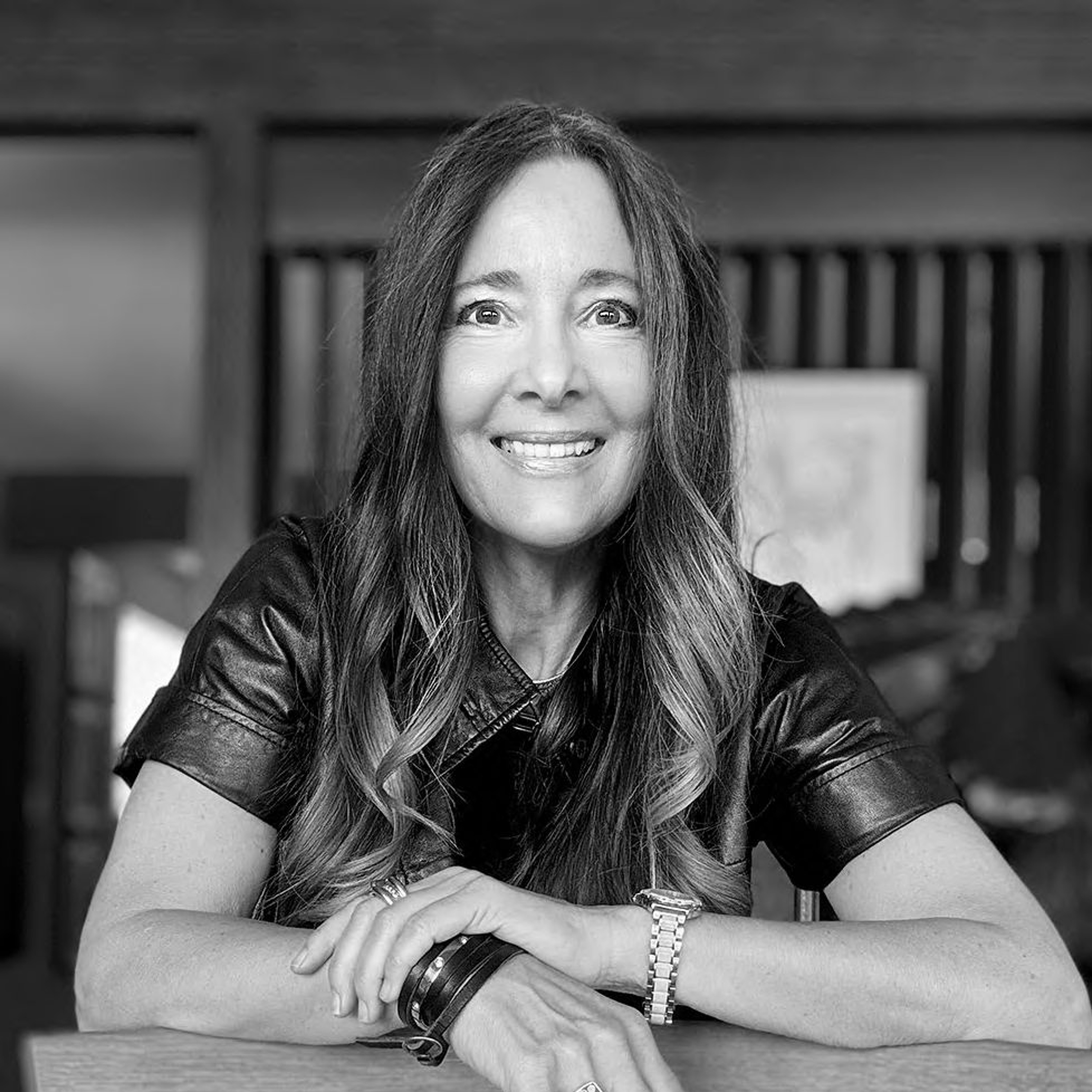
S11 Episode 78: Dena Blevins - The Design Of Making Things That Matter
Jun 2400:38:49Tap to summarizeAfter helping lead creative and innovation efforts for global brands including Starbucks and Hydro Flask, Dena Blevins found herself asking a different question: What happens when you stop building for some of the world's most recognized brands and start building something that feels deeply personal? In this episode of Design Of, Dena shares her journey from corporate leadership to entrepreneurship and the launch of Frank, a company inspired by the messy, funny, difficult, and beautiful realities of everyday life. At Frank, the mission is simple: create products inspired by what life throws at us and what's happening in the world around us. Sometimes that means diving into difficult topics. Sometimes it means finding humor in uncomfortable moments. And sometimes it means offering a proud middle finger and an undeniably frank point of view. Through a growing collection of bandanas, scarves, cocktail napkins, and thoughtful products, Frank gives people a way to wear, share, celebrate, mourn, laugh, support, and express what they're feeling. Or not. The choice is theirs. What makes this conversation compelling isn't the products. It's the story behind them. "I love that I can put something out there that hopefully resonates with others as well." — Dena Blevins After years helping shape stories for global brands, Dena found herself building a company rooted in that belief. We explore how leadership evolves over time, how personal experiences often become the foundation for meaningful businesses, and why some of the most impactful ideas begin not with a market opportunity but with a human one. Along the way, we talk about entrepreneurship, reinvention, grief, humor, purpose, storytelling, and what it means to create work that reflects who you are, not just what you do. And perhaps the biggest takeaway is this: The most meaningful businesses don't just create products. They create connection. In This Episode, We Explore • Dena's journey from global creative leadership at Starbucks and Hydro Flask to entrepreneurship • The story behind Frank and why she started it • Building a business rooted in honesty, humor, and humanity • How personal experiences can become meaningful products and opportunities • Why storytelling remains one of the most powerful business tools • The relationship between purpose, creativity, and entrepreneurship • What it means to redefine success in a new chapter of life Key Takeaways • Experience often reveals what matters most • Great businesses begin with real human needs • Stories create connection when they are relatable, honest, and human • Humor can help people navigate difficult conversations • Purpose and business can strengthen one another • New chapters require courage, curiosity, and conviction About Dena Dena Blevins is an entrepreneur, storyteller, and former global creative leader whose career includes leadership roles with Starbucks and Hydro Flask. She is the founder of Frank, a brand that creates bold, honest products inspired by real life and the world around us. Through bandanas, scarves, cocktail napkins, and storytelling, Frank helps people express themselves with humor, humanity, and an unapologetically frank point of view.
Transcribe →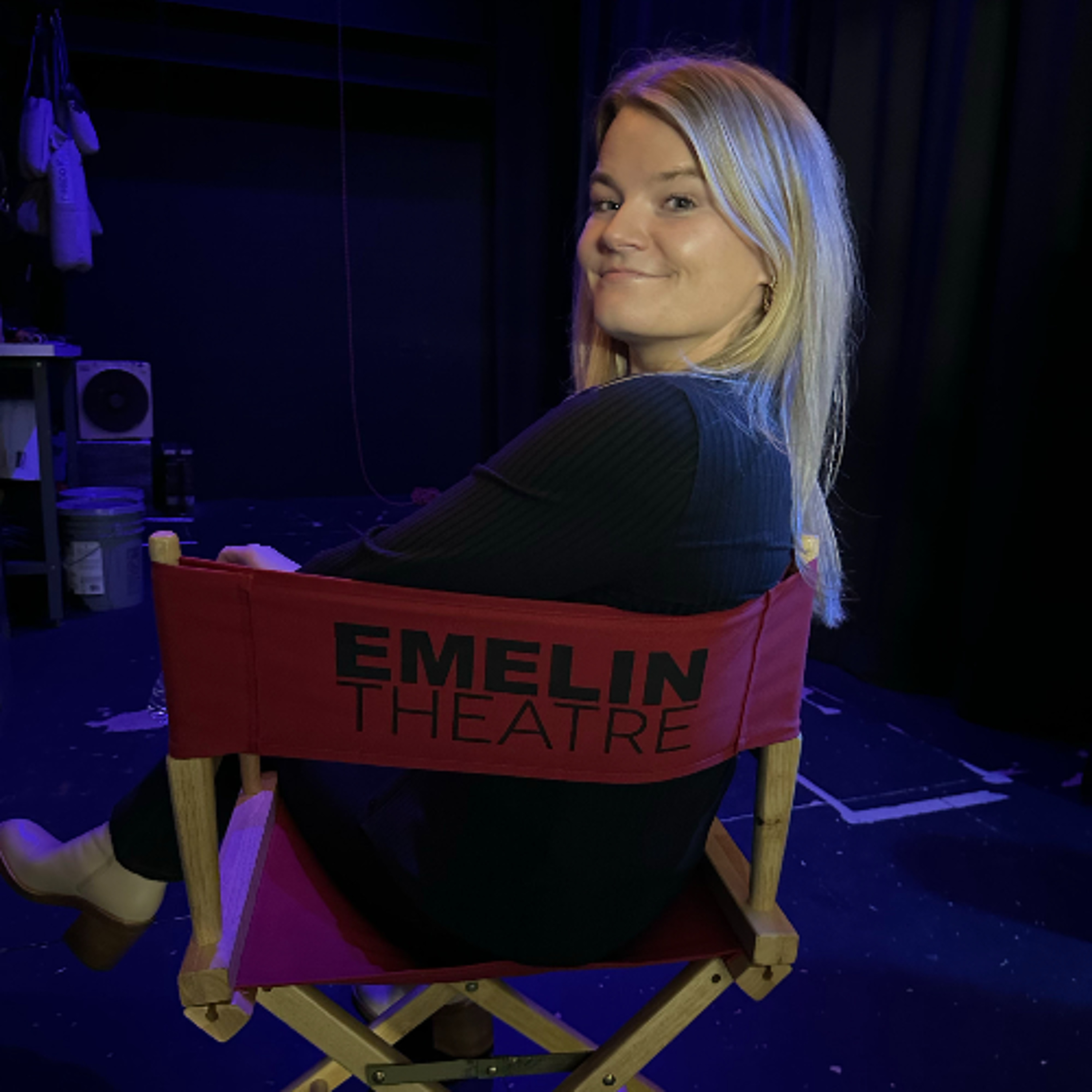
S11 Episode 77: Nancy O'Connor - The Design Of Figuring It Out on Stage
May 1600:47:03Tap to summarizeNancy O’Connor is building a comedy career the old-fashioned way. By bombing, writing, trying again, living with her 91-year-old great aunt, and realizing almost everything in life can become material if you are paying attention. In this episode of Design Of, Nancy talks about growing up in a big Irish Catholic family where getting heard at the dinner table was basically a competitive sport. She shares how her dad’s full-body laugh shaped her sense of humor, why open mics are both terrifying and useful, and how living with her great aunt has become part roommate story, part sitcom, part writing lab. It’s funny, but there’s something real underneath it. Nancy is not pretending the path is clear. She is working it out in real time. Corporate jobs, comedy classes, silent open mics, family stories, dating in New York, and a 90+ year-old roommate who may or may not be the best unpaid writing partner in Brooklyn. And if nothing else, here’s your takeaway: + Pay attention to your life. That’s the material. + Even the weird parts. Especially the weird parts. + Because if Nancy can turn living with a 91-year-old roommate and arguing at the dinner table into a comedy career… you’re probably sitting on something too. + You just have to be willing to write it down. In This Episode, We Explore + What it takes to build a stand-up career one open mic at a time + How growing up in a big family teaches you timing, volume, and survival + Why bombing is awful, helpful, and somehow part of the job + How Nancy’s dad became both comedy influence and recurring material + Why the best stories usually come from real life, not perfect conditions + How to keep going when the room is silent and karaoke is apparently next Key Takeaways + A loud dinner table can be better training than a classroom + Sometimes the safest career path is the one that feels least alive + Your family may be your first audience and your most dangerous source material + Good comedy starts with paying attention + Bombing does not mean stop. It means rewrite About Nancy: Nancy O’Connor is a New York City-based stand-up comedian who is building her career through writing, performing, producing shows, and finding material in the everyday moments most people miss. Her comedy draws from family, dating, Catholic guilt, corporate life, and the strange gift of living with her 91-year-old great aunt. She has also been featured in Artists of New York in an episode titled “Comedy Over Corporate.”
Transcribe →
S11 Episode 76: Rhyon Nicole Brown - The Design Of Who Gets to Tell the Story
Apr 3000:42:55Tap to summarizeWhat happens when a triple threat talent decides it’s not enough to perform in the system, and starts building a new one? In this episode of Design Of, I sit down with Rhyon, an actor, singer, and entrepreneur who is stepping into a new role. Not just as a performer, but as a creator and builder through her company, Rhume. Rhyon has spent years in the entertainment industry, building a career across film, television, and music. She knows what it takes to show up, deliver, and succeed in spaces that are competitive and often limiting. But success inside the system raised a bigger question for her. What if the system itself needs to change? Through Rhume, Rhyon is working to rethink how media is created and shared. Not just more content, but better ownership. More intentional storytelling. More opportunity for voices that don’t always get a seat at the table. This conversation is about that shift. From being cast to creating. From performing to producing. From participating to building. It’s about what it takes to carry multiple identities. The pressure of being known for one thing while feeling called to something more. And the discipline required to actually build it. Because building your own platform sounds exciting. Until you realize you’re responsible for everything. Why You Should Listen + If you’ve ever felt like you’ve outgrown the role you’re in, this episode will hit. + If you’re navigating multiple paths and trying to make them make sense, this will feel familiar. + And if you care about where media is going, and who gets to shape it, this conversation matters. Rhyon isn’t waiting for permission anymore. She’s building something new with Rhume. In This Episode, We Explore + What it really means to be a triple threat in today’s world + The shift from performer to entrepreneur and builder + Why Rhume exists and what it aims to change in media + The limitations of traditional entertainment systems + How to move from being selected to self-directed + The tension of evolving your identity in public + What it takes to build something from the ground up + The responsibility that comes with owning your voice Key Takeaways + Talent gets you in the room. Ownership changes the room + You can succeed in a system and still decide to outgrow it + Building something new requires clarity, not just ambition + Multi-dimensional careers are harder, but more honest + Media is shifting toward creators who own their platforms + The future belongs to those willing to rethink the structure, not just the output Whether you’re building something new, refining what already exists, or simply paying closer attention to where you are… this conversation is for you. Take a few minutes and sit with it. About Rhyon: Rhyon is an actor, singer, and entrepreneur whose work spans film, television, and music. Starting her career at a young age, she built a strong foundation in performance before expanding into business and media. She is the founder of Rhume, a company focused on rethinking how stories are created, shared, and owned.
Transcribe →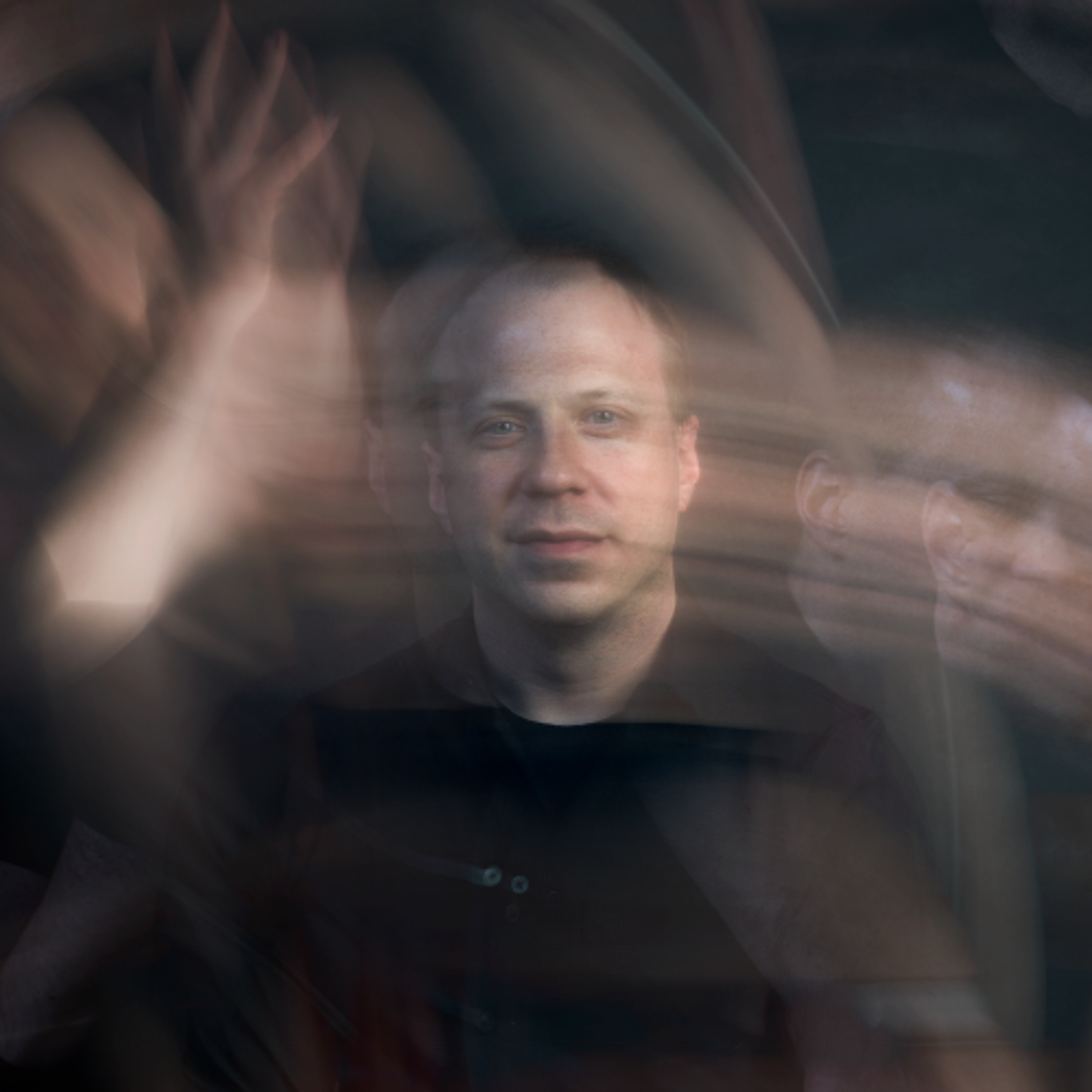
S11 Episode 75: John Pobojewski- The Design Of Across Disciplines
Apr 900:44:09Tap to summarizeWhat happens when a creative leader realizes that style alone isn’t enough, and decides to build something rooted in idea, intention, and longevity instead? In this episode of Design Of, I sit down with John Pobojewski to explore the tension between style and substance, and what it really takes to create work that lasts. This is a conversation about design, yes—but more importantly, it’s about leadership, conviction, and the responsibility that comes with shaping brands in a world that moves fast but forgets even faster. John has spent his career helping organizations think more clearly about who they are and why they exist. Along the way, he’s seen what happens when brands chase trends, confuse motion with progress, or mistake aesthetic for meaning. His perspective is simple, but not easy: without a real idea, design becomes decoration, and decoration doesn’t endure. This episode is not about making things look better. It’s about making them matter. Key Takeaways “If there’s no idea behind it, it’s just style. And style doesn’t last.” Strong brands are built on clear ideas, not visual trends Design without meaning creates noise, not impact The best creative work simplifies, not complicates Longevity comes from conviction, not reaction Clients don’t need more options, they need clearer direction John’s perspective is a reminder that great design is not about decoration. It’s about decision-making. It’s about knowing what matters, and having the discipline to build around it. If you care about building a brand that lasts, not just one that looks good today, this conversation will stay with you. Listen now and rethink what your brand is really built on.
Transcribe →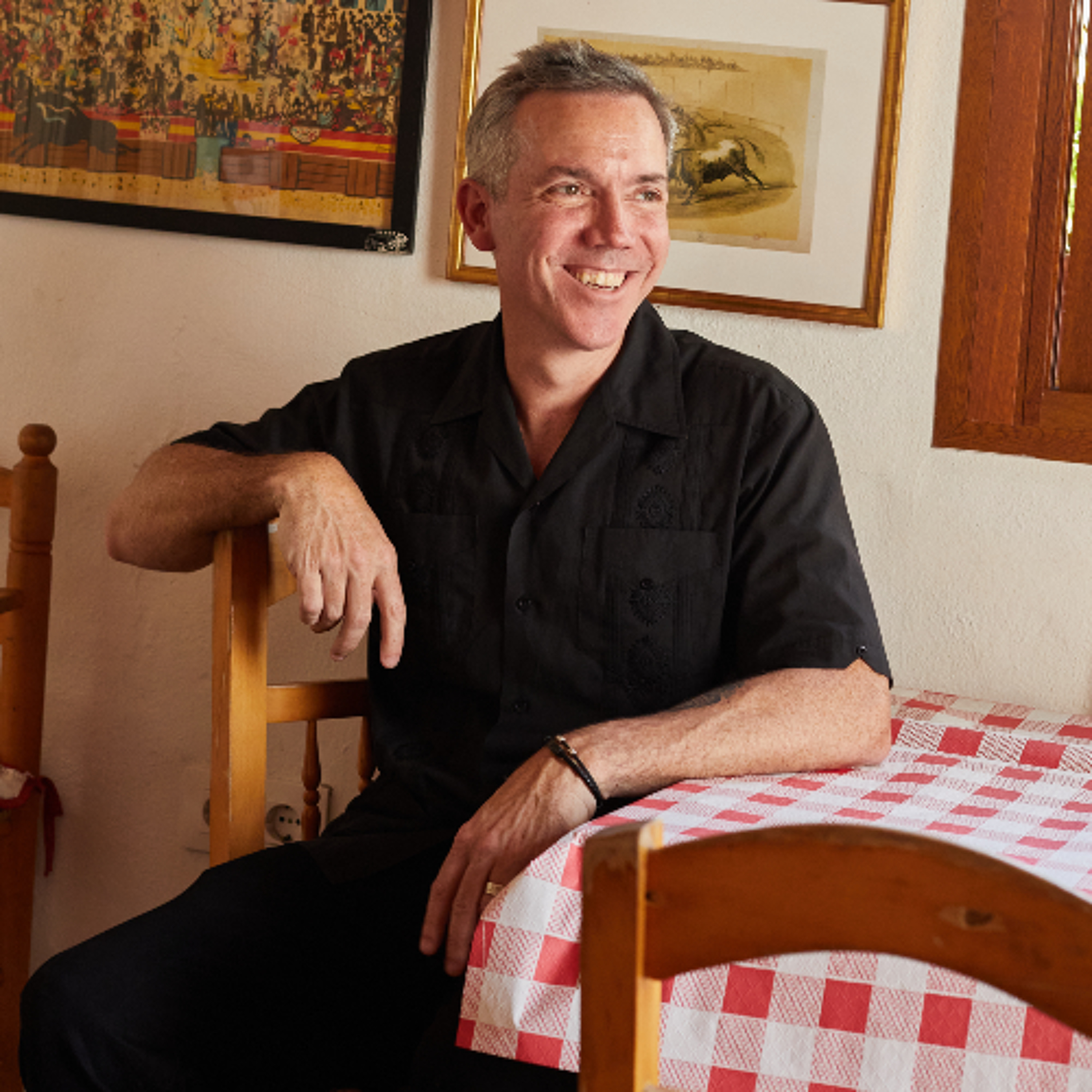
S11 Episode 74: Nathan Thornburgh - The Design Of Roads & Kingdoms
Feb 2500:54:41Tap to summarizeWhat happens when a foreign correspondent watches legacy media shrink, and decides to build something more human instead? In this Season 11 opener of Design Of, Justin Ahrens sits down with Nathan Thornburgh, former Time Magazine foreign correspondent and co-founder of Roads & Kingdoms, to explore journalism, leadership, American identity, and the future of immersive storytelling. Nathan spent nearly a decade reporting from Moscow and across Europe during a period of global change. As foreign bureaus closed and media shifted toward digital scale, he saw the rise of compassion fatigue — the growing distance between audiences and the people in the story. Roads & Kingdoms became his response. Built at the intersection of food, geopolitics, and culture, the company became a creative partner to Anthony Bourdain and a home for long-form journalism rooted in shared humanity. Today, it has evolved into a print magazine, curated travel experiences, and a membership community built around real-world connection. This episode explores: • The myth of journalistic neutrality • Why humility matters in global reporting • How food unlocks difficult cultural conversations • Leadership after loss • Designing a brand around depth instead of scale • Why community and in-person experiences are a strategic advantage For founders, marketers, and cultural leaders, this conversation is a powerful case study in values-driven brand building. If you care about storytelling, media, travel, culture, or building something that lasts in an automated world — this episode is for you. Listen now and discover what it means to design human-sized stories.
Transcribe →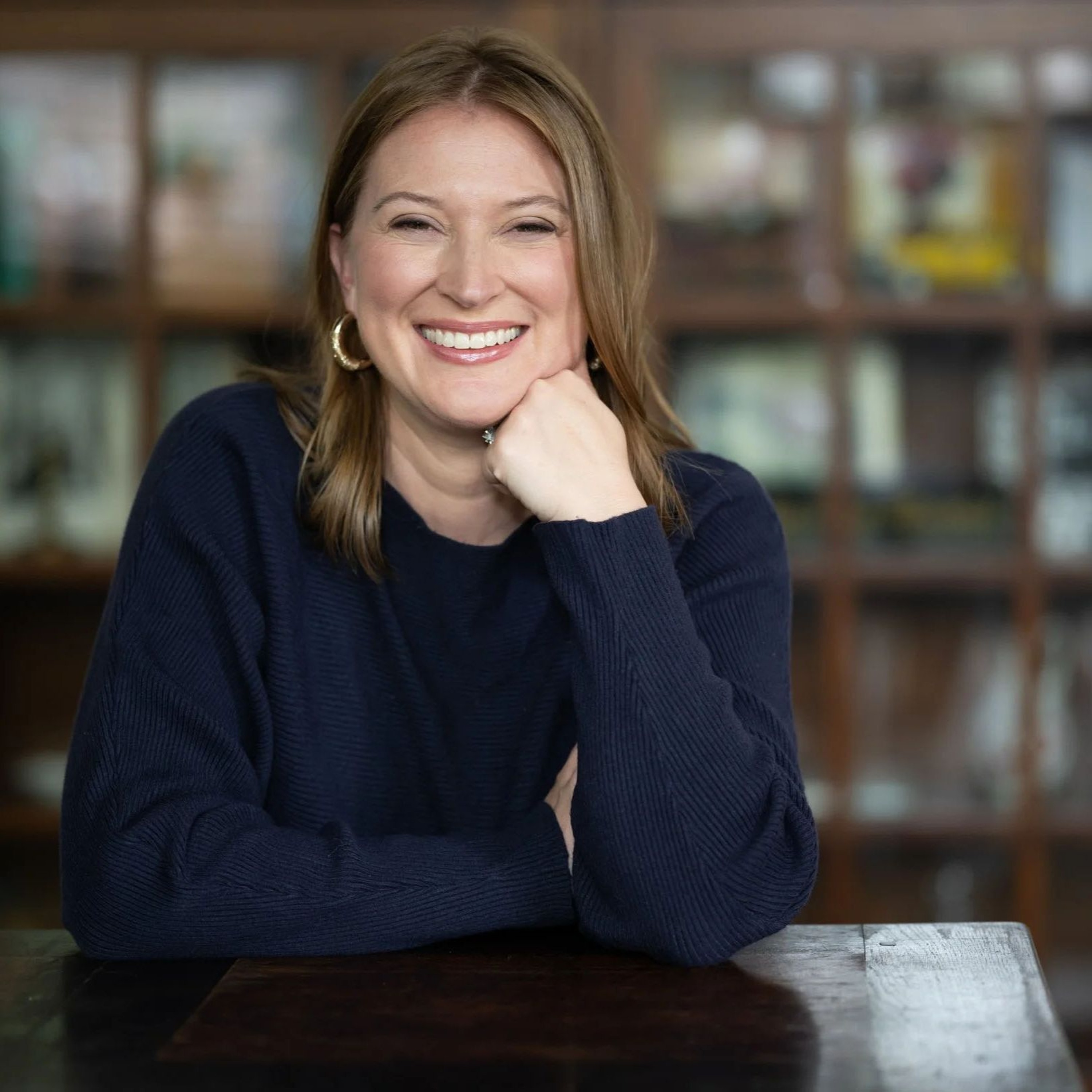
S10 Episode 73: Sarah Kissko Hersh - The Design Of Getting Unstuck
Dec 1800:49:00Tap to summarizeWhat if great communication isn’t about saying more, but saying what actually matters? Sarah Kissko Hersh has spent more than two decades inside agencies, brands, and leadership rooms where words carry weight. She grew up in Indiana, built her career in Chicago and New York, and learned early that clarity, not polish, is what moves people forward. Along the way, she worked across architecture, design, travel, luxury, and global firms, often stepping into messy moments where teams felt stuck and leaders felt unsure of what to say next. What started as a traditional PR career slowly evolved into something deeper. Sarah saw how often people were promoted into leadership without being taught how to manage. How communication broke down not because of bad intentions, but because of fear, burnout, and lack of direction. And how simple, honest language could reset entire teams. Today, Sarah is the founder of Type A, a communications and leadership consultancy based outside New York City. Her work focuses on helping people get unstuck, communicate directly without losing kindness, and lead with clarity in moments that matter. In this conversation, Sarah and Justin talk about what PR really is and what it is not. Why simple stories still win. How bad managers can teach you just as much as good ones. Why constraints often unlock better ideas. And how platforms like LinkedIn are less about self-promotion and more about learning to name what you already know. For leaders, creatives, and communicators, this episode is about making work feel lighter without making it shallow. About learning while you laugh. And about remembering that the most effective communication is deeply human. What You’ll Learn + Clarity beats complexity. Simple, honest language builds trust faster than polished noise. + PR is about truth, not spin. Good communication starts with what’s real. + Leadership is learned. Managing people requires skills most of us were never taught. + Fear keeps teams stuck. Naming it is often the first step forward. + Constraints spark creativity. Less can actually lead to better ideas. Why It Matters Sarah’s perspective reminds us that communication is not a soft skill. It is leadership in action. Whether you manage a team, tell stories for a living, or simply want to be understood at work, this episode shows how clarity, humor, and care can change the way people listen and respond. Listen Now If this conversation made you laugh, think, or see your work a little differently, share it with someone who leads, writes, or communicates for a living. Follow Design Of wherever you listen, and keep building work that helps people understand what truly matters.
Transcribe →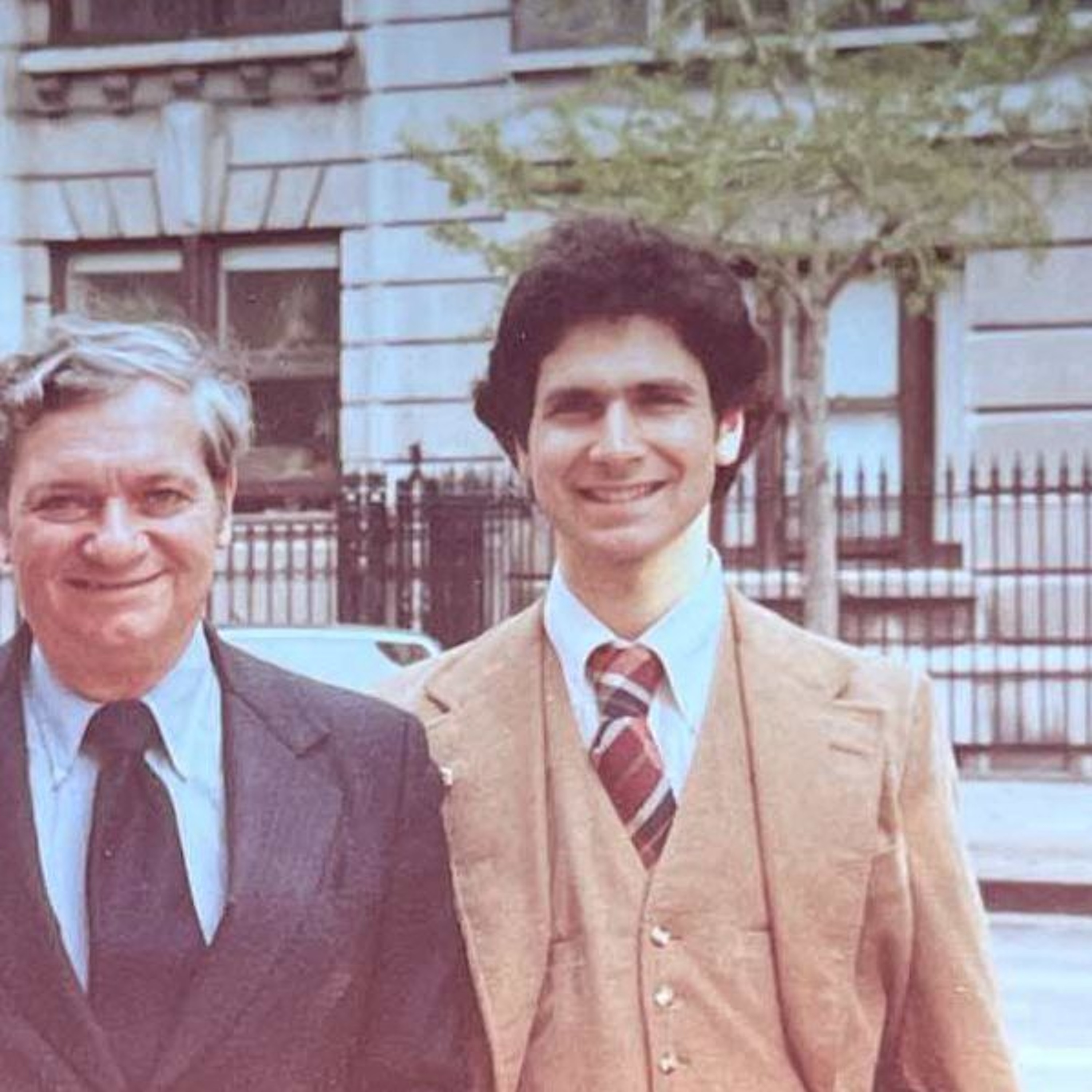
S10 Episode 72: Gordon Kaye - The Design Of Legacy and Clarity
Nov 3000:44:08Tap to summarizeWhat if the most powerful kind of creativity isn’t about making things beautiful, but making them clear? Gordon Kaye never planned to work in design. He studied law, built a career in New York, and handled media and trademark cases before joining NBC as counsel, reviewing everything from late-night jokes to broadcast standards. But when his father’s health declined, he stepped away from law to take over the family publication, Graphic Design USA (GDUSA), a magazine his father had launched in the 1960s to celebrate the people behind design, not just the work itself. What began as a rescue mission became a lifelong calling. Gordon brought his legal mind and curiosity for communication to a creative field that thrives on clarity. Over the decades, he’s evolved GDUSA into more than a design magazine, it’s a respected voice for how ideas move through business, marketing, and culture. In our conversation, Gordon and Justin talk about what design can teach every leader: how to communicate simply, lead with empathy, and build trust through the way we share information. They discuss how his outsider’s view helped him see design not as decoration, but as direction. And how clarity, when done well, can turn creative thinking into real influence. For business and marketing leaders, this episode is about more than design. It’s about the responsibility of communication. About how we help people see what matters. And how legacy, when guided by purpose, can evolve without losing its truth. What You’ll Learn + Clarity earns influence. The best ideas don’t need to shout—they need to be understood. + Every message is designed. The way you shape words, visuals, or decisions defines how people respond. + Legacy means evolution. True leadership honors the past while adapting to what’s next. + Trust is the real deliverable. In every field, communication rooted in honesty connects. + Purpose over polish. Simplicity, empathy, and meaning will always outperform noise. Why It Matters Gordon’s journey, from NBC’s legal floors to the heart of the design community, proves that communication is leadership. You don’t have to be a designer to think like one. You just have to care about how people understand you. Listen Now If this episode helps you think differently about how you lead, share it with someone who shapes communication where you work. Follow Design Of wherever you listen, and keep building teams, messages, and brands that people can trust.
Transcribe →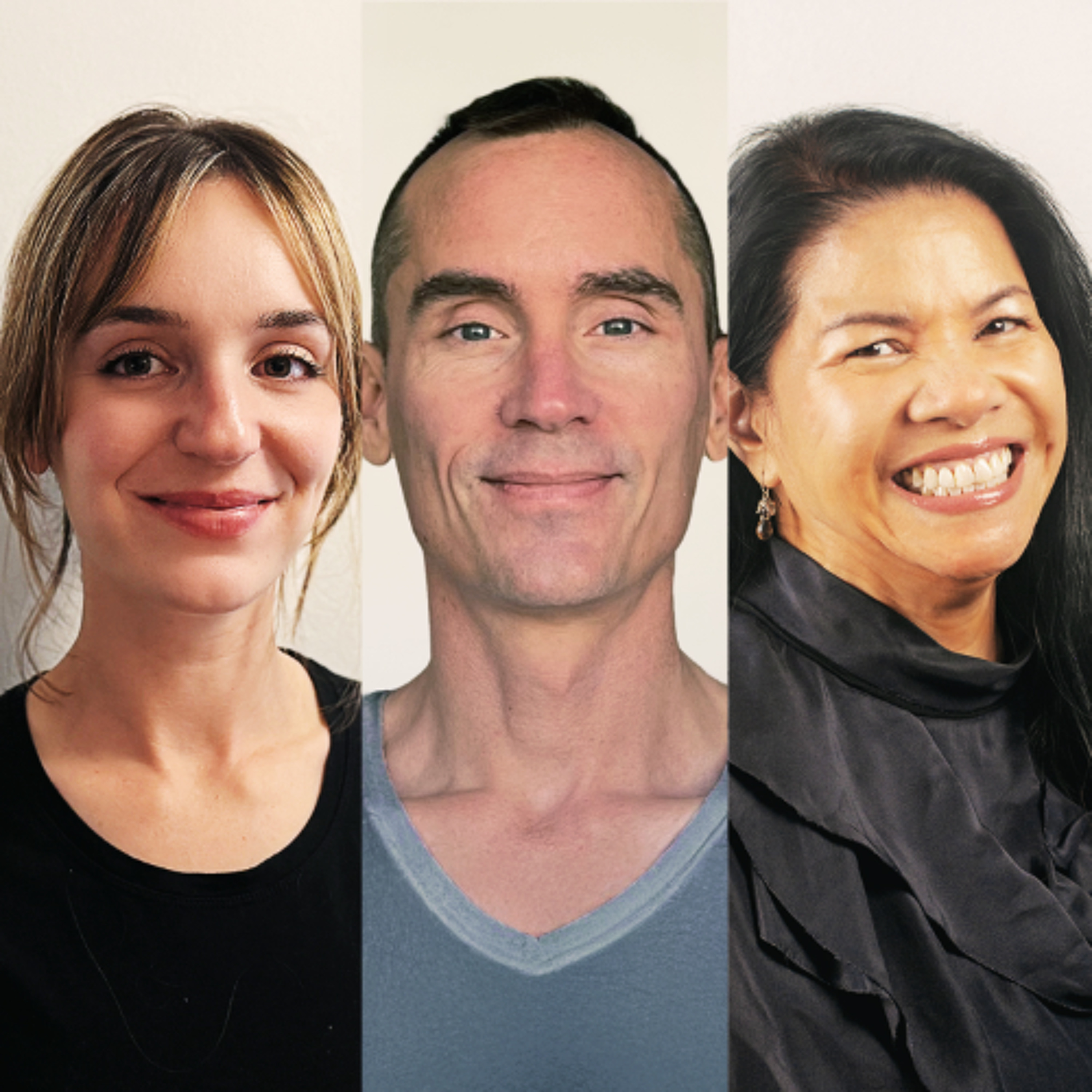
S10 Episode 71: TBD - The Design of People-First Events
Nov 1900:47:00Tap to summarizeWhat happens when you stop chasing views and start designing for belonging? When the world went online, most virtual events started to feel the same, flat, distant, and forgettable. But not for Rachel Elnar, Heather Lynn, and David Carr-Berry. Together, they built some of Adobe’s most loved digital experiences: Creative Jams and The Perfect Match, a 1970s-style design game show complete with music, lights, wigs, and real connection. These weren’t webinars. They were living, breathing events that made thousands of creatives feel seen. Each brought something vital: Rachel’s heart for community, David’s director’s eye for rhythm and flow, and Heather’s producer’s instinct for care and calm. Their shared secret? Treat every audience like a room full of humans. When layoffs hit, they took that shared language and built something new: Together By Design—a creative studio helping others build programs with purpose, host events with empathy, and grow communities that last. This is a conversation about saying yes to collaboration, honoring craft, and leading with care in a digital world that often forgets what connection really means. In This Episode + What makes a live event feel alive, and how to design for it + The small touches that make an audience feel seen + Why systems and empathy are equally important behind the scenes + The difference between an audience and a community (and why it matters) + A behind-the-scenes story of a live show gone wrong, and what it taught them + Why joy and structure are the true foundation of creative work Guests Rachel Elnar is a creative producer, designer, and founder of Together By Design. She previously led Adobe’s Creative Jam program, helping thousands of designers connect and grow. Heather Lynn is a digital events producer and educator who helps speakers and teams show up with confidence, presence, and calm. David Carr-Berry is a director who sees live production as choreography for people, story, and emotion, and loves when the unexpected brings beauty. Key Takeaways + Design events for belonging, not performance + The most powerful tool in live work is empathy + Systems create space for spontaneity and joy + Building community requires care before, during, and after the show + When you respect your audience, they’ll keep showing up The Heart of It At its heart, this episode is about something bigger than events. It’s about presence. About noticing the people on the other side of the screen. Because when we create with care, whether it’s a meeting, a mural, or a moment—we remind the world what it feels like to be together.
Transcribe →
S10 Episode 70: Brian Singer - The Design Of Beauty and Provocation
Nov 700:43:30Tap to summarizeWhat if the most honest way to change minds isn’t a new campaign, but a new way to see familiar things? Brian Singer, known as “Someguy,” makes work that lures us with beauty and play, then nudges us to sit with what’s uncomfortable. Brian’s projects cross gallery walls and public space. The 1000 Journals Project sent blank books into the world for strangers to fill. TWIT Spotting put photos of distracted drivers on billboards to make a daily danger impossible to ignore. His recent pieces deconstruct books, flags, and everyday objects to examine censorship, identity, and what we choose to remember. In this conversation, we talk about how design craft and social commentary can live together. We also talk about heritage, silence, and what it means to make work that is both kind and clear. For the Rule29 community, this is a practical lens for client work and culture. Brian shows how to use material, language, and context to create meaning. He shows why public engagement matters. And he reminds us that strong ideas don’t need to shout. They need to connect. Brian Singer is a San Francisco artist and designer. His work has been exhibited at SFMOMA, the Skirball Cultural Center, and the Torrance Art Museum. The 1000 Journals Project became a book and a feature documentary. He has led design for brands like Apple, Adidas, and Chronicle Books, and served as AIGA SF president. What you’ll learn: + Make the familiar new. Reframe common symbols. Use deconstruction and reconstruction to reveal hidden meaning. + Design for public impact. Borrow trusted forms. Invite participation. Meet people where they are. + Beauty is a strategy. A clean, striking form opens the door. The message keeps people in the room. + Hold tension with care. Pair empathy with truth. It is possible to be humane and direct. + Build time into ideas. Let projects evolve. Some work needs years, not weeks. + Lead with context. Materials matter. Where a piece lives changes what it says. If you want work that moves people, don’t add more noise. Create encounters. Give your audience a role. Use your craft to lower defenses, then be honest about the issue. This approach works in public art, brand systems, and campaigns. It also builds trust. If this episode gives you one nudge, let it be this: pick one symbol you use every day and ask what it really says. Then design a way for someone to see it fresh. That’s how change starts. Thanks for listening to Design Of. If this conversation helped you think differently, share it with one person who leads creative work. Leave a rating where you listen. And keep making work that tells the truth with care. Links and references for episode: https://someguy.is/
Transcribe →
S10 Episode 69: Alyssa Low - The Design Of Bold Joy
Oct 500:33:53Tap to summarizeWhat happens when you say yes to what brings you joy, even if it starts on the side? For Chicago-based artist and designer Alyssa Low, it began with a quiet sketch. A visual diary during the early days of the pandemic. “I was just trying to express what I was feeling, when words didn’t quite work,” she says. That simple practice of showing up for herself turned into something bigger. One mural became two. Then came the collaborations: Wayfair. The Chicago Bulls. Soho House. Public art that now lives across city walls, basketball courts, patios, and even 10,000 hats handed out at a Bulls game. Alyssa is a multidisciplinary artist and muralist whose work is rooted in bold color, community connection, and movement. But she still holds a full-time design job. And she still approaches every project with the same focus and curiosity that shaped her as a kid, watching her mom run a design studio out of their home, playing competitive soccer, and practicing Tae Kwon Do forms that taught her how to focus, adapt, and flow. I n her words: “If it brings me joy, I keep going. That’s when the best work shows up.” I n this episode, Alyssa shares: + How to build something meaningful, while still working full-time + The moment murals “clicked” and what made her say yes before she felt ready + What it felt like to see thousands of people wearing her design at a Bulls game vHow sports and martial arts helped her find her rhythm as an artist and entrepreneur vWhy staying connected to identity, culture, and community gives her work purpose Whether you’re a creative, a leader, a builder, or simply someone figuring out what’s next—this story is a reminder to pay attention to what lights you up. Because sometimes, the most important step is simply starting. 🎧 Listen to The Design Of Bold Joy wherever you get your podcasts. #DesignOfPodcast #AlyssaLow #CreativeJourney #SideHustle #PublicArt #Murals #ChicagoCreatives #Identity #Leadership #JoyAtWork #BoldJoy
Transcribe →