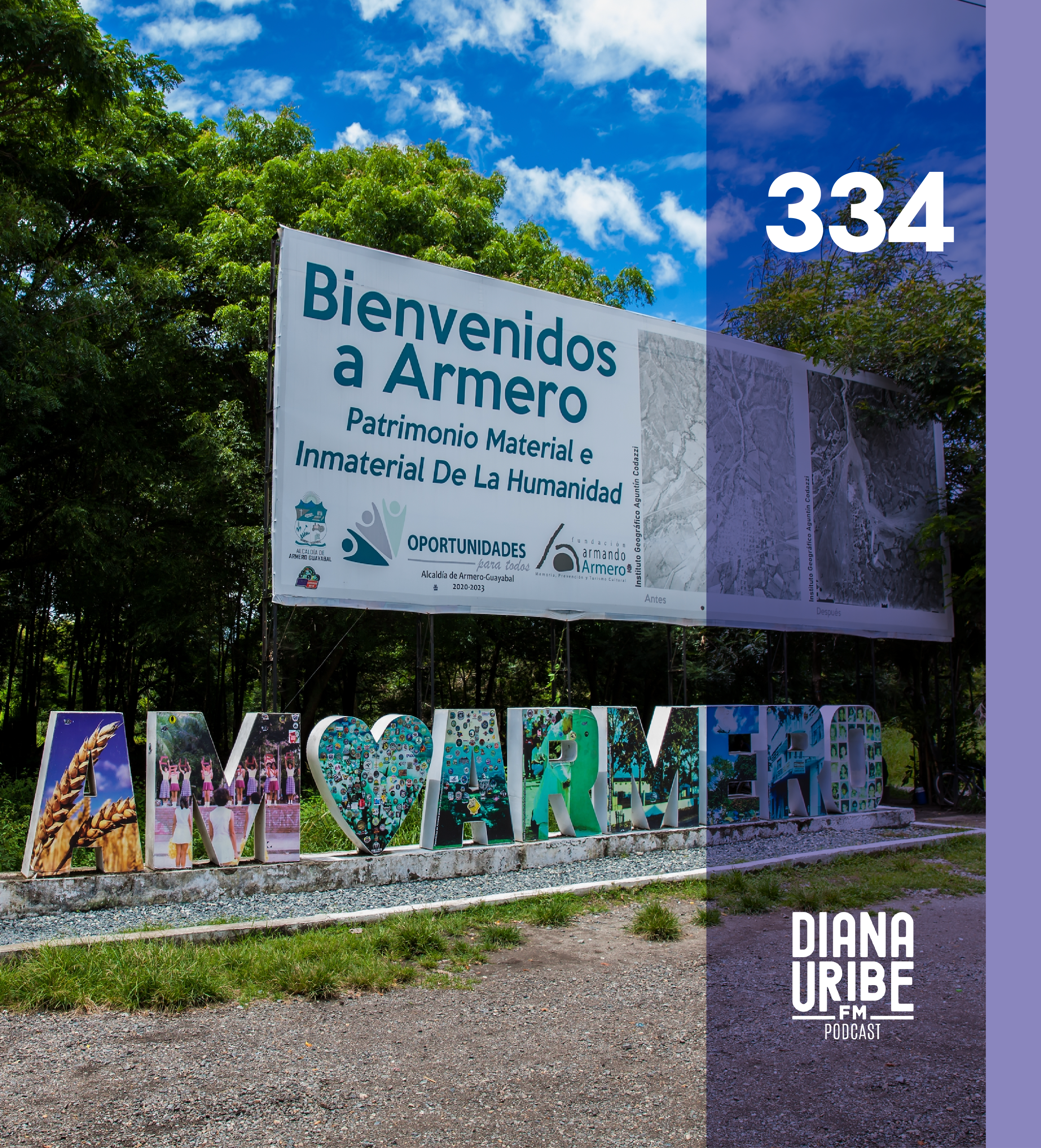
Loading summary
Transcript35 lines
- [00:00]
A
High interest. Debt is one of the toughest opponents. You'll face unless you power up with a SoFi Personal Loan. A SoFi Personal Loan could repackage your bad debt into one low fixed rate monthly payment. It's even got super speed since you could get the funds as soon as the same day you sign visit sofi Dot Com Power to learn more. That's sofi Dot Com Power Loans originated by sofi Bank and a member FDIC Terms and CONDITIONS Apply and MLS six, nine, six, eight, nine, one with Venmo.
- [00:32]
B
Stash A taco in one hand and ordering a ride in the other means you're stacking cash back nice. Get up to five percent cash back with Venmo Stash on your favorite brands when you pay with your Venmo debit card from takeout to rideshares entertainment and more. Pick a bundle with your go to's and start earning cash back at those brands. Earn more cash when you do more with stash Venmo Stash. Terms and exclusions Apply max dollar, one hundred cashback per month. See terms at Venmo Dot me stash terms.
- [01:05]
C
Buenas. Hoy vamos a hablar de uno de los capítulos más difíciles, más dolorosos, más terribles de la memoria colectiva de la historia en Colombia. Vamos a hablar de la erupción del Volcán Nevado de Ruiz, 13 de noviembre de 1985. Esto es uno de los momentos más sobrecogedores de nuestra historia y lo hacemos desde el mayor respeto a todas las personas que murieron en esta tragedia, que fueron devorados por esta avalancha que de tal manera nos marcó a nosotros como pueblo, como historia, como generación. Había ocurrido el 6 de noviembre la toma y retoma del Palacio de Justicia, que es otra de las grandes heridas que aún cargamos en el alma, de las cuales todavía no hemos logrado sanar. Entonces, estos dos acontecimientos ocurridos con 15 días de diferencia en noviembre de 1985, cuarenta años después, todavía duelen de una manera que aún no hemos hecho las sanaciones colectivas como sociedad, como pueblo, como memoria, para poder de alguna manera digerir, conjurar, realizar el duelo de estos dos eventos que nos marcaron de una manera tan terrible, casi apocalíptica en el año de 1985. También alrededor de Armero conocimos una increíble solidaridad, conocimos un país volcándose hacia su propia solidaridad, apoyo y ayuda, porque el tamaño de la tragedia nos sobrepasó o sea, no éramos capaces de entender ni siquiera lo que estaba pasando, porque no nos cabía en la cabeza que algo de esas proporciones fuera a salir. Entonces, esto como un hecho geológico, como un hecho geográfico, pero también como una desconexión de la gravedad, de la amenaza que en ese momento se cernía, que era predecible, que lo habían dicho los vulcanólogos, que era algo que se estaba, digamos, que se estaba cocinando en la naturaleza y que se sabía que iba a pasar. Ya había habido tres erupciones en diferentes momentos, en 1595, en 1845 todos eran terminados en 5 y está finalmente en 1985. Los vulcanólogos lo habían advertido, los geólogos lo habían advertido y en un documental muy bonito que se llama Fuego y amor, Fire Love, de la historia de los vulcanólogos, que son Katia y Mauricio Kraft, que dedicaron toda su vida como pareja y como seres humanos a estudiar los volcanes. Cuando Katia vino en la tragedia de Armero, ella dice en el documental, después de mostrar increíbles secuencias de los volcanes a lo largo del planeta, todo lo ancho y largo del planeta y sus comportamientos, decía que los volcanes en el siglo XIX mataban a la gente, porque la gente no sabía cómo operaban los volcanes ni cómo era que funcionaban. En la época de Pompeya, el volcán el Vesubio arrasó con todo el mundo, porque ni siquiera existía la palabra volcán en su idioma. Nadie sabía lo que estaban viendo y se quedaron paralizados por el estupor y el vértigo de la lava. Pero para esta época ya sabíamos, ya los vulcanólogos nos habían contado, se sabía sobre los volcanes. Entonces no se trata de un momento en que la historia no conocía este fenómeno, sí lo conocíamos y según las palabras de Katia Kraft, fue un momento en que las autoridades del gobierno no le creyeron a los científicos y no sopesaron la amenaza, la gravedad de lo que iba a pasar. Incluso la idea de evacuar a 25 mil personas les parecía costosa e inasible. Entonces no se tomó en serio las advertencias que reiteradamente se estaban haciendo al respecto. De manera que cuando esto sucede, no se va a hacer, digamos, no se toman las medidas que se hubieran podido tomar para evitar que esto tuviera las características de catástrofe que tuvo y que nos pasara por encima a todos nosotros como país.
- [06:38]
D
En esa avalancha ya el trapiche no muele y la rueca no hila Y yo vivo llorando porque no viene.
- [06:54]
C
Ya.
- [06:55]
D
El trapiche no muele y la rueca no hila.
- [07:05]
C
Entonces vamos a recordar un poco cómo es la región, vamos a recordar un poco de dónde estamos hablando, porque además los panches, los pueblos originarios de esta región, llamaban al volcán Nevado del Riz Kumand, Blanco, Hermoso, Otama, Padre Mayor o Grande. También lo llamaban Tabucha, candela o fuego. Era un lugar de profunda significación cultural, ecológica y geológica. Lo llamaban el dador de vida, el macizo donde nacen los ríos Gualí, Lagunilla y Recio y Chinchiná, cuyas aguas provenientes del glaciar y los páramos son el abastecimiento de la agricultura de la zona. Esto es un complejo geológico delicadísimo, de una geografía increíble y de una geología increíble, que los padres panches conocían muy bien y que sabían que ahí no se podían edificar asentamientos, porque eso era como el terreno sagrado del Kumanday. Eso lo sabían ellos y nunca hicieron nada ahí. Están en los alrededores, pero no hicieron nada ahí. Ya después, cuando vienen las fundaciones de las ciudades, las palabras de nuestros padres panches no van a ser tenidas en cuenta cuando se hacen los asentamientos, ni la delicadeza de la sauna. Ahí va a quedar el Parque Natural de los Nevados, que es un extensísimo santuario de fauna y flora de alta montaña, una cosa de una belleza y de una diversidad, ahí va a quedar. En los ecosistemas del volcán nevado, del páramo, del super páramo, del bosque andino, coexisten especies únicas adaptadas a la gran altura de los Andes, que son cruciales en la biodiversidad del país. Los pueblos indígenas siempre han tenido una relación con el Nevado de veneración y de respeto. Y nos mostró en esta ocasión por qué hay que respetarlo tanto, por toda su característica de dador de vida y de la forma como. Como los protege y a la vez exige tanto, tantísimo respeto. Entonces los pueblos panche nunca hubieran construido nada ahí, pero ahí se empezaron a construir ciudades después la más antigua, Guayabal, una gran cantidad de ciudades quedan alrededor del Kumanday. Y cuando nosotros hablamos del Kumanday, también es importante recordar un trabajo de una mujer colombiana, poetisa, escritora, que se llama María Matija y que escribe un libro que se llama Niña Pájaro Glaciar, que nos da una visión ecológica, poética, sagrada, desde la ternura, desde la belleza, desde la infancia, desde el amor, de la montaña sagrada del Kumanday y que es importante leer en medio de la dureza de este relato para podernos relacionar desde lo sagrado con el Kumanday, con el volcán nevado del Ruiz y entender su antigüedad y entender su majestuosidad y saber por qué es importante entender la naturaleza. Entonces resulta que nosotros no teníamos esa claridad. Es muy importante también que a los niños se les enseñe en el colegio la geografía y la geología y la visión sagrada para que sepan donde estamos parados todos. Es importante que nosotros tengamos este conocimiento acerca de nuestro habitar en la gran cordillera de los Andes y en todo lo que eso nos trae de grandeza, de peligro y de respeto. Eso es algo que debemos saber en todas las generaciones, porque toda esta confusión de factores hizo que nadie tuviera en cuenta el poder de lo que habría de suceder ahí y que no tuviesen las previsiones necesarias para evitar que estuviera sido una tragedia del tamaño de lo que fue entonces la población de Armero, que es la que va a quedar borrada por los sucesos de la noche del 13 de noviembre. La población de Armero fue una población muy próspera, floreciente, es una población que tenía, desde el punto de vista de los asentamientos de ciudades, pues ese suelo es absolutamente fértil porque es un suelo volcánico, está en un punto estratégico. La fundan en el siglo XIX, se conoce como San Lorenzo y empiezan a ocuparse de ser la semilla de una gran población. Ahí hay un grupo de poblaciones y esta zona comunica con todas las demás. Entonces desde el punto de vista de las fundaciones de ciudades, pues esto era un lugar estratégico. Es desde el punto de vista de los Padres Panches que la mirada de un volcán así de grande no se debe tener tan de cerca. Pero en el concepto moderno de la fundación de ciudades no se estila mirar cuál es la relación con el poder de la naturaleza y la fundación de los ciudades. Eso no fue tenido en cuenta totalmente. Este municipio que se llamaba San Lorenzo lo dirigieron en 1908 bajo el gobierno de Rafael Reyes y fue renombrado en 1930 con el nombre de Armero, Ciudad Blanca, porque tenía muchísimos sembrados de algodón. Un momento en que este país fue súper algodonero. Y había toda una masa social que se llaman los cosecheros, que iban de cosecha y cosecha recogiendo todas las maravillas de la agricultura de este país. Y había gente que vivía nómada de cosecheros. Había cosecha de algodón en el Cesar y salía en los periódicos toda la gente que hay cosecha en el Cesar y todo el mundo pegaba para allá. Varios cosecheros también morirán allá. Entonces resulta que esto tenía un auge agroindustrial, ganadero. Era la tercera población más grande del departamento del Tolima, que es el departamento. Nosotros en las regiones de Colombia vimos el Tolima como ese punto que va uniendo con la cordillera, los valles y la cordillera que es tan importante, está trayendo una gran concentración de dinero. Simboliza por lo menos tres bancos tenía Armero. Y es un pueblo que llega a convertirse en uno de los ejes culturales y económicos de toda la región. Y se habla de que, como en todas, cuando estamos hablando de las tradiciones de Colombia, siempre hay estas discusiones. Dicen que Bailey de Sanjuanero tolimense fue creado allá y que la única señorita Colombia tolimense nació en Armero. Entonces arber una población muy próspera. Hay una película que se llama Tiempo de morir, es basada en la obra de Gabriel García Márquez. Y esa película es protagonizada por nuestro gran y recientemente fallecido actor Gustavo Angarita. También estaba Sebastián Ospina, María Eugenia Dávila. Es la adaptación de la obra de García Márquez. Esa película se filmó en Armero. Es lo único que queda. La filmación de esa película es lo único que queda de lo que alguna vez fue la población de Armero.
- [14:53]
E
Vengo de recorrer el sufrimiento Vengo de sentir el dolor Vengo de compartir triste lamento Vengo desde muy lejos Y vengo a hablar con Dios Perdón Señor si te pregunto dónde estabas aquella noche que volteaste la mirada No quisiste mirar hacia mi pueblo Se lo llevó el dolor y el sufrimiento No quisiste voltear hacia mi pueblo Se lo llevó el dolor.
- [15:45]
C
Triste tormento Entonces la actividad volcánica se va intensificando después de 69 años de calma. Las señales empiezan a reactivarse desde el diciembre del 84 con fumarolas y sismos que venían los rumores, venían los rumores que podía pasar algo que podía borrar el eje cafetero. En marzo del 85 las misiones internacionales empezaron a recomendar un monitoreo intenso de la zona del volcán. Los geólogos empiezan a confirmar la liberación de magma en septiembre de 1985 y los mapas de riesgo empiezan a marcar en Armero una zona de alta peligrosidad en octubre. Varias veces, incluso antes de 1985, muchos expertos le plantearon al gobierno central la necesidad de reubicar a Armero ante la inminencia de una tragedia, pero esto resultaba un proceso demasiado costoso para la visión de la época y no entendían la necesidad de tomarse todos estos trabajos. La mala distribución de los mapas, la oposición económica, hicieron que las recomendaciones no fueran escuchadas y que la idea de reubicar un pueblo entero no le sonara de a mucho. El alcalde local Ramón Rodríguez impulsó evacuaciones basándose en los reportes geológicos, por eso es importante que los niños sepan geología y la gente sepa geología y todo el mundo sepa geología, porque estamos sobre un fenómeno geológico gigantesco que es la cordillera de los Andes, nunca se nos olvide dónde estamos parados, entonces que no sea eso un conocimiento de unos pocos iniciados y es la tierra donde estamos, es la geografía donde estamos. Entonces empezaron a decir que ahí había un riesgo muy alto, pero esto sistemáticamente fue ignorado y la toma del Palacio de Justicia nos nubló la cabeza, o sea, la toma del Palacio de Justicia fue como si hubiera muerto la democracia, como si hubiera muerto el país, como si hubiera muerto la jurisprudencia. La toma del Palacio de Justicia es la herida más grande que tenemos en la memoria colectiva y hay que ver que las hemos vivido graves nosotros con conflictos tan prolongados, con historias tan terribles como las que hemos vivido, con dolores tan espantosos, ese sigue siendo hasta la fecha el dolor más grave que tenemos en la memoria colectiva y tampoco hemos podido sanarlo porque ni siquiera lo conocemos a cabalidad con todo el tiempo que ha pasado desde ahí. Entonces pasa lo del Palacio de Justicia, la toma y la retoma. Los magistrados de la Universidad Externa de Colombia son asesinados en la toma del Palacio y la imagen de los féretros de ellos en la plaza del Externado frente a los estudiantes que eran sus alumnos, es una de las muchas escenas desgarradoras que aún tenemos en la cabeza. El asunto es que para no entrar en los detalles del palacio que nos hundiría en lugares donde no va nuestro relato, eso nos deja como con un gol mazazo en la cabeza, o sea, quedamos completamente paralizados frente a lo que pasó sin ni siquiera comprender las implicaciones que eso iba a tener para nosotros como sociedad y estábamos digiriendo semejante barbaridad que nos había pasado. Cuando viene lo de Armero y nos coge completamente vulnerables, indefensos, incapaces de comprender, quedamos en un estado de shock colectivo, como una especie de parálisis emocional. Colombia se paralizó ante la impotencia, ante la barbaridad, ante la dimensión, ante la dimensión de lo que estábamos viviendo. No podíamos entender lo que estábamos viviendo en ese momento porque no era imaginable lo que pasó. 9.09 p.m. el Nevado del Rizo irrumpe en un estallido impresionante de una intensidad media. La catástrofe se va gestando en la cima. La explosión, al fragmentar el magma derrite una parte del glaciar que coronaba el volcán, que luego se desató no en forma de lava, sino de lahar, que es una combinación de lava, nieve y lodo. Les explico, el Nevado, el volcán Nevado del Ruiz es un volcán, una masa de fuego ígneo que en la parte de arriba tiene un glaciar y eso hace que cuando un volcán de estos estalle no pueda liberar al aire todo el contenido de ese magma, sino que eso se quede aprisionado en la capa del glaciar y lo derrita, y al derretirlo no lo convierte en agua sino en lodo, porque es toda la masa que está dentro del volcán la que se va a sumar al glaciar que se derrite. Eso lo vine yo a entender en Islandia hace tres años, imagínate tú. Porque resulta que en Islandia hay una población que se llama Vik y como los islandeses viven sobre un volcán, los islandeses saben que ellos no pueden dominar la naturaleza que habitan, así que viven en esa isla con el mayor de los respetos, una isla que hasta antes del siglo X no se consideraba habitable. Entonces ellos saben que vive entre los glaciares y los volcanes y saben las combinaciones porque las han vivido y tienen sistemas de alarma que le dicen a uno que en cualquier celular del mundo, si uno está allá, le entra la señal y que tiene 20 minutos para llegar a la parte más alta del pueblo de Vic. Sí recibe la señal del celular. Allá hay un museo y en el museo le explican a uno qué pasa cuando hay una erupción de un volcán que encima tiene un glaciar, porque a ellos eso les ha pasado mucho. Pues eso fue lo que vine a entender allá, porque nos explicaban y no lográbamos comprender lo que había pasado. Era tan complejo que no lográbamos, a pesar de las explicaciones, entender qué era lo que había pasado. Entonces se derrite la capa glaciar del Nevado del Ruiz, del volcán Nevado del Ruiz, y eso se va llenando de lodo. Y esto que les digo que es un la que no solamente la lava, sino que es la combinación de lava, nieve, lodo y escombros. Entonces eso va a formar una avalancha y el laar se empieza a precipitar montaña abajo con una velocidad tan aterradora y va siguiendo el curso del río Lagunilla. El río Lagunilla se va a convertir como en una especie de autopista, como una especie de camino que va a llegar directamente a Armero. Entonces lo que nosotros sabemos es que se empieza a represar el río Lagunilla, que empieza a represarse el agua y los otros ríos que nacen en el volcán. Y el lahar alcanza Armero a las once y media de la noche y va derechito, derechito, derechito por el río Lagunilla y va a llegar directa Armero. Muchas otras poblaciones pudieran haber sido borradas del mapa, como Líbano, como otras poblaciones que estaban ahí, pero la avalancha conducía a través del río Lagunilla directamente a la población de Armero. Esto llega a las once y media de la noche, la gente ya está dormida. Lo primero que hace es arrancar de tajo la subestación eléctrica. Luego la ciudad queda en un apagón. Después viene lo indecible. Armero desaparece. Desaparece bajo la avalancha, de un momento a otro, pero desaparece. Entonces hay muchos testimonios. Había una estación científica que veía una mujer desnuda, eso lo contaban los parientes que venía del otro lado, que era un bar que había al otro lado del pueblo. Decí si esta mujer está aquí, el pueblo ya no existe, porque era la parte alta y la parte baja. Conocimos familias que tenían fábricas de muebles que los pintaban, las mujeres los pintaban y los hombres los tallaban. Desaparecieron familias enteras, familias de 35, 40, 50 personas desaparecen, sobre todo la gente que estaba en la parte baja, la gente del hospital se había subido al segundo piso porque había mucho calor y algunos de los que se pudieron salvar eran los del hospital que estaban en el segundo piso. Entonces avalancha acaba con todo. Los primeros que van a dar cuenta de que está pasando una tragedia de estas proporciones son los pilotos, porque empiezan a sobrevolar el norte del Tolima y dicen que todo el pueblo había desaparecido en una sola noche, o sea, desde el avión usted no lo ve, no lo ve, o sea, no entiende, no está. Y la población de Armero era uno de los ejes para orientarse los pilotos en la zona, era uno de los puntos de referencia y de pronto no lo ven, no ven nada, no ven absolutamente nada. Se estima que murieron unas 25.000 a 23.000 personas en una sola noche. Es que, digamos, para los que vivimos esto resulta imposible. Para las nuevas generaciones resulta inimaginable. Para las personas que nos están escuchando en América Latina es algo que no podemos ni siquiera describir, porque no ha habido una tragedia de estas proporciones en la era contemporánea, es la más grande de todas las que ha existido. Entonces esto nos deja totalmente perplejos. Se salvaron entre 5.000 y 6.000 personas, haciendo una cifra aproximada, porque no lo podemos saber, pero cuando uno dice que murieron 25.000 personas.
- [26:00]
F
Whether you're into unsolved mysteries, solved mysteries, or creating your own mysteries. Amazon Music's got millions of podcast episodes waiting. Just download the Amazon Music app and start listening to your favorite podcasts ad free included with prime.
- [26:16]
G
Oh, hey, welcome to gift wrapping.
- [26:17]
C
Whoa.
- [26:18]
G
Zoe Saldana.
- [26:19]
F
¿Hey, can you wrap these, please?
- [26:20]
G
Wow, iPhone Seventeen s you splurged at.
- [26:23]
F
T mobile you can get four iPhone Seventeen s on them. The New Center Stagefront Camera is amazing for group selfies. It's the perfect gift for everyone.
- [26:30]
G
I'm the worst. ¿Got my mom a robe?
- [26:32]
F
Well, it's better than socks.
- [26:34]
G
¿So I have to trade in my old phone, right?
- [26:36]
F
No, at T Mobile there's no trade ins needed. When you switch, keep your old phone or give it as a gift incredible. In fact, wrap up my old phone too for my Aunt Rosa. Forget that Aunt Liz will be jealous.
- [26:47]
G
Sounds like my family drama.
- [26:49]
F
Oh, I got it. I'll give it to my abuela. ¿I'll take reindeer paper with Hey, where.
- [26:52]
C
Are You going to T Mobile?
- [26:54]
G
The holidays are better at T Mobile. Get four iPhone seventeen s on us no trade in needed when you switch plus four lines for just twenty five bucks a line. And now T Mobile is available in US cellular stores with twenty four monthly bill credits and four eligible portions on essentials for well qualified customers auto pay plus taxes fees and thirty five dollars device connection chart credits end and balance due if you pay off earlier cancel contact US finance agreement two hundred fifty six GB eight hundred thirty dollars required visit T Mobile.
- [27:15]
C
Com La gente se queda con la cifra. Por eso una cifra absolutamente aterradora, pues que 25 mil personas son padres, son abuelos, son madres, son nietos, son hijos, son hermanos, familias enteras que perdieron a todos sus seres queridos, como si hubiera habido una guerra terrible, pero la guerra fue el desconocimiento de lo que pasó. Entonces, no piensen en las cifras como cifras, porque eso parece un indicador estadístico y debajo de la estadística está el dolor individual, personal, real de la tragedia en cada una de las personas que murieron o sobrevivieron a la tragedia de Armero. Entre ellas hay una crisis de niños perdidos, eso todavía está en investigación. Villamaría, Chinchiná y Caldas también fueron afectados. Los niños perdidos fueron entregados a las autoridades los niños cuyas familias no aparecían. Muchos de esos niños fueron dados en adopción a familias extranjeras y la reconstrucción de eso todavía está en proceso, siendo estas personas ya adultas. Eso es uno de los, digamos, de los cabos sueltos que quedan de la tragedia. ¿Que pasó con los niños cuyas familias no se encontraron en ese momento? ¿Y como las familias que sí sobrevivieron se fueron a buscar a sus hijos y algunas los encontraron y otras no? Chinchiná, Caldas, este, el Tolima, el que se ve afectado, pero Caldas también, porque es que el volcán Nevado es muy grande, entonces cubre departamentos, varios departamentos, y está en el Parque de los Nevados. Esto es una zona inmensa, interconectada entre pueblos y geologías, y todo se va a ver afectado. El Instituto colombiano de Bienestar Familiar creó un libro rojo para registrar 150 niños y facilitar el reencuentro, pero eso todavía está. Muchas familias tienen la certeza de que sus hijos fueron dados en adopción, algunos incluso intencionalmente, y eso es parte de lo que parte de las heridas que todavía están abiertas es qué pasó con muchos de los niños muchos aparecieron, pero muchos no. Las imágenes de Omaira Sánchez, una niña que duró atrapada 60 horas y conmovió al mundo porque nadie la podía sacar de ahí. Entonces la vi morir. Durante 60 horas la vimos morir hasta que murió. Y cuando ella muere, pues muere la esperanza con ella realmente. La avalancha de lodo cómo veíamos a Colombia meterse dentro de una avalancha, Parecía que todo el país fuera armero, parecía que todo fuera armero.
- [30:28]
D
Nada, nada cura este tormento Nadie.
- [30:42]
C
Nadie.
- [30:42]
D
Entiende este silencio Todo se lo llevó el viento Lodo, tu nuevo cimiento. Tierra, tierra que se estremece Llanto, llanto del que apenas siente Campo Santo es lo que queda de la calma del desastre Viento que acompañas el tiempo Cuéntame de esos que se fueron Lluvia, tú que vienes y vas dime cómo iban creciendo Campo Santo es lo que queda de la calma del desastre.
- [32:12]
C
Según los vulcanólogos, esos desastres ya no deberían ocurrir en el siglo XX, según Katia. Les recomiendo mucho un documental que se llama Fire of Love, la historia de estos vulcanólogos, porque lo que ellos decían era que las muertes por los volcanes siempre eran por el desconocimiento del fenómen, por eso en el siglo XIX eran tan aterradores. Y existen esas historias del Krakatoa y todo eso, pero En el siglo XX hay un conocimiento científico que soporta la idea de cómo se comportan estos fenómenos y no es explicable que en el siglo XX haya sucedido una tragedia de estas proporciones simplemente porque no se hizo caso a lo que los subvulcanólogos decían. Y dentro de este documental ese es un momento terrible porque ellos decían pero cómo así, o sea todo lo que hemos hecho para investigar, para entender, para hablar, para dar a comprender, lo conocemos, lo sabemos y no nos creen. Entonces pasa una barbaridad tan absolutamente grande y en medio de la tragedia viene una oleada de solidaridad. Todos nos sentimos totalmente afectados personalmente por la tragedia Armero. Todo el país se movió desde los lugares más increíbles, desde familias que donaron todos los regalos de Navidad para Armero, porque no tenía sentido tener regalos de Navidad si Armero sufría lo que estaba sufriendo. Desde las ferias que se cancelaron porque no había como la Feria Manizales, no se podía celebrar en esas condiciones de dolor, todo el mundo empieza a dar lo que puede, lo que esté a su alcance. Todas las familias colombianas, toda la movilización de voluntarios, cantidades de voluntarios, médicos, jóvenes médicos que fueron a ayudar a Armero, rescatistas, donantes, todo el país se movilizó para ayudar a Armero. Era inconcebible lo que estábamos viendo y había que ayudar de cualquier manera. Todo el mundo, todo el mundo dio algo para Armero, porque no podíamos creer esto. Era un tema de fraternidad y era como un tema de supervivencia emocional porque no podíamos soportar la tragedia. Esto generó una sensibilización global. Francia especialmente donó. Yves Montand decía que por favor no mandaran chaquetas de invierno, porque para los europeos que no comprenden los pisos térmicos, como las condiciones de temperatura, pues cuando dicen el nevado, pues ellos pensaban en las montañas de ellos pensaban en los Alpes. Pero Yves Montan le decía no, no, esta gente vive en temperaturas de 30 grados de un país tropical que se define por pisos térmicos, entonces allá manden por favor ropa de verano porque ellos no van a poder ponerse eso. Sobre esto hay cantidades de hipótesis durísimas. Una de ellas era el cinturón del fuego del Pacífico, que es uno solo y que en parte pudo haber sido activado por los experimentos nucleares que en ese momento Francia estaba haciendo en el atolón de Moro, el gobierno francés. ¿Entonces, digamos, como el impacto de esas explosiones nucleares sobre el Pacífico pudo haber generado algún tipo de impacto en esta tragedia? Es parte de lo que se manejaba en esa época. Francia lo dio todo, los japoneses lo dieron todo. Llegaron helicópteros de EEUU, carpas de Francia, fondos japoneses. Carpas de Francia, fondos japoneses, alemanes, otros lugares del planeta, los únicos que estaban en una situación de post adversidad tan dura como la nuestra. Los mexicanos, los hermanos mexicanos acaban de tener en septiembre de 1985 el terremoto más aterrador sobre Ciudad de México. Y estaban viviendo también la sombra de su propia tragedia. Y en esa época vinieron Piero y Serrat. Piero sacó una canción sobre Armero que se llama Por ti Colombia y Serrat en uno de sus maravillosos conciertos nos antes de empezar, quiero ofrecer un abrazo muy grande a este país que tan mala mano le ha caído encima. Trajo el trabajo musical llamado El Sur. También existe un disco que él hizo basado en la obra de Mario Ben. Y una vez que dijo eso, pues lloramos todo el concierto parejo. Desde ahí hasta que se acabó el concierto, era la solidaridad sobre la tragedia, sobre la impotencia, sobre lo que nos sobrepasa, sobre lo que no podemos ni siquiera llegar a entender en nuestras almas. Una tragedia, esa no es posible para nosotros y para nadie entenderla. Vienen por un lado la solidaridad, el estupor, la tragedia, el dolor, la impotencia, la solidaridad, las responsabilidades históricas, las responsabilidades que caen sobre el Estado por la clara omisión a las advertencias y la prevención porque desconoció y es importante que se reconozca en el día de hoy, digamos que una responsabilidad muy grande por desconocimiento y no se exonere la responsabilidad histórica. ¿Que pasó más adelante? Fue exonerado el Consejo de Estado, Lo que no hay a la sanación de una herida de las proporciones de esta, siempre no se escucharon las alertas que por todas partes estaban en el documental de los vulcanólogos muestran el reporte de Ingeominas que estaba diciendo esto está en un riesgo altísimo, o sea de nuestros propios científicos también estaban diciendo y los científicos del mundo. El haber desconocido eso y que el Consejo de Estado exonera La Nación en 1994 diciendo que era un una fuerza mayor y un desastre de la naturaleza y que eso negara la indemnización a las víctimas, es otra de las cosas que se suma a la herida que todavía está abierta de no asumir la responsabilidad sobre lo que pasó en Armero. Dicen que no existen realmente tanto las tragedias, las catástrofes naturales como las tragedias sociales por no poder entender lo que se puede o no poder actuar sobre lo que sí es evitable. Lo que sí fue que la tragedia de Armero fortaleció el monitoreo vulcanológico en Colombia, que ahora sí, mejor dicho, tosemos y eso queda registrado. Eso nos llevó a la creación de la Dirección de Prevención y Atención de Desastres al Fondo de Reconstrucción Resurgir que se creó para gestionar la post tragedia. La familia de Armero, esto es importante entender porque aquí hay temas de identidad histórica. La población sobreviviente de Armero, los armeritas que sobrevivieron fueron llevados a una población que se llama Guayabal. Guayabal existía desde hacía 480 años y fue el primer lugar de acogida de la gente que fue reubicada de Armero, de los sobrevivientes. Entonces, hoy por hoy existe una población que llamamos Armero Guayabal, es decir, sobre la antigua población de Guayabal de 480 años, con su propia historia, con su propia identidad, con su propia vida y con su propia cultura, viene a sumarse la población de Armero, desplazada de la tragedia, después de haber quedado borrado del mapa. Entonces, esas dos comunidades forman hoy una población que se llama Armero Guayaba. Son dos identidades históricas diferentes que con el curso de los años y las generaciones se han ido fusionando, pero que tienen orígenes históricos y geográficos distintos. Hasta que, porque la identidad viva de Armero desaparece. Porque Armero desaparece, ellos ya no tienen de donde ellos vienen, ya no existe. Entonces, la búsqueda de la memoria se convirtió en el pilar fundamental de los sobrevivientes y familiares, quienes luchan por mantener viva la identidad de Armero y la identidad de las víctimas y la encontrada de los niños, cualquiera cual fue su destino. Las diversas iniciativas para construir un espacio de memoria, de recuerdo, de cumplimiento de las leyes, para honrar la memoria de las 25.000 personas que perdieron la vida y asegurar que algo así nunca vuelva a suceder sobre el cielo y la tierra de nuestro país ni de ninguna parte del mundo. La tragedia de Armero se transforma en un punto de memoria, en un sitio donde subraya la catástrofe y las consecuencias del olvido institucional, de la negligencia y nos acuerdan la importancia de escuchar la ciencia. Hay gente que se ha gastado la vida tratando de saber lo que sabe para contárnoslos y también es una manera de recuperar toda la memoria. La memoria es lo que de alguna manera puede generar algún tipo de la memoria, la reparación, el conocer todos los detalles que aún siguen siendo parte de los misterios y de los olvidos que rodeaban esta tragedia.
- [42:00]
H
Es muy triste todo lo que ha pasado, queridos colombianos, qué pena, qué dolor esa tragedia que que Todos lamentamos el 13 de noviembre con un pueblo acabó. Serían las 11 o las 12 de la noche cuando el volcán de Ruiz todo lo destruyó quedando heridos y muertos.
- [42:28]
C
Ay.
- [42:28]
H
Qué golpe, que luto el que ha dejado en toda la nación. Quedaron niños huérfanos y sin padres, quedaron padres llorando por sus hijos.
- [42:47]
C
Y a.
- [42:48]
H
Mucha gente no pudieron hallarlos porque murieron ahogados en el río.
- [43:00]
C
En el momento más oscuro de todos. La solidaridad nacional emergió como uno de los testimonios más grandes de lo que nosotros somos capaces de hacer como país cuando nos unimos en torno a algo que consideramos por primera vez colectivo, que nos afecta a todos, cuando superamos las polaridades, cuando superamos las diferencias y entendemos que era Colombia la que estaba herida de muerte en Armero. Esa memoria, por dolorosa que sea, nos trae al corazón la idea de que podemos unirnos y que en un momento dado podemos ser todos colombianos y que no se necesita una tragedia de unas proporciones tan inevitable para llegar a entender una realidad en la que estamos de todas maneras todos metidos. Todos los colombianos vivimos encima de la cordillera de los Andes, en una zona geológica inestable, y tenemos tres ramales de la cordillera y todos estamos aquí, cualquiera que sea nuestro pensamiento, cualquiera que sea nuestra manera de entender el mundo, aquí vivimos todos los colombianos. Y la solidaridad de Armero y el abrazo de países que fuimos capaces de darnos en el momento más oscuro y más tenebroso de la historia de Colombia, es algo que debemos recordar en el corazón, porque también somos solidaridad, afecto, capacidad de encuentro, capacidad de empatía ante una tragedia cuyas proporciones nos sobrepasó como pueblo, como país, como generación y como descendientes del futuro de algo tan aterrador como lo que fue la tragedia de Armero. Es difícil incluso hablar de esto, es difícil incluso recordarlo, pero hay que recordarlo. Esto es un hecho en la memoria que se debe recordar desde el respeto, desde la presencia, desde el saber qué pasó con todas y cada una de las personas que están ahí y de nosotros como pueblo, después de haber vivido la tragedia más grande que el mundo ha conocido jamás en los volcanes, la tragedia de lo que fue el volcán nevado de armero. Y hoy, 40 años después, queríamos repasar este momento de la memoria y de la historia para recordar tanto el impacto catastrófico que tuvo sobre nosotros, como la capacidad que tuvimos para unirnos, para abrazarnos y para salir adelante y sobrevivir al año de 1985 que pensamos que nunca se iba a acabar. Y cuando apareció el enero de 1985, asistimos a la sorpresa de que todavía existía Colombia y seguíamos siendo un país. Y sobrevivimos a estas barbaridades y a muchas otras en esa resiliencia tan absolutamente poderosa que nosotros tenemos como pueblo y como sociedad. Hoy, 40 años después, lo recordamos en el alma con todo el amor, con toda la solidaridad, con la tristeza, con la reflexión y con toda la memoria de que nosotros vivimos en este país la tragedia de Armero hace 40 años, ese 13 de noviembre de 1985, en memoria, en recuerdo, en abrazo a las 25.000 personas que murieron en Armero y a todas las familias sobrevivientes de esta tragedia. Agradecimientos profundos a José Felipe Fernández en Armero Guayabal, que nos rindió su testimonio con tanto amor y con tanto cariño para hacer posible este relato. Este podcast fue grabado en Los Gatos Estudios y fue posible gracias al equipo de dianauribe FM que está integrado por Diana Uribe, Diana Suárez, Milena Beltrán y la edición y musicalización de Eduardo Corredor Fonseca. En la investigación Arturo Jiménez, Elvira Moreno y Daniel Mesa.