← DianaUribe.fm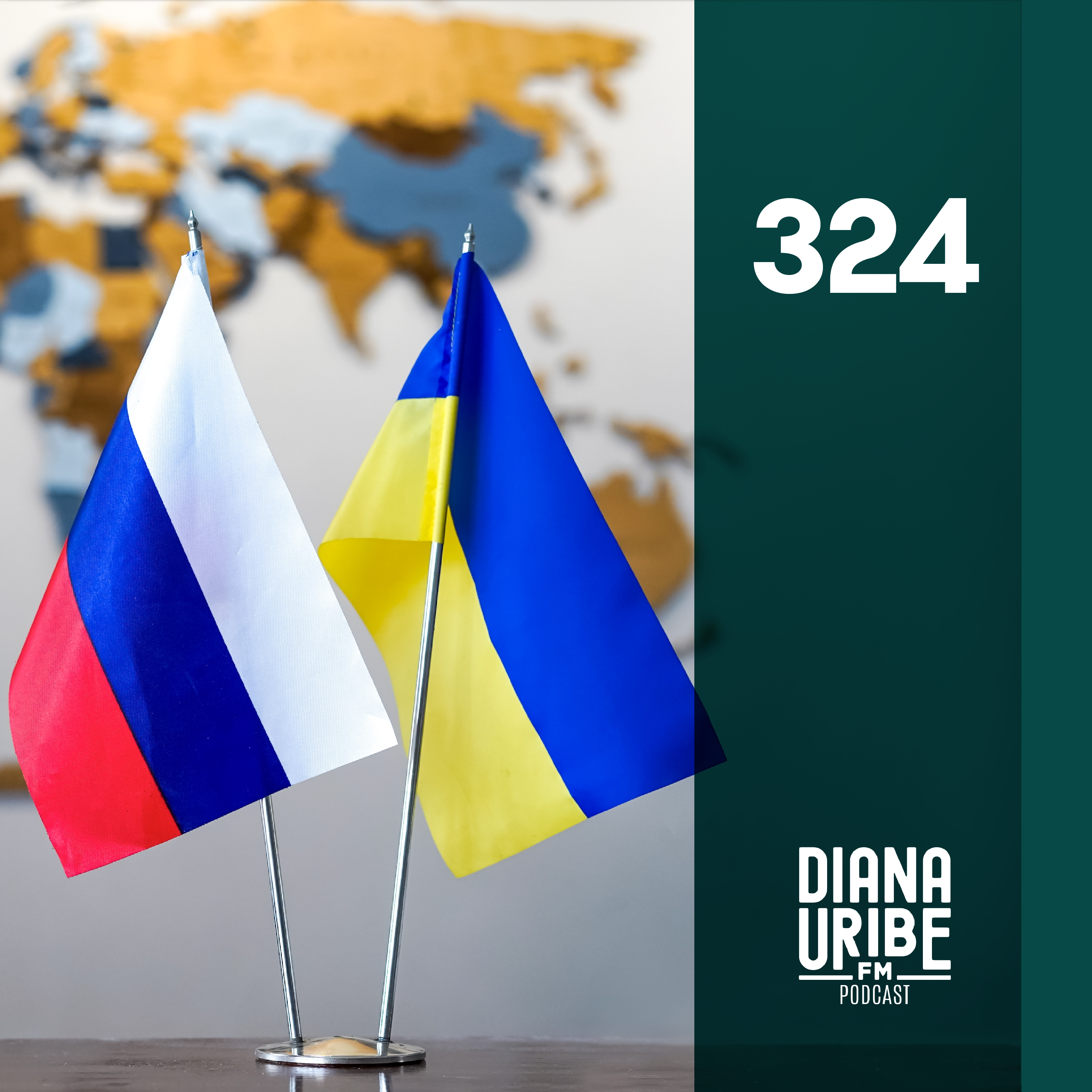
DianaUribe.fm
La guerra entre Ucrania y Rusia
01:27:10
Bienvenidos a nuestro último capítulo de la serie. Hoy vamos a adentrarnos en uno de los conflictos más determinantes de nuestro tiempo: la guerra entre Rusia y Ucrania. Estos dos pueblos comparten una historia en común, desde la Rus de Kiev y el...
Loading summary
Transcript7 lines
- [00:00]
A
Introducing family freedom from T Mobile we'll pay off four phones up to three thousand two hundred dollars and give you four free phones all on America's largest five G network. Visit your local T Mobile location or learn more at T Mobile dot com familyfreedom up to dollar eight hundred per line via virtual prepaid card typically takes fifteen days free phones via twenty four monthly bill credits with finance agreement EG, Apple iPhone sixteen, one hundred twenty eight gigabyte eight, twenty nine point nine, nine eligible trade in EG, iPhone eleven pro for well qualified credits end and balance due If you pay off earlier, cancel contact T Mobile.
- [00:30]
B
Lowe's knows how to get you ready for holiday hosting with up to thirty five percent off Select home decor and get up to thirty five percent off Select major appliances plus members get free delivery, hall away basic installation parts and a two year Lowe's protection plan when you spend two thousand five hundred dollars or more on select LG major appliances valid through ten one member offer excludes Massachusetts, Maryland, Wisconsin, New Jersey and Florida installed by independent contractors, exclusion supply seedloads. Dot com for more details Buenas.
- [01:00]
C
Bienvenidos a la serie Historias para el Mundo de Hoy, patrocinada por Boston Scientific. Avanzando la ciencia en pro de la vida. Hoy llegamos al último capítulo de nuestra serie de Historias para el Mundo de Hoy. Terminamos la serie con los dos capítulos más terribles, dramáticos, problemáticos y espantosos. Terminamos con Palestina y con Ucrania. Así que metiéndonos en esta historia, vamos a tener que recorrer pasajes no solamente dramáticos, terribles y aterradores, sino, y lo más grave, no resueltos todavía. Las historias que le estamos contando están en pleno desarrollo y pueden tener diferentes conformaciones geopolíticas y puede reconfigurarse geopolíticamente el mundo a partir de esto, porque las implicaciones que tiene son muy grandes a todo nivel. Impacta, digamos, el orden político como lo conocíamos, impacta el sistema de bloques como se ha dado, impacta muchas cosas que habían funcionado de una manera y a partir de la crisis ucraniana pueden llegar a funcionar de otra. Así que la incertidumbre marca el tono del episodio. Por lo tanto, las afirmaciones contundentes deben matizarse porque lo que estamos viviendo está en pleno desarrollo. No sabemos para dónde va. Teniendo en cuenta lo anterior, pues vamos a empezar. Febrero del 2022. Rusia invadió Ucrania y empezó la guerra que no ha terminado. El mundo quedó totalmente atónito ante esta invasión. Meses antes, hasta días antes, estaba diciendo Putin que él no iba a invadir a Ucrania. Había todavía como una especie de palabra que podría llevar a hacernos creer que no iba a pasar. Pero pasó. Como todas las guerras, iba a ser una guerra corta, pequeña, una operación especial, así lo llama Putin. Él la conoce como una operación especial. Hasta el día de hoy la sigue llamando de esa manera. Iba a ser una operación, una cosa así como de unos pocos días. Bueno, ya llevamos tres años y contando, porque eso todavía no se ha solucionado. Entonces vamos a echarnos de para atrás para poder ver cómo se va armando esto, la cantidad de antecedentes históricos que hay. Ucrania y Rusia comparten raíces milenarias porque se van a formar juntas. Resulta que En el siglo IX hay una unión entre los eslavos y los varegos. Los varegos eran parte de las tribus vikingas. Los vikingos para esa época eran un pueblo muy desarrollado y sobre todo muy desarrollado a nivel político. Ellos en su expansión, porque hemos contado en las historias de los vikingos que ellos son forjadores de muchísimas naciones en Europa. Si, ellos forjaron Inglaterra, Francia, Rusia y bueno, aparte de toda la península escandinava, Suecia, Noruega, Dinamarca, Islandia. Entonces resulta que una parte de todo este grupo de los vikingos se llamaban los varegos. De esa tribu de los varegos hay un gobernante que se llama Rurik de la Rusia, del pueblo de Rusia. Este señor Rurik, del pueblo de Rus, va a ser una alianza con los eslavos, gran migración eslava, que había bajado de la estepa ya desde el siglo IV, y que se había asentado en Europa de muchas maneras. Hemos hablado que hay eslavos del sur, eslavos del norte, eslavos del este, eslavo del oeste, porque también esto es un mundo eslavo el que está ahí. Y estos son eslavos ambos. Los eslavos del este son Ucrania, Rusia y Bielorrusia. Los del oeste, Polonia, República Checa y Eslovaca. Los del sur, pues eran Croacia, Serbia, eran los Balcanes. De yugo significa sur, los eslavos del sur. Entonces, de esta gran cantidad de poblaciones que van a bajar desde la estepa y se van a sentar en Europa, hay unos que van a hacer un trato con los varegos y van a conformar una nación que se va a llamar, un pueblo que se va a llamar Rus, Rusia, por Rus y por la Rusia de Kiev. Y eso va a ocurrir en Kiev En el año 988, el príncipe Vladimir I de Kiev abraza la fe ortodoxa. Y eso es muy importante, porque estamos a portas del sisma que va a dividir de manera tajante la Iglesia católica de la Iglesia ortodoxa, y que haya una manera totalmente diferente de practicar el culto. Los ortodoxos con los iconostasios, los católicos con las estatuas tridimensionales que hay en las iglesias católicas. Y esto, digamos, va a ser una ruptura muy grande en muchos sentidos. Entonces, esta Iglesia ortodoxa va a determinar los destinos de estos pueblos recién formados. Y esta unión entre el mundo ruso eslavo y el mundo ortodoxo va a ser muy importante, porque eventualmente Rusia va a ser la heredera de Bizancio del Imperio Bizantino. Entonces aquí se van formando identidades, identidades que se van haciendo a partir de estas fusiones. Decimos que lo de los eslavos y los varegos es una fusión, porque 30 años después de cuando está registrada esa fusión, no se encontraron huellas bélicas en el territorio. Por eso sabemos que fue una fusión, una alianza. Y hay una puerta en Novgorod, donde está tallada en madera esta alianza de ellos dos. Eso todavía está en Novgorod. Entonces van a empezar a tener identidades comunes y van a empezar a tener historias sucesivas, que por un lado los vinculan, y por otro lado, cada uno de ellos va a tener una identidad propia. Más adelante, cuando los mongoles destruyan Kiev, los rusos, en lugar de reconstruir esa Ucrania, ese Kiev, van y arman otra Rusia en Moscú y Novgorod, y hacen otra Rusia en otra parte. Pero esto pasa mucho tiempo entre una y otra. Luego hacen otra Rusia, y más adelante, mucho tiempo más adelante, ya épocas de Pedro el Grande, pues van a ser San Petersburgo, que va a ser otra gran Rusia, hasta crear una gran cantidad de Rusias que harían que los zares fueran el zar de todas las Rusias. Los llamamos zares porque ellos vienen de los césares, que eran los gobernantes del Imperio Romano, porque ellos son los herederos de Bizancio, y vienen de la Rusia, del Imperio Romano de Oriente. Entonces esto, digamos, es otro. Es otro lugar de enunciación completamente diferente al que Occidente tiene, donde se van formando estas historias. Los ucranianos pueden rostrear una identidad propia desde la Rusia de Kiev hasta nuestros días. Y eso para ellos es un relato muy importante. Los rusos también, pero a la vez su relato entronca con el ucraniano de. Desde el relato de cómo Rusia ha ido surgiendo y ha evolucionado históricamente, cada uno tiene una mirada de ese mismo relato, los ucranianos lo tienen desde una línea de identidad desde esos días hasta el presente, y los rusos lo tienen desde una línea que incluye la Rusia de Kiev dentro de su relato de Rusia, o sea, cada uno ve una cosa distinta en el mismo lugar. Entonces al lado de esto se van a dar muchos imperios, van a pasar muchos siglos y la parte ucrania en los siglos venideros queda dividida entre dos imperios rivales que son la margen derecha de Ucrania occidental. Quedó bajo el Ducado de Polonia y Lituania, que era un ducado católico, muy importante esto, y que va a tener una identidad particular muy ligada a la parte europea de nuestro relato, motivo por el cual estamos hablando del siglo XVI, motivo por el cual los polacos van a recibir a los ucranianos como los recibieron durante la invasión, como hermanos, porque en su registro fueron parte de ellos. Con el Ducado de Polonia y Lituania, que duró un poco de tiempo, entonces la parte este pasó al poder ruso, o sea, una parte va a ser ortodoxa y va a quedar bajo el mano bajo el mando de los rusos, y otra parte va a ser católica y va a quedar entre los polacos y los lituanos. Los polacos fueron un pueblo muy importante durante muchos siglos. La idea que hoy se tiene de Polonia es porque en dos guerras mundiales la repartieron y durante 150 años dejó de ser un estado repartido por Austria, Prusia y Rusia, pero Polonia era muy importante y Polonia era grande y Polonia fue de las primeras universidades de Europa y Polonia tiene una historia grande y poderosa. Cuando Polonia era grande y Lituania también, tendían ese Ducado de Polonia y Lituania y ahí de eso formó parte una parte de Ucrania. Les digo esto porque hay una doble identidad, hay una identidad rusa ortodoxa y hay una identidad católica europea dentro del país de Ucrania en sus diferentes etapas de formación a lo largo de la historia. Todo esto va a quedar en juego a la hora de la invasión. Entonces el Imperio Ruso prohíbe el uso del idioma ucraniano. Hay una lengua ucraniana, Ucrania tiene su misma lengua, su propia lengua Ucrania, la lengua rusa no es la lengua original de Ucrania, existe una lengua ucraniana. Estas cosas en América Latina no suelen entenderse mucho, porque nosotros en 23 países hablamos una sola lengua a nivel oficial, pero entre estos pueblos esas cosas hacen unas grandes diferencias. Siempre era claro, porque pues nosotros estamos hablando desde Bogotá, Colombia, América Latina, entonces para nosotros el tema de las lenguas resulta difuso y lejano, pero aquí eso tiene una gran importancia. El hecho de que les haya impedido hablar el ucraniano, de que se haya promovido la fe ortodoxa rusa y que haya una política temprana de rusificación. Y digo temprana porque más adelante la rusificación va a ser una consigna de la revolución rusa. Entonces, después, mucho tiempo después, cuando ya triunfe la revolución bolchevique, cuando ya después de Lenin, cuando Stalin vaya a establecer algo que se conoce como el socialismo en un solo país, que es una contradicción de sentido, porque el socialismo es por definición supranacional, porque no cree en los estados nacionales, en su formación originaria, cuando la revolución no va a triunfar en el resto de Europa, sino solamente en Rusia. Entonces Stalin asume este hecho como que el socialismo de ahora en adelante va a ser lo que los rusos dicen que sea, y va a estar solamente en ese país. Y cuando la gente tenga contradicciones entre cómo va a ser el socialismo y cuáles son los intereses socialistas de la Unión Soviética, van a tener que primar los intereses de la Unión Soviética por la Internacional Socialista, la tercera Internacional, que es la que va a influir en ese tipo de miradas y que habla del socialismo en un solo país. Todo el mundo quedó montado bajo el esquema de Unión Soviética, una vez triunfada la revolución. Que en este esquema de la Unión Soviética, Unión de Repúblicas Soviéticas y Socialistas, recordemos Lituania, Letonia y Estonia, los llamados bálticos, porque quedan en el Báltico, quedaron en la reunión de repúblicas soviéticas socialistas contra toda su voluntad, porque ellos fueron anexados allá por un pacto entre Stalin y Hitler, entre Von Ribbentrop y Molotov, hecho previamente en 1938, antes de la Segunda Guerra Mundial, y que finalmente ratificaron después de la derrota de los nazis, que los bálticos van a considerar siempre una gran traición. Porque cómo así que ustedes desconocen todo el nazismo, pero aún así no desconocen el que nosotros hayamos quedado anexados a la Unión Soviética. Pero la Unión Soviética ganó la Segunda Guerra Mundial. Entonces, esa es la más problemática de todas. La Rusia báltica, aquella por la cual se disolvió la Unión Soviética. En el momento en que estas tres repúblicas declaran su independencia, empieza la disolución de la Unión Soviética. Las otras repúblicas son Rusia, Ucrania y Bielorrusia. Estas repúblicas son las repúblicas eslavas. Son la composición esencial, históricamente hablando, de todo lo que sería la nación de Rusia y la Unión Soviética. Luego nos vamos para el Cáucaso, Georgia, Armenia y Azerbaiyán, las Transcaucásicas, pero también al lado de Rumania tenemos una Moldavia. Son los mismos, los rumanos y los moldavos. Entonces son los mismos, pero unos quedaron en las repúblicas soviéticas. Esto les digo porque todo el mundo queda metido aquí poco a poco. Luego vamos a las centroasiáticas, que son Tayikistán, Uzbekistán, Turkmenistán significa país B, Kirguisia y Kazajistán. Estas son gigantescas, son las repúblicas centroasiáticas. La totalidad de estas repúblicas va a conformar la Unión de Repúblicas Soviéticas Socialistas, URSS, Unión Soviética, que queda establecida después de la Revolución de 1917, de la Revolución de octubre, y que va a funcionar como tal hasta su disolución en 1990. Entonces, este, digamos, va a ser una continuidad histórica durante todo el siglo XX, y eso también lo vimos en el capítulo de Rusia. Esto tiene una cantidad de procesos. En 1930, como esta es una revolución, digamos, programáticamente obrera, con miras a ser una revolución industrializada, porque se consideraba que si Rusia no se industrializaba, su revolución no iba a poder sobrevivir frente a los avances industriales de Europa. Entonces en 1930 se basa en un proceso que se llama el proceso de la colectivización forzosa, que consiste en trasladar el campesinado a un mundo obrero urbano. Esto va a ser una tragedia, porque entre 14, se consideran que entre 4 y 14 millones campesinos murieron o desaparecieron durante la colectivización forzosa. Esto es una ingeniería social a una escala inimaginable. Y al mismo tiempo se está dando otra cosa que se llama la rusificación. Rusia decide que la revolución tiene que tener un carácter mayoritariamente ruso. Entonces, ¿Eso cómo se hace? Mandando poblaciones rusas por todas las repúblicas, hasta conformar enclaves que hagan un contrapeso ruso frente a las culturas de todos estos pueblos allí contenidos. Esa rusificación hace que en todas las antiguas repúblicas soviéticas haya territorios rusos, de población rusa que habla ruso y que está ahí hace un montón de tiempo, porque fue una política de la revolución. Otro tanto hizo Tito en Yugoslavia, que también creó en claves para romper las estructuras nacionalistas, porque una consigna del socialismo era desconocer los estados nacionales, programáticamente hablando. Entonces, al interior de la URSS no podría haber nacionalismos, porque todos formaban parte de esta gran sombrilla que era la Unión Soviética, y para fijar eso hicieron la rusificación de la revolución. La rusificación de la revolución es como la plantación de Ulster, cuando estábamos contando la historia de Irlanda, que plantaron una cantidad de protestantes totalmente apoyados por los británicos en Irlanda del Norte, para cambiar la demografía de la isla y su carácter católico, a un carácter protestante anglo. Entonces, bueno, de los mismos creadores, pero en otro lado. Rusificar la revolución es plantar población rusa en todas las repúblicas. Por eso en todas partes hay gente que habla ruso y que se crió rusamente y que. Y que fue ortodoxa antes. La revolución va a ser atea por definición, entonces no se van a permitir los cultos durante toda la era soviética, lo que además es una cosa muy complicada, porque es que esta fe ortodoxa es muy importante. Pues es tan importante que cuando subió Gorbachov, Stalin había tumbado una gran basílica para convertirla en una piscina pública, y cuando subió Gopachov, lo primero que pidieron era que restauraran la basílica del Divino Salvador, que era el monumento que le habían hecho al triunfo sobre Napoleón, después de la derrota. Mejor dicho, esta fe. Esto tiene unos niveles de arraigo cultural muy grande, muy grande. Entonces, durante toda la era soviética no hay religión, no se puede practicar ningún tipo de religión, porque la condición de la revolución también era que fuera atea, pero la gente sigue siendo ortodoxa debajo, porque la fe no desaparece por decreto en ninguna parte. Entonces, aquí tenemos una extensión del idioma ruso, porque ese va a ser el idioma oficial, o sea, todo el mundo va a tener que hablar ruso. Casacos, uzbecos, tayikos, bálticos, todo el mundo va a hablar ruso, porque aquí se habla ruso, se escribe en ruso y se estudia el ruso, que quede claro, y se escribe en cirílico además, porque eso también va con el alfabeto. Entonces. Entonces resulta que esto hace que todos los países queden bajo una. Todas las antiguas repúblicas vayan a quedar bajo una misma condición histórica, que por lo tanto vayan a quedar entrelazadísimos sus destinos, como una bufanda que usted después va a separar los hilos rojos de los azules y de los verdes, pues se le desbarata la bufanda y después lo que le queda es un ovillo. Esto quiere decir que durante la era soviética, pues hubo traslados de pueblos, cambios de pueblos, rusificación de todo. En la era de Stalin se mandaron todos estos pueblos. En la era de Khrushchev se intentó corregir y se intentó desestalizar Rusia, y así los chechenos pudieron volver a su casa de los tenían desde Kazajistán, y ellos se devolvieron recogiendo los huesos de todos sus huertos a lo largo del camino, para enterrarlos en Chechenia, con el juramento eterno de esa Chechenia, que era un proyecto histórico, mucho antes de la era soviética. Inclusive el imperio Ruso, ellos están allá trepados en esos. Hace mucho, mucho tiempo en el Cáucaso, antes de que llegaran todos los imperios, el ruso, el otomano, los ingleses, ya existían los chechen, los inguches, pero luego van a quedar dentro de un saco grandísimo que se va a llamar Rusia. Ellos no son una república, sino parte de la Federación Rusa. Lo mismo que los abjasios y lo mismo que los osetios, y lo mismo que los hinguches. Todo ese combo forma parte de la bolsita que se llama Rusia. Aparte de la bolsita que se llama Rusia, tenemos las demás repúblicas que entraron a formar parte de la Unión Soviética. ¿OK? Entonces cuando estamos hablando que son parte de la Federación Rusa, eso es, haga de cuenta, política interna. Y lo demás son las repúblicas que poco a poco se van separando hasta que la Unión Soviética se disuelva como tal. En las eras de la colectivización forzosa hubo una hambruna en Ucrania terrible, que se conoce como el Holodomor. Es el nombre que tiene la hambruna, haga de cuenta, como los irlandeses, the famine. Esto es una hambruna que se produjo en las épocas de colectivización forzosa, teniendo en cuenta que Ucrania siempre ha sido un país agrícola, que producen todo el trigo que había para comer, y que al hacer una cosa tan abrupta como tratar de convertir en obreros a una población campesina, y para tratar de conseguir grano para poder cambiar, a ellos los dejaron morir de hambre y de hambre se murieron. Esto va a generar una herida histórica que hasta nuestros días todavía sangra en la mente colectiva del pueblo ucraniano, porque estaban bajo la responsabilidad de los soviéticos y los soviéticos permitieron que muchísimos ucranianos murieran de hambre. La hambruna como arma de guerra o como consecuencia de políticas, genera unas memorias colectivas indelebles en el relato de los pueblos. Una hambruna no se olvida jamás. Entonces esto lo tienen ellos ahí muy claro en su agenda. Entonces, bueno, hubo todo lo que les cuento que pasó durante la época. Durante la época soviética, igual participaron en la Segunda Guerra mundial, igual fueron invadidos, igual hicieron parte del Ejército Rojo, igual hicieron parte de todas las invasiones que el Ejército Rojo hizo durante la era soviética, a Hungría, a Checoslovaquia. Si ellos, o sea, todo lo que fueron los soviéticos también fueron los ucranianos, porque eran soviéticos y eran soviéticos de eje Ucrania, Rusia y Bielorrusia, que eran, digamos, los que mandaban la parada, porque son los eslavos los originarios del proyecto. Entonces todo eso lo van a vivir ruso durante la época soviética. La Penúnsula de Crimea, el gran diamante de Crimea, que es donde van a venir a desembocar muchos de los ríos que van a correr en torno a la Unión Soviética. Crimea siempre fue muy importante, fue importante. La guerra de Crimea se hizo para evitar la expansión del imperio zarista hacia Europa, para trancarla. Ahí la guerra de Crimea, digamos, ahí estaban en juego lo que se llama el gran juego, que eran los ingleses, que eran los ingleses, que pues no nos podían faltar en el relato, están los otomanos y estaban en ese momento los rusos, todos tres proyectos de imperios en expansión y por eso se dio la Guerra de Crimea. ¿Que tiene Crimea interesante? Los puertos, la salida de todo del Dniéper. Entonces, durante la era soviética, la península de Crimea se la dieron a los ucranianos, pero todos éramos hermanos, vivíamos en la misma casa y dormíamos en el mismo cuarto. Entonces, que usted duerma, que usted me pase su cama de su cuarto para mi cuarto, o su closet de su cuarto para mi cuarto, si todos somos hermanos y estamos en la misma casa, pues no hace mucha diferencia, pero a la hora de disolverse todos, su cuarto, su cama y su closet quedaron en mi cuarto. Entonces, para efectos prácticos eso sigue siendo y forma parte de Ucrania, o sea, Crimea es Ucrania. Es muy importante entender eso, para entender la complejidad de lo que les estamos contando aquí. Eso era Ucrania desde el punto de vista ucraniano, desde el punto de vista soviético, era soviético tal cual, que si está aquí, que si está allá, a mí no me hace diferencia esa vaina soviética. Más adelante yo voy a interpretar que será post soviético, eso ya otra vena, pero en el momento no hacía mucha diferencia atrás que en las espaldas, pero quedó en Ucrania. Para 1991 entonces surge la Confederación de Estados Independientes, qué quiere decir que es la que va a ser Yeltsin, que les contamos en el capítulo de Putin. Entonces, en ese momento Rusia, Ucrania y Bielorrusia van a formar al mismo tiempo una Confederación de Estados independientes. Es decir, ellos nacen como estados independientes en 1991, los tres, todos, ambos juntos. Quiere decir que cada uno de esos estados, pues tiene la misma época, si nos vamos a preguntarnos quién es Estado y quién no. Entonces, en 1991 estos tres eran estados, y antes de ser estados eran soviéticos. Y antes de ser soviéticos eran Imperio Ruso. Entonces, por eso es que te digo que tienen un destino común tan grande. Pero después de la caída de la Unión Soviética, pues tocó volver a armar el mundo, porque la mitad del mundo era la Unión Soviética. La Unión Soviética era, pues como te digo, la ganadora de la Segunda Guerra Mundial, miembro integrante de la Organización de las Naciones Unidas, la ONU, y del Consejo de Seguridad, con derecho al veto. Esos que están sentaditos y que pueden decir que todo lo que más vote, los demás voten que no o que sí, son estos. Acuérdense que el derecho al veto está en Estados Unidos, en la antigua Unión Soviética, hoy Rusia, en China, en Inglaterra y en Francia. Entonces, así pues, digamos, entonces, ¿Cómo vamos a organizar el mundo después de la caída de la Unión Soviética? Vamos a garantizar que los pueblos tengan una seguridad posterior a la Unión Soviética, teniendo en cuenta que este imperio se cayó, esta potencia se cayó sin disparar un tiro, sin ninguna guerra que implosionó, implotó por dentro. Entonces, teniendo en cuenta lo pacífica que fue la disolución de la Unión Soviética, nosotros estamos viviendo ahora las guerras que no se dieron cuando eso se disolvió. Pero este es el mismo proceso. Entonces, para asegurar que vamos a hacer con un pueblo que tiene un arsenal nuclear tan impresionante como el que llegó a tener la Unión Soviética, Gorbachov renuncia a la carrera armamentista. Gorbachov renuncia a la proliferación de armas nucleares. Porque la carrera armamentista es la que ha asumido a la Unión Soviética en la crisis económica de la que no podía salir. Entonces, él se baja de ahí. Lo que permite toda la independencia de Europa del Este, y lo que va a permitir que la Unión Soviética no siga en ese rumbo del armamento convencional y del armamento nuclear y la no proliferación de armas nucleares, es el tratado que se va a terminar firmando en Reikiavik, Islandia. Entonces, como estamos en un mundo que se desarma, estamos en un mundo que se reunifica de muchas maneras, que se reorganiza, vamos a hacer una serie de compromisos ahí en ese momento, en terreno. ¿Cuáles son los compromisos? 1994, Memorándum de Budapest, el acto para desnuclearizar Ucrania, porque cuando yo les digo que la Unión Soviética tenía grandes armamentos, eso no es por ahí, no estaban en Kazajistán, estaban en Ucrania, lo mismo que les digo que el Pacto de Varsovia tenía una cantidad de armamentos, ¿Donde estaban? En Rumania y en Eslovenia, eso es concreto. Entonces como para desnuclearizar Ucrania, para desescalar la nuclearización del armamento mundial, que fue un momento bacano, porque en esos días como que se perfilaba un mundo más chévere, fueron como momentos en que dijimos no, esto como que se despega. Entonces resulta que ahí se creó en esas condiciones y en ese momento lo que se conoce como el Memorándum de Budapest. En el Memorándum de Budapest, Ucrania acepta entregar el arsenal nuclear, el más grande heredado de la antigua URSS, más de 1.900 ojivas nucleares estratégicas. A cambio de la garantía de seguridad y respeto a su soberanía, Rusia, Estados Unidos y Reino Unido se comprometieron primero, respetar las fronteras de Ucrania, lo repito, respetar las fronteras de Ucrania, Memorándum de Budapest II, abstenerse de usar la fuerza o coerción económica contra ella, decir no, hacerle cosas como quitarle el gas en invierno y cositas de tercero, solicitar una acción inmediata del Consejo de Seguridad de la ONU si Ucrania era objeto de alguna agresión. OK, bueno, ahí se los dejo. Entonces, con este pacto, Ucrania se volvió un ejemplo de una desnuclearización voluntaria que pues que era como una. Digamos como esto era un caso de cumplimiento de palabra y de tomarnos en serio los tratados que estamos comprometidos a hacer, o sea, yo voy a hacer eso y entrego las armas, pero no las armas, las armas nucleares y las entregaron. Entonces, bueno, hasta ahí todo iba muy bien. Entonces este memorándum es en 1994, pero cómo te parece que. Bueno, pasaron muchísimas cosas después del Memorándum de Budapest y pasó y de todo. Luego viene, paralelamente, viene hablando toda esta historia de Putin que les contamos en el capítulo de la disolución de la Unión Soviética a la formación de Putin, Putin se va a montar en el poder con las guerras en Chechenia y las guerras en Chechenia que fueron aterradoras, donde mataron cualquier cantidad de gente, donde te conté que habían matado toda la gente en un teatro, que la gasearon para. Para atacar una operación de un secuestro masivo que habían hecho los chechenos en un teatro en Mosc, Y Putin gaseó el teatro y mató a todos, a los secuestrados y a los secuestradores, y también en una escuela que hubo una historia aterradora. Entonces, simultáneamente, después de la Confederación de Estados Independientes, del fracaso de la política de Yeltsin, cuando sube Putin con la idea de recuperar a Rusia de las rodillas en que había quedado, a ponerla de pie dentro de esa línea histórica, de esa continuidad de la línea histórica que significa la política de Putin en ese momento, imagínate que se va a anexar Crimea. Óyeme, ¿Y por qué te vas a anexar Crimea? Y Crimea sigue siendo parte de Ucrania. Entonces la anexión de Crimea implica que la primera parte del memorándum de Budapest, que consiste en respetar las fronteras de Ucrania, Crimea es una frontera de Ucrania en el momento de la anexión. Otros dicen que Crimea era rusa, Crimea era soviética, entonces fue rusa, también fue rusa antes, pero en el momento era ucraniana. OK, esa disputa del huevo la gallina es bien resbalosa porque era soviética, que porque era rusa, que porque era ucraniana, pero ese día por la mañana todavía formaba parte de Ucrania y sigue siendo parte de las fronteras, que de acuerdo con el Memorándum de Budapest, que tiene una gran cantidad de población rusa, pues por supuesto, por lo que te comenté. Entonces en ese momento Kiev acusa a Moscú de violar gravemente esas garantías. ¿Entonces dice, bueno, pero en qué quedamos? Yo entregué las armas, usted iba a respetar mis fronteras. Invadir Crimea es no respetar las fronteras. Entonces, bueno, ahí se nos empieza a calentar este parche. Hasta que se nos va a calentar de qué manera, te comentó. Entonces ahí hay todo un debate, pero no pasa mayores se la anexó, si no me lo das cogido lo tengo, te digo. Y entonces, pues sí, no, mira qué cosa, mira, viste eso. Pero entonces el manejo militarmente y hace un plebiscito, y ese plebiscito lo ganan en Crimea para pertenecer a Rusia y no a Ucrania. Eso te comento cómo es esto por dentro. Hay muchos debates, o sea, mucho de lo que les estoy contando en este capítulo está todavía en discusión. Entonces por eso es que las afirmaciones aquí pues tienen que ser cuidadosas, por eso todavía está en discusión que si él los obligó a hacer el plebiscito, que si ellos en realidad querían ser rusos, que si eso era Ucrania, que lo era todo lo que tú quieras. Pero ya quedó ahí un 2-3 por mí.
- [40:38]
D
There's a moment every parent remembers the day their child takes off on two wheels with Guardian bikes. That moment comes as early as two years old and with less stress and frustration. These bikes are built just for kids. Lightweight frames, low center of gravity, easy to use brakes. Everything about Guardian is designed to help kids ride confidently often in just one day, no training wheels needed. And because Guardian bikes are designed and assembled right here in the USA, you know, they're built to last with care in every detail. Their patented, surestop braking system stops both wheels with a single lever, helping your child stop safely without tripping forward or losing control. Right now, save hundreds when comparing Guardian to its competitors at guardianbikes Dot Com and get a free lock and pump. When you join their newsletter of dollar fifty value, visit guardianbikes Dot Com today to save and help your child learn an essential life. Skill safely Guardian bikes built for your kid and for the memories you'll never forget.
- [41:39]
E
You won't see the engineer that slams the Nissan rogue's door thirteen thousand, nine hundred, twenty times, or the corrosive chamber that simulates fifteen years of life in five months, or the rogue heat baked for over three hundred combined hours. What you will see is a vehicle that can take punch after punch and keep rolling Nissan number one in new vehicle quality among mainstream brands by JD Power. We put it through the worst, so you get its best.
- [42:18]
C
Entonces, después de eso, bueno, viene todo lo de Chechenia. Ha pasado antes y esas guerras son durísimas. ¿Pero porque nadie se mete con Chechenia? Porque Chechenia forma parte de la Confederación Rusa. Luego eso se considera soberanía interna de Rusia. Y por eso Putin los desaparece, los borra, los bombardea, bombardea Grozny hace lo que quiera y nadie le dice nada, porque eso es política interna, la Federación Rusa. Les cuento que en Rusia, donde quedan Chechenia, Angus, Abjasia o Setia, todo lo que tú eso sigue siendo Confederación Rusa. Entonces ahí nadie se mete. Pero ya en el momento en que se meten con Crimea, ahí se están metiendo con una política que se habían comprometido a nacer con el Memorándum de Budapest. Entonces, por el otro lado, pasa que había una promesa de la reunificación alemana. Para que Alemania se reunificara, había que darle el visto bueno de las potencias que la habían dividido. Se acuerda que la rompieron en cuatro partes y a la hora del té, una parte quedó de parte de los aliados y otra parte de los soviéticos. Ellos eran aliados en la guerra, pero luego van a quedar separados por la Guerra Fría. Bueno, pues entonces, de acuerdo con eso, el compromiso para aceptar la reunificación alemana era que las fronteras, o sea, que la OTAN no se moviera ni una pulgada hacia el este. Not one inch to the east. Eso es una promesa de reunificación. Es que aquí vamos a empezar a incumplir un montón de palabras. Les voy a contar puntualmente cuáles. Entonces luego dijeron que no, que eso era charlando, que eso era por esos días de la reunificación, que eso era como. Eso era válido y tú, como los primeros seis meses después de que se reunificó Alemania, que eso no lo dijo Bush, que lo dijo el Secretario general un día que andaba diciendo cosas, pero lo dijeron y eso fue un compromiso histórico. Entonces, en la medida que cualquier país del este se meta a la OTAN, hay una promesa de la reunificación alemana que se está incumpliendo. Y eso también hay que anotarlo aquí en el acta, porque siguen siendo pactos que se habían hecho antes. De modo que esto se va completando. Entonces, luego Rusia, aquí es muy delicado este pedazo, porque Rusia se siente permanentemente amenazada, permanentemente provocada, permanentemente pasada por la galleta a cosas que se le habían dicho que no iban a pasar. Entonces siente que hay una política, digamos, como entre chiste y chanza, como haciéndonos los pendejos nos vamos a ir metiendo en el este y nos vamos a ir acercando a las fronteras de Rusia hasta que ya estemos en las goteras de Rusia. Es importante entenderlo también. Entonces eso hace que Rusia empiece a defenderse de lo que considera que es una provocación y que es un incumplimiento de promesas y que en realidad es como. Es una especie como de gaslight. Yo no le estoy diciendo que me estoy metiendo en su rancho, pero me estoy metiendo en su rancho en la medida que me voy acercando. Y los bálticos se meten a la OTAN y los bálticos quedan ahí en las meras goteras. Pues yo no te digo que estoy haciendo esto, pero estoy haciendo eso. Entonces, lo que Rusia dice ustedes están incumpliendo flagrantemente acuerdos en los que habíamos quedado. ¿Cierto? Entonces, en ese contexto es cuando va a haber un conflicto con Osetia del Sur que va a volverse una guerra abierta con Georgia. Hay una ofensiva que se lanza, pero que va a llegar cerquita de Tifles. Y cómo te parece que Tiflis es la capital de Georgia, entonces ahí nos están metiendo con otro vecino. Esto es como una cosa como un poquito como lo de los Balcanes, pero en gigantesco, o sea, en la medida en que me voy metiendo en el ladito del otro, en el enclave del otro, entonces viene una victoria militar para Moscú y seguimos. Y mientras tanto, otro tanto va pasando, porque digamos, aquí parecería que Putin está avanzando sobre una cantidad de territorios, ya sea separatistas dentro de la confederación rusa o de las repúblicas totalmente cercanas. Entonces uno lo puede ver como una política agresiva de recuperación de antiguas fronteras de parte de Putin, y así lo ven. Y si usted lo ve de esa manera, así lo puede ver. Otra parte dirá que Putin lo que está haciendo es reaccionando a la entrada de todos estos países a la OTAN, tanto de los países que fueron antes Europa del Este, el Bloque del Este, como los Bálticos. Entonces la palabra de ni una pulgada al Este permanentemente se va. Se va incumpliendo en la medida en que se metan a la OTAN, pero en la medida en que el otro arma va armando guerras y va conquistando territorios, entonces también se ve como una amenaza de la recuperación de los antiguos territorios soviéticos. Ambas lecturas se están dando simultáneamente y ambos creen absolutamente en cualquiera de las dos. Tengamos en cuenta este par de pilares narrativos, porque este par de pilares narrativos van a llegar a un punto de explosión en Ucrania. Pero vienen todos estos antecedentes. Luego viene el Euromaidán, y en el Euromaidán esta parte de Ucrania que formó parte del Ducado de Polonia y Lituania, va a querer formar parte de la Unión Europea y el presidente ruso, el presidente prorruso Yanukóvich, va a huir. Que si le hacen un golpe de Estado, que se quitan a alguien que estaba de parte de Rusia para poner a alguien que está de parte de los europeos. Todo eso se discute, todo eso se alega. Pero el asunto es que con la anexión de la península de Crimea, se considera que esto sigue siendo una cosa sumamente delicada, que el hecho de que Ucrania se mete en la Unión Europea ya es completar el proceso, que desde el punto de vista de Putin es meterse directamente en el rancho, en la barriga. Entonces el Euromaidán es la intención de ser europeos. Y uno puede decir que son europeos por qué lo son, y uno también puede decir que son rusos porque una parte de ellos lo ven. Una parte del este estaba en Rusia, recordemos este tema del Ducado de Lituania, Polonia, y la otra parte está en Europa, y una parte es ortodoxa y otra parte es católica. Entonces estos pueblos que están en la bisagra de la historia, pueden leerse de una forma o pueden leerse de la otra. Luego viene la primera súper calentada de parche. Tras las protestas del Euromaidán y la huida del presidente Yanukóvich, que era un presidente prorruso, Rusia, y después de la anexión de Crimea, van a haber unos levantamientos de milicias separatistas dentro de las fronteras del país, que se llama Ucrania, en dos territorios que formaron parte de Rusia, de esa Rusia en la época del Ducado de Polonia Lituania, y que formaron parte del mundo ortodoxo y que hablan ruso, que se llaman Donetsk y Lugansk y Donbass. Esas provincias son parte del mapa de Ucrania. Se quieren separar de Ucrania y se quieren unir a Rusia. Y forman una rebelión separatista. Porque va a haber rebeliones separatistas a lo largo y ancho de este proceso. Esto es un punto de ruptura. El gobierno ruso considera que debe proteger a su población rusa. Esta fue una guerra que tuvo 14.000 muertos, que se comprometieron los ucranianos a tratar con la debida seriedad y arreglar ese problema. Y no lo hicieron, la dejaron crecer. Y en ese momento vienen una serie de presidentes que no van a ser reconocidos por Rusia, y que se considera que están incumpliendo con los acuerdos de Minsk. Y entonces el hombre no le para bolas al tema de Lugansk. Por eso sigue siendo una guerra muy grande. Entonces Rusia considera que el nuevo gobierno, que no es el de Yanukovych, sino el de Zelensky, es ilegítimo. Zelensky era un comediante que se ganó, que en una serie hacía de presidente de Bronpe, se volvió presidente de verdad, se volvió su propio personaje. Y pronto llega a ser presidente de Ucrania. La historia en el futuro verá esto con muchos ojos distintos, porque esto tiene melodrama y acción, suspenso, intriga. El asunto es que Rusia no reconoce a este presidente, no lo reconoce como presidente legítimo por lo de la huida de Yanukovych. Considera que el levantamiento del Donbass, pues de Lugansk y de Donetsk, es legítimo y lo apoya y eso dice es población rusa y ese pedazo era ruso desde la época del Ducado de Polonia, de Lituania, desde el siglo XVI. Entonces que eso no se puede tolerar, que ellos tienen que apoyarlos. Entonces, pero eso para Ucrania, o sea, si usted considera la anexión de Crimea y va a ver lo del Donbass y el Donetsk, ese es un mordisco grande, le digo, entre los dos, es un mordisco muy grande a las fronteras de Ucrania, que según el memorándum de Budapest no deberían tocarse. Pero va a haber otro pacto y son los acuerdos de Minsk Bielorrusia, y ahí en Minsk Bielorrusia se propone que debe haber un trato justo para las provincias separatistas de Donbass y Donetsk, es decir, que eso se debe abordar y se le debe tener la debida seriedad y que no se debe permitir ningún tipo de represión contra los rusos separatistas y que se debe cuidar. Pues ni Budapest ni Minsk se cumplieron, porque Zelensky tampoco le va a parar bolas al compromiso que había hecho con lo de Minsk. Minsk es la capital de Bielorrusia, pero así llamamos el tratado, en donde se comprometen a tratar de apagar esa guerra, llegar a una negociación, tratar justamente a la gente del Don Vásquez, del Donetsk y hacer las cosas al derecho, pues no las hacen y no digamos, y eso sigue así y esta gente sigue teniendo una gran represión de parte del ejército ucraniano y los rusos los van apoyando y ahí nos estamos enfrentando por los laditos de la cremallera, se empieza a abrir este vestido se nos va a romper, y por ahí se empieza a romper otro pedacito, o sea, de lo que ya se rompe, se empiezan a romper los pedazos de lo que ya se había roto. Entonces los acuerdos de Minsk, el protocolo de Minsk firmado en el 2014, es donde los líderes separatistas entran en un acuerdo para buscar un alto al fuego, la retirada del armamento pesado y del control y el control compartido de la frontera ruso ucraniana, pero eso no pasó y se siguió violando el acuerdo y siguieron violando las fronteras compartidas. Bueno, entonces fracasó, hagamos otro intento en el 2015, pero en cambio tampoco acuerdos de Minsk-2, estos auspiciados por Alemania y Francia en el marco del formato de Normandía, aquí se comprometían primero al cese al fuego completo y las retiradas de las armas pesadas. Amnistía para combatientes implicados en el conflicto. Reforma constitucional en Ucrania que otorgará mayor autonomía en las regiones de Donetsk y Lugansk. Una especie, una solución autónoma. Restablecimiento del control ucraniano sobre sus fronteras con Rusia. Cese al fuego completo y retirada de las armas pesadas. Amnistía para combatientes implicados en el conflicto. Reforma constitucional en Ucrania que otorgara mayor autonomía a las regiones de Nomsk y nunca. Y restablecimiento de control ucraniano sobre las fronteras con Rusia. OK, nada, esto se cumplió. Entonces ahí estamos. En las que estamos son los dos protocolos de Minsk que no se cumplen, más el Memorándum de Budapest que en cambio tampoco. Entonces esto lo que se va es complicando. Diga, pero aquí nadie está cumpliendo su palabra. Lo que le quiero decir es entonces. Entonces continúa esto y entonces empieza. Esto se va complicando y se va complicando y el Kremlin cree que todo es una conspiración contra ellos, y los otros consideran que el otro lo que está es avanzando sobre los antiguos territorios. Y esta tensión se va a escalar y a volver todo lo complicado que hoy es con la invasión de Rusia a Ucrania. En el momento en que Rusia invadió Ucrania, Rusia considera que ya en este momento todo ese cerco que se había dado poco a poco de ir metiendo países que eran de la antigua zona de influencia de la Unión Soviética a la OTAN, ya llega el colmo con Ucrania. Ya meterse con Ucrania y meterse directamente con la pura y mera seguridad de Rusia, porque ahí está en Ucrania y Bielorrusia. Bielorrusia es un gobierno de bolsillo de Putin para efectos prácticos. Entonces ahí está Lukashenko atornillado al poder de las maneras más terribles desde hace mucho rato. Entonces en ese momento Rusia dice en Ucrania no, en Ucrania yo ya no dejo que se metan y voy a invadir Ucrania para salvaguardar mi seguridad. Putin dice que eso fue una provocación, y que fue una provocación que se le había venido dando de manera sistemática y soterrada, mediante el incumplimiento de todos los acuerdos que ellos hicieron a partir del compromiso que tuvieron con la disolución de la antigua Unión Soviética. Porque nadie se va a disolver para que el bloque enemigo se quede con todo lo que usted era, pues eso nadie lo va a hacer. Entonces dice, pues yo que. Yo que iba a dejar listo que ustedes metieran todos esos países en la OTAN, pues ni bobito que fue, ni eso fue de ninguna manera lo que Gorbachov quiso decir jamás. Y pues Yeltsin, que quedó aquí como el payaso de la historia, tampoco nunca quiso decir eso de ninguna manera. Entonces, bueno, pues ellos no pueden hacer nada, pero yo sí, entonces yo no voy a permitir que se me sigan acercando y voy a invadir Ucrania. Y va a invadir Ucrania. Y entonces ahí se nos desbarató esto y empieza la guerra de ucrania en el 2022. Como todas las guerras se considera que van a durar tres días, seis meses, o sea, todo el mundo se mete a una guerra pensando que de ahí va a salir bien librado, regio y sensacional, y que va a durar unos tres meses, dándose un tantico de plomo. No, eso no pasa con las guerras, no llevan tres años en una guerra demencial y absurda. Si, eso no pasa. En Vietnam se iban a meter cinco minutos y duraron nueve años. En Afganistán se iban a meter a dar un paseo y se acabaron todos. Las guerras nunca duran cinco minutos. Las guerras no son ni siquiera controlables ni predecibles. Una vez que usted llega a la confrontación bélica, usted se metió en la inmunidad y de ahí va a salir mal, porque la guerra es la peor de las fórmulas para tratar de arreglar esto. Entonces, desde el día uno de la invasión, esto escala y escala y escala y escala entre los ojos del mundo, y todo el mundo pide más plomo y pide más armas y pide más. Más fuego, y esto se va calentando y se va calentando, y esto no. En ningún momento se propone ninguna forma, digamos, sobre todo al principio, de pactar algo. Entonces esto escala y escala. ¿Y quién va a pagar todas las consecuencias de esto? Pues el pechito de la gente de Ucrania no queda la que están atacando. Entonces, de todo este escenario geopolítico tan complejo que les estoy mostrando, los que van a poner el pecho directamente son los ucranianos, que van a terminar siendo hasta donde llegan las fronteras de este gran ajedrez geopolítico. Por eso les digo que la geopolítica esconde detrás de sus grandes análisis, la carne y la sangre de la gente de carne y hueso. Hoy Gallin va en Ucrania y empiezan toda la. Todo esto, digamos, de la. Se van metiendo con todos los territorios de donas que don Bies, de María Pol, y empiezan a entrar en Ucrania. Entonces la Unión Europea empieza a apoyar a Ucrania de una manera decidida, y la OTAN, que estaba ya para regalar, que eso ya está en las épocas anteriores, la OTAN ya no, ya lo pinchaba, ahora la OTAN se recontra fortalece, se vuelve pues el adalid de la defensa en Ucrania. Fíjense que todo el tema era, no se nos olvide, que no se metieran los países vecinos a la antigua Unión Soviética, a la OTAN, porque ya se disolvió el Pacto de Varsovia, y el objetivo de la OTAN era hacer un contrapeso al Pacto de Varsovia. No existiendo el Pacto de Varsovia, tú y yo, ¿Que venimos siendo? ¿Por qué existe la OTAN? Entonces la OTAN se recontra fortalece, digamos que comprobando la paranoia de Putin de que era que la OTAN se la había montado, No, pero es que se la voy a recontra montar. Y dos que no se debieron haber encontrado nunca se van a encontrar, deshaciendo el principio fundacional de uno de ellos, la OTAN y la Unión Europea. Porque la Unión Europea se hizo, como se los conté, para cerrar heridas, para dejar atrás el pasado, para no volver a hacer guerras, para no volver a matarse, para no generar todas estas tensiones. Su objetivo como pacto económico, como bloque histórico, como pacto cultural, era civil y era económico, y era palante. Y resulta que si se meten con la OTAN, pues se contaminan de aquello que estaban intentando no ser un acuerdo militar. Entonces ahí se nos va por delante la Unión Europea, porque aquello que la hizo constitutiva y fundacional con el Pacto del Carbón y del Acero, se traiciona a sí mismo. Aquí todo el mundo se va a traicionar con todo el mundo, y es parte de la confusión tan tenaz que estamos viviendo a nivel geograf. Político. Por todo el mundo va a pasar por encima de todo lo que juro respetar, es lo que pasa también. Entonces se meten en Ucrania, y entonces Europa empieza a apoyar esta guerra con pujo y escarbadera, y Zelensky va a todas partes a pedir armas, a todos lados bacanes y pide armas, y cuando le dan, entonces en todos, en festivales de cine, en puestos de revistas, donde quiera que sea, entonces cada vez que si le dan tanques, quiere. Quiere misiles, y le dan misiles, quiere cohetes. Entonces. Pero Ucrania está peleando esta guerra en serio, o sea, todo esto puede ser todo lo retórico que ustedes quieran, pero la realidad de los ucranianos es que ellos sí están peleando esa guerra. Ucrania se sentía resentida por la antigua Unión Soviética, por Chernóbil, porque consideraba que cuando estalló el reactor nuclear Chernóbil que quedaba en Ucrania, queda en Ucrania. La Unión Soviética fue responsable por negligencia de ese horror que fue Chernóbil. Y desde ahí había roto también una parte de su vínculo histórico con la antigua Unión Soviética y con Rusia, a la que la considera realmente responsable de la tragedia de Chernóbil, que le va a quitar a Ucrania el 30% del trigo de los campos que quedó contaminado entonces. Entonces pues Ucrania ya tenía lo suyo y ahora la invade Rusia, entonces desde el punto de vista ucraniano, Rusia la invadió y la dejó morir en Chernóbil entonces y le quitó Crimea, entonces Ucrania, sí pues mejor dicho, Ucrania se pone muy mosca con todo esto, porque es que lo está viviendo por el otro lado. Se acuerda que yo les conté cuando estábamos hablando de Putin, que en el 2005 no había rusos, nadie de la edad de mi hija de 13 años entonces, porque nadie había nacido en el 90 ni el 91, entonces que Putin había considerado que unos excedentes de petróleo iban a ser destinados a crear una nueva generación para que llegara una nueva generación de rusos para poder conformar el proyecto a futuro y que cuando fuimos en el 2010 ya había todo ese montón de rusitos, que había una cantidad de niños, pero cantidades de niños en el 2010, rusitos y rusitas por todas partes, que se habían hecho esa noche del 2005 en que Putin había dado los excedentes de petróleo para que nacieran rusitos y rusitas, Pues cómo le parece que esta generación de rusitos tan bonitos que yo vi en el 2010 con sus cintas de la Orden de San Jorge celebrando el día de Victoria, los van a mandar a matarse con los ucranianos, o sea que esta generación tan bonita que se veía en las calles, hoy está peleando contra los ucranianos, están matando todos estos jóvenes que mandaron a hacer en el 2005 y una generación de ucranianos que iba a vivir un futuro chévere, porque Ucrania estaba lo bien, o sea, Ucrania era un país que tenía otra perspectiva de vida y de futuro y sabe que ahora no la tienen la vida, porque están muriendo los rusos y están muriendo los ucranianos. Cuántos rusitos de esos que mandaron a hacer en el 2005 ¿Creen ustedes que están matando diariamente? Y cuántos ucranianos que sin comerlo ni beberlo, Porque el soldado de a pie que está muriendo en Ucrania ni estaba metido en Minsk, ni estaba metido en ninguno de los protocolos, ¿Me entiende? Era gente común y corriente que un día le invadieron su país y que están muriendo todos los días y que están perdiendo la esperanza. Acuerde cómo es el tema de la guerra con los hombres, lo repito, los más aptos, los más fértiles, los biológicamente mejores, una selección exquisita de lo mejor de los hombres que produzca una generación para matarlos. Esa parte de la especie yo no me la calo y no la puedo entender. Cada vez que hay una generación de jóvenes bien chévere, uy, están tan bonitos, venga, los matamos. Y van y nos mandan a la guerra a que los maten, para que no haya ni siquiera en el futuro la continuidad genética de ellos. Están muriendo los rusos, están muriendo los ucranianos, quiénes los jóvenes, ¿Quiénes? El futuro. Cada soldado que muere en Ucrania, cada soldado que muere en Rusia. Acuérdense, la vida humana es irreemplazable. La gente que muere en estas guerras son las pinturas que no veremos, las novelas que no leeremos, las partituras que no escucharemos, los descubrimientos científicos que no tendremos porque están enterrados en los campos. Eso es lo que pasa cada vez que hay una guerra, que todo el potencial humano que nos hubiera podido dar tanto de lo que somos capaces de crear, cuánta gente de ahí tendría respuestas al calentamiento global que no vamos a tener porque murieron en esas guerras. Es gente súper preparada de una sociedad de super pilas que están muriendo ahí. Entonces, digamos, la carne de cañón es una de las actividades más criminales de la especie humana. ¿Como así que usted diseña gente que sí puede matar y que va para eso, o sea, ¿Como así? Entonces lo que está pasando es una barbaridad y sigue pasando. Todo esto se va extendiendo como un virus. ¿Entonces, la Alemania que tenía de tan interesante? Todo lo que construyó como sociedad civil en la posguerra, todo lo que se reunió, lo que llegó a reconstruir, esa reconstrucción alemana que tiene tantas historias meritorias y tremendas, desde las mujeres que reconstruyeron Alemania, hasta los soldados que llegaron después de haber sido 10 años prisioneros de la Unión Soviética. Cómo llegaron a construir una democracia mucho más incluyente, cómo llegaron a reflexionar sobre su propia historia a través de la escuela de Fráncfort, que cuestionó el autoritarismo que los llevó al nazismo, cómo llegaron a ser una sociedad tan diversa, tan multicultural, no bélica, y por qué su carácter era no bélico, lo mismo que el de Japón, llegaron a mostrar como las sociedades a partir de un modelo pacífico pueden llegar a niveles de desarrollo altísimos. Pues ahora les dio por mar, entonces perdió la plática, entonces nuevamente solamente se van a volver a armar, cosa que a mí me inquieta, porque ellos tienen antecedentes, tienen dos guerras mundiales de atrás, sino que ahora van a dirigir los ejércitos de Europa. Hoy no habrá gente que recuerde qué hicieron ellos cuando andaban por allá. Entonces. Entonces empieza Europa armarse y la OTAN armarse, y ahora vamos a exigir disque el 5 % de los presupuestos totales para la guerra. ¿Y de dónde lo van a sacar? Pues lo sacan de la seguridad social, o sea, de los estados benefactores que se hicieron después de la Segunda Guerra Mundial para reparar todo lo que fueron las heridas de la guerra. Entonces la Unión Europea se ve montada en la OTAN, la Alemania que le dio al mundo el ejemplo más impresionante de cómo construir sociedades sobre otros ejes incluyentes y laboriosos, cuando cambiaron su paradigma de ser guerreros por el de ser trabajadores, de construir, y que todo producto alemán era indestructible e inmortal, ahora están destinando las industrias del acero para el armamento otra vez, y Europa se está armando otra vez para enfrentarse a Rusia otra vez, y Rusia se arma otra vez para enfrentarse a Europa otra vez. Y ustedes van a pensar que esto va a salir distinto de cómo ha salido en todo lo que les he contado. ¿Como por qué? ¿Como por quÉ? Entonces todo el orden histórico que habíamos creado Después de la Segunda Guerra Mundial, que nos hemos gastado 12 capítulos en explicarles, si uno por uno, ahora lo vamos a desbaratar en 5 minutos para volvernos a meter en las mismas dinámicas del siglo XIX y del siglo XX, para volver a pelear las guerras que ya perdimos, para echarnos los discursos que ya oímos, para levantar las retóricas que ya nos contaron y para movilizar una gran cantidad de armas. Cada una de esas armas va a tener un hombre que la use y otro que la reciba, el que la dispare y el que la reciba, o qué o van a hacer esas armas para jugar un rato, problema tan berraco que fue el desarme, los protocolos para desarmar nuclearmente al mundo y ahora se vuelven a armar. Entonces unos hablan, digamos, esto desde el punto de vista de la inteligencia humana es absurdo, es totalmente absurdo. Entonces vámonos con los argumentos para justificar el absurdo, que son los que son las grandes y no quiere decir que no sean ciertos, no es para banalizar la gravedad de lo que está pasando, sino para contarles que eso ya lo vivimos y ya lo perdimos. Entonces, desde el punto de vista de las antiguas repúblicas soviéticas, si Ucrania cae, caerán todos los bálticos que están apoyando a Ucrania con manos y pies, con alma, vida y sombrero, creando los drones y todo, porque dicen si Ucrania que es tan fuerte tiene el apoyo de la OTAN, llega a caer, pues después vendrán a por nosotros. Entonces hay que apoyar a Ucrania para que resista Ucrania por un lado. Por el otro lado, pues también los centroasiáticos están como despelucados, o sea, todas las que fueron las antiguas repúblicas soviéticas están en pie de pánico, porque pues también se puede leer así, usted también puede leer que lo que quiere Putin es la antigua Unión Soviética, pero putinéstica. Entonces en esa medida, pues si usted lo lee desde Crimea y lo lee desde Don Bask Donetsk y lo lee desde Georgia y lo lee desde. Pues lo puede leer así, eso es una lectura y tampoco les puedo decir que eso no va a pasar, que como le ocurre eso, no lo puede decir. Entonces ahí hay un pie de pánico, sobre ese pie de pánico está montada la revitalización de la OTAN, y el que cada uno de estos países vaya a desviar su presupuesto para considerar, para construirse como estados y para venir a un futuro en armas. Lo que los pueblos gastan en armas no lo están gastando en crecimiento, en seguridad social, educación, tanta cosita que hay para gastar en los países. Usted se gasta esta vaina en armas, la vuelve plomo, ¿Me entiende? La vuelve plomo. Entonces ahorita se pusieron los europeos otra vez en pie de guerra, hombre, empezamos esta serie tratando de reflexionar sobre las heridas de la Segunda Guerra Mundial y prometiendo que no nos íbamos a volver a meter ahí y viendo a ver cómo le hacíamos creando la ONU para que hubiera espacios de negociación y de discusión, y creamos elementos vinculantes, y hablamos de los derechos humanos y el derecho internacional humanitario, y hablamos de los derechos a los patrimonios, a la nacionalidad, a las fronteras, y hablamos de los derechos a la migración. Hablamos de una cantidad de derechos que hemos venido construyendo a lo largo de la serie y que están en peligro en la guerra de Ucrania y en Palestina. Entonces, estamos en un punto en que lo poquito que hemos hecho para construirnos un futuro de convivencia histórica se está desbaratando con estas guerras. Entonces, usted puede ponerse del lado que sea, pero esto no quita el hecho de que todo el andamiaje para tratar de construir un mundo capaz de convivir se está desbaratando en estas guerras. Porque les leí los protocolos para que vean puntualmente qué es lo que no se está incumpliendo y lo que se está desbaratando. Entonces, ¿Ahora qué hacemos? ¿Cómo vamos a llegar una negociación acá? Rusia dice, yo ya no devuelvo lo que tengo, si no me lo das, Cody, yo lo tengo. Pero sería un pésimo antecedente que esto quedara así, porque quiere decir que usted por la fuerza puede tomarse territorios que luego va a lidar como mira que aquí se quedaron un, dos, tres por mí. Eso internacionalmente es muy fuerte, porque de aquí en adelante cualquier otro que tenga la fuerza para hacer, lo puede hacer por el motivo más viejo del mundo, porque quiero, puedo y no me da miedo. Entonces es un antecedente peligrosísimo. Si se quedan con esos territorios, otros dirán que se los ganaron y que eso de todas maneras era ruso, y que toda. Y que eso era parte en realidad más rusa que ucraniana. ¿Quién eres tú para determinar qué es un país y que no lo es? ¿Quién determina eso? Cuando dicen que Ucrania no existía. Ah, no, ¿Y entonces que? Porque es un país recién hecho, pues tan recién hecho como Rusia y Bielorrusia en la Confederación de Estados Independientes que hizo Yeltsin. Entonces, cuando alguien dice que el otro estado no existe, va de una vez anunciando cómo lo va a desaparecer. Entonces los ucranianos están jugando el mero pellejo. La física existencia de ellos en la faz de la tierra se la juegan día a día los ucranianos. Eso no se nos puede olvidar. Porque es más, es muy fácil hablar cuando a uno no le están cayendo los misiles encima. Si nosotros estamos geográficamente muy lejos de ellos, no alcanzamos a oír los misiles pero los hay quienes los oyen y a los que les caen. Entonces el pueblo ucraniano está pagando un costo altísimo por todo este desbaratado de la geopolítica actual. El pueblo ruso está poniendo los muertos allá también y con unas sanciones económicas absolutamente dramáticas al Carlos del sistema Swift y todo eso. Entonces esto, aquí perdemos todos, le digo, aquí perdemos todos La enorme y maravillosa cultura rusa hoy día estigmatizada por esta guerra, que no deja de ser una cultura increíble, la cultura ucraniana, de la que sabemos tan poco de su literatura, de su lengua, de su cultura, de su identidad, de su relato, sabemos muy poco. Ellos lo tienen muy claro, los ucranianos saben quiénes son y de dónde vienen, pero nosotros no conocemos la enorme literatura rusa. Pero interesante sería leer a los ucranianos y entender su corazón y sus voces y su música y su cultura tan impoderosa y tan importante y con tanto derecho existir como la rusa. Debería haber otro tipo de soluciones que no fueran estas yuxtaposiciones de antiguos territorios históricos y pasados, legendarios e imperiales que le cuesten a los pueblos la vida y que le cuesten a los pueblos la existencia y a los jóvenes el haber nacido. Nadie puede salir, los hombres no pueden salir de Ucrania, sólo pueden salir mujeres y niños refugiados, lo que quiere decir que todo el que es hombre le va a tocar morir. Ahí le figuró por género, porque no puede salir porque se considera un desertor. Si un hombre no pelea en la guerra se considera un desertor o un cobarde, es decir, por razón de género le figura morir donde quiera que digan que se van a hacer guerras. ¿Cómo te parece entonces? Nadie le está preguntando, todo el honor va ahí. Entonces, tío, no, ¿Cómo te parece Entonces en este momento todos estamos perdiendo en la medida en que siga muriendo gente en Ucrania, que se vayan a repartir Ucrania como se repartieron en el comienzo de la serie en post ambienta Europa? Óyeme, sería un despropósito que volvamos a ver a Putin y a Trump en Alaska hablando tranquilamente de cómo se reparten esto, ya que como empezamos la serie en la mesa de Yalta repartiéndose Europa del Este y la Europa Occidental de acuerdo con las potencias ganadoras, ahora sí que sería no haber aprendido nada porque terminaríamos la serie en la más grotesca de las circularidades. Eso ya casi que lo iban a hacer en nuestras narices, porque el solo hecho de que se reúnan sin Zelensky, ya es un horror. Que no haya ningún ucraniano ahí sentado en esa conversación, es de dar a la. Entonces se fue toda Europa a acompañar a Zelensky, porque como le han hecho semejante desplante tan espantoso, Trump, entonces todos para allá, a ver qué. Bueno, no, ahí vamos en gavilla, man. Iban en gavilla, entonces, bueno, tampoco voy a hacer todo lo que dije iba a ser. Entonces esto para hablar, eso sí, no sin hablar de China, que quiere armar bloques históricos con Rusia, ni que se está formando otro tipo de alianzas, o sea, esto puede tener repercusiones geopolíticas, incluso mucho mayores que en este no son todavía claras. Estamos hablando estrictamente del conflicto. El conflicto todavía no tiene solución, porque una paz con una Ucrania desmembrada, en realidad no es una paz, es un amnisticio, como otros que hemos venido haciendo acá, Porque una guerra eterna por Ucrania es una barbaridad desmesurada que va a acabar con todos los ucranianos y los rusos que se vayan a matar allá. Una guerra continua, permanente y eterna, no es ninguna solución, porque nos volvemos al tema de la guerra de trincheras, cuando duraron tres años, ni para atrás ni para adelante. Ustedes ven que todo lo que recorren en un momento dado, lo que recuperan, vuelven y lo pierden, y lo que pierden, vuelven y lo recuperan. Estamos en esas hace tres años. Entonces, la guerra eterna no es solución. Una paz con un desmerdamiento tampoco es una solución. ¿El tema ruso, que es real, de los territorios de Don Musk y Donetsk, pues qué se va a hacer con ellos? En este momento, como están las cosas, esto no tiene una salida. No quiere decir que no la haya, quiere decir que no la estamos viendo hasta el momento mismo del relato. Esto es una noticia en desarrollo, esto está en permanente movilización y movimiento, lo que quiere decir que se puede solucionar pronto o no, pero cada vez que no se solucione, más gente está muriendo ahí, Y las soluciones que se presentan no parecen ser unas soluciones que sean aceptables para todas las partes, como debe ser una solución que lleve a una paz entonces. Y en este momento, pues se supone que cuando iba a llegar Trump, una de sus promesas de campaña era que acabar con la guerra en Ucrania en dos semanas. ¿Como que la guerra iba a durar dos semanas? ¿Cuando la hicieron se acuerda? Bueno, pues ninguna de las dos cosas está pasando aquí. Esto necesita una mirada mucho más amplia y que no cueste todo el armamento de Europa y no cueste toda la involución de Europa y de la Unión Europea a los días anteriores al Pacto del Carbón y del Acero, donde prometieron cerrar heridas y aquí lo que se están es abriendo, entonces cada vez que pasan eso, las futuras generaciones van a nacer con dolores que no compran y se va a proyectar en los siguientes futuros el dolor y las heridas de lo que se está viviendo ahorita. Entonces, pues es realmente dramático terminar la serie en este momento. Yo quisiera echarles una historia más bonita, yo realmente quisiera dar un mensaje de esperanza, pero es que ahorita no es fácil verlo, No quiere decir que no lo haya, siempre lo puede haber, pero no lo estamos viendo aquí donde estamos sentados contándoles esta historia, porque el desarrollo de los acontecimientos como se está dando no parece dar una salida, digamos, pronta ni satisfactoria. A lo mejor se encuentra, hay veces los humanos sorprenden y se les ocurren cosas chuscas, pero por ahora estamos en esta. Entonces, en las historias para el mundo de hoy, pues recorrimos de todo, todo, nuevos bloques históricos, contrapesos geopolíticos, historias de cómo se vivieron diferentes momentos, cómo se creó la ONU, no se olvide que a la ONU están legados los derechos humanos, los patrimonios históricos de la UNESCO, la Organización Mundial de la Salud y en general Derecho internacional Humanitario. Eso existe porque existe la UNO, entonces sin ella no tendría un carácter vinculante, o sea, nosotros sí tenemos los instrumentos para tratar esto mejor, los hemos construido y los hemos creado, habría que aplicarlos, habría que aplicar los principios que construimos para tratar de crear un mundo más posible y más conviviente antes de meternos en el agujero negro del rearme de la retórica de la guerra y de volvernos a enfrentar los mismos con las mismas para lo mismo. Ojalá una sensatez histórica asomará en este momento, una inteligencia vinculante que nos hiciera mirarnos de otra manera y que tuviera la humanidad y el sufrimiento humano como algo que se debe evitar y la vida como un valor por encima de todo. Con esto terminamos la serie, y eso que no hemos visto las consecuencias económicas, ¿No? Todo lo que tiene que ver esto con el gas, todo lo que tiene que ver esto con el trigo, todo lo que tiene que ver esto con los agroinsumos de los que Ucrania es principal productor en el mundo, con los gaseoductos, con los oleoductos, con todo el juego energético de recursos que está allá. Porque Ucrania es una minita de todo lo que tú quieras, o sea, tiene todos los recursos del mundo y Rusia también. Entonces, no es por falta de recursos que se acabe esta guerra, es que ojalá llegue una sensatez histórica y ojalá llegue una nueva mirada del mundo que nos lleve a puertos distintos para Ucrania y Palestina y que nos recupere toda esta intención reiterada de tratar de hacer del mundo un lugar habitable para todos, incluyente para todos, donde la vida valga. Entonces, desde los espacios de los orígenes históricos, de las identidades, de los tiempos compartidos, de las divisiones, de las promesas rotas, de los jóvenes muertos en batalla, de las generaciones que merecían un futuro mejor, de la cantidad de zozobra que este terrible conflicto produce en la era moderna, y desde la esperanza que no se debe perder nunca, en la mirada de la humanidad como un posible y mejor futuro para todos, en la narración de Ana Uribe Y para ustedes, feliz día, cualquier día que ese sea. Este podcast fue grabado en Los Gatos Estudios y fue posible gracias al equipo de dianauribe FM, que está integrado por Diana Uribe, Diana Suárez, Milena Beltrán y la edición y musicalización de Eduardo Corredor Fonseca en la investigació Arturo Jiménez, Elvira Moreno y Daniel Mesa. Estamos en redes sociales y en el canal de YouTube. YouTube como ianauribe fm.
- [89:44]
F
Marketing is hard, but I'll tell you a little secret. It doesn't have to be. Let me point something out. You're listening to a podcast right now and it's great. You love the host, you seek it out and download it. You listen to it while driving working out, cooking, even going to the bathroom. Podcasts are a pretty close companion and This is a podcast ad. ¿Did I Get your attention? You can reach great listeners like yourself with podcast advertising from libsyn Ads. Choose from hundreds of top podcasts offering host endorsements or run a pre produced ad like this one across thousands of shows to reach your target audience and their favorite podcasts with libsyn Ads. Go to libsynads Dot Com. That's L I B Dash y Dash Nads Dot Com today.