← DianaUribe.fm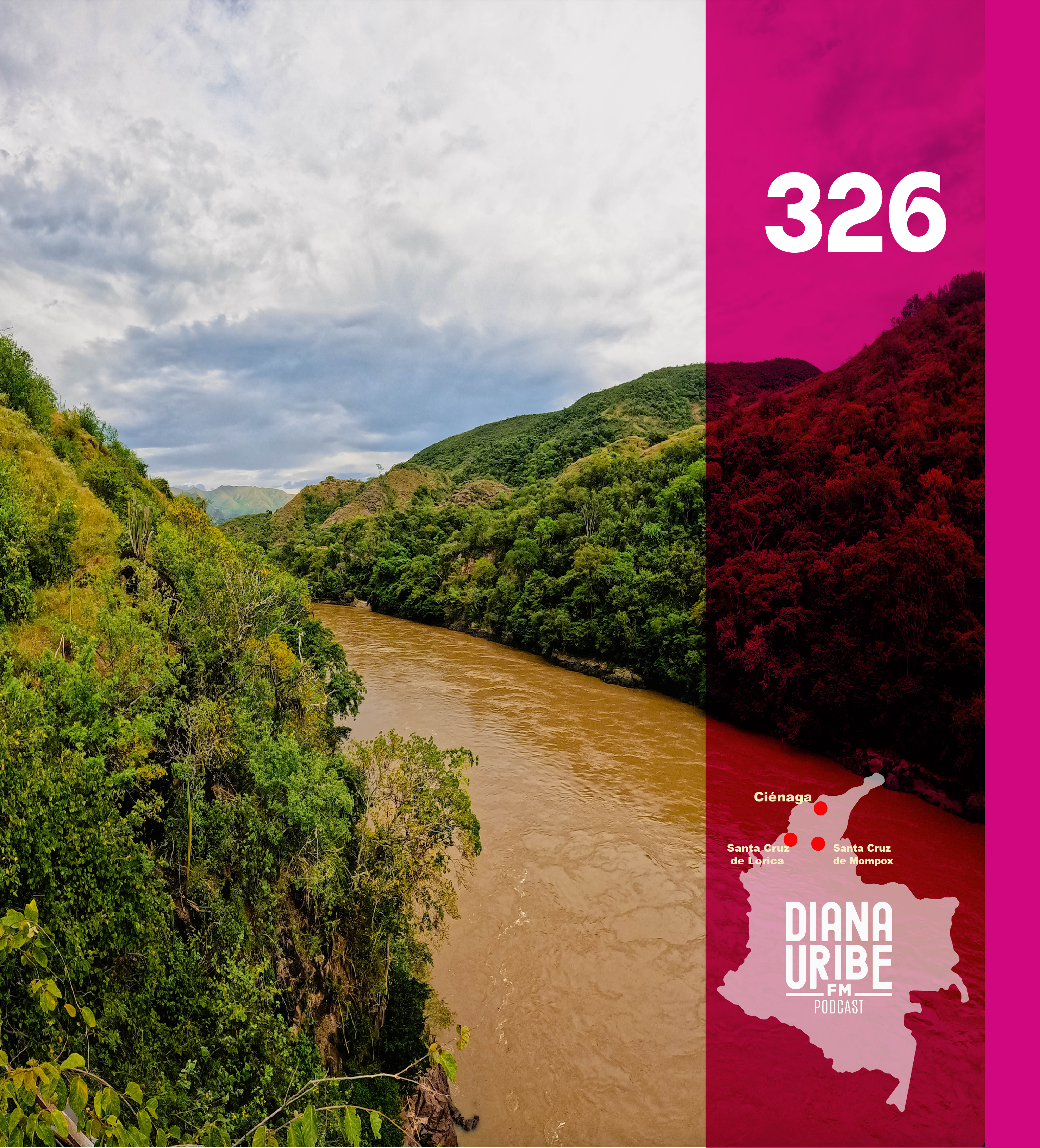
DianaUribe.fm
Pueblos Patrimonio de Colombia I: Ciénaga, Santa Cruz de Mompox y Santa Cruz de Lorica
01:22:07
Comienza una nueva serie en nuestro podcast. Esta vez empezamos un recorrido por algunos de los lugares más bellos de Colombia: los pueblos patrimonio de nuestro país. En seis capítulos viajaremos por 18 poblaciones llenas de belleza, historia,...
Loading summary
Transcript51 lines
- [00:00]
Mint Mobile Advertiser
Mint is still fifteen dollars a month for premium wireless. And if you haven't made the switch yet, here are fifteen reasons why you should. One. It's fifteen dollars a month.
- [00:09]
Narrator / Host
Two.
- [00:10]
Mint Mobile Advertiser
Seriously, it's fifteen dollars a month. Three. No big contracts.
- [00:14]
Chorus / Singer
Four.
- [00:15]
Mint Mobile Advertiser
I use it. Five. My mom uses it. ¿Are you playing me off? That's what's happening right. Okay. Give it a try at MintMobile dot com.
- [00:22]
Narrator / Host
Switch up front payment of forty five.
- [00:24]
Aura Advertiser
Dollars per three month plan dollar. Fifteen per month, equivalent required. New customer offer first three months only.
- [00:27]
Narrator / Host
Then full price plan options. Available taxes and fees extra. C. MintMobile dot com. Buenas. Bienvenidos a descubrir los Pueblos patrimonio de Colombia, el país de la belleza, porque la belleza está en los detalles. Después de relatos tremendamente dramáticos como fue esta serie de historias para el mundo de hoy, hoy vamos a abordar una parte hermosa, esperanzadora, linda, algo para compartir desde la buena onda también de la vida y de la historia, porque también hay buena onda en la vida y la historia son ¿No? Todo ese rigor, como dice. Hoy vamos a hablar de los pueblos patrimonios de Colombia. Entonces vamos a empezar una serie de seis capítulos con los 18 pueblos patrimonios que están hasta ahora reconocidos como tal. Y digo hasta ahora porque esto es una cosa tan fantástica, este país, que vete tú a saber cuántas cosas más descubriremos. Por ahora vamos por regiones. Empezaremos por Ciénaga, Santa Cruz de Mompós, Santa Cruz de Lorica, Lorica misma. Después, en el segundo capítulo vamos por Santa Fe de Antioquia, Jericó, Jardín, tercer capítulo, Aguada, Salamina y Guadalajara de Bugatti. Luego en el cuarto vamos por Honda, Villa de Guaduas y Pore, la ruta de Independencia. Después vamos por Monguí, Villa de Leyva, como no, y Barichara no podía faltar, no podíamos quedarnos pues, sin esto. Y también vamos por El Socorro, San Juan de Girón y la Playa de Belén. Último capítulo, capítulo sexto de esta serie que empieza hoy y que tenemos el honor, la alegría y la disposición del alma de narrarles con mucho cariño, porque hace un reconocimiento de nuestra identidad, de nuestro legado, de nuestro relato, que es muy importante, sobre todo en el caso de nuestro país. El relato ha sido tomado muchas veces por la guerra, por lo noticiosa que es ella, pero nosotros existimos antes de eso y hemos hecho muchas cosas aparte de eso. Y la idea es poder ver desde nuestra mirada las cosas bellas y maravillosas que nosotros somos. Hemos sido y seguiremos siendo y todo lo que hemos descubierto en estas épocas en que todo esto es recorrible y es mirable porque hemos vivido también la paz y hemos vivido muchas otras cosas. Entonces esto es un relato amable, bacano, entretenido, rico. Ese relato empedrado es un relato de mares, es un relato de ríos, es un relato de aguas, es un relato de muchas historias que es realmente una fascinación contar.
- [03:52]
Singer / Poet
Se oyeron gritos de fiesta cuando bailaba soledad con este son de tambores Pecho color en la ciudad Se oyeron gritos de fiesta cuando bailaba soledad con ese son de tambores Pero mi tierra envidiosa de notas triste volvió a la gaita y su copiño de raza bailaron todo sobre la falda Ella no es negra, morena como son todas las de mi tierra y en su cintura se megan los remolinos sobre la arena.
- [04:33]
Narrator / Host
¿Qué es un patrimonio, o sea, qué significan los pueblos patrimonios? La red turística de pueblos patrimonios la crearon en el 2010 y era una apuesta para impulsar el turismo en las regiones de Colombia en 18 municipios, yo le digo, van 18 hasta ahora, y empezaron a ver los elementos que han sido considerados como de grandes categorías de bienes de interés cultural. Entonces, ¿Qué clase de patrimonio hay? Hay un patrimonio material o tangible que es un legado cultural que se compone por cosas físicas, elementos que usted puede tocar la torre, la pared, el reloj, el edificio histórico, el sitio arqueológico, la ruina, los documentos que encontramos, los archivos o los objetos de arte. Patrimonios muebles como esculturas, como libros y los patrimonios inmuebles como los edificios, como los centros históricos. Pero eso digamos, es como tal vez de lo que más se le viene a uno a la cabeza cuando se habla de un pueblo patrimonio. Pero no es sólo eso, porque también hay un patrimonio inmaterial, hay un patrimonio intangible que está compuesto de prácticas y conocimientos y expresiones vivas que se transmiten de generación en generación. Eso es la memoria, o sea, lo que constituye la memoria es eso que a usted le contaron cuando chiquito, que hace que usted sienta que sigue siendo parte de un mismo relato, que no empezó contigo sino que llega a ti a través de muchos que otros días lo contaron. Eso va generando un hilo conductor de pertenencia y de raíz y de saber de dónde venimos y qué tipo de elementos de esos relatos colectivos nos habitan. De carácter individual, porque uno se reconoce en ellos. Entonces esos patrimonios intangibles, inmateriales, tienen que ver con los tejidos, por ejemplo, tienen que ver con las técnicas artesanales, tienen que ver con los rituales, tienen que ver con el conocimiento de la naturaleza y eso es lo que va dando un sentido. Por ejemplo en Santander y en Barichara, el guane, la técnica de los guanes, todo lo que ellos conocían han conocido el trabajo de la arcilla, los bailes y los carnavales que también son reconocidos porque son expresiones únicas de cómo un pueblo se representa a sí mismo, se danza, se sueña, se baila, se entrega a toda la construcción histórica.
- [07:05]
Singer / Poet
Para que sepan que Gaica, Cantal, Antonio Fer, para que sepan que Gaita de pique, esa guacharaca que haga cosquillas sobre su talle y se derrame la enferma sobre la rueda que deja el baile Sana Sintero, recuerda los bailes nobles de tus abuelos, los que bailaron la gaita y dejaron huellas sobre tu suelo. San Jacintero, recuerda los bailes nobles de tus abuelos, los que bailaron la gaita y dejaron fue ya sobre tu suelo.
- [08:03]
Narrator / Host
Entonces hay patrimonio histórico, que es lo que se ha acumulado a lo largo de la vida, que son las cosas que protegen una cultura, una nación, que son, hay veces las lenguas son muy importantes porque a veces son la única existencia que un pueblo tiene o que ya no tuvo. Pueblos que tienen lenguas únicas, por ejemplo los húngaros que ellos, solo ellos hablan eso, entonces sólo ellos entienden lo que hablan, eso para ellos es un rasgo de identidad, los sitios arqueológicos, los idiomas, los saberes, los saberes son muy importantes porque los saberes son el conocimiento acumulado a lo largo de generaciones que hace que tú, sin ni siquiera ser consciente de lo que haces, tienes un saber que te ha sido transmitido a través de la leche materna, a través de los relatos de la abuela, a través de las historias familiares, a través de las prácticas que tú has visto. En la mayoría de los casos, y creo que vamos a experimentar eso aquí, muchas veces uno no es consciente de eso porque está inmerso en esa cultura, porque está ahí, es lo que ves todos los días, es la práctica de la gente. Entonces después dice ah pero cómo eso es un saber, eso es un patrimonio. Sí, eso es un saber y eso, eso es un patrimonio y es un acto de memoria y es un acto de reconocimiento que no se había visto valorado como tal, porque muchas veces es así de cotidiano, que no se puede ver. Pero de todo eso se va manteniendo la memoria colectiva, la identidad cultural y el entendimiento de la historia humana. Y eso nos hace tan diversos como colectivamente, pertenecientes a una cantidad de identidades que están demarcadas por estas maneras de reconocer los patrimonios y de reconocer los saberes intangibles. Igualmente, patrimonios culturales. Y hay patrimonios naturales, que en Colombia, pues son todos, el cañón del Chicamocha, por ejemplo, eso es uno país de para atrás. La Sierra Nevada de Santa Marta, que es una. Digamos, la Sierra Nevada de Santa Marta es la que impide que aquí haya huracanes, y es la que genera unos climas increíbles. Y esa convergencia que vamos a ver cuando estemos, pues vamos a ver ahorita que lleguemos a Mompósquéis, aquí mismo, en unos pocos kilómetros de nuestro relato, que son una cantidad de aguas las que van a formar algo tan único como el pueblo de Mompós. A mí me tocó, yo tuve la experiencia de haber ido a la ruta de los pueblos patrimonios del oro en el Brasil, y conocer toda esa historia de cuando decían los portugueses que por qué si ellos creían en Dios y ellos creían en el Papa, ellos creían en todo, lo mismo de los españoles, Dios y el Papa le han dado el oro a los españoles y no a los portugueses. Entonces un día se dedicaron a rezar y a buscar, y en el cerro de Itaucolomía encontraron el oro que habría de hacer del imperio portugués el más grande de su tiempo. Entonces me tocó esa gran leyenda áurea de los pueblos patrimonios del Brasil, y ahí entré en contacto por primera vez con lo que significa un pueblo patrimonio. Y esto es una cosa muy importante, porque esto constituye raíz, identidad, sentido de pertenencia, es un reconocimiento de tradiciones y de saberes. Nosotros hicimos una serie sobre mitos y leyendas, que es también otra forma de entendernos en nuestro relato de identidad, y es un poco una hermanita de ella también. Algunas de esas cosas volverán a aparecer aquí, porque pues están ahí detrás de las paredes, y asustan de noche, hay veces pasa. Pero es como toda esta parte de una mirada desde nuestro propio reconocimiento, que es como uno de los factores en lo que tenemos que trabajar muchísimo, porque nuestro propio relato de nosotros mismos nos invalidamos o nos viabiliza frente a nuestra propia proyección como país, como futuro y como posibilidad histórica, está aquí en los pueblos patrimonios en una gran medida. Entonces, ¿Cuál es la idea de los patrimonios? La idea de los patrimonios es dar una posibilidad de reconocimiento, de existencia y de protección a los patrimonios. Cuando se declaren los patrimonios, la idea es que nadie pueda construir, como durante mucho tiempo hicieron en el Coliseo Romano, durante diferentes culturas sacaban pedazos del Coliseo Romano para ir a armar una choza o una tienda, donde usted no puede ir a sacar piedras del Coliseo Romano hoy día, porque no, o sea, porque eso es un patrimonio de la humanidad. En otra época uno ve en Irlanda los castillos normandos, cuando estaban prados con los normandos, desbarataban los castillos y sacaban de ahí y armaban cualquier cosita, una casita como pal frío, no, no, tú no puedes hacer eso, para eso se hacen los patrimonios. El patrimonio mundial es un conjunto de bienes culturales y naturales que se han heredado los antepasados, que permiten conocer la historia, las costumbres y las formas hasta el momento actual. ¿Y eso constituye la base de la memoria colectiva de la humanidad, o sea, todo lo que estamos hablando desde el Taj Mahal, las siete maravillas del mundo, todo eso es patrimonio de la humanidad, que quiere decir? Que toda la especie tiene derecho al tipo de conocimiento, cultura y transmisión que se genera en esos lugares. Entonces, esto es una parte de la UNESCO. La UNESCO se dedica a tipificar, proteger, valorar, dar a conocer, publicitar los patrimonios de la humanidad para que sepamos que existen, para que los valoremos. Una cosa como Angkor Wat en Cambodia, pues que uno dura cuatro días recorriendo esos templos donde los árboles revientan las rocas de los enormes Budas. Así como Angkor Wat es patrimonio de la UNESCO, Mompós también lo es. Entonces hay una película que se llama Dahome, y esa película es muy particular, porque es el retorno de unas piezas de patrimonio de Benim, de los museos de Francia, que eso es un debate interminable todavía, el saqueo de los museos, de los grandes museos que nos permite verlos, pero que hace que los pueblos se hayan quedado sin esos patrimonios, se la los devuelven, y para devolverlos la historia la cuentan desde la pieza que va a ser devuelta, que siente la pieza de volverse a meter en una caja y volver a atravesar un océano que hace dos siglos había atravesado para ser exhibida en una vitrina de un museo y que la gente la interpretara como quisiera. Y ahora la pieza va a llegar y la van a recibir con grandes ceremonias y la pieza va a reconocer a la gente que la hizo, que creyó en ella, que fue que le rindió culto. Entonces, esto de narrarlo desde el huacal y desde la pieza que va a ser empacada en el mar y que va a llegar al otro lado y desde los ojos que están viendo el huacal desempacarse, es una novedad que te permite un poco sentir que sienten los patrimonios, de ser patrimonios y todas las discusiones acerca de qué van a hacer con eso. Entonces nosotros lo que hicimos fue ponernos en contacto con la red de Pueblos Patrimonios de Colombia. Patrimonios, como les digo, hay en todas partes en América Latina, los que tú quieras. Pero en esta ocasión vamos a contar desde los Pueblos Patrimonios de Colombia, país de origen de este podcast, de desde donde surge el relato.
- [15:49]
Singer / Vocalist
Ya viene la madrugada, ya viene amaneciendo Ya viene la madrugada, ya viene amaneciendo.
- [15:59]
Singer / Poet
Es que me voy a acostar y.
- [16:02]
Singer / Vocalist
De sueño me estoy muriendo Es que.
- [16:06]
Singer / Poet
Me voy a acostar, yo me estoy muriendo.
- [16:24]
Narrator / Host
Lo primero que vamos a llegar, nuestro primer capítulo es el capítulo de un planeta, porque eso no es ni siquiera un país. Dentro del país que se llama Colombia hay regiones muy diferenciadas, tan diferenciadas que las culturas son increíblemente distintas. Todas las culturas, los acentos, la ropa. Porque muchas veces hemos contado que los pisos térmicos generan aquí una diversidad cultural inimaginable en los pueblos que miden los climas por estaciones. Nosotros los medimos por la altura a la que están. De las tres grandes cordilleras que se trifurcan, de la gran cordillera de los Andes. Una vez que entra Colombia, ahí hay un poco de países, pero hay un país, región, planeta, cosmos, sideral, una cosa completamente distinta a todo lo que la rodea, que es la Costa Atlántica. Porque la Costa Atlántica es también el Gran Caribe y es una formación de aguas, tanto del mar como de los ríos. Colombia es un país súper hídrico, aquí estamos bendecidos por muchas aguas. Por lo tanto nuestras leyendas y nuestras cosmovisiones están totalmente ligadas a las aguas. Entonces esta región ha dado paso a un análisis que hace Orlando Falsborda que se llama la cultura anfibia y es donde la gente coexiste entre el agua y la tierra y tiene los conocimientos de esas dos formas de entender el mundo. En el caso, por ejemplo, de San Basilio de Palenque, para los palenqueros existen tres mundos. Existe el mundo de los muertos, el mundo de los vivos y una réplica del mundo que ellos tienen debajo del agua, que es el mundo de la Mojana. Es, digamos, para Alex un ejemplo de cómo el agua determina nuestra manera de conocernos y de dar el mundo. ¿Entonces, por donde nos vamos a empezar?
- [18:32]
Local Resident / Storyteller
Es Ciénaga Porque he nacido, he crecido y he vivido en esta tierra tan caliente y me levanto el guineo con queso soy cienaguero. Traigo en la sangre y en facciones bien marcada la semblanza de una raza de fregao temperamento. Soy cienaguero, vengo de gente que luchó en las bananeras que pelaron sus machetes pero nunca se rindieron. Soy cienaguero y en todas partes yo me doy a conocer Nunca voy por el andén, siempre camino en el medio. ¿Y qué razones tiene un hombre pa sentirse de otro pueblo si al pasar por esta tierra ya se siente cienaguero? ¿Y qué razón está la vida pa sentirse de otra parte si el que triunfa en otros lados siempre anhela su regreso?
- [19:30]
Narrator / Host
Ciénaga En el departamento del Magdalena nosotros nos dividimos por departamentos y cada uno de esos departamentos está enclavado regiones y cada una de esas regiones es un micromundo. Por lo tanto, en estos pueblos patrimonio nosotros vamos a abordar temáticas culturales muy distintas y muy, digamos, muy particulares y específicas que a la vez pertenecen a regiones más grandes. Entonces, digamos, cuando uno se mete con estos pueblos pues está de todas maneras lidiando el Gran Caribe y teniendo en cuenta las características por un lado el imperio español, un imperio de ultramar. Entonces los pueblos de la costa pues van a tener unos desarrollos absolutamente increíbles porque de eso se trataba todo el proyecto imperial de los españoles, por un lado. Por el otro lado están enclavados sobre pueblos muy antiguos y pueblos muy importantes en nuestra formación cultural que son los pueblos del Zenú, los antiguos pueblos en un gran imperio que dominó los aguas, la agricultura, que entendió como no entendemos hoy, cómo manejar las aguas. Decíamos que los egipcios fueron imperio cuando aprendieron a dominar el Nilo y los chinos cuando pudieron hacer los canales desde el río Amarillo hasta el Yangtze. Pues estos pueblos del gran Sinú entendían las aguas y como la entendían vivían con ellos, con los ciclos de inundaciones, con los ciclos de fertilidad, con los ciclos de sequías y nosotros en la actualidad no lo tenemos tan claro y por eso muchas veces padecemos inundaciones que simplemente ocurren del hecho de no entender cómo es el ritmo de las aguas que nos rodean por todas partes. Año de fundación 1521 siempre que nosotros estamos hablando de estas fechas y patrimonios hay discusiones, hay alguien que dice que fue en febrero y alguien que dirá que fue el martes, entonces vamos a poner un año de fundación reconocido como tal. Nosotros agradecemos muchísimo el cariño, el amor, la apertura y el orgullo con que las personas que hemos entrevistado para cada uno de estos capítulos nos abren el corazón de su pueblo, de su tierra, de su cultura y nos permiten asomarnos desde el amor que ellos tienen por sus propios patrimonios para poder a través de sus voces y de su amor, narrar estas historias. Entonces la información que tenemos la tenemos de las fuentes, de la gente que está allá, que vive ahí, que tiene ese patrimonio, o sea, son seres humanos de carne y hueso los que nos están contando esto, gentes que caminan por ahí y a quienes vamos a ir agradeciendo a medida que vayamos recorriendo los capítulos, porque son sus voces, su amabilidad, su cari y su apertura lo que nos permiten a nosotros unir nuestras voces a los de ellos y contar estas historias. Entonces Ciénaga es conocida como la capital del realismo mágico porque nosotros también nos definimos literariamente, nosotros como cultura colombiana y nos definimos a partir de 100 años de soledad en una gran medida, porque 100 años de soledAd nos nombró. Hemos hablado muchas veces en capítulos que hemos hecho de la literatura, cómo la literatura nos dio una capacidad de narrarnos que no habíamos encontrado en otras maneras de manifestarnos frente al universo y como nuestra literatura se universalizó a través de Gabriel García Márquez y a través del boom latinoamericano, donde un fenómeno literario absolutamente increíble nos dio a conocer en el planeta Tierra. Entonces, dentro de esta gran, digamos, gran perspectiva de identidad histórica que significan las obras de Gabriel García Márquez y otro personaje que vamos a tratar con muchísimo cariño, David Sánchez Juliao, el recreador de historias, el narrador, el que nos cuenta la cotidianidad desde lo más sencillo, desde lo más tangible, desde la esquina, desde la plaza, vamos a ir de la mano de ellos. ¿Entonces es la Capital del Realismo Mágico, está ubicada, digamos, si los dioses quisieran favorecer a alguien y tener finos detalles de coquetería, harían un lugar donde Ciénaga, dónde está? Entre la Sierra Nevada de Santa Marta, el Mar Caribe y la Ciénaga Grande de Santa Marta, o sea, eso no puede quedar en un lugar más chévere. Y la Ciénaga Grande de Santa Marta es una formación acuífera gigantesca, es que nosotros tenemos lagunas en lo alto de las montañas, ciénagas que son también formaciones de agua dulce poderosas y grandes y enormes mares, dos mares grandes, gigantescos ríos, todo eso nos atraviesa en una generosidad de la naturaleza absolutamente increíble. Entonces ahí, en el lugar más bonito que uno se puede imaginar, queda la Ciénaga Grande, ese pueblo que es único en el mundo. Por supuesto, los atardeceres de allá, a ver cómo se le ocurre que pueda ser un atardecer donde confluyen todas estas aguas a la vez en una población, pues eso es de dar alaridos, es una cosa absolutamente increíble. Y este pueblo ha sido habitado desde milenios por su misma situación milagrosamente geográfica, muchos pueblos han ido allá. Entonces, pues pueblos que se han desarrollado entre el manglar, la tierra, las aguas dulces de los ríos, las ciénagas, ellos han dado cobijo a los Chimilas, a los Tayronas, a los pueblos de la Sierra, los Cogis Cancuamos arhuacos, que han creado a través de la Línea Negra, una manera de entender el universo y el cosmos en la forma en que ellos habitan, un legado de sus dioses desde tiempos inmemoriales. Entonces la Ciénaga pues tiene una vida anfibia porque la gente vive en palafitos que se alzan sobre las aguas y estos pueblos han resistido la naturaleza y han renacido. Después de todo, en estos pueblos, como muchos de los pueblos que hemos contado, han pasado momentos de violencia durísimos y han tenido historias absolutamente terribles en ese sentido, pero como todos nosotros y como siempre, una resiliencia increíble que los hace reverdecer, florecer, seguir adelante y seguir disfrutando de los grandes dones que la naturaleza les da. La ciénaga se precia de un gran pasado glorioso, un pasado que fue reconocido como el centro de la arquitectura republicana, que incluye las joyas como el templete municipal y la Iglesia de Juan Bautista, y que tiene todo un legado que fue declarado monumento nacional en 1994, y hoy son bienes de interés cultural porque aquí se juntan varios patrimonios. Entonces ahí hay una serie de lugares como las casas que son de un colorido increíble, como la casa de la Logia Masónica, la casa Morelli, la casa de los Balcones o el Palacio Municipal. Y también hay otras cosas que son parte de la manera como ellos se relacionan con su propia y con su propio mundo, que son leyendas macondianas, como la Casa del Diablo, donde su dueño, Manuel Varela Machado, un campesino, amasó una enorme fortuna en tiempos del banano y decían que él había hecho ese billete porque tenía un pacto con el demonio. Lo que le han dicho a todos, a los acordeoneros, a los bluseros, a todos se les cuenta que cuando algo es descomunalmente exitoso, el demonio está metido ahí. Entonces el rumor de la casa que hoy es abandonada, dice que alimentó con tragedias posteriores la desaparición de trabajadores, que decía que él, mejor dicho, que él hacía sacrificios y le rendía culto al demonio y que por eso esa casa estaba abandonada y estaba embrujada y quedó marcada por una sospecha de una alianza sobrenatural que él tenía y que atribuían a eso la cantidad de fortuna que hizo en la época del banano. Otros decían que él era un buen hombre, que era un tipo íntegro y que fue en víctima, como tantos otros en la vida, de la envidia, demonio él mismo y de la superstición. De todo se dice. Pero gran parte de todas las historias de los pueblos son los rumores y las leyendas. Ciénaga quedó marcada como uno de los movimientos de los monumentos más grandes por la escultura del Prometeo de la Libertad. Esa obra la hizo un gran escultor colombiano, Rodrigo Arenas Betancourt, fue un personaje de una presencia, digamos, escultórica y simbólica en nuestro país y él hizo esta obra, la inauguraron en 1978. Esta obra se hace con motivo de uno de los episodios más sombríos y aterradores que deja más huellas en la memoria colectiva de Colombia, la masacre de las bananeras. Y es que nosotros llegamos a tener una producción de banano absolutamente increíble. Eso está descrito en Cien años de soledad, desde el momento en que llega la compañía, desde que un gringo se come un banano y se le ocurre que eso se puede congelar y que a partir de ahí se puede hacer una gran industria y crea un mundo artificial. Pero digamos, ese capítulo en Cien años de soledad, con toda la, digamos, con toda la prolífica exaltación del realismo mágico, corresponde en la vida real a uno de los momentos más dramáticos, porque hubo una huelga de trabajadores de las bananeras para pedirlo en derechos mínimos, que eran las 8 horas, las 8.88, derechos que ya el mundo había reconocido en muchos lugares y que fue junto a la estación del tren y que allí fueron asesinados por la compañía bananera United Fruit Company. La masacre fue cometida por el ejército, que fue quien disparó, pero bajo las órdenes de la compañía bananera. Entonces, la estatua muestra a un afrodescendiente desafiando el terror que habría de ser esta matanza. Y esto es un parteaguas, porque nuestra historia queda rota antes y después de la matanza de las bananeras. En el capítulo de Cien años de soledad decían que eran tres mil. Normalmente, cuando estas cosas pasan, nunca se llega a saber cuánto fue. Y de todas maneras hay que José Arcadio II una y otra vez lo repetía y nadie le creía. Pensaban que él estaba delirando. Y él decía que los muertos eran 3.000 y que todos estaban en la estación. No, eran 3.000. Pero no se trata de cuántos eran, se trata de que esto sucedió como una gran tragedia y que él dice que le exageró el número. Pero, digamos, uno no puede saber exactamente cuánta gente fue, como tampoco puede saber cuánta gente murió en Tlatelolco, en la matanza de Tlatelolco, en México, en 1968, que rompió en dos la historia de México. Cuando hay un tipo de violencias de estas, la memoria colectiva queda herida. Y un poco la herida de esa memoria colectiva, que todavía para nosotros es un episodio desgarrador y sombrío, y que a través de la literatura se inmortalizó, es este monumento que Rodrigo Arenas Betancourt le entrega a la gente de Ciénaga. Pero también está. Está la cumbia. Está la cumbia cienaguera de Esteban Montaño Polo. Están de Spas Barríos y Luis Martínez.
- [31:30]
Singer / Vocalist
Muchachos, bailen la cumbia, porque la cumbia es matona.
- [31:35]
Narrator / Host
La cumbia cienaguera que se baila suave.
- [31:44]
Singer / Vocalist
La bailan en Santa Mar, se la baila toda.
- [31:57]
Narrator / Host
La música es común a estos tres pueblos. El porro en Lorica, la cumbia y el vallenato en Ciénaga. Todos juntos en Mompós. Hacia el jazz. Allá en Ciénaga es donde van a nacer Guillermo de Jesús Buitrago, conocido como el Jilguero de la Sierra Nevada y el Trovador del Magdalena, considerado como uno de los más grandes influyentes del vallenato. El vallenato es un relato muy importante en nuestra tierra. Era la manera como se transmitían las historias de un lado al otro de la costa, a través de los trabajadores que llegaban cantando lo que pasaba allende los pueblos donde la gente estaba. Entonces es un relato y es un relato nacional, es un relato de identidad el vallenato entre nosotros. Acordate Moralito de aquel día que estuviste en uno mitad y no quisiste hacer parada. Acordate Moralito, de aquel día que tuviste en uno mitad y no quisiste hacer parada.
- [33:05]
Singer / Vocalist
¿Te fuiste de mañanita, serías de la misma rabieta?
- [33:10]
Narrator / Host
Te fuiste de mañanita, sería de la.
- [33:14]
Singer / Vocalist
Misma rabia Me lleva yo porque se.
- [33:19]
Narrator / Host
Acabe la vaina porque Morales a mí.
- [33:23]
Singer / Vocalist
No me lleva porque no me da la gana.
- [33:28]
Narrator / Host
Entonces él fue uno de los intérpretes de uno de los vallenatos más conocidos que es el de La gota fría y otro que bueno, este sí es absolutamente incunable y este yo creo que no hay ninguno de nosotros que no lo tenga totalmente presente la víspera de año nuevo, porque nosotros cantamos esas canciones cuando van a ser las 12 de la noche todos los años de nuestra vida en toda Colombia. Y después cuando hicimos estas historias descubrimos que en muchas partes de América Latina también es una manera de darle la bienvenida al nuevo año y es la víspera de año nuevo, de cómo se celebra. También está el Festival Nacional del Caimán Cienaguero, que es una de las cosas que más atrae a la gente en enero. El caimán es un personaje mítico de muchos pueblos de la costa y se habla también en otros lugares del hombre caimán. Y el caimán es una representación de muchas de las figuras míticas de la costa a través del hombre caimán y a través de la manera como ellos se desfilan por las costas. Ciénaga es hoy día una población llena de bullicio, de música, de recocha, de relajo, porque esto es un pueblo de la costa. Entonces un pueblo de la costa no es un escenario señorial, digamos, guardado en los abolengos de un pasado lejano donde alguna vez se sintieron importantes. No, eso no es Ciénaga. Ciénaga es un pueblo donde gente está de un lado para el otro, donde hay parranda, donde hay bullicio. Es un lugar vivo. Y también es importante señalar en los pueblos patrimonios. Que no es que los pueblos patrimonioS sean un fresco detenido del tiempo, que no es que por allá no ha vuelto a pasar nada, como diría Serrat de los pueblos blancos, por no pasar ni pasó la guerra. No, son pueblos vivos, simplemente que tienen unas características de legado y de reconocimiento y de identidad que hacen que la gente resalte su reconocimiento en ese legado desde el pasado hasta el presente. Es importante que no pensemos en los patrimonios como hechos del pasado, frizados en un presente que apenas si los puede ver. Pues esto es un pueblo vivo. Y ahí están los ríos de Córdoba y Toribío, que son el destino final. Estos pueblos son calientes y decía García Márquez que eran esos pueblos donde se veía borroso del calor. Eso uno tiene que estar allá para entenderlo, que a veces se ve como cuando hay gas en las estufas, ese es el efecto del calor. Y entonces se van para los ríos, para el río Córdoba y el Toribío, para combatir el calor, para compartir las comidas de los patrimonios gastronómicos, para probar los platos para comer Caye, arroz de Elisa, dos platos muy característicos. Cien agueros. Y entonces ellos dicen que vengan, que disfruten de nuestra calidez, de nuestra calidez caribeña y el realismo mágico y que conozcan a los cien agueros. La importancia de este relato también, entre muchas otras, es hacer visibles cosas que nosotros no necesariamente conocemos, no necesariamente tenemos en el panorama diario de nuestro relato de país. Llegar allá es estar en otra instancia del mismo pueblo que nosotros somos. Y eso no más genera unas posibilidades históricas y culturales que hacen que uno no sea el mismo después de haber llegado allá y entrado en contacto con todas esas historias y con todos estos pueblos que de una u otra manera guardan la memoria. Progressive makes it easy to see If.
- [37:23]
Mint Mobile Advertiser
You could save when you bundle your.
- [37:24]
Narrator / Host
Home and auto policies, try it at progressive dot com Progressive casualty Insurance company and affiliates. Potential savings will vary not available in all states.
- [37:33]
Aura Advertiser
Did you know data Brokers are making billions, selling your personal information usually without your consent. That's how your information lands in the hands of scammers, spammers, even stalkers. It's why you get endless robocalls and why ads seem to follow you everywhere. That's where Aura comes in Aura actively removes your data from broker sites and keeps it off. They also instantly alert you if your information shows up in a breach or on the dark web. With one app you get a VPN, antivirus password manager, spam call protection, dark web monitoring and up to five million dollars in identity theft insurance, all backed by twenty four seven US based support. Other companies might just sell credit monitoring or just a VPN Aura gives you all of it at the same price. Competitors charge for just one service. Start your free trial today at Aura dot com hidden. Protect yourself now at Aura dot com hidden.
- [38:40]
Singer / Vocalist
Y puso en conocimiento que ya Tío.
- [38:43]
Chorus / Singer
Caimán este enfermo Hay golero ya Caimán está enfermo Hay golero y que quizás se ha muerto. Ya Caimán está enfermo hay golero y quizás se ha muerto.
- [38:59]
Narrator / Host
Otro de los pueblos, este sí es muy famoso. No es que el otro no lo sea, pero es que este tiene mucha visibilidad histórica. No porque sea más chévere ni menos chévere, sino porque tiene más miniseries, digámoslo así. Se trata de Mompó, Santa Cruz de Mompós, departamento de Bolívar. Año de fundación 1537. Para nosotros en América Hispana y en Colombia, estos años de fundación son muy remotos porque nuestras ciudades se remiten a las fundaciones que se hicieron en ese momento. No significa que ahí es cuando aparecieran, porque vienen muchos pueblos anteriores, sino que ahí es cuando tenemos fechas de fundación.
- [39:46]
Chorus / Singer
Bolero se le va el cielo Bolero se eleva el cielo danzando Gentón de guerra Luego desciende a la tierra a visitar al Caimanero Hay golero Ya Caimanta enfermo y quizás se ha muerto. Ya Caimanta enfermo, Hay golero y quizás te ha muerto. La carne se queda, para mí es el cuero. La carne se queda, para mí es el cuero Y acá hay manta enfermo hay colero y colero y quizás se muera.
- [40:28]
Narrator / Host
Tiene 49.152 habitantes y tiene una superficie de 645 kilómetros cuadrados. Esto está rodeado de aguas de una manera tan impresionante porque en un tiempo fue, digamos, como uno de los puntos más importantes del recorrido del río Magdalena. El río Magdalena es el río que nos atraviesa de un lado al otro en Colombia, desde Bocas de Ceniza, desde Barranquilla hasta donde van a ser en San Agustín, donde van a ser en el Huila, como un hilito. Ese río ha determinado toda nuestra historia. Hay toda una cantidad de historias ahí, incluida la de Wade Davis del río. Y ese río es por donde entró todo, todo el conocimiento, la música, las migraciones. Es el río que más cultiva nuestra historia. Entonces en una época Mompo fue uno de los puertos más importantes del Magdalena, y cuando lo fue, llegó a ser muy rica. Una capital donde un pueblo, donde una población donde hubo muchísimo dinero y fue uno de los puntos más importantes durante la época colonial. Por lo tanto tiene un patrimonio arquitectónico muy poderoso en ese sentido. Y es caribeño y es colonial y es patrimonial y se ha adaptado a los tiempos modernos. También es literario, en el amor en los tiempos del cólera, tiene también ahí una cantidad de relatos. Esta historia de un amor a lo largo de la vida, que es tal vez uno de los relatos más bellos de Gabriel García Márquez, cuando dice que era inevitable el olor, almendras amargas. Siempre le traía la memoria, los amores contrariados. Y ahí arranca una historia de amor que recorre todo el Magdalena y que tiene mucho que ver con Mompos. Y Mompós también se ha adaptado a los tiempos Hoy por hoy hay un festival de jazz en septiembre en Mompós, que es maravilloso. Mompós, como todos los demás pueblos, tiene un calor, un calor tremendo y eso hace que los ritmos sean distintos en el calor de la costa, que haya un sopor en la tarde hasta cuando ya empieza a caer el sol y se puede volver a salir, porque a la hora del mediodía nadie tiene que estar haciendo nada allá afuera, porque se calcina. Enton ellos son una cultura anfibia. Ellos son una cultura anfibia que está ligada al río Magdalena, a la red de las ciénagas y a los caños que lo rodean. Entonces el río no es solo paisaje, es un medio de vida. Es el transporte, la pesca, la recreación, el turismo. Es el sitio donde la gente puede ver también una gran cantidad de diversidad de fauna, las iguanas, las aves, los monos cerca de la ciudad, los paseos en chalupa, los planchones que forman parte de la rutina diaria, también son turísticos. Pero para moverse allá, igual que hay que moverse así. Entonces esto va a llevarnos a una biodiversidad tan grande de todo lo que nos describe Orlando Falsborda. De la cultura anfibia de Orlando Falsborda hablaremos en algún momento. Este año ya les contaremos cómo. Pero esta historia de él nos habla de Mompox y de. Y la forma como él llegó a construir un concepto de. Digamos, en el mundo como hoy lo conocemos, la gente sedentaria y generalmente vive en las tierras, pero hay gente que vive entre las aguas y la tierra. Y esto, digamos, en muchas partes del mundo. Aquí es la gente de Mompós, y él construyó ese concepto sobre la ciudad. También en Mompós hubo una cosa que es rara, que. Y más rara en la Nueva Granada, digamos. De pronto no era tan extraño en Lima, en el Virreinato de Lima o en el Virreinato de Nueva España, pero en Nueva Granada, por nuestro carácter periférico a los intereses fundamentales del imperio español, no era tan común que hubiera dos condes y cuatro marqueses. Eso puede tener toda la importancia que quienes creen en ese legado le dan. Y bueno, el único que cuenta ese cuento es Mompos. Entonces ahora Mompós va a declarar la independencia del Nuevo Reino de Granada el 6 de agosto de 1810. Pero aquí hay una diferencia muy grande. Cuando se da todo el movimiento de juntas que arranca desde Bolivia, desde Tuitiva, desde Chuquisaca, desde la Junta de Quito, que fueron las puras primeras en 1809, y todo el resto que se declaró en el momento en que España entra en la crisis de la ruptura de la invasión napoleónica, y lo único que quedaba de la corona era la Junta de Cádiz. En ese momento no queda claro cómo va a ser la relación con la corona, porque la relación que tenía la Nueva Granada y en general todos los virreinatos de América Latina con España, era a través de la corona, como corona, como figura de corona. Entonces, cuando la corona entra en crisis, porque Napoleón detiene a los dos reyes de España en ese momento, y lleva y pone en su lugar a su hermano José Bonaparte, todo el aparato se resquebraja a partir del momento en que la corona se fractura. Entonces ahí hay una cantidad de interpretaciones sobre cómo relacionarse con España a partir de ese hecho. Algunos quieren renegociar su relación con la Corona, quieren tener otro tipo de tratos con la corona, y otros no quieren tener ninguno. Hay quienes consideran que esta independencia es suficiente y necesaria. Y ahí nos bajamos. Fue de ese bus, de ese parche y de ese barco. Y ese fue el caso de Buenos Aires, que también a partir del momento en que ellos declaran su independencia declarada quedó. Entonces, hoy día, la manera como se relacionan con el hecho de la independencia, y sobre todo, particularmente durante los 200 años, que fue una revisita a todo el lugar histórico del momento en que nosotros surgimos como relato político. Nosotros tuvimos dos independencias en América Latina, una política que se trata del movimiento de Juntas y otra militar que se va a definir a partir de batallas. Esa definición de batallas fue un propósito común, incontinental, que ninguno de nosotros hubiera podido lograr solos, y que en conjunto hizo posible el nacimiento de un continente, de una cultura que es la latinoamericana. Dentro de esa gran perspectiva, Mompós de entrada, nosotros nos bajamos de aquí y no es para renegociar la relación con la Corona, ni vamos a querer nada. Nosotros nos independizamos como tales y eso para ellos es una diferencia muy importante. Y en el relato es una diferencia importante. Así que ellos a lo largo de todos los diferentes periodos históricos van a tener una gran importancia, tanto por los pueblos que vivieron en ellos, tant como por lo que representaron para la Corona, tanto por lo que tuvieron que ver con todo el desarrollo del Magdalena, tanto por lo que tuvieron que ver con su proclamación definitiva y radical en el movimiento de Juntas. Eso no quiere decir que después no nos hubiera tocado pelear otra, quiere decir que la tenían clara desde el principio, o por lo menos más clara que otros. Entonces, después, cuando viene ya la campaña de independencia, Segundo rayo porque después del movimiento de Juntas hubo un periodo que se llamaba la Reconquista, que corresponde a la Restauración. En Europa, cuando revierten los resultados inmediatos de la Revolución Francesa, vuelven a sacar a los reyes que habían sido arrestados y los vuelven a poner en sus coronas. Eso en Europa se llama la Restauración. En América Latina se va a llamar la Reconquista, porque van a venir varias flotas españolas y van a ejercer una represión absolutamente impresionante. Cuando sale Fernando VII de la cárcel, como si no hubiera pasado nada, a reconquistar un continente que ya se había perdido y que políticamente ya tenía un relato diferente. Entonces, pues hubo que volverle a hacer y hubo que volver a intentar, porque ya como una voluntad histórica y como una voluntad común, que fue todo el tema de la independencia, porque fueron los ejércitos del norte de Bolívar y los ejércitos de los Andes de San Martín, que en conjunto deciden construir un propósito común y era sacar a los españoles del continente. Y eso se lograba solamente en Lima, era de sacarlos. Para eso hay una cantidad de batallas. Batallas que después van a crear el relato de Estado nacional. Si uno las ve como batallas, no las entiende. Si uno las ve como un relato continental, entonces si tienen todo el sentido del mundo. Entonces, dentro de esas batallas hubo una que se llamaba la Campaña Admirable, que es la que termina liberando Caracas. Caracas siempre es parte de nuestro relato. Venezuela es parte de nuestro relato. Y por eso en ese momento Bolívar de Caracas dice que si a Caracas le debo la vida, a Mompós le debo la gloria. Eso dicen los momposinos y es uno de sus más grandes orgullos históricos. Ahí a la Campaña Admirable, a ese punto crucial con Venezuela para ese momento y para esa campaña los momposinos dieron 400 hombres. Y eso es una parte muy importante de cómo ellos se sienten protagonistas del legado de la Campaña Admirable que llevó a la independencia de Venezuela. Y bueno, pues es que Bolívar era venezolano. Entonces el tema tiene importancia.
- [50:46]
Singer / Vocalist
Río Magdalena que te la pasa viajando en mi Barranquilla El puente te está esperando Río Magdalena que te la pasa viajando en mi Barranquilla el puente.
- [51:06]
Narrator / Host
Río.
- [51:07]
Singer / Vocalist
Magdalena de mi Colombia querida Pasa por el puente Pa unino pa toda la vida Río Magdalena de mi Colombia querida pasa por el puente pa unino pa toda la vida.
- [51:27]
Narrator / Host
Para 1860 el río Magdalena por aquellas cosas en Colombia la geografía es viva en América Latina, pero en Colombia la geografía es viva. Todas las cosas se mueven y cambian y las montañas se caen y se descongelan y se deshielan. Nosotros vivimos en una geografía cambiante, interesante, móvil. Y eso es parte de lo que digamos, de lo que nos toca en los legados geográficos. Bueno, pues en una de esas que te cuento que pueden pasar acá, le ha dado al río Magdalena por estrecharse, cambiar de brazo, cambio de curso. Aquí cambian de curso los ríos, los enormes ríos cambian de curso un día, se van por otro lado. Entonces un día en 1860, el Magdalena, el enorme Magdalena cambió de curso y el brazo más estrecho quedó sobre Mompó. Y al quedarle el brazo más estrecho sobre Mompo, entonces la navegación que era tan fundamental en Mompox, ya no se puede porque el calado disminuye y los barcos ya no la pueden atravesar como antes.
- [52:37]
Singer / Vocalist
Río Magdalena que nunca te pones ciego Sigues orgulloso bajo el puente Pumarejo Río Magdalena que nunca te pones viejo Sigues orgulloso bajo el puente Pumarejo Río Magdalena de mi Colombia querida Pasa por el puente Paulino Pa toda la vida Río.
- [53:08]
Narrator / Host
Mag Entonces esto por un lado permite una conservación arquitectónica increíble porque hace que se mantenga un poco en el tiempo eso que habían logrado hasta allá. Y esto, esta cantidad de iglesias, conventos, casas coloniales que hacen que lo vayan a declarar Monumento Nacional en 1959 y posteriormente Patrimonio de la Humanidad por la UNESCO. Todo eso hace que exista todo ese legado todavía. Pero para Mompoz eso va a ser muy grave, porque lo saca de la esquina del movimiento. Porque Mompox estaba incluido en la gran Ruta del Magdalena. Y ahí queda del lado de la esquina del movimiento que era el Magdalena. Todo lo definía el Magdalena. Aconsejamos muchísimo para esta serie tener mapas a mano, mapas, fotos, documentales, para poder soñar lo que esperamos vayan a visitar. Porque la idea es que todo esto se lo recorran y no lo recorramos para podernos los dar simplemente por la felicidad de saber que esto forma parte de nosotros. Entonces quedaron al margen de lo que antes fueron el protagonista muy importante. Entonces eso les da por ahí toda la conservación que hoy tienen, el patrimonio histórico que hoy son. Está la iglesia de Santa Bárbara del siglo XVII, está la torre barroca, el balcón de madera, Está la tradición, una tradición que es bellísima, bellísima, que es la tradición de la orfebrería. Pueblos áuricos y que tienen todas esas riquezas, desarrollan un arte muy particular. Esto es un sello aquí en Colombia. La filigrana momposina Pero esa misma filigrana uno la ve en Córdoba, digamos, la ve en Córdoba, España. Y cuando uno la ve en Córdoba, España, en Al Ándalus, entiende los hilos de la historia y como esas. Esas grandes artes que se dan allá, también se dan acá. Fuimos parte de eso, pero ellos son parte de nosotros ahora. Y la filigrana es absolutamente increíble. Otra de las cosas que más ha determinado los rasgos arquitectónicos en todas partes, es la forja de hierro. Esas forjas son un arte, son una tradición. En Mompós se hacían las forjas que se ponían en todo el virreinato. Entonces era muy importante toda la tradición de las artes de la forja. Que estos son los herreros. La silla mecedora momposina, que es la que se ve siempre en el calor, la gente allá afuera sintiéndose una silla mecedora, tomándose una bebida fría, mirando para el río. Es que eso es un buen parche. Eso es una cosa momposina.
- [56:01]
Singer / Vocalist
Que contó, que contó de la ciudad de Mompó, que queda con el sol ahí. El río nos llevó, le regaló su calor. Y ahora baleamos tu ti al ritmo del tambor.
- [56:30]
Narrator / Host
Literariamente, pues esto tiene toda clase de acepciones. Está el amor en los tiempos del cólera, está el Barranco de la Loba, que era donde se recogía la carga y era donde se pasaba los itinerarios de los vapores. Era la época de los vapores. Eso se está intentando reconstruir, hasta ahora estamos en. En ello. ¿Pero el vapor del Magdalena que salía de Mompós y atraviesaba todos los pueblos del Magdalena, que es donde se cumple el amor en los tiempos del cólera, es donde ese amor que los había habitado desde la adolescencia y que no se pudo, como decía ella, primero no nos dejaban amarnos, que porque éramos muy chiquitos, y ahora que porque somos muy viejos, entonces qué? Entonces Fermín Hadassa, en ese amor que le fue aplazado en la vida y que lo va a poder realizar de la manera más poética y más maravillosa por ese vapor en el Magdalena, en el amor en los tiempos del cólera. Todo eso se va viendo en los vapores y en las veleidades del río. Pero también, no solamente en el amor en los tiempos del cólera, sino también en el general en su laberinto. Bolívar. Mompós no existe. A veces soñamos con ella, pero no existe. En las últimas etapas del general que atraviesa la amargura, la frustración, la idea de todo lo que él creyó, fue, no pudo ser, soñó. Y esas elucubraciones todavía determinan nuestras grandes discusiones históricas. Lo que mi general piensa, sólo mi general sabe, decían de lo hermético que podía llegar a ser acerca de sus verdaderos pensamientos. Entonces, como esto también son destinos gastronómicos, pues allá está el casabe y el caso Vito, que es una elaboración de yuca, y está el queso de casa. Y pues esto tiene uno de los valores históricos más grandes. Y tiene una celebración muy importante. Nosotros ya lo hicimos en Semana Santa, el Festival de Semana Santa en Mompós. Ahí en este momento les recuerdo revisitar las historias que hicimos sobre los pueblos, sobre las fiestas en nuestro país, ferias y fiestas. Y el festival de Jazz, que desde el año 2012 ha hecho de la ciudad uno de los. De los puntos maravillosos. En septiembre, que en septiembre en general Colombia se llena de jazz cada vez más. Hay jazz en Medellín, el gran Jazz al Parque, que es el original en Bogotá, el jazz en Mompós, hay jazz en Colombia en los septiembres. Entonces, pues ahí estamos con esta gran y maravillosa población de. De Mompós impetuoso de rápido vapor subí afligido, viva la imagen del hogar ausente. Oh, cuán indiferente lo ha sido después y lo ha bajado. Oh mirar a las fértiles riberas o las nubes ligeras de un porvenir de adivinación. Creía mi ardiente corazón enajenado, dulcemente alogado por tus sueños de gloria. Se sentía Candelario Beso, uno de los grandes, grandes escritores, uno de los primeros escritores afro en mostrar toda la riqueza que durante mucho tiempo no fue reconocida como tal y que nació en Mompós en 1849.
- [60:03]
Singer / Vocalist
Cuando yo escuche el llamado de mi tierra or originaria a su mano libertaria volveré sin ser esclavo negro que muere penando regresará por el Sinú a donde en su juventud rey fue de tierra fantástica, abriendo del polvo el camino para retornar África. Abriendo del polvo el camino para retornar África. No me entierren en un hueco, trémeme hasta la ceniza pa buscar a mi ancestro en un baobab. En los No me entierren en un hueco, créeme, hasta la ceniza pa buscar a mis ancestros en un baobab.
- [61:10]
Narrator / Host
Luego nos vamos para una joya en Córdoba, Colombia. La otra Córdoba que les había contado era la de Andalucía. Esto es Córdoba, Colombia, Costa Atlántica. La Costa Atlántica está compuesta por una serie de departamentos y cada uno de esos departamentos a su vez está totalmente ligado y a la vez es una cultura propia, es una, digamos, una manera de inmunos en un tejido de tradiciones que nos hace entre lo diverso y lo común, las cosas que tienen en común y las cosas que tienen de particular. Fundada en 1776, Lorica, la llamamos Santa Cruz de Lorica, pero todo el mundo habla de Loric.
- [61:54]
Singer / Vocalist
Yo quiero ver en ceniza y río volver a la tierra prieta de dónde he venido. No me entierren, no, no, no En un baoba.
- [62:11]
Narrator / Host
Tiene 119.280 habitantes, censo de 2025 y 1.300. 333 kilómetros cuadrados queda en el departamento de Córdoba. Por eso necesitamos los mapas, necesitamos que sepan dónde queda el Magdalena, donde queda Córdoba, dónde queda Bolívar, dónde queda la Sierra y la ciénaga y el río, para que puedan de alguna manera disfrutar del embrujo, del relato y del fresco de la tarde. Esta conocida Lorica como la ciudad antigua y señorial, tiene una arquitectura urbana muy poderosa de mediados del siglo y es el estilo republicano con el estilo muy árabe andaluz. Nosotros también venimos de Al Ándalus porque aquí hubo una gran cantidad de inmigrantes, de conquistadores andaluces y hay que recordar que España estuvo ocho siglos bajo la dominación musulmana y formó parte de lo que se llamaba Al Andalus, que esta es esta conflación entre Marruecos y el sur de España, y que allá estaban las ciudades de Córdoba y de Granada y Taifa también en Marruecos. Bueno, pues de allá vino un poco de gente que estaba la gran migración andaluza. Y esta gran migración andaluza o esta conquista andaluza va a tener unas características arquitectónicas, razón por la cual en muchos de nuestros pueblos patrimonio nos vamos a encontrar con arquitectura árabes dentro de la arquitectura colonial. En la arquitectura árabe afuera estaban las grandes paredes y adentro los patios con las grandes fuentes y los jardines. Eso lo vamos a ver muchas veces. Entonces aquí tenemos un estilo que se mezcla con lo republicano, pero que tiene unas profundas raíces mudéjares, que son las Andalucías. Aquí va a llegar una enorme, gigantesca migración sirio libanesa cuando se disuelve el Imperio Turco Otomano. Esto va a ser un cataclismo para los pueblos que lo integraban y que lucharon por su independencia del Imperio Otomano. Y ahí va a haber una migración enorme. Esa migración va a llegar a la costa atlántica, va a llegar por el Magdalena, va a llegar por la orilla y eso va a hacer que haya una gran cantidad de rasgos árabes en la cultura de Lorica, porque va a ser uno de los sitios que va a contener la migración. Y es una migración cultural y es una migración arquitectónica, y es una migración comercial, porque ellos eventualmente son los que se van a inventar la venta a crédito, que iban casa a casa vendiendo cadenitas y luego pasaban el siguiente mes a cobrarlas. Llegaban donde las señoras con sus grandes estampados de telas, acuérdese que damasco significa brocado, de dónde viene la palabra muselina de musul. Entonces todas estas telas de oriente y estas herencias milenarias van a llegar a Lorica por la vía de la gran migración árabe que llega aquí con la disolución del Imperio Turco Otomano. La gente que llega acá todavía no existe en los países como tales. Todos tienen un pasaporte del imperio Turco Otomano porque formaban parte de ese imperio. Por eso en la costa colombiana a los árabes se les dice turcos, no porque sean turcos, los turcos y los árabes son pueblos completamente distintos, sino porque pertenecían, digamos, geopolíticamente y geográficamente a una entidad administrativa que era el imperio turco otomano. Cuando se forman las naciones un poquito más adelante, ya ellos están con su pasaporte turco y por eso se les llama turcos, turcos de agua dulce, la calle de los turcos que también nos mencionaba Gabriel García Márquez en Cien años de soledad, cuando llegaban los turcos con el comercio. Entonces de ahí vienen los turcos a Lorica y en Lorica está la cultura Zenú. Y la cultura Zenú es una de las culturas más antiguas y más poderosas del Caribe colombiano. Ellos eran unos grandes, grandes ingenieros que construían los canales hidráulicos, los camellones, que eran como. Eran una serie de capas, como la estructura de un camello, y la parte más alta del camello era como la joroba, era la que estaba a la orilla del río. Hoy por hoy esa palabra existe en todos los. En todos los corredores que tienen las terrazas y los ríos en Colombia se llama el camellón y es normalmente las calles donde se da la mayor cantidad de actividad cultural. Ellos tenían una red de canales hídricos y de camellón y ellos dominaban las inundaciones y esos hacían que las cosechas fueran, que pudieran tener una cosecha muy grande. En estas tierras del Sinú están unas de las capas vegetales más fértiles del planeta Tierra, o sea, eso de para abajo tiene tal cantidad de capas vegetales que lo que se caiga, ni siquiera lo que se siembre, lo que se caiga ahí va a florecer. Entonces es de una exuberancia, una cosa loca, por eso, por la cantidad de fertilidad que tiene el suelo, por la enorme forma como los Zenú crearon esta tierra, por la enorme cosmovisión que ellos tienen, por la comunidad espiritual con la vida agrícola. Los Zenú hablan de una tradición de las brujas del Senu, porque acuérdese que no hay que creer en brujas, pero que las hay, las hay. En el Zenú hay brujas y allá en el río Zenú ellas tienen una. Una costumbre, leyenda, pero de todo se habla y se habla de los niños cruzados. Cuando hay en el río hay un pescado, un pez que tiene un aceite que es como una gota de sangre, esa gota de sangre se abre la piel a la altura de la muñeca, en el punto donde están las venas y ahí se incrusta, eso genera poderes impresionantes, poderes de fuerza o hasta de inmortalidad, eso dicen. Pero en Cien años de soledad, cuando Osiarcadio viene después de haber sido raptado por los gitanos, todo bordado en punto de cruz, tiene una fuerza descomunal y dice que tenía niños cruzados allá, eso es otro mundo. Entonces las historias y las formas como se narra la realidad son completamente diferentes a las del altar, son muy distintas, o a lo de los valles interandinos, es otra cosa, otra cosa muy diferente. Entonces uno tiene que estar en un campo conceptual, cósmico, espiritual, anímico distinto para poder abordar estos pueblos donde la vida es de otra manera, donde el calor determina otro tipo de ritmos. Entonces hay que tener en cuenta toda esa diversidad.
- [69:24]
Singer / Vocalist
Hay que cantarle a la noche, hay que cantarle a la orica, hay que cantarle a la brisa fresca que viene del norte, cántole a la muralla que queda en la orilla del Sinú, también le canto a la playa donde siempre retozas tú, Cántole al pueblo en que vive la antigua y señoría, la dormida mansión celestial regada por misas del Caribe.
- [70:10]
Narrator / Host
Aquí nos vamos a meter con las memorias de David Sánchez. ¿Quién es David Sánchez Julia? Es un tipo que trabajó la oralidad, que es tan importante en Colombia. La oralidad es fundamental, somos pueblos de relatos orales, por eso la radio en Colombia ha tenido importancia histórica que no necesariamente se puede comprender desde otros países. Aquí contamos cuentos, somos unos contadores de cuentos. La cosa más impresionante en todas las regiones es una de nuestras características culturales, nos crían a punta de dichos y de historias y de leyendas que nosotros reproducimos también. Entonces dentro de la oralidad de la costa, que es tan rica, tan poderosa, tan maravillosa, esto también es una riqueza intangible. Hay un personaje que se llama David Sánchez Juliao y David Sánchez julio, él mismo representaba teatralmente sus obras. También un gran actor que se llamaba Franky Linero, que representó sus obras de una manera muy ingeniosa y bella. Hay muchas cosas que él hizo, pero hay dos que se conocieron en todas partes, que era el Pachanga y el Flecha. Y el Pachanga y el Flecha son dos personajes populares. Hay gente del pueblo Flecha es un afrodescendiente que quiere ser boxeador, que está en la tienda tomando cerveza y que le invita a sus amigos a tomar trago para que se callen y lo oigan hablar. La manera como él describe su mundo es absolutamente única y los invitamos a visitar estos relatos maravillosos. Y el Pachanga tiene un camioncito que tiene el nombre del Pachanga y que va recorriendo y va recorriendo la costa a través de estos dos personajes. Hay un relato cotidiano de los bares, de la cerveza, de los amigos, de la bullaranga, de lo que es la recocha, la recocha o mamadera de gallo, que ya María García Márquez es una forma de humor y es una forma de sabrosura con la vida, es una manera de bromear, de pasar la tarde, de no tomarse en serio la vida y a la vez poder filosofar sobre su tragedia y su su incertidumbre. Entonces toda esta oralidad es muy importante para poder entender la vida de los lugares de los que estamos hablando. Y ahí por eso traemos a la memoria a David Sánchez Juliao. Entonces aquí hay raíces indígenas por los grandes del Zenú, hay raíces árabes por la gran migración de la disolución del Imperio Otomano, raíces andaluzas también y raíces afrodescendientes, porque todos estos pueblos fueron pueblos a donde se llegó mayoritariamente el crimen histórico más grande que la humanidad ha tenido y cuya deuda aún está viva, la esclavitud, el comercio triangular, porque todos estos habitantes no llegaron acá nunca por su voluntad, sino que fueron extraídos, fueron esclavizados, desprovistos de su carácter de persona, desprovistos de sus costumbres y de sus nombres y traídos en condiciones miserables. Esto para toda América Latina y para el mundo entero. Siempre que hablamos de los afrodescendientes estamos hablando del origen de un crimen histórico que es la razón por la cual llegaron acá. Entonces en la Costa Atlántica como en la Costa Pacífica, hay una enorme cantidad de población afrodescendiente, que en su totalidad es algo así como el 25% de la población en Colombia. Es una raíz africana muy profunda que determina también el carácter musical de los pueblos colombianos, pero particularmente de los pueblos de la Costa. No podemos hablar de los pueblos de la Costa sin enfatizar en la profunda raíz afrodescendiente que nos define y nos integra. Entonces esta diversidad de culturas, esta diversidad de aguas, estas definiciones de la geografía entre ciénagas y todo esto va a dar de Lorica un lugar súper especial. Y el tono árabe lo hace muy específico en los eso quiere decir que la gastronomía es de aralaridos, o sea, lo que ellos, la comida árabe que ellos hacen pues es comida de la misma que uno se come en Beirut o que se come en Montería. Están las faenas de pesca, la agricultura, la gastronomía. Por qué Lorica es donde ustedes, ahí donde me oyen, la capital del bocachico. El bocachico es un pescado delicioso, tiene muchas espinas, hay que comérselo con cuidado, pero es delicioso y es el símbolo, otro de los símbolos de identidad de ellos, se les conoce como la capital del bocachico y tiene una naturaleza central de barrios urbanos que todavía dependen de la pesca diaria, de la pesca fresca. Las épocas doradas de 1850 a 1950 fue un tiempo en que Lorica fue una capital muy rica, con un gran dinamismo económico y cultural por su estratégica ubicación en el Cenú y lo hizo uno de los pueblos más importantes fluviales del Caribe colombiano en el momento en que los ríos determinaban toda nuestra movilidad, porque nosotros tuvimos mucho tiempo en que nos transportábamos a través de los ríos, entonces hay un auge de comercio agrícola ganadero y esto trajo inmigrantes de todas partes del mundo y fue cuando llegaron muchos europeos también y llegó pues toda la gran migración árabe del imperio turco otomano y todo el mundo trajo costumbres, gastronomías, relatos, historias, modas y entonces surgieron fábricas de alimentos, de velas, de jabones, de hielo. Esa calle de los Turcos que nos cuenta García Márquez en macabro, bien puede ser Lorica, porque Lorica como todo pueblo, porque habían traído tal cantidad de novedades y de riquezas que venían, que consolidaron una ciudad con almacenes, con empresas, con un centro muy próspero y bueno, sus edificaciones patrimoniales reflejan una gran cantidad de todo esto. A nivel de arquitectura, el Mercado público, que es la estructura que representa la arquitectura republicana y es donde están las influencias árabes a orillas del Sinú y el mercado Público fue declarado monumento nacional en 1996 y el sector histórico de la ORICA fue declarado Bien de Interés Cultural en el año 2000. Entonces paseando por la ORICA uno puede ver el Palacio de las Tres Columnas, el mural del Palacio Municipal de Lord, las paredes del patio central del edificio González, que es una de las obras más representativas que ellos tienen también, que fue además creado por Adriano Río Sosa, un artista loricero, que ellos tienen mucho, ellos tienen mucha composición mural y tiene muchas piezas murales y las ensambló. Esto fue ensamblado como un rompecabezas, la experiencia del malecón, de la muralla junto a río, los escenarios de tertulias, de ferias, de gastronomías, de toda esa oferta de la diversidad literaria, de la herencia costeña y del Caribe. Nos decía Manuel Zapata A lo largo del Sinú el arroz corría hacia el mar y luego a los puertos costaneros como un río que buscará empeñoso las grandes bodegas de los ríos para desembocar. Manuel Zapata Oliveya es otro de los grandes narradores de toda esta cultura afro, junto con su hermana Delia Zapata, quien lo hizo en la danza mientras él lo hizo en el relato. Y ellos nacieron en Lorica y eso nomás ya es demasiado. Que sea la cuna de Manuel Zapata Oliveya y de Delia Zapata Oliveya es muy importante para todo el relato que nos ayude a entendernos como nación a partir del mundo afro que nos define. Entonces ellos van a crear muchísimo de lo que hoy es nuestro folclore, tanto musical como literario, entendiendo esto como una manera de exaltar nuestra herencia y nuestro patrimonio colectivo. ¿Así es la vida, sabe? Como un dominó, unos pasan y otros cierran el juego, dice David Sánchez Juliao. Este otro personaje, David Sánchez Juliao, nació en 1945 en Lorica y como digo, la define de una manera no solamente con el Pachanga, con el flecha, sino una novela que se llama Cachaco pala, muy gato. Y también es uno de los que nos ha ayudado a narrar junto con todo. Es que mira la cantidad de gente que tiene Lorica para contar quién es Lorica cuando Lorica era Lorica, decía el Pachanga siempre tiene una alusión a esa antigua grandeza que tuvo la ciudad cuando Lorica era Lorica. Entonces es un personaje que siempre está describiendo, él construye toda la magia y el encanto con la palabra. Entonces Lorica es el corazón histórico del zenú y se enlaza con San Bernardo del Viento, con San Pelayo, con Puerto Escondido, con Montería, con Tolú y Coveñas, y todo eso está conectado. Entonces les digo, todas esas tradiciones son comunes, están conectadas, forman parte de un legado histórico, pero tienen lo suyo, cada una es específica en su lugar. Entonces en Lorica, Lorica tiene lo suyo, que es toda la parte árabe. Entonces con Lorica, con el Sinú, con todos estos relatos de aguas, con estos relatos de oralidad, de recocha, de señorialidad de historias antiguas y de historias modernas, de bullicio, de vitalidad, de ríos, de sierras, de una de las partes más ensoñadoras y maravillosas que ha conocido todo la grandeza, la poesía, la guerra, la resiliencia, la historia, el patrimonio, la cultura. Terminamos nuestro primer recorrido de los seis recorridos que vamos a hacer con tres pueblos patrimonio por capítulo, por esta historia de los 18 pueblos patrimonio que nos conectan con nuestra, digamos, con nuestra. Con nuestra permanencia en el tiempo, o sea, nosotros venimos de atrás, tenemos historias, tenemos legados, tenemos leyendas, tenemos identidades, tenemos culturas y es muy importante visitarlas para recordar lo que nos define, lo que nos une, lo que nos lleva a reconocernos en historias maravillosas que son muy importantes de recordar ahora en estos tiempos en que cuando los relatos se polarizan hay que recordar lo que nos une y lo que nos une son todas estas historias culturales que llevamos dentro, que nos definen, que nos hacen colombianos en toda nuestra diversidad y que vamos a recorrer a lo largo de estos seis capítulos con honor, con alegría y con belleza para deleite de todos nosotros. Entonces, desde los espacios de nuestro relato, de nuestra cultura, de nuestra oralidad, de nuestras ciénagas, de nuestras aguas, de los árabes, de los afros, de todos los pueblos del Sinú, de toda la cantidad de sabiduría, alegría, tarde, sol, patrimonio, cultura, oralidad y belleza, magia y cosmovisión que nos traen estos tres pueblos de la costa en la narración de Ana Uribe. Y para ustedes feliz día, cualquier día que ese sea. Agradecimientos muy especiales y cariñosos en Ciénaga para Carlos Falqués, en Mompós para Luis Alfredo Domínguez y en Lorica para Luis Carlos Negrete. Muchas gracias. Queremos invitarlos a que viajen por Colombia, el país de la belleza, descubran los pueblos Patrimonios porque la belleza está en los detalles. Este episodio fue posible gracias al Ministerio de Comercio, Industria y Turismo FONTUR, Red Turística de Pueblos Patrimonios. Este podcast fue grabado en Los Gatos Estudios y fue posible gracias al equipo de dianauribe FM que está integrado por Diana Uribe, Diana Suárez, Milena Beltrán y la edición y musicalización de Eduardo Corredor Fonseca. En la investigación Arturo Jiménez, Elvira Moreno y Daniel y el Mesa.